
아세트산 칼슘
Calcium Acetate
데이터를 보충하는 중입니다. 잠시 후 페이지를 새로 고치면 최신 내용을 볼 수 있습니다
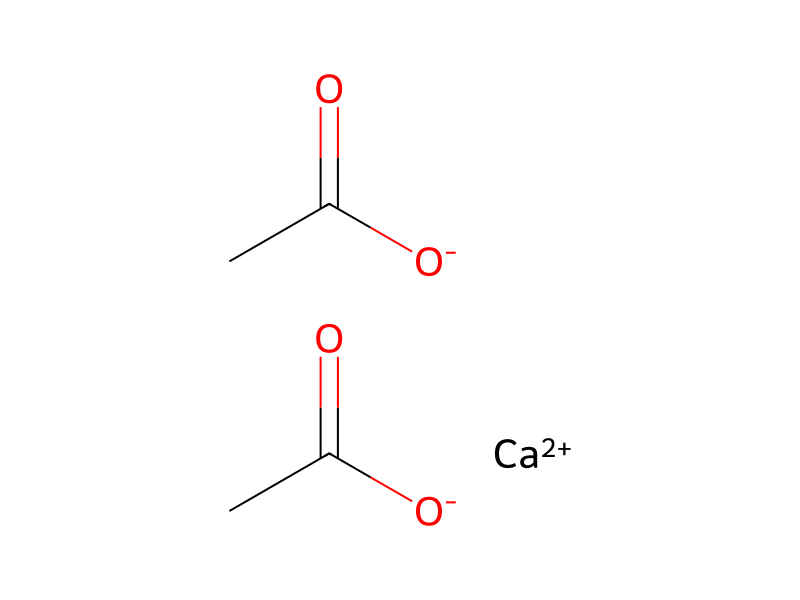
기본 정보
- CAS
62-54-4- 표준 SMILES
CC(=O)[O-].CC(=O)[O-].[Ca+2]- InChIKey
VSGNNIFQASZAOI-UHFFFAOYSA-L- 분자식
- C4H6O4.Ca
- 평균 분자량
- 158.17 g/mol
- 단동위원소 질량
- 157.98919965
개요
Calcium acetate is the calcium salt of acetic acid. It is used, commonly as a hydrate, to treat hyperphosphataemia (excess phosphate in the blood) in patients with kidney disease: the calcium ion combines with dietary phosphate to form (insoluble) calcium phosphate, which is excreted in the faeces. It has a role as a chelator. It contains an acetate.
이름 및 식별자
- 우선 이름
- Calcium Acetate
- IUPAC
- calcium diacetate
- 현지명
- 아세트산 칼슘
- 영어명
- Calcium acetate
- 분자식
- C4H6CaO4
- 분자량
- 158.17
이름 및 동의어
Calcium acetate62-54-4Calcium diacetateAcetic acid, calcium saltLime acetatePhosLoLime pyroligniteAcetate of limeTeltozanBrown acetateGray Acetate of LimeBrown Acetate of Lime
이름 더 보기
아세트산칼슘아세트산칼슘칼슘아세테이트라임 아세테이트아세트산 칼슘아세트산, 칼슘아세트산, 칼슘 염아세트산, 칼슘 염 (2:1)칼슘 다이(아세테이트)칼슘 다이아세테이트회색 아세테이트Calcium Acetate AnhydrousFEMA 2228grayacetatelimeacetatevinegarsaltsbrownacetateMAGGRAN(R) CA
PhoslyraSorbo-calcionGray acetatePhoslo Gelcapscalcium ethanoateFEMA No. 2228EliphosCalcarea acetica
데이터베이스 식별자
- CAS
62-54-4- PubChem CID
- 6116
- DTXSID
DTXSID0020234- ChEMBL
CHEMBL1200800- ChEBI
CHEBI:3310- UNII
- Y882YXF34X
- EC Number
- 200-540-9
- Nikkaji
- J4.823B
물성
구조 계산 물성보충 중
- 극성 표면적
- 80.3 Ų
- 수소 결합 공여자 수
- 0
- 수소 결합 수용자 수
- 4
- 회전 가능 결합 수
- 0
- 무거운 원자 수
- 9
- 형식 전하
- 0
- 복잡도
- 25.5
실험 및 물리화학적 성질
Chemical ClassesMetals -> Organic Acids, Metal Salts
Cosmetics
Cosmetic ingredients (Calcium Acetate) -> CIR (Cosmetic Ingredient Review)
Viscosity controlling
pH
6,0-9,0 (10 % aqueous solution)
0.2 molar aq soln: 7.6 /Monohydrate form/
OdorSLIGHT ODOR OF ACETIC ACID
Food AdditivesCOLOR OR COLORING ADJUNCT, FIRMING AGENT, FLAVORING AGENT OR ADJUVANT, PH CONTROL AGENT, PROCESSING AID, SEQUESTRANT, STABILIZER OR THICKENER, TEXTURIZER -> FDA Substance added to food
Density
1.50 kg/l
1.5 g/cm³
1.5 @25 °C
Color/Form
COLORLESS CRYSTALS
Rod-shaped crystals
White, hydrogroscopic, crystalline solid
Solubility
37.4 G IN 100 CC OF WATER @ 0 °C; 29.7 G IN 100 CC OF WATER @ 100 °C; SLIGHTLY SOL IN ALCOHOL
Practically insol in acetone and benzene
Solubility in water: very good
Human Drugs
안전 및 규제
안전 정보는 참고용이며, 공급업체의 물질안전보건자료(SDS), 관련 법규 및 전문가 평가를 대체하지 않습니다.
GHS 분류
GHS Classification
This chemical does not meet GHS hazard criteria for 88.9% (503 of 566) of all reports.
Warning
H315 (11%): Causes skin irritation [Warning Skin corrosion/irritation]
P264, P264+P265, P280, P302+P352, P305+P351+P338, P321, P332+P317, P337+P317, and P362+P364 (click each P-code to see the statement)
Aggregated GHS information provided per 566 reports by companies from 7 notifications to the ECHA C&L Inventory. Each notification may be associated with multiple companies.
유해성 정보
Regulatory Information
Chemical: Acetic acid, calcium salt (2:1)
Directive (EC) No 46/2002
Acetic acid, calcium salt (2:1) is listed on the EPA's Chemical Data Reporting (CDR) system. Manufacturers and importers of Acetic acid, calcium salt (2:1) are required to report information about their production and use of this chemical to the EPA under the Toxic Substances Control Act (TSCA). (40 eCFR Part 711)
Status: Active Update: 27-04-2023 https://echa.europa.eu/registration-dossier/-/registered-dossier/13608
Calcium acetate: Non hazardous
Other Safety InformationIMAP assessments - Acetic acid, calcium salt: Human health tier I assessment
Fire HazardsCombustible under specific conditions.
Hazards SummaryClassified as generally recognized as safe (GRAS) in food; [HSDB] Poisonous by intravenous route; IV LD50 (mouse) = 52 mg/kg; [Sax] A skin, eye, and respiratory tract irritant; [ICSC] An irritant; [MSDSonline] See Calcium.
FDA Requirements
Substance added directly to human food affirmed as generally recognized as safe (GRAS).
Calcium acetate is an indirect food additive for use as a component of resinous and polymeric coatings.
화학 및 산업
약리 정보
ATC Code
V - Various
QV - Various
Pharmacodynamics
Patients with advanced renal insufficiency (creatinine clearance less than 30 ml/min) exhibit phosphate retention and some degree of hyperphosphatemia. The retention of phosphate plays a pivotal role in causing secondary hyperparathyroidism associated with osteodystrophy, and soft-tissue calcification. The mechanism by which phosphate retention leads to hyperparathyroidism is not clearly delineated. Therapeutic efforts directed toward the control of hyperphosphatemia include reduction in the dietary intake of phosphate, inhibition of absorption of phosphate in the intestine with phosphate binders, and removal of phosphate from the body by more efficient methods of dialysis. The rate of removal of phosphate by dietary manipulation or by dialysis is insufficient. Dialysis patients absorb 40% to 80% of dietary phosphorus. Therefore, the fraction of dietary phosphate absorbed from the diet needs to be reduced by using phosphate binders in most renal failure patients on maintenance dialysis. Calcium acetate when taken with meals combines with dietary phosphate to form insoluble calcium phosphate which is excreted in the feces. Maintenance of serum phosphorus below 6.0 mg/dl is generally considered as a clinically acceptable outcome of treatment with phosphate binders. Calcium acetate is highly soluble at neutral pH, making the calcium readily available for binding to phosphate in the proximal small intestine.
Mechanism of ActionCalcium acetate and other calcium salts are phosphate binders. They work by binding with the phosphate in the food you eat, so that it is eliminated from the body without being absorbed.
FDA Pharmacological Classification
CALCAREA ACETICA
Increased Coagulation Factor Activity [PE]; Blood Coagulation Factor [EPC]; Cations, Divalent [CS]; Calcium [CS]
CALCIUM ACETATE
Blood Coagulation Factor [EPC]; Phosphate Binder [EPC]; Increased Coagulation Factor Activity [PE]; Phosphate Chelating Activity [MoA]; Calcium [CS]; Cations, Divalent [CS]
MeSH Pharmacological ClassificationChemicals that bind to and remove ions from solutions. Many chelating agents function through the formation of COORDINATION COMPLEXES with METALS.
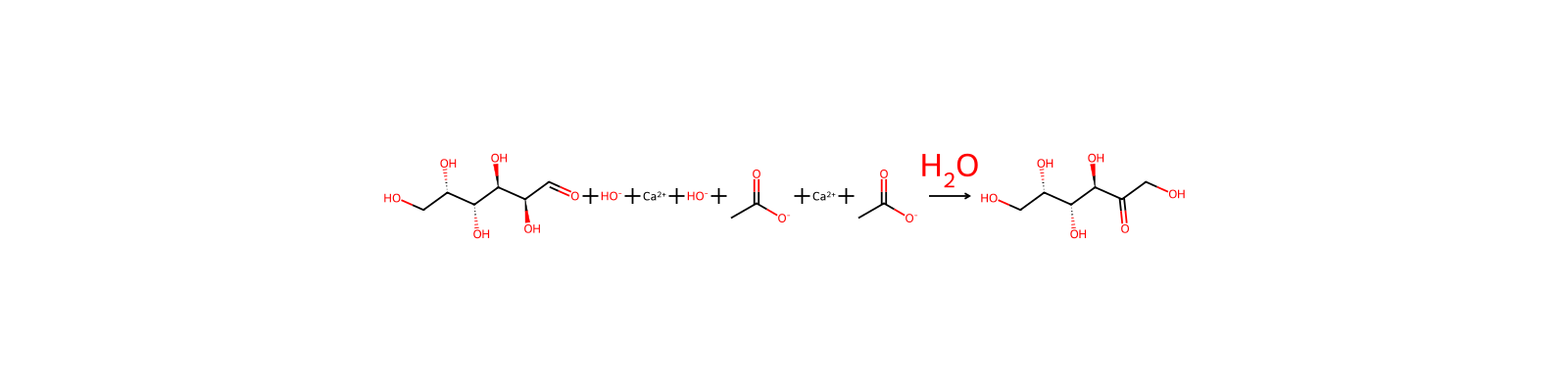
관련 반응
58건






화합물 노트
불러오는 중…