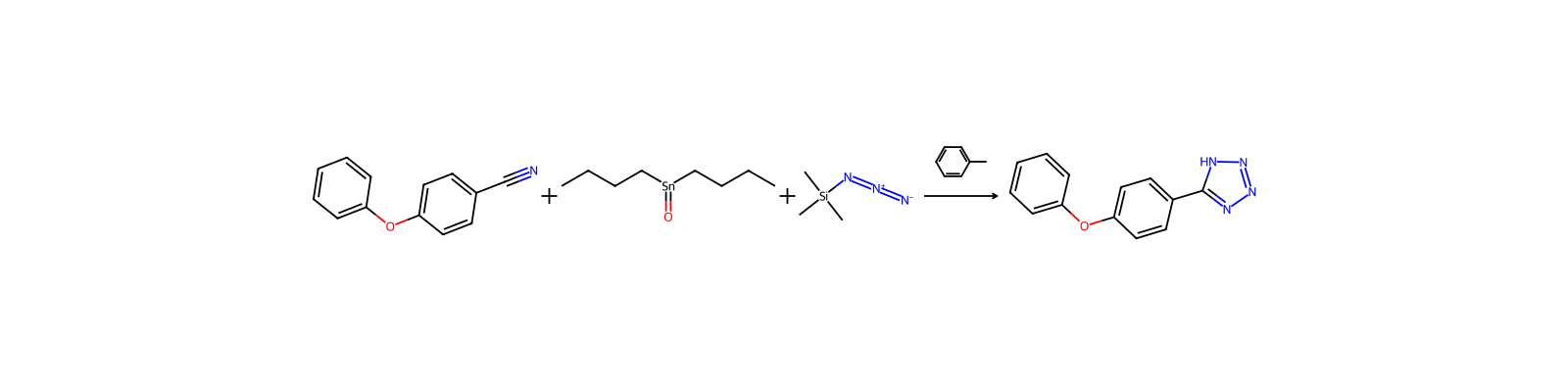
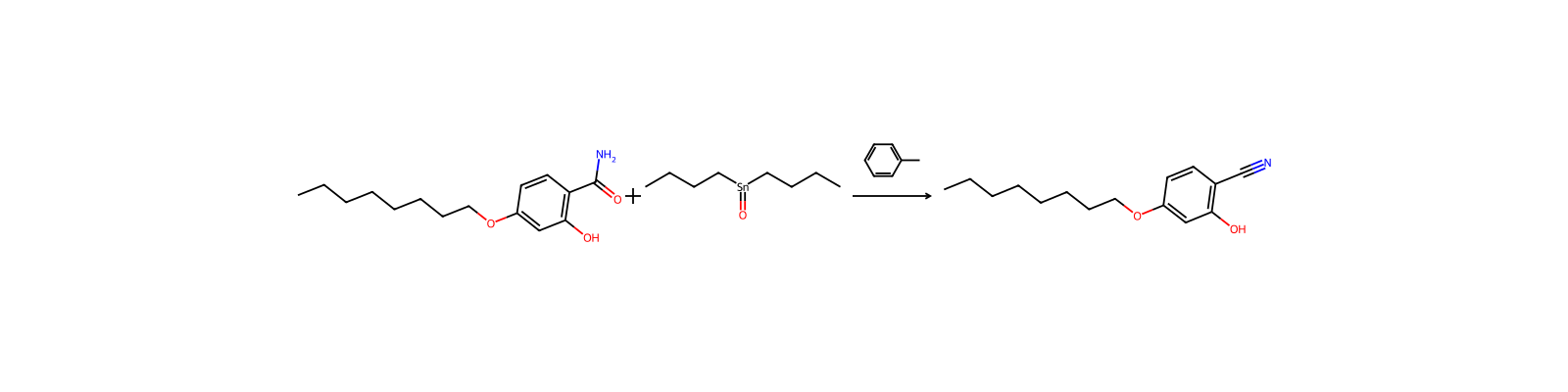
HRID 1625반응물로
Dibutyltin oxide
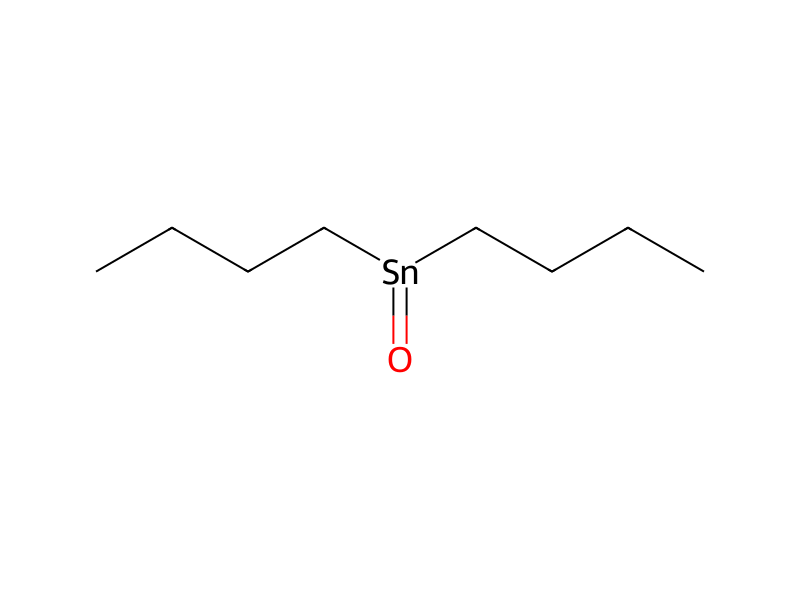
818-08-6CCC[CH2][Sn](=[O])[CH2]CCCJGFBRKRYDCGYKD-UHFFFAOYSA-NDibutyltin oxide is an organotin compound. It is used mainly in organic synthesis. Tin is a chemical element with the symbol Sn and atomic number 50. It is a natural component of the earth's crust and is obtained chiefly from the mineral cassiterite, where it occurs as tin dioxide. (L307, L309, L312)
818-08-6FCS -> FDA Cumulative Estimated Daily Intake (CEDI)
FCS -> FDA Inventory of Food Contact Substances Listed in 21 CFR
Dry Powder; Liquid; Wet Solid; Dry Powder; CBI
White solid; [Merck Index] White powder; [Sigma-Aldrich MSDS]
WHITE POWDER.
안전 정보는 참고용이며, 공급업체의 물질안전보건자료(SDS), 관련 법규 및 전문가 평가를 대체하지 않습니다.
Danger
H301: Toxic if swallowed [Danger Acute toxicity, oral]
P203, P260, P264, P264+P265, P270, P280, P301+P316, P302+P352, P305+P354+P338, P317, P318, P319, P321, P330, P332+P317, P362+P364, P405, and P501 (click each P-code to see the statement)
This chemical does not meet GHS hazard criteria for 0.8% (5 of 642) of reports.
Danger
H301 (86.4%): Toxic if swallowed [Danger Acute toxicity, oral]
Chemical: Stannane, dibutyloxo-
Hazard Traits - Reproductive Toxicity
Stannane, dibutyloxo- is listed on the EPA's Chemical Data Reporting (CDR) system. Manufacturers and importers of Stannane, dibutyloxo- are required to report information about their production and use of this chemical to the EPA under the Toxic Substances Control Act (TSCA). (40 eCFR Part 711)
REACH registered substance: Dibutyltin oxide (EC: 212-449-1)
Dibutyltin oxide: Does not have an individual approval but may be used under an appropriate group standard
Corrosive to eyes in rabbits, with corneal opacity and other effects not reversed within 7 days; [EPA - TSCATS] Causes flaccid paralysis, general anesthesia, and somnolence in intraperitoneal lethal-dose studies of rats; Causes normocytic anemia in 26-week intermittent oral studies of rats; [RTECS] A skin, eye, and respiratory tract irritant; May cause CNS effects; Chronic exposure may cause liver injury; May be toxic to reproduction or development, based on animal studies; [ICSC] An irritant that may cause serious eye injury; May cause skin sensitization; Toxic by ingestion; Prolonged or repeated exposure may cause thymus injury; Suspected mutagen and teratogen (oropharyngeal malformations); [ECHA REACH Registrations] A mild skin irritant; May cause serious eye injury; Highly toxic by ingestion; Prolonged or repeated exposure may cause organ injury; Teratogenicity observed in rats; [Sigma-Aldrich MSDS] See Tin, organic compounds.
Though tin metal is very poorly absorbed, tin compounds may be absorbed via oral, inhalation, or dermal routes, with organotin compounds being much more readily absorbed than inorganic tin compounds. Tin may enter the bloodstream and bind to hemoglobin, where it is distributed and accumulates mainly in the kidney, liver, lung, and bone. Organotin compounds may undergo dealkylation, hydroxylation, dearylation, and oxidation catalyzed by cytochrome P-450 enzymes in the liver. The alkyl products of dealkylation are conjugated with glutathione and further metabolized to mercapturic acid derivatives. Tin and its metabolites are excreted mainly in the urine and feces. (L308)
Used as a catalyst in synthetic organic chemistry; [Merck Index] Used to formulate adhesives-sealants, paints-coatings-thinners, polymers, products for dying-finishing-impregnating paper-board, textiles, and leather, to make fine chemicals, textiles-leather-fur, pulp-paper-paper products, wood products, rubber products, computer-electronic-optical products, in general manufacturing, and building and construction work; [ECHA REACH Registrations] Permitted for use as an inert ingredient in non-food pesticide products; [EPA]
Pulp and Paper Processing [Category: Industry]
Dibutyltin oxide is used mainly in organic synthesis. (L312)
All Other Chemical Product and Preparation Manufacturing
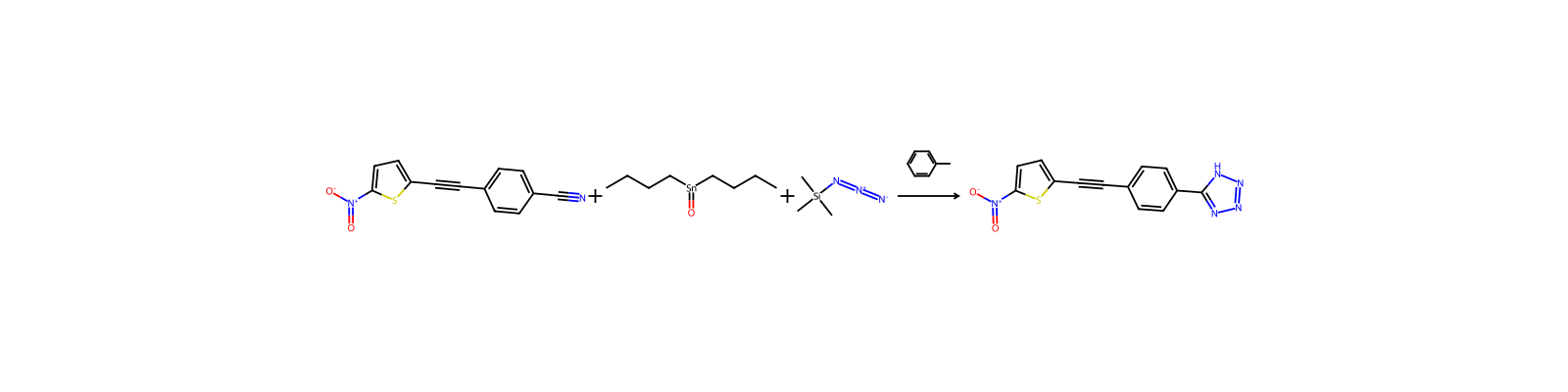
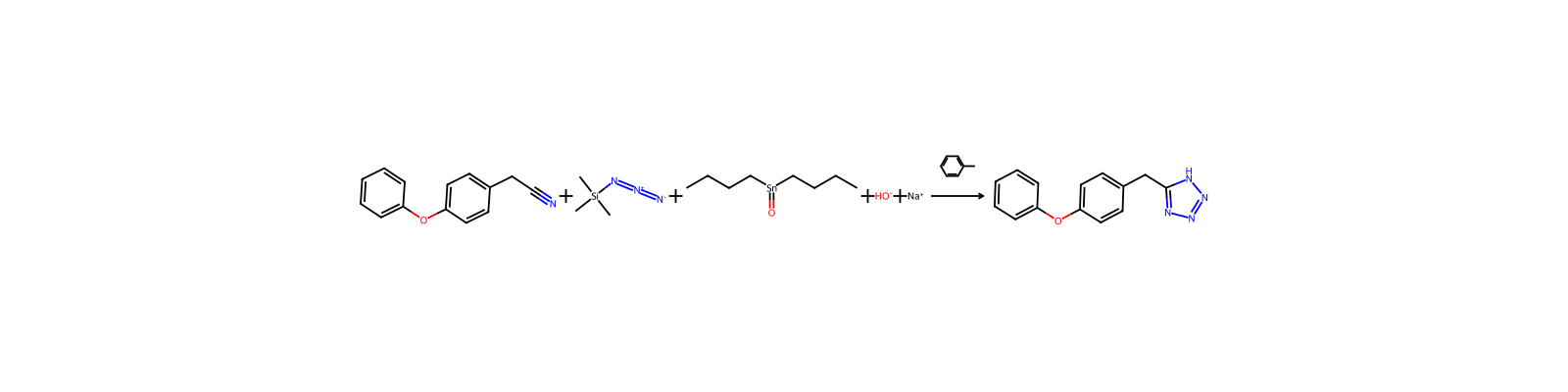



DTXSID4027315white fine powder
Acute Tox. 3 (86.4%)
Acute toxicity (ingestion) - category 3
Acute toxicity (Oral) - Category 2
Hazardous to the aquatic environment (Acute) - Category 2
Acute toxicity (Oral) - Category 3
Muta. 2
Fresh air, rest. Refer for medical attention.
Remove contaminated clothes. Rinse and then wash skin with water and soap. Refer for medical attention .
First rinse with plenty of water for several minutes (remove contact lenses if easily possible), then refer for medical attention.
Rinse mouth. Give a slurry of activated charcoal in water to drink. Refer for medical attention .
Personal protection: particulate filter respirator adapted to the airborne concentration of the substance. Do NOT let this chemical enter the environment. Sweep spilled substance into covered containers. If appropriate, moisten first to prevent dusting. Carefully collect remainder. Then store and dispose of according to local regulations.
The substance can be absorbed into the body by inhalation and by ingestion.
Oral (L308) ; inhalation (L308) ; dermal (L308)
Organotin compounds produce neurotoxic and immunotoxic effects. Organotins may directly activate glial cells contributing to neuronal cell degeneration by local release of pro-inflammatory cytokines, tumor necrosis factor-_, and/or interleukins. They may also induce apoptosis by direct action on neuronal cells. Organotin compounds stimulate the neuronal release of and/or decrease of neuronal cell uptake of neurotransmitters in brain tissue, including aspartate, GABA, glutamate, norepinephrine, and serotonin. This may be either a contributing factor to or result of the neuronal cell loss. The immunotoxic effects of organotins are characterized by thymic atrophy caused by the suppression of proliferation of immature thymocytes and apoptosis of mature thymocytes. Organotin compounds are believed to exert these effects by suppressing DNA and protein synthesis, inducing the expression of genes involved in apoptosis (such as nur77), and disrupting the regulation of intracellular calcium levels, giving rise to the uncontrolled production of reactive oxygen species, release of cytochrome c to the cytosol, and the proteolytic and nucleolytic cascade of apoptosis. The suppression of proliferation of immature thymocytes further results in the suppression of T-cell-mediated immune responses. Organotins are also endocrine disruptors and are believed to contribute to obesity by inappropriate receptor activation, leading to adipocyte differentiation. Inorganic tin triggers eryptosis, contributing to tin-induced anemia. (L308, A182, A184)
Headache. Confusion.
Redness. Pain. Further see Inhalation.
Redness. Pain.
See Inhalation.
Inorganic or organic tin compounds placed on the skin or in the eyes can produce skin and eye irritation. (L308)
The substance is very toxic to aquatic organisms. The substance may cause long-term effects in the aquatic environment. This substance does enter the environment under normal use. Great care, however, should be taken to avoid any additional release, for example through inappropriate disposal.
Stannane, dibutyloxo-: ACTIVE
용도Dibutyltin oxide is used in studies pertaining to discovering novel antitumor agents. Antifungal activity.