
이소프로필이소시아네이트
Isopropyl isocyanate

기본 정보
- CAS
1795-48-8- 표준 SMILES
CC(C)N=C=O- InChIKey
GSLTVFIVJMCNBH-UHFFFAOYSA-N- 분자식
- C4H7NO
- 평균 분자량
- 85.1 g/mol
- 단동위원소 질량
- 85.05276385
개요
Isopropyl isocyanate appears as a colorless liquid with a pungent odor. Insoluble in water. Very toxic by ingestion and inhalation. Vapors are heavier than air. Used to make other chemicals.
이름 및 식별자
- 우선 이름
- Isopropyl isocyanate
- IUPAC
- 2-isocyanatopropane
- 현지명
- 이소프로필이소시아네이트
- 영어명
- Isopropyl isocyanate
- 분자식
- C4H7NO
- 분자량
- 85.1
이름 및 동의어
Isopropyl isocyanate2-Isocyanatopropane1795-48-8Propane, 2-isocyanato-Isocyanic acid, isopropyl ester1-methylethyl isocyanaten-isopropyl isocyanateEINECS 217-276-5UN2483AI3-28282DTXSID3061976Propane, 2isocyanato
이름 더 보기
이소시안산이소프로필에스테르이소프로필이소시아네이트아이소-프로필 아이소사이안산i-picIsopropylisocyanat2-isocyanato-propansopropyl isocyaneteIsorpopyl IsocyanatePropane,2-isocyanato-IsopropylIsocyanate>
RefChem:792176DTXCID9035701217-276-5isopropylisocynateisoproylisocyanate2-propylisocyanatei-propyl isocyanateiso-propyl-isocyanat
데이터베이스 식별자
- CAS
1795-48-8- PubChem CID
- 61277
- DTXSID
DTXSID3061976- UNII
- K7N2Z27VQ9
- EC Number
- 217-276-5
- Nikkaji
- J68.772C
물성
구조 계산 물성
- XLogP
- 1.8
- 극성 표면적
- 29.4 Ų
- 수소 결합 공여자 수
- 0
- 수소 결합 수용자 수
- 2
- 회전 가능 결합 수
- 1
- 무거운 원자 수
- 6
- 형식 전하
- 0
- 복잡도
- 71.6
실험 및 물리화학적 성질
Chemical Classes
Toxic Gases & Vapors -> Monoisocyanates
Flammable agents - 3rd degree
SpringerMaterials Properties15N nuclear magnetic resonance spectrum
Physical Description
Isopropyl isocyanate appears as a colorless liquid with a pungent odor. Insoluble in water. Very toxic by ingestion and inhalation. Vapors are heavier than air. Used to make other chemicals.
Colorless liquid with a pungent odor; [CAMEO]
물리화학적 성질
- 녹는점
- -75 ℃ · <-75℃
- 끓는 점
- 75 °C · 75 °C
- 밀도
- 0.87 · 0.87
- 굴절률
- 1.38 · 1.38
- 인화점
- -3 °C · -3 °C
- 저장 조건
- 2 · 2-8°C
- 용해도
- 에 용해됨클로로포름, 에틸아세테이트
- 물리적 상태
- clear liquid
- 색상
- Colorless to Light yellow
- 수용성
- 불용성
- BRN
- 969356 · 969356
안전 및 규제
안전 정보는 참고용이며, 공급업체의 물질안전보건자료(SDS), 관련 법규 및 전문가 평가를 대체하지 않습니다.
GHS 분류
GHS Classification
Danger
H225 (100%): Highly Flammable liquid and vapor [Danger Flammable liquids]
P210, P223, P231+P232, P233, P240, P241, P242, P243, P260, P261, P264, P264+P265, P270, P271, P272, P280, P284, P301+P316, P301+P317, P302+P335+P334, P302+P352, P303+P361+P353, P304+P340, P305+P351+P338, P316, P319, P320, P321, P330, P332+P317, P333+P317, P337+P317, P342+P316, P362+P364, P370+P378, P402+P404, P403, P403+P233, P403+P235, P405, and P501 (click each P-code to see the statement)
Aggregated GHS information provided per 198 reports by companies from 14 notifications to the ECHA C&L Inventory. Each notification may be associated with multiple companies.
유해성 정보
Hazards IdentificationToxic/poison by inhalation (TIH/PIH)
Regulatory Information
REACH registered substance: Isopropyl isocyanate (EC: 217-276-5)
The New Jersey Worker and Community Right to Know Act requires public and private employers to provide information about hazardous substances at their workplaces. (N.J.S.A. 34:5A-1 et. seq.)
DOT LabelPoison Inhalation Hazard Flammable Liquid
Fire Hazards
Excerpt from ERG Guide 155 [Substances - Toxic and/or Corrosive (Flammable / Water-Sensitive); polymerization hazard]:
· HIGHLY FLAMMABLE: Will be easily ignited by heat, sparks or flames.
Health Hazards
Excerpt from ERG Guide 155 [Substances - Toxic and/or Corrosive (Flammable / Water-Sensitive); polymerization hazard]:
· TOXIC and/or CORROSIVE; inhalation, ingestion or contact (skin, eyes) with vapors, dusts or substance may cause severe injury, burns or death.
Hazards SummaryVery toxic by ingestion or inhalation; Highly flammable; [CAMEO] A lachrymator; [CHEMINFO] See Methyl isocyanate. See MONOISOCYANATES.
화학 및 산업
용도 및 제조
UsesUsed to make other chemicals; [CAMEO]
General Manufacturing InformationPropane, 2-isocyanato-: ACTIVE
응용 분야
용도Isopropyl isocyanate is used as a reagent in the preparation of androgen receptor antagonist for prostate cancer treatment. It is also used in the synthesis of selective dual inhibitor of mammalian target of rapamycin (mTORC1 and mTORC2). Further, it serves as a reagent in the synthesis of O-aryl N-isopropylcarbamates. In addition to this, it is used as a derivatization reagent during the stereoisomeric analysis of secondary alcohols.
일반 설명A colorless liquid with a pungent odor. Insoluble in water. Flash point near 60°F. Very toxic by ingestion and inhalation. Vapors are heavier than air. Used to make other chemicals.
상·하류 제품 정보
하류 제품
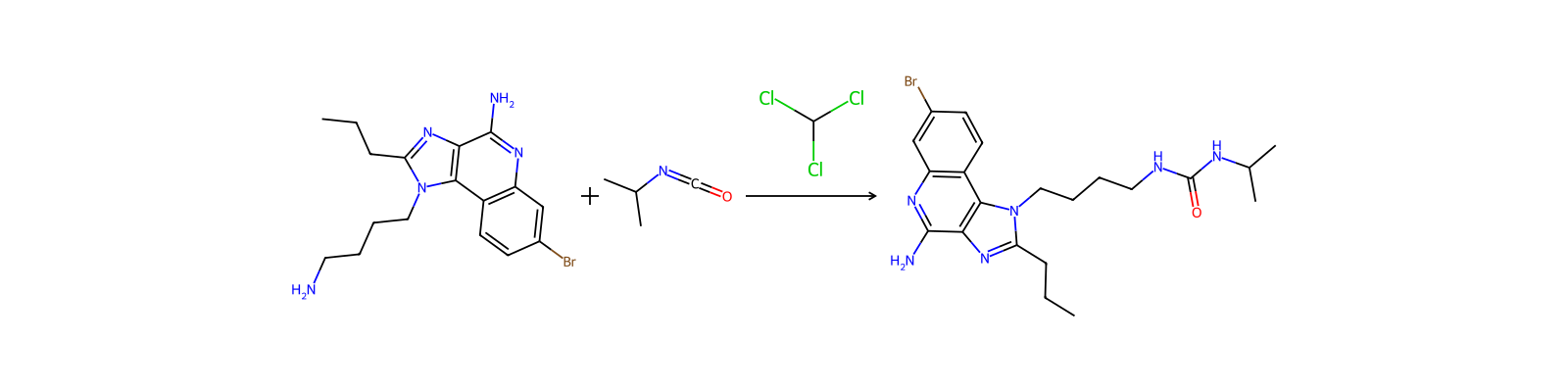
관련 반응
614건


화합물 노트
불러오는 중…