
이소시아나토(메톡시)메탄
Methoxymethyl isocyanate
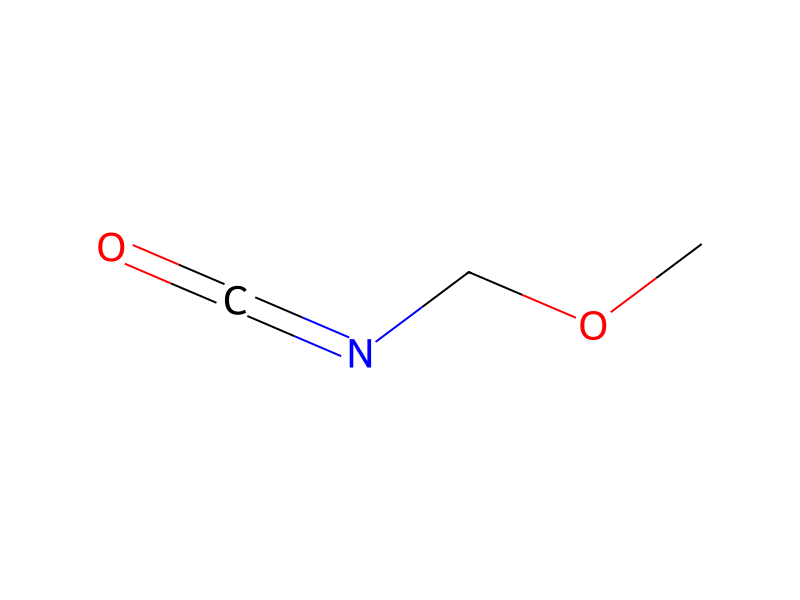
기본 정보
- CAS
6427-21-0- 표준 SMILES
COCN=C=O- InChIKey
HTVHSOYSKFBUGY-UHFFFAOYSA-N- 분자식
- C3H5NO2
- 평균 분자량
- 87.08 g/mol
- 단동위원소 질량
- 87.0320284
개요
Methoxymethyl isocyanate appears as a colorless liquid with a pungent odor. Very toxic by inhalation and skin absorption. Vapors are heavier than air.
이름 및 식별자
- 우선 이름
- Methoxymethyl isocyanate
- IUPAC
- isocyanato(methoxy)methane
- 현지명
- 이소시아나토(메톡시)메탄
- 영어명
- Isocyanato(methoxy)methane
- 분자식
- C3H5NO2
- 분자량
- 87.08
이름 및 동의어
Methoxymethyl isocyanate6427-21-0Methane, isocyanatomethoxy-Isocyanic acid, methoxymethyl esterEINECS 229-197-3UN2605DTXSID6074839RefChem:811816Methane, isocyanatomethoxyDTXCID2044262ISOCYANATOMETHYL METHYL ETHER229-197-3
이름 더 보기
이소시아나토(메톡시)메탄Isocyanic acid methoxy methyl ester
isocyanato(methoxy)methaneIsocyanatomethoxymethaneMethane,isocyanatomethoxy-methoxymethylisocyanatmethoxymethylisocyanate5SQ7JG26JKSCHEMBL891872AKOS000177661
데이터베이스 식별자
- CAS
6427-21-0- PubChem CID
- 62609
- DTXSID
DTXSID6074839- UNII
- 5SQ7JG26JK
- EC Number
- 229-197-3
- Nikkaji
- J68.773A
물성
구조 계산 물성
- XLogP
- 0.9
- 극성 표면적
- 38.7 Ų
- 수소 결합 공여자 수
- 0
- 수소 결합 수용자 수
- 3
- 회전 가능 결합 수
- 2
- 무거운 원자 수
- 6
- 형식 전하
- 0
- 복잡도
- 65.2
실험 및 물리화학적 성질
Chemical Classes
Toxic Gases & Vapors -> Monoisocyanates
Flammable agents - 3rd degree
Physical Description
Methoxymethyl isocyanate appears as a colorless liquid with a pungent odor. Very toxic by inhalation and skin absorption. Vapors are heavier than air.
Colorless liquid with a pungent odor; [CAMEO]
물리화학적 성질
- 끓는 점
- 87.5 °C · 87.5 °C
- 밀도
- 0.99 · 0.99±0.1 g/cm3(Predicted)
- EPA
- Methoxymethyl isocyanate (6427-21-0)
안전 및 규제
안전 정보는 참고용이며, 공급업체의 물질안전보건자료(SDS), 관련 법규 및 전문가 평가를 대체하지 않습니다.
GHS 분류
GHS Classification
Warning
H302 (100%): Harmful if swallowed [Warning Acute toxicity, oral]
P264, P270, P301+P317, P330, and P501 (click each P-code to see the statement)
Aggregated GHS information provided per 39 reports by companies from 2 notifications to the ECHA C&L Inventory.
유해성 정보
Hazards IdentificationToxic/poison by inhalation (TIH/PIH)
Regulatory InformationThe New Jersey Worker and Community Right to Know Act requires public and private employers to provide information about hazardous substances at their workplaces. (N.J.S.A. 34:5A-1 et. seq.)
DOT LabelPoison Inhalation Hazard Flammable Liquid
Fire Hazards
Excerpt from ERG Guide 155 [Substances - Toxic and/or Corrosive (Flammable / Water-Sensitive)]:
· HIGHLY FLAMMABLE: Will be easily ignited by heat, sparks or flames.
Health Hazards
Excerpt from ERG Guide 155 [Substances - Toxic and/or Corrosive (Flammable / Water-Sensitive)]:
· TOXIC and/or CORROSIVE; inhalation, ingestion or contact (skin, eyes) with vapors, dusts or substance may cause severe injury, burns or death.
Hazards SummaryHighly toxic by inhalation and skin absorption; [CAMEO] See Ethyl isocyanate.
DOT ID and Guide2605 155
Reactive GroupEthers
Reactivity AlertsHighly Flammable
Reactivity Profile
Isocyanates and thioisocyanates, such as METHOXYMETHYL ISOCYANATE, are incompatible with many classes of compounds, reacting exothermically to release toxic gases. Reactions with amines, aldehydes, alcohols, alkali metals, ketones, mercaptans, strong oxidizers, hydrides, phenols, and peroxides can cause vigorous releases of heat. Acids and bases initiate polymerization reactions in these materials. Some isocyanates react with water to form amines and liberate carbon dioxide. Base-catalysed reactions of isocyanates with alcohols should be carried out in inert solvents. Such reactions in the absence of solvents often occur with explosive violence, [Wischmeyer(1969)].
DOT Hazard Classification
Methoxymethyl isocyanate
UN2605
Div 6.1 Poisonous materials (49 eCFR § 173.132)
Div 6.1 Poisonous materials (49 eCFR § 173.132)
PG I: the degree of danger presented by the material is great
Symbol +: Fixes the proper shipping name, hazard class and packing group for that entry
Air and Water ReactionsHighly flammable. Soluble in water.
안전 및 보호
Fire FightingExcerpt from ERG Guide 155 [Substances - Toxic and/or Corrosive (Flammable / Water-Sensitive)]:
Accidental Release Measures
· CALL 911. Then call emergency response telephone number on shipping paper. If shipping paper not available or no answer, refer to appropriate telephone number listed on the inside back cover.
· ELIMINATE all ignition sources (no smoking, flares, sparks or flames) from immediate area.
First Aid
Excerpt from ERG Guide 155 [Substances - Toxic and/or Corrosive (Flammable / Water-Sensitive)]:
General First Aid:
Exposure Control and Personal Protection
· Wear positive pressure self-contained breathing apparatus (SCBA).
TIH (Toxic Inhalation Hazard) - Term used to describe gases and volatile liquids that are toxic when inhaled. Some are TIH materials themselves, e.g., chlorine, and some release TIH gases when spilled in water, e.g., chlorosilanes. [ERG 2016].
Nonfire Spill ResponseExcerpt from ERG Guide 155 [Substances - Toxic and/or Corrosive (Flammable / Water-Sensitive)]:
Isolation and Evacuation
Excerpt from ERG Guide 155 [Substances - Toxic and/or Corrosive (Flammable / Water-Sensitive)]:
Immediate precautionary measure
Small spill:
Small spill:
Personal Protective Equipment (PPE)Excerpt from ERG Guide 155 [Substances - Toxic and/or Corrosive (Flammable / Water-Sensitive)]:
Emergency Response Planning Guidelines· Note: Most foams will react with the material and release corrosive/toxic gases.
Acute Exposure Guideline Levels (AEGLs)The compound is currently at the Holding Status AEGLs which have been reviewed by the NAC/AEGL Committee and are on hold due to insufficient data to develop AEGL values.
AEGLs NotesAEGLs Status: Holding
독성 정보
Adverse EffectsLacrimator (Lachrymator) - A substance that irritates the eyes and induces the flow of tears.
안전 데이터
- ridadr
- UN 2605
- risk_code
- 43
- safety_code
- 36/37
- 포장분류
- I
- 위험 등급
- 6.1
화학 및 산업
용도 및 제조
UsesToxic Gas from Spilling Chemical in Water [Category: Other]
응용 분야
일반 설명A colorless liquid with a pungent odor. Flash point near 50°F. Very toxic by inhalation and skin absorption. Vapors are heavier than air.
상·하류 제품 정보
상류 원료
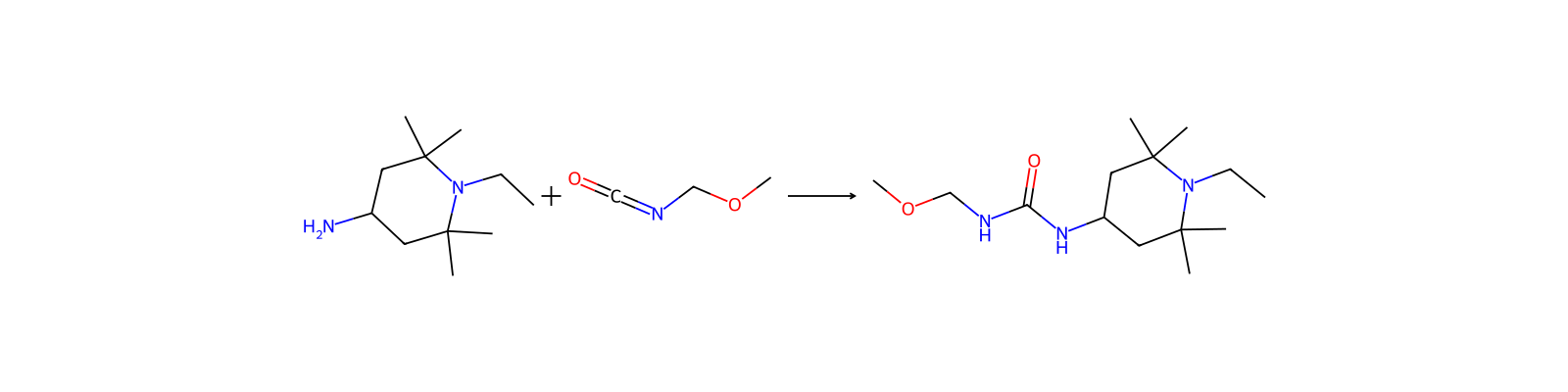
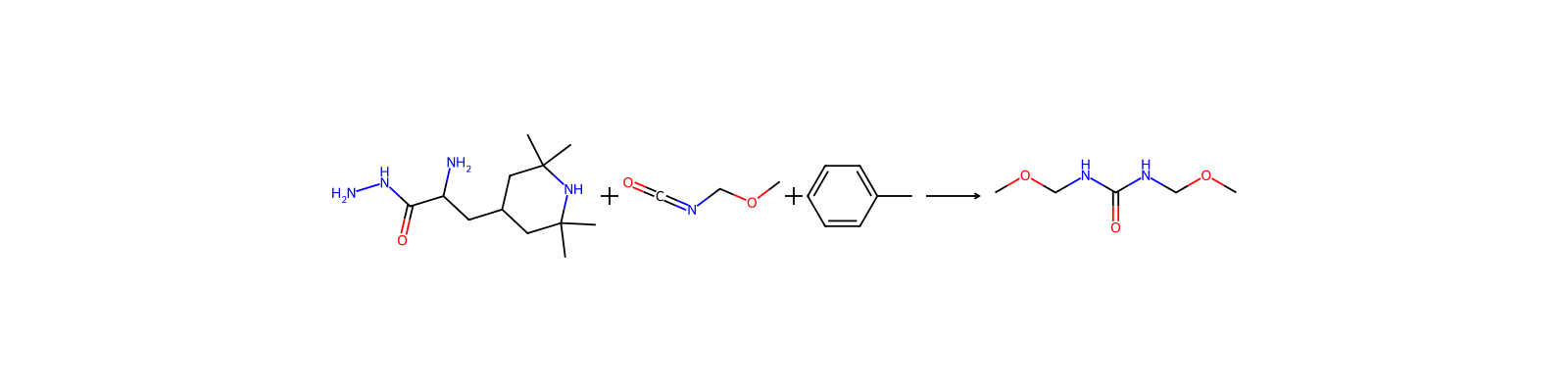
관련 반응
19건



화합물 노트
불러오는 중…