홈MCP워크벤치Skills
홈워크벤치알림마이페이지
llms.txt · MCP 가이드개인정보처리방침 · 이용약관 · 지원v1.8.0
  1. 홈
  2. /화합물

요오드 메탄

Methyl iodide

HCID 6328
새 노트새 반응견적 요청하기
인쇄 미리보기

데이터를 보충하는 중입니다. 잠시 후 페이지를 새로 고치면 최신 내용을 볼 수 있습니다

기본 정보개요이름 및 식별자물성안전 및 규제화학 및 산업관련 반응화합물 노트
부분 구조 검색유사 구조 찾기

기본 정보

CAS
74-88-4
표준 SMILES
CI
InChIKey
INQOMBQAUSQDDS-UHFFFAOYSA-N
분자식
CH3I
평균 분자량
141.939 g/mol
단동위원소 질량
141.9279481

개요

Methyl Iodide can cause cancer according to an independent committee of scientific and health experts.

이름 및 식별자

우선 이름
Methyl iodide
IUPAC
iodomethane
현지명
요오드 메탄
영어명
Iodomethane
분자식
CH3I
분자량
141.94

이름 및 동의어

IODOMETHANEMethyl iodide74-88-4MonoiodomethaneMethane, iodo-MethyljodidJod-methanIodometanoJoodmethaanMethyljodideMetylu jodekIodure de methyle
이름 더 보기
메틸아이오다이드메틸요오드화물요오드메탄요오드화메틸요화메틸아이오도메탄요오드화메틸메틸 아이오다이드요오드화 메틸CH3IMethyl iodineIDOMETHANEMethyliodidIODOMETHANESYNONYMS/METHYLIODIDEMethane,iodo-Methyliodide,99%
Monoioduro di metileHalon 10001RCRA waste number U138DAT010ZJSRNSC-9366DTXSID0024187CHEBI:39282RefChem:817805

데이터베이스 식별자

CAS
74-88-4
PubChem CID
6328
DTXSID
DTXSID0024187
ChEMBL
CHEMBL115849
ChEBI
CHEBI:39282
UNII
DAT010ZJSR
EC Number
200-819-5
Nikkaji
J1.063.962J、J1.245.462G、J2.382E

물성

구조 계산 물성보충 중

XLogP
1.5
극성 표면적
0 Ų
수소 결합 공여자 수
0
수소 결합 수용자 수
0
회전 가능 결합 수
0
무거운 원자 수
2
형식 전하
0
복잡도
2

실험 및 물리화학적 성질

Chemical Classes · 2건

Hazardous Air Pollutants (HAPs)

Toxic Gases & Vapors -> Other Toxic Gases & Vapors

SpringerMaterials PropertiesDunham energy parameter
Pesticides · 2건

Pesticide -> EPA IRIS

Volatile Organic Compound (VOC) (Pesticide/Volatile Organic Compound (VOC))

LogP · 2건

log Kow= 1.51

1.51

OdorPungent, ether-like odor.
Density · 6건

2.279 at 68 °F (USCG, 1999) - Denser than water; will sink

2.28 @ 20 °C/4 °C

DENSITY OF SATURATED AIR: 3.04 (AIR= 1)

Relative density (water = 1): 2.3

2.28

2.2789 @ 20°C

Viscosity · 2건

0.606 cP at 0 °C, 0.424 cP at 40 °C.

0.18 mm²/s at 40 °C

Color/FormColorless, transparent liquid (turns brown on exposure to light)
Solubility · 6건

10 to 50 mg/mL at 64 °F (NTP, 1992)

안전 및 규제

안전 정보는 참고용이며, 공급업체의 물질안전보건자료(SDS), 관련 법규 및 전문가 평가를 대체하지 않습니다.

GHS 분류

GHS Classification · 6건

Danger

H301: Toxic if swallowed [Danger Acute toxicity, oral]

P203, P261, P264, P270, P271, P280, P301+P316, P302+P352, P304+P340, P316, P317, P318, P319, P321, P330, P332+P317, P362+P364, P403+P233, P405, and P501 (click each P-code to see the statement)

This chemical does not meet GHS hazard criteria for 0.4% (1 of 264) of reports.

Danger

H226 (42.8%): Flammable liquid and vapor [Warning Flammable liquids]

유해성 정보

Hazards IdentificationToxic/poison by inhalation (TIH/PIH)
Regulatory Information · 6건

Chemical: Methane, iodo-

Hazard Traits - Carcinogenicity; Neurotoxicity; Respiratory Toxicity

Methane, iodo- is listed on the EPA's Chemical Data Reporting (CDR) system. Manufacturers and importers of Methane, iodo- are required to report information about their production and use of this chemical to the EPA under the Toxic Substances Control Act (TSCA). (40 eCFR Part 711)

Status: Active Update: 03-08-2021 https://echa.europa.eu/registration-dossier/-/registered-dossier/12834

Iodomethane: HSNO Approval: HSR003006 Approved with controls

The New Jersey Worker and Community Right to Know Act requires public and private employers to provide information about hazardous substances at their workplaces. (N.J.S.A. 34:5A-1 et. seq.)

Other Safety InformationIMAP assessments - Methane, iodo-: Human health tier II assessment
DOT LabelPoison Inhalation Hazard
Fire Hazards · 3건

Special Hazards of Combustion Products: Toxic and irritating gases are generated when exposed to fire or heat.

· Non-combustible, substance itself does not burn but may decompose upon heating to produce corrosive and/or toxic fumes.

화학 및 산업

약리 정보

Mechanism of Action · 1건

Toxicologic and metabolic similarities among the monohalomethanes (chloride, bromide, iodide substituted) suggest a common mechanism of toxic action, probably methylation and disturbance or inactivation of essential proteins (rather than presence of the parent compound or free halide per se).

Metabolism/Metabolites · 5건

ORAL DOSES OF IODOMETHANE TO RATS WERE RAPIDLY CONVERTED INTO S-METHYLGLUTATHIONE IN LIVER & EXCRETED IN BILE. IT WAS DEGRADED TO S-METHYLCYSTEINE BY KIDNEY HOMOGENATES. ONLY A SMALL PROPORTION OF THE DOSE OF IODOMETHANE OR ITS METABOLITE, S-METHYLCYSTEINE, WAS EXCRETED AS A CMPD RELATED TO METHYLMERCAPTURIC ACID.

Urinary metabolites (2 percent of the total dose) detected after subcutaneous injection of rats with 50 mg/kg body weight methyl iodide were S-methylcysteine, N-acetyl-S-methylcysteine, S-methylthio-acetic acid and N-(methylthioacetyl)glycine. ... S-Methylglutathione was isolated from livers of rats treated orally with 90 mg/kg body weight methyl iodide; approximately 25% of an oral dose of 50 mg/kg body weight was excreted into the bile as S-methylglutathione. ... Liver and kidney homogenates catalyzed the disappearance of methyl iodide in the presence of glutathione ... . S-Methylglutathione was converted to S-methylcysteine by kidney homogenate.

Methyl iodide reacted in vitro with 4-(para-nitrobenzyl)pyridine and N-7-deoxy- guanosine.

After inhalation of trace amounts of I-methyl iodide, the disappearance of radioactivity from the plasma, uptake in the thyroid and excretion in the urine resembled that of orally administered inorganic iodide.

1-iodomethane has known human metabolites that include methylglutathione.

Absorption, Distribution and Excretion · 4건

RETENTION OF INHALED (132)I-METHYL IODIDE IN 18 VOLUNTEERS RANGED FROM 43-92%, WITH MEAN OF 72% OF AMT INHALED; LEVEL WAS HIGHLY DEPENDENT ON RESP RATE, LOW RATES ... ASSOC WITH HIGH RETENTION & VICE VERSA ... INHALED (132)I-METHYL IODIDE WAS RAPIDLY CLEARED FROM LUNGS OF 4 VOLUNTEERS & BROKEN DOWN TO RELEASE IODIDE ION.

ORALLY ADMIN METHYL IODIDE WAS ... EXCRETED IN BILE OF RAT (22-28% OF 50 MG/KG BODY WT DOSE) ...

IN POISONED RABBITS METHYL IODIDE WAS FOUND IN BRAIN, LIVER & KIDNEYS.

Approximately 1% of an oral dose of 76 mg/kg body weight methyl iodide given to rats was expired unchanged within 30 min of administration.

관련 반응

30,249건
반응 기록 만들기
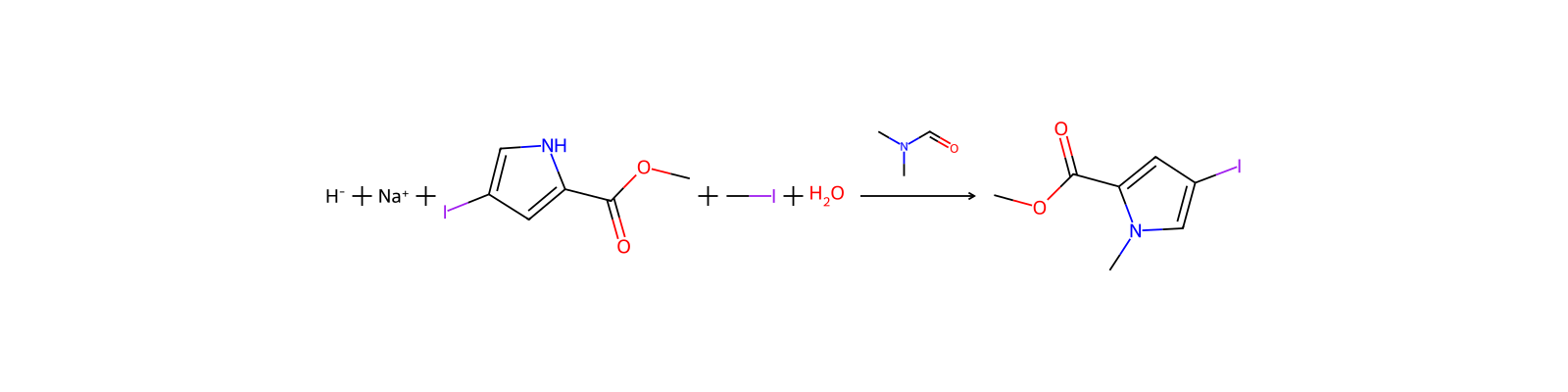
HRID 812 반응식
HRID 812반응물로uspto-grants-1998_03
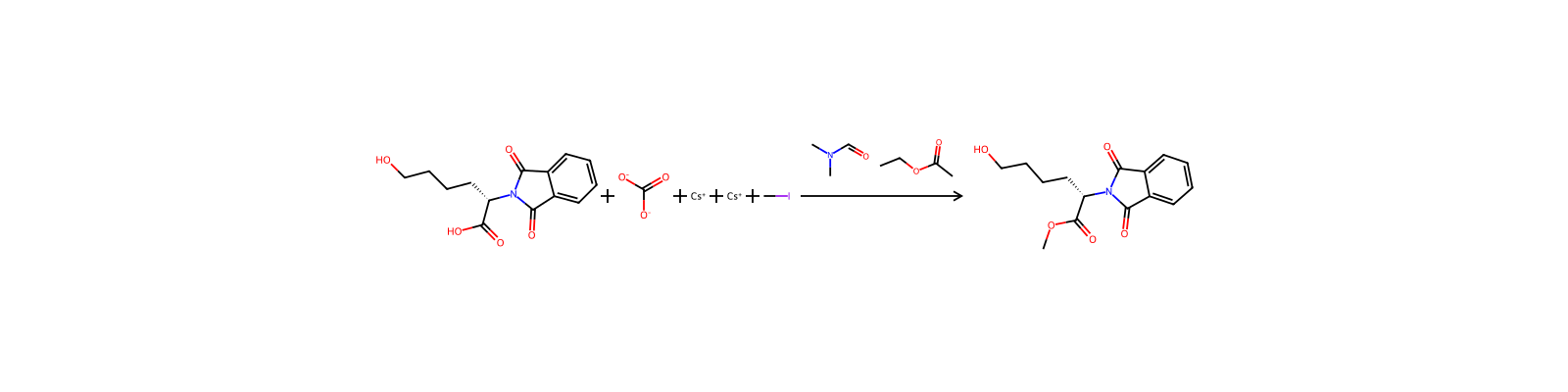
HRID 920 반응식
HRID 920반응물로uspto-grants-1998_03
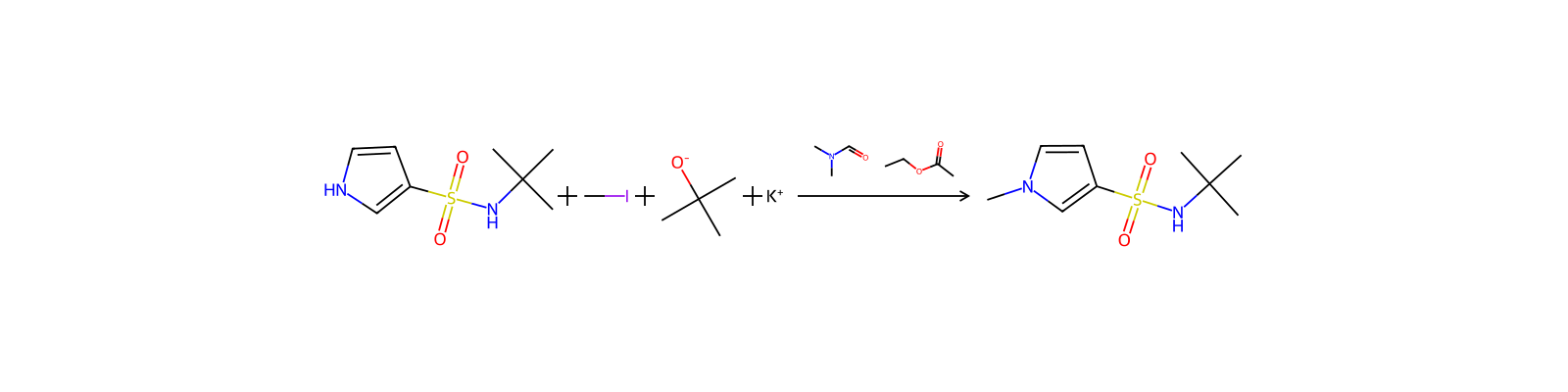
HRID 1129 반응식
HRID 1129반응물로uspto-grants-1998_03
HRID 1131 반응식
HRID 1131반응물로uspto-grants-1998_03
HRID 1198 반응식
HRID 1198반응물로uspto-grants-1998_03
HRID 1320 반응식
HRID 1320반응물로uspto-grants-1998_03
HRID 1334 반응식
HRID 1334반응물로uspto-grants-1998_03
HRID 1353 반응식
HRID 1353반응물로uspto-grants-1998_03
1 / 500 페이지

화합물 노트

불러오는 중…

이 페이지에서기본 정보개요이름 및 식별자물성안전 및 규제화학 및 산업관련 반응화합물 노트
더보기
새 노트새 반응견적 요청하기

Miscible with alcohol, ether.

Sol in acetone

SOL IN CARBON TETRACHLORIDE

1.39X10+4 mg/l at 20 °C in water

Solubility in water, g/100ml at 20 °C: 1.4

Boiling Point · 6건

108.3 °F at 760 mmHg (NTP, 1992)

42.5 °C

42.5 °C

109 °F

42.43 °C @760 [mm Hg]

109 °F

DecompositionIODIDE & HYDROGEN IODIDE MAY BE RELEASED WHEN METHYL IODIDE UNDERGOES THERMAL DECOMPOSITION (270 °C).
Melting Point · 6건

-87.6 °F (NTP, 1992)

-66.5 °C

-66.5 °C

-88 °F

-66.4 °C

-88 °F

물리화학적 성질

녹는점
64 · −64(lit.)
끓는 점
41 · 41-43 °C
밀도
2.28 g/mL · 2.28 g/mL at 25 °C(lit.)
증기 밀도
4.89 · 4.89 (vs air)
증기압
24.09 psi · 24.09 psi ( 55 °C)
굴절률
20 · n20/D 1.530
인화점
18 °F · −18 °F
저장 조건
2 · 2-8°C
용해도
20 °C에서 · 물: 20°C에서 용해성14g/L
물리적 상태
액체
Specific Gravity
2.28 · 2.280
색상
투명한
냄새
달콤하고 천상의 냄새
수소이온지수(pH)
5.2 · 5.2 (H2O, 25℃)
폭발한계
8.5 · 8.5-66% (v/v)
수용성
14 g/L · 14g/L(20℃)
비열
0.89 J/ · Cp(liquid): 0.89 J/(g·K); Cp(gas): 0.31 J/(g·K), at 25℃
Merck
14 · 14,6087
BRN
969135 · 969135
Henry's Law Constant
5.06 at · 5.06 at 21 °C (Gan and Yates, 1996)
Dielectric constant
7 · 7.0(20℃)
안정성
감광성
InChI
1S/CH3I/c1-2/h1H3
InChIKey
INQOMBQAUSQDDS-UHFFFAOYSA-N
SMILES
CI
LogP
1.51 · 1.510
NIST
Methyl iodide(74-88-4)
EPA
Methyl iodide (74-88-4)

화학적 성질

light yellow to light pink liquid

Not combustible. Gives off irritating or toxic fumes (or gases) in a fire.

Fire PotentialIodomethane is not flammable.
Health Hazards · 2건

Inhalation of vapor causes lung congestion and pulmonary edema. Higher concentrations causes rapid narcosis and death. Contact with liquid irritates eyes and burns skin. (USCG, 1999)

· Highly toxic, may be fatal if inhaled, ingested or absorbed through skin.

Hazards Summary · 2건

Methyl iodide is used as an intermediate in the manufacture of some pharmaceuticals and pesticides, in methylation processes, and in the field of microscopy. In humans, acute (short-term) exposure to methyl iodide by inhalation may depress the central nervous system (CNS), irritate the lungs and skin, and affect the kidneys. Massive acute inhalation exposure to methyl iodide has led to pulmonary edema. Acute inhalation exposure of humans to methyl iodide has resulted in nausea, vomiting, vertigo, ataxia, slurred speech, drowsiness, skin blistering, and eye irritation. Chronic (long-term) exposure of humans to methyl iodide by inhalation may affect the CNS and cause skin burns. EPA has not classified methyl iodide for potential carcinogenicity.

Liquid causes second degree burns after contact for a few minutes. [CHRIS] Corrosive to skin; [Quick CPC] In animal feeding studies, methyl iodide is hepatotoxic, ten times as acutely toxic as carbon tetrachloride. After an industrial accident, an exposed chemical plant worker developed symptoms of central nervous system poisoning and died. [ACGIH] Inhalation can cause pulmonary edema, CNS depression, and death; [CAMEO] A lachrymator; [CHEMINFO] It is an acute pulmonary irritant that can cause chronic neurological symptoms after a heavy dermal exposure. [Reference #1]

DOT ID and Guide · 2건

2644 151

2644 151

Reactive GroupHalogenated Organic Compounds
EC ClassificationSymbol: T; R: 21-23/25-37/38-40; S: (1/2)-36/37-38-45
UN ClassificationUN Hazard Class: 6.1; UN Pack Group: I

안전 및 보호

Fire Fighting · 2건

Excerpt from ERG Guide 151 [Substances - Toxic (Non-Combustible)]:

In case of fire in the surroundings, use appropriate extinguishing media. In case of fire: keep drums, etc., cool by spraying with water.

First Aid Measures · 4건

Fresh air, rest. Refer immediately for medical attention.

Remove contaminated clothes. Rinse and then wash skin with water and soap. Refer for medical attention .

First rinse with plenty of water for several minutes (remove contact lenses if easily possible), then refer for medical attention.

Rinse mouth. Do NOT induce vomiting. Give a slurry of activated charcoal in water to drink. Refer immediately for medical attention.

Accidental Release Measures · 2건

· CALL 911. Then call emergency response telephone number on shipping paper. If shipping paper not available or no answer, refer to appropriate telephone number listed on the inside back cover.

· Do not touch damaged containers or spilled material unless wearing appropriate protective clothing.

First Aid · 3건

EYES: First check the victim for contact lenses and remove if present. Flush victim's eyes with water or normal saline solution for 20 to 30 minutes while simultaneously calling a hospital or poison control center. Do not put any ointments, oils, or medication in the victim's eyes without specific instructions from a physician. IMMEDIATELY transport the victim after flushing eyes to a hospital even if no symptoms (such as redness or irritation) develop.

General First Aid:

(General first aid procedures)

Safe StorageProvision to contain effluent from fire extinguishing. Separated from strong oxidants and food and feedstuffs. Well closed. Ventilation along the floor. Store in an area without drain or sewer access.
Exposure Control and Personal Protection · 2건

· Wear positive pressure self-contained breathing apparatus (SCBA).

TIH (Toxic Inhalation Hazard) - Term used to describe gases and volatile liquids that are toxic when inhaled. Some are TIH materials themselves, e.g., chlorine, and some release TIH gases when spilled in water, e.g., chlorosilanes. [ERG 2016].

Fire Fighting Procedures · 2건

Self-contained breathing apparatus with a full facepiece operated in pressure-demand or other positive-pressure mode.

If material on fire or involved in fire: Extinguish fire using agent suitable for type of surrounding fire. (Material itself dose not burn or burns with difficulty.) Cool all affected containers with flooding quantities of water. Apply water from as far a distance as possible. Keep run-off water out of sewers and water sources.

Storage Conditions · 2건

Keep containers closed and store in a dark place.

... MATERIALS WHICH ARE TOXIC AS STORED OR WHICH CAN DECOMPOSE INTO TOXIC COMPONENTS DUE TO CONTACT WITH HEAT, MOISTURE, ACID, OR ACID FUMES, SHOULD BE STORED IN COOL, WELL-VENTILATED PLACE, OUT OF DIRECT RAYS OF SUN, AWAY FROM AREAS OF HIGH FIRE HAZARD & SHOULD BE PERIODICALLY INSPECTED & MONITORED.

Cleanup Methods · 2건

1. VENTILATE AREA OF SPILL OR LEAK. 2. COLLECT FOR RECLAMATION OR ABSORB IN VERMICULITE, DRY SAND, EARTH, OR SIMILAR MATERIAL.

/In laboratory/ absorb the spills with paper towels, or like materials. Place in hood to evaporate. Dispose by burning the towel.

Nonfire Spill ResponseExcerpt from ERG Guide 151 [Substances - Toxic (Non-Combustible)]:
Disposal Methods · 2건

Generators of waste (equal to or greater than 100 kg/mo) containing this contaminant, EPA hazardous waste number U138, must conform with USEPA regulations in storage, transportation, treatment and disposal of waste.

A potential candidate for liquid injection incineration at a temperature range of 650 to 1,600 °C and a residence time of 0.1 to 2 seconds. A potential candidate for rotary kiln incineration at a temperature range of 820 to 1,600 °C and residence times of seconds for liquids and gases, and hours for solids. A potential candidate for fluidized bed incineration at a temperature range of 450 to 980 °C and residence times of seconds for liquids and gases, and longer for solids.

Spillage Disposal · 1건

Evacuate danger area! Consult an expert! Personal protection: self-contained breathing apparatus. Collect leaking and spilled liquid in sealable containers as far as possible. Absorb remaining liquid in sand or inert absorbent. Then store and dispose of according to local regulations.

독성 정보

Cancer Sites[in animals: lung, kidney & forestomach tumors]
Interactions · 2건

... SYNERGIZES TOXICITY OF FENITROTHION ELEVEN FOLD & DICHLOROVOS TWO FOLD /IN MOUSE LIVER/.

S-Methyl-N-acetylpenicillamine, S-methylthiol, and S-methylcysteine, as well as iodomethane decreased biliary excretion of methylmercury markedly. Excretion of sulfhydryl in bile was not influenced by S-methylcysteine, S-methylthiol, S-methyl-N-acetylpenicillamine or a low dose of iodomethane (0.5 mmol/kg). This indicated that coupling of methylmercury to glutathione in the liver before biliary excretion was glutathione S-transferase-dependent reaction and the methylthiols tested, or metabolites of these compounds were likely to be inhibitors of S-transferase. The effect of S-methylcysteine and low doses of iodomethane (1 mmol/kg) seem to deplete the liver of reduced glutathione through S-methylation as illustrated by decreased biliary excretion of sulfhydryl.

Target OrgansEyes, skin, respiratory system, central nervous system
Environmental Fate · 3건

TERRESTRIAL FATE: Based on a classification scheme(1), an estimated Koc value of 14(SRC), determined from a structure estimation method(2), indicates that methyl iodide should have very high mobility in soil(SRC). Volatilization of methyl iodide from moist soil surfaces is expected to be an important fate process(SRC) given a Henry's Law constant of 0.00526 atm-cu m/mole at 25 °C(3). The potential for volatilization of methyl iodide from dry soil surfaces may exist based upon a vapor pressure of 405 mm Hg(4). Cumulative volatilization losses of methyl iodide, applied at 30 cm, from 60-cm soil columns packed with a sandy loam soil ranged from 94% when the soil was untarped to 75% with a high-barrier tarp(5). Volatilization losses were significantly lower, 38% and 53%, from soils high in organic matter and capable of rapidly degrading the chemical. Ten days after methyl iodide was applied to field plots (30 cm depth) covered with a polyethylene film, methyl iodide was detected at most depths(5). It was concluded that should the water table be shallow and the degradation rate in soil low, methyl iodide may leach into ground water(5). Methyl iodide abiotically degrades in soil by hydrolysis and reaction with chloride ions, HS- and other nucleophiles(6). The half-life of methyl iodide in soils that were rich in organic matter was 9-13 days, while in a sandy loam soil it was 42-63 days. The organic-rich soils were thought to contain more nucleophiles with which methyl iodide could react(6).

AQUATIC FATE: Based on a classification scheme(1), an estimated Koc value of 14(SRC), determined from an estimation method(2), indicates that methyl iodide is not expected to adsorb to suspended solids and sediment in water(SRC). Volatilization from water surfaces is expected(3) based upon a Henry's Law constant of 0.00526 atm-cu m/mole at 25 °C(4). Using this Henry's Law constant and an estimation method(3), volatilization half-lives for a model river and model lake are 1.3 hours and 4.8 days, respectively(SRC). Methyl iodide hydrolyses slowly in water with a half-life of 110-251 days at 20-25 °C(8,9). It reacts with chloride ions in seawater in which its half-life is 20 and 58 days at 19.2 and 10.8 °C, respectively(8). According to a classification scheme(5), an estimated BCF of 2.9(SRC), from its log Kow of 1.51(6) and a regression-derived equation(7), suggests the potential for bioconcentration in aquatic organisms is low.

ATMOSPHERIC FATE: According to a model of gas/particle partitioning of semivolatile organic compounds in the atmosphere(1), methyl iodide, which has a vapor pressure of 405 mm Hg at 25 °C(2), is expected to exist solely as a vapor in the ambient atmosphere. Vapor-phase methyl iodide is degraded in the atmosphere by reaction with photochemically-produced hydroxyl radicals(SRC); the half-life for this reaction in air is estimated to be 220 days(SRC), from its rate constant of 7.20X10⁻¹⁴ cu cm/molecule-sec at 25 °C(3). However the major loss process for methyl iodide in the atmosphere is direct photolysis. The half-life of this reaction is 2.8-5.5 days(3,4). Physical removal of methyl iodide from air may occur via wet deposition since methyl iodide is relatively soluble in water(SRC).

Adverse EffectsNeurotoxin - Other CNS neurotoxin
Exposure Routes · 2건

The substance can be absorbed into the body by inhalation of its vapour and by ingestion.

inhalation, skin absorption, ingestion, skin and/or eye contact

Signs and Symptoms · 5건

Cough. Sore throat. Nausea. Vomiting. Diarrhoea. Headache. Dizziness. Drowsiness. Weakness. Convulsions. Confusion. Death Symptoms may be delayed.

Redness. Pain.

Redness. Pain.

See Inhalation.

irritation eyes, skin, respiratory system; nausea, vomiting; dizziness, ataxia; slurred speech, drowsiness; dermatitis; [potential occupational carcinogen]

Effluent ConcentrationsMethyl iodide was detected (conc not reported) in air samples collected above a hazardous waste site in NJ(1); its presence is likely the result of volatile emissions from the site(1).
ICSC Environmental DataThe substance is very toxic to aquatic organisms. This substance does enter the environment under normal use. Great care, however, should be taken to avoid any additional release, for example through inappropriate disposal.
EPA IRIS InformationMethyl iodide
Medical Surveillance · 3건

Physical examination of workers for placement in operations involving possible exposure to these alkylating agents should include consideration of increased personal risk due to cigarette smoking, pregnancy, or treatment with steroids or cytotoxic agents. /Alkylating agents/

IN HUMANS EXPOSED TO METHYL IODIDE, SERUM LIPID CONTENT, ESP THE TRIGLYCERIDE CONTENT WAS SHARPLY INCR, WITH NO APPARENT NERVOUS DISORDER. THUS, BLOOD EXAM, ESP SERUM LIPID, & FUNCTIONAL EXAM OF LIVER & KIDNEY, MAY BE USED FOR EARLY DETECTION OF METHYL IODIDE POISONING.

Initial Medical Examination: A complete history and physical examination: The purpose is to detect pre-existing conditions that might place the exposed employee at increased risk, and to establish a baseline for future health monitoring. Examination of the central nervous system should be stressed. The skin should be examined for evidence of chronic disorders. Periodic Medical Examination: The aforementioned medical examinations should be repeated on an annual basis.

Soil Adsorption/Mobility · 1건

Using a structure estimation method based on molecular connectivity indices(1), the Koc for methyl iodide can be estimated to be 14(SRC). According to a classification scheme(2), this estimated Koc value suggests that methyl iodide should have very high mobility in soil. The soil/water distribution coefficient of methyl iodide in various soils were (soil, Kd): Greenfield sandy loam, 0.09; Linne clay loam, 0.15; Carsetas loamy sand, 0.16; and potting mix, 0.55(3).

규제 정보

RCRA Requirements · 1건

U138; As stipulated in 40 CFR 261.33, when methyl iodide, as a commercial chemical product or manufacturing chemical intermediate or an off-specification commercial chemical product or a manufacturing chemical intermediate, becomes a waste, it must be managed according to Federal and/or State hazardous waste regulations. Also defined as a hazardous waste is any residue, contaminated soil, water, or other debris resulting from the cleanup of a spill, into water or on dry land, of this waste. Generators of small quantities of this waste may qualify for partial exclusion from hazardous waste regulations (40 CFR 261.5).

Atmospheric Standards · 1건

Listed as a hazardous air pollutant (HAP) generally known or suspected to cause serious health problems. The Clean Air Act, as amended in 1990, directs EPA to set standards requiring major sources to sharply reduce routine emissions of toxic pollutants. EPA is required to establish and phase in specific performance based standards for all air emission sources that emit one or more of the listed pollutants. Methyl iodide is included on this list.

CERCLA Reportable Quantities · 1건

Persons in charge of vessels or facilities are required to notify the National Response Center (NRC) immediately, when there is a release of this designated hazardous substance, in an amount equal to or greater than its reportable quantity of 100 lb or 45.4 kg. The toll free number of the NRC is (800) 424-8802; In the Washington D.C. metropolitan area (202) 426-2675. The rule for determining when notification is required is stated in 40 CFR 302.4 (section IV. D.3.b).

Clean Water Act RequirementsToxic pollutant designated pursuant to section 307(a)(1) of the Federal Water Pollution Control Act and is subject to effluent limitations. /Halomethanes/

안전 데이터

OEB
B
OEL
TWA: 2 ppm (10 mg/m3) [skin]
wgk
1
IDLA
100 ppm
tsca
TSCA listed
rtecs
PA9450000
ridadr
UN 2644
독성
LD50 orally in rats: 76 mg/kg; LD50 s.c. in mice: 0.78 mmoles/kg (IARC, 1986)
HS 번호
29033990
risk_code
21-23/25-37/38-40-11-39/23/24/25-23/24/25-38-20/22
hazard_code
T,F,Xn
safety_code
36/37-38-45-9-24-16-7-60-36/37/39-33-23-20-4
포장분류
I
위험 등급
6.1
기존화학 물질
KE-21038
F 고인화성물질
8
Hazard Classifications
Acute Tox. 3 InhalationAcute Tox. 3 OralAcute Tox. 4 DermalAquatic Acute 1Aquatic Chronic 2Carc. 2Eye Dam. 1Flam. Liq. 3Skin Irrit. 2STOT SE 3
스토리지 클래스
3 - Flammable liquids
유해 물질 데이터
74-88-4(Hazardous Substances Data)
함량 및 규제정보
물질구분: 유독물질; 혼합물(제품)함량정보: 요오드화 메틸 및 이를 0.1% 이상 함유한 혼합물
유해화학물질 필터링
97-1-220

용도 및 제조

Uses · 3건

Methyl iodide is used as an intermediate in the manufacture of some pharmaceuticals and pesticides. It is also used in methylation processes and in the field of microscopy. Proposed uses of methyl iodide are as a fire extinguisher and as an insecticidal fumigant.

Used as a methylating agent; used in microscopy because of its high refractive index; [ACGIH]

Methylating agent; in microscopy because of its high refractive index; as imbedding material for examining diatoms; in testing for pyridine. Light sensitive etching agent for electronic circuits; component in fire extinguishers.

ImpuritiesIODINE MAY BE PRESENT AS AN IMPURITY.
U.S. Production · 6건

2023: 75,000 - <500,000 lb

(1971) 9,000 lb sold

(1972) 18,000 lb

(1977) Iodinated hydrocarbons: 58,000 lb

(1977) AT LEAST 4.99X10+6 G

For more U.S. Production (Complete) data for METHYL IODIDE (9 total), please visit the HSDB record page.

Consumer UsesOther
Industry UsesPreservative
Methods of Manufacturing · 2건

Prepd from methyl alcohol, iodine and red phosphorus; from potassium iodide and methyl sulfate.

From potassium iodide and methyl p-toluenesulfonate; by reaction of dimethyl sulfate with an aqueous iodine slurry containing a reducing agent such as iron or sodium bisulfite; by reaction of methanol and hydrogen iodide; and by reaction of methanol, iodine, and diborane.

Formulations/Preparations... AVAIL IN USA & JAPAN IN GRADE CONTAINING @ LEAST 99% OF PURE CHEM.
General Manufacturing Information · 4건

Pharmaceutical and Medicine Manufacturing

Methane, iodo-: ACTIVE

... COMMERCIAL PRODN ... IN USA WAS FIRST REPORTED IN 1943, WHEN ABOUT 1400 KG WERE MANUFACTURED ...

Methyl iodide has been investigated in India for use as a fumigant to control internal fungi of grain sorghum.

응용 분야 · 4건

개요요오드 메탄 은 분자식이 CH3I, MeI, 이는 메탄을 대체한다. 실온에서, 고밀도 휘발성 액체 1.59D의 쌍극자 모멘트 및 1.5304 (20 ℃ / D)의 굴절률을 가짐 1.5293 (21 ℃ / D)이 얻어진다. 요오드 메탄 은 일반적인 유기 물질과 혼합 될 수 있습니다. 용제, 무색 순수 제품, 햇빛에 노출되면 단순 요오드가 분해됩니다 보라색 성분의 요오드 메탄 은 금속 구리를 첨가하여 제거 할 수 있습니다. 에이 소량의 요오드 메탄 은 논에 존재합니다. 요오드 메탄 은 일반적으로 유기 합성에서 메틸화 시약 사용 .

용도1. 요오드 메탄 이 메틸화 시약으로 사용됩니다. 2. 요오드 메탄 은 살균제, 제초제, 농약 또는 살충제로 사용하도록 제안되었다. 소화기 구성품. 3. 요오드 메탄 은 메틸 브로마이드 대신에 토양 소독제로 사용됩니다 (금지 몬트리올 협약). 4. 굴절률 때문에 요오드 메탄 은 현미경에도 사용됩니다. 5. 요오드 메탄 은 주로 의약, 유기 합성, 피리딘 검사, 현미경 등에 사용된다.

용도.Iodomethane is an approved pesticide used to control insects, plant parasitic nematodes, soil borne pathogens and weed seeds.

일반 설명A colorless liquid that turns brown on exposure to light. Denser than water. Contact may irritate skin, eyes and mucous membranes. Very toxic by ingestion, inhalation and skin absorption.

제조 방법 · 1건

생산 방법Methyl iodide has had very limited use as a chemical intermediate (methylations), and in microscopy because of its high refractive index, as imbedding materials for examining diatoms, and in tests for pyridine. It has been proposed as a fire extinguisher and insecticidal fumigant. It is a product of natural biological processes. Methyl iodide is a currently registered pesticide.

상·하류 제품 정보

상류 원료

탄산칼슘요오드화 칼륨염화칼슘인

하류 제품

안드로스트-5-엔-3,17-디올-17-프로판산락톤칸레논2-페닐-2-프로판올4-Chloro-N-methylpyrimidin-2-amine3,3-Dimethylisobenzofuran-1(3H)-one4(3H)-피리미디논,5-메틸-2-(메틸티오)-(1-METHYL-1H-BENZIMIDAZOL-2-YL)메틸라민5-Bromo-4-chloro-2-methylsulfanyl-pyrimidine2-메톡시-5-니트로벤잘데하이드2,2-DimethylcyclopentanoneClarithromycin4,6-Dimethyl-2-methylmercapyrimidine2-Iodo-3-methoxy-6-methylpyridine네오펜틸요오드화물1-[2-(다이메틸아미노)에틸]-1,2-다이하이드로-5H-테트라졸-5 -티온7-MethoxycoumarinBenzyltrimethylammonium iodide(R)-(-)-글리시딜 메틸 에테르12-디메틸피리디늄요오드화물975-Mercapto-1H-tetrazole-1-methane sulphonic acid안드로스트-5-엔-3,17-디올-17-프로피올산칼륨염3,17-디하이드록시안드로스트-5-엔-17-프로피온산프타슘염벤질-(2-메틸설파닐-피리미딘-4-YL)-아민3,17-디히드록시안드로스트-5-엔-17-프로피올산GRANISETRON-D3아스테미졸3-Methyl-4-nitroanisolefluorocarbon sulfactant FC-33-oxopregn-4-ene-21,17알파-카르볼엑톤Prazosin4-Methyl-2-(methylsulfanyl)pyrimidine5-Methoxy-2-methylpyridine메탄드리올3,5-Dimethyl-3H-imidazole-4-carboxylic acid ethyl ester4-Chloro-2-methylthiopyrimidineFluorocaruor surfactant FC-42-Bromo-3-methoxy-6-methylpyridine(S)-(+)-글리시딜 메틸 에테르2,2-디메틸시클로헥사논2-아세틸-3-메틸피라진

추가 설명

정의ChEBI: A member of the class of iodomethanes that is methane in which one of the hydrogens is replaced by iodine.