
기본 정보
- 표준 SMILES
C=C(Cl)Cl- InChIKey
LGXVIGDEPROXKC-UHFFFAOYSA-N- 분자식
- C2H2Cl2
- 평균 분자량
- 96.94 g/mol
- 단동위원소 질량
- 95.95335542
개요
1, 1-Dichloroethene is an industrial chemical that is not found naturally in the environment. It is a colorless liquid with a mild, sweet smell. It is also called vinylidene chloride. 1, 1-Dichloroethene is used to make certain plastics, such as flexible films like food wrap, and in packaging materials. It is also used to make flame retardant coatings for fiber and carpet backings, and in piping, coating for steel pipes, and in adhesive applications.
이름 및 식별자
- 우선 이름
- Vinylidene chloride
- IUPAC
- 1,1-dichloroethene
- 영어명
- 1,1-Dichloroethylene
- 분자식
- C2H2Cl2
- 분자량
- 0
이름 및 동의어
Vinylidene chloride1,1-Dichloroethene1,1-DICHLOROETHYLENE75-35-4Vinylidene dichloride1,1-DceVinylidine chlorideEthene, 1,1-dichloro-asym-DichloroethyleneRCRA waste number U078Chlorure de vinylideneDTXSID8021438
이름 더 보기
Vinylidene chloride (II)Vinylidene chloride, monomerVinylidene chloride (inhibited)Vinylidene chloride, inhibited21SK105J9DISO-DICHLOROETHYLENEDIOFAN A 565SDTXCID001438
데이터베이스 식별자
- CAS
75-35-4- PubChem CID
- 6366
- DTXSID
DTXSID8021438- ChEMBL
CHEMBL156455- ChEBI
CHEBI:34031- UNII
- 21SK105J9D
- EC Number
- 200-864-0
- Nikkaji
- J2.391D
물성
구조 계산 물성
- XLogP
- 2.3
- 극성 표면적
- 0 Ų
- 수소 결합 공여자 수
- 0
- 수소 결합 수용자 수
- 0
- 회전 가능 결합 수
- 0
- 무거운 원자 수
- 4
- 형식 전하
- 0
- 복잡도
- 27
실험 및 물리화학적 성질
Chemical Classes
Hazardous Air Pollutants (HAPs)
Carcinogens
Volatile Organic Compound (VOC)
PolymersPlastics & Rubber -> Vinyl Halides
SpringerMaterials PropertiesCoriolis coupling
PesticidesPesticide -> EPA IRIS
LogP
log Kow = 2.13
2.41
2.13
OdorMild, sweet odor resembling that of chloroform
Density
1.21 at 68 °F (USCG, 1999) - Denser than water; will sink
1.2129 at 20 °C/4 °C
Liquid density at 0 °C: 1.2517 g/cu m
Relative density (water = 1): 1.2
1.21
1.213 @ 20°C
Viscosity0.3302 cP at 20 °C
Color/Form
Colorless liquid
Colorless liquid or gas (above 89 degrees F)
Solubility
5 to 10 mg/mL at 70 °F (NTP, 1992)
In water, 2,420 mg/L at 25 °C
Insoluble in water
0.63 g/100 g water at 50 °C (solubility at saturation vapor pressure)
In water: 3.5 g/l at 4 °C; 3.0 g/l at 16 °C
Soluble in ethanol, acetone, benzene, carbon tetrachloride; very soluble in ethyl ether, chloroform.
CorrosivityVinylidene chloride may be corrosive or unstable in the presence of steel.
Flash Point
14 °F (NTP, 1992)
14 °F
-19 °C (-2 °F) - closed cup
0 °F (open cup)
-19 °F (-28 °C) - closed cup
-19 °C (Closed cup), -15 °C (Open cup)
물리화학적 성질
- 녹는점
- -122.5 °C · -122.5 °C
- 끓는 점
- 31.7 °C · 31.7 °C
- 밀도
- 1.2129 g/cm3 · 1.2129 g/cm3
안전 및 규제
GHS 분류
GHS Classification
Danger
H224: Extremely flammable liquid and vapor [Danger Flammable liquids]
P203, P210, P233, P240, P241, P242, P243, P261, P271, P280, P303+P361+P353, P304+P340, P317, P318, P370+P378, P403+P235, P405, and P501 (click each P-code to see the statement)
This chemical does not meet GHS hazard criteria for 0.2% (1 of 556) of reports.
Danger
H224 (99.6%): Extremely flammable liquid and vapor [Danger Flammable liquids]
유해성 정보
Regulatory Information
Chemical: Ethene, 1,1-dichloro-
Hazard Traits - Carcinogenicity; Cardiovascular Toxicity; Hepatotoxicity and Digestive System Toxicity; Nephrotoxicity and Other Toxicity to the Urinary System; Neurotoxicity
Ethene, 1,1-dichloro- is listed on the EPA's Chemical Data Reporting (CDR) system. Manufacturers and importers of Ethene, 1,1-dichloro- are required to report information about their production and use of this chemical to the EPA under the Toxic Substances Control Act (TSCA). (40 eCFR Part 711)
Status: Active Update: 31-03-2023 https://echa.europa.eu/registration-dossier/-/registered-dossier/15622
Restricted substance: 1,1-Dichloroethene
1,1-Dichloroethene: Does not have an individual approval but may be used under an appropriate group standard
Other Safety InformationIMAP assessments - Ethene, 1,1-dichloro-: Environment tier I assessment
DOT LabelFlammable Liquid
Fire Hazards
Special Hazards of Combustion Products: Toxic hydrogen chloride and phosgene are generated in fires.
· HIGHLY FLAMMABLE: Will be easily ignited by heat, sparks or flames.
Extremely flammable. Gives off irritating or toxic fumes (or gases) in a fire. Vapour/air mixtures are explosive.
Fire Potential
A very dangerous fire hazard when exposed to heat or flame.
Flammable liquid.
Health Hazards
Vapor can cause dizziness and drunkenness; high levels cause anesthesia. Liquid irritates eyes and skin. (USCG, 1999)
· May cause toxic effects if inhaled or absorbed through skin.
Hazards Summary
1, 1-Dichloroethene is an industrial chemical that is not found naturally in the environment. It is a colorless liquid with a mild, sweet smell. It is also called vinylidene chloride. 1, 1-Dichloroethene is used to make certain plastics, such as flexible films like food wrap, and in packaging materials. It is also used to make flame retardant coatings for fiber and carpet backings, and in piping, coating for steel pipes, and in adhesive applications.
Vinylidene chloride is used as an intermediate in chemical synthesis and to produce polyvinylidene chloride copolymers. The primary acute (short-term) effects in humans from vinylidene chloride exposure are on the central nervous system (CNS), including CNS depression and symptoms of inebriation, convulsions, spasms, and unconsciousness at high concentrations. Low-level, chronic (long-term) inhalation exposure of vinylidene chloride in humans may effect the liver. Animal studies indicate that chronic exposure to vinylidene chloride can affect the liver, kidneys, CNS and lungs. Human data are considered inadequate in providing evidence of cancer from exposure to vinylidene chloride. The most recent cancer classification for vinylidene chloride can be found on IRIS.
Liquid causes first degree burns on short exposure. [CHRIS] Similar to carbon tetrachloride, it is toxic to the liver and kidneys in animals exposed to high concentrations. [ACGIH] Possible frostbite from contact with liquid; [NIOSH] A skin, eye, and respiratory tract irritant; Inhalation of high concentrations can cause CNS depression; [ICSC] Vinylidene chloride, stabilized (UN1303) has warning of explosive polymerization; [ERG 2016]
DOT ID and Guide
1303 130P
1303 130P(inhibited)
FDA RequirementsVinylidene chloride is an indirect food additive for use only as a component of adhesives.
Reactive GroupHalogenated Organic Compounds
EC ClassificationSymbol: F+, Xn; R: 12-20-40; S: (2)-7-16-29-36/37-46; Note: D
UN ClassificationUN Hazard Class: 3; UN Pack Group: I
안전 및 보호
Fire Fighting
Excerpt from ERG Guide 130 [Flammable Liquids (Water-Immiscible / Noxious); polymerization hazard]:
Use water spray, powder, foam, carbon dioxide. In case of fire: keep drums, etc., cool by spraying with water.
First Aid Measures
Fresh air, rest. Refer immediately for medical attention.
Remove contaminated clothes. Rinse and then wash skin with water and soap.
Rinse with plenty of water (remove contact lenses if easily possible).
Rinse mouth. Do NOT induce vomiting. Refer for medical attention .
Accidental Release Measures
· CALL 911. Then call emergency response telephone number on shipping paper. If shipping paper not available or no answer, refer to appropriate telephone number listed on the inside back cover.
· ELIMINATE all ignition sources (no smoking, flares, sparks or flames) from immediate area.
First Aid
EYES: First check the victim for contact lenses and remove if present. Flush victim's eyes with water or normal saline solution for 20 to 30 minutes while simultaneously calling a hospital or poison control center. Do not put any ointments, oils, or medication in the victim's eyes without specific instructions from a physician. IMMEDIATELY transport the victim after flushing eyes to a hospital even if no symptoms (such as redness or irritation) develop.
General First Aid:
(General first aid procedures)
Safe StorageStore only if stabilized. Fireproof. Keep in the dark. Cool. Separated from incompatible materials. See Chemical Dangers. Store in an area without drain or sewer access. Provision to contain effluent from fire extinguishing.
Firefighting HazardsVapors are heavier than air and may travel to source of ignition and flash back. ... Closed containers may rupture violently when heated.
Exposure Control and Personal Protection
· Wear positive pressure self-contained breathing apparatus (SCBA).
2.0 [ppm]
Fire Fighting Procedures
Suitable extinguishing media: Use water spray, alcohol-resistant foam, dry chemical or carbon dioxide.
Advice for firefighters: Wear self-contained breathing apparatus for firefighting if necessary.
Use water spray to cool unopened containers.
To fight fire, use alcohol foam, carbon dioxide, dry chemical.
For more Fire Fighting Procedures (Complete) data for 1,1-Dichloroethylene (7 total), please visit the HSDB record page.
Storage Conditions
Keep container tightly closed in a dry and well-ventilated place. Containers which are opened must be carefully resealed and kept upright to prevent leakage. Recommended storage temperature 2 - 8 °C. Air and moisture sensitive. Light sensitive. Store under inert gas. Over time, pressure may increase causing containers to burst.
Vinylidene chloride must be stored in tanks that have nickel, baked phenolic, or glass linings.
Store in a flammable liquid storage area or approved cabinet away from ignition sources and corrosive and reactive materials. May form peroxides in storage. High concentrations cause a deficiency of oxygen with the risk of unconsciousness or death. Check that oxygen content is at least 19% before entering storage or spill area. A regulated, marked area should be established where this chemical is handled, used, or stored in compliance with OSHA Standard 1910.1045. ... Prior to working with this chemical you should be trained on its proper handling and storage. Before entering confined space where this chemical may be present, check to make sure that an explosive concentration is not present. Vinylidene chloride must be stored to avoid contact with oxidizers, such as perchlorates, peroxides, permanganates, chlorates, and nitrates, and strong acids, such as hydrochloric, sulfuric, and nitric, since violent reactions occur. Store in tightly closed containers in a cool, well-ventilated area away from sources of heat. Protect storage containers from physical damage. Sources of ignition, such as smoking and open flames, are prohibited where vinylidene chloride is handled, used, stored. Metal containers involving the transfer of 5 gallons or more of vinylidene chloride should be grounded and bonded. Drums must be equipped with self-closing valves, pressure vacuum bungs, and flame arresters. Use only nonsparking tools and equipment, especially when opening and closing containers of vinylidene chloride. Wherever vinylidene chloride is used, handled, manufactured, or stored, use explosion-proof electrical equipment and fittings. Procedures for handling, use, and storage of cylinders should be in compliance with OSHA 1910.101 and 1910.169, as with the recommendations of the Compressed Gas Association.
Store in a cool, dry, well-ventilated location. Do not store in aluminum. Separate from air, light, heat, strong oxidizing materials. Outside or detached storage is preferred. Inside storage should be in a standard flammable liquids storage warehouse, room, or cabinet.
Cleanup Methods
ACCIDENTAL RELEASE MEASURES: Personal precautions, protective equipment and emergency procedures: Wear respiratory protection. Avoid breathing vapors, mist or gas. Ensure adequate ventilation. Remove all sources of ignition. Evacuate personnel to safe areas. Beware of vapors accumulating to form explosive concentrations. Vapors can accumulate in low areas. Environmental precautions: Prevent further leakage or spillage if safe to do so. Do not let product enter drains. Methods and materials for containment and cleaning up: Contain spillage, and then collect with an electrically protected vacuum cleaner or by wet-brushing and place in container for disposal according to local regulations.
Environmental considerations- land spill: Dig a pit, pond, lagoon, holding area to contain liquid or solid material. /SRP: If time permits, pits, ponds, lagoons, soak holes, or holding areas should be sealed with an impermeable flexible membrane liner./ Dike surface flow using soil, sand bags, foamed polyurethane, or foamed concrete. Absorb bulk liquid with fly ash, cement powder, or commercial sorbents. Apply appropriate foam to diminish vapor and fire hazard. /Vinylidene chloride, stabilized/
Environmental considerations - water spill: Use natural deep water pockets, excavated lagoons, or sand bag barriers to trap material at bottom. /SRP: If time permits, pits, ponds, lagoons, soak holes, or holding areas should be sealed with an impermeable flexible membrane liner./ Inject "universal" gelling agent to solidfy encircled spill and increase effectiveness of booms. Remove trapped material with suction hoses. Use mechanical dredges or lifts to remove immobilized masses of pollutants and precipitates. /Vinylidene chloride, stabilized/
Environmental considerations - air spill: Apply water spray or mist to knock down vapors. Combustion products include corrosive or toxic vapors. /Vinylidene chloride, stabilized/
For more Cleanup Methods (Complete) data for 1,1-Dichloroethylene (6 total), please visit the HSDB record page.
Nonfire Spill ResponseExcerpt from ERG Guide 130 [Flammable Liquids (Water-Immiscible / Noxious); polymerization hazard]:
Disposal Methods
Generators of waste (equal to or greater than 100 kg/mo) containing this contaminant, EPA hazardous waste number U078, D029 must conform with USEPA regulations in storage, transportation, treatment and disposal of waste.
Product: Burn in a chemical incinerator equipped with an afterburner and scrubber but exert extra care in igniting as this material is highly flammable. Offer surplus and non-recyclable solutions to a licensed disposal company. Contact a licensed professional waste disposal service to dispose of this material; Contaminated packaging: Dispose of as unused product.
SRP: Wastewater from contaminant suppression, cleaning of protective clothing/equipment, or contaminated sites should be contained and evaluated for subject chemical or decomposition product concentrations. Concentrations shall be lower than applicable environmental discharge or disposal criteria. Alternatively, pretreatment and/or discharge to a permitted wastewater treatment facility is acceptable only after review by the governing authority and assurance that "pass through" violations will not occur. Due consideration shall be given to remediation worker exposure (inhalation, dermal and ingestion) as well as fate during treatment, transfer and disposal. If it is not practicable to manage the chemical in this fashion, it must be evaluated in accordance with EPA 40 CFR Part 261, specifically Subpart B, in order to determine the appropriate local, state and federal requirements for disposal.
Consult with environmental regulatory agencies for guidance on acceptable disposal practices. ... Incineration, preferably after mixing with another combustible fuel. Care must be exercised to assure complete combustion to prevent the formation of phosgene. An acid scrubber is necessary to remove the halo acids produced.
For more Disposal Methods (Complete) data for 1,1-Dichloroethylene (11 total), please visit the HSDB record page.
독성 정보
Toxicological InformationCDC-ATSDR Toxicological Profile
Body Burden
1,1-Dichloroethylene was detected in 3% of 347 overnight personal air samples, and in 6% of 340 daytime personal air samples from residents living in Bayonne and Elizabeth, NJ(1). 1,1-Dichloroethylene was detected in 12% of 317 breath samples from residents of Elizabeth and Bayonne, NJ at quantifiable levels of 0.2-2 ug/cu m(2). 1,1-Dichloroethylene was detected, not quantified, in blood samples from New York City firefighters who had responded to the World Trade Center fire and collapse(3).
TreatmentTreatment of 1,1-dichloroethene poisoning is mainly symptomatic. It may include respiratory assistance, gastric lavage, and/or the oral administration of activated charcoal. (L187)
Cancer Sites[in animals: liver & kidney tumors]
Interactions
Effects of pretreatment with metabolic inducers and inhibitors on covalent binding and cellular reactivity in lung and liver of CD-1 mice following intraperitoneal injection of 1,1-dichloroethylene (1,1-DCE) were investigated. Pretreatment with 3-methylcholanthrene produced marked proliferation of membranes of smooth endoplasmic reticulum in Clara cells, while similar pulmonary cellular reactivity was not evoked by administration of phenobarbital. Administration of SKF-525A in conjunction with 1,1-DCE resulted in loss of apical bulges characteristic of Clara cells and, concomitantly, a reduction in smooth endoplasmic reticulum. ... No potentiation in hepatocellular necrosis by pretreatment with phenobarbital was noted. Pretreatment with 3-methylcholanthrene provided a small degree of protection from pulmonary and hepatic injury. Pretreatment with SKF-525A indicates that alkylation reactions in the lung appear to be directed to macromolecules which are not critical to the integrity of Clara cells, or occurred at noncritical sites, while those in the liver may not follow similar patterns of reactivities. Prior treatment of piperonyl-butoxide exacerbated injury in both lung and liver, but elicited no alterations in concentrations of covalently bound 1,1-DCE. These results suggest the lack of an association between pneumotoxicity and metabolism through a P448 dependent pathway.
To determine if L-2-oxothiazolidine-4-carboxylate protects rats from the hepatoxicity of 1,1-dichloroethylene, fasted male Sprague-Dawley-rats were treated with 10 mm/kg of L-2-oxothiazolidine-4-carboxylate sc, or an equivalent amount of saline, 1 hour prior to the peritoneal administration of 50 mg/kg 1,1-dichloroethylene. Serum alanine-aminotransferase was used to monitor onset, peak, and extent of liver damage. L-2-oxothiazolidine-4- carboxylate pretreated rats showed consistently lower serum alanine- aminotransferase activities 2 to 24 hr after 1,1-dichloroethylene. Alanine-aminotransferase activities in L-2-oxothiazolidine-4-carboxylate pretreated rats exceeded control levels at about 4 hr after 1,1-dichloroethylene treatment compared to only 2 hr in the saline pretreated group. Peak alanine-aminotransferase values were approximately ten fold lower in the L-2-oxothiazolidine-4-carboxylate treated animals indicating a protective effect of L-2-oxothiazolidine-4-carboxylate on 1,1-dichloroethylene hepatotoxicity. This protection was associated with about 50% less total, acid soluble and acid precipitable 1,1-dichloroethylene in serum, 30% less in urine and at 24 hr 30 to 68% less covalently bound in the liver, kidney and lung. Peak liver injury correlated well with the amount of 1,1-dichloroethylene in serum at early times and with the amount covalently bound to liver at 24 hr. There was only a poor correlation with 1,1-dichloroethylene in the urine. Fasted rats demonstrated a persistent loss of hepatic cytochrome p450 at 3 and 6 hr whereas their hepatic and renal reduced glutathione contents were transiently diminished at 3 hr. The L-2-oxothiazolidine-4-carboxylate induced loss of hepatic cytochrome p450 which converted 1,1-dichloroethylene to reactive intermediates, contributed to the apparent decrease in toxin metabolism and therefore to the L-2-oxothiazolidine-4-carboxylate protection against 1,1-dichloroethylene induced liver injury.
Pretreatment of rodents with diethyldithiocarbamate, carbon disulfide, ... thiram or disulfiram resulted in different degrees of protection against the acute toxicity of vinylidene chloride.
The inhibitor of mixed-function oxidase, SKF-525A, had no effect on mortality in immature rats (80-100 g), but markedly exacerbated 1,1-dichloroethylene toxicity in rats weighing 260-270 g. Pretreatment with 3-aminotriazole or carbon tetrachloride protected fasted, male rats of all sizes tested from lethal effects of doses of 1,1-dichloroethylene below 700 mg/kg.
For more Interactions (Complete) data for 1,1-Dichloroethylene (23 total), please visit the HSDB record page.
Target Organs
Hepatic (Liver), Neurological (Nervous System), Renal (Urinary System or Kidneys), Respiratory (From the Nose to the Lungs)
Hepatic
Eyes, skin, respiratory system, central nervous system, liver, kidneys
Health Effects1,1-Dichloroethene mainly affects the central nervous system. It may lead to sedation, inebriation, convulsions, spasms, and unconsciousness. 1,1-Dichloroethene may also damage the livers, kidneys, and lungs. (L185, L186)
Ecotoxicity Values
LC50; Species: Eisenia fetida (Earthworm) topical (artificial soil) >1000 mg/kg for 28 days
LC50; Species: Mysidopsis bahia (Mysid shrimp); Conditions: static bioassay using seawater; Concentration: >798 mg/L for 24 hr, 48 hr, 72 hr; 224 mg/L for 96 hr
LC50; Species: Menidia beryllina (Inland silverside); Conditions: static bioassay in synthetic seawater, 23 °C, mild aeration; Concentration: 250 ppm for 96 hr
EC50; Species: Selenastrum capricornutum (Green alga); Concentration: >798,000 ug/L for 96 hr; Effect: inhibition of chlorophyll synthesis; cell count /Conditions of bioassay not specified in source examined/
For more Ecotoxicity Values (Complete) data for 1,1-Dichloroethylene (17 total), please visit the HSDB record page.
Environmental Fate
TERRESTRIAL FATE: Based on a classification scheme(1), Koc values of 64-65(2-3), indicate that 1,1-dichloroethylene is expected to have high mobility in soil(SRC). Volatilization of 1,1-dichloroethylene from moist soil surfaces is expected(SRC) given a Henry's Law constant of 0.0261 atm-cu m/mole(4). 1,1-Dichloroethylene is expected to volatilize from dry soil surfaces(SRC) based upon a vapor pressure of 600 mm Hg at 25 °C(5). 1,1-Dichloroethylene had a biodegradation rate of 0.050 ug/g soil/hr in soil from Skellingsted landfill in Holback, Denmark, incubated with methane(6). Under simulated landfill anaerobic conditions, 1,1-dichloroethylene degraded in 1-3 weeks(7).
AQUATIC FATE: Based on a classification scheme(1), Koc values of 64-65(2-3), indicate that 1,1-dichloroethylene is not expected to adsorb to suspended solids and sediment(SRC). Volatilization from water surfaces is expected(4) based upon a Henry's Law constant of 0.0261 atm-cu m/mole(5). Using this Henry's Law constant and an estimation method(4), volatilization half-lives for a model river and model lake are 3 hours and 4 days, respectively(SRC). A hydrolysis half-life of 6-9 months has been observed for 1,1-dichloroethylene at pH 4.5 to 8.5(6). According to a classification scheme(7), BCFs of <13 measured in carp(8), suggest bioconcentration in aquatic organisms is low. In anaerobic microcosms designed to simulate a groundwater environment, 50% of the 1,1-dichloroethylene disappeared in 5-6 months(9). However, 1,1-dichloroethylene had a biodegradation half-life of 1.25 years in ground water from a former manufacturing facility in New Jersey(10).
ATMOSPHERIC FATE: According to a model of gas/particle partitioning of semivolatile organic compounds in the atmosphere(1), 1,1-dichloroethylene, which has a vapor pressure of 600 mm Hg at 25 °C(2), is expected to exist solely as a vapor in the ambient atmosphere. Vapor-phase 1,1-dichloroethylene is degraded in the atmosphere by reaction with photochemically-produced hydroxyl and nitrate radicals, and ozone(SRC); the half-lives for these reactions in air are estimated to be 1.5 days, 27 days and 7.9 years(SRC), calculated from respective rate constants of 1.09X10⁻¹¹(3), 1.23X10⁻¹⁵(4) and 3.98X10⁻²¹(5) cu cm/molecule-sec at 25 °C. Under photochemical smog situations with nitrogen dioxide present, 1,1-dichloroethylene decomposes rapidly (half-life <2 hr)(6).
Food Survey Values
Although no monitoring data could be found, 1,1-dichloroethylene is a known contaminant in plastic wrap made from this monomer; the maximum amount possible that could be adsorbed by food from such food wraps has been estimated to be less than or equal to the detection limit (<10 ppb)(1).
Adverse EffectsNeurotoxin - Acute solvent syndrome
Exposure Routes
The substance can be absorbed into the body by inhalation and by ingestion.
inhalation, skin absorption, ingestion, skin and/or eye contact
Oral (L16) ; inhalation (L16) ; dermal (L16)
규제 정보
FDA RequirementsVinylidene chloride is an indirect food additive for use only as a component of adhesives.
RCRA Requirements
U078; As stipulated in 40 CFR 261.33, when 1,1-dichloroethylene, as a commercial chemical product or manufacturing chemical intermediate or an off-specification commercial chemical product or a manufacturing chemical intermediate, becomes a waste, it must be managed according to Federal and/or State hazardous waste regulations. Also defined as a hazardous waste is any residue, contaminated soil, water, or other debris resulting from the cleanup of a spill, into water or on dry land, of this waste. Generators of small quantities of this waste may qualify for partial exclusion from hazardous waste regulations (40 CFR 261.5).
D029; A solid waste containing 1,1-dichloroethylene may or may not become characterized as a hazardous waste when subjected to the Toxicity Characteristic Leaching Procedure listed in 40 CFR 261.24, and if so characterized, must be managed as a hazardous waste.
TSCA Requirements
Section 8(a) of TSCA requires manufacturers of this chemical substance to report preliminary assessment information concerned with production, exposure, and use to EPA as cited in the preamble in 51 FR 41329. Effective date 8/4/95; Reporting date: 10/3/95.
Pursuant to section 8(d) of TSCA, EPA promulgated a model Health and Safety Data Reporting Rule. The section 8(d) model rule requires manufacturers, importers, and processors of listed chemical substances and mixtures to submit to EPA copies and lists of unpublished health and safety studies. Vinylidine chloride is included on this list. Effective date 8/4/95; Sunset date: 6/30/98.
Atmospheric Standards
This action promulgates standards of performance for equipment leaks of Volatile Organic Compounds (VOC) in the Synthetic Organic Chemical Manufacturing Industry (SOCMI). The intended effect of these standards is to require all newly constructed, modified, and reconstructed SOCMI process units to use the best demonstrated system of continuous emission reduction for equipment leaks of VOC, considering costs, non air quality health and environmental impact and energy requirements. 1,1-Dichloroethylene is produced, as an intermediate or a final product, by process units covered under this subpart.
Listed as a hazardous air pollutant (HAP) generally known or suspected to cause serious health problems. The Clean Air Act, as amended in 1990, directs EPA to set standards requiring major sources to sharply reduce routine emissions of toxic pollutants. EPA is required to establish and phase in specific performance based standards for all air emission sources that emit one or more of the listed pollutants. 1,1-Dichloroethylene is included on this list.
CERCLA Reportable Quantities
Persons in charge of vessels or facilities are required to notify the National Response Center (NRC) immediately, when there is a release of this designated hazardous substance, in an amount equal to or greater than its reportable quantity of 100 lb or 45.4 kg. The toll free number of the NRC is (800) 424-8802. The rule for determining when notification is required is stated in 40 CFR 302.4 (section IV. D.3.b).
Clean Water Act Requirements
Vinylidene chloride is designated as a hazardous substance under section 311(b)(2)(A) of the Federal Water Pollution Control Act and further regulated by the Clean Water Act Amendments of 1977 and 1978. These regulations apply to discharges of this substance. This designation includes any isomers and hydrates, as well as any solutions and mixtures containing this substance.
Toxic pollutant designated pursuant to section 307(a)(1) of the Federal Water Pollution Control Act and is subject to effluent limitations.
State Drinking Water Standards
(CA) CALIFORNIA 6 ug/L
(NJ) NEW JERSEY 2 ug/L
DHS Chemicals of Interest (COI)
Vinylidene chloride
1
10000
Flammable chemical that can be released at a facility.
State Drinking Water Guidelines
(AZ) ARIZONA 7 ug/L
(ME) MAINE 0.6 ug/L
(MN) MINNESOTA 200 ug/L
Federal Drinking Water Standards
Maximum contaminant levels (MCL) for organic contaminants apply to community and non-transient, non-community water systems: 1,1-Dichloroethylene, MCL 0.007 mg/L.
EPA 7 ug/L
Federal Drinking Water GuidelinesEPA 7 ug/L
안전 데이터
- 신호 어
- Danger
- 유해·위험 문구
- 암호 유해·위험 문구 위험 등급 범주 신호 어 그림 문자 P- 코드 H224
화학 및 산업
약리 정보
Biological Half-Life
Estimated from animal studies: 20 hours; [TDR, p.495]
... Four dosage-levels of 1,1-dichloroethylene (1,1-DCE) (10, 25, 50, and 100 mg/kg BW) in 50% aqueous polyethylene glycol 400 were given iv and po to fasted and nonfasted male Sprague-Dawley rats. Serial blood samples were taken from the tail artery of the lightly etherized animals for up to 490 min after dosing. ... There was no difference between nonfasted and fasted iv rats in biological half-life (t1/2). ... t1/2 did show increases with increasing dose in these animals. ... The t1/2 of 1,1-DCE in orally dosed rats was somewhat longer than in their iv counterparts. The t1/2 values for nonfasted, orally dosed rats were longer than for their fasted counterparts, suggesting delayed absorption due to the presence of food in the G.I. tract. ... In male Sprague-Dawley rats, the t1/2 (after dose of 10 to 100 mg/kg) was 46-55 min after iv admin in fasted rats, 62-69 min after oral admin in fasted rats, 42-63 min after iv admin in nonfasted rats, and 78-138 min after oral admin in nonfasted rats.
Metabolism/Metabolites
In recent years, the mechanisms of biotransformation, which often provide the basis for renal toxicity, have been elucidated for a variety of compounds. ... Vinylidene chloride (VDC) is nephrotoxic in mice after inhalation, but not after oral or intraperitoneal administration. The nephrotoxicity of VDC is due to the selective expression of an androgen-dependent cytochrome P450 in the proximal tubules of male mice. This enzyme oxidizes VDC to an electrophile and is not present in female mice, but can be induced be androgen treatment. The observation of nephrotoxicity of VDC after inhalation only is due to the high blood flow to the kidney and thus high concentrations of VDC delivered to the kidney after inhalation. After oral or intraperitoneal application, hepatic first-pass metabolism efficiently reduces the amount of VDC delivered to the kidney...
The proposed metabolic pathways for 1,1-DCE ... were determined from experimental studies in laboratory animals. It is not known whether the metabolism of 1,1-DCE is the same in humans, although in vitro microsomal preparations from human liver and lung form the same initial products ... . Oxidation of 1,1-DCE by CYP2E1 should produce three metabolites: DCE epoxide, 2-chloroacetyl chloride, and 2,2-dichloroacetaldehyde. All of these metabolites react with glutathione (GSH) and/or water. In the kidney, further metabolism of S-(2,2-dichloro-1- hydroxy)ethylglutathione could form another toxic compound, dicholorothioketene. The GSH conjugates formed are catabolized in the kidney to a variety of urinary excretion products. The epoxide, and perhaps to a lesser extent the chloroacetaldehyde, are believed to be associated with the tissue reactivity and toxic effects in tissues that ensue after significant depletion of GSH. The primary metabolites of 1,1-DCE formed in rat hepatic microsomal incubations are DCE epoxide, 2,2-dichloroacetaldehyde, and 2-chloroacetyl chloride ... . These metabolites were also identified from mouse microsomal incubations ... . All these electrophilic metabolites undergo secondary reactions, including oxidation, conjugation with GSH, and hydrolysis. The major products formed are GSH conjugates, 2-(S-glutathionyl)acetyl glutathione, and 2-S-glutathionyl acetate, which are believed to be derived from the DCE epoxide. S-(2,2-Dichloro-1-hydroxy ethyl glutathione, the GSH conjugate formed from reaction of GSH with 2,2- dichloroacetaldehyde, was not observed in rat liver microsomal incubations containing GSH ... . The acetal, together with chloroacetic acid and S-(2-chloroacetyl)- glutathione - the hydrolysis and GSH-conjugated products of 2-chloroacetyl chloride, respectively - was detected at levels much lower than those for the DCE epoxide-derived conjugates.
In human liver and lung microsomal incubations, the DCE epoxide-derived GSH conjugates ...were the major metabolites detected ... . 2,2-Dichloroacetaldehyde was detected at low levels. Liver microsomes from three out of five human samples metabolized 1,1-DCE to the epoxide-derived GSH conjugates at levels that were 2.5- to 3-fold higher than in mouse liver microsomes, based on milligrams of microsomal protein. These GSH conjugates were also the major products formed in lung microsomes from eight human samples; only low levels of 2,2-dichloroacetaldehyde were formed. The mean level in lung microsomes from humans was about 50% of the amount formed in lung microsomes from mice. In both animal and human tissues, cytochrome P450 CYP2E1 catalyzes the formation of the DCE epoxide.
The primary metabolites of 1,1-dichloroethylene (DCE) formed in lung and liver microsomal incubations have been identified as DCE-epoxide, 2,2-dichloroacetaldehyde and 2-chloroacetyl chloride. All are electrophilic metabolites that form secondary reactions including conjugation with GSH. Results ... indicated that the DCE-epoxide is the major metabolite forming conjugates with GSH, and this reaction is likely responsible for the depletion of GSH observed in vivo. /These/ findings support the premise that, following depletion of intracellular GSH, metabolites of DCE including the DCE-epoxide bind to cellular proteins, a process which leads to cell damage and suggests that conjugation with the thiol nucleophile represents a-detoxification mechanism.
For more Metabolism/Metabolites (Complete) data for 1,1-Dichloroethylene (19 total), please visit the HSDB record page.
1,1-Dichloroethene is absorbed via oral, inhalation, and dermal routes. It is rapidly distributed in the body, mainly to the liver and kidneys. Hepatic microsomal cytochrome P-450 enzymes metabolize 1,1-dichloroethene into its toxic metabolites, which include epoxides, acyl chlorides, and halogenated aldehydes. The main metabolites are believed to be 2,2-dichloroacetaldehyde and 2-chloroacetyl chloride. These are later detoxified by hydroxylation and conjugation with glutathione. Excretion of 1,1-dichloroethene metabolites occurs primarily in the urine and exhaled air. (L185)
Absorption, Distribution and Excretion
1,1-DCE is rapidly absorbed following inhalation and oral exposures. Because of its low molecular weight and hydrophobic nature, dermal absorption is also likely ... . In rats treated with 1,1-DCE by gavage in corn oil, complete gastrointestinal absorption was found to occur at <350 mg/kg. 1,1-DCE is easily transported across the alveolar membrane. ... The major route of excretion for unchanged 1,1-DCE is through the lung. However, the majority of 1,1-DCE is rapidly metabolized to nonvolatile compounds and covalently bound derivatives. Mice metabolize more 1,1-DCE than do rats. For example, when given 50 mg/kg by oral gavage in corn oil, mice excreted 6% and rats excreted 28% of the dose as unchanged 1,1-DCE through the lungs. When exposed to 10 ppm for a single 6-hour episode, mice excreted 0.65% and rats excreted 1.63% of the absorbed dose as unchanged 1,1-DCE through the lungs. Intraperitoneal administration of 125 mg/kg (14)C-1,1-DCE to mice resulted in the highest concentrations of covalent binding (based on protein content) in the kidney, lung, and liver. The covalent binding and cellular damage in kidney, lung, and liver correlated with the high concentration of CYP2E1 in certain cell populations in these tissues.
The objective of this investigation was to elucidate the effects of route of exposure and oral dosage regimen on the toxicokinetics (TK) of 1,1-dichloroethylene (DCE). Fasted male Sprague-Dawley rats that inhaled 100 or 300 ppm for 2 hr absorbed total systemic doses of (10 or 30 mg/kg DCE, respectively. Other groups of rats received 10 or 30 mg/kg DCE by intravenous injection, bolus gavage (by mouth), or gastric infusion (g.i.) over a 2-hr period. Serial microblood samples were taken from the cannulated, unanesthetized animals and analyzed for DCE content by gas chromatography to obtain concentration versus time profiles. Inhalation resulted in substantially higher peak blood concentrations and area under blood-concentration time curves (AUC(0)(2)) than did gastric infusion of the same dose over the same time frame at each dosage level, although inhalation (AUC(0)(infinity)) values were only modestly higher. Urinary N-acetyl-beta-D-glucosaminidase (NAG) and gamma-glutamyltranspeptidase (GGT) activities were monitored as indices of kidney injury in the high-dose groups. NAG and GGT excretion were much more pronounced after inhalation than gastric infusion. Administration of DCE by gavage also produced much higher Cmax and AUC(0)(2) values than did 2-hr g.i., although AUC(0)(infinity) values were not very different. The 30 mg/kg bolus dose produced marked elevation in serum sorbitol dehydrogenase, an index of hepatocellular injury. Administration of this dose by inhalation and gastric infusion was only marginally hepatotoxic. These findings demonstrate the TK and target organ toxicity of DCE vary substantially between different exposure routes, as well as dosage regimens, making direct extrapolations untenable in health risk assessments.
As dose level of radioactive vinylidene chloride is incr in rats from 1-50 mg/kg body wt orally, or from 40-800 mg/cu m (10-200 ppm) by inhalation, the metabolic pathway becomes saturated, so that smaller percentage of dose admin is metabolized & more is eliminated via lung as vinylidene chloride. With the 1 mg/kg body wt oral dose & the 10 ppm inhalation dose, there was no difference in elimination by fed versus fasted rats. At 50 mg/kg body wt orally or 200 ppm by inhalation, there was significant incr in excretion of vinylidene chloride via lung & decr in urinary excretion of radioactivity in fed versus fasted rats. The main excretory route for (14)C-vinylidene chloride after intragastric, iv, or ip admin to rats is pulmonary: both unchanged vinylidene chloride & related carbon dioxide are excreted by that route; other VDC metabolites are eliminated via kidneys.
/In rats/ seventy-two hr after dose of 0.5, 5.0 and 50.0 mg/kg, 1.26, 9.70, 16.47% respectively, are exhaled as unchanged vinylidene chloride, and 13.64, 11.35, 6.13% as (14)C-carbon dioxide. Main pathway of elimination is through renal excretion with 43.55, 53.88, 42.11% of the admin radioactivity. Through the biliary system, 15.74, 14.54, 7.65% of the activity are eliminated.
For more Absorption, Distribution and Excretion (Complete) data for 1,1-Dichloroethylene (17 total), please visit the HSDB record page.
용도 및 제조
Uses
Vinylidene chloride is used as an intermediate for organic chemical synthesis. These copolymers are also used extensively in many types of packing materials, as flame retardant coatings for fiber and carpet backing and in piping, coating for steel pipes, and adhesive applications.
Used as co-monomer in production of polymers for coatings, films, lacquer resins, and flame resistant binders in carpet backing; [ACGIH]
For 1,1-dichloroethylene (USEPA/OPP Pesticide Code: 600033) there are 0 labels match. /SRP: Not registered for current use in the U.S., but approved pesticide uses may change periodically and so federal, state and local authorities must be consulted for currently approved uses./
Copolymerized with vinyl chloride or acrylonitrile to form various kinds of Saran. Other copolymers are also made. Adhesives; component of synthetic fibers.
Vinylidene chloride is a basic material for poly(vinylidene chloride) or its copolymers with vinyl chloride, acrylonitrile, methacrylonitrile, and methacrylate. With these materials, barrier layers for food packaging are formed as well as laminated and polymer sandwich type films. ... The production of HFC-142b, a feedstock for fluoropolymer production, is another major use of VDC.
... Unisolated intermediate in the production of 1,1,1-trichloroethane.
Impurities
A typical analysis of commercial-grade vinylidene chloride monomer (excluding inhibitors) is as follows: vinylidene chloride 99.8%; trans-1,2-dichloroethylene 900 ppm; vinyl chloride 800 ppm; 1,1,1-trichloroethane 150 ppm; cis-1,2-dichloroethylene 10 ppm; and 1,1-dichloroethane, ethylene chloride, and trichloroethylene, each less than 10 ppm.
Dichloroacetylene has been reported to be an impurity in some commercial samples of vinylidene chloride.
Commercial product contains small proportion of inhibitor.
U.S. Exports(1998) 1.979 billion pounds; (1999) 2.481 billion pounds
U.S. Imports
(1977) 1.63X10+7 G
(1982) 4.60X10+5 G
(1984) 1.81X10+7 g
(1986) 2.17X10+8 lb
(1998) 21 million pounds; (1999) 72 million pounds
U.S. Production
2023: 4,000,000 - <5,500,000 lb
(1977) 9.1X10+10 G MIN-MAY INCL CAPTIVE PRODN
(1980) 7.8X10+10 G (EST, EXCL CAPTIVE PRODN)
(1985) 8.08X10+10 g (capacity)
An estimated 90700 tons/yr of the monomer were produced in the USA during the early 1980s.
For more U.S. Production (Complete) data for 1,1-Dichloroethylene (8 total), please visit the HSDB record page.
Consumption Patterns
Virtually all of the vinylidene chloride produced is used in the production of copolymers with vinyl chloride or acrylonitrile. A small percentage (4%) of vinylidene chloride is used as chemical intermediates (1985).
U.S. Demand: 68,000 tonnes in 1987; was projected to be 79,000 tonnes in 1992
Of all important chloroethanes and -ethylenes, vinylidene chloride has presently the smallest sales volume. Because of its unique applications in polymers for food containers, long-term demand will grow.
The annual production rate for the Western World amounts to about 150,000-200,000 tonnes, of which ca. 120,000 tonnes are used for poly(vinylidene chloride) and its copolymers. The rest is converted to 1,1,1-trichloroethane.
For more Consumption Patterns (Complete) data for 1,1-Dichloroethylene (6 total), please visit the HSDB record page.
Industry UsesIntermediate
Methods of Manufacturing
1,1-Dichloroethylene is almost exclusively produced from 1,1,2-trichloroethane that is made from 1,2-dichloroethane or vinyl chloride. ... 1,1,2-Trichloroethane is converted to vinylidene chloride by dehydrochlorination, which can be carried out by two routes: 1. Liquid-phase dehydrochlorination in the presence of alkali, e.g., NaOH /and/ 2. Pyrolytic gas-phase cracking at elevated temperatures. ... The latter route has the advantage that valuable chlorine is recovered as hydrogen chloride, which can be used again for oxychlorination processes. By this route, however, vinylidene chloride selectivity is low, because the formation of 1,2-dichloroethylenes is favored. In the liquid phase reaction, vinylidene chloride selectivity is well above 90%; however, hydrogen chloride is lost as a salt.
Preparation from ethylene chloride: Reilly, United States of America patent 2140548 (1938 to Dow); by dechlorination of 1,1,2-trichloroethane: Conrad, Gould, United States of America patent 2989570 (1961 to Ethyl Corp).
Formulations/PreparationsLiquid grade
Use ClassificationChemical Classes -> Volatile organic compounds
General Manufacturing Information
All Other Basic Organic Chemical Manufacturing
Ethene, 1,1-dichloro-: ACTIVE
Vinylidene chloride is less stable than most other chloroethylenes because it is very susceptible to both oxidation and polymerization. To avoid these reactions, oxygen scavengers, such as amino and sulfur compounds or phenol derivatives must be added as stabilizers
The monomethyl ether of hydroquinone is added to commercial grades of vinylidene chloride as an inhibitor.
공급사50 곳
山东玖玥生物科技有限公司15553333686
上海阿拉丁生化科技股份有限公司400-6206333 13167063860 · [email protected]
山东瑞博恩新材料科技有限公司15064961989 · [email protected]
广州纳珑化工有限公司13192879270; 13192879270 · [email protected]
山东铭宇供应链管理有限公司0531-18615601 18615601385
合肥翰刚医药科技有限公司+8618062405514 · [email protected]
邹平创新药业有限公司13561560789 · [email protected]
江苏星科元信息科技有限公司400-605-7200 15335295587
山东玖玥生物科技有限公司18853316981
河北秒变生物科技有限公司17733850068
上海迈瑞尔生化科技有限公司4006356688 18621169109 · [email protected]
江苏普乐司生物科技有限公司0513-66017706 18551496367 · [email protected]
上海晶抗生物工程有限公司021-54721350 13524668266 · [email protected]
武汉市聚舜化工有限公司027-02783261126 18971318572 · [email protected]
阿法埃莎(中国)化学有限公司400-6106006 · [email protected]
安耐吉化学&3A(安徽泽升科技股份有限公司)400-0056266 · [email protected]
梯希爱(上海)化工贸易有限公司021-61109150 · [email protected]
广东云星生物技术有限公司0751-18902340975/189023400307 18902340307 · [email protected]
上海隆盛化工有限公司58099637 13585536065 · [email protected]
武汉市皇臻生物化工有限公司13795480948 · [email protected]
上海比阳实业有限公司+86-15021878111 · [email protected]
佛山宝诺生物科技有限公司0757-85921206 18520245316 · [email protected]
上海稳同科技有限公司02151600108 13062666369 · [email protected]
河北茹麒科技有限公司176-03256889 17603256889 · [email protected]
上海毕楷科技有限公司18516304666
山东西亚化学有限公司13355009207 13355009207 · [email protected]
玛雅试剂+86 (573) 82222445 (0)18006601000 452520369 · [email protected]
HONG KONG IPURE BIOLOGY CO.,LIMITED86 18062405514 18062405514 · [email protected]
四川库利南科技有限公司400-1166-196 18981987031 · [email protected]
斯百全化学(上海)有限公司021-021-021-67601398-809-809-809 15221380277 · [email protected]
艾科试剂4008-755-333 18080918076 · [email protected]
上海思域化工科技有限公司86-21-34053660 · [email protected]
赛默飞世尔科技(中国)有限公司800-810-5118 · [email protected]
上海遐瑞医药科技有限公司+86 21 61551611
山东艾特化工有限公司18615658326 18615658326 · [email protected]
上海倍卓生物科技有限公司021-61119791,13386096464 · [email protected]
上海湄水化工科技有限公司021-60549325 18616193163
成都零六生物科技有限公司400-1166-196 13458535857 · [email protected]
天津普西唐生物医药科技有限公司010-60605840 · [email protected]
上海麦克林生化科技股份有限公司15221275939 15221275939 · [email protected]
山东强森化工有限公司0533-15169226111-15169226111 15169226111 · [email protected]
成都润泽本土化工有限公司13096311329 028-88469284 616445927 · [email protected]
Sigma-Aldrich西格玛奥德里奇(上海)贸易有限公司021-61415566 800-8193336 · [email protected]
天津荣燊化工有限公司18317763565; 18317763565 · [email protected]
深圳振强药物研发有限公司+86-0755-66853366 +86-13670046396 · [email protected]
Hebei Runbin Biotechnology Co. LTD13180553332 · [email protected]
安世达(山东)新材料科技有限公司18053179586
九鼎化学(上海)科技有限公司4009209199 · [email protected]
上海玻尔化学试剂有限公司19102157732 · [email protected]
Standardpharm Co. Ltd.86-714-3992388 · [email protected]
관련 반응
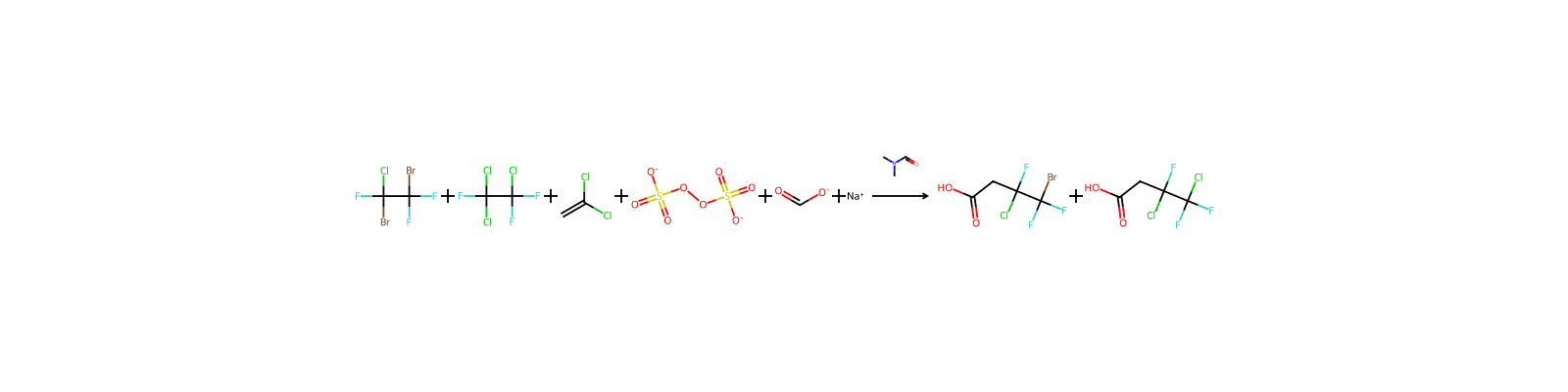
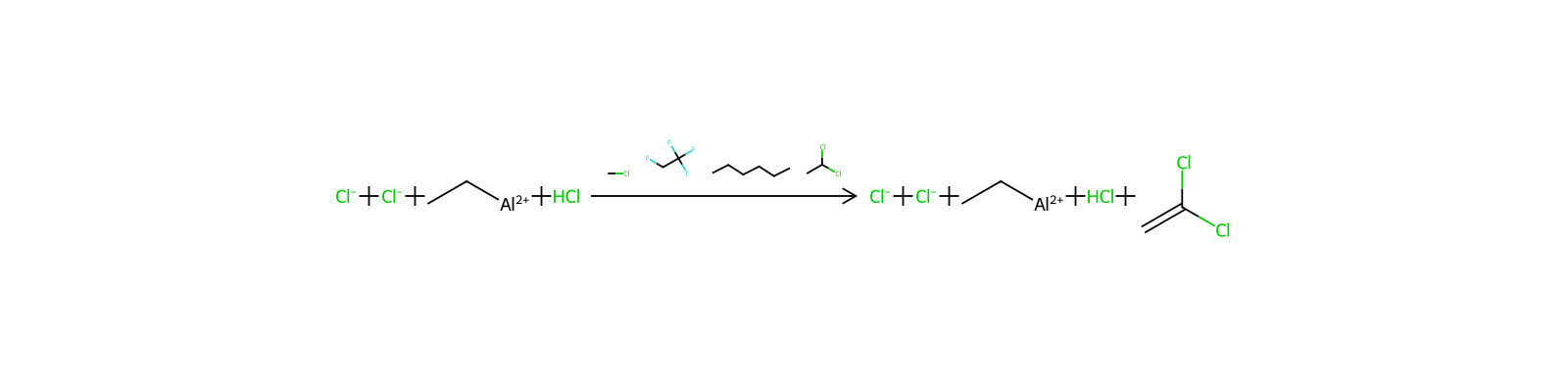
121건



연결된 노트
불러오는 중…