홈MCP워크벤치Skills
홈워크벤치알림마이페이지
llms.txt · MCP 가이드개인정보처리방침 · 이용약관 · 지원v1.8.0
  1. 홈
  2. /화합물

앰버라이트IRA-900

Tetramethylammonium chloride
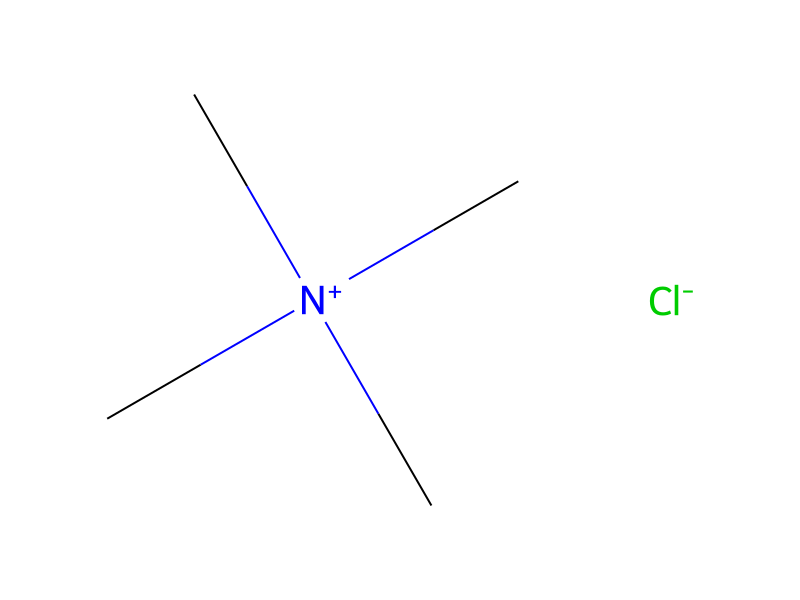
HCID 6379
새 노트새 반응견적 요청하기
인쇄 미리보기
기본 정보개요이름 및 식별자물성안전 및 규제화학 및 산업관련 반응화합물 노트
부분 구조 검색유사 구조 찾기

기본 정보

CAS
75-57-0
표준 SMILES
C[N+](C)(C)C.[Cl-]
InChIKey
OKIZCWYLBDKLSU-UHFFFAOYSA-M
분자식
C4H12N.Cl
평균 분자량
109.6 g/mol
단동위원소 질량
109.0658271

개요

N,N,N-Trimethylmethanaminium chloride is an organic molecular entity.

이름 및 식별자

우선 이름
Tetramethylammonium chloride
IUPAC
tetramethylazanium chloride
현지명
앰버라이트IRA-900
영어명
AMBERLITE(R) IRA-900
분자식
CH3BN-
분자량
39.85222

이름 및 동의어

TETRAMETHYLAMMONIUM CHLORIDE75-57-0Tetramine chlorideN,N,N-Trimethylmethanaminium chlorideMethanaminium, N,N,N-trimethyl-, chlorideTMACAmmonium, tetramethyl-, chlorideDTXSID6021749DCQ9S88703tetramethylammonium;chlorideMethanaminium, N,N,N-trimethyl-, chloride (1:1)DTXCID301749
이름 더 보기
앰버라이트IRA-900IRA-900CYANOBOROHYDRIDE, POLYMER SUPPORTEDIRA-900(Cl)Aerlite IRA-900AmberliteIRA900Albert's reagentPL-BH3(CN) MP-RESINMBERLITE(R) IRA-900AMBERLITE IRA-900 CLAMBERLITE(R) IRA-900
RefChem:188765200-880-8Tetramethyl ammonium chloride9050-97-9USAF AN-8AMBERLITE IRA 900tetramethylazanium chlorideEINECS 200-880-8

데이터베이스 식별자

CAS
75-57-0、9050-97-9
PubChem CID
6379
DTXSID
DTXSID6021749
ChEMBL
CHEMBL1209651
ChEBI
CHEBI:7070
UNII
DCQ9S88703
EC Number
200-880-8

물성

구조 계산 물성

극성 표면적
0 Ų
수소 결합 공여자 수
0
수소 결합 수용자 수
1
회전 가능 결합 수
0
무거운 원자 수
6
형식 전하
0
복잡도
19.1

실험 및 물리화학적 성질

Chemical ClassesNitrogen Compounds -> Quaternary Amines
CosmeticsViscosity controlling
Density · 2건

1.1690 at 20 °C/4 °C

1.17 g/cm³

Color/Form · 2건

Bipyramidal from dilute alcohol

White crystalline solid

Solubility · 4건

Slightly soluble in ethanol; insoluble in ether, benzene, chloroform; very soluble in methanol

Soluble in alcohol; insoluble in ether

Soluble in water

Solubility in water at 20 °C: very good

Decomposition · 2건

When heated to decomposition it emits very toxic fumes of /nitrogen oxides, ammonia and hydrogen chloride/.

368-370 °C

Melting Point · 3건

420 °C (decomposes)

MP: Decomposes

MP: >300 °C

Vapor Pressure0.00000001 [mmHg]
Physical Description · 3건

CBI; Liquid

White hygroscopic solid; [ICSC] White odorless powder; Hygroscopic; [Alfa Aesar MSDS]

HYGROSCOPIC WHITE CRYSTALS.

안전 및 규제

안전 정보는 참고용이며, 공급업체의 물질안전보건자료(SDS), 관련 법규 및 전문가 평가를 대체하지 않습니다.

GHS 분류

GHS Classification · 6건

This chemical does not meet GHS hazard criteria for 19.3% (55 of 285) of reports.

Danger

H300 (67%): Fatal if swallowed [Danger Acute toxicity, oral]

P260, P261, P262, P264, P264+P265, P270, P271, P273, P280, P301+P316, P302+P352, P304+P340, P305+P351+P338, P308+P316, P316, P319, P321, P330, P332+P317, P337+P317, P361+P364, P362+P364, P391, P403+P233, P405, and P501 (click each P-code to see the statement)

Aggregated GHS information provided per 285 reports by companies from 23 notifications to the ECHA C&L Inventory. Each notification may be associated with multiple companies.

Danger

유해성 정보

Regulatory Information · 5건

Chemical: Methanaminium, N,N,N-trimethyl-, chloride

Methanaminium, N,N,N-trimethyl-, chloride (1:1) is listed on the EPA's Chemical Data Reporting (CDR) system. Manufacturers and importers of Methanaminium, N,N,N-trimethyl-, chloride (1:1) are required to report information about their production and use of this chemical to the EPA under the Toxic Substances Control Act (TSCA). (40 eCFR Part 711)

REACH registered substance: Tetramethylammonium chloride (EC: 200-880-8)

Tetramethylammonium chloride: Does not have an individual approval but may be used under an appropriate group standard

Amberlite IRA 900: Does not have an individual approval but may be used under an appropriate group standard

Other Safety InformationIMAP assessments - Tetramethylammonium halides: Human health tier II assessment
Fire HazardsNot combustible.
Hazards Summary · 1건

Causes somnolence and convulsions in oral lethal-dose studies of rats; [RTECS] A skin, eye, and respiratory tract irritant; May cause CNS effects; [ICSC] A skin and strong eye irritant; Toxic by ingestion; Harmful by skin absorption; [Alfa Aesar MSDS]

화학 및 산업

약리 정보

MeSH Pharmacological Classification · 1건

Agents that mimic neural transmission by stimulation of the nicotinic receptors on postganglionic autonomic neurons. Drugs that indirectly augment ganglionic transmission by increasing the release or slowing the breakdown of acetylcholine or by non-nicotinic effects on postganglionic neurons are not included here nor are the nonspecific cholinergic agonists.

용도 및 제조

Uses · 5건

Used as a clay stabilizer in hydraulic fracturing fluids, as a chemical intermediate, catalyst, and inhibitor; [HSDB]

Petroleum Production and Refining [Category: Industry]

Both oil base and water base fracturing fluids are being used in the fracturing industry. Water base, which includes alcohol-water mixtures and low strength acids, make up the majority of treating fluids. The common chemicals added to these fluids are polymers for viscosity development, crosslinkers for viscosity enhancement, pH control chemicals, gel breakers for polymer degradation following the treatment, surfactants, clay stabilizers, alcohol, bactericides, fluid loss additives and friction reducer. /Hydraulic fracturing/

Hydraulic fracturing uses a specially blended liquid which is pumped into a well under extreme pressure causing cracks in rock formations underground. These cracks in the rock then allow oil and natural gas to flow, increasing resource production. ... Chemical Name: Tetramethyl ammonium chloride; Chemical Purpose: Prevents clays from swelling or shifting; Product Function: Clay stabilizer.

Chemical intermediate, catalyst, inhibitor.

U.S. Production · 4건

2023: 8,500,000 - <25,000,000 lb

Methanaminium, N,N,N-trimethyl-, chloride is listed as a High Production Volume (HPV) chemical (65FR81686). Chemicals listed as HPV were produced in or imported into the U.S. in >1 million pounds in 1990 and/or 1994. The HPV list is based on the 1990 Inventory Update Rule. (IUR) (40 CFR part 710 subpart B; 51FR21438).

Production volumes for non-confidential chemicals reported under the Inventory Update Rule. [Table#7925]

Production volume for non-confidential chemicals reported under the 2006 Inventory Update Rule. Chemical: Methanaminium, N,N,N-trimethyl-, chloride. Aggregated National Production Volume: 10 to < 50 million pounds.

관련 반응

97건
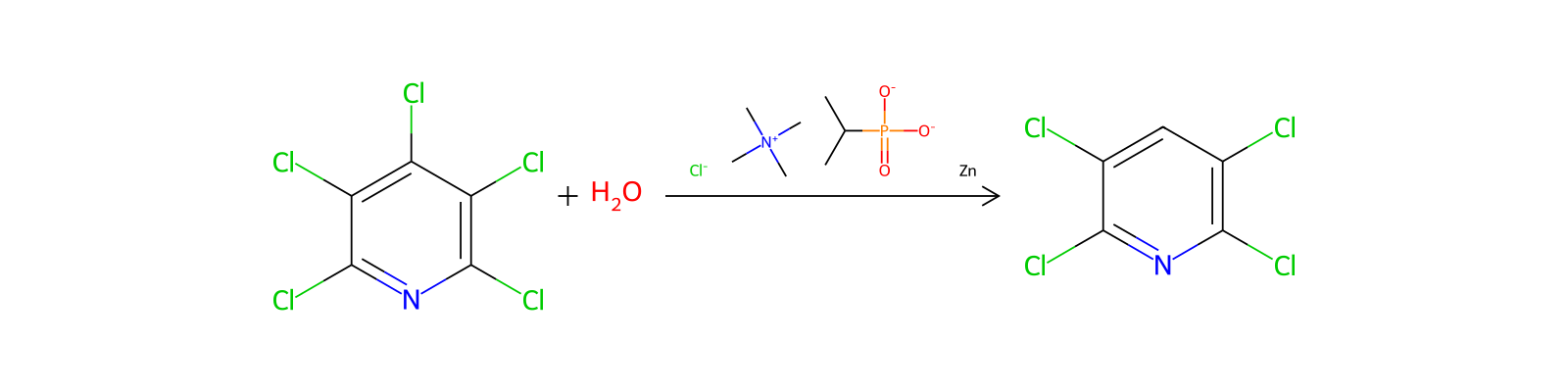
반응 기록 만들기
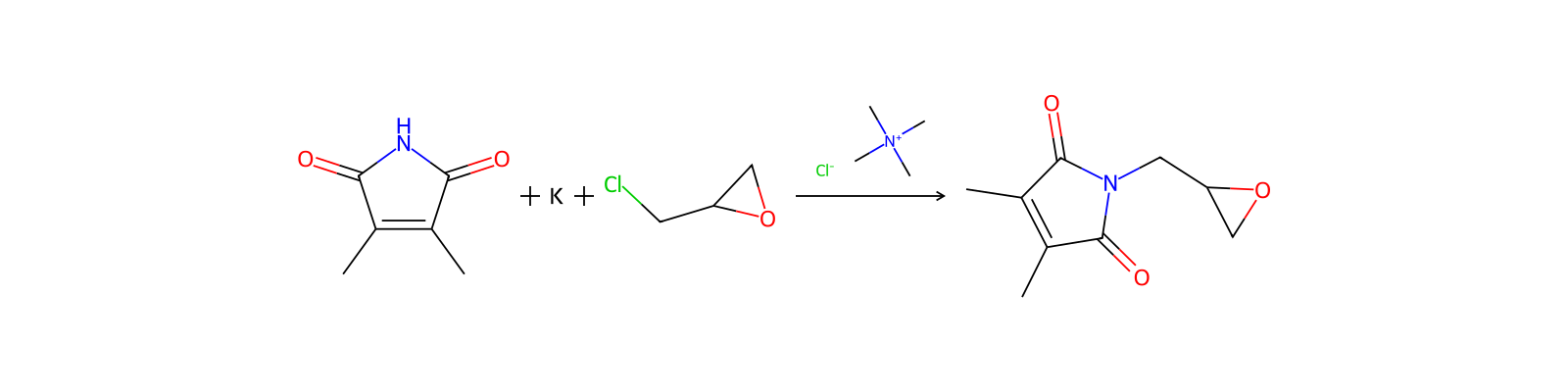
HRID 48556 반응식
HRID 48556촉매로uspto-grants-2004_03
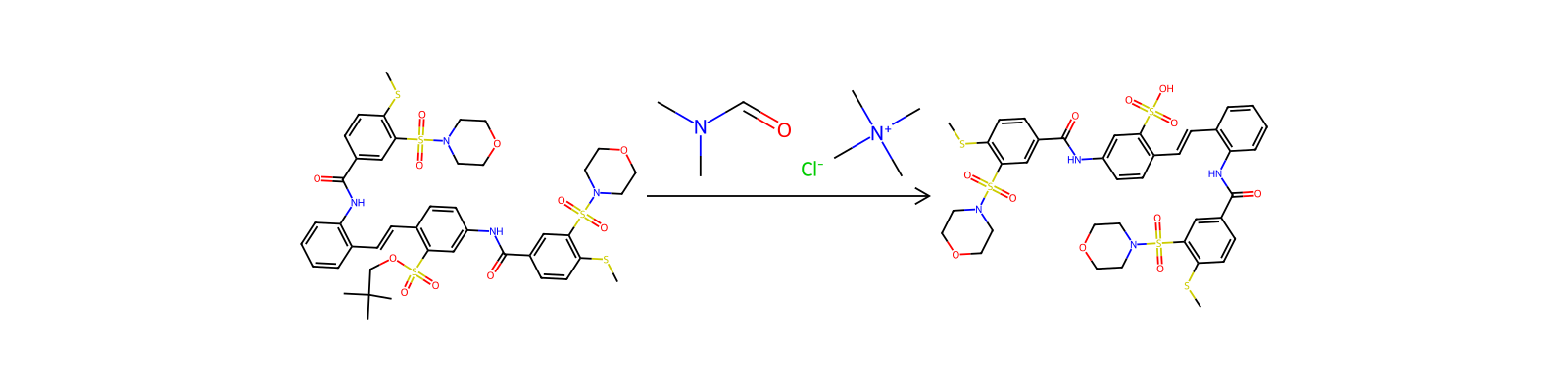
HRID 128373 반응식
HRID 128373촉매로uspto-grants-1981_03
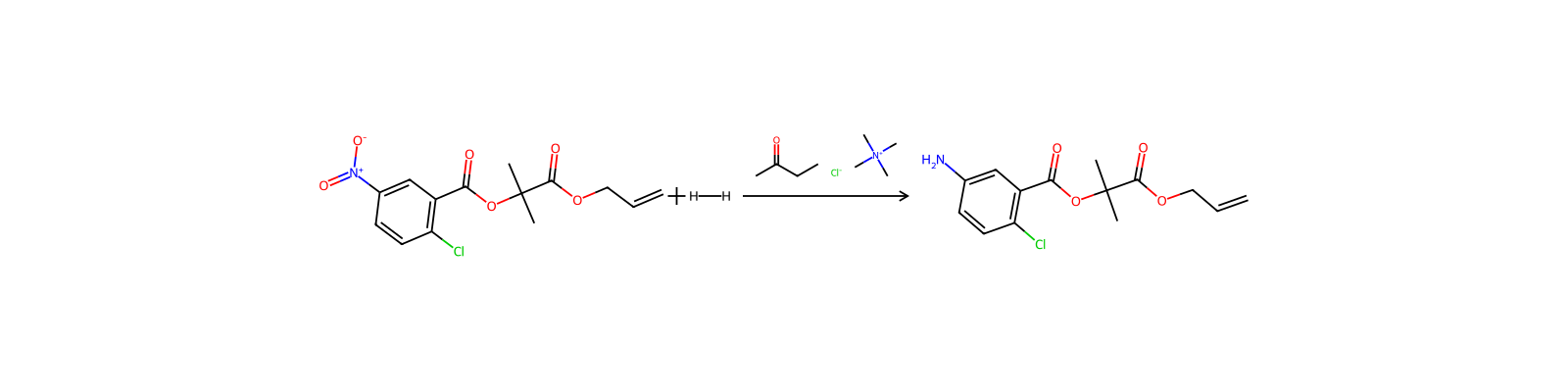
HRID 236912 반응식
HRID 236912촉매로uspto-grants-1979_06
HRID 236914 반응식
HRID 236914촉매로uspto-grants-1979_06
HRID 277589 반응식
HRID 277589촉매로uspto-grants-2002_03
HRID 325437 반응식
HRID 325437촉매로uspto-grants-1984_04
HRID 325438 반응식
HRID 325438촉매로uspto-grants-1984_04
HRID 342241 반응식
HRID 342241촉매로uspto-grants-1999_01
1 / 13 페이지

화합물 노트

불러오는 중…

이 페이지에서기본 정보개요이름 및 식별자물성안전 및 규제화학 및 산업관련 반응화합물 노트
더보기
새 노트새 반응견적 요청하기
Other Experimental Properties · 2건

Hygroscopic

When heated to decomposition it emits very toxic fumes of NOx, NH3, and Cl(-).

물리화학적 성질

녹는점
300 °C · >300 °C(lit.)
증기 밀도
1 · <1 (vs air)
증기압
17 mm · 17 mm Hg ( 20 °C)
저장 조건
2 · 2-8°C
물리적 상태
거대다공성의
색상
아이보리~브라운베이지
Merck
14 · 14,382

화학적 성질

ivory to brown-beige beads

UN Classification
UN Hazard Class: 6.1; UN Pack Group: II
Chemical DangersDecomposes above 300 °C . This produces ammonia, carbon monoxide, hydrogen chloride and nitrogen oxides. Reacts with oxidants.
Hazard Classes and Categories · 3건

Acute Tox. 2 (67%)

Acute toxicity (ingestion) - category 3

Acute toxicity (Oral) - Category 3

안전 및 보호

Fire FightingIn case of fire in the surroundings, use appropriate extinguishing media.
First Aid Measures · 4건

Fresh air, rest. Refer for medical attention.

Remove contaminated clothes. Rinse and then wash skin with water and soap.

First rinse with plenty of water for several minutes (remove contact lenses if easily possible), then refer for medical attention.

Rinse mouth. Give a slurry of activated charcoal in water to drink. Induce vomiting (ONLY IN CONSCIOUS PERSONS!). Refer for medical attention .

Safe StorageSeparated from oxidants. Dry. Well closed.
Disposal Methods · 1건

SRP: The most favorable course of action is to use an alternative chemical product with less inherent propensity for occupational harm/injury/toxicity or environmental contamination. Recycle any unused portion of the material for its approved use or return it to the manufacturer or supplier. Ultimate disposal of the chemical must consider: the material's impact on air quality; potential migration in soil or water; effects on animal and plant life; and conformance with environmental and public health regulations.

Spillage DisposalSweep spilled substance into covered containers. If appropriate, moisten first to prevent dusting. Wash away remainder with plenty of water. Personal protection: P3 filter respirator for toxic particles.
Eye PreventionWear safety spectacles.
Inhalation RiskEvaporation at 20 °C is negligible; a harmful concentration of airborne particles can, however, be reached quickly when dispersed.
Skin PreventionProtective gloves.
Ingestion PreventionDo not eat, drink, or smoke during work. Wash hands before eating.
Inhalation PreventionUse ventilation. Use local exhaust or breathing protection.
Effects of Short Term ExposureThe substance is irritating to the eyes, skin and respiratory tract. The substance may cause effects on the central nervous system.
Protective Action Criteria (PAC) · 3건

0.14 [mg/m3]

1.6 [mg/m3]

9.3 [mg/m3]

독성 정보

Ecotoxicity Values · 1건

LC50; Species: Pimephales promelas (Fathead Minnow) age 33 days, length 21.8 mm, weight 0.147 g; Conditions: freshwater, flow through, 24.7 °C, pH 7.6, hardness 44.5 mg/L CaCO3, alkalinity 41.5 mg/L CaCO3, dissolved oxygen 7.2 mg/L; Concentration: 462000 ug/L for 96 hr (95% confidence interval: 431000-495000 ug/L) /97% purity formulation/

Environmental Fate · 3건

TERRESTRIAL FATE: Based on a classification scheme(1), an estimated Koc value of 8(SRC), determined from a structure estimation method(2), indicates that tetramethylammonium chloride is expected to have high very mobility in soil(SRC). Tetramethylammonium chloride is a salt, indicating that this compound will exist in the cation form in the environment and cations generally adsorb more strongly to soils containing organic carbon and clay than their neutral counterparts(3). Volatilization of tetramethylammonium chloride from moist soil surfaces is not expected to be an important fate process(SRC) given an estimated Henry's Law constant of 4.2X10⁻¹² atm-cu m/mole(SRC), using a fragment constant estimation method(4). Tetramethylammonium chloride is not expected to volatilize from dry soil surfaces(SRC) based upon an estimated vapor pressure of 1.2X10⁻⁸ mm Hg at 25 °C(SRC), determined from a fragment constant method(5). That no biodegradation occurred using activated sludge in a respirometer test(6) suggests that biodegradation is not an important environmental fate process in soil; cation compounds are known to be toxic to microorganisms(SRC).

AQUATIC FATE: Based on a classification scheme(1), an estimated Koc value of 8(SRC), determined from a structure estimation method(2), indicates that tetramethylammonium chloride is not expected to adsorb to suspended solids and sediment(SRC). Volatilization from water surfaces is not expected(3) based upon an estimated Henry's Law constant of 4.2X10⁻¹² atm-cu m/mole(SRC), developed using a fragment constant estimation method(4). Tetramethylammonium chloride is a salt and exists in the cation form at pH values of 5 to 9; therefore volatilization from water surfaces is not expected to be an important fate process. According to a classification scheme(5), an estimated BCF of 3(SRC), from an estimated log Kow of -4.18(6) and a regression-derived equation(7), suggests the potential for bioconcentration in aquatic organisms is low(SRC). That no biodegradation occurred using activated sludge in a respirometer test(5) suggests that biodegradation is not an important environmental fate process in water; cation compounds are known to be toxic to microorganisms(SRC).

ATMOSPHERIC FATE: According to a model of gas/particle partitioning of semivolatile organic compounds in the atmosphere(1), tetramethylammonium chloride, which has an estimated vapor pressure of 1.2X10⁻⁸ mm Hg at 25 °C(SRC), determined from a fragment constant method(2), will exist in both the vapor and particulate phases in the ambient atmosphere. Vapor-phase tetramethylammonium chloride is degraded in the atmosphere by reaction with photochemically-produced hydroxyl radicals(SRC); the half-life for this reaction in air is estimated to be 25 hours(SRC), calculated from its rate constant of 5.1X10⁻¹² cu cm/molecule-sec at 25 °C(SRC) that was derived using a structure estimation method(3). Particulate-phase tetramethylammonium chloride may be removed from the air by wet or dry deposition(SRC). Tetramethylammonium chloride does not contain chromophores that absorb at wavelengths >290 nm(4), and therefore is not expected to be susceptible to direct photolysis by sunlight(SRC).

Adverse EffectsNeurotoxin - Other CNS neurotoxin
Exposure RoutesThe substance can be absorbed into the body by inhalation and by ingestion.
Signs and Symptoms · 4건

Cough. Headache. Sore throat. Shortness of breath.

Redness. Pain.

Redness. Pain. Blurred vision.

Abdominal pain. Dizziness. Nausea. Sore throat. Vomiting.

ICSC Environmental DataEnvironmental effects from the substance have not been investigated adequately.
Soil Adsorption/Mobility · 1건

Using a structure estimtion method based on molecular connectivity indices(1), the Koc of tetramethylammonium chloride can be estimated to be 8(SRC). According to a classification scheme(2), this estimated Koc value suggests that tetramethylammonium chloride is expected to have very high mobility in soil. Tetramethylammonium chloride is a salt, indicating that this compound will exist in the cation form in the environment and cations generally adsorb more strongly to soils containing organic carbon and clay than their neutral counterparts(3). Tetramethylammonium chloride at 37% of the cation exchange capacity was shown to inhibit electroactive anion probe transport properties in a Swy-1 montmorillonite clay(4).

Human Toxicity Excerpts · 1건

/OTHER TOXICITY INFORMATION/ Inhibitory effects of paraquat and structurally related compounds on acetylcholinesterase (AChE) activity in human erythrocytes and the electric organs of electric-eels (Electrophorus-electricus) were studied in-vitro. ... Human erythrocyte and electric-eel AChE and human plasma butyrylcholinesterase (BuChE) were incubated with paraquat, diquat, d-tubocurarine, edrophonium, trimethylphenylammonium-chloride or tetramethylammonium-chloride. The effects on AChE and BuChE of the preparations were examined and Hill plots were constructed. Paraquat and d-tubocurarine had Hill coefficients less than 1, whereas the Hill coefficients of the other compounds were close to 1. All compounds inhibited human erythrocyte and electric-eel AChE to a greater extent than human plasma BuChE. ...

Artificial Pollution Sources · 1건

Tetramethylammonium chloride's production and use as a chemical intermediate, catalyst, and inhibitor(1) may result in its release to the environment through various waste streams(SRC). Its use in hydrofracking fluid as a clay stabilizer(2) will result in its direct release to the environment(SRC).

Environmental Biodegradation · 2건

AEROBIC: Tetramethylammonium chloride, present at 100 mg/L, was not biodegraded after 240 hours using 30 mg/L of activated sludge incubated at 20 °C in the respirometer test(1). Cation compounds are known to be toxic to microorganisms(SRC).

PURE CULTURE: Tetramethylammonium chloride, present at 0.2% wt/vol, was not utilized as a sole nitrogen source by the majority of 461 yeast species tested; the exception were Sporobolomyces odorus CBS483 and Sporobolomyces hispanicus CBS2873, maintained on a mineral salts medium(1). The compound, present at 1 uMol, reached 82% of its theoretical O2 uptake (CO2 evolution was complete in 60 minutes) in 90 minutes using a quarternary ammonium compound-enrichment inoculum in a respirometer test(2).

Environmental Bioconcentration · 1건

An estimated BCF of 3 was calculated in fish for tetramethylammonium chloride(SRC), using an estimated log Kow of -4.18(1) and a regression-derived equation(2). According to a classification scheme(3), this BCF suggests the potential for bioconcentration in aquatic organisms is low(SRC).

Volatilization from Water/Soil · 1건

The Henry's Law constant for tetramethylammonium chloride is estimated as 4.2X10⁻¹² atm-cu m/mole(SRC) using a fragment constant estimation method(1). This Henry's Law constant indicates that tetramethylammonium chloride is expected to be essentially nonvolatile from water and moist soil surfaces(2). Tetramethylammonium chloride is a salt and exists in the cation form at pH values of 5 to 9; therefore volatilization from water surfaces is not expected to be an important fate process. Tetramethylammonium chloride is not expected to volatilize from dry soil surfaces(SRC) based upon an estimated vapor pressure of 1.2X10⁻⁸ mm Hg(SRC), determined from a fragment constant method(3).

안전 데이터

wgk
3
tsca
Yes
HS 번호
39140000
risk_code
36/37/38-36
safety_code
22-24/25
F 고인화성물질
10-21
자연 발화 온도
800 °F
스토리지 클래스
11 - Combustible Solids
Industry UsesChain transfer agent
Use ClassificationCosmetics -> Viscosity controlling
General Manufacturing Information · 2건

Plastics Material and Resin Manufacturing

Methanaminium, N,N,N-trimethyl-, chloride (1:1): ACTIVE

응용 분야

용도Removal of organic compounds; sugar decolorizing; de-ashing; water conditioning

일반 설명Amberlite IRA-900 chloride form is a macroporous, polystyrenic type 1 resin. This resin was found to catalyze the photodecomposition of carbon tetrachloride in ethanol.

상·하류 제품 정보

하류 제품

수산화 세트리모늄