홈MCP워크벤치Skills
홈워크벤치알림마이페이지
llms.txt · MCP 가이드개인정보처리방침 · 이용약관 · 지원v1.8.0
  1. 홈
  2. /화합물

Neopentyl alcohol

HCID 6404
새 노트새 반응견적 요청하기
인쇄 미리보기

데이터를 보충하는 중입니다. 잠시 후 페이지를 새로 고치면 최신 내용을 볼 수 있습니다

기본 정보이름 및 식별자물성안전 및 규제화학 및 산업관련 반응화합물 노트
부분 구조 검색유사 구조 찾기

기본 정보

CAS
75-84-3
표준 SMILES
CC(C)(C)CO
InChIKey
KPSSIOMAKSHJJG-UHFFFAOYSA-N
분자식
C5H12O
평균 분자량
88.15 g/mol
단동위원소 질량
88.088815

이름 및 식별자

우선 이름
Neopentyl alcohol
IUPAC
2,2-dimethylpropan-1-ol
영어명
2,2-Dimethyl-1-propanol
분자식
C5H12O
분자량
88.14818

이름 및 동의어

NEOPENTYL ALCOHOL75-84-32,2-dimethylpropan-1-ol2,2-Dimethyl-1-propanol2,2-Dimethylpropanoltert-ButylcarbinolNeoamyl alcoholNeopentanol1-Propanol, 2,2-dimethyl-tert-Butyl carbinol2,2-Dimethylpropyl alcohol5I067PJD7S
이름 더 보기
DTXSID9052501RefChem:832324DTXCID3031074200-907-3NeopentylalcoholMFCD000046822,2,2-Trimethylethanol2,2-dimethyl-propan-1-ol

데이터베이스 식별자

CAS
75-84-3
PubChem CID
6404
DTXSID
DTXSID9052501
ChEMBL
CHEMBL458630
UNII
5I067PJD7S
EC Number
200-907-3
Nikkaji
J4.163G

물성

구조 계산 물성보충 중

XLogP
1.3
극성 표면적
20.2 Ų
수소 결합 공여자 수
1
수소 결합 수용자 수
1
회전 가능 결합 수
1
무거운 원자 수
6
형식 전하
0
복잡도
33.7

실험 및 물리화학적 성질

Chemical ClassesFlammable agents - 3rd degree
SolventsSolvents -> Alcohols (<C12)
SpringerMaterials PropertiesBoiling point
LogP · 2건

log Kow = 1.31

1.29

OdorPEPPERMINT ODOR
Density · 2건

0.812 @ 20 °C/4 °C

Liquid density = 851.5 kg/cu m

Viscosity2.5 mPa.S @ 20 °C (liquid viscosity)
Color/FormCRYSTALS
Solubility · 2건

MISCIBLE WITH ALC, ETHER; IN WATER: ABOUT 3.5% @ 25 °C

Water solubility = 3.5X10+4 mg/L at 25 °C.

Flash Point98 °F (37 °C) (CLOSED CUP)
Boiling Point114 °C
Melting Point

안전 및 규제

안전 정보는 참고용이며, 공급업체의 물질안전보건자료(SDS), 관련 법규 및 전문가 평가를 대체하지 않습니다.

GHS 분류

GHS Classification · 5건

This chemical does not meet GHS hazard criteria for 15.7% (29 of 185) of reports.

Danger

H226 (23.8%): Flammable liquid and vapor [Warning Flammable liquids]

P210, P233, P240, P241, P242, P243, P261, P264+P265, P271, P280, P303+P361+P353, P304+P340, P305+P351+P338, P317, P319, P337+P317, P370+P378, P403+P233, P403+P235, P405, and P501 (click each P-code to see the statement)

Aggregated GHS information provided per 185 reports by companies from 9 notifications to the ECHA C&L Inventory. Each notification may be associated with multiple companies.

유해성 정보

Regulatory Information · 3건

Chemical: 1-Propanol, 2,2-dimethyl-

2,2-Dimethyl-1-propanol: Does not have an individual approval but may be used under an appropriate group standard

The New Jersey Worker and Community Right to Know Act requires public and private employers to provide information about hazardous substances at their workplaces. (N.J.S.A. 34:5A-1 et. seq.)

Fire PotentialDANGEROUS, WHEN EXPOSED TO HEAT OR FLAME; CAN REACT WITH OXIDIZING MATERIALS. /AMYL ALCOHOL/
Hazards Summary · 1건

Higher alcohols are not highly toxic in the industrial setting; Can cause liver injury, somnolence, and respiratory depression in experimental animals; Related compounds can cause irritation of eye, nose, and throat and CNS depression in high concentrations; [HSDB] Related compounds cause nose, throat, and respiratory tract irritation; Inhalation of high concentrations can cause CNS depression; Aqueous solutions cause severe eye irritation, based on animal studies; [CHEMINFO] An irritant; [MSDSonline]

NFPA Hazard Classification · 3건

2 - Materials that, under emergency conditions, can cause temporary incapacitation or residual injury.

3 - Liquids and solids that can be ignited under almost all ambient temperature conditions. Materials produce hazardous atmospheres with air under almost all ambient temperatures or, though unaffected by ambient temperatures, are readily ignited under almost all conditions.

화학 및 산업

약리 정보

Metabolism/MetabolitesThe primary alcohols are rapidly metabolized largely via the ADH route ... . /Primary amyl alcohols/
Absorption, Distribution and Excretion · 3건

...BECAUSE OF THEIR LOW VOLATILITY &...LOW SOLUBILITY IN BODY FLUIDS, THEY ARE ABSORBED SLOWLY & ONLY TO SMALL EXTENT. /AMYL ALCOHOL/

RATE OF ELIMINATION...OF AMYL ALCOHOLS FROM BODY DECREASES IN FOLLOWING ORDER: PRIMARY, SECONDARY, TERTIARY. /AMYL ALC/

Small amounts of the primary and secondary alcohols, and appreciable amts of the tertiary isomer, are excreted unchanged in the respired air and urine. /Amyl alcohols/

용도 및 제조

Uses · 2건

No specific uses were located for 2,2-dimethyl-1-propanol. In general, pentanols are used in the manufacture of lacquers, chemicals, pharmaceuticals and plastics; and used as flavouring agents and in fragrances. [CHEMINFO]

USED IN PHARMACEUTICAL PREPARATIONS; FLOTATION AGENT; ORGANIC SYNTHESIS /AMYL ALCOHOLS/

U.S. Imports(1984) 1.89X10+8 g/AMYL ALCOHOLS/
Methods of ManufacturingReview of manuf (by fractionation of fusel oil & via chlorination of pentanes) and properties: Industrial Chemicals, 2nd ed. W.L. Faith et al., Eds. NY,NY: Wiley & Sonspp. 107-14 (1957).
General Manufacturing Information · 3건

1-Propanol, 2,2-dimethyl-: ACTIVE

...USED IN MFR OF LACQUERS, CHEMICALS, RUBBER, PLASTICS, FRUIT ESSENCES, & EXPLOSIVES, THEY ARE USED AS COMPONENT OF PAINT STRIPPERS & HYDRAULIC FLUIDS & AS INTERMEDIATE OF ORE-FLOTATION AGENTS & OTHER AMYL DERIVATIVES. /AMYL ALC/

...SOLVENTS FOR CAMPHOR, ALKALOIDS, SOFT COPALS, ESTER GUMS, RESINS, IODINE, PHOSPHORUS & SULFUR. /PENTANOLS/

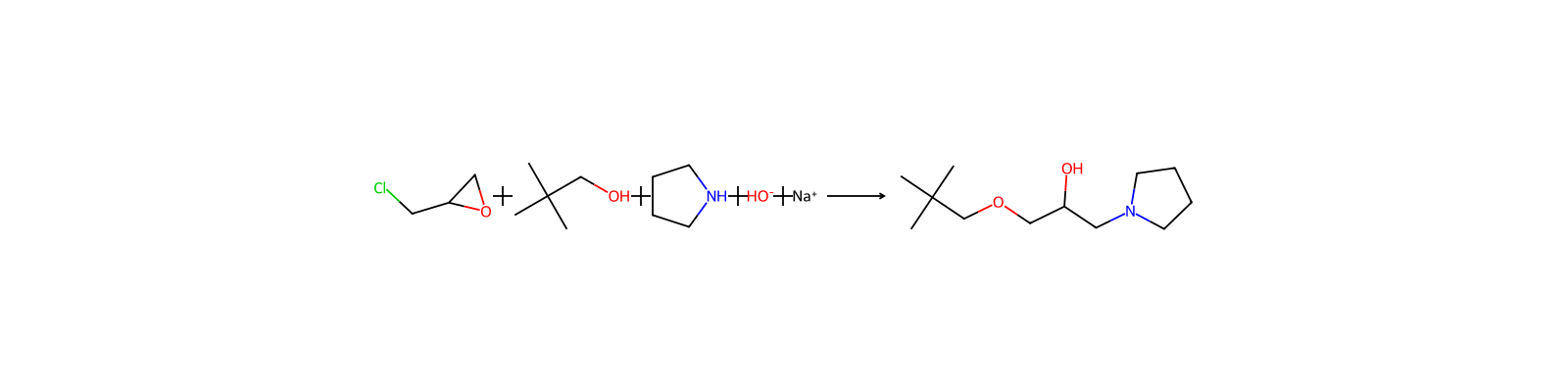
관련 반응

159건
반응 기록 만들기
HRID 4506 반응식
HRID 4506반응물로uspto-grants-1988_02
HRID 20400 반응식
HRID 20400반응물로uspto-grants-2010_06
HRID 20411 반응식
HRID 20411반응물로uspto-grants-2010_06
HRID 20415 반응식
HRID 20415반응물로uspto-grants-2010_06
HRID 24169 반응식
HRID 24169반응물로uspto-grants-2005_02
HRID 45249 반응식
HRID 45249반응물로uspto-grants-2013_09
HRID 51735 반응식
HRID 51735반응물로uspto-grants-2004_03
HRID 91307 반응식
HRID 91307반응물로Training data from https://doi.org/10.1039/C8SC04228D (2/10)
1 / 20 페이지

화합물 노트

불러오는 중…

이 페이지에서기본 정보이름 및 식별자물성안전 및 규제화학 및 산업관련 반응화합물 노트
더보기
새 노트새 반응견적 요청하기
53 °C

물리화학적 성질

녹는점
53 °C · 53 °C
끓는 점
114 °C · 114 °C
밀도
0.812 g/cm3 · 0.812 g/cm3
산도 계수 (pKa)
15.24 · 15.24±0.10(Predicted)

0 - Materials that in themselves are normally stable, even under fire conditions.

Hazard Classes and Categories · 2건

Flam. Liq. 3 (23.8%)

Flammable agents - 3rd degree

Explosive Limits and PotentialMODERATE, WHEN EXPOSED TO FLAME. HYDROGEN TRISULFIDE (H2S3) CAN EXPLODE IT. /AMYL ALCOHOL/
Critical Temperature and PressureCritical temperature: 276.85 °C; Critical pressure 29,100 mm Hg

안전 및 보호

Exposure Control and Personal Protection20.0 [ppm]
Fire Fighting ProceduresSEE AMYL ALCOHOL. ALCOHOL FOAM. DRY CHEMICAL. /AMYL ALCOHOL/
Storage ConditionsSTORAGE REQUIREMENTS: EVEN SLIGHTLY FLAMMABLE MATERIALS SHOULD BE ISOLATED FROM OXIDIZERS. ...STORAGE AREA SHOULD BE KEPT COOL & VENTILATED & SHOULD BE FIREPROOF.
Disposal Methods · 1건

SRP: At the time of review, criteria for land treatment or burial (sanitary landfill) disposal practices are subject to significant revision. Prior to implementing land disposal of waste residue (including waste sludge), consult with environmental regulatory agencies for guidance on acceptable disposal practices.

Personal Protective Equipment (PPE) · 1건

...USE OF BARRIER CREAMS & PERSONAL PROTECTIVE CLOTHING TO PREVENT SKIN CONTACT. CANISTER-TYPE RESPIRATORS CAPABLE OF ABSORBING ORG VAPOR WILL PROTECT AGAINST PULMONARY ABSORPTION IN...LOW LEVELS OF AIR CONTAMINATION. AIRLINE RESPIRATORS OR SELF-CONTAINED AIR...WHERE THERE IS HIGH-LEVEL... /PENTYL ALCOHOL/

독성 정보

Environmental Fate · 3건

TERRESTRIAL FATE: Based on a recommended classification scheme(1), an estimated Koc value of 123(SRC), determined from an experimental log Kow(2) and a recommended regression-derived equation(3), indicates that neopentyl alcohol will have high mobility in soil(SRC). Volatilization of neopentyl alcohol may be important from moist soil surfaces(SRC) given an estimated Henry's Law constant of 5.3X10⁻⁵ atm-cu m/mole(SRC), calculated from experimental values of vapor pressure(4) and water solubility(5) and from dry soil surfaces(SRC) based on an experimental vapor pressure of 16 mm Hg(4). Insufficient data are available to determine the rate or importance of biodegradation of neopentyl alcohol in soil(SRC) but the quarternary carbon structure would suggest that biodegradation may be slow(6).

AQUATIC FATE: Based on a recommended classification scheme(1), an estimated Koc value of 123(SRC), determined from an experimental log Kow(2) and a recommended regression-derived equation(3), indicates that neopentyl alcohol may not adsorb to suspended solids and sediment(SRC) in the water. Neopentyl alcohol may volatilize from water surfaces based on an estimated Henry's Law constant of 5.3X10⁻⁵ atm-cu m/mole(SRC), calculated using an experimental vapor pressure(3) and an experimental water solubility(4). Estimated half-lives for a model river and model lake are 18.3 hours and 8.4 days, respectively(5,SRC). An estimated BCF value of 5.8(5,SRC), from an experimental log Kow(2), suggests that neopentyl alcohol will bioconcentrate in aquatic organisms(SRC) according to a recommended classification scheme(6). Insufficient data are available to determine the rate or importance of biodegradation of neopentyl alcohol in water(SRC) but the quarternary carbon structure would suggest that biodegradation may be slow(7).

ATMOSPHERIC FATE: According to a suggested classification scheme(1), an experimental vapor pressure of 16 mm Hg at 25 °C(2) indicates that neopentyl alcohol will exist in the vapor-phase in the ambient atmosphere. Vapor-phase neopentyl alcohol is degraded in the atmosphere by reaction with photochemically produced hydroxyl radicals(SRC); the half-life for this reaction in air is estimated to be about 3.4 days(3,SRC). Neopentyl alcohol may be physically removed from the air by wet deposition(SRC).

Adverse EffectsNeurotoxin - Acute solvent syndrome
Soil Adsorption/Mobility · 1건

The Koc of neopentyl alcohol is estimated as approximately 123(SRC), using an experimental log Kow of 1.31(1) and a regression-derived equation(2). According to a recommended classification scheme(3), this estimated Koc value suggests that neopentyl alcohol has high mobility in soil(SRC).

Human Toxicity Excerpts · 5건

PENTYL ALCOHOL IS IRRITATING TO THE MUCOUS MEMBRANES OF THE EYES, NOSE, AND THROAT... THE COMPLAINTS FROM SYSTEMIC ILLNESS INCLUDE HEADACHE, DIZZINESS, NAUSEA, VOMITING, DIARRHEA, DELIRIUM, &.../CNS DEPRESSION/. /PENTYL ALCOHOL/

NO EFFECTS UPON NERVES OF SKIN OF MEN & NO LOCAL WHEAL FORMATION, ERYTHEMA, OR HYPEREMIA WERE OBSERVED...FOLLOWING APPLICATION OF ALL ISOMERS EXCEPT 1-PENTANOL. /AMYL ALCOHOL/

ACCORDING TO ANIMAL EXPERIMENTS, AMYL ALCOHOLS ARE ABOUT FOUR TIMES AS TOXIC AS ETHYL ALCOHOL. HOWEVER, BECAUSE OF THEIR LOW VOLATILITY &...LOW SOLUBILITY IN BODY FLUIDS, THEY ARE ABSORBED SLOWLY & ONLY TO SMALL EXTENT. /AMYL ALCOHOL/

The exposure of 2,2-dimethyl-1-propanol for 5 min induced erythema in only 17% of the 12 human subjects over the subsequent 60 min.

For more Human Toxicity Excerpts (Complete) data for NEOPENTYL ALCOHOL (8 total), please visit the HSDB record page.

Artificial Pollution Sources · 1건

Amyl alcohols, such as neopentyl alcohol, are used as pharmaceutical preparations, flotation agents, and in organic synthesis(1). Therefore, neopentyl alcohol's production and use in these areas may result in its release to the environment through various waste streams(SRC).

Environmental BiodegradationAlthough no biodegradation data are available for neopentyl alcohol, the quarternary carbon structure would suggest that biodegradation may be slow(1).
Environmental Bioconcentration · 1건

An estimated BCF value of 5.8 was calculated for neopentyl alcohol(SRC), using an experimental log Kow of 1.31(1) and a recommended regression-derived equation(2). According to a recommended classification scheme(3), this BCF value suggests that bioconcentration in aquatic organisms will not be an important fate process(SRC).

Volatilization from Water/Soil · 1건

The Henry's Law constant for neopentyl alcohol is estimated as 5.3X10⁻⁵ atm-cu m/mole(SRC) from its experimental values for vapor pressure, 16 mm Hg(1), and water solubility, 3.5X10+4 mg/l(2). This Henry's Law constant value indicates that neopentyl alcohol will volatilize from water surfaces(3,SRC). Based on this Henry's Law constant, the volatilization half-life from a model river (1 m deep, flowing 1 m/sec, wind velocity of 3 m/sec) is estimated as approximately 18.3 hours(3,SRC). The volatilization half-life from a model lake (1 m deep, flowing 0.05 m/sec, wind velocity of 0.5 m/sec) is estimated as approximately 8.4 days(3,SRC). Neopentyl alcohol's vapor pressure(1) and Henry's Law constant(1,2,SRC) indicate that volatilization from dry and moist soil may occur(SRC).

Non-Human Toxicity Excerpts · 5건

ALL ISOMERS OF AMYL ALCOHOL ARE.../CNS DEPRESSANTS/, & IN HIGH DOSAGE LETHAL TO ANIMALS... /PENTANOLS/

2,2-Dimethyl-1-propanol (at concn of 50 mM) stimulates in vitro the peptidase activity (by 160%) but inhibits the esterase activity (by 76%) of carboxypeptidase A.

2,2-Dimethyl-1-propanol inhibits the cytochrome p450 dependent mixed function oxidases, specificaly aniline hydroxylase, in suspensions of rat liver microsomes.

The concn (H50) which caused 50% hemolysis of rabbit erythrocytes in isotonic saline, 1 hr at 37 °C, is 2,2-dimethyl-1-propanol, 128 mM. The concn (ID50) required to produce 50% inhibition of cell growth of mouse fibroblast L cells is 2,2-dimethyl-1-propanol, 10.8 mM.

All /amyl alcohols/ are appreciably irritating to the eyes and capable of causing transient corneal opacity. All are somewhat irritating to the uncovered skin when exposures are repeated and severely irritating when confined to the skin. All can be absorbed through the skin of animals in toxic amts when exposures are severe. High conc of vapor are irritating to the mucous membranes and typically cause central nervous system effects and death by respiratory failure. /Amyl alcohols/

Environmental Abiotic Degradation · 1건

The rate constant for the vapor-phase reaction of neopentyl alcohol with photochemically produced hydroxyl radicals has been estimated as 4.66X10⁻¹² cu cm/molecule-sec at 25 °C(SRC) using a structure estimation method(1,SRC). This corresponds to an atmospheric half-life of about 3.4 days at an atmospheric concentration of 5X10+5 hydroxyl radicals per cu cm(1,SRC).

Probable Routes of Human ExposureOccupational exposure to pentyl alcohols, such as neopentyl alcohol, can occur through dermal contact, inhalation, and ingestion(1).
Environmental Water ConcentrationsDRINKING WATER: Neopentyl alcohol was reported in advanced treatment water in Orange County, CA(1).

안전 데이터

신호 어
Danger
유해·위험 문구
암호 유해·위험 문구 위험 등급 범주 신호 어 그림 문자 P- 코드 H228