테트라민
Tetramethylenedisulfotetramine

기본 정보
- CAS
80-12-6- 표준 SMILES
O=S1(=O)N2CN3CN1CN(C2)S3(=O)=O- InChIKey
AGGKEGLBGGJEBZ-UHFFFAOYSA-N- 분자식
- C4H8N4O4S2
- 평균 분자량
- 240.3 g/mol
- 단동위원소 질량
- 239.9986971
개요
Tetramethylenedisulfotetramine is a neurotoxic synthetic polyhedral organic compound and type A gamma-aminobutyric acid receptor (GABAAR) antagonist that was banned worldwide for use as a pesticide in 1991. It is characterized as a colorless and odorless solid, and exposure occurs by inhalation, ingestion, or contact.
이름 및 식별자
- 우선 이름
- Tetramethylenedisulfotetramine
- IUPAC
- 2λ6,6λ6-dithia-1,3,5,7-tetrazatricyclo[3.3.1.13,7]decane 2,2,6,6-tetraoxide
- 현지명
- 테트라민
- 영어명
- 2,6-Dithia-1,3,5,7-tetraazatricyclo3.3.1.13,7decane, 2,2,6,6-tetraoxide
- 분자식
- C4H8N4O4S2
- 분자량
- 240.26
이름 및 동의어
TetramethylenedisulfotetramineTETS80-12-6TetramethylenedisulphotetramineDSTAF6TS3WME05DTXSID8040307NSC-1728242,6-Dithia-1,3,5,7-tetraazatricyclo(3.3.1.13,7)decane, 2,2,6,6-tetraoxide2,6-Dithia-1,3,5,7-tetraazatricyclo[3.3.1.13,7]decane, 2,2,6,6-tetraoxideRefChem:188783DTXCID6020307
이름 더 보기
테트라민2,6-디티아-1,3,5,7-테트라아자트리사이클로3.3.1.13,7데칸,2,2,6,6-테트라옥사이드Tretamine in methanolTetramethylenedisulfotetramine solution2,6-Dithia-1,3,5,7-tetraazatricyclo3.3.1.13,7decane, 2,2,6,6-tetraoxide
CHEBI:391662,6-dithia-1,3,5,7-tetraazatricyclo(3.3.1.1(3,7)-decane 2,2,6,6-tetraoxide)disulfotetraazaadamantaneTetramineTetramine (adamantane derivative)199488-98-72lambda6,6lambda6-dithia-1,3,5,7-tetrazatricyclo[3.3.1.13,7]decane 2,2,6,6-tetraoxideUNII-F6TS3WME05
데이터베이스 식별자
- CAS
물성
구조 계산 물성
- XLogP
- -1.7
- 극성 표면적
- 98 Ų
- 수소 결합 공여자 수
- 0
- 수소 결합 수용자 수
- 8
- 회전 가능 결합 수
- 0
- 무거운 원자 수
- 14
- 형식 전하
- 0
- 복잡도
- 378
실험 및 물리화학적 성질
OdorReported as being odorless.
TasteReported as being tasteless.
Color/FormReported as being colorless.
물리화학적 성질
- 녹는점
- 242.5 °C · 242.5°C (rough estimate)
- 끓는 점
- 498.1 · 498.1±45.0 °C(Predicted)
- 밀도
- 1.574 · 1.574 (estimate)
- 굴절률
- 1.6 · 1.6000 (estimate)
- 인화점
- 2 °C · 2°C
- 저장 조건
- -20 °C · -20°C
- 산도 계수 (pKa)
- -11.52 · -11.52±0.20(Predicted)
- 물리적 상태
- 고체
- 주요 응용
- 농업환경
- InChI
- 1S/C4H8N4O4S2/c9-13(10)5-1-6-3-8(13)4-7(2-5)14(6,11)12/h1-4H2
- InChIKey
- AGGKEGLBGGJEBZ-UHFFFAOYSA-N
- SMILES
- O=S1(=O)N2CN3CN1CN(C2)S3(=O)=O
- EPA
- 2 · 2,6-Dithia-1,3,5,7-tetraazatricyclo[3.3.1.13,7]decane, 2,2,6,6-tetraoxide (80-12-6)
안전 및 규제
안전 정보는 참고용이며, 공급업체의 물질안전보건자료(SDS), 관련 법규 및 전문가 평가를 대체하지 않습니다.
GHS 분류
GHS Classification
Danger
H300 (100%): Fatal if swallowed [Danger Acute toxicity, oral]
P264, P270, P301+P316, P321, P330, P405, and P501 (click each P-code to see the statement)
Aggregated GHS information provided per 39 reports by companies from 1 notifications to the ECHA C&L Inventory.
유해성 정보
Regulatory Information
2,6-Dithia-1,3,5,7-tetraazatricyclo3.3.1.13,7decane, 2,2,6,6-tetraoxide: Does not have an individual approval but may be used as a component in a product covered by a group standard. It is not approved for use as a chemical in its own right.
History and Incidents
A 2020 publication details the serendipitous discovery of the neurotoxicity of TETS through the investigation of a mysterious occupational exposure in 1949 at a German uphostery factory. Also, it provides a what have we learned in the past 70 years discussion about the neurotoxicity of TETS, e.g., after being promoted as a rodenticide, it was banned worldwide due to its danger to human health. However, despite the ban, the clandestine manufacture of TETS has continued and there have been large numbers of inadvertent, intentional, and mass poisonings with no known antidote or targeted treatment. A 2017 publication about TETS states that over 14,000 accidental and intentional poisonings have occurred worldwide, with the vast majority of TETS poisonings involving tainted food or drink.
Hazard Classes and CategoriesAcute Tox. 1 (100%)
안전 및 보호
Acute Exposure Guideline Levels (AEGLs)The compound is currently at the Holding Status AEGLs which have been reviewed by the NAC/AEGL Committee and are on hold due to insufficient data to develop AEGL values.
화학 및 산업
약리 정보
Mechanism of ActionNoncompetitive blocker of the GABA type A receptor (GABAAR).
용도 및 제조
Use ClassificationRODENTICIDES
응용 분야
개요Tetramethylenedisulfotetramine (2,6-dithia-1,3,5,7-tetraazadamantane, 2,2,6,6-tetraoxide, TETS) is a highly toxic heteroadamantane rodenticide. It is an odorless, tasteless, white crystalline powder that is slightly soluble in water (0.25 mg ml-1), dimethyl sulfoxide and acetone. It was originally synthesized in 1933 as a resinous condensation product of sulfamide and formaldehyde and used commercially in pillows and upholstery as an impregnating stiffening and antimold agent. However, in 1950, a massive poisoning of German workers in the furniture manufacturing industry was linked to ‘Crinex’ wool, which contained TETS as a byproduct of processing. Early experimental studies in rodents revealed that TETS was an extremely toxic convulsant agent. It was also discovered at this time that TETS is a highly effective rodent repellent, which resulted in its use during reforestation projects to prevent seed predation by rodents. However, because of its high toxicity in mammals, including humans, and its persistence in the environment, many countries banned its production and use in 1984. This ban became worldwide when China issued similar restrictions in 1991. However, due to its relative ease of synthesis and low cost, TETS remains available on the black market, particularly in many rural areas of China and in regions outside of China that have large Asian populations.
용도Despite the worldwide ban on its production and use, TETS continues to be used illicitly as a rodenticide in various regions of the world. In China, TETS is known as ‘Dushuqiang’, ‘Meishuming,’ or ‘Shanbudao.’ In 2000, the National Poison Control Center of China revealed that 74% of commercial rodenticides contained illegal chemicals, with TETS found in nearly 50% of these pesticides. From 1977 to 2002, it was estimated that there were thousands of cases of TETS poisoning in China, resulting in hundreds of deaths. A more recent analysis indicates that between 1991 and 2010, there were over 14 000 cases of TETS intoxication in China, of which 932 resulted in death. In 2003, the first case of TETS intoxication in the United States was reported: a healthy 15-month-old girl was poisoned following accidental ingestion of a rodenticide imported from China that contained TETS. While many cases are thought to be due to accidental poisonings, there have been numerous reports of TETS being used to intentionally poison humans.
관련 반응
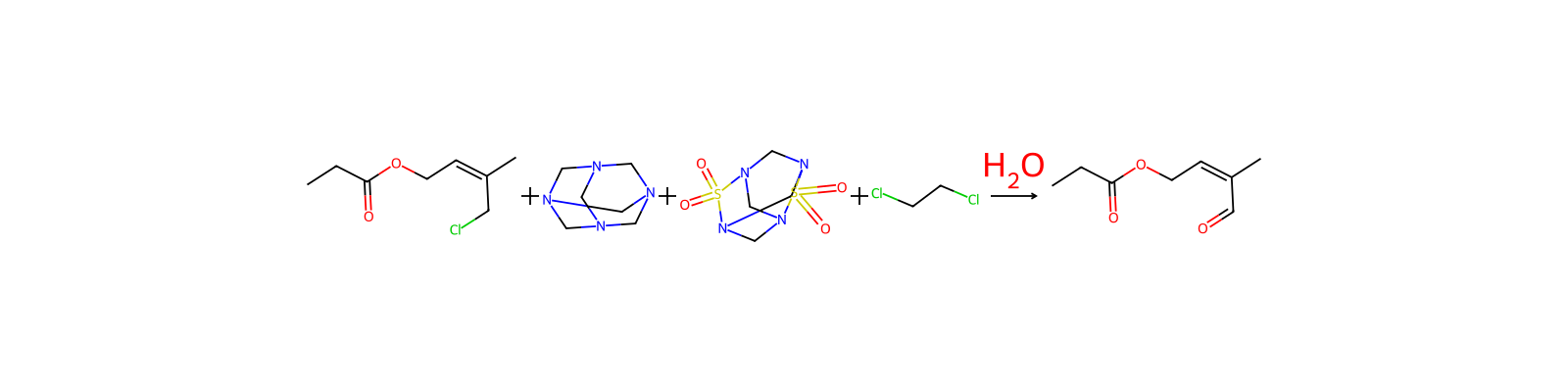
1건
화합물 노트
불러오는 중…