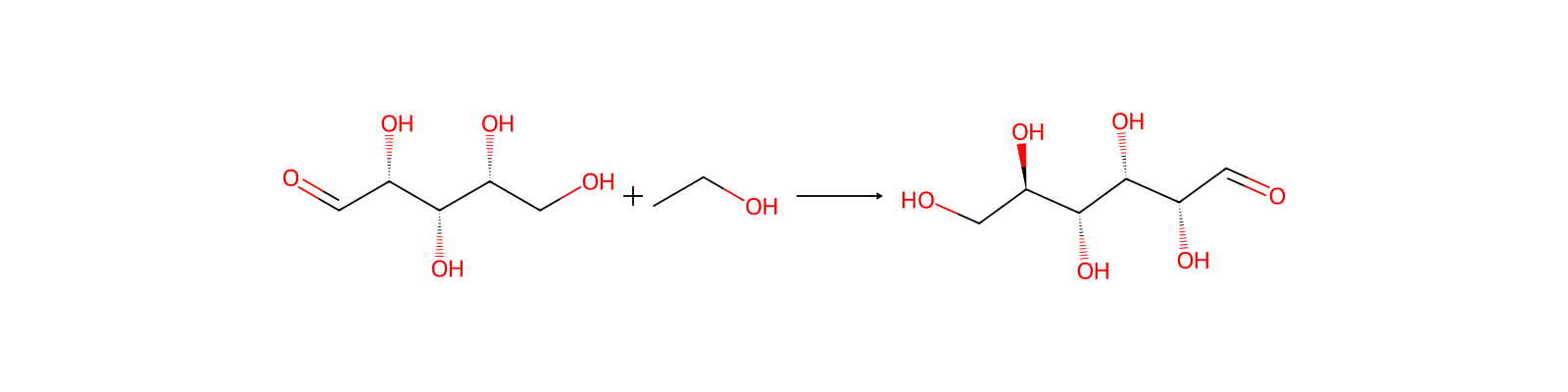
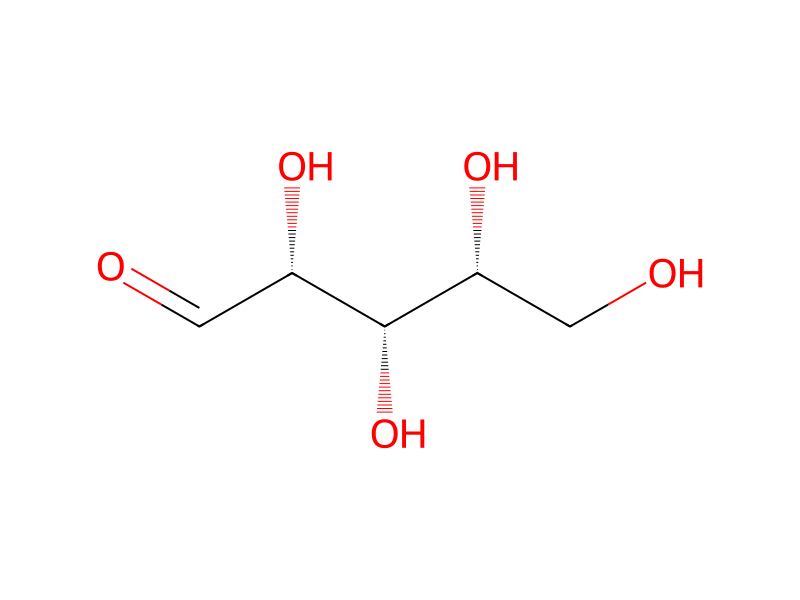
aldehydo-D-Xylose
기본 정보
- CAS
25990-60-7- 표준 SMILES
O=C[C@H](O)[C@@H](O)[C@H](O)CO- InChIKey
PYMYPHUHKUWMLA-VPENINKCSA-N- 분자식
- C5H10O5
- 평균 분자량
- 150.13 g/mol
- 단동위원소 질량
- 150.05282342
개요
Aldehydo-D-xylose is a D-xylose. It has a role as a Saccharomyces cerevisiae metabolite and a human metabolite.
이름 및 식별자
- 우선 이름
- aldehydo-D-Xylose
- IUPAC
- (2R,3S,4R)-2,3,4,5-tetrahydroxypentanal
- 영어명
- DL-Xylose
- 분자식
- C5H10O5
- 분자량
- 150.13
이름 및 동의어
aldehydo-D-xyloseD-xylo-pentose;D-xyloseRefChem:936054GlyTouCan:G01550VLG01550VLDL-Xylose25990-60-7(+)-XyloseXylose (VAN)41247-05-6CCRIS 1899HSDB 3273
이름 더 보기
XYLOSEDL-XYL(±)-XylosXYLOSE, DL-Xylose (9CI)DL-XYLOSE USP/EP/BPDL-Xylose, 10 mM in DMSO(2S,3R,4S,5R)-oxane-2,3,4,5-tetrolrel-(2R,3S,4R)-2,3,4,5-Tetrahydroxypentanal
MFCD00198055MFCD00151475C5H10O525702-75-4XLS(+-)-XyloseXylose CRSD-(+)-Xylose;(+)-Xylose;Wood sugar
데이터베이스 식별자
- CAS
25990-60-7、41247-05-6、58-86-6- PubChem CID
- 644160
- ChEMBL
CHEMBL1236821- ChEBI
CHEBI:15936- UNII
- A1TA934AKO
- EC Number
- 255-277-2、608-587-0
- Nikkaji
- J2.806A
물성
구조 계산 물성
- XLogP
- -2.3
- 극성 표면적
- 98 Ų
- 수소 결합 공여자 수
- 4
- 수소 결합 수용자 수
- 5
- 회전 가능 결합 수
- 4
- 무거운 원자 수
- 10
- 형식 전하
- 0
- 복잡도
- 104
실험 및 물리화학적 성질
DrugsPharmaceuticals -> Listed in ZINC15
SpringerMaterials PropertiesCrystal structure
물리화학적 성질
- 녹는점
- 133 · 133-136 °C
- 끓는 점
- 415.5 · 415.5±38.0 °C(Predicted)
- 밀도
- 1.508 · 1.508±0.06 g/cm3(Predicted)
- 저장 조건
- Inert atmosphere,Room Temperature
- 용해도
- 2 O: · H2O: 0.1 g/mL, 투명, 무색
- 산도 계수 (pKa)
- 12.46 · 12.46±0.20(Predicted)
- 물리적 상태
- powder to crystal
- 색상
- 흰색에서 거의 흰색
안전 및 규제
안전 정보는 참고용이며, 공급업체의 물질안전보건자료(SDS), 관련 법규 및 전문가 평가를 대체하지 않습니다.
GHS 분류
GHS ClassificationNot Classified
유해성 정보
Hazard Classes and CategoriesNot Classified
안전 데이터
- wgk
- 3
- HS 번호
- 2940.00.6000
- safety_code
- 24/25
- F 고인화성물질
- 3
화학 및 산업
약리 정보
Protein BindingReadily accessible data regarding the protein binding of xylose within the context of the human body is not available.
Pharmacodynamics
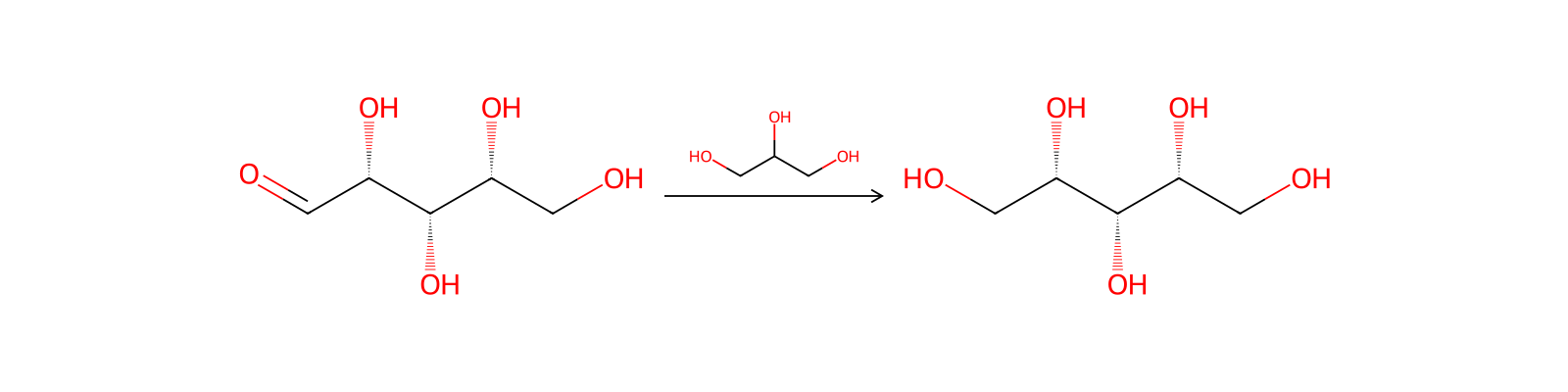
Xylose is often used as a parent sugar alcohol from which the commonly used food additive sweetener, xylitol, can be derived via the hydrogenation of xylose. Xylitol possesses many characteristics that make it a healthy and effective alternative to regular sugar. For example, although it looks and tastes exactly like ordinary sugar, having a 100% relative sweetness versus normal sucrose, it also has a low impact on blood sugar and insulin secretion and a minimal caloric value of 2.4 calories/gm. Furthermore, xylitol is non-fermentable and thus cannot be transformed to acids by oral bacteria, allowing it to restore a proper alkaline/acid balance in the mouth. Various studies cite this effect for allowing xylitol products like chewing gum to be effective at reducing dental caries. Altogether, these characteristics make xylose and its xylitol metabolite an effective alternative sweetener for healthy food choices for individuals who may be diabetic or for individuals simply wanting to make healthy dietary choices for their bodies.
Mechanism of Action
Xylose is metabolized into various chemical intermediates that can play critical functions in the biological homeostasis of the human body. Via the oxido-reductase metabolism pathway of xylose in eukaryotic organisms, xylose is ultimately catabolized into (D)-xylulose-5-phosphate, which functions as an intermediate in the pentose phosphate pathway. Within the pentose phosphate pathway, NADPH, pentose 5-carbon sugars, and ribose 5-phosphate are generated as materials and precursors for the synthesis of nucleotides. In particular, xylulose-5-phosphate can be used to directly generate glycerinaldehyde-3-phosphate in the pathway. Other studies have also demonstrated that xylulose-5-phosphate may also play a role in gene expression, perhaps by promoting ChREBP transcription factor in the well-fed state.
Biological Half-LifeThe elimination half-life observed in healthy individuals is 75 minutes.
Metabolism/Metabolites
The most common and traditional metabolism pathway for xylose is the oxidoreductase pathway (or xylose reductase-xylitol dehydrogenase, XR-XDH pathway). In this pathway, xylose is first reduced to xylitol using the xylitol dehydrogenase (XDH) enzyme with NADH or NADPH. The resultant xylitol is subsequently oxidized to D-xylulose by the xylitol dehydrogenase (XDH) enzyme while utilizing the cofactor NAD. Finally, the D-xylulose is phosphorylated by an ATP utilizing kinase (xylulose kinase enzyme) to generate D-xylulose-5-phosphate, which serves as an intermediate in the pentose phosphate pathway for nucleotide synthesis.
관련 반응
119건



화합물 노트
불러오는 중…