HRID 268041반응물로
3-Sulfolene

20966-34-1O=S1(=O)CC=CC1MBDNRNMVTZADMQ-UHFFFAOYSA-N3-sulfolene appears as white crystals with a pungent odor. Melting point 64-65.5 °C.
20966-34-1、77-79-2DTXSID6021294CHEMBL3182104CHEBI:19461950 to 100 mg/mL at 61 °F (NTP, 1992)
SOL IN WATER, ORGANIC SOLVENTS
PARTIALLY SOL IN ACETONE & TOLUENE
235 °F (NTP, 1992)
113 °C
Decomposes (NTP, 1992)
Decomposes
147 to 149 °F (NTP, 1992)
64-65.5 °C
안전 정보는 참고용이며, 공급업체의 물질안전보건자료(SDS), 관련 법규 및 전문가 평가를 대체하지 않습니다.
Danger
H318 (55.3%): Causes serious eye damage [Danger Serious eye damage/eye irritation]
P264+P265, P280, P305+P351+P338, P305+P354+P338, P317, and P337+P317 (click each P-code to see the statement)
Aggregated GHS information provided per 76 reports by companies from 4 notifications to the ECHA C&L Inventory. Each notification may be associated with multiple companies.
Danger
H318 (100%): Causes serious eye damage [Danger Serious eye damage/eye irritation]
Thiophene, 2,5-dihydro-, 1,1-dioxide is listed on the EPA's Chemical Data Reporting (CDR) system. Manufacturers and importers of Thiophene, 2,5-dihydro-, 1,1-dioxide are required to report information about their production and use of this chemical to the EPA under the Toxic Substances Control Act (TSCA). (40 eCFR Part 711)
Thiophene, 2,5-dihydro-, 1,1-dioxide: Does not have an individual approval but may be used under an appropriate group standard
Not mutagenic to four strains of Salmonella typhimurium; No evidence of carcinogenicity in mice or rats; [HSDB] A severe eye irritant; [CAMEO] Not irritating to rabbit skin; Irritating to rabbit eyes; Not sensitizing in guinea pig maximization test; [EPA HPVIS] Causes somnolence, tremor, convulsions, and damage to esophagus and salivary glands in oral lethal-dose studies of rats and mice; [RTECS] An irritant; May cause serious eye injury; [Alfa Aesar MSDS]
Used as a specialty solvent in petroleum refining and in the manufacture of sulfolane (another solvent in petroleum refining); [HSDB]
Petroleum Production and Refining [Category: Industry]
2,5-Dihydrothiophene 1,1-dioxide is used as a specialty solvent in petroleum refining and it is used during the manufacture of sulfolane which is also a solvent in petroleum refining. 1
2023: 1,000,000 - <5,000,000 lb
(1972) PROBABLY GREATER THAN 4.54X10+5 GRAMS
(1975) PROBABLY GREATER THAN 4.54X10+5 GRAMS
Petroleum Lubricating Oil and Grease Manufacturing
Thiophene, 2,5-dihydro-, 1,1-dioxide: ACTIVE
용도3-SULFOLENE was used in the isomerization of isoprene rubber. Sulfolene is also an analytical reagent used in the investigation of role of adducts in protein supercharging with sulfolane.
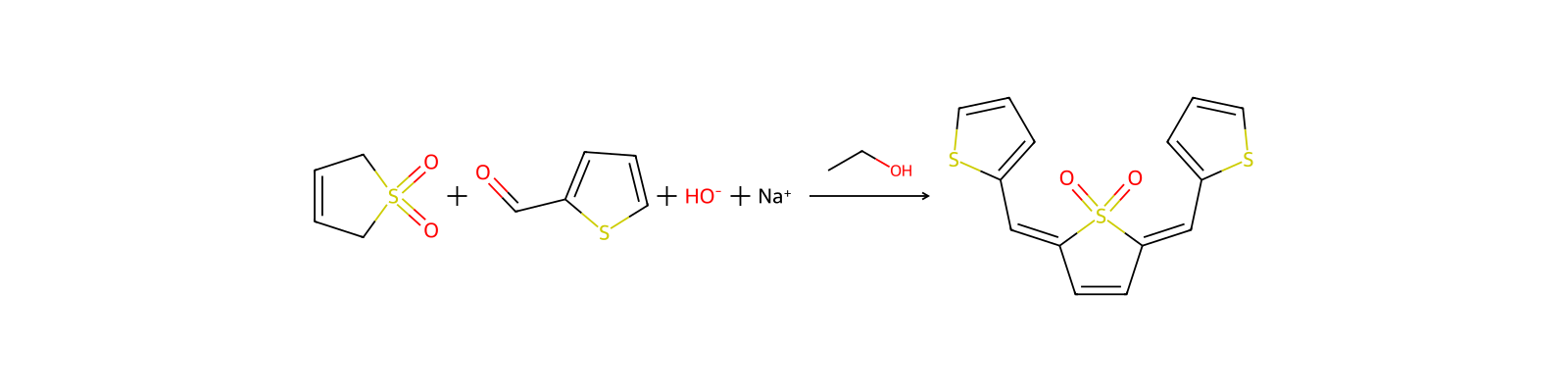
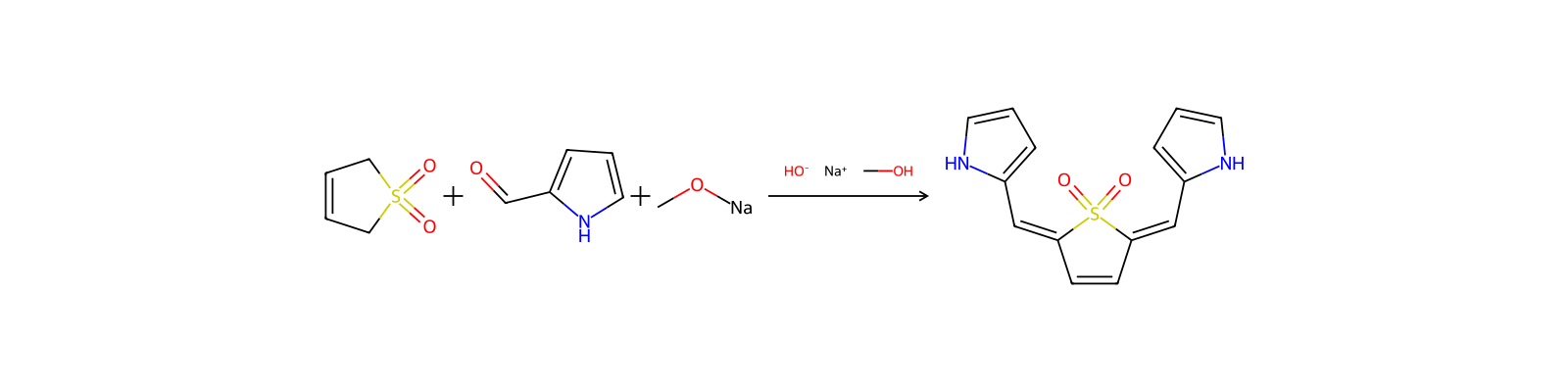
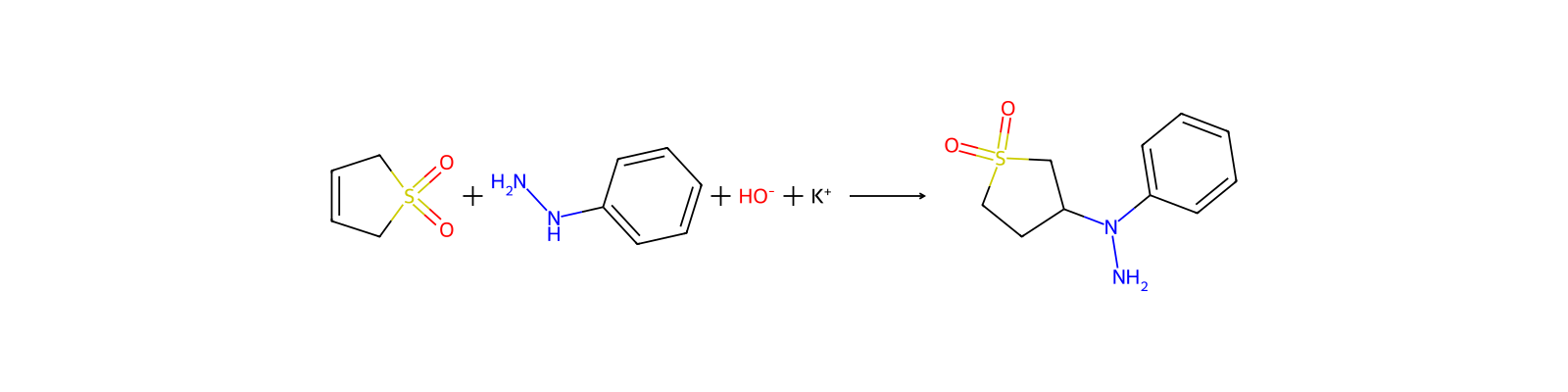
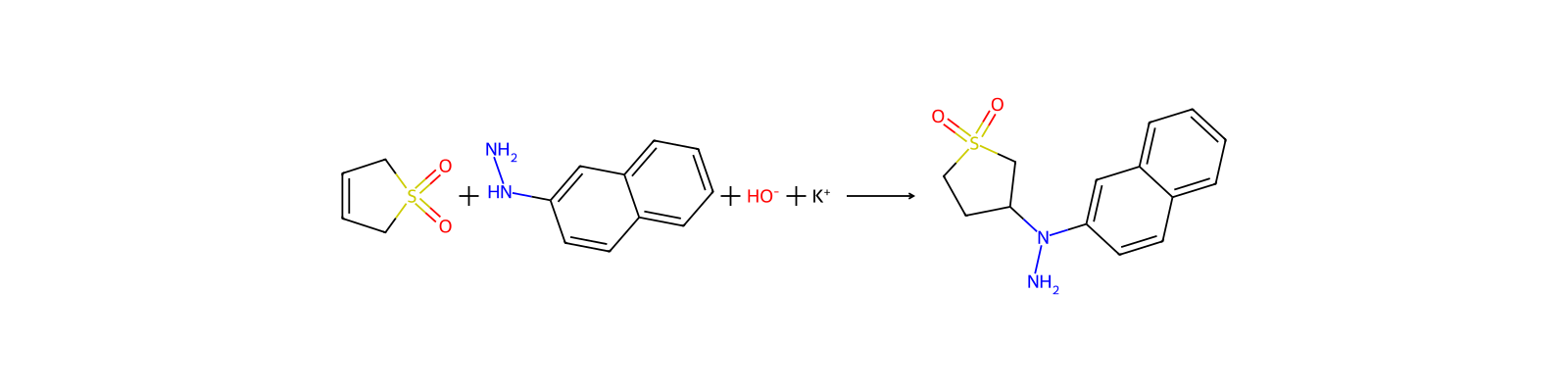
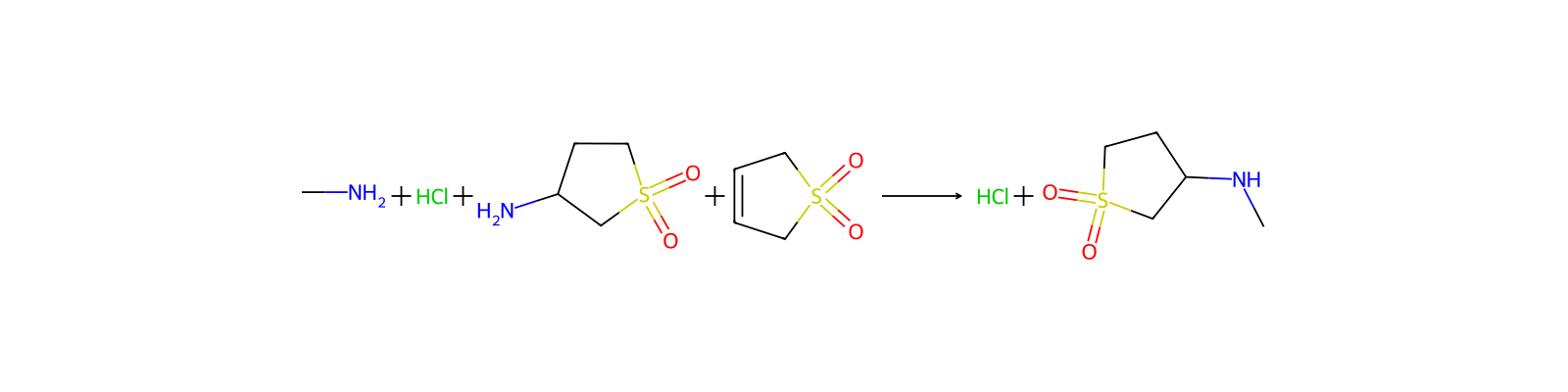
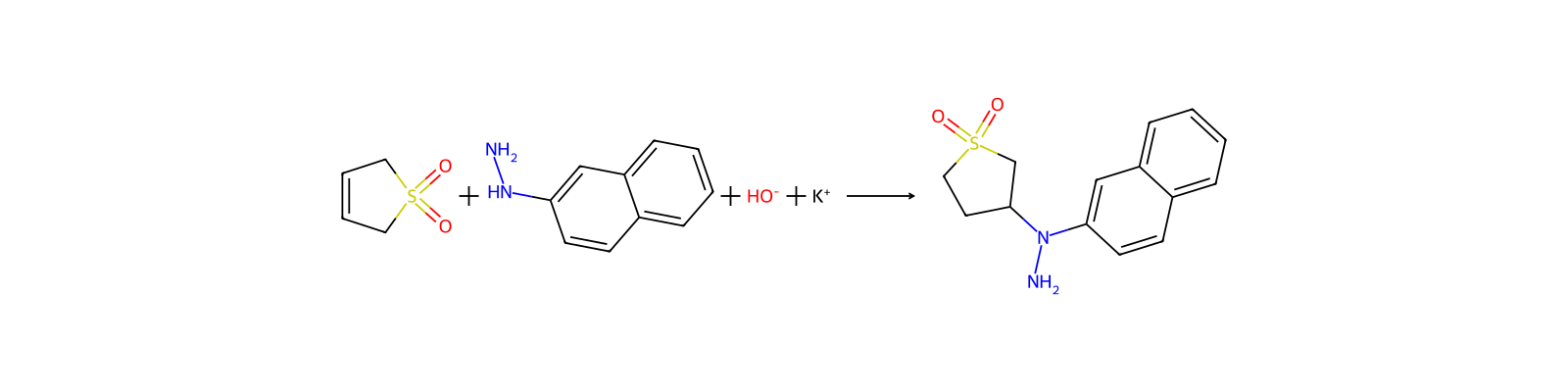

3-sulfolene appears as white crystals with a pungent odor. Melting point 64-65.5 °C.
Large Crystals
White solid with pungent odor; [CAMEO] Off-white crystalline solid; [Alfa Aesar MSDS]
3-SULFOLENE is white crystalline solid
Pursuant to section 8(d) of TSCA, EPA promulgated a model Health and Safety Data Reporting Rule. The section 8(d) model rule requires manufacturers, importers, and processors of listed chemical substances and mixtures to submit to EPA copies and lists of unpublished health and safety studies. Sulfolene is included on this list.
Section 8(a) of TSCA requires manufacturers of this chemical substance to report preliminary assessment information concerned with production, use, and exposure to EPA as cited in the preamble of the 51 FR 41329.
Eye Dam. 1 (55.3%)
Eye Dam. 1 (100%)
EYES: First check the victim for contact lenses and remove if present. Flush victim's eyes with water or normal saline solution for 20 to 30 minutes while simultaneously calling a hospital or poison control center. Do not put any ointments, oils, or medication in the victim's eyes without specific instructions from a physician. IMMEDIATELY transport the victim after flushing eyes to a hospital even if no symptoms (such as redness or irritation) develop.
SMALL SPILLS AND LEAKAGE: If you spill this chemical, you should dampen the solid spill material with water, then transfer the dampened material to a suitable container. Use absorbent paper dampened with water to pick up any remaining material. Seal your contaminated clothing and the absorbent paper in a vapor-tight plastic bag for eventual disposal. Wash all contaminated surfaces with a soap and water solution. Do not reenter the contaminated area until the Safety Officer (or other responsible person) has verified that the area has been properly cleaned.
RECOMMENDED RESPIRATOR: Where the neat test chemical is weighed and diluted, wear a NIOSH-approved half face respirator equipped with an organic vapor/acid gas cartridge (specific for organic vapors, HCl, acid gas and SO2) with a dust/mist filter. (NTP, 1992)
TERRESTRIAL FATE: An estimated Koc value of 4(1) for 2,5-dihydrothiophene 1,1-dioxide indicates high mobility in soil(2) and leaching may occur. No data were located which suggest biodegradation is an important terrestrial fate process of 2,5-dihydrothiophene 1,1-dioxide(SRC).
AQUATIC FATE: Based on an estimated Koc value of 4 and an estimated BCF value of 4.7(1), 2,5-dihydrothiophene 1,1-dioxide is not expected to adsorb to sediment or bioconcentrate in aquatic organisms. A volatilization half-life of 225 days has been estimated for a model river (one meter deep) suggesting slow volatilization from shallow rivers(1,SRC). No data were located which suggest biodegradation is an important environmental fate process of 2,5-dihydrothiophene 1,1-dioxide in aquatic systems(SRC).
ATMOSPHERIC FATE: Vapor phase 2,5-dihydrothiophene 1,1-dioxide is degraded in the ambient atmosphere by reaction with photochemically formed hydroxyl radicals; the half-life for this reaction in air can be estimated to be about 6.7 hrs(1,SRC). Vapor phase 2,5-dihydrothiophene 1,1-dioxide is also rapidly degraded by reaction with ozone in the troposphere; the half-life for this reaction in air can be estimated to be about 1.4 hrs(1,SRC).
The following link will take the user to the National Toxicology Program (NTP) Test Agent Search Results page, which tabulates all of the "Standard Toxicology & Carcinogenesis Studies", "Developmental Studies", and "Genetic Toxicity Studies" performed with this chemical. Clicking on the "Testing Status" link will take the user to the status (i.e., in review, in progress, in preparation, on test, completed, etc.) and results of all the studies that the NTP has done on this chemical. [http://ntp-apps.niehs.nih.gov/ntp_tox/index.cfm?fuseaction=ntpsearch.searchresults&searchterm=77-79-2]
Based on an estimated log Kow of -1.448(2) the Koc for 2,5-dihydrothiophene 1,1-dioxide can be estimated to be about 4 using a recommended regression derived equation(1,SRC). This Koc value suggests that 2,5-dihydrothiophene 1,1-dioxide will have very high mobility in soil and will leach(3).
2,5-Dihydrothiophene 1,1-dioxide is used as a specialty solvent in petroleum refining and during the manufacture of sulfolane which is also a solvent in petroleum refining(1); it may be released to the environment in waste streams from its production and use(SRC).
3-Sulfolene
TR-102: Bioassay of 3-Sulfolene for Possible Carcinogenicity (CASRN 77-79-2) (1978 )
03/06/78
No Evidence
No Evidence
No Evidence
Based on an estimated log Kow of -1.448(2) the BCF for 2,5-dihydrothiophene 1,1-dioxide can be estimated to be 4.7 using a recommended regression derived equation(1,SRC). This BCF value suggests that 2,5-dihydrothiophene 1,1-dioxide would not bioconcentrate in aquatic organisms(SRC).
The Henry's Law constant for 2,5-dihydrothiophene 1,1-dioxide can be estimated to be 4.3X10⁻⁶ atm-cu m/mole at 25 °C using a chemical structure estimation method(1). This value of Henry's Law constant suggests that 2,5-dihydrothiophene 1,1-dioxide may slowly volatilize from water(2). Based on this Henry's Law constant value, the volatilization half-life of 2,5-dihydrothiophene 1,1-dioxide from a model river 1 m deep flowing 1 m/sec with a wind velocity of 3 m/sec has been estimated to be approximately 225 days(2,SRC).
3-Sulfolene was tested for mutagenicity in the Salmonella/microsome preincubation assay using a protocol approved by the National Toxicology Program. 3-Sulfolene was tested over a wide range of doses (0, 100, 333, 1000, 3333, and 10,000 ug/plate) in four Salmonella typhimurium strains (TA98, TA100, TA1535, and TA1537) in the presence and absence of Aroclor-induced rat or hamster liver S9. 3-Sulfolene was negative in these tests and the highest ineffective dose level tested in any Salmonella tester strain was 10,000 ug/plate.
The rate constant for the vapor-phase reaction of 2,5-dihydrothiophene 1,1-dioxide with photochemically produced hydroxyl radicals can be estimated to be 5.74X10⁻¹¹ cu cm/molecule-sec at 25 °C which corresponds to an atmospheric half-life of about 6.7 hrs at an atmospheric concn of 5X10+5 hydroxyl radicals per cu cm(1). The rate constant for the vapor-phase reaction of 2,5-dihydrothiophene 1,1-dioxide with ozone in the troposphere can be estimated to be 2X10-16 cu cm/molecule-sec at 25 °C which corresponds to a half-life of about 1.4 hrs at an atmospheric concn of 7X10+11 molecules per cu cm(1-2,SRC).
2,5-Dihydrothiophene 1,1-dioxide is used as a specialty solvent in petroleum refining and during the manufacture of sulfolane which is also a solvent in petroleum refining(1). In occupational settings, workers may be exposed to 2,5-dihydrothiophene 1,1-dioxide by inhalation of vapors and through eye and skin contact(SRC).
2,5-Dihydrothiophene 1,1-dioxide may be released to the environment in waste streams from oil refineries during its production and use. If released to soil, 2,5-dihydrothiophene 1,1-dioxide is expected to leach (estimated Koc of 4). No data were located which suggest biodegradation is an important fate process of 2,5-dihydrothiophene 1,1-dioxide in soil or water. If released to water, adsorption to sediment and bioconcentration in aquatic organisms are not expected to be environmentally important removal processes of 2,5-dihydrothiophene 1,1-dioxide. A volatilization half-life of 225 days has been estimated for a model river (one meter deep). If released to the atmosphere, vapor-phase 2,5-dihydrothiophene 1,1-dioxide is expected to degrade by reaction with photochemically produced hydroxyl radicals (estimated half-life of 6.7 hrs). Vapor phase 2,5-dihydrothiophene 1,1-dioxide may also be rapidly degraded by reaction with ozone in the troposphere; the half-life for this reaction in air can be estimated to be about 1.4 hrs. In occupational settings, exposure to 2,5-dihydrothiophene 1,1-dioxide may occur through inhalation of vapors and through eye and skin contact. (SRC)
Pursuant to section 8(d) of TSCA, EPA promulgated a model Health and Safety Data Reporting Rule. The section 8(d) model rule requires manufacturers, importers, and processors of listed chemical substances and mixtures to submit to EPA copies and lists of unpublished health and safety studies. Sulfolene is included on this list.
Section 8(a) of TSCA requires manufacturers of this chemical substance to report preliminary assessment information concerned with production, use, and exposure to EPA as cited in the preamble of the 51 FR 41329.