
아조비스이소부티로니트릴
Azobisisobutyronitrile
데이터를 보충하는 중입니다. 잠시 후 페이지를 새로 고치면 최신 내용을 볼 수 있습니다

기본 정보
- CAS
34241-39-9- 표준 SMILES
CC(C)(C#N)N=NC(C)(C)C#N- InChIKey
OZAIFHULBGXAKX-UHFFFAOYSA-N- 분자식
- C8H12N4
- 평균 분자량
- 164.21 g/mol
- 단동위원소 질량
- 164.10619638
개요
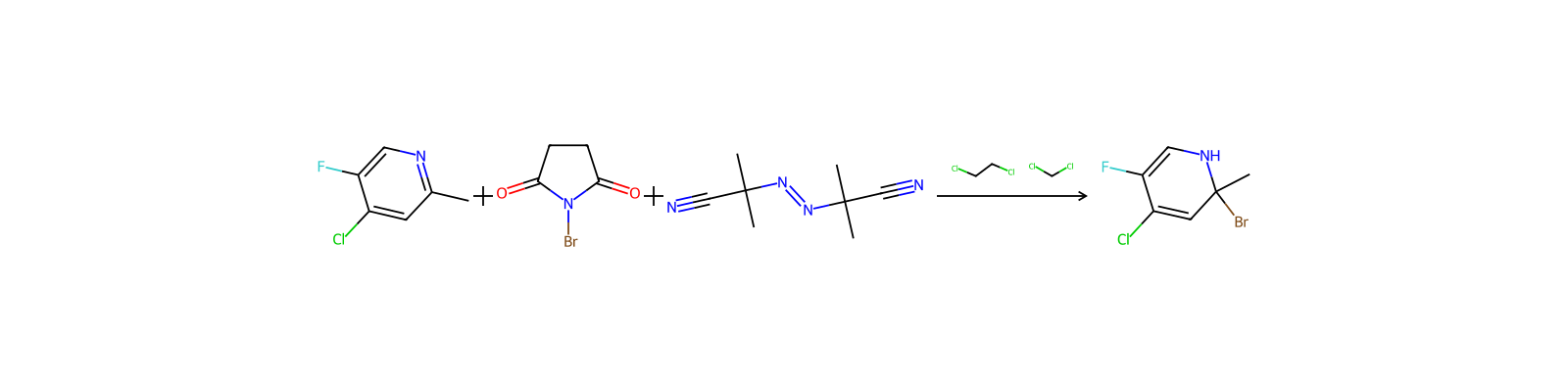
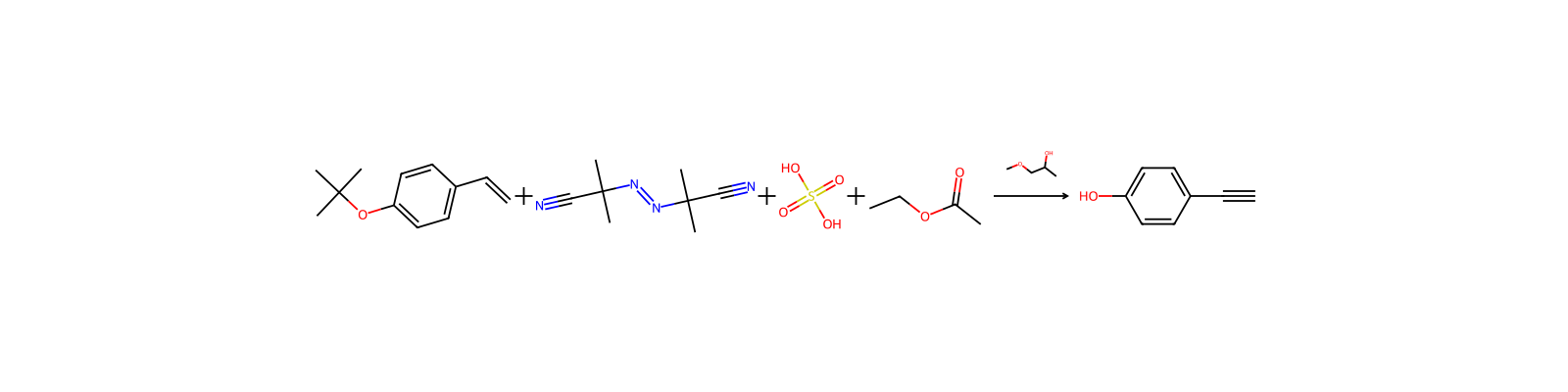
Insoluble in water and denser than water. Moderately toxic by ingestion. Readily ignited by sparks or flames. Burns intensely and persistently. Toxic oxides of nitrogen produced during combustion. Used as a catalyst, in vinyl polymerizations and a blowing agent for plastics.
이름 및 식별자
- 우선 이름
- Azobisisobutyronitrile
- IUPAC
- 2-(2-cyanopropan-2-yldiazenyl)-2-methylpropanenitrile
- 현지명
- 아조비스이소부티로니트릴
- 영어명
- AIBN
- 분자식
- C8H12N4
- 분자량
- 164.21
이름 및 동의어
78-67-12,2'-Azobis(2-methylpropionitrile)AzobisisobutyronitrileAzdhPorofor NAceto AZIBPianofor anPorofor 57Azobis(isobutyronitrile)Chkhz 57VAZO 64AZODIISOBUTYRONITRILE
이름 더 보기
2,2'-아조비스(아이소뷰티로나이트릴)아조비스이소부티로니트릴아조디이소부티로니트릴아조비스이소부티로니트릴알파,알파'-아조비스이소부틸니트릴2,2’-아조비스AIBNABINAZOISOBUTYRONITRILEAIVN2,2'-Azobisisobutyronitrile2,2-AZOBIS(2-METHYLPROPIONITRILE)ALPHA,ALPHA'-AZOISOBUTYRONITRILEPropanenitrile, 2,2'-azobis[2-methyl-
2,2'-Azobis(2-methylpropanenitrile)DTXSID10264572,2'-azobis(2-cyanopropane)PERKADOX AIBNDTXCID60809637alpha,alpha'-azobis(isobutyronitrile)Azobis[isobutyronitrile]2,2'-Azobis[2-methylpropionitrile]
데이터베이스 식별자
- CAS
34241-39-9、78-67-1- PubChem CID
- 6547
- DTXSID
DTXSID1026457- ChEMBL
CHEMBL1886625- ChEBI
CHEBI:189360- UNII
- FZ6PX8U5YB
- EC Number
- 201-132-3、829-366-7
- Nikkaji
- J1.955K、J3.670.816F
물성
구조 계산 물성보충 중
- XLogP
- 1.3
- 극성 표면적
- 72.3 Ų
- 수소 결합 공여자 수
- 0
- 수소 결합 수용자 수
- 4
- 회전 가능 결합 수
- 2
- 무거운 원자 수
- 12
- 형식 전하
- 0
- 복잡도
- 251
실험 및 물리화학적 성질
Chemical Classes
Nitrogen Compounds -> Nitriles
Flammable agents - 3rd degree
SpringerMaterials PropertiesBoiling point
Density1.1 g/cm³
Color/Form
CRYSTALS FROM ETHANOL + WATER
WHITE POWDER
Solubility
SOL IN METHANOL @ 0, 20, 40 °C: 1.8, 4.96, 16.06 G/100 ML; SOL IN ETHANOL @ 0, 20, 40 °C: 0.58, 2.04, 7.15 G/100 ML
INSOL IN WATER; SOL IN MANY ORG SOLVENTS; SOL IN VINYL MONOMERS
Solubility in water at 20 °C: none
Melting Point221 °F (105 °C)
Vapor Pressure
0.0067 [mmHg]
Vapor pressure, Pa at 20 °C:
Food Contact SubstancesFCS -> FDA Inventory of Food Contact Substances Listed in 21 CFR
Physical Description
Insoluble in water and denser than water. Moderately toxic by ingestion. Readily ignited by sparks or flames. Burns intensely and persistently. Toxic oxides of nitrogen produced during combustion. Used as a catalyst, in vinyl polymerizations and a blowing agent for plastics.
안전 및 규제
안전 정보는 참고용이며, 공급업체의 물질안전보건자료(SDS), 관련 법규 및 전문가 평가를 대체하지 않습니다.
GHS 분류
GHS Classification
Danger
H242: Heating may cause a fire [Danger Self-reactive substances and mixtures; Organic peroxides]
P210, P234, P235, P240, P261, P264, P270, P271, P273, P280, P301+P317, P304+P340, P317, P330, P370+P378, P403, P410, P411, P420, and P501 (click each P-code to see the statement)
Danger
H242 (100%): Heating may cause a fire [Danger Self-reactive substances and mixtures; Organic peroxides]
P210, P234, P235, P240, P261, P264, P270, P271, P273, P280, P301+P317, P304+P340, P317, P330, P370+P378, P403, P410, P411, P420, and P501 (click each P-code to see the statement)
유해성 정보
Regulatory Information
Chemical: Propanenitrile, 2,2'-azobis[2-methyl-
Propanenitrile, 2,2'-(1,2-diazenediyl)bis[2-methyl- is listed on the EPA's Chemical Data Reporting (CDR) system. Manufacturers and importers of Propanenitrile, 2,2'-(1,2-diazenediyl)bis[2-methyl- are required to report information about their production and use of this chemical to the EPA under the Toxic Substances Control Act (TSCA). (40 eCFR Part 711)
Status: Active Update: 28-10-2022 https://echa.europa.eu/registration-dossier/-/registered-dossier/14322
Propanenitrile, 2,2'-azobis(2-methyl)-: HSNO Approval: HSR001429 Approved with controls
The New Jersey Worker and Community Right to Know Act requires public and private employers to provide information about hazardous substances at their workplaces. (N.J.S.A. 34:5A-1 et. seq.)
Other Safety InformationIMAP assessments - Propanenitrile, 2,2'-azobis[2-methyl-: Human health tier I assessment
DOT LabelFlammable Solid
Fire Hazards
Excerpt from ERG Guide 150 [Substances (Self-Reactive / Temperature Controlled)]:
Highly flammable. Finely dispersed particles form explosive mixtures in air. Risk of fire and explosion when dissolving in organic solvents. Explosive.
화학 및 산업
약리 정보
Metabolism/MetabolitesIN ORGANISM, FORMS HCN WHICH IS FOUND IN BLOOD, LIVER & BRAIN.
용도 및 제조
Uses
Used as blowing agent (elastomers and plastics), catalyst (vinyl polymerizations), curing agent (unsaturated polyester resins), and fumigant (when heated); [HSDB]
Plastic Composites Manufacturing [Category: Industry]
BLOWING AGENT FOR ELASTOMERS & PLASTICS; INITIATOR FOR FREE RADICAL REACTIONS
CATALYST FOR VINYL POLYMERIZATIONS & FOR CURING UNSATURATED POLYESTER RESINS
AZOBISNITRILES ARE CARRIER GASES FOR FUMIGANTS. COMPOUND CONTAINING PERMETHRIN 10, 2,2'-AZOBISISOBUTYRONITRILE 80, & MOLDING AGENT 10 PARTS WAS GRANULATED. WHEN HEATED 92% OF PERMETHRIN GASIFIED.
U.S. Production2023: 1,000,000 - <2,500,000 lb
Consumer UsesOther
Industry UsesChain transfer agent
Methods of Manufacturing
...BY OXIDATION OF ALPHA,ALPHA'-HYDRAZOBUTYRIC ACID DINITRILE: OVERBERGER ET AL, J AM CHEM SOC 71, 2661 (1949); HORNER, SCHWENK, ANN 566, 69 (1950); FROM 2-AMINOISOBUTYRONITRILE + NAOCL: BRITISH PATENT 672,106 (1952 TO DU PONT)...
...FROM 2,2'-DICHLORO-2,2'-AZOPROPANE: BENZING, ANN 631, 1 (1960); BRITISH PATENT 929,182 (1963 TO MONSANTO).
General Manufacturing Information
Plastics Material and Resin Manufacturing
Propanenitrile, 2,2'-(1,2-diazenediyl)bis[2-methyl-: ACTIVE
응용 분야
용도정확하게는 2,2'(또는 α, α')-아조비스이소부틸로니트릴이라 한다. mw 164.21 mp 106℃ (분해) 라디칼 중합개시제로서 가장 많이 사용하는 아조화합물인 동시에 폴리염화비닐이다. 폴리스틸렌 등의 분해 발포제로서도 중요하다.
관련 반응
3,883건




화합물 노트
불러오는 중…