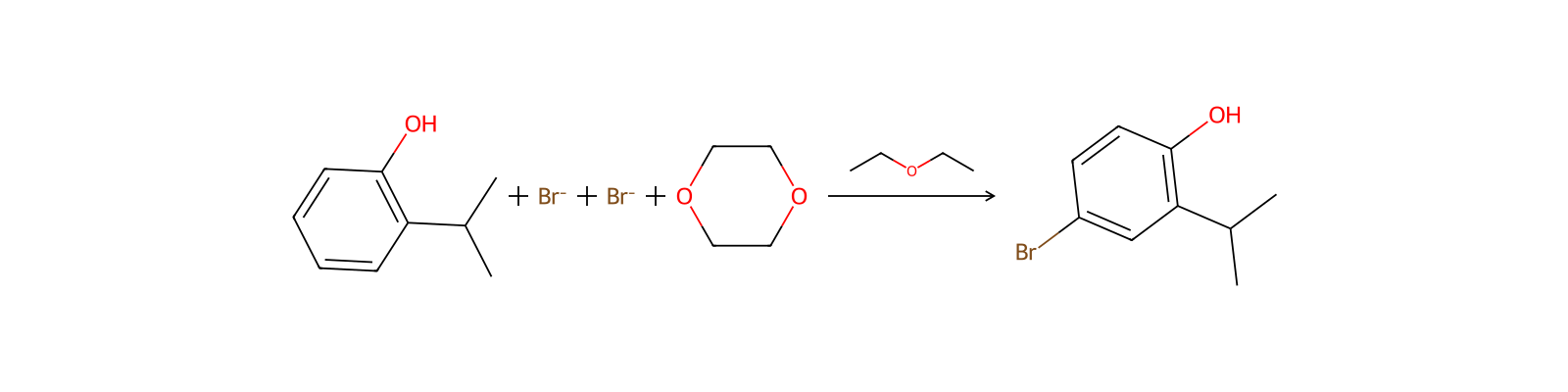
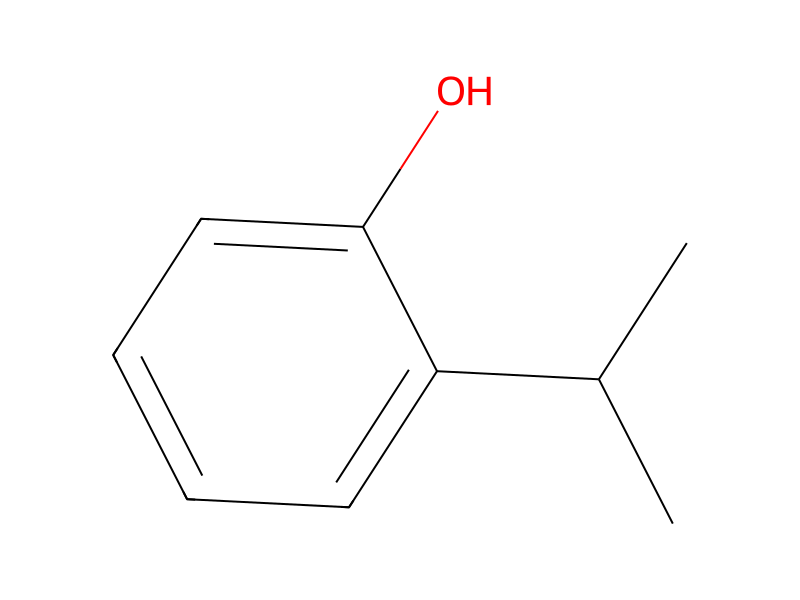
이소프로필페놀
2-Isopropylphenol
기본 정보
- CAS
25168-06-3- 표준 SMILES
CC(C)c1ccccc1O- InChIKey
CRBJBYGJVIBWIY-UHFFFAOYSA-N- 분자식
- C9H12O
- 평균 분자량
- 136.19 g/mol
- 단동위원소 질량
- 136.088815
개요
O-isopropyl phenol is a light-yellow liquid. Less dense than water and insoluble in water. Hence floats on water.
이름 및 식별자
- 우선 이름
- 2-Isopropylphenol
- IUPAC
- 2-propan-2-ylphenol
- 현지명
- 이소프로필페놀
- 영어명
- isopropylphenol
- 분자식
- C9H12O
- 분자량
- 136.19098
이름 및 동의어
2-Isopropylphenol88-69-7O-ISOPROPYLPHENOLo-Hydroxycumene2-(1-Methylethyl)phenolo-CumenolPhenol, o-isopropyl-1-Hydroxy-2-isopropylbenzene2-(propan-2-yl)phenolPhenol, 2-(1-methylethyl)-2-propan-2-ylphenolProdox 131
이름 더 보기
이소프로필페놀isopropylphenol1-METHYLETHYLPHENOLPhenol,(1-methylethyl)-25168-06-3 Isopropylphenol isomer mixture
ISOPROPYLPHENOL, ORTHO1-Hydroxy-3-isopropylbenzeneortho-isopropylphenolFEMA No. 3461DTXSID2044391B2899Z0Q2UNSC-5103DTXCID0024391
데이터베이스 식별자
- CAS
25168-06-3、88-69-7- PubChem CID
- 6943
- DTXSID
DTXSID2044391- ChEMBL
CHEMBL30018- ChEBI
CHEBI:38506- UNII
- B2899Z0Q2U
- EC Number
- 201-852-8、246-699-8
- Nikkaji
- J44.155D
물성
구조 계산 물성
- XLogP
- 2.9
- 극성 표면적
- 20.2 Ų
- 수소 결합 공여자 수
- 1
- 수소 결합 수용자 수
- 1
- 회전 가능 결합 수
- 1
- 무거운 원자 수
- 10
- 형식 전하
- 0
- 복잡도
- 98.9
실험 및 물리화학적 성질
Chemical ClassesOther Classes -> Phenols
SpringerMaterials Properties13C nuclear magnetic resonance spectrum
FragrancesFragrance Ingredient (2-Isopropylphenol) -> IFRA transparency List
LogP
2.88
2.88
Food AdditivesFLAVORING AGENT OR ADJUVANT -> FDA Substance added to food
Density
0.995 at 68 °F (USCG, 1999) - Less dense than water; will float
0.989-0.999
Flavoring AgentsEU Flavoring substances
Solubility
slightly soluble in water
miscible (in ethanol)
Flash Point220 °F (USCG, 1999)
Boiling Point
417.2 °F at 760 mmHg (USCG, 1999)
212.00 to 214.00 °C. @ 760.00 mm Hg
213-214 °C
Melting Point
안전 및 규제
안전 정보는 참고용이며, 공급업체의 물질안전보건자료(SDS), 관련 법규 및 전문가 평가를 대체하지 않습니다.
GHS 분류
GHS Classification
This chemical does not meet GHS hazard criteria for 0.3% (5 of 1618) of reports.
Danger
H302 (99.2%): Harmful if swallowed [Warning Acute toxicity, oral]
P260, P264, P270, P280, P301+P317, P301+P330+P331, P302+P352, P302+P361+P354, P304+P340, P305+P354+P338, P316, P317, P321, P330, P362+P364, P363, P405, and P501 (click each P-code to see the statement)
Aggregated GHS information provided per 1618 reports by companies from 15 notifications to the ECHA C&L Inventory. Each notification may be associated with multiple companies.
유해성 정보
Regulatory Information
Chemical: Phenol, 2-(1-methylethyl)-
Commission Regulation (EC) No 1565/2000 (Repealed by Com. Implementing Reg. (EU) No 872/2012)
REACH registered substance: 2-isopropylphenol (EC: 201-852-8)
Phenol, 2-(1-methylethyl)-: Does not have an individual approval but may be used under an appropriate group standard
Other Safety InformationEvaluation - Propyl and butyl phenols
DOT LabelCorrosive
Fire HazardsSpecial Hazards of Combustion Products: Irritating vapors and toxic gases, such as carbon dioxide and carbon monoxide, may be formed when involved in fire. (USCG, 1999)
Health HazardsExposure can cause irritation of eyes, nose and throat. (USCG, 1999)
Hazards Summary
Causes sleep in intravenous lethal-dose studies of mice (LD50 = 100 mg/kg); [RTECS] A skin, eye, nose, and throat irritant; May cause second-degree skin burns after a few minutes contact; Vapor is moderately irritating; [CHRIS] Safe when used as a flavoring agent in food; [JECFA] Causes burns; Inhalation may cause corrosive injuries to upper respiratory tract; Harmful by ingestion; [Sigma-Aldrich MSDS]
화학 및 산업
약리 정보
Cellular LocationsMembrane
용도 및 제조
UsesUsed as a flavoring agent; [FDA]
Use Classification
Fragrance Ingredients
Flavouring Agent -> FLAVOURING_AGENT -> JECFA Functional Classes
Flavoring Agents -> JECFA Flavorings Index
Flavouring Agent -> FLAVOURING_AGENT -> JECFA Functional Classes
Flavouring Agent -> FLAVOURING_AGENT -> JECFA Functional Classes
General Manufacturing Information
Phenol, 2-(1-methylethyl)-: ACTIVE
Phenol, (1-methylethyl)-: INACTIVE
관련 반응
105건


화합물 노트
불러오는 중…