
HRID 4238반응물로
2,4,5-Trichloronitrobenzene

89-69-0O=[N+]([O-])c1cc(Cl)c(Cl)cc1ClIBRBMZRLVYKVRF-UHFFFAOYSA-NPrisms or needles in alcohol; yellow powder. (NTP, 1992)
89-69-0DTXSID5026203CHEMBL1323107550 °F at 760 mmHg (NTP, 1992)
208 °C @760 [mm Hg]
135 to 136 °F (NTP, 1992)
57 °C
Prisms or needles in alcohol; yellow powder. (NTP, 1992)
Yellow solid; [CAMEO] Light yellow solid; [Sigma-Aldrich MSDS]
안전 정보는 참고용이며, 공급업체의 물질안전보건자료(SDS), 관련 법규 및 전문가 평가를 대체하지 않습니다.
This chemical does not meet GHS hazard criteria for 48.1% (37 of 77) of reports.
Danger
H301 (49.4%): Toxic if swallowed [Danger Acute toxicity, oral]
P261, P264, P270, P271, P273, P280, P301+P316, P302+P352, P304+P340, P317, P321, P330, P362+P364, P391, P405, and P501 (click each P-code to see the statement)
Aggregated GHS information provided per 77 reports by companies from 4 notifications to the ECHA C&L Inventory. Each notification may be associated with multiple companies.
An irritant; May induce methemoglobinemia; [NTP] May cause irritation; May induce methemoglobinemia; Toxic by ingestion; Harmful by inhalation and skin absorption; [Sigma-Aldrich MSDS] See Pentachloronitrobenzene and 2,3,4,5-Tetrachloronitrobenzene.
용도2,4,5-Trichloronitrobenzene, is one of the by-products of Lindane (L465990) production, that can be used for agricultural crop protection. It is also used as an intermediate for the synthesis of various chemical compounds, such as a new class of 1H-benzimidazolecarboxamidines, acting as antibacterial and antifungal agents.
일반 설명Prisms or needles in alcohol; yellow powder.


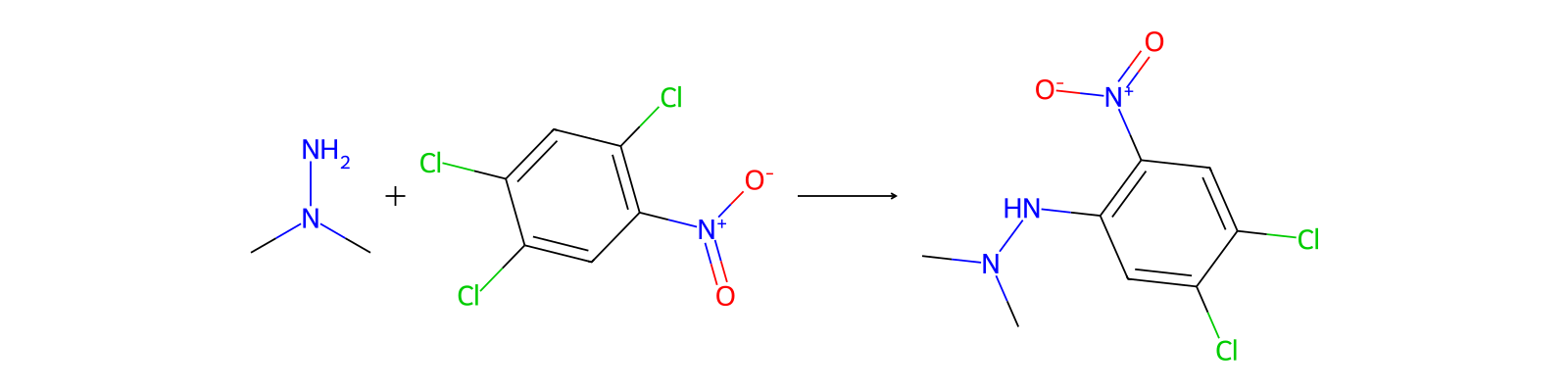


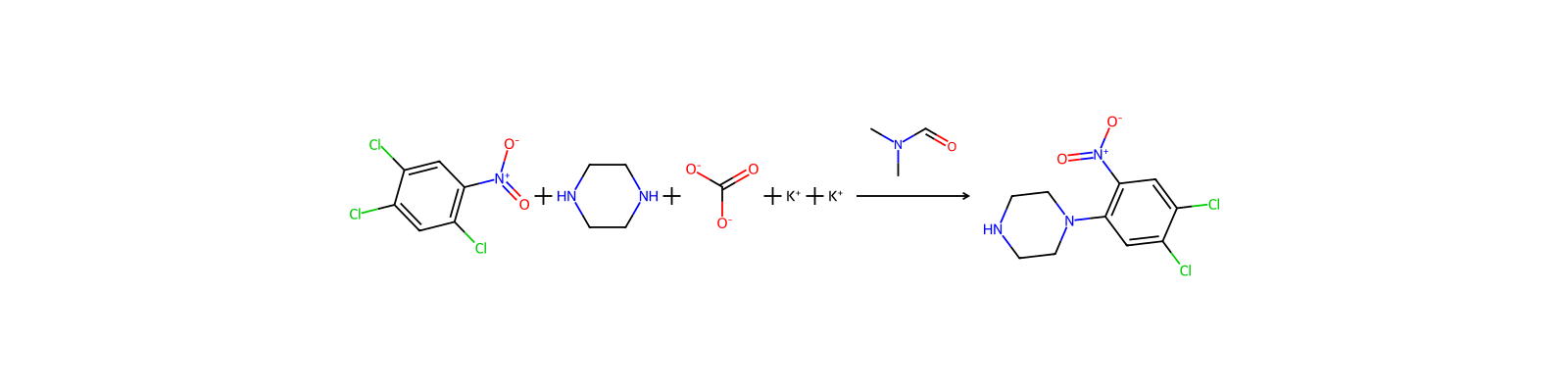
white to light yellow crystal powder
EYES: First check the victim for contact lenses and remove if present. Flush victim's eyes with water or normal saline solution for 20 to 30 minutes while simultaneously calling a hospital or poison control center. Do not put any ointments, oils, or medication in the victim's eyes without specific instructions from a physician. IMMEDIATELY transport the victim after flushing eyes to a hospital even if no symptoms (such as redness or irritation) develop.
SMALL SPILLS AND LEAKAGE: If a spill of this chemical occurs, FIRST REMOVE ALL SOURCES OF IGNITION, then you should dampen the solid spill material with acetone and transfer the dampened material to a suitable container. Use absorbent paper dampened with acetone to pick up any remaining material. Seal your contaminated clothing and the absorbent paper in a vapor-tight plastic bag for eventual disposal. Solvent wash all contaminated surfaces with acetone followed by washing with a soap and water solution. Do not reenter the contaminated area until the Safety Officer (or other responsible person) has verified that the area has been properly cleaned.
2.3 [mg/m3]
25 [mg/m3]
150 [mg/m3]
RECOMMENDED RESPIRATOR: Where the neat test chemical is weighed and diluted, wear a NIOSH-approved half face respirator equipped with an organic vapor/acid gas cartridge (specific for organic vapors, HCl, acid gas and SO2) with a dust/mist filter. (NTP, 1992)