
1,3-디메틸바르비투르산
Dimethylbarbituric acid
데이터를 보충하는 중입니다. 잠시 후 페이지를 새로 고치면 최신 내용을 볼 수 있습니다

기본 정보
- CAS
769-42-6- 표준 SMILES
CN1C(=O)CC(=O)N(C)C1=O- InChIKey
VVSASNKOFCZVES-UHFFFAOYSA-N- 분자식
- C6H8N2O3
- 평균 분자량
- 156.14 g/mol
- 단동위원소 질량
- 156.05349212
이름 및 식별자
- 우선 이름
- Dimethylbarbituric acid
- IUPAC
- 1,3-dimethyl-1,3-diazinane-2,4,6-trione
- 현지명
- 1,3-디메틸바르비투르산
- 영어명
- 1,3-Dimethylbarbituric acid
- 분자식
- C6H8N2O3
- 분자량
- 156.14
이름 및 동의어
1,3-Dimethylbarbituric acid769-42-62,4,6(1H,3H,5H)-Pyrimidinetrione, 1,3-dimethyl-1,3-Dimethyl-2,4,6(1H,3H,5H)-pyrimidinetrioneNSC-61918DTXSID00611158ZWY29H946RefChem:414691DTXCID8047927212-211-7Dimethylbarbituric acid1,3-dimethyl-1,3-diazinane-2,4,6-trione
이름 더 보기
1,3-디메틸바르비투르산1,3-Dimethylbarbituric1,3-Dimethylhexahydropyrimidine-2,4,6-trione1,3-DiMethyl-6(1HAKOS B029702
1,3-dimethylpyrimidine-2,4,6(1H,3H,5H)-trioneN,N'-Dimethylbarbituric acidUrapidil Impurity 6Barbituric acid, 1,3-dimethyl-1,3-Dimethyl barbituric acidMFCD000066751,3-Dimethyl-2,4,6(1H,3H,5H)pyrimidinetrioneF0777-1614
데이터베이스 식별자
- CAS
769-42-6- PubChem CID
- 69860
- DTXSID
DTXSID0061115- UNII
- 8ZWY29H946
- EC Number
- 212-211-7
- Nikkaji
- J135.896K
물성
구조 계산 물성보충 중
- XLogP
- -0.8
- 극성 표면적
- 57.7 Ų
- 수소 결합 공여자 수
- 0
- 수소 결합 수용자 수
- 3
- 회전 가능 결합 수
- 0
- 무거운 원자 수
- 11
- 형식 전하
- 0
- 복잡도
- 214
실험 및 물리화학적 성질
DrugsDEA NFLIS-Drug Category -> Depressants and Tranquilizers
물리화학적 성질
- 녹는점
- 121 · 121-123 °C (lit.) 121-123 °C
- 끓는 점
- 228.1 · 228.1±23.0 °C(Predicted)
- 밀도
- 1.322 · 1.322±0.06 g/cm3(Predicted)
- 저장 조건
- -20 °C · -20°C Freezer
- 용해도
- 0.5 g/10mL, · 뜨거운 물: 용해성0.5g/10mL, 투명, 무색 내지 희미한 노란색
- 물리적 상태
- 결정성 분말
- 산도 계수 (pKa)
- 1 · pK1:4.68(+1) (25°C)
- 색상
- 화이트/크림/옅은 노란색
- 수소이온지수(pH)
- 2.5 · 2.5 (20°C, 100g/L in H2O, slurry)
- 수용성
- 물에 용해됩니다.
- BRN
- 139810 · 139810
- InChI
- 1S/C6H8N2O3/c1-7-4(9)3-5(10)8(2)6(7)11/h3H2,1-2H3
- InChIKey
- VVSASNKOFCZVES-UHFFFAOYSA-N
- SMILES
- CN1C(=O)CC(=O)N(C)C1=O
- NIST
- 1 · 1,3-Dimethylbarbituric acid(769-42-6)
- EPA
- 2 · 2,4,6(1H,3H,5H)-Pyrimidinetrione, 1,3-dimethyl- (769-42-6)
화학적 성질
Yellow or brownish powder
안전 및 규제
안전 정보는 참고용이며, 공급업체의 물질안전보건자료(SDS), 관련 법규 및 전문가 평가를 대체하지 않습니다.
GHS 분류
GHS Classification
Danger
H302 (100%): Harmful if swallowed [Warning Acute toxicity, oral]
P264, P264+P265, P270, P280, P301+P317, P305+P354+P338, P317, P330, and P501 (click each P-code to see the statement)
Aggregated GHS information provided per 51 reports by companies from 2 notifications to the ECHA C&L Inventory. Each notification may be associated with multiple companies.
유해성 정보
Regulatory Information2,4,6(1H,3H,5H)-Pyrimidinetrione, 1,3-dimethyl-: Does not have an individual approval but may be used under an appropriate group standard
Hazard Classes and CategoriesAcute Tox. 4 (100%)
안전 데이터
- wgk
- 3
- tsca
- TSCA listed
- HS 번호
- 29339900
- risk_code
- 22-41
- hazard_code
- Xn
- safety_code
- 26-36/39
- Hazard Classifications
- Acute Tox. 4 OralEye Dam. 1
- 스토리지 클래스
- 11 - Combustible Solids
화학 및 산업
용도 및 제조
General Manufacturing Information2,4,6(1H,3H,5H)-Pyrimidinetrione, 1,3-dimethyl-: ACTIVE
응용 분야
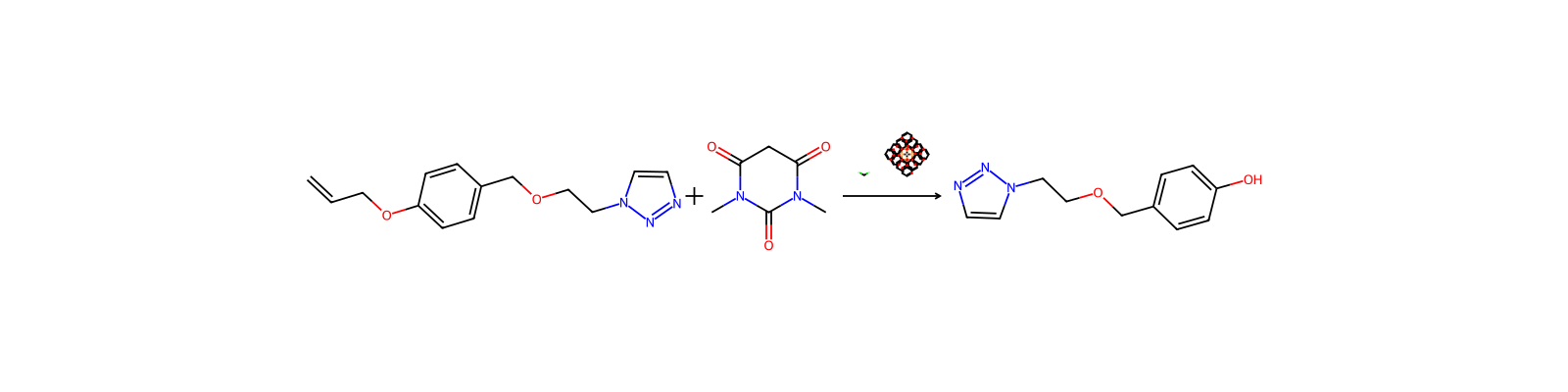
용도1,3-Dimethylbarbituric acid is used as a catalyst in the Knoevenagel condensation of a series of aromatic aldehydes. It is also used in the synthesis of 5-aryl-6-(alkyl- or aryl-amino)-1,3-dimethylfuro [2,3-d]pyrimidine derivatives and enantioselective synthesis of isochromene pyrimidinedione derivatives.
일반 설명1,3-Dimethylbarbituric acid (1,3-Dimethyl-2,4,6(1H,3H,5H)-pyrimidinetrione) is an active methylene compound. It undergoes hollow Pd6 water-soluble cage, [{(tmen)Pd}6(timb)4](NO3)12 (tmen= N,N,N′,N′-tetramethylethylenediamine, timb=1,3,5-tris(1-imidazolyl)benzene)-catalyzed Knoevenagel condensation reaction with pyrene-1-carboxaldehyde. It undergoes self-sorted Pd7 molecular boat having an internal nanocavity (catalyst)-assisted Knoevenagel condensation reaction with various aromatic aldehydes. It has been synthesized by reacting 1,3-dimethylurea, malonic acid and acetic anhydride in acetic acid. It is widely used for the synthesis of various synthetic intermediates and heterocyclic compounds.
상·하류 제품 정보
하류 제품
관련 반응
171건


화합물 노트
불러오는 중…