홈MCP워크벤치Skills
홈워크벤치알림마이페이지
llms.txt · MCP 가이드개인정보처리방침 · 이용약관 · 지원v1.8.0
  1. 홈
  2. /화합물

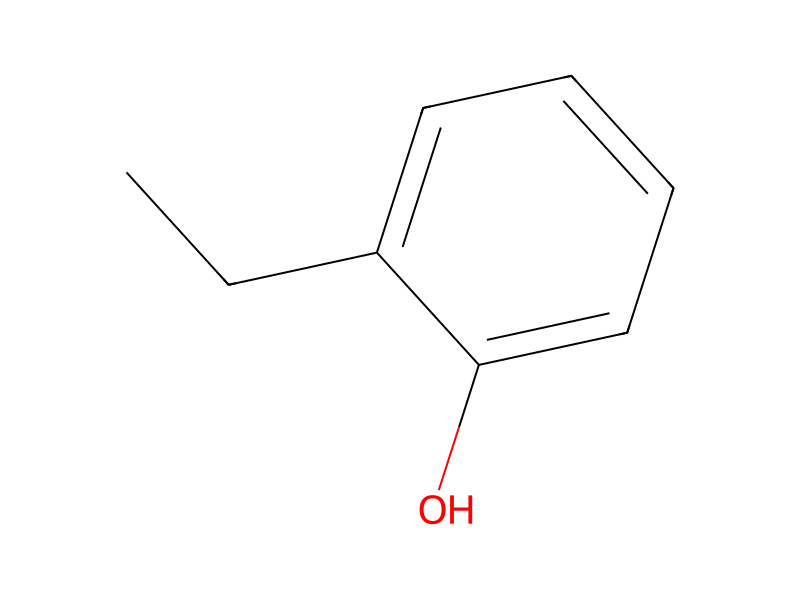
2-Ethylphenol

HCID 6997
새 노트새 반응견적 요청하기
인쇄 미리보기

데이터를 보충하는 중입니다. 잠시 후 페이지를 새로 고치면 최신 내용을 볼 수 있습니다
기본 정보개요이름 및 식별자물성안전 및 규제화학 및 산업관련 반응화합물 노트
부분 구조 검색유사 구조 찾기

기본 정보

CAS
25429-37-2
표준 SMILES
CCc1ccccc1O
InChIKey
IXQGCWUGDFDQMF-UHFFFAOYSA-N
분자식
C8H10O
평균 분자량
122.16 g/mol
단동위원소 질량
122.07316494

개요

Ethylphenol is a yellow liquid. Freezing point -18 °C. Flash point 172 °F.

이름 및 식별자

우선 이름
2-Ethylphenol
IUPAC
2-ethylphenol
영어명
2-Ethylphenol
분자식
C8H10O
분자량
122.1644

이름 및 동의어

2-ETHYLPHENOL90-00-6o-EthylphenolPhlorolPhenol, o-ethyl-Phenol, 2-ethyl-1-Ethyl-2-hydroxybenzene1-Hydroxy-2-ethylbenzeneBenzene, 1-ethyl-2-hydroxy-DTXSID1022479355O0P4JU7NSC-10112
이름 더 보기
DTXCID702479RefChem:87003201-958-4ETHYLPHENOLPhenol, ethyl-25429-37-22-Ethyl-phenolMFCD00002249

데이터베이스 식별자

CAS
25429-37-2、90-00-6
PubChem CID
6997
DTXSID
DTXSID1022479
ChEMBL
CHEMBL321029
ChEBI
CHEBI:34275
UNII
355O0P4JU7
EC Number
201-958-4、607-726-2
Nikkaji
J3.550E

물성

구조 계산 물성보충 중

XLogP
2.5
극성 표면적
20.2 Ų
수소 결합 공여자 수
1
수소 결합 수용자 수
1
회전 가능 결합 수
1
무거운 원자 수
9
형식 전하
0
복잡도
80.6

실험 및 물리화학적 성질

Chemical ClassesOther Classes -> Phenols
SpringerMaterials Properties13C nuclear magnetic resonance spectrum
FragrancesFragrance Ingredient (2-Ethylphenol) -> IFRA transparency List
LogP · 2건

Log Kow = 2.47

2.36

OdorPhenol odor
Density · 2건

1.037 (USCG, 1999) - Denser than water; will sink

1.0146 @ 25 °C

Flavoring AgentsEU Flavoring substances
Color/Form · 2건

METASTABLE & STABLE CRYSTAL FORM

COLORLESS LIQUID

Solubility · 5건

less than 1 mg/mL at 72 °F (NTP, 1992)

PRACTICALLY INSOL IN WATER; FREELY SOL IN ALCOHOL

FREELY SOL IN BENZENE, GLACIAL ACETIC ACID

SOL IN ALL PROP IN ETHER, SOL IN ACETONE

Water solubility = 5340 mg/l

Flash Point · 2건

안전 및 규제

안전 정보는 참고용이며, 공급업체의 물질안전보건자료(SDS), 관련 법규 및 전문가 평가를 대체하지 않습니다.

GHS 분류

GHS Classification · 6건

Danger

H302 (64.9%): Harmful if swallowed [Warning Acute toxicity, oral]

P260, P261, P264, P264+P265, P270, P271, P280, P301+P317, P301+P330+P331, P302+P352, P302+P361+P354, P304+P340, P305+P354+P338, P316, P317, P319, P321, P330, P332+P317, P362+P364, P363, P403+P233, P405, and P501 (click each P-code to see the statement)

Aggregated GHS information provided per 464 reports by companies from 11 notifications to the ECHA C&L Inventory. Each notification may be associated with multiple companies.

This chemical does not meet GHS hazard criteria for 99% (104 of 105) of all reports.

Not Classified

유해성 정보

Regulatory Information · 5건

Chemical: Phenol, 2-ethyl-

Commission Regulation (EC) No 1565/2000 (Repealed by Com. Implementing Reg. (EU) No 872/2012)

Phenol, 2-ethyl- is listed on the EPA's Chemical Data Reporting (CDR) system. Manufacturers and importers of Phenol, 2-ethyl- are required to report information about their production and use of this chemical to the EPA under the Toxic Substances Control Act (TSCA). (40 eCFR Part 711)

Phenol, ethyl-: Does not have an individual approval but may be used as a component in a product covered by a group standard. It is not approved for use as a chemical in its own right.

Phenol, 2-ethyl-: Does not have an individual approval but may be used under an appropriate group standard

Other Safety InformationIMAP assessments - Phenol, 2-ethyl-: Environment tier I assessment
DOT LabelCorrosive
Fire HazardsSpecial Hazards of Combustion Products: Emits toxic fumes under fire conditions. (USCG, 1999)
Health HazardsHarmful if swallowed, inhaled, or absorbed through skin. Irritating to mucous membranes, upper respiratory tract, eyes and skin. Can cause damage to the eyes and severe irritation or burn. (USCG, 1999)

화학 및 산업

약리 정보

Metabolism/Metabolites · 2건

ANALYSES OF BLOOD & URINE OF 4 FEMALES OCCUPATIONALLY EXPOSED TO MIXT OF XYLENES & ETHYLBENZENE IN A HISTOLOGY LAB. APPROX 1.1-1.4% OF RETAINED ETHYLBENZENE WAS METABOLIZED TO 2-ETHYLPHENOL.

3 LAB TECHNICIANS EXPOSED TO ETHYLBENZENE 42 PPM & 1 EXPOSED TO 34 PPM HAD AVG STEADY STATE BLOOD LEVELS OF 0.72 + OR - 0.11 MG/L. AMT DECR. METABOLITES IDENTIFIED INCL 2-ETHYLPHENOL.

용도 및 제조

Uses · 2건

Used to make pharmaceutical and agricultural chemicals; [Merck Index] Used as a starting material for photochemicals; [HSDB]

Pure 2-ethylphenol ... is used as a starting material for photochemicals

U.S. Production2023: 2,794,833 lb
Consumer UsesSolvent
Industry UsesCorrosion inhibitor
Methods of Manufacturing · 2건

PREPN: ...HEATING ETHYLENE & PHENOL WITH PHOSPHORIC ACID @ 200 °C; BY HEATING ETHANOL & PHENOL OVER THORIA + ALUMINA @ 350 °C; FROM PHENOL, ETHYLENE CHLOROHYDRIN & SODIUM.

2-Ethylphenol is produced industrially by ortho-alkylation of phenol with ethylene in high pressure autoclaves at 320-340 °C and 20 Mpa in the presence of 1-2% aluminum phenolate. If a molar ratio of phenol-ethylene of ca. 1:2 is used, the yield (related to converted phenol) is ca. 32% 2-ethylphenol ... after 6 hour reaction time.

Use ClassificationFragrance Ingredients
General Manufacturing Information · 3건

Soap, Cleaning Compound, and Toilet Preparation Manufacturing

Phenol, 2-ethyl-: ACTIVE

2-METHYLPHENOLS & A NUMBER OF RELATED DERIV WERE PREPARED & TESTED FOR BACTERIOSTATIC ACTIVITY AGAINST A VARIETY OF BACTERIA, & STRUCTURAL-BIOLOGICAL ACTIVITY RELATIONS WERE INDICATED.

관련 반응

77건
반응 기록 만들기
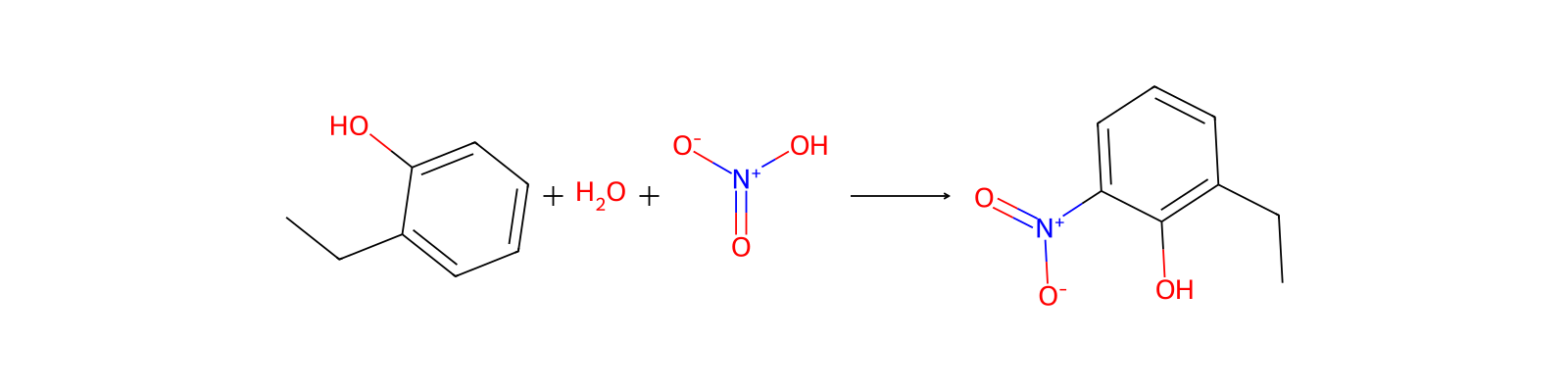
HRID 9670 반응식
HRID 9670반응물로uspto-grants-2006_08
HRID 70081 반응식
HRID 70081반응물로uspto-grants-2014_09
HRID 87463 반응식
HRID 87463반응물로Training data from https://doi.org/10.1039/C8SC04228D (2/10)
HRID 87905 반응식
HRID 87905반응물로Training data from https://doi.org/10.1039/C8SC04228D (2/10)
HRID 118772 반응식
HRID 118772반응물로Training data from https://doi.org/10.1039/C8SC04228D (2/10)
HRID 148972 반응식
HRID 148972반응물로Training data from https://doi.org/10.1039/C8SC04228D (9/10)
HRID 154166 반응식
HRID 154166반응물로Training data from https://doi.org/10.1039/C8SC04228D (9/10)
HRID 164541 반응식
HRID 164541반응물로Training data from https://doi.org/10.1039/C8SC04228D (9/10)
1 / 10 페이지

화합물 노트

불러오는 중…

이 페이지에서기본 정보개요이름 및 식별자물성안전 및 규제화학 및 산업관련 반응화합물 노트
더보기
새 노트새 반응견적 요청하기

173 °F (NTP, 1992)

78 °C

Boiling Point · 2건

400.14 °F at 760 mmHg (NTP, 1992)

204.5 °C

Melting Point · 2건

-18 °F (NTP, 1992)

18 °C

Hazards Summary · 1건

A skin, mucous membrane, and upper respiratory tract irritant; May cause damage to eyes; [CAMEO] A corrosive substance that can cause injury to the skin, eyes, and respiratory tract; Inhalation may cause chemical pneumonitis; [MSDSonline] See Phenol.

Reactive GroupPhenols and Cresols
Reactivity ProfileETHYLPHENOL is incompatible with acid chlorides, acid anhydrides and oxidizing agents. (NTP, 1992). Weakly acidic.
Air and Water ReactionsInsoluble in water.
Hazard Classes and Categories · 4건

Acute Tox. 4 (64.9%)

Not Classified

Acute toxicity - category 4

Flammable liquids - Category 4

안전 및 보호

Fire FightingFire Extinguishing Agents: Carbon dioxide, dry chemical, alcohol foam. (USCG, 1999)
First Aid · 1건

EYES: First check the victim for contact lenses and remove if present. Flush victim's eyes with water or normal saline solution for 20 to 30 minutes while simultaneously calling a hospital or poison control center. Do not put any ointments, oils, or medication in the victim's eyes without specific instructions from a physician. IMMEDIATELY transport the victim after flushing eyes to a hospital even if no symptoms (such as redness or irritation) develop.

Nonfire Spill ResponseNeutralizing Agents for Acids and Caustics: Dry lime or soda ash. (USCG, 1999)
Disposal Methods · 1건

SRP: At the time of review, criteria for land treatment or burial (sanitary landfill) disposal practices are subject to significant revision. Prior to implementing land disposal of waste residue (including waste sludge), consult with environmental regulatory agencies for guidance on acceptable disposal practices.

Isolation and EvacuationExcerpt from ERG Guide 153 [Substances - Toxic and/or Corrosive (Combustible)]:
Personal Protective Equipment (PPE)Wear self-contained breathing apparatus, rubber boots and heavy rubber gloves. (USCG, 1999)

독성 정보

Environmental Fate · 3건

TERRESTRIAL FATE: Based on a recommended classification scheme(1), an estimated Koc value of 530(SRC), determined from a measured log Kow(2) and a recommended regression-derived equation(3), indicates that 2-ethylphenol will have low to moderate mobility in soil(SRC). Limited data suggests that biodegradation of this compound under both aerobic(4) and anaerobic conditions(5) may be possible. 2-Ethylphenol's values for vapor pressure(6) and Henry's Law constant(6,7,SRC) indicate that volatilization from dry and moist soil surfaces is possible, but is not likely to be a major fate process for this compound(SRC).

AQUATIC FATE: Based on a recommended classification scheme(1), an estimated Koc value of 530(SRC), determined from a measured log Kow(2) and a recommended regression-derived equation(3), indicates that 2-ethylphenol may adsorb to suspended solids and sediment(SRC) in the water column. Limited data suggest that biodegradation of this compound under both aerobic(4) and anaerobic conditions(5) may be possible. 2-Ethylphenol should volatilize from water surfaces based on an estimated Henry's Law constant of 4.6X10⁻⁶ atm-cu m/mole(SRC), from its experimental values for vapor pressure(6), and water solubility(7). Estimated half-lives for a model river and model lake are 9 and 68 days, respectively(3,SRC). An estimated BCF value of 44(3,SRC), from a measured log Kow(2), suggests that bioconcentration of 2-ethylphenol in aquatic organisms is moderate(SRC) according to a recommended classification scheme(8).

ATMOSPHERIC FATE: According to a suggested classification scheme(1), a measured vapor pressure of 0.153 mm Hg at 25 °C(2) indicates that 2-ethylphenol will mainly exist in the vapor phase in the ambient atmosphere. Vapor-phase 2-ethylphenol is degraded in the atmosphere by reaction with photochemically produced hydroxyl radicals(SRC); the half-life for this reaction in air is estimated to be about 9 hours(3,SRC).

Adverse EffectsDermatotoxin - Skin burns.
Effluent Concentrations · 1건

2-Ethylphenol was detected in industrial wastewater from the following industries: petroleum refining (1 of 21 extracts), electronics (1 of 32 extracts), and publicly-owned treatment works (1 in 44 extracts)(1). 2-Ethylphenol was detected in a sample of finished drinking water from a plant in Philadelphia, PA, in February 1976(2). Wastewater from the gasification of Indian Head lignite coal in North Dakota contained 2-ethylphenol at an estimated concentration of 50 mg/L(3). 2-Ethylphenol was measured in coal conversion wastewaters for two different synthanes at 140-170 and 2185 mg/L(4).

Soil Adsorption/Mobility · 1건

The Koc of 2-ethylphenol is estimated as approximately 530(SRC), using a measured log Kow of 2.47(1) and a regression-derived equation(2,SRC). According to a recommended classification scheme(3), this estimated Koc value suggests that 2-ethylphenol has moderate to low mobility in soil(SRC).

Natural Pollution SourcesEXTRACTED FROM THE WOOD OF OAK TREES. ORTHO- & PARA-ETHYLPHENOL WERE IDENTIFIED.
Human Toxicity Excerpts/TOXICITY/...SIMILAR TO, BUT LESS SEVERE THAN, PHENOL.
Artificial Pollution Sources · 1건

2-Ethylphenol's production and use as a starting material for photochemicals(1) may result in its release to the environment through various waste streams(SRC). 2-Ethylphenol is also released in effluent streams from coal gasification plants(2,3).

Environmental Biodegradation · 1건

Two anaerobic digestors were inoculated with groundwater (2-ethylphenol present at 0.38 mg/L); 23-42% of this compound was biodegraded over eight weeks(1). Pseudomonas strain FH23, isolated by enrichment culture with 4-hydroxybiphenyl, had a oxygen uptake rate of 31 nmol/min/mg protein when grown with 2-ethylphenol(2).

Environmental Bioconcentration · 1건

An estimated BCF value of 44 was calculated for 2-ethylphenol(SRC), using a measured log Kow of 2.47(1) and a recommended regression-derived equation(2). According to a recommended classification scheme(3), this BCF value suggests that bioconcentration in aquatic organisms is moderate, not high(SRC).

Volatilization from Water/Soil · 1건

The Henry's Law constant for 2-ethylphenol is estimated as 4.6X10⁻⁶ atm-cu m/mole(SRC) from its experimental values for vapor pressure, 0.153 mm Hg at 25 °C(1), and water solubility, 5340 mg/L at 25 °C(2). This value indicates that 2-ethylphenol will volatilize from water surfaces(3,SRC). Based on this Henry's Law constant, the volatilization half-life from a model river (1 m deep, flowing 1 m/sec, wind velocity of 3 m/sec) is estimated as approximately 9 days(3,SRC). The volatilization half-life from a model lake (1 m deep, flowing 0.05 m/sec, wind velocity of 0.5 m/sec) is estimated as approximately 68 days(3,SRC). 2-Ethylphenol's values for vapor pressure(1) and estimated Henry's Law constant(1,2,SRC) indicate that volatilization from dry and moist soil surfaces is possible, but is not likely to be a major fate process for this compound(SRC).

Environmental Abiotic Degradation · 1건

The rate constant for the vapor-phase reaction of 2-ethylphenol with photochemically produced hydroxyl radicals has been estimated as 4.2X10⁻¹¹ cu cm/molecule-sec at 25 °C(SRC) using a structure estimation method(1,SRC). This corresponds to an atmospheric half-life of about 9 hours at an atmospheric concentration of 5X10+5 hydroxyl radicals per cu cm(1,SRC). 2-Ethylphenol has a measured pKa of 10.2, indicating that under most environmental conditions this compound will exist mainly as the non-dissociated form(2).

Probable Routes of Human Exposure · 1건

NIOSH (NOES Survey 1981-1983) has statistically estimated that 93 workers (56 of these are female) are potentially exposed to 2-ethylphenol in the USA(1). Thermal decomposition products which were released during the use of powder paint (an amine-cured epoxy powder paint is applied to metal objects and a protective film is formed by exposing the object to high temperatures) included 2-ethylphenol(2). The general population may be exposed via dermal contact or the inhalation of air containing this compound(SRC).