홈MCP워크벤치Skills
홈워크벤치알림마이페이지
llms.txt · MCP 가이드개인정보처리방침 · 이용약관 · 지원v1.8.0
  1. 홈
  2. /화합물

delta-Gluconolactone

HCID 7027
새 노트새 반응견적 요청하기
인쇄 미리보기
기본 정보개요이름 및 식별자물성안전 및 규제화학 및 산업관련 반응화합물 노트
부분 구조 검색유사 구조 찾기

기본 정보

CAS
54910-68-8
표준 SMILES
O=C1O[C@H](CO)[C@@H](O)[C@H](O)[C@H]1O
InChIKey
PHOQVHQSTUBQQK-SQOUGZDYSA-N
분자식
C6H10O6
평균 분자량
178.14 g/mol
단동위원소 질량
178.04773803

개요

D-glucono-1,5-lactone is an aldono-1,5-lactone obtained from D-gluconic acid. It has a role as an animal metabolite and a mouse metabolite. It is a gluconolactone and an aldono-1,5-lactone. It is functionally related to a D-gluconic acid.

이름 및 식별자

우선 이름
delta-Gluconolactone
IUPAC
(3R,4S,5S,6R)-3,4,5-trihydroxy-6-(hydroxymethyl)oxan-2-one

이름 및 동의어

gluconolactone90-80-2delta-gluconolactoneD-glucono-1,5-lactoneGluconic acid lactone(3R,4S,5S,6R)-3,4,5-trihydroxy-6-(hydroxymethyl)tetrahydro-2H-pyran-2-oneD-Gluconic acid lactoneGluconic lactoneD-Gluconic acid delta-lactone1,5-D-Gluconolactone(3R,4S,5S,6R)-3,4,5-trihydroxy-6-(hydroxymethyl)oxan-2-oneGluconic delta-lactone
이름 더 보기
delta-D-GluconolactoneGlucono delta lactoneDeltagluconolactoneFujigluconLysactoneRiken lactoneDTXSID0026549Gluconolactone [USP]

데이터베이스 식별자

CAS
54910-68-8、90-80-2
PubChem CID
7027
DTXSID
DTXSID0026549
ChEMBL
CHEMBL1200829
ChEBI
CHEBI:16217
UNII
WQ29KQ9POT
EC Number
202-016-5
Nikkaji
J1.174F

물성

구조 계산 물성

XLogP
-2
극성 표면적
107 Ų
수소 결합 공여자 수
4
수소 결합 수용자 수
6
회전 가능 결합 수
1
무거운 원자 수
12
형식 전하
0
복잡도
181

실험 및 물리화학적 성질

Chemical ClassesOther Uses -> Food Additives
DrugsPharmaceuticals -> Listed in ZINC15
Cosmetics · 3건

Cosmetic ingredients (Glucarolactone) -> CIR (Cosmetic Ingredient Review)

Cosmetic ingredients (Gluconolactone) -> CIR (Cosmetic Ingredient Review)

Solvent; Skin conditioning; Humectant

pHFreshly prepared aqueous solution has pH of 3.6, changing to 2.5 within 2 hours
SpringerMaterials PropertiesCrystal structure
TasteSweet taste
Food AdditivesCURING OR PICKLING AGENT, FLAVOR ENHANCER, FLAVORING AGENT OR ADJUVANT, FORMULATION AID, LEAVENING AGENT, PH CONTROL AGENT, SEQUESTRANT -> FDA Substance added to food
Density1.610 g/cu cm at -5 °C
Color/FormWhite crystals
Solubility · 4건

Freely soluble in water. Sparingly soluble in ethanol

1 gram in 100 grams alcohol; insoluble in ether and acetone.

안전 및 규제

안전 정보는 참고용이며, 공급업체의 물질안전보건자료(SDS), 관련 법규 및 전문가 평가를 대체하지 않습니다.

GHS 분류

GHS Classification · 3건

This chemical does not meet GHS hazard criteria for 98.7% (231 of 234) of all reports.

Not Classified

Aggregated GHS information provided per 234 reports by companies from 4 notifications to the ECHA C&L Inventory.

유해성 정보

Regulatory Information · 4건

Chemical: D-Gluconic acid, .delta.-lactone

D-Gluconic acid, .delta.-lactone is listed on the EPA's Chemical Data Reporting (CDR) system. Manufacturers and importers of D-Gluconic acid, .delta.-lactone are required to report information about their production and use of this chemical to the EPA under the Toxic Substances Control Act (TSCA). (40 eCFR Part 711)

REACH registered substance: D-glucono-1,5-lactone (EC: 202-016-5)

Gluconolactone: Does not have an individual approval but may be used under an appropriate group standard

Other Safety InformationEvaluation - Chemicals that are unlikely to require further regulation to manage risks to environment
Hazards Summary · 1건

Not irritating or sensitizing; No significant adverse effects observed in sub-chronic or chronic animal studies; No evidence of reproductive or developmental toxicity; [OECD SIDS: Gluconic acid and its derivatives - 2004] Hydrolyzed by water forming gluconic acid; [Merck Index] May cause irritation; [Alfa Aesar MSDS] See Gluconic acid.

EPA Safer ChemicalChemical: Gluconolactone
Hazard Classes and CategoriesNot Classified

안전 및 보호

Disposal Methods · 1건

화학 및 산업

약리 정보

FDA Pharmacological Classification · 5건

WQ29KQ9POT

GLUCONOLACTONE

Established Pharmacologic Class [EPC] - Calculi Dissolution Agent

Mechanisms of Action [MoA] - Irrigation

Gluconolactone is a Calculi Dissolution Agent. The mechanism of action of gluconolactone is as an Irrigation.

Cellular LocationsCytoplasm
Metabolite PathwaysGlucose-6-phosphate dehydrogenase deficiency

용도 및 제조

Uses · 6건

CIR ingredient: Glucarolactone

CIR ingredient: Gluconolactone

Used in cleaning compounds, the dairy and brewery industries, textile printing, and tofu production (coagulant); [Merck Index] Used as a curing or pickling agent, flavoring agent, formulation aid, leavening agent, pH control agent, and sequestrant for foods; [FDA] Permitted for use as an inert ingredient in non-food pesticide products; [EPA] Important intermediate in carbohydrate metabolism in mammals; Used for industrial cleaning, metal surface treatment, textile bleach stabilizing, aluminum processing, and as a chelating agent in cement set retarding, cleaning products, personal care products, pharmaceuticals, and foods; [OECD SIDS: Gluconic acid and its derivatives - 2004]

Aluminum Producing [Category: Industry]

Component of many cleaning compounds because of the sequestering ability of the gluconate radical which remains active in alkaline solutions; in the dairy industry to prevent milkstone; in breweries to prevent beerstone; as latent acid catalyst for acid colloid resins, particularly in textile printing; as a coagulant for tofu.

Sequestering agent

U.S. Production · 6건

2023: 3,750,236 lb

This chemical is listed as a High Production Volume (HPV) (65FR81686). Chemicals listed as HPV were produced in or imported into the U.S. in >1 million pounds in 1990 and/or 1994. The HPV list is based on the 1990 Inventory Update Rule. (IUR) (40 CFR part 710 subpart B; 51FR21438).

관련 반응

63건
반응 기록 만들기
HRID 36553 반응식
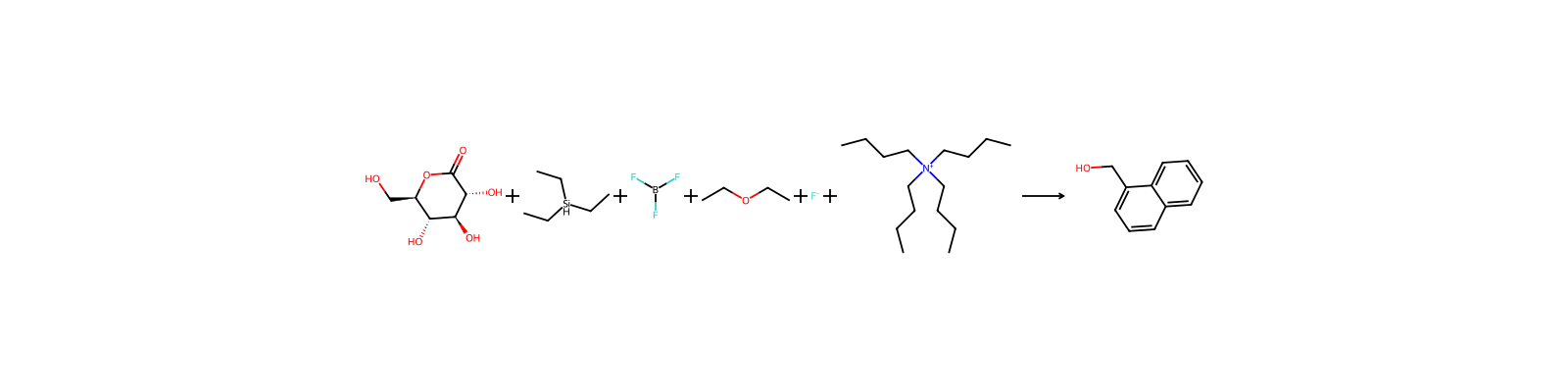
HRID 36553반응물로uspto-grants-1995_05
HRID 36554 반응식
HRID 36554반응물로uspto-grants-1995_05
HRID 46183 반응식
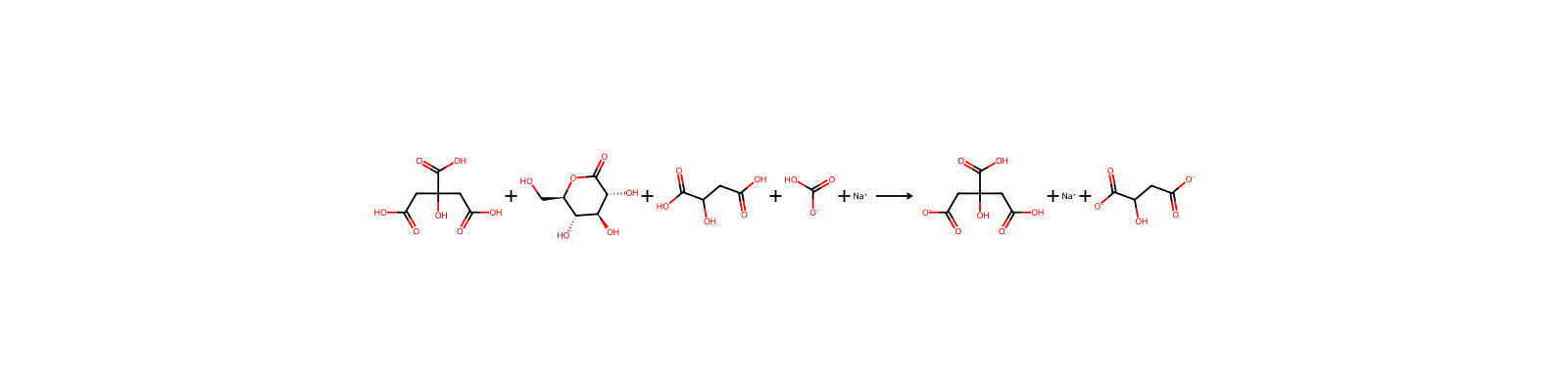
HRID 46183반응물로uspto-grants-2013_09
HRID 46186 반응식
HRID 46186반응물로uspto-grants-2013_09
HRID 46212 반응식
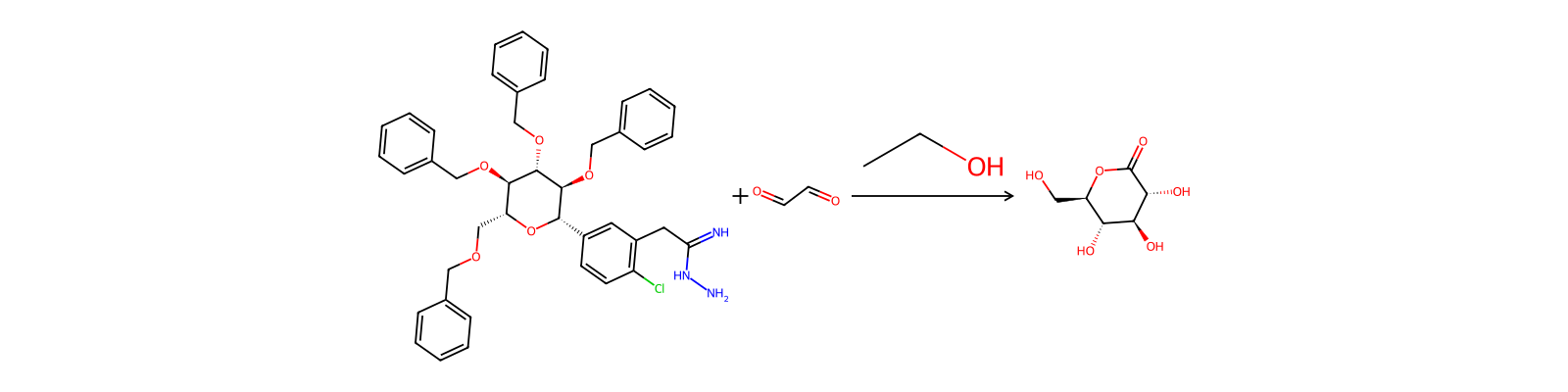
HRID 46212생성물로uspto-grants-2013_09
HRID 54896 반응식
HRID 54896반응물로uspto-grants-1997_04
HRID 54897 반응식
HRID 54897반응물로uspto-grants-1997_04
HRID 256462 반응식
HRID 256462반응물로uspto-grants-1987_10
1 / 8 페이지

화합물 노트

불러오는 중…

이 페이지에서기본 정보개요이름 및 식별자물성안전 및 규제화학 및 산업관련 반응화합물 노트
더보기
새 노트새 반응견적 요청하기

In water, 5.9X10+5 mg/L at 25 °C

590.0 mg/mL

Human Drugs · 2건

FDA approved drugs -> Active ingredient

FDA approved drugs -> Active ingredient

Animal DrugsPharmaceuticals -> UK Veterinary Medicines Directorate List

SRP: The most favorable course of action is to use an alternative chemical product with less inherent propensity for occupational exposure or environmental contamination. Recycle any unused portion of the material for its approved use or return it to the manufacturer or supplier. Ultimate disposal of the chemical must consider: the material's impact on air quality; potential migration in soil or water; effects on animal, aquatic, and plant life; and conformance with environmental and public health regulations.

독성 정보

Environmental Fate · 3건

TERRESTRIAL FATE: Based on a classification scheme(1), an estimated Koc value of 10(SRC), determined from a structure estimation method(2), indicates that gluconolactone is expected to have very high mobility in soil(SRC). Volatilization from moist soil surfaces is not expected to be an important environmental fate process given an estimated Henry's law constant of 1.4X10⁻⁹ atm cu m/mol(SRC), derived from a structure estimation method(4). Gluconolactone is not expected to volatilize from dry soil surfaces given an estimated vapor pressure of 2.8X10⁻⁹ mm Hg(SRC), determined from a fragment constant method(5). A screening study indicates that gluconolactone may be susceptible to biodegradation under aerobic conditions(6), and under anaerobic conditions the yeast Saccharomyces bulderi rapidly ferments gluconolactone to ethanol and carbon dioxide(7), suggesting that biodegradation may occur in soil(SRC). Hydrolysis of gluconolactone to gluconic acid should occur rapidly in moist soils given a hydrolysis half-life of about 10 minutes at pH 6.6 and 60 minutes at pH 4(6).

AQUATIC FATE: Based on a classification scheme(1), an estimated Koc value of 10(SRC), determined from a structure estimation method(2), indicates that gluconolactone is not expected to adsorb to suspended solids and sediment(SRC). Volatilization from water surfaces is not expected to be an important environmental fate process(3), based upon an estimated Henry's law constant of 1.4X10⁻⁹ atm cu m/mol(SRC), derived from a structure estimation method(4). According to a classification scheme(5), an estimated BCF of 3(SRC), from an estimated log Kow of -1.98(6) and a regression-derived equation(7), suggests the potential for bioconcentration in aquatic organisms is low(SRC). Limited data suggest that biodegradation may occur in aquatic environments(8,9); however, hydrolysis is expected to be the dominant environmental fate process in water(SRC). Hydrolysis of gluconolactone to gluconic acid occurs rapidly, with a half-life of about 10 minutes at pH 6.6 and 60 minutes at pH 4(9).

ATMOSPHERIC FATE: According to a model of gas/particle partitioning of semivolatile organic compounds in the atmosphere(1), gluconolactone, which has an estimated vapor pressure of 2.8X10⁻⁹ mm Hg at 25 °C(2), is expected to exist solely in the particulate-phase in the ambient atmosphere. Particulate-phase gluconolactone is removed from the atmosphere by wet and dry deposition(SRC).

Toxicity Summary · 3건

Additionally, the Panel concluded the available data are insufficient to make a determination that Glucarolactone is safe under the intended conditions of use in cosmetic formulations.

The available data are insufficient to support safety

Safe in the present practices of use and concentration. Ingredient, concentration, and use information are available in documents discoverable at https://cir-reports.cir-safety.org

Soil Adsorption/Mobility · 1건

Using a structure estimation method based on molecular connectivity indices(1), the Koc for gluconolactone can be estimated to be 10(SRC). According to a classification scheme(2), this estimated Koc value suggests that gluconolactone is expected to have very high mobility in soil(SRC).

Natural Pollution Sources · 1건

Biological oxidation of glucose at the C1 position by dehydrogenases or oxidases yields gluconolactone(1). Incomplete oxidation of sugars in fruits and nectar by bacteria and fungi may lead to acidification and the accumulation of gluconolactone(1).

Human Toxicity Excerpts · 1건

/HUMAN EXPOSURE STUDIES/ ...We have performed a double-blind clinical trial on 150 patients to evaluate the efficacy and skin tolerance of the alpha hydroxy acid gluconolactone 14% in solution (Nuvoderm lotion) in the treatment of mild to moderate acne when compared with its vehicle (placebo) and 5% benzoyl peroxide lotion. The results of this study showed that both gluconolactone and benzoyl peroxide had a significant effect in improving patients' acne by reducing the number of lesions (inflamed and non-inflamed). Furthermore, fewer side-effects were experienced by patients treated with gluconolactone when compared with benzoyl peroxide

Artificial Pollution Sources · 1건

Gluconolactone's production and use in cleaning compounds, dairy industry to prevent milkstone, in breweries to prevent beerstone, as a coagulant for tofu and as a latent acid catalyst(1), may result in its release to the environment through various waste streams(SRC). Gluconolactone is allowed for use in human food as a curing and pickling agent, a leavening agent, a pH control agent, and a sequestrant(2), and in some cosmetics to act as a sunscreen(3).

Environmental Biodegradation · 2건

AEROBIC: The 5-day theoretical BOD of gluconolactone was reported as 52%(1).

ANAEROBIC: Under anaerobic conditions, the yeast Saccharomyces bulderi rapidly ferments gluconolactone to ethanol and carbon dioxide(1).

Environmental Bioconcentration · 1건

An estimated BCF of 3 was calculated for gluconolactone(SRC), using an estimated log Kow of -1.98(1) and a regression-derived equation(2). According to a classification scheme(3), this BCF suggests the potential for bioconcentration in aquatic organisms is low(SRC).

Volatilization from Water/Soil · 1건

The Henry's Law constant for gluconolactone is estimated as 1.4X10⁻⁹ atm cu m/mol(SRC) using a fragment constant estimation method(1). This Henry's Law constant indicates that gluconolactone is expected to be essentially nonvolatile from water and moist soil surfaces(2). Gluconolactone is not expected to volatilize from dry soil surfaces based upon an estimated vapor pressure of 2.8X10⁻⁹ mm Hg(SRC) determined from a fragment constant method(3).

Environmental Abiotic Degradation · 1건

The rate constant for the vapor-phase reaction of gluconolactone with photochemically-produced hydroxyl radicals has been estimated as 3.2X10⁻¹¹ cu cm/molecule-sec(SRC), using a structure estimation method(1). This corresponds to an atmospheric half-life of about 12 hours at an atmospheric concentration of 5X10+5 hydroxyl radicals per cu cm(1). Gluconolactone absorbs light greater than 290 nm and may be susceptible to direct photolysis(2); however the rate of this potential reaction is not known. Gluconolactone hydrolyzes to gluconic acid with a half-life of about 10 minutes at pH 6.6 and 60 minutes at pH 4(3).

Probable Routes of Human Exposure · 1건

NIOSH (NOES Survey 1981-1983) has statistically estimated that 184,229 workers (157,249 of these are female) are potentially exposed to gluconolactone in the US(1). Occupational exposure to gluconolactone may occur through inhalation and dermal contact with this compound at workplaces where gluconolactone is produced or used(SRC). The general population may be exposed to this compound by ingestion of foods containing gluconolactone and dermal contact with cosmetic products that use this compound as a sunscreen(SRC).

Environmental Fate/Exposure Summary · 1건

Gluconolactone's production and use in cleaning compounds, the dairy industry, breweries, and as a latent acid catalyst, may result in its release to the environment through various waste streams. Gluconolactone is also used as a food additive and in some cosmetics as a sunscreen. The biological oxidation of glucose also leads to the formation of gluconolactone. If released to air, an estimated vapor pressure of 2.8X10⁻⁹ mm Hg at 25 °C indicates gluconolactone will exist solely in the particulate-phase. Particulate-phase gluconolactone is removed from the atmosphere by wet and dry deposition. If released to soil, gluconolactone is expected to have very high mobility based upon an estimated Koc of 10. Volatilization from moist soil surfaces is not expected to be an important fate process given an estimated Henry's Law constant of 1.4X10⁻⁹ atm-cu m/mole. Gluconolactone is not expected to volatilize from dry soil surfaces based upon its estimated vapor pressure. A screening study indicates that gluconolactone may be susceptible to biodegradation under aerobic conditions, and under anaerobic conditions the yeast Saccharomyces bulderi rapidly ferments gluconolactone to ethanol and carbon dioxide. If released into water, gluconolactone is not expected to adsorb to suspended solids and sediment based upon the estimated Koc. Volatilization from water surfaces is not expected to be an important fate process based upon this compound's estimated Henry's Law constant. Hydrolysis is expected to be the dominant environmental fate process for gluconolactone in water. The hydrolysis half-lives of gluconolactone at pH 6.6 and 4 are 10 minutes and 60 minutes, respectively. An estimated BCF of 3 suggests the potential for bioconcentration in aquatic organisms is low. Occupational exposure to gluconolactone may occur through inhalation and dermal contact with this compound at workplaces where it is produced or used. The general population may be exposed to this compound by ingestion of foods containing gluconolactone and dermal contact with cosmetic products that use this compound as a sunscreen. (SRC)

(1986) >1 million - 10 million pounds

(1990) >1 million - 10 million pounds

(1994) >1 million - 10 million pounds

(2002) 10 thousand - 500 thousand pounds

Consumer UsesProcessing aids not otherwise specified
Industry UsesProcessing aids not otherwise specified
Methods of Manufacturing · 2건

By oxidation of glucose with bromine water ... by oxidation of glucose in Acetobacter suboxydans

Glucono-1,5-lactone crystallizes from a supersaturated aqueous gluconic acid solution between 36 and 57 °C. A two-step continuous crystallization is said to result in increased productivity per unit volume under conditions that are favorable in terms of energy consumption. In the first step, a crystalline suspension (3 to 10 % crystalline material) is produced in a supersaturated gluconic acid solution held at 65 to 75 °C. The second step involves controlled cooling to 40 to 45 °C, followed by a period of crystal maturation at constant temperature. A portion of the resulting crystalline suspension is then recycled to the first step. ... The 1,5-lactone may also be obtained from an aqueous gluconic acid solution by dehydration involving azeotropic distillation with alcohols, followed by crystallization from the alcohol-containing residue. Crystallization above 70 °C leads to the 1,4-lactone.

Household ProductsInformation on 41 consumer products that contain Gluconolactone in the following categories is provided:
Use Classification · 6건

EPA Safer Chemical Functional Use Classes -> Preservatives and Antioxidants;Processing Aids and Additives

Safer Chemical Classes -> Green circle - The chemical has been verified to be of low concern

Food additives

Food Additives -> ACID; ACIDITY_REGULATOR; RAISING_AGENT; SEQUESTRANT -> JECFA Functional Classes

Food Additives -> ACID; ACIDITY_REGULATOR; RAISING_AGENT; SEQUESTRANT -> JECFA Functional Classes

Food Additives -> ACID; ACIDITY_REGULATOR; RAISING_AGENT; SEQUESTRANT -> JECFA Functional Classes

General Manufacturing Information · 4건

Non-metallic Mineral Product Manufacturing (includes clay, glass, cement, concrete, lime, gypsum, and other non-metallic mineral product manufacturing)

D-Gluconic acid, .delta.-lactone: ACTIVE

Structure: J Stanek et al, The Monosaccharides (Academic Press, NY 1963) p 271.

/Glucono-delta-lactone is direct food additive limited by meat inspection div to use at/ 8 oz/100 lb of cured, comminuted meat or meat product to speed up color-fixing process & to reduce time required for smoking; must be listed in product ingredient statement.