HRID 523616생성물로
데이터를 보충하는 중입니다. 잠시 후 페이지를 새로 고치면 최신 내용을 볼 수 있습니다

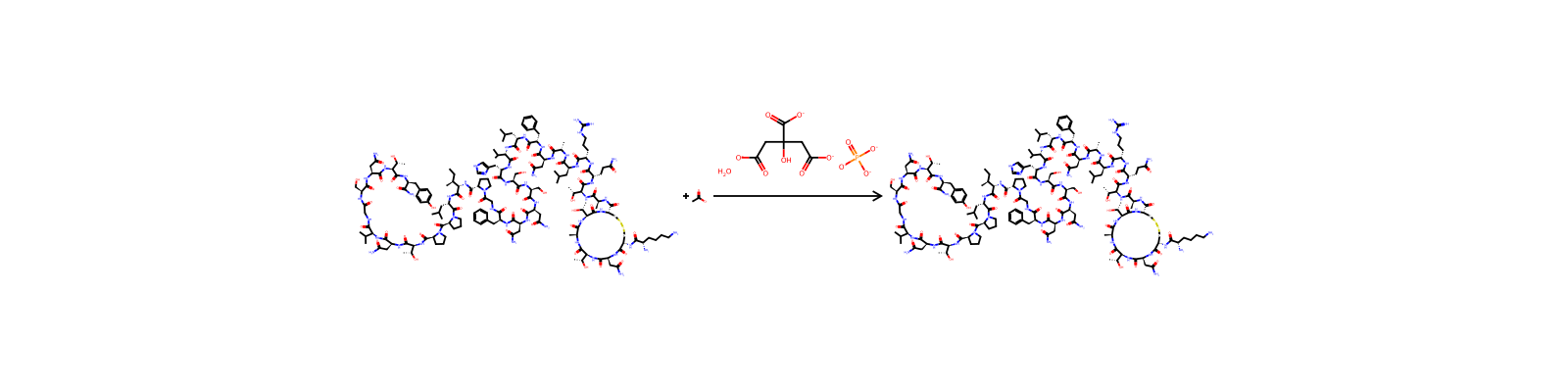
151126-32-8CC[C@H](C)[C@H](NC(=O)[C@@H]1CCCN1C(=O)CNC(=O)[C@H](Cc1ccccc1)NC(=O)[C@H](CC(N)=O)NC(=O)[C@H](CC(N)=O)NC(=O)[C@H](CO)NC(=O)[C@H](CO)NC(=O)[C@H](Cc1c[nH]cn1)NC(=O)[C@@H](NC(=O)[C@H](CC(C)C)NC(=O)[C@H](Cc1ccccc1)NC(=O)[C@H](CC(N)=O)NC(=O)[C@H](C)NC(=O)[C@H](CC(C)C)NC(=O)[C@H](CCCNC(=N)N)NC(=O)[C@H](CCC(N)=O)NC(=O)[C@@H](NC(=O)[C@H](C)NC(=O)[C@@H]1CSSC[C@H](NC(=O)[C@@H](N)CCCCN)C(=O)N[C@@H](CC(N)=O)C(=O)N[C@@H]([C@@H](C)O)C(=O)N[C@@H](C)C(=O)N[C@@H]([C@@H](C)O)C(=O)N1)[C@@H](C)O)C(C)C)C(=O)N[C@@H](CC(C)C)C(=O)N1CCC[C@H]1C(=O)N1CCC[C@H]1C(=O)N[C@H](C(=O)N[C@@H](CC(N)=O)C(=O)N[C@H](C(=O)NCC(=O)N[C@@H](CO)C(=O)N[C@@H](CC(N)=O)C(=O)N[C@H](C(=O)N[C@@H](Cc1ccc(O)cc1)C(N)=O)[C@@H](C)O)C(C)C)[C@@H](C)OPramlintide is a polypeptide.
안전 정보는 참고용이며, 공급업체의 물질안전보건자료(SDS), 관련 법규 및 전문가 평가를 대체하지 않습니다.
Drug-Induced Liver Injury Severity and Toxicity (DILIst)
pramlintide
DILI Negative
Subcutaneous
DOI:10.1016/j.drudis.2019.09.022
A - Alimentary tract and metabolism
QA - Alimentary tract and metabolism
Pramlintide is a synthetic analog of amylin, a glucoregulatory hormone that is synthesized by pancreatic β-cells and released into the bloodstream, in a similar pattern as insulin, after a meal. Like insulin, amylin is deficient in individuals with diabetes. It is provided as an acetate salt. Pramlintide is a 37-amino acid polypeptide that differs structurally from human amylin by the replacement of alanine, serine, and serine at positions 25, 28, and 29 respectively with proline.
Pramlintide is an amlyinomimetic, a functional analog of the naturally occurring pancreatic hormone amylin. Amylin has activity in a number of gastrointestinal and glucodynamic systems, and by mimicking its activity, pramlintide acts to improve glycemic control through modulation of the rate of gastric emptying, prevention of post-prandial rise in glucagon levels, and by increasing sensations of satiety, thereby reducing caloric intake and potentiating weight loss. There appears to be at least three distinct receptor complexes that bind with high affinity to amylin. All three complexes contain the calcitonin receptor at the core, plus one of three Receptor activity-modifying proteins, RAMP1, RAMP2, or RAMP3.
D3FM8FA78T
PRAMLINTIDE
Mechanisms of Action [MoA] - Amylin Agonists
Established Pharmacologic Class [EPC] - Amylin Analog
Pramlintide is an Amylin Analog. The mechanism of action of pramlintide is as an Amylin Agonist.
FVNLNEGMCMHEBF-CLRARMPYNA-N151126-32-8CHEMBL2103758CHEBI:135922The absolute bioavailability of a single subcutaneous dose of pramlintide is approximately 30 to 40%.
Pramlintide is metabolized primarily by the kidneys.
용도Antidiabetic.