

기본 정보
- 표준 SMILES
c1ccc(-c2ccc(-c3ccccc3)cc2)cc1- InChIKey
XJKSTNDFUHDPQJ-UHFFFAOYSA-N- 분자식
- C18H14
- 평균 분자량
- 230.3 g/mol
- 단동위원소 질량
- 230.10955045
개요
P-terphenyl appears as white or light-yellow needles or leaves. mp: 212-213 °C, bp 376 °C. Density: 1.23 g/cm3. Insoluble in water. Soluble in hot benzene. Very soluble in hot ethyl alcohol. Usually shipped as a solid mixture with its isomers o-terphenyl and m-terphenyl that is used as a heat-transfer fluid.
이름 및 식별자
- 우선 이름
- p-Terphenyl
- IUPAC
- 1,4-diphenylbenzene
- 현지명
- p-터페닐
- 영어명
- p-Terphenyl
- 분자식
- C18H14
- 분자량
- 230.3
이름 및 동의어
p-Terphenyl92-94-41,4-Diphenylbenzene1,1':4',1''-TERPHENYLp-Diphenylbenzenep-Triphenyl4-Phenylbiphenylpara-terphenyl4-PhenyldiphenylBiphenyl, 4-phenyl-Tannin from pyrogallol1,1'-Biphenyl, 4-phenyl-
이름 더 보기
p-터페닐P-테르페닐파라-터페닐(혼합이성질체)파라-터페닐(혼합 이성질체)PTPP-terpheny4-Terphenylp-Terophenyl[1,1'PTP-JPTPU2
NSC 6810DTXSID6029121GWP218ZY6FNSC-6810DTXCID907888CHEBI:52242T-32031,4-terphenyl
데이터베이스 식별자
- CAS
92-94-4- PubChem CID
- 7115
- DTXSID
DTXSID6029121- ChEMBL
CHEMBL491582- ChEBI
CHEBI:52242- UNII
- GWP218ZY6F
- EC Number
- 202-205-2
- Nikkaji
- J3.935G
물성
구조 계산 물성
- XLogP
- 5.6
- 극성 표면적
- 0 Ų
- 수소 결합 공여자 수
- 0
- 수소 결합 수용자 수
- 0
- 회전 가능 결합 수
- 2
- 무거운 원자 수
- 18
- 형식 전하
- 0
- 복잡도
- 198
실험 및 물리화학적 성질
Chemical ClassesOther Classes -> Terphenyls
PolymersPolycyclic aromatic hydrocarbon
LogP6.03
Density
1.23 (NIOSH, 2024) - Denser than water; will sink
1.234 AT 0 °C
1.234 @25 °C
1.23
Color/Form
COLORLESS OR LIGHT-YELLOW SOLID
White or light-yellow solid.
Solubility
Insoluble (NIOSH, 2024)
SOL IN BENZENE & ETHANOL (ORDER OF SOLUBILITY IN THESE SUBSTANCES DECR FROM ORTHO TO PARA FORM)
Sparingly soluble in lower alcohols and glycols; soluble in common aromatic solvents.
Water solubility = 1.79X10⁻² mg/l at 25 °C
Insoluble
Flash Point
405 °F (NIOSH, 2024)
405 °F
405 °F
405 °F
Boiling Point
761 °F at 760 mmHg (NIOSH, 2024)
376 °C
761 °F
Melting Point
415 °F (NIOSH, 2024)
210.1 °C
Crumbly, wax-like flakes at room temperature and light amber liquids above the melting point /Commercial terphenyl mixtures/
415 °F
Vapor Pressure
Very low (NIOSH, 2024)
0.00000034 [mmHg]
Very low
Ionization Potential7.78
Physical Description
P-terphenyl appears as white or light-yellow needles or leaves. mp: 212-213 °C, bp 376 °C. Density: 1.23 g/cm3. Insoluble in water. Soluble in hot benzene. Very soluble in hot ethyl alcohol. Usually shipped as a solid mixture with its isomers o-terphenyl and m-terphenyl that is used as a heat-transfer fluid.
White or light-yellow solid; [NIOSH]
White or light-yellow solid.
물리화학적 성질
- 녹는점
- 212 · 212-213 °C(lit.)
- 끓는 점
- 389 °C · 389 °C(lit.)
- 밀도
- 1.23 · 1.23
- 증기 밀도
- 7.95 · 7.95 (vs air)
- 굴절률
- 1.55 · 1.5500 (estimate)
- 인화점
- 207 °C · 207 °C
- 저장 조건
- Sealed in dry,Room Temperature
- 용해도
- 클로로포름(약간 용해됨), DMSO(약간 용해됨, 가열, 초음파 처리)
- 물리적 상태
- 결정 또는 결정성 분말
- 색상
- 흰색에서 약간 베이지색
- 수용성
- 실질적으로 불용성
- 비열
- 1.21 J/ · Cp(crystal): 1.21 J/(g·K), at 25℃
- BRN
- 1908447 · 1908447
- Henry's Law Constant
- 6 · 6.0×100 mol/(m3Pa) at 25℃, Duchowicz et al. (2020)
- 안정성
- 안정적인. 타기 쉬운. 강한 산화제와 호환되지 않습니다.
- InChI
- 1S/C18H14/c1-3-7-15(8-4-1)17-11-13-18(14-12-17)16-9-5-2-6-10-16/h1-14H
- InChIKey
- XJKSTNDFUHDPQJ-UHFFFAOYSA-N
- SMILES
- c1ccc(cc1)-c2ccc(cc2)-c3ccccc3
- NIST
- p-Terphenyl(92-94-4)
- EPA
- p-Terphenyl (92-94-4)
화학적 성질
a White or light-yellow solid. The melting point is 213°C, boiling point is 383°C, 250°C (6kPa), flash point is 207°C, and relative density is 1.234 (0°C). Soluble in hot benzene, slightly soluble in ether and carbon disulfide, extremely insoluble in ethanol and acetic acid. 427℃ sublimation. p-Terphenyl can be separated from the by-products of biphenyl production.
안전 및 규제
GHS 분류
GHS Classification
This chemical does not meet GHS hazard criteria for 6.5% (4 of 62) of reports.
Warning
H315 (77.4%): Causes skin irritation [Warning Skin corrosion/irritation]
P261, P264, P264+P265, P271, P273, P280, P302+P352, P304+P340, P305+P351+P338, P319, P321, P332+P317, P337+P317, P362+P364, P391, P403+P233, P405, and P501 (click each P-code to see the statement)
Aggregated GHS information provided per 62 reports by companies from 9 notifications to the ECHA C&L Inventory. Each notification may be associated with multiple companies.
유해성 정보
Regulatory Information
Chemical: 1,1':4',1''-Terphenyl
1,1':4',1''-Terphenyl: Does not have an individual approval but may be used under an appropriate group standard
Health HazardsExcerpt from NIOSH Pocket Guide for p-Terphenyl:
Hazards Summary
p-Terphenyl caused kidney injury in subchronic feeding studies in rats. Workers complained of eye and respiratory irritation after inhaling vapors of heated terphenyls. The TLV Basis for Terphenyls is upper respiratory tract and eye irritation; [ACGIH] A skin, eye, and respiratory tract irritant; [CAMEO]
Reactive GroupHydrocarbons, Aromatic
OSHA Standards
Permissible Exposure Limit: Table Z-1 Ceiling value: 1 ppm (9 mg/cu m). /Terphenyls/
Vacated 1989 OSHA PEL Ceiling limit 5 mg/cu m (0.5 ppm) is still enforced in some states. /Terphenyl (o-, m-, p- isomers)/
Reactivity ProfileP-TERPHENYL is non-flammable but combustible (flash point: 410 °C). Extremely stable thermally. Incompatible with strong oxidizing agents but not very reactive at room conditions.
Flammable LimitsCombustible Solid
Air and Water ReactionsNo rapid reaction with air. No rapid reaction with water.
NIOSH RecommendationsRecommended Exposure Limit: Ceiling Value: 0.5 ppm (5 mg/cu m).
Hazard Classes and CategoriesSkin Irrit. 2 (77.4%)
Critical Temperature and PressureCritical temperature = 621 °C; critical pressure = 3.330 MPa
Hazardous Reactivities and IncompatibilitiesNone reported
안전 및 보호
First Aid
Excerpt from NIOSH Pocket Guide for p-Terphenyl:
(General first aid procedures)
Cleanup Methods
1) REMOVE ALL IGNITION SOURCES. 2) VENTILATE AREA OF SPILL OR LEAK. 3) FOR SMALL QUANTITIES, SWEEP ONTO PAPER OR OTHER SUITABLE MATERIAL, PLACE IN APPROPRIATE CONTAINER & BURN IN SAFE PLACE (SUCH AS FUME HOOD). LARGE QUANTITIES MAY BE RECLAIMED...IF /NOT/ PRACTICAL, USE PROCEDURE SIMILAR TO THAT FOR SMALL QUANTITIES. /TERPHENYLS/
Disposal Methods
SRP: At the time of review, criteria for land treatment or burial (sanitary landfill) disposal practices are subject to significant revision. Prior to implementing land disposal of waste residue (including waste sludge), consult with environmental regulatory agencies for guidance on acceptable disposal practices.
1) BY MAKING PACKAGES...IN PAPER OR OTHER SUITABLE FLAMMABLE MATERIAL & BURNING IN SUITABLE COMBUSTION CHAMBER. 2) BY DISSOLVING...IN FLAMMABLE SOLVENT (SUCH AS ALCOHOL) & ATOMIZING IN SUITABLE COMBUSTION CHAMBER. /TERPHENYLS/
Preventive Measures
The worker should immediately wash the skin when it becomes contaminated.
Work clothing that becomes wet or significantly contaminated should be removed and replaced.
Workers whose clothing may have become contaminated should change into uncontaminated clothing before leaving the work premises.
Respirator RecommendationsNIOSH
Threshold Limit Values (TLV)
5.0 [mg/m3]
Ceiling Limit: 5 mg/cu m. /Terphenyls/
Permissible Exposure Limit (PEL)C 9 mg/m3 (1 ppm) See Appendix G
Protective Action Criteria (PAC)
0.45 [mg/m3]
5.0 [mg/m3]
130 [mg/m3]
Recommended Exposure Limit (REL)C 5 mg/m3 (0.5 ppm)
Personal Protective Equipment (PPE)
Excerpt from NIOSH Pocket Guide for p-Terphenyl:
Wear appropriate personal protective clothing to prevent skin contact.
Wear appropriate eye protection to prevent eye contact.
Eyewash fountains should be provided in areas where there is any possibility that workers could be exposed to the substance; this is irrespective of the recommendation involving the wearing of eye protection.
Facilities for quickly drenching the body should be provided within the immediate work area for emergency use where there is a possibility of exposure. (Note: It is intended that these facilities provide a sufficient quantity or flow of water to quickly remove the substance from any body areas likely to be exposed. The actual determination of what constitutes an adequate quick drench facility depends on the specific circumstances. In certain instances, a deluge shower should be readily available, whereas in others, the availability of water from a sink or hose could be considered adequate.)
For more Personal Protective Equipment (PPE) (Complete) data for PARA-TERPHENYL (11 total), please visit the HSDB record page.
Immediately Dangerous to Life or Health (IDLH)
500 mg/m3 (NIOSH, 2024)
500.0 [mg/m3]
500 mg/cu m
500 mg/m3
독성 정보
Target OrgansEyes, skin, respiratory system, liver, kidneys
Environmental Fate
TERRESTRIAL FATE: Based on a recommended classification scheme(1), an estimated Koc value of 40000(SRC), from a measured water solubility(2), indicates that p-terphenyl will be immobile in soil(SRC). Based on limited pure culture data, p-terphenyl may be resistant to biodegradation(SRC). Two bacterial strains of Alcaligenes and Acinetobacter, enriched on biphenyl or 4-chlorobiphenyl, were unable to utilize p-terphenyl as a sole carbon source during a four week period(3). Volatilization of p-terphenyl may be important from moist soil surfaces(SRC) given an estimated Henry's Law constant of 3.4X10⁻⁵ atm-cu m/mole(SRC), from a recommended regression equation(4), but should not be significant from dry soil surfaces(SRC) based on a estimated vapor pressure of 3.4X10⁻⁷ mm Hg(5,SRC).
AQUATIC FATE: Based on a recommended classification scheme(1), an estimated Koc of 40000(SRC), determined from a measured water solubility(2), indicates that p-terphenyl should adsorb to suspended solids and sediment in the water(SRC). Based on limited pure culture data, p-Terphenyl may be resistant to biodegradation(SRC). Two bacterial strains of Alcaligenes and Acinetobacter, enriched on biphenyl or 4-chlorobiphenyl, were unable to utilize p-terphenyl as a sole carbon source during a four week period(3). p-Terphenyl should volatilize from water surfaces based on an estimated Henry's Law constant of 3.4X10⁻⁵ atm-cu m/mole(SRC), developed using a fragment constant estimation method(4). Estimated half-lives for a model river and model lake are 2 and 18 days, respectively(1,SRC). An estimated BCF value of 5900(1,SRC), determined from a measured water solubility(2), suggests that p-terphenyl will bioconcentrate in aquatic organisms(SRC), according to a recommended classification scheme(5).
ATMOSPHERIC FATE: According to a model of gas/particle partitioning of semivolatile organic compounds in the atmosphere(1), p-terphenyl, which has an estimated vapor pressure of 3.4X10⁻⁷ mm Hg at 25 °C(2), will exist in both the vapor and particulate phases in the ambient atmosphere. Vapor-phase p-terphenyl is degraded in the atmosphere by reaction with photochemically produced hydroxyl radicals(SRC); the half-life for this reaction in air is estimated to be about 2 days(3,SRC). Particulate-phase p-terphenyl may be physically removed from the air by dry deposition(SRC).
Exposure Routesinhalation, ingestion, skin and/or eye contact
Signs and Symptomsirritation eyes, skin, mucous membrane; thermal skin burns; headache; sore throat; In Animals: liver, kidney damage
Effluent ConcentrationsA sample of Ontario flyash collected from a municipal incinerator in Toronto, Canada contained p-terphenyl at unreported concentrations(1).
Soil Adsorption/Mobility
The Koc of p-terphenyl is estimated as approximately 40000(SRC), using an experimental water solubility of 0.0179 mg/l(1) and a regression-derived equation(2,SRC). According to a recommended classification scheme(3), this estimated Koc value suggests that p-terphenyl will be immobile in soil(SRC).
TSCA Test Submissions
p-Terphenyl (CAS # 92-94-4) was evaluated for its effects on peripheral blood and bone marrows. The test substance was administered in the diet of dogs (1/sex/group) at a dosage level of 25, 50, or 500 mg/kg/day for 5-weeks. One or more changes in the bone marrow involving red and white cell series (megaloblastoid erythropoiesis, increased numbers of eosinophils, increased numbers of reticulum cells) were present after Day-3 in all animals at 500 mg/kg/day and 1 animal at 50 mg/kg/day. Hematological changes were still present after the 3-week recovery period.
p-Terphenyl (CAS # 92-94-4) was evaluated for its effects on peripheral blood and bone marrows. The test substance was administered in the diet of dogs (1/sex/group) at a dosage level of 0, 1.0, 2.5, 5.0, 10.0, or 15.0 mg/kg/day for 8-weeks. By the 8th-week, changes in the megaloblastoid erythropoiesis and increased eosinophil production were present in all animals and dose groups.
p-Terphenyl (CAS # 92-94-4) was evaluated for subchronic dietary toxicity. The test substance was administered in the diets of rats (16/sex/group) at a dosage level of 0, 1000, 2000, or 20,000 ppm for 90-days. Minor adverse hematological effects were noted at 2000 and 20,000 ppm. At 20,000 ppm, males had a pronounced change of haemostatic functions with reduced kaolincephalin and prothrombin indices. Females at this dose level had a slight decrease in haemoglobin values. The no-effect level was determined to be 1000 ppm in the diet. There was no treatment-related effects in regards to biochemistry and histopathology.
Natural Pollution SourcesTerphenyl, unspecified isomers, occurs naturally in petroleum oil(1).
Atmospheric Concentrations
URBAN/SUBURBAN: Ambient air samples collected at Port Stanley (Lake Erie, Ontario, Canada), Point Petre (Lake Ontario, Ontario, Canada), and Dorset, Ontario, Canada between January and November 1990 contained p-terphenyl at average concentrations of 0.6, 0, and 0 ng/cu m, respectively(1).
Human Toxicity Excerpts
... Concentrations of Santowax R vapor or condensate (a mixture of terphenyls containing 12% o-, 60% m-, and 28% p-terphenyl) in a reactor room under normal operating conditions ranged from 0.1 to 10 mg/cu m when the coolant was heated at 220 to 230 degree C. Concentrations above 10 mg/cu m (concentrations not specified) were associated with ocular and respiratory tract irritation in exposed workers. /Santowax R/
Artificial Pollution Sources
Terphenyl mixtures containing p-terphenyl are produced and used industrially as heat storage and transfer agents, as textile dye carriers, and as intermediates in the production of nonspreading lubricants(1) may result in p-terphenyl's release to the environment through various waste streams(SRC). From 1960-1970, technical grade terphenyls were also used as coolants for nuclear reactors, whereas contemporary use has been in solar-heating systems(1).
Environmental Biodegradation
Based on pure culture data, p-terphenyl is expected to be resistant to aerobic biodegradation(SRC). Two bacterial strains of Alcaligenes and Acinetobacter, enriched on biphenyl or 4-chlorobiphenyl, were unable to utilize p-terphenyl as a sole carbon source during a four week period(1).
안전 데이터
- OEL
- Ceiling: 5 mg/m3 (0.5 ppm)
- wgk
- 2
- tsca
- TSCA listed
- rtecs
- WZ6475000
- ridadr
- UN 3077 9/PG 3
- HS 번호
- 29029090
- risk_code
- 36/37/38-37/38-36-50/53
- hazard_code
- Xi,N
- safety_code
- 26-37-61-60
- 기존화학 물질
- KE-34733
- Hazard Classifications
- Aquatic Chronic 4Eye Irrit. 2
- 스토리지 클래스
- 11 - Combustible Solids
- 유해 물질 데이터
- 92-94-4(Hazardous Substances Data)
화학 및 산업
약리 정보
Metabolism/Metabolites
Depending on the extent to which these compounds are absorbed, the various terphenyls were metabolized to glucuronic acid conjugates and phenol and excreted in the urine of treated rabbits. Following a single 1 gram oral dose of o-, m-, or p-terphenyl, 60% of the o-, 38% of the m-, and a trace of p-terphenyl were detected as their respective glucuronides in the urine. Zero, 15%, and 30% of the o-, m-, and p-terphenyls, respectively, were isolated unchanged in feces.
Absorption, Distribution and Excretion...POORLY ABSORBED & LARGELY EXCRETED UNCHANGED IN FECES.
용도 및 제조
Uses
Terphenyl mixtures are used as heat transfer media, dye carriers, and in the production of lubricants; [ACGIH]
POLYMERIZED WITH STYRENE TO MAKE A PLASTIC PHOSPHOR; SINGLE CRYSTALS USED AS SCINTILLATION COUNTERS
CHEM INT IN MFR OF NONSPREADING LUBRICANTS; AS NUCLEAR REACTOR COOLANTS; HEAT STORAGE & TRANSFER AGENTS; HAS BEEN USED AS COMPONENT OF SUNSCREEN LOTION
Terphenyl mixtures are used industrially as heat storage and transfer agents, as textile dye carriers, and as intermediates in the production of nonspreading lubricants. From 1960-1970, technical grade terphenyls were used as coolants for nuclear reactors, whereas contemporary use has been in solar-heating systems. /Terphenyl mixtures/
U.S. Imports(1981) 7.50X10+5 GRAMS (PRINCPL CUSTMS DISTS)
U.S. Production
(1979) MORE THAN 2.27X10+6 GRAMS-ISOMERIC MIXT
(1981) MORE THAN 2.27X10+6 GRAMS-ISOMERIC MIXT
Methods of Manufacturing
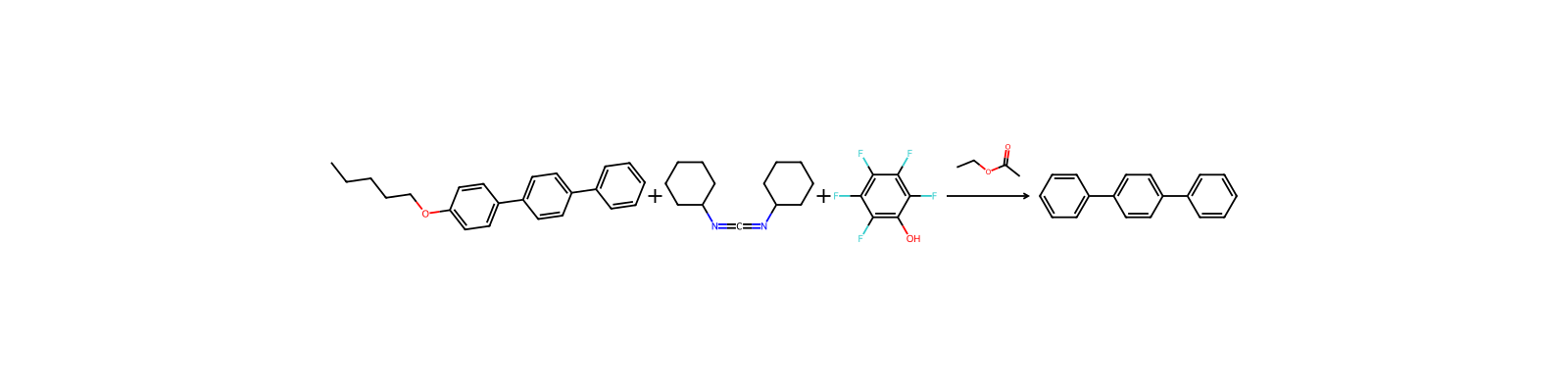
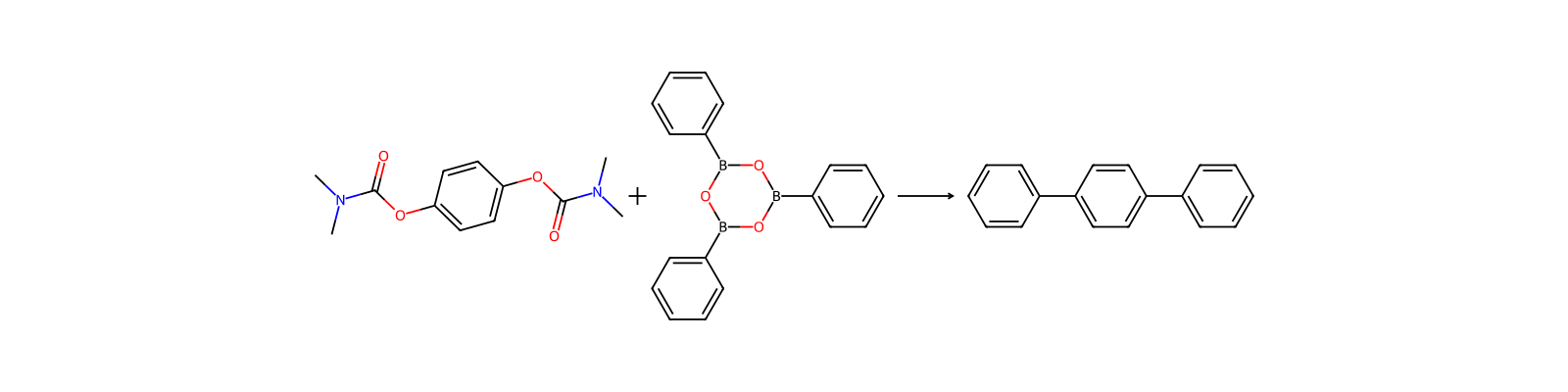
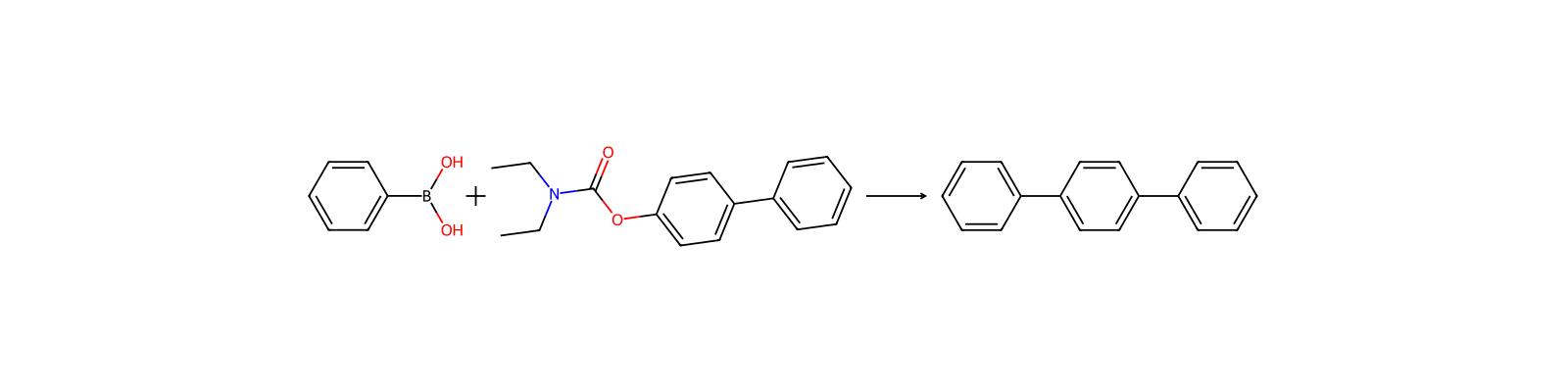
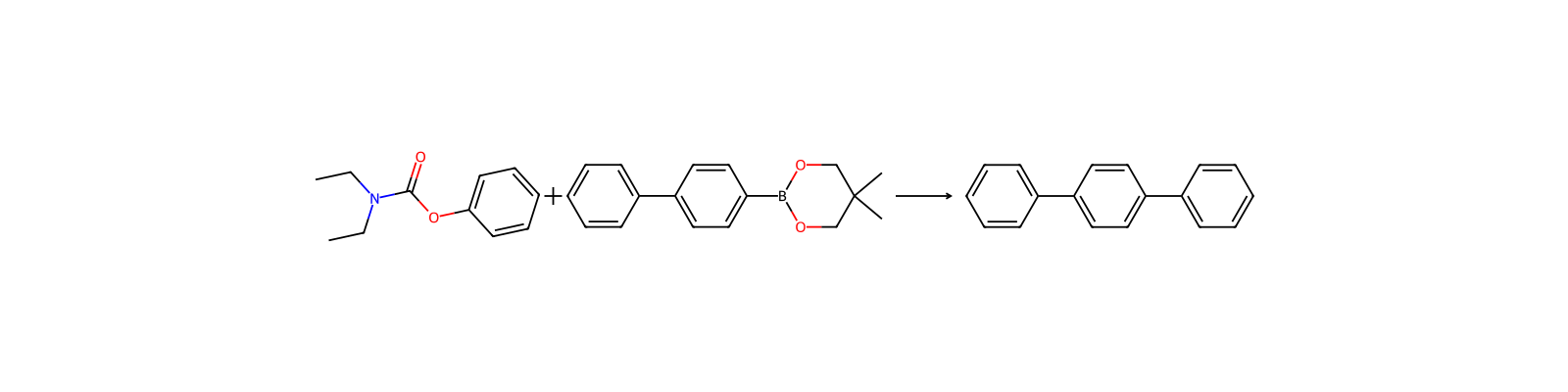
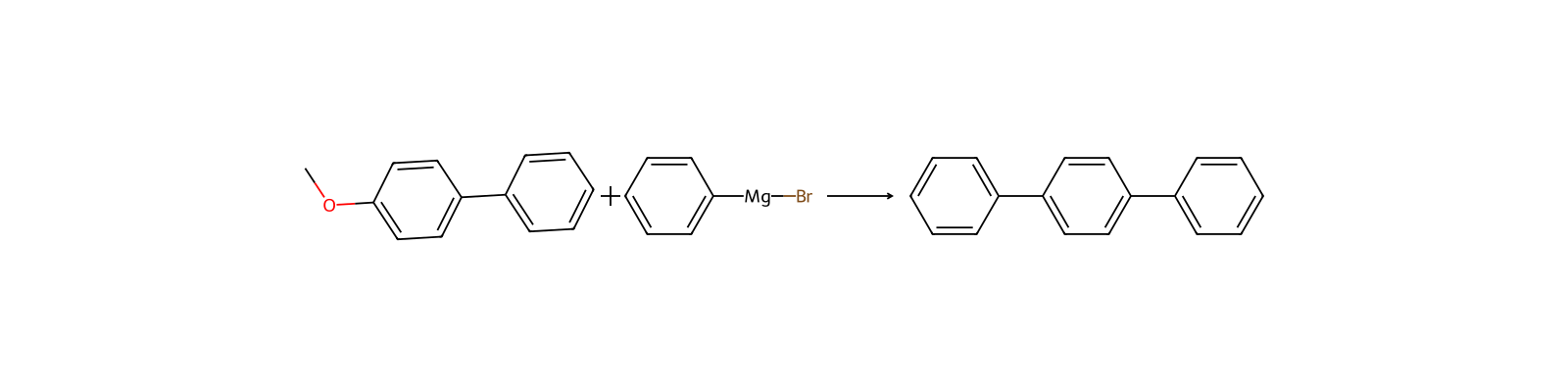
FROM PARA-DIBROMOBENZENE OR BROMOBENZENE & SODIUM. METHOD OF PURIFICATION: ZONE-MELTING.
Terphenyls are byproducts in the production of biphenyl by dehydrocondensation of benzene; they are found in the high-boiling fraction of the pyrolysis products. The o-derivative is readily separated from the terphenyl isomer mixture by distillation; m- and p-terphenyl distill together and the pure isomers can be obtained by zone refining.
Formulations/Preparations
USUALLY AVAIL AS MIXTURE OF...ISOMERS O-, M- & P-... SANTOWAX OM IS 64% O-TERPHENYL, 25% M-TERPHENYL, 6% P-TERPHENYL & 5% DIPHENYL. /SANTOWAX OM/
GRADES: TECHNICAL; SCINTILLATION
Santowax OM is composed of 64% o-terphenyl, 25% m-terphenyl, 6% p-terphenyl, and 5% diphenyl. A mixture of terphenyls, marketed as a heat-transfer medium in the late 1970s was composed of approximately 2-10% ortho-, 45-49% meta-, and 25-35% para-terphenyl with trace amounts of diphenyl, plus higher polyphenyls normally in the 2-18% range.
General Manufacturing Information1,1':4',1''-Terphenyl: ACTIVE
응용 분야
개요p-Terphenyl(PTP) is an aromatic hydrocarbon isomer, formed by three benzene rings in ortho position. Pure terphenyl is a white crystalline solid, insoluble in water. Though polychlorinated terphenyls were used as heat storage and transfer agents, p-terphenyl is currently under investigation as a material to be used in opto-electronic devices, such as organic LED devices (OLEDs) and currently used in laser dyes and sunscreen lotions. In particle physics it has been used as a wavelength shifter, exploiting its sensitivity to VUV radiation, to read out scintillation light from liquid Xenon. Pterphenyl has also been used as a doping component for liquid scintillators.So far, p-terphenyl has not been used as main component of particle detectors due to its short Light Attenuation Length. As a matter of fact this property could be exploited when detecting low-energy charged particles in small areas, providing both energy and position measurement.
용도p-Terphenyl is a specialty material, and may be used in ionized radiation detectors, nonpolar laser dye, and single molecule optical probe of scanning near-field microscopy.
일반 설명White or light-yellow needles or leaves. Mp: 212-213°C; bp 376°C. Density: 1.23 g cm-3. Insoluble in water. Soluble in hot benzene. Very soluble in hot ethyl alcohol. Usually shipped as a solid mixture with its isomers o-terphenyl and m-terphenyl that is used as a heat-transfer fluid.
상·하류 제품 정보
상류 원료
하류 제품
공급사50 곳
国药集团化学试剂有限公司86-21-63210123 · [email protected]
梯希爱(上海)化成工业发展有限公司021-67121386 · [email protected]
上海阿拉丁生化科技股份有限公司400-6206333 13167063860 · [email protected]
INTATRADE GmbH+49 3493/605464 · [email protected]
北京安司莫森技术有限公司010-82954736 13391601435 · [email protected]
科瑞迪化学400-821-5857 021-64326257 · [email protected]
Syntechem Co.,Ltd[email protected]
上海迈瑞尔生化科技有限公司4006356688 18621169109 · [email protected]
阿法埃莎(中国)化学有限公司400-6106006 · [email protected]
太原市瑞和丰科贸有限公司+86 351 7031519 · [email protected]
安耐吉化学&3A(安徽泽升科技股份有限公司)400-0056266 · [email protected]
北京绿百草科技发展有限公司010-61136123 · [email protected]
上海相辉医药科技有限公司13761987713 · [email protected]
Pure Chemistry Scientific Inc.001-857-928-2050 or 1-888-588-9418 · [email protected]
合肥天健化工有限公司551-65418679 15856988503;15837135945 · [email protected]
上海比阳实业有限公司+86-15021878111 · [email protected]
武汉丰泰威远科技有限公司027-87465837 19945049750 · [email protected]
上海三牧化工技术有限公司021-38681880 13817889927
山东西亚化学有限公司13355009207 13355009207 · [email protected]
玛雅试剂+86 (573) 82222445 (0)18006601000 452520369 · [email protected]
四川库利南科技有限公司400-1166-196 18981987031 · [email protected]
天津希恩思生化科技有限公司400 638 7771 · [email protected]
斯百全化学(上海)有限公司021-021-021-67601398-809-809-809 15221380277 · [email protected]
艾科试剂4008-755-333 18080918076 · [email protected]
上海思域化工科技有限公司86-21-34053660 · [email protected]
赛默飞世尔科技(中国)有限公司800-810-5118 · [email protected]
北京伊诺凯科技有限公司400-810-7969 010-59572699 · [email protected]
TOKYO CHEMICAL INDUSTRY CO., LTD.03-36680489 · [email protected]
上海贤鼎生物科技有限公司4009209199 · [email protected]
合肥恩立医药科技有限公司0551-66399836 18955197623 · [email protected]
上海将来实业股份有限公司021-61552785 · [email protected]
安徽科迪达化工有限公司0554-2106669 · [email protected]
HBCChem, Inc.+1-510-219-6317 · [email protected]
上海笛柏生物科技有限公司400-008-9730,021-54359730 400-008-9730 · [email protected]
日照力德士化工有限公司010-51268198 · [email protected]
美岚实业(上海)有限公司021-58958189 · [email protected]
上海石洋化工有限公司021-56795766 · [email protected]
上海爱蝶实业有限公司021-58957966 18930537195 · [email protected]
成都零六生物科技有限公司400-1166-196 13458535857 · [email protected]
广拓化学(上海)有限公司021-60899189-8001 18918189673 · [email protected]
上海御略医药科技有限公司021-60345187 13671753212 · [email protected]
上海麦克林生化科技股份有限公司15221275939 15221275939 · [email protected]
上海乾劲化工科技有限公司021-20900665 17321230821 · [email protected]
杭州杰恒化工有限公司0571-87396432 · [email protected]
上海有朋化工有限公司021-69005955 13701776567 · [email protected]
北京海力扬化学科技有限公司13718199399 · [email protected]
北京欣赛维化学科技有限公司010-56218822 13717722232 · [email protected]
四川海诺威科技有限公司13708085536 13708085536 · [email protected]
上海凯赛化工有限公司021-33516722 13701817765 · [email protected]
上海彤源化工有限公司021-021-69182866 13701855675 · [email protected]
추가 설명
정의Most of the natural terphenyls are p-terphenyls which consist of a C-18 tricyclic or polycyclic C-18 aromatic skeleton. The chemical investigation of p-terphenyls as one class of the pigments of mushrooms was traced back to 1877. So far, most natural p-terphenyl derivatives have been isolated from basidiomycete macrofungi, while few of them have been reported from endolithic fungi, actinomycetes, and moss. These types of compounds were found to have a broad spectrum of biological effects including immunosuppressive, antioxidative, neuroprotective, antimicrobial, and cytotoxic activities. The fact that some popular edible mushrooms such as Thelephora aurantiotincta, T. ganbajun, and Sarcodon leucopus are rich in p-terphenyls supports the usage of this class of natural products as food supplements to improve human health[1-2].
정의ChEBI: p-Terphenyl is a para-terphenyl that consists of benzene attached to two phenyl units at positions 1 and 4 respectively.
관련 반응
13건


연결된 노트
불러오는 중…