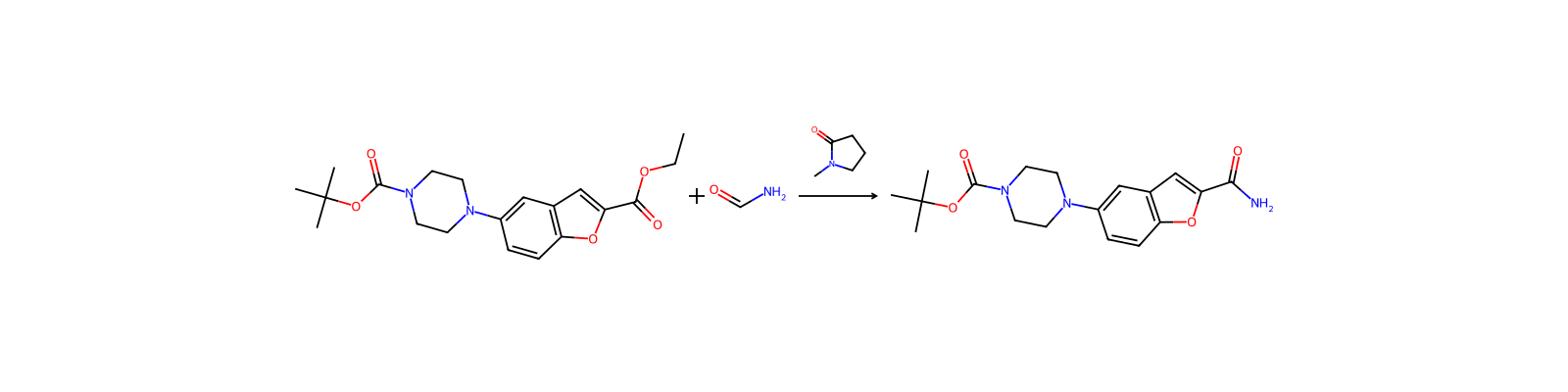
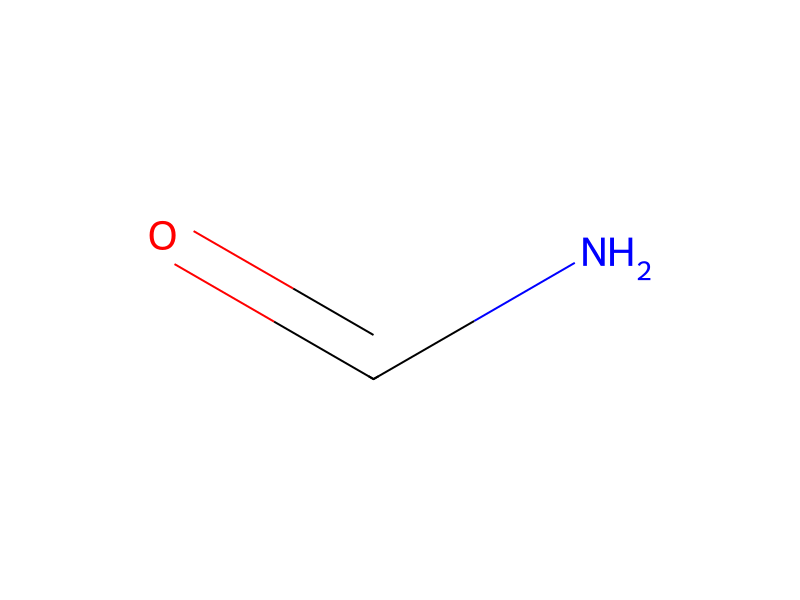
기본 정보
- 표준 SMILES
NC=O- InChIKey
ZHNUHDYFZUAESO-UHFFFAOYSA-N- 분자식
- CH3NO
- 평균 분자량
- 45.041 g/mol
- 단동위원소 질량
- 45.02146372
개요
Formamide appears as a colorless liquid with a faint odor of ammonia. Denser than water. Freezing point 36 °F. (USCG, 1999)
이름 및 식별자
- 우선 이름
- Formamide
- IUPAC
- formamide
- 영어명
- Formamide
- 분자식
- CH3NO
- 분자량
- 45.04
이름 및 동의어
formamide75-12-7MethanamidecarbamaldehydeFormimidic acidFormic acid, amideMethanoic acid, amideDTXSID8025337Amid kyseliny mravenciNSC-7484781T907ZSDTXCID805337
이름 더 보기
CHEBI:16397CHEBI:48431RefChem:5841200-842-0Methanimidic acidformamidCH3NOAmid kyseliny mravenci [Czech]
데이터베이스 식별자
- CAS
75-12-7- PubChem CID
- 713
- DTXSID
DTXSID8025337- ChEMBL
CHEMBL266160- ChEBI
CHEBI:16397- UNII
- 4781T907ZS
- EC Number
- 200-842-0
- Nikkaji
- J1.941K
물성
구조 계산 물성
- XLogP
- -0.8
- 극성 표면적
- 43.1 Ų
- 수소 결합 공여자 수
- 1
- 수소 결합 수용자 수
- 1
- 회전 가능 결합 수
- 0
- 무거운 원자 수
- 3
- 형식 전하
- 0
- 복잡도
- 12.3
실험 및 물리화학적 성질
SolventsSolvents -> Amides (<C10)
pH7.1 (0.5 molar aqueous soln)
LogP
log Kow= -1.51
-1.51
-1.51
Odor
Faint ammonia odor
Odorless
Density
1.1334 at 68 °F (USCG, 1999) - Denser than water; will sink
1.1334 @ 20 °C/4 °C
Relative density (water = 1): 1.13
1.13
1.134 @ 20°C
1.13
ViscositynX10+5 @ 20 °C= 4320; @ 30 °C= 2926
Color/Form
Slightly viscous, colorless liquid
Oily liquid
Solubility
greater than or equal to 100 mg/mL at 66 °F (NTP, 1992)
Sol in alcohol and acetone
Miscible with methanol, phenol, dioxane, acetic acid, ethylene glycol, USP glycerol.
Insoluble in ethanol; very soluble in ethyl ether; miscible in chloroform, petroleum ether.
In water, 1.0X10+6 mg/l @ 25 °C.
1000.0 mg/mL
CorrosivityCopper, brass and even lead are attacked.
Flash Point
310 °F (NTP, 1992)
310 °F
310 °F (OPEN CUP)
120 °C c.c.
310 °F (open-cup)
(oc) 310 °F
Endocrine DisruptorsPotential endocrine disrupting compound
Boiling Point
410 °F at 760 mmHg (decomposes) (NTP, 1992)
210.5 °C @ 760 mm Hg
BP: 200-212 °C with partial decomposition beginning approximately 180 °C
411 °F (decomposes)
220 °C @760 [mm Hg]
411 °F (Decomposes)
물리화학적 성질
- 녹는점
- 2.55 °C · 2.55 °C
- 끓는 점
- 210.5 °C · 210.5 °C
- 밀도
- 1.1334 g/cm3 · 1.1334 g/cm3
- 산도 계수 (pKa)
- 16.5 · 16.50±0.50(Predicted)
안전 및 규제
GHS 분류
GHS Classification
Danger
H360D ***: May damage the unborn child [Danger Reproductive toxicity]
P203, P280, P318, P405, and P501 (click each P-code to see the statement)
This chemical does not meet GHS hazard criteria for 0.3% (1 of 388) of reports.
Danger
H351 (52.1%): Suspected of causing cancer [Warning Carcinogenicity]
유해성 정보
Regulatory Information
Chemical: Formamide
Hazard Traits - Reproductive Toxicity
Regulation (EC) No 1831/2003 (amended)
Formamide is listed on the EPA's Chemical Data Reporting (CDR) system. Manufacturers and importers of Formamide are required to report information about their production and use of this chemical to the EPA under the Toxic Substances Control Act (TSCA). (40 eCFR Part 711)
Status: Active Update: 23-08-2022 https://echa.europa.eu/registration-dossier/-/registered-dossier/14929
Substance: Formamide
Other Safety InformationIMAP assessments - Formamide: Environment tier I assessment
Fire Hazards
Special Hazards of Combustion Products: Toxic fumes emitted on decomposition (carbon monoxide and ammonia), beginning at 180 - 210 °C.
Combustible. Gives off irritating or toxic fumes (or gases) in a fire.
Fire PotentialCombustible when exposed to heat or flame.
Health HazardsINHALATION: A moderate irritant to mucous membranes. EYES: Moderately irritating to the eyes. SKIN: A mild to moderate irritant to the skin. (USCG, 1999)
Hazards Summary
Subchronic studies of rats exposed at 1500 ppm show decreased weight gain, kidney injury, and suppression of platelets and lymphocytes. By analogy with dimethylformamide, formamide is a suspected liver toxin. No signs of toxicity were detected in rats exposed 6 hours/day for 10 days at approximately 100 ppm of formamide vapor (equivalent to air saturated with formamide at room temperature). [ACGIH] A skin and eye irritant; Inhalation of high concentrations may cause CNS effects; [ICSC]
FDA RequirementsFormamide is an indirect food additive for use only as a component of adhesives.
Reactive GroupAmides and Imides
EC ClassificationSymbol: T; R: 61; S: 53-45
TSCA Requirements
Pursuant to section 8(d) of TSCA, EPA promulgated a model Health and Safety Data Reporting Rule. The section 8(d) model rule requires manufacturers, importers, and processors of listed chemical substances and mixtures to submit to EPA copies and lists of unpublished health and safety studies. Formamide is included on this list.
Section 8(a) of TSCA requires manufacturers of this chemical substance to report preliminary assessment information concerned with production, use, and exposure to EPA as cited in the preamble of the 51 FR 41329.
OSHA StandardsVacated 1989 OSHA PEL TWA 20 ppm (30 mg/cu m); STEL 30 ppm (45 mg/cu m), is still enforced in some states.
Reactivity Profile
FORMAMIDE is incompatible with strong oxidizers, acids and bases. Sensitive to light. Reacts with water very slowly at room temperature, but rate is accelerated by acids and bases at elevated temperatures. Incompatible with iodine, pyridine and sulfur trioxide. Reacts explosively with furfuryl alcohol, H2O2, Tl(NO3)3.H2O, nitromethane and P2O5. An effective solvent: dissolves casein, glucose, tannins, starch, lignin, polyvinyl alcohol, cellulose acetate, nylon, the chlorides of copper, lead, zinc, tin, cobalt, iron, aluminum and nickel, the acetates of the alkali metals, some inorganic sulfates and nitrates. Attacks copper and brass (NTP, 1992).
안전 및 보호
Fire Fighting
Fire Extinguishing Agents: Dry chemical, water, alcohol foam, or carbon dioxide. (USCG, 1999)
Use water spray, alcohol-resistant foam, powder, carbon dioxide.
First Aid Measures
Fresh air, rest. Refer for medical attention.
Remove contaminated clothes. Rinse skin with plenty of water or shower.
Rinse with plenty of water for several minutes (remove contact lenses if easily possible).
Rinse mouth. Refer for medical attention .
First Aid
EYES: First check the victim for contact lenses and remove if present. Flush victim's eyes with water or normal saline solution for 20 to 30 minutes while simultaneously calling a hospital or poison control center. Do not put any ointments, oils, or medication in the victim's eyes without specific instructions from a physician. IMMEDIATELY transport the victim after flushing eyes to a hospital even if no symptoms (such as redness or irritation) develop.
(General first aid procedures)
Safe StorageSeparated from oxidants, acids and bases. Dry.
Storage ConditionsFor storage ... tanks of stainless steel or aluminum are indicated. When small amounts of iron are permissible, mild steel can be used for tank cars and drums. Caffeine, adenine and other purines stabilize formamide in storage ...
Nonfire Spill Response
SMALL SPILLS AND LEAKAGE: If you should spill this chemical, use absorbent paper to pick up all liquid spill material. Seal the absorbent paper, as well as any of your clothing which may be contaminated, in a vapor-tight plastic bag for eventual disposal. Wash any surfaces you may have contaminated with a soap and water solution. Do not reenter the contaminated area until the Safety Officer (or other responsible person) has verified that the area has been properly cleaned.
Disposal Methods
SRP: At the time of review, criteria for land treatment or burial (sanitary landfill) disposal practices are subject to significant revision. Prior to implementing land disposal of waste residue (including waste sludge), consult with environmental regulatory agencies for guidance on acceptable disposal practices.
The following wastewater treatment technologies have been investigated for formamide: Concentration process: Biological treatment.
Spillage Disposal
Personal protection: filter respirator for organic gases and vapours adapted to the airborne concentration of the substance. Collect leaking and spilled liquid in sealable containers as far as possible. Absorb remaining liquid in dry sand or inert absorbent. Store and dispose of according to local regulations.
Preventive Measures
Women of childbearing potential should handle this substance only in a hood and should take precautions to avoid skin contact with the liquid because of the ease with which it passes through the skin.
SRP: Contaminated protective clothing should be segregated in such a manner so that there is no direct personal contact by personnel who handle, dispose, or clean the clothing. Quality assurance to ascertain the completeness of the cleaning procedures should be implemented before the decontaminated protective clothing is returned for reuse by the workers. Contaminated clothing should not be taken home at end of shift, but should remain at employee's place of work for cleaning.
SRP: The scientific literature for the use of contact lenses in industry is conflicting. The benefit or detrimental effects of wearing contact lenses depend not only upon the substance, but also on factors including the form of the substance, characteristics and duration of the exposure, the uses of other eye protection equipment, and the hygiene of the lenses. However, there may be individual substances whose irritating or corrosive properties are such that the wearing of contact lenses would be harmful to the eye. In those specific cases, contact lenses should not be worn. In any event, the usual eye protection equipment should be worn even when contact lenses are in place.
Eye PreventionWear face shield.
Fire PreventionNO open flames. See Chemical Dangers.
Inhalation RiskA harmful contamination of the air will not or will only very slowly be reached on evaporation of this substance at 20 °C.
독성 정보
Body BurdenFormamide, a physiological product of N,N-dimethylformamide, was detected in the urine of synthetic leather factory workers(1). Urinary concns ranged from 7-69 mg/l for workers exposed to N,N-dimethylformamide in the workplace(1).
Interactions
FORMAMIDE (3 G/KG IV) HAD LITTLE EFFECT ON CAROTID SINUS REFLEX OR ON HYPERTENSION INDUCED BY EXOGENOUS CATECHOLAMINES, BUT FORMAMIDE DECR HYPERTENSION INDUCED BY INDIRECTLY ACTING AMINES TYRAMINE AND EPHEDRINE.
FORMAMIDE, WHEN ADMIN IP TO MICE IN SUBLETHAL DOSES (3.2, 0.77, 2, 1.2, AND 0.75 G/KG), LENGTHENED /CNS DEPRESSION/ ... INDUCED BY 100 MG HEXOBARBITAL, 350 MG CHLORAL, OR 1.4 G URETHANE/KG.
Target OrgansEyes, skin, respiratory system, central nervous system, reproductive system
Environmental Fate
TERRESTRIAL FATE: Based on a classification scheme(1), a Koc value of 3.6(2), indicates that formamide is expected to have very high mobility in soil(SRC). Volatilization of formamide from moist soil surfaces is not expected to be an important fate process(SRC) given an estimated Henry's Law constant of 1.4X10⁻⁹ atm-cu m/mole(SRC), derived from its vapor pressure, 6.1X10⁻² mm Hg(3), and water solubility, 1.0X10+6 mg/l(4). Formamide is not expected to volatilize from dry soil surfaces(SRC) based upon a vapor pressure of 6.1X10⁻² mm Hg(3). Several biodegradation screening studies have observed significant biodegradation of formamide(5-8); although these screening studies are not specific to soil media, they suggest that biodegradation in soil may be important(SRC).
AQUATIC FATE: Based on a classification scheme(1), a Koc value of 3.6(2), indicates that formamide is not expected to adsorb to suspended solids and sediment(SRC). Volatilization from water surfaces is not expected(3) based upon an estimated Henry's Law constant of 1.4X10⁻⁹ atm-cu m/mole(SRC), derived from its vapor pressure, 6.1X10⁻² mm Hg(4), and water solubility, 1.0X10+6 mg/l(5). According to a classification scheme(6), an estimated BCF of 3(SRC), from a log Kow of -1.51(7) and a regression-derived equation(8), suggests the potential for bioconcentration in aquatic organisms is low(SRC). Formamide is hydrolyzed very slowly at room temperature; the rate of hydrolysis increases rapidly in the presence of acid or bases and is further accelerated at elevated temperature(9). Biodegradation is an important fate process in water based on its biodegradability in aqueous screening tests(10-13).
ATMOSPHERIC FATE: According to a model of gas/particle partitioning of semivolatile organic compounds in the atmosphere(1), formamide, which has a vapor pressure of 6.1X10⁻² mm Hg at 25 °C(2), is expected to exist solely as a vapor in the ambient atmosphere(SRC). Vapor-phase formamide is degraded in the atmosphere by reaction with photochemically-produced hydroxyl radicals(SRC); the half-life for this reaction in air is estimated to be 8 days(SRC), calculated from its rate constant of 2.0X10⁻¹² cu cm/molecule-sec at 25 °C(SRC) determined using a structure estimation method(3).
Adverse EffectsNeurotoxin - Acute solvent syndrome
Exposure Routes
The substance can be absorbed into the body by inhalation of its vapour, through the skin and by ingestion.
inhalation, ingestion, skin and/or eye contact
Signs and Symptoms
Drowsiness. Headache. Nausea. Diarrhoea.
Redness.
Redness.
See Inhalation.
irritation eyes, skin, mucous membrane; drowsiness, lassitude (weakness, exhaustion); nausea; acidosis; skin eruptions; In Animals: reproductive effects
Ongoing Test Status
The following link will take the user to the National Toxicology Program (NTP) Test Agent Search Results page, which tabulates all of the "Standard Toxicology & Carcinogenesis Studies", "Developmental Studies", and "Genetic Toxicity Studies" performed with this chemical. Clicking on the "Testing Status" link will take the user to the status (i.e., in review, in progress, in preparation, on test, completed, etc.) and results of all the studies that the NTP has done on this chemical. [http://ntp-apps.niehs.nih.gov/ntp_tox/index.cfm?fuseaction=ntpsearch.searchresults&searchterm=75-12-7]
Effluent ConcentrationsFormamide has been detected in wastewater from a polyamide production plant(1). Formamide was detected at 2.0 mg/l in gas condensate retort water in oil-shale retort, but was not detected in the processed retort water(2).
Soil Adsorption/MobilityThe Koc of formamide is 3.6(1). According to a classification scheme(2), this Koc value suggests that formamide is expected to have very high mobility in soil(SRC).
TSCA Test Submissions
Formamide was applied dermally to Wistar rats in a range finding study designed to determine the dosage levels for a 90 day dermal toxicity study. Groups of 10 rats (5 male and 5 female) received 0,100,300,1000 or 3,000 mg/kg formamide (>99.5% purity) applied as an occluded dose 1X daily, 5 days a week for 2 weeks. Data were collected concerning body weights, food consumption, hematology (CBC and differential platelet, reticulocyte count) and gross necropsy (with special attention to spleen and testes). All treatment groups showed decreased body weight gain. No other toxic effects of formamide were found at any concentration up to 3000 mg/kg. An elevated reticulocyte count was observed in the high dose group which may have reflected an anemic condition. No clinical signs or behavioral abnormalities were detected.
Human Toxicity Excerpts
Moderately irritating to skin, mucous membranes.
An irritant to skin, eyes, and mucous membranes.
규제 정보
FDA RequirementsFormamide is an indirect food additive for use only as a component of adhesives.
TSCA Requirements
Pursuant to section 8(d) of TSCA, EPA promulgated a model Health and Safety Data Reporting Rule. The section 8(d) model rule requires manufacturers, importers, and processors of listed chemical substances and mixtures to submit to EPA copies and lists of unpublished health and safety studies. Formamide is included on this list.
Section 8(a) of TSCA requires manufacturers of this chemical substance to report preliminary assessment information concerned with production, use, and exposure to EPA as cited in the preamble of the 51 FR 41329.
Atmospheric Standards
This action promulgates standards of performance for equipment leaks of Volatile Organic Compounds (VOC) in the Synthetic Organic Chemical Manufacturing Industry (SOCMI). The intended effect of these standards is to require all newly constructed, modified, and reconstructed SOCMI process units to use the best demonstrated system of continuous emission reduction for equipment leaks of VOC, considering costs, non air quality health and environmental impact and energy requirements. Formamide is produced, as an intermediate or a final product, by process units covered under this subpart.
안전 데이터
- 신호 어
- Danger
- 유해·위험 문구
- 암호 유해·위험 문구 위험 등급 범주 신호 어 그림 문자 P- 코드 H351
화학 및 산업
약리 정보
Metabolism/Metabolites
THERE APPEARS TO BE GOOD EVIDENCE FOR HYDROLYSIS /OF ALIPHATIC CARBOXYLIC AMIDES/ ... THE SITE OF HYDROLYSIS IS PROBABLY LIVER, WHERE THERE ARE RELATIVELY NONSPECIFIC AMIDASES. RATE OF HYDROLYSIS INCREASES RAPIDLY AS MOLECULAR WT INCREASES ... /EXCEPT/ ACETAMIDE WAS HYDROLYZED MORE SLOWLY THAN FORMAMIDE ... .
RELATIVE LACK OF IRRITANT EFFECTS /OF SIMPLE CARBOXYLIC AMIDES/ ON SKIN & MUCOUS MEMBRANES INDICATES THAT HYDROLYSIS IS PROBABLY NOT OCCURRING THERE TO ANY EXTENT, OTHERWISE LOWER MOLECULAR WT ACIDS PRODUCED WOULD CAUSE LOCAL DAMAGE.
It is known that dimethylformamide is metabolized in man by sequential N-demethylation to methylformamide & formamide, which are largely eliminated in the urine.
In a study ... the hypothesis was tested that formamide undergoes metabolic hydrolysis in rabbits. Acidic substances were titrated after extraction by ether, before & after hydrolysis of urine samples. The ether-soluble acid determined in hydrolyzed urine was assumed to reflect the amount of formamide excreted unchanged. The difference between the amount of amide admin & the total amount excreted unchanged was considered to represent amide which was metabolically hydrolyzed. After admin of 2-4 g/rabbit orally, 39% of the dose was recovered unchanged using this method.
Absorption, Distribution and Excretion
FORMAMIDE IS ABSORBED DIRECTLY THROUGH GUINEA PIG SKIN ... .
After admin of 2-4 g/rabbit orally, 39% of the dose was recovered unchanged ... .
Tissue LocationsAdrenal Gland
Cellular LocationsCytoplasm
용도 및 제조
Uses
Used as a chemical intermediate and ionizing solvent; also used as a softener for glues, gums, and paper; [ACGIH]
Pulp and Paper Processing [Category: Industry]
Manufacture of formic esters and hydrocyanic acid by catalytic dehydration.
Intermediate in organic synthesis.
Softener for paper, animal glues, water soluble glues.
Important intermediate in the chemical industry; used for producing heterocyclic compounds, pharmaceuticals, crop protection agents, fungicides, and pesticides; used as a solvent in the manufacture and processing of plastics; to produce formic acid; used to remove coating from copper conductors; used in the spinning of acrylonitrile copolymers; employed in the antistatic finishing of plastics or formation of conductive coatings on plastic particles.
ImpuritiesMethanol, 0.1%; ammonium formate, 0.1%; water, 0.1%; iron, 0.0001%
U.S. Production
2023: 50,000 - <250,000 lb
(1972) PROBABLY GREATER THAN 4.54X10+5 G
(1975) PROBABLY GREATER THAN 4.54X10+5 G
Industry UsesIntermediate
Methods of Manufacturing
Prepared on large scale from carbon monoxide and ammonia at high pressure and temp: Meyer, Orthner, Ber 54, 1705 (1921); 55, 857 (1922); Meyer, German patents 390,798 (1924); 392,409 (1924); 414,257 (1925 to BASF); Weitzel, Herbst, US patent 1,843,434 (1932 to IG Farben).
Interaction of ethyl formate and ammonia with subsequent distillation.
General Manufacturing Information
All Other Basic Organic Chemical Manufacturing
Formamide: ACTIVE
공급사50 곳
国药集团化学试剂有限公司86-21-63210123 · [email protected]
北京华美互利生物化工010-56205725 · [email protected]
梯希爱(上海)化成工业发展有限公司021-67121386 · [email protected]
上海阿拉丁生化科技股份有限公司400-6206333 13167063860 · [email protected]
上海麦克林生化科技股份有限公司021-50706066 15221275939 · [email protected]
上海炎泽化工有限公司15345144255 19975051755 · [email protected]
上海如吉生物科技发展有限公司+86-21-65211385-8001 36031160 · [email protected]
上海迈瑞尔生化科技有限公司4006356688 18621169109 · [email protected]
大连美仑生物技术有限公司0411-62910999 13889544652 · [email protected]
阿法埃莎(中国)化学有限公司400-6106006 · [email protected]
太原市瑞和丰科贸有限公司+86 351 7031519 · [email protected]
安耐吉化学&3A(安徽泽升科技股份有限公司)400-0056266 · [email protected]
北京绿百草科技发展有限公司010-61136123 · [email protected]
上海瀚鸿科技股份有限公司021-54306202 13764082696 · [email protected]
上海景颜化工科技有限公司13817811078 · [email protected]
嘉兴市艾森化工有限公司0573-85285100 18627885956 · [email protected]
上海泰坦科技股份有限公司400-6009262 15618770481 · [email protected]
合肥天健化工有限公司551-65418679 15856988503;15837135945 · [email protected]
南京蓝白化工有限公司025-85499326 15366059326;13813836665 · [email protected]
上海忆嵘生物科技有限公司18049974220 · [email protected]
湖北成海化工有限公司027-59220433 18327245847 · [email protected]
玛雅试剂+86 (573) 82222445 (0)18006601000 452520369 · [email protected]
四川库利南科技有限公司400-1166-196 18981987031 · [email protected]
湖南汇百侍生物科技有限公司0731-85526065 13308475853 · [email protected]
斯百全化学(上海)有限公司021-021-021-67601398-809-809-809 15221380277 · [email protected]
艾科试剂4008-755-333 18080918076 · [email protected]
上海思域化工科技有限公司86-21-34053660 · [email protected]
赛默飞世尔科技(中国)有限公司800-810-5118 · [email protected]
上海健超生物科技有限公司150-2103-5486 18017383231 · [email protected]
TCI AMERICA800-4238616 · [email protected]
TOKYO CHEMICAL INDUSTRY CO., LTD.03-36680489 · [email protected]
TCI Europe320-37350700 · [email protected]
深圳振强药物研发有限公司0755-66853366 13670046396 · [email protected]
北京环宇世纪化学科技有限公司hysj_bj.com
上海湄水化工科技有限公司021-60549325 18616193163
上海将来实业股份有限公司021-61552785 · [email protected]
HBCChem, Inc.+1-510-219-6317 · [email protected]
日照力德士化工有限公司010-51268198 · [email protected]
美岚实业(上海)有限公司021-58958189 · [email protected]
上海爱蝶实业有限公司021-58957966 18930537195 · [email protected]
成都零六生物科技有限公司400-1166-196 13458535857 · [email protected]
雷丁试剂0510-85629785 18013409632 · [email protected]
杭州杰恒化工有限公司0571-87396432 · [email protected]
上海永叶生物科技有限公司86-021-61559134 15921386130 · [email protected]
深圳利斯康医药科技有限公司0755-89396905 · [email protected]
上海有朋化工有限公司021-69005955 13701776567 · [email protected]
北京海力扬化学科技有限公司13718199399 · [email protected]
四川海诺威科技有限公司13708085536 13708085536 · [email protected]
上海凯赛化工有限公司021-33516722 13701817765 · [email protected]
上海彤源化工有限公司021-021-69182866 13701855675 · [email protected]
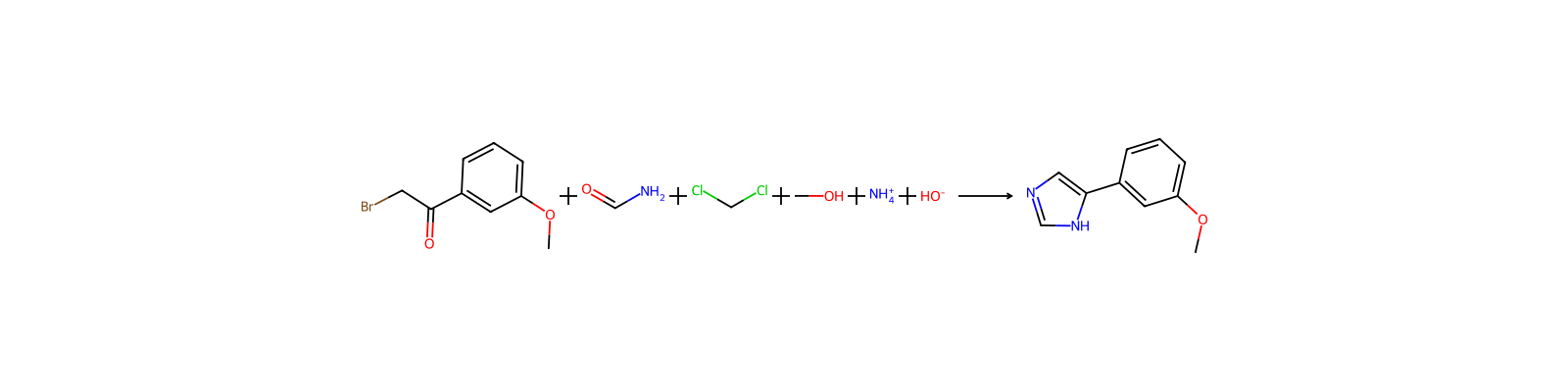
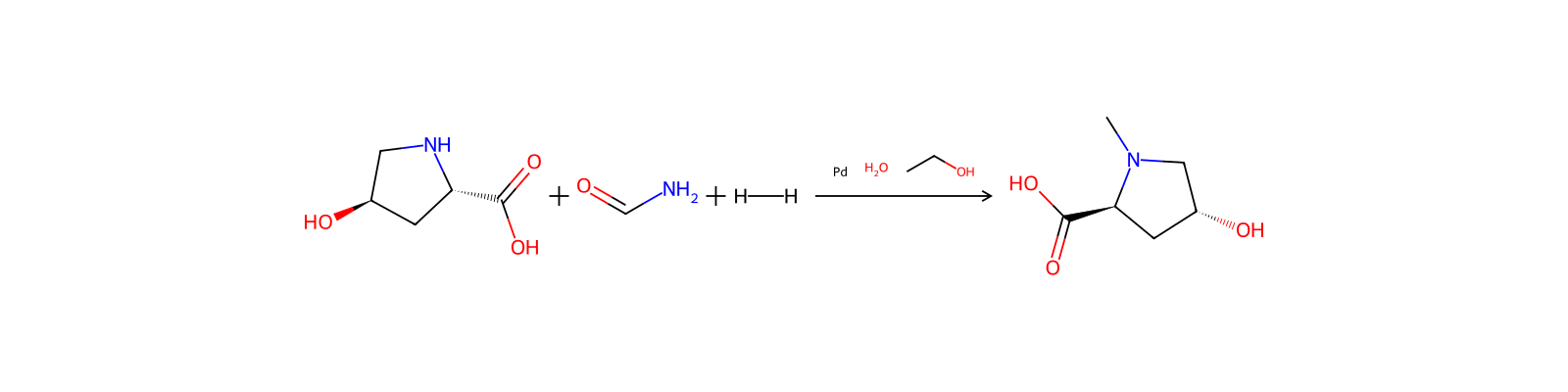
관련 반응
1,318건




연결된 노트
불러오는 중…