홈MCP워크벤치Skills
홈워크벤치알림마이페이지
llms.txt · MCP 가이드개인정보처리방침 · 이용약관 · 지원v1.8.0
  1. 홈
  2. /화합물

퍼퓨릴 알코올

Furfuryl Alcohol
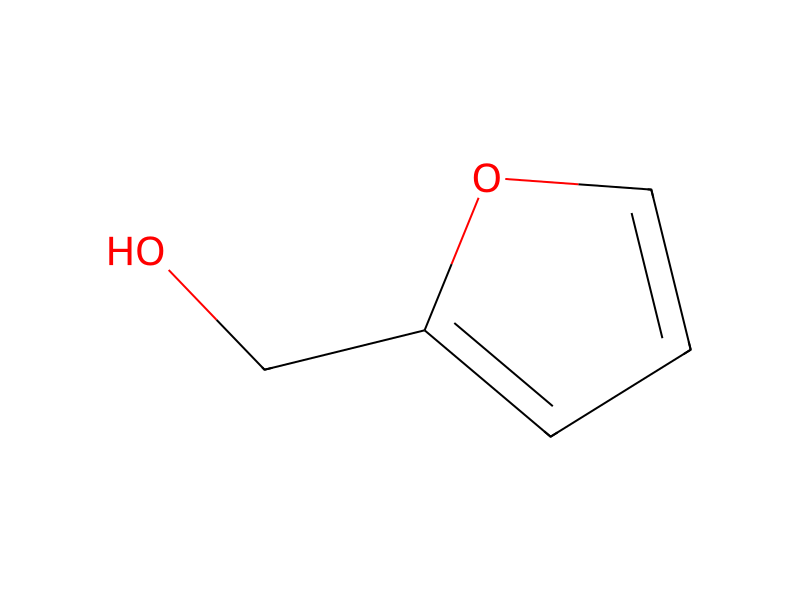
HCID 7361
새 노트새 반응견적 요청하기
인쇄 미리보기
기본 정보개요이름 및 식별자물성안전 및 규제화학 및 산업관련 반응화합물 노트
부분 구조 검색유사 구조 찾기

기본 정보

CAS
98-00-0
표준 SMILES
OCc1ccco1
InChIKey
XPFVYQJUAUNWIW-UHFFFAOYSA-N
분자식
C5H6O2
평균 분자량
98.1 g/mol
단동위원소 질량
98.03677943

개요

Furfuryl Alcohol can cause cancer according to The Environmental Protection Agency (EPA).

이름 및 식별자

우선 이름
Furfuryl Alcohol
IUPAC
furan-2-ylmethanol
현지명
퍼퓨릴 알코올
영어명
Furfuryl alcohol
분자식
C5H6O2
분자량
98.1

이름 및 동의어

FURFURYL ALCOHOL98-00-02-Furanmethanol2-Furylmethanolfuran-2-ylmethanol2-Furancarbinol2-FuranylmethanolFurfural alcohol2-FurylcarbinolFurfuralcohol2-Furfuryl alcoholFurfuranol
이름 더 보기
퍼퓨릴알코올푸르푸릴알코올푸르푸릴알콜2-푸릴메탄올2-하이드록시메틸푸란2-푸란카르비놀2-푸란메탄올2-푸란메탄올푸르푸릴알콜퍼퓨릴 알코올2-(하이드록시메틸)푸란2-푸라닐메탄올2-푸란카비놀2-푸르푸릴 알코올2-푸릴카비놀알파-푸란카비놀알파-푸르푸릴 알코올알파-푸릴카비놀알파-하이드록시메틸푸란푸르푸랄 알코올FAFURANMETHANOLHPFA2-furanemethanolFEMA 2491
Furyl alcohol2-Hydroxymethylfuran5-HydroxymethylfuranFurylcarbinolalpha-Furylcarbinol2-FurfurylalkoholFurfurylcarbMethanol, (2-furyl)-

데이터베이스 식별자

CAS
98-00-0
PubChem CID
7361
DTXSID
DTXSID2025347
ChEMBL
CHEMBL308187
ChEBI
CHEBI:207496
UNII
D582054MUH
EC Number
202-626-1
Nikkaji
J3.578E

물성

구조 계산 물성

XLogP
0.3
극성 표면적
33.4 Ų
수소 결합 공여자 수
1
수소 결합 수용자 수
2
회전 가능 결합 수
1
무거운 원자 수
7
형식 전하
0
복잡도
54

실험 및 물리화학적 성질

Chemical ClassesFlammable agents - 2nd degree
PolymersOther Classes -> Alcohols and Polyols, Other
CosmeticsCosmetics ingredient -> Fragrance; Other (Specify)
SpringerMaterials PropertiesSchoenflies notation
FragrancesFragrance substance (Furfuryl alcohol) -> IFRA amendment 48
LogP · 4건

log Kow= 0.28

0.28

0.28

0.28

OdorFaint burning odor
TasteBitter
Food AdditivesFLAVOR ENHANCER, FLAVORING AGENT OR ADJUVANT -> FDA Substance added to food
Density · 6건

1.13 at 68 °F (USCG, 1999) - Denser than water; will sink

1.1296 g/cu cm at 20 °C

Relative density (water = 1): 1.13

1.126-1.136

1.13

1.1296 @ 20°C

Flavoring Agents

안전 및 규제

안전 정보는 참고용이며, 공급업체의 물질안전보건자료(SDS), 관련 법규 및 전문가 평가를 대체하지 않습니다.

GHS 분류

GHS Classification · 6건

Danger

H302: Harmful if swallowed [Warning Acute toxicity, oral]

P203, P260, P261, P264, P264+P265, P270, P271, P280, P301+P317, P302+P352, P304+P340, P305+P351+P338, P316, P317, P318, P319, P321, P330, P337+P317, P362+P364, P403+P233, P405, and P501 (click each P-code to see the statement)

Danger

H301 (16.6%): Toxic if swallowed [Danger Acute toxicity, oral]

P203, P260, P261, P262, P264, P264+P265, P270, P271, P280, P284, P301+P316, P301+P317, P302+P352, P304+P340, P305+P351+P338, P316, P317, P318, P319, P320, P321, P330, P332+P317, P337+P317, P361+P364, P362+P364, P403+P233, P405, and P501 (click each P-code to see the statement)

유해성 정보

Regulatory Information · 6건

Chemical: 2-Furanmethanol

Hazard Traits - Carcinogenicity

Regulation (EC) No 1831/2003 (amended)

2-Furanmethanol is listed on the EPA's Chemical Data Reporting (CDR) system. Manufacturers and importers of 2-Furanmethanol are required to report information about their production and use of this chemical to the EPA under the Toxic Substances Control Act (TSCA). (40 eCFR Part 711)

Furfuryl Alcohol is listed in the dataset of EPA Human Health Benchmarks for Pesticides under the Safe Drinking Water Act (40 eCFR 141)

REACH registered substance: Furfuryl alcohol (EC: 202-626-1)

Other Safety InformationIMAP assessments - 2-Furanmethanol: Environment tier I assessment
DOT LabelPoison
Fire Hazards · 3건

Excerpt from ERG Guide 153 [Substances - Toxic and/or Corrosive (Combustible)]:

· Combustible material: may burn but does not ignite readily.

Combustible. Above 75 °C explosive vapour/air mixtures may be formed.

Fire PotentialModerate, when exposed to heat; can react with oxidizing materials.

화학 및 산업

약리 정보

Metabolism/Metabolites · 5건

Furfuryl alcohol is oxidized to furoic acid, which is excreted as the glycine conjugate furoyl glycine ... . Furoyl glycine was the major end product in the urine of rats after feeding furfuryl alcohol.

Furfuryl alcohol is first metabolized by oxidation to the aldehyde (furfural) and then to the corresponding acid (furoic acid), followed by decarboxylation to CO2, excreted as the unchanged acid, conjugated with glycine, or condensed with acetic acid. Furoylglycine was identified as the major urinary metabolite in rats after an oral dose of furfuryl alcohol. Furoic acid and furanacrylic acid were also identified as minor metabolites.

Following oral administration of 0.275, 2.75, and 27.5 mg/kg (14)Cfurfuryl alcohol in rats, at least 86 to 89% was absorbed. ... No furfuryl alcohol was identified in the urine. Furoylglycine was the major urinary metabolite (73 to 80% of dose), and furoic acid (1 to 6%) and furanacrylic acid (3 to 8%) were the minor metabolites.

... The major metabolite was furoylglycine and the minor metabolites were furoic-acid and furanacrylic-acid for both FAL and FOL. The extent and rate of excretion of the metabolites were unaffected by dose.

Furfuryl alcohol has known human metabolites that include 2-Sulfoxymethylfuran.

Absorption, Distribution and Excretion · 4건

... /Investigators/ suggest that furfuryl alcohol is distributed equally through most or all of the body water ... though it appears to have a slight predilection for the brain.

When [C14] furfuryl alcohol at doses up to 27.5 mg/kg bw ... were administered to rats by gavage in corn oil, 83-89% of the radiolabel was excreted in the urine and 2-4% in the feces, and 7% was exhaled as C14-carbon dioxide within 24 hours. Residual radiolabel was distributed primarily to the liver and kidneys, the amount generally being proportional to the dose.

The urine appeared to be the major route of elimination /in rats/ (up to 90%), followed by feces (2.0-4.0% and exhaled CO2 (7.0%).

The comparative metabolism and disposition of furfural (FAL) and furfuryl alcohol (FOL) /in male Fisher 344 rats/ were investigated following oral administration of approximately 0.001, 0.01, and 0.1 of the LD50, corresponding to approximately 0.127, 1.15, and 12.5 mg/kg for FAL and 0.275, 2.75, and 27.5 mg/kg for FOL. At all doses studied, at least 86-89% of the dose of FAL or FOL was absorbed from the gastrointestinal tract. FAL and FOL were extensively metabolized prior to excretion. The major route of excretion was in urine, where 83-88% of the dose was excreted, whereas 2-4% was excreted in the feces. Approximately 7% of the dose from rats treated with FAL at 12.5 mg/kg was exhaled as 14CO2. At 72 hr following administration, the pattern of tissue distribution of radioactivity was similar for both FAL and FOL. Liver and kidney contained the highest, and brain the lowest concentrations of radioactivity. Generally, the concentrations of radioactivity in tissues were proportional to the dose. Almost all of the urinary radioactivity was tentatively identified. No FAL or FOL was detected in urine.

관련 반응

150건
반응 기록 만들기
HRID 25891 반응식
HRID 25891반응물로uspto-grants-1979_04
HRID 25907 반응식
HRID 25907반응물로uspto-grants-1979_04
HRID 47015 반응식
HRID 47015생성물로반응물로uspto-grants-1979_11
HRID 65736 반응식
HRID 65736반응물로uspto-grants-1978_12
HRID 67877 반응식
HRID 67877반응물로uspto-grants-1982_08
HRID 67879 반응식
HRID 67879반응물로uspto-grants-1982_08
HRID 73825 반응식
HRID 73825반응물로uspto-grants-2014_09
HRID 105779 반응식
HRID 105779반응물로Training data from https://doi.org/10.1039/C8SC04228D (2/10)
1 / 19 페이지

화합물 노트

불러오는 중…

이 페이지에서기본 정보개요이름 및 식별자물성안전 및 규제화학 및 산업관련 반응화합물 노트
더보기
새 노트새 반응견적 요청하기
EU Flavoring substances
Viscosity · 2건

4.62 mPa at 25 °C

4.09 mm²/s at 25 °C

물리화학적 성질

녹는점
-29 °C · -29 °C (lit.)
끓는 점
170 °C · 170 °C (lit.)
밀도
1.135 g/mL · 1.135 g/mL at 25 °C (lit.)
증기 밀도
3.4 · 3.4 (vs air)
증기압
0.5 mm · 0.5 mm Hg ( 20 °C)
굴절률
20 · n20/D 1.486(lit.)
FEMA
2491 · 2491 | FURFURYL ALCOHOL
인화점
149 °F · 149 °F
저장 조건
30 °C · Store below +30°C.
용해도
알코올: 용해 가능
산도 계수 (pKa)
14.02 · 14.02±0.10(Predicted)
물리적 상태
액체
색상
맑은 노란색
수소이온지수(pH)
6 · 6 (300g/l, H2O, 20℃)
냄새
약간 자극적입니다.
생물학적 소스
synthetic
냄새 유형
빵 같은
Odor Threshold
8 ppm · 8 ppm
폭발한계
1.8 · 1.8-16.3%(V)
수용성
혼용 가능
비열
2.08 J/ · Cp(liquid): 2.08 J/(g·K), at 25℃
Merck
14 · 14,4305
JECFA Number
451 · 451
BRN
106291 · 106291
Henry's Law Constant
1.3 · 1.3×102 mol/(m3Pa) at 25℃, Duchowicz et al. (2020)
주요 응용
청소용품화장품향료 및 향음식 및 음료개인 위생 관리
InChI
1S/C5H6O2/c6-4-5-2-1-3-7-5/h1-3,6H,4H2
InChIKey
XPFVYQJUAUNWIW-UHFFFAOYSA-N
SMILES
OCc1ccco1
LogP
0.3 at · 0.3 at 25℃
표면장력
39.6 mN/m · 39.6mN/m at 293.15K
NIST
2 · 2-Furanmethanol(98-00-0)
EPA
2 · 2-Furanmethanol (98-00-0)

화학적 성질

Furfuryl alcohol has a very mild, warm, oily, “burnt” odor and a cooked sugar taste.

Health Hazards · 2건

Inhalation causes headache, nausea, and irritation of nose and throat. Vapor irritates eyes; liquid causes inflammation and corneal opacity. Contact of skin with liquid causes dryness and irritation. Ingestion causes headache, nausea, and irritation of mouth and stomach. (USCG, 1999)

· TOXIC and/or CORROSIVE; inhalation, ingestion or skin contact with material may cause severe injury or death.

Hazards Summary · 1건

Asthma reported in a foundry mold making worker; [Malo] Furfuryl alcohol causes hypoactivity and respiratory tract lesions in high-dose inhalation studies of rats and mice. It causes liver damage in animals fed 1 mg/day for 60 days. Potential for sensitization, but insufficient data for DSEN or RSEN notations; [ACGIH] A skin, eye, and respiratory tract irritant; [ICSC] Causes lacrimation and defatting of skin; [ICSC]

DOT ID and Guide · 2건

2874 153

2874 153

FDA RequirementsFurfuryl alcohol is an indirect food additive for use only as a component of adhesives.
Reactive GroupAlcohols and Polyols
UN ClassificationUN Hazard Class: 6.1; UN Pack Group: III
Special Reports · 1건

Toxicology & Carcinogenesis Studies of Furfuryl Alcohol in F344/N Rats and B6C3F1 Mice p.6 Technical Report Series No. 482 (1999) NIH Publication No. 99-3972 U.S. Department of Health and Human Services, National Toxicology Program, National Institute of Environmental Health Sciences, Research Triangle Park, NC 27709

안전 및 보호

Fire Fighting · 2건

Excerpt from ERG Guide 153 [Substances - Toxic and/or Corrosive (Combustible)]:

Use alcohol-resistant foam, water spray, powder, carbon dioxide.

First Aid Measures · 4건

Fresh air, rest. Refer immediately for medical attention.

Wear protective gloves when administering first aid. Remove contaminated clothes. Rinse skin with plenty of water or shower. Refer for medical attention .

Rinse with plenty of water for several minutes (remove contact lenses if easily possible). Refer for medical attention.

Rinse mouth. Refer for medical attention .

Accidental Release Measures · 2건

· CALL 911. Then call emergency response telephone number on shipping paper. If shipping paper not available or no answer, refer to appropriate telephone number listed on the inside back cover.

· ELIMINATE all ignition sources (no smoking, flares, sparks or flames) from immediate area.

First Aid · 3건

EYES: First check the victim for contact lenses and remove if present. Flush victim's eyes with water or normal saline solution for 20 to 30 minutes while simultaneously calling a hospital or poison control center. Do not put any ointments, oils, or medication in the victim's eyes without specific instructions from a physician. IMMEDIATELY transport the victim after flushing eyes to a hospital even if no symptoms (such as redness or irritation) develop.

General First Aid:

(General first aid procedures)

Safe StorageSeparated from strong oxidants, acids and food and feedstuffs. Well closed. Ventilation along the floor.
Exposure Control and Personal Protection· Wear positive pressure self-contained breathing apparatus (SCBA).
Fire Fighting ProceduresTo fight fire use alcohol foam, carbon dioxide, dry chemical ... .
Storage Conditions... SHOULD BE STORED IN A COOL, WELL VENTILATED PLACE, OUT OF THE DIRECT RAYS OF THE SUN, AWAY FROM AREAS OF HIGH FIRE HAZARD ... .
Nonfire Spill ResponseExcerpt from ERG Guide 153 [Substances - Toxic and/or Corrosive (Combustible)]:
Disposal Methods · 2건

SRP: The most favorable course of action is to use an alternative chemical product with less inherent propensity for occupational exposure or environmental contamination. Recycle any unused portion of the material for its approved use or return it to the manufacturer or supplier. Ultimate disposal of the chemical must consider: the material's impact on air quality; potential migration in soil or water; effects on animal, aquatic, and plant life; and conformance with environmental and public health regulations.

Incineration in a mixture with a more flammable solvent. Recommendable method: Incineration. Not recommendable method: Evaporation.

Spillage Disposal · 1건

Personal protection: chemical protection suit including self-contained breathing apparatus. Collect leaking liquid in sealable non-plastic containers. Absorb remaining liquid in inert absorbent. Wash away remainder with plenty of water. Do NOT wash away into sewer.

Preventive Measures · 5건

The worker should immediately wash the skin when it becomes contaminated.

Work clothing that becomes wet or significantly contaminated should be removed and replaced.

SRP: The scientific literature for the use of contact lenses in industry is conflicting. The benefit or detrimental effects of wearing contact lenses depend not only upon the substance, but also on factors including the form of the substance, characteristics and duration of the exposure, the uses of other eye protection equipment, and the hygiene of the lenses. However, there may be individual substances whose irritating or corrosive properties are such that the wearing of contact lenses would be harmful to the eye. In those specific cases, contact lenses should not be worn. In any event, the usual eye protection equipment should be worn even when contact lenses are in place.

The explosion hazards associated with the use of acidic catalysts to polymerize furfuryl alcohol may be avoided by using as catalyst the condensation product of 1,3-phenylenediamine and 1-chloro-2,3-epoxypropane.

SRP: Contaminated protective clothing should be segregated in such a manner so that there is no direct personal contact by personnel who handle, dispose, or clean the clothing. Quality assurance to ascertain the completeness of the cleaning procedures should be implemented before the decontaminated protective clothing is returned for reuse by the workers. Contaminated clothing should not be taken home at end of shift, but should remain at employee's place of work for cleaning.

독성 정보

Body Burden · 1건

Furfuryl alcohol was detected in 2 of 8 samples of mother's milk volatiles with two samples collected at each of four sites, Bayonne, NJ, Jersey City, NJ, Pittsburgh, PA, and Baton Rouge, LA; positive samples were from Jersey City and Baton Rouge(1).

Target OrgansEyes, skin, respiratory system, central nervous system
Ecotoxicity ValuesLC50 Daphnia magna (Water flea) 115 mg/L/24 hr; static /formulated product/
Environmental Fate · 3건

TERRESTRIAL FATE: Based on a classification scheme(1), an estimated Koc value of 34(SRC), determined from a log Kow of 0.28(2) and a regression-derived equation(3), indicates that furfuryl alcohol is expected to have very high mobility in soil(SRC). The pKa of furfuryl alcohol is 9.55(4), indicating that this compound will primarily exist in its neutral form in the environment(5). Volatilization of furfuryl alcohol from moist soil surfaces is not expected to be an important fate process(SRC) given an estimated Henry's Law constant of 7.9X10⁻⁸ atm-cu m/mole(SRC), derived from its vapor pressure, 0.609 mm Hg(6), and an assigned value for water solubility of 1X10+6 mg/L (miscible)(7). Furfuryl alcohol may volatilize from dry soil surfaces(SRC) based upon its vapor pressure(6). Furfuryl alcohol may be susceptible to biodegradation in terrestrial environments based on the observed degradation of 75-79% in 2 weeks(8) and 97% in 5 days (acclimated for 20 days)(9) in aerobic screening tests with activated sludge inoculum.

AQUATIC FATE: Based on a classification scheme(1), an estimated Koc value of 34(SRC), determined from a log Kow of 0.28(2) and a regression-derived equation(3), indicates that furfuryl alcohol is not expected to adsorb to suspended solids and sediment(SRC). Volatilization from water surfaces is not expected(3) based upon an estimated Henry's Law constant of 7.9X10⁻⁸ atm-cu m/mole(SRC), derived from its vapor pressure, 0.609 mm Hg(4), and an assigned value for water solubility of 1X10+6 mg/L (miscible)(5). The pKa of furfuryl alcohol is 9.55(6), indicating that this compound will primarily exist in its neutral form in the environment(7). According to a classification scheme(8), an estimated BCF of 3.2(SRC), from its log Kow(2) and a regression-derived equation(9), suggests the potential for bioconcentration in aquatic organisms is low(SRC). Furfuryl alcohol may be susceptible to biodegradation in aquatic environments based on the observed degradation of 75-79% in 2 weeks(10) and 97% in 5 days (acclimated for 20 days)(11) in aerobic screening tests with activated sludge inoculum.

ATMOSPHERIC FATE: According to a model of gas/particle partitioning of semivolatile organic compounds in the atmosphere(1), furfuryl alcohol, which has a vapor pressure of 0.609 mm Hg at 25 °C(2), is expected to exist solely as a vapor in the ambient atmosphere. Vapor-phase furfuryl alcohol is degraded in the atmosphere by reaction with photochemically-produced hydroxyl radicals(SRC); the half-life for this reaction in air is estimated to be 3.7 hours(SRC), calculated from its rate constant of 1.0X10⁻¹⁰ cu cm/molecule-sec at 25 °C(SRC) that was derived using a structure estimation method(3). Furfuryl alcohol absorbs light at wavelengths >290 nm(4) and therefore may be susceptible to direct photolysis by sunlight(5).

Food Survey Values · 1건

Furfuryl alcohol was found in canned cream, canned kernel, frozen kernel, and fresh kernel forms of cooked sweet corn at concentrations of 1000, 350, 8, and 5 ppb, respectively(1). Concentrations of 500 and 5,900 ug/kg furfuryl alcohol were detected in microwave-oven produced popcorn volatiles(2). Furfuryl alcohol was detected at 2,000 and 2,300 ppb in rice cake volatiles(3). Furfuryl alcohol was detected in the volatiles of three commercial fermented soybean curd brands collected at local markets in Hong Kong at concentrations of 382.5, 412.7, and 1927.6 ug/kg dry sample(4). Furfuryl alcohol was qualitatively detected in the volatiles of raw beef(5). The volatile flavor components of roasted peanuts contained furfuryl alcohol concentrations ranging from 9.54X10⁻⁴ to 4.93X10⁻³ ug/g(6). Furfuryl alcohol was detected at concentrations of 0.19, 1.21, 1.93, and 8.89 ppb in the volatiles of water-boiled duck meat, duck fatty tissue, Cantonese style roasted duck, and Cantonese style roasted duck gravy, respectively(7). Furfuryl alcohol was detected at a concentration of less than the quantitation limit of 10 ppb in nectarine volatiles(8). It was qualitatively detected in the mixture of volatile components from roasted filberts(9), fried bacon, pork, and smoke flavors(10), heated sukyaki mixture (beef, vegetables, and sugar and soy sauce seasonings) and individual sukyaki ingredients (beef and soy sauce)(11), fried chicken (12), and mountain Beaufort cheese(13). It has been listed as a constituent of the compounds which contribute to the aroma of coffee(14).

Adverse EffectsNeurotoxin - Acute solvent syndrome
Exposure Routes · 2건

The substance can be absorbed into the body by inhalation, through the skin and by ingestion.

inhalation, skin absorption, ingestion, skin and/or eye contact

Milk Concentrations · 1건

Furfuryl alcohol was detected in 2 of 8 samples of mother's milk volatiles with two samples collected at each of four sites, Bayonne, NJ, Jersey City, NJ, Pittsburgh, PA, and Baton Rouge, LA; positive samples were from Jersey City and Baton Rouge(1).

Signs and Symptoms · 5건

Cough. Sore throat. Dizziness. Headache. Nausea.

MAY BE ABSORBED! Dry skin. Redness.

Redness. Pain.

Burning sensation. Headache. Nausea.

irritation eyes, mucous membrane; dizziness; nausea, diarrhea; diuresis; resp, body temperature depression; vomiting; dermatitis

Ongoing Test Status · 1건

The following link will take the user to the National Toxicology Program (NTP) Test Agent Search Results page, which tabulates all of the "Standard Toxicology & Carcinogenesis Studies", "Developmental Studies", and "Genetic Toxicity Studies" performed with this chemical. Clicking on the "Testing Status" link will take the user to the status (i.e., in review, in progress, in preparation, on test, completed, etc.) and results of all the studies that the NTP has done on this chemical. [http://ntp-apps.niehs.nih.gov/ntp_tox/index.cfm?fuseaction=ntpsearch.searchresults&searchterm=98-00-0]

Effluent Concentrations · 1건

Wastewater leachate collected from the Love Canal, Niagara Falls, NY landfill in 1978 contained an estimated 76.7 mg/L of furfuryl alcohol(1). Mean emission factors of furfuryl alcohol in smoldering smoke from wood and from the self-sustained smoldering smoke from bark, litter, and duff (collected from ponderosa pine in northwestern Montana) fires were 0.28, 0.87, 0.1, and 0.044 g/kg dry mass of fuel consumed, respectively(2). No furfuryl alcohol was detected in the smoldering smoke from needles, bark, litter, duff, and humus fires(2). Furfuryl alcohol was qualitatively detected in kitchen waste exudate from household waste collected in Denmark(3). Furfuryl alcohol was qualitatively detected in 4 of >4000 samples of effluent from 4 of 46 industrial categories (pulp and paper, synfuels, publicly-owned treatment works, and rum industries)(4).

Soil Adsorption/Mobility · 1건

The Koc of furfuryl alcohol is estimated as 34(SRC), using a log Kow of 0.28(1) and a regression-derived equation(2). According to a classification scheme(3), this estimated Koc value suggests that furfuryl alcohol is expected to have very high mobility in soil. The pKa of furfuryl alcohol is 9.55(4), indicating that this compound will primarily exist in its neutral form in the environment(5).

규제 정보

FDA RequirementsFurfuryl alcohol is an indirect food additive for use only as a component of adhesives.

안전 데이터

OEB
A
OEL
TWA: 10 ppm (40 mg/m3), STEL: 15 ppm (60 mg/m3) [skin]
wgk
1
IDLA
75 ppm
tsca
TSCA listed
rtecs
LU9100000
ridadr
UN 2874
독성
LC50 (4 hr) in rats: 233 ppm (Jacobson)
HS 번호
2932 13 00
risk_code
20/21/22-48/20-40-36/37-23-21/22
hazard_code
Xn,T
safety_code
23-36/37/39-63-45-36/37-24/25
포장분류
III
위험 등급
6.1
기존화학 물질
KE-17364
F 고인화성물질
8
자연 발화 온도
915 °F
Hazard Classifications
Acute Tox. 2 InhalationAcute Tox. 4 DermalAcute Tox. 4 OralCarc. 2Eye Irrit. 2STOT RE 2 InhalationSTOT SE 3
스토리지 클래스
6.1A - Combustible acute toxic Cat. 1 and 2very toxic hazardous materials
유해 물질 데이터
98-00-0(Hazardous Substances Data)
함량 및 규제정보
물질구분: 유독물질; 혼합물(제품)함량정보: 2-푸란메탄올 및 이를 25% 이상 함유한 혼합물
유해화학물질 필터링
99-1-492
Cellular LocationsCytoplasm

용도 및 제조

Uses · 6건

Used as a solvent and as an intermediate in the manufacturing of resins and wetting agents; [Merck Index # 4305] Used as a solvent for tanning agents, dyes, and resins; also used in sealants, cements, and furan and urea-formaldehyde polymers; [HSDB] The most important use is in making poly(furfuryl alcohol) resins to bind sand-based cores and molds in foundries and to produce plastics, cements, mortars, binders, and adhesives. Resins made from furfuryl alcohol are chemical-resistant and nonburning. [ACGIH]

Molding and Core Making [Category: Foundry]

As a solvent for cellulose ethers & esters, ester gum, dyes, coumarone & natural resins; in mfr of phenolic resins & dark-colored thermosetting resins; liq propellant.

Chemical intermediate for tetrahydrofurfuryl alcohol

Used to tan hides /not commercially wide-spread/.

Solvent; manufacture of wetting agents, resins

U.S. Production · 6건

2023: 25,000,000 - <40,000,000 lb

This chemical is listed as a High Production Volume (HPV) (65FR81686). Chemicals listed as HPV were produced in or imported into the U.S. in >1 million pounds in 1990 and/or 1994. The HPV list is based on the 1990 Inventory Update Rule. (IUR) (40 CFR part 710 subpart B; 51FR21438).

(1974) 2.4X10+10 GRAMS

(1986) >50 million-100 million pounds

(1990) >50 million-100 million pounds

For more U.S. Production (Complete) data for FURFURYL ALCOHOL (7 total), please visit the HSDB record page.

Consumption PatternsCLOSE TO 100% AS A REACTANT IN FURAN RESIN PRODUCTION (1974)
Consumer UsesThickening agent
Industry UsesBinder
IFRA Fragrance Standards · 6건

Furfuryl alcohol

2-Furancarbinol; 2-Furanmethanol; Furfuralcohol; Furfuryl alcohol; α-Furylcarbinol; 2-Furylcarbinol; 2-Furylmethanol; 2-Hydroxymethylfuran

IFRA_STD_143.pdf

48

IFRA 51st Amendment - Guidance for the use of IFRA Standards

Prohibition: This material should not be used as a fragrance ingredient

Methods of Manufacturing · 3건

US 2041184 (to Quaker Oats)

Continuous vapor-phase hydrogenation of furfural.

By the catalytic reduction of furfural using nickel and copper chromium oxide catalysts.

Formulations/PreparationsGrade: Technical, refined.
Household Products · 2건

Cosmetics product ingredient: Furfuryl alcohol

Information on 2 consumer products that contain Furfuryl alcohol in the following categories is provided:

Use Classification · 5건

Flavouring Agent -> FLAVOURING_AGENT -> JECFA Functional Classes

Flavoring Agents -> JECFA Flavorings Index

Flavouring Agent -> FLAVOURING_AGENT -> JECFA Functional Classes

Flavouring Agent -> FLAVOURING_AGENT -> JECFA Functional Classes

Flavouring Agent -> FLAVOURING_AGENT -> JECFA Functional Classes

General Manufacturing Information · 3건

Plastics Material and Resin Manufacturing

2-Furanmethanol: ACTIVE

The polymer is used as a mortar for bonding acid-proof brick and chemical masonry.

응용 분야 · 3건

출처Reported found in roasted almonds, cooked apple, apple juice, roasted barley, beans, beef fat, canned beef stew, beer, brandy, white bread, cocoa, cocoa bean, roasted coffee, roasted flberts, honey, heated skim milk, dried mushrooms, roasted onion, yellow passion fruit, roasted peanuts, pineapple, popcorn, potato chips, roasted sesame seeds, cheeses, milk, meats, grape wines, cognac, whiskies, soybean products, coconut, corn oil, shrimps, clams and other sources

용도Furfuryl Alcohol has been obtained by yeast reduction of furfural. Furfuryl Alcohol is used as solvent and in the manufacturing of wetting agents, resins.

일반 설명A clear colorless liquid. Flash point 167°F. Boiling point 171°F. Denser than water. Contact may irritate skin, eyes and mucous membranes. May be toxic by ingestion and skin contact and moderately toxic by inhalation.

제조 방법 · 1건

Usually prepared from furfural that is obtained by the processing of corncobs; oil obtained by steam distillation of roasted coffee bean meal consists of 50% furfuryl alcohol; prepared industrially by the catalytic reduction of furfural using nickel and Cu-CrO catalysts.

상·하류 제품 정보

상류 원료

Cupric nitrate중크롬산나트륨질산제이구리 3수화물유황질산구리(II)중크롬산나트륨산화납(II)톨루엔염소(기체)디메틸염화염소염화물티오포스포릴 염화물트라이메틸아민(트리메틸아민)DOYLEDIRHODIUM촉매-RH2(4S-MEOX)4산화 제II구리크롬산 암모늄수소메틸알콜EMULSIFIER황린산화크로뮴푸르푸랄탄산나트륨(경회)

하류 제품

아세트산푸르푸릴에스테르2-Allyl-4-hydroxy-3-methyl-2-cyclopenten-1-one2-퓨란메탄올 호모중합체CALCIUM LEVULINATE리브린산2-메틸퓨란라니티딘말톨4-(브로모메틸)-3-니트로벤조산테트라히드로푸르푸릴 알코올에틸하이드록시피론

추가 설명

정의ChEBI: A member of the class of furans bearing a hydroxymethyl substituent at the 2-position.