부틸(1-3차)메틸벤젠(4-)
4-tert-Butyltoluene

기본 정보
- CAS
98-51-1- 표준 SMILES
Cc1ccc(C(C)(C)C)cc1- InChIKey
QCWXDVFBZVHKLV-UHFFFAOYSA-N- 분자식
- C11H16
- 평균 분자량
- 148.24 g/mol
- 단동위원소 질량
- 148.12520051
개요
P-tert-butyltoluene is a clear colorless liquid with an aromatic gasoline-like odor. (NTP, 1992)
이름 및 식별자
- 우선 이름
- 4-tert-Butyltoluene
- IUPAC
- 1-tert-butyl-4-methylbenzene
- 현지명
- 부틸(1-3차)메틸벤젠(4-)
- 영어명
- 4-tert-Butyltoluene
- 분자식
- C11H16
- 분자량
- 148.24
이름 및 동의어
4-tert-Butyltoluene98-51-1p-tert-Butyltoluene1-tert-Butyl-4-methylbenzene4-T-BUTYLTOLUENE1-Methyl-4-tert-butylbenzenep-Methyl-tert-butylbenzeneToluene, p-tert-butyl-Benzene, 1-(1,1-dimethylethyl)-4-methyl-4-tert-Butyl-1-methylbenzenePTBT4-Methyl-tert-butylbenzene
이름 더 보기
4-터트-뷰틸톨루엔p-tert-부틸톨루엔부틸(1-3차)메틸벤젠(4-)파라-삼차-부틸톨루엔1-tert-부틸-4-메틸벤젠1-메틸-4-터트-부틸벤젠4-터트-부틸톨루엔4-tert-부틸톨루엔tbtPTBtbt[qr]ptbt[qr]p-tbt[qr]ai3-26435[qr]4-tert.-ButyltP-T-BUTYLTOLUENEtert-Butyltoluen
8-Methylparacymenep-TBTDTXSID1024704AI3-26435NSC-6589DTXCID404704589519D43LBenzene, 1-methyl-4-(1,1-dimethylethyl)-
데이터베이스 식별자
- CAS
98-51-1- PubChem CID
- 7390
- DTXSID
DTXSID1024704- ChEMBL
CHEMBL1489547- UNII
- 589519D43L
- EC Number
- 202-675-9
- Nikkaji
- J54.420E
물성
구조 계산 물성
- XLogP
- 4.5
- 극성 표면적
- 0 Ų
- 수소 결합 공여자 수
- 0
- 수소 결합 수용자 수
- 0
- 회전 가능 결합 수
- 1
- 무거운 원자 수
- 11
- 형식 전하
- 0
- 복잡도
- 110
실험 및 물리화학적 성질
Chemical ClassesFlammable agents - 2nd degree
SolventsSolvents -> Aromatic Solvents
SpringerMaterials Properties13C nuclear magnetic resonance spectrum
FragrancesFragrance Ingredient (4-tert-Butyltoluene) -> IFRA transparency List
LogP4.35
Odor
DISTINCT AROMATIC ODOR
Gasoline-like odor
Distinct aromatic odor, somewhat like gasoline.
Density
0.8612 at 68 °F (NTP, 1992) - Less dense than water; will float
0.8612 @ 20 °C/4 °C
Relative density (water = 1): 0.86
0.8612
0.86
Color/Form
CLEAR, COLORLESS LIQ
Colorless liquid.
Solubility
less than 1 mg/mL at 63 °F (NTP, 1992)
SLIGHTLY SOL IN ALC; VERY SOL IN ETHER; SOL IN ACETONE, BENZENE; VERY SOL IN CHLOROFORM
Water solubility of 5.5 ppm at 25 °C
Solubility in water, g/100ml at 20 °C: 0.06 (very poor)
Insoluble
Flash Point
136 °F (NTP, 1992)
136 °F
63 °C c.c.
155 °F
155 °F
Boiling Point
379 °F at 760 mmHg (NTP, 1992)
193 °C @ 760 MM HG
at 101.3kPa: 193 °C
379 °F
379 °F
DecompositionWhen heated to decomposition it emits acrid smoke and irritating fumes.
물리화학적 성질
- 녹는점
- -54 °C · -54 °C
- 끓는 점
- 193 °C · 193 °C
- 밀도
- 0.86 · 0.86
- 증기압
- 1.3 hPa · 1.3hPa at 30℃
- 굴절률
- 1.49 · 1.49
- 인화점
- 61 °C · 61 °C
- 저장 조건
- Flammables area
- 용해도
- 0.06 g/100mL · 0.06g/100mL(20°C)
- 물리적 상태
- clear liquid
- 색상
- Colorless to Almost colorless
- 냄새
- Perceptible odor
- 폭발한계
- 0.7 · 0.7-7%(V)
- 수용성
- 0.06 g/100mL · 0.06g/100mL(20℃)
- BRN
- 2038670 · 2038670
- Henry's Law Constant
- 7.8 · 7.8×10-4 mol/(m3Pa) at 25℃, Yaws (2003)
- Dielectric constant
- 2.33 · 2.3300000000000001
- 안정성
- 안정적인. 타기 쉬운. 강한 산화제와 호환되지 않습니다.
- 화장품 원료 기능
- 향수
- InChI
- 1S/C11H16/c1-9-5-7-10(8-6-9)11(2,3)4/h5-8H,1-4H3
- InChIKey
- QCWXDVFBZVHKLV-UHFFFAOYSA-N
- SMILES
- Cc1ccc(cc1)C(C)(C)C
- LogP
- 4.4 · 4.4
- NIST
- 4 · 4-Tert-butyltoluene(98-51-1)
- EPA
- p-tert-Butyltoluene (98-51-1)
화학적 성질
colourless liquid
안전 및 규제
안전 정보는 참고용이며, 공급업체의 물질안전보건자료(SDS), 관련 법규 및 전문가 평가를 대체하지 않습니다.
GHS 분류
GHS Classification
Danger
H226 (93.3%): Flammable liquid and vapor [Warning Flammable liquids]
P203, P210, P233, P240, P241, P242, P243, P260, P261, P264, P264+P265, P270, P271, P273, P280, P284, P301+P317, P302+P352, P303+P361+P353, P304+P340, P305+P351+P338, P308+P316, P316, P317, P318, P319, P320, P321, P330, P332+P317, P337+P317, P362+P364, P370+P378, P391, P403+P233, P403+P235, P405, and P501 (click each P-code to see the statement)
Aggregated GHS information provided per 300 reports by companies from 15 notifications to the ECHA C&L Inventory. Each notification may be associated with multiple companies.
Warning
H227: Combustible liquid [Warning Flammable liquids]
유해성 정보
Regulatory Information
Chemical: Benzene, 1-(1,1-dimethylethyl)-4-methyl-
Status: Active Update: 15-10-2021 https://echa.europa.eu/registration-dossier/-/registered-dossier/22796
4-t-Butyltoluene: Does not have an individual approval but may be used under an appropriate group standard
The New Jersey Worker and Community Right to Know Act requires public and private employers to provide information about hazardous substances at their workplaces. (N.J.S.A. 34:5A-1 et. seq.)
DOT LabelPoison
Fire Hazards
This chemical is combustible. (NTP, 1992)
Combustible. Above 63 °C explosive vapour/air mixtures may be formed.
Fire PotentialFlammable. Moderately dangerous fire risk.
Health HazardsExcerpt from NIOSH Pocket Guide for p-tert-Butyltoluene:
Hazards Summary
Liver injury occurs in chronic inhalation studies of experimental animals. Giddiness was observed in volunteers exposed at 160 ppm. [ACGIH] A skin, eye, and respiratory tract irritant; Inhalation of high concentrations can cause CNS depression; [ICSC]
DOT ID and Guide2667 152
Reactive GroupHydrocarbons, Aromatic
UN ClassificationUN Hazard Class: 6.1; UN Pack Group: III
TSCA Requirements
Pursuant to section 8(d) of TSCA, EPA promulgated a model Health and Safety Data Reporting Rule. The section 8(d) model rule requires manufacturers, importers, and processors of listed chemical substances and mixtures to submit to EPA copies and lists of unpublished health and safety studies. p-tert-Butyltoluene is included on this list.
OSHA Standards
Permissible Exposure Limit: Table Z-1 8-hr Time Weighted Avg: 10 ppm (60 mg/cu m).
Vacated 1989 OSHA PEL TWA 10 ppm (60 ppm); STEL 20 ppm (120 mg/cu m) is still enforced in some states.
Reactivity ProfileP-TERT-BUTYLTOLUENE may react with oxidizing materials. (NTP, 1992)
안전 및 보호
Fire Fighting
Fires involving this compound should be controlled with a dry chemical, carbon dioxide or halon extinguisher. (NTP, 1992)
Use water spray, alcohol-resistant foam, dry powder, carbon dioxide.
First Aid Measures
Fresh air, rest. Half-upright position. Refer immediately for medical attention.
Rinse and then wash skin with water and soap.
Rinse with plenty of water for several minutes (remove contact lenses if easily possible).
Rinse mouth. Give one or two glasses of water to drink. Refer for medical attention .
First Aid
EYES: First check the victim for contact lenses and remove if present. Flush victim's eyes with water or normal saline solution for 20 to 30 minutes while simultaneously calling a hospital or poison control center. Do not put any ointments, oils, or medication in the victim's eyes without specific instructions from a physician. IMMEDIATELY transport the victim after flushing eyes to a hospital even if no symptoms (such as redness or irritation) develop.
(General first aid procedures)
Safe StorageSeparated from food and feedstuffs and strong oxidants. Well closed. Keep in a well-ventilated room. Store in an area without drain or sewer access. Provision to contain effluent from fire extinguishing.
Exposure Control and Personal Protection360.0 [ppm]
Cleanup MethodsAbsorb on paper. Evaporate on a glass or an iron dish in hood. Burn the paper.
Nonfire Spill Response
SMALL SPILLS AND LEAKAGE: If you spill this chemical, FIRST REMOVE ALL SOURCES OF IGNITION. Then, use absorbent paper to pick up all liquid spill material. Your contaminated clothing and absorbent paper should be sealed in a vapor-tight plastic bag for eventual disposal. Solvent wash all contaminated surfaces with 60-70% ethanol followed by washing with a soap and water solution. Do not reenter the contaminated area until the Safety Officer (or other responsible person) has verified that the area has been properly cleaned.
Spillage Disposal
Personal protection: self-contained breathing apparatus. Do NOT let this chemical enter the environment. Ventilation. Collect leaking and spilled liquid in sealable containers as far as possible. Absorb remaining liquid in sand or inert absorbent. Then store and dispose of according to local regulations.
Preventive Measures
The worker should immediately wash the skin when it becomes contaminated.
Work clothing that becomes wet or significantly contaminated should be removed or replaced.
SRP: The scientific literature for the use of contact lenses in industry is conflicting. The benefit or detrimental effects of wearing contact lenses depend not only upon the substance, but also on factors including the form of the substance, characteristics and duration of the exposure, the uses of other eye protection equipment, and the hygiene of the lenses. However, there may be individual substances whose irritating or corrosive properties are such that the wearing of contact lenses would be harmful to the eye. In those specific cases, contact lenses should not be worn. In any event, the usual eye protection equipment should be worn even when contact lenses are in place.
Isolation and EvacuationExcerpt from ERG Guide 152 [Substances - Toxic (Combustible)]:
Eye PreventionWear safety spectacles or eye protection in combination with breathing protection.
Fire PreventionNO open flames. Above 63 °C use a closed system and ventilation.
독성 정보
Target OrgansEyes, skin, respiratory system, cardiovascular system, central nervous system, bone marrow, liver, kidneys
Ecotoxicity ValuesLD50 Goldfish 3 mg/l/24 hr (modified ASTM-D1345) /Conditions of bioassay not specified/
Environmental Fate
TERRESTRIAL FATE: Based upon estimated Koc values of 1700 and 1900, 4-t-butyltoluene will have low mobility in soil(1-2,SRC). A single biodegradation screening study suggests that 4-t-butyltoluene does not biodegrade easily(3). Evaporation from dry surfaces can be expected to occur(SRC).
AQUATIC FATE: Volatilization will be an important transport process for 4-t-butyltoluene in natural water. Volatilization half-lives (which exclude adsorption to sediment) of 3.6 and 43 hr can be estimated for a model river and model environmental pond, respectively(1-2,SRC); if adsorption is included in the pond simulation (Koc of 1900), the volatilization half-life increases to 13 days(2,SRC). A single biodegradation screening study suggests that 4-t-butyltoluene does not biodegrade easily(3). Aquatic hydrolysis is not an important fate process(SRC).
ATMOSPHERIC FATE: Based upon an extrapolated vapor pressure of 0.671 mm Hg at 25 °C(1), 4-t-butyltoluene is expected to exist almost entirely in the vapor-phase in the ambient atmosphere(2,SRC). The dominant degradation process in the atmosphere is the vapor-phase reaction with photochemically produced hydroxyl radicals which has an estimated half-life of 2.2 days(3,SRC).
Adverse Effects
Neurotoxin - Acute solvent syndrome
Compound with “poor evidence” of ototoxicity (it is a questionably ototoxic substance).
Exposure Routes
The substance can be absorbed into the body by inhalation and by ingestion.
inhalation, ingestion, skin and/or eye contact
Signs and Symptoms
Cough. Sore throat. Metallic taste. Laboured breathing. Nausea. Dizziness. Headache. Tremor. Weakness.
Redness.
Redness. Pain.
Confusion. Convulsions. See Inhalation.
irritation eyes, skin; dry nose, throat; headache; low blood pressure, tachycardia, abnormal cardiovascular system stress; central nervous system, hematopoietic depression; metallic taste; liver, kidney injury
ICSC Environmental DataThe substance is toxic to aquatic organisms. Bioaccumulation of this chemical may occur in aquatic organisms. It is strongly advised not to let the chemical enter into the environment.
Soil Adsorption/Mobility
Based upon a reported water solubility of 5.5 ppm at 25 °C(1), the Koc for 4-t-butyltoluene can be estimated to be 1700 from a linear regression-derived equation(2,SRC). Using a structure estimation method based on molecular connectivity indexes, the Koc for 4-t-butyltoluene can be estimated to be 1900(3). These estimated Koc values indicate that 4-t-butyltoluene will have low mobility in soil(4).
TSCA Test Submissions
The effect of para-tertiary-butyltoluene was examined in mutagenicity tests with Salmonella typhimurium tester strains TA1535, TA1537, TA1538, TA98, TA100, in Escherichia coli strains WP2, WP2 uvrA, and in Saccharomyces cerevisiae strain JD1 with and without Aroclor-induced rat liver S9 fraction metabolic activation. No mutagenic effect was observed in Salmonella or Escherichia tester strains exposed to test article at concentrations of 31.25, 62.5, 125, 250, 500, 1000, 2000, or 4000 ug/plate in the presence or absence of metabolic activation. Cytotoxicity data was not reported. Gene conversion was not observed in the Saccharomyces tester strain exposed to para-tertiary-butyltoluene at concentrations of 0.001, 0.005, 0.01, 0.05 or 0.1 mg/ml with or without metabolic activation; cytotoxic effects at concentrations greater than 0.1 mg/ml were reported in initial experiments.
The ability of para-(tert-butyl)toluene to cause chromosome aberrations was evaluated in cultured rat liver (RL1) cells (strain not specified). Based on preliminary toxicity determinations, monolayer cultures were treated with 75, 150 and 300ug/ml of test material and incubated for 22 hours, at the end of which colcemid was added for the last two hours. Chromosome changes were analyzed in 100 cells from each culture. Para-(tert-butyl)toluene did not produce a significant increase in the chromosome aberrations relative to the negative control.
The excretion of 4-(tert-butyl)benzoic acid (TBB) as an urinary metabolite of 4-(tert-butyl)toluene (TBT) was studied in rats (strain and number of animals not reported) exposed by gavage to dose levels of 0, 25 or 100 mg/kg/day for 5 days. Urine was sampled 24 hr after the last dosing. TBB was identified as a dose-related urinary metabolite of TBT. No TBB was detected in control animals. No 4-(tert-butyl)hippuric acid was detected in any of the animals.
Human Toxicity Excerpts
In an industrial setting, a review of the health records of 33 workers exposed to 4-T-butyltoluene evaporated from a wash solution showed that 8 persons complained of nasal irritation, skin irritation, and symptoms referable to central nervous system such as nausea, malaise, headache, and weakness. Ten of the 33 workers experienced a cardiovascular syndrome characterized by decreased blood pressure and increased pulse rate. There were also some signs of adverse effects on hemopoietic system: leukopenia in 7; eosinophilia in 13; lowered hemoglobin in 8; erythropenia in 2; prolonged clotting time in 5; and an elevated icterus index in 2. None of the observations were considered to be serious and none persisted upon removal from exposure.
Sensory responses were studied for 12 volunteers who were exposed for 5 min to 4-T-butyltoluene concentrations varying from 5-160 ppm. Mild eye irritation was recognized by at least 1 subject at all concentrations and 2 cases of moderate eye irritation occurred at 80 ppm. Nasal mucosal irritation was the next frequent response which was recognized at concentrations above 10 ppm. Throat irritation was noted at concentrations above 60 ppm. Special responses, such as nausea and metallic taste, were also noted at concentration above 20 ppm. Except at the highest concentration, 160 ppm, there was no real discomfort on the part of any of the subjects. Only 1 subject complained of dizziness and decreased respiratory effort at 160 ppm.
Human volunteers recognized concentrations as low as 5 ppm but found 80 ppm not especially unpleasant. A low-grade transient intoxication was observed in some workers during pilot-scale production of p-TBT; nasal irritation, nausea, malaise, headache, and weakness were the specific complaints referable to TBT exposures. Objective findings were referable to the cardiovascular system, the central nervous system, and the skin. The cardiovascular syndrome was characterized by decreased blood pressure, increased pulse rate, and failure to respond to the Master's test, a 2-step cardiac performance test. Half of the exposed group showed tremor and anxiety, a quarter of the group showed evidence of chemical contact irritation of the respiratory tract.
Man: moderate eye irritation: 80 ppm/5 minutes
Moderately toxic by exposure and inhalation. Symptoms: weakness, tremor, irritation of eyes and respiratory tract; headache, vertigo (dizziness), nausea; malaise (feeling of illness).
Artificial Pollution Sources
4-t-Butyltoluene is present in waste streams generated during its industrial manufacture(1); these waste streams could be a source of environmental release. 4-t-Butyltoluene's use as a solvent for resins(2) may result in its release to air through evaporation(SRC).
Environmental Biodegradation
Using a standard dilution method over a 5-day inoculation period and a seed from an effluent of a biological sanitary waste treatment plant, 4-t-butyltoluene was found to have a 2% theoretical BOD when the seed was not adapted and 6% theoretical BOD when the seed was adapted(1).
규제 정보
TSCA Requirements
Pursuant to section 8(d) of TSCA, EPA promulgated a model Health and Safety Data Reporting Rule. The section 8(d) model rule requires manufacturers, importers, and processors of listed chemical substances and mixtures to submit to EPA copies and lists of unpublished health and safety studies. p-tert-Butyltoluene is included on this list.
안전 데이터
- OEB
- A
- OEL
- TWA: 10 ppm (60 mg/m3), STEL: 20 ppm (120 mg/m3)
- wgk
- 2
- IDLA
- 100 ppm
- tsca
- TSCA listed
- rtecs
- XS8400000
- ridadr
- UN 1993 3/PG 3
- HS 번호
- 2902909000
- risk_code
- 10-20/21/22-36/37/38-23-22-52/53-51/53
- hazard_code
- Xn,T,N
- safety_code
- 16-26-36/37/39-45-28A-61
- 포장분류
- III
- 위험 등급
- 6.1
- 기존화학 물질
- KE-11393
- Hazard Classifications
- Acute Tox. 4 InhalationAcute Tox. 4 OralAquatic Chronic 2Eye Irrit. 2Flam. Liq. 3Skin Irrit. 2STOT SE 3
- 스토리지 클래스
- 3 - Flammable liquids
- 유해 물질 데이터
- 98-51-1(Hazardous Substances Data)
화학 및 산업
약리 정보
Metabolism/Metabolites
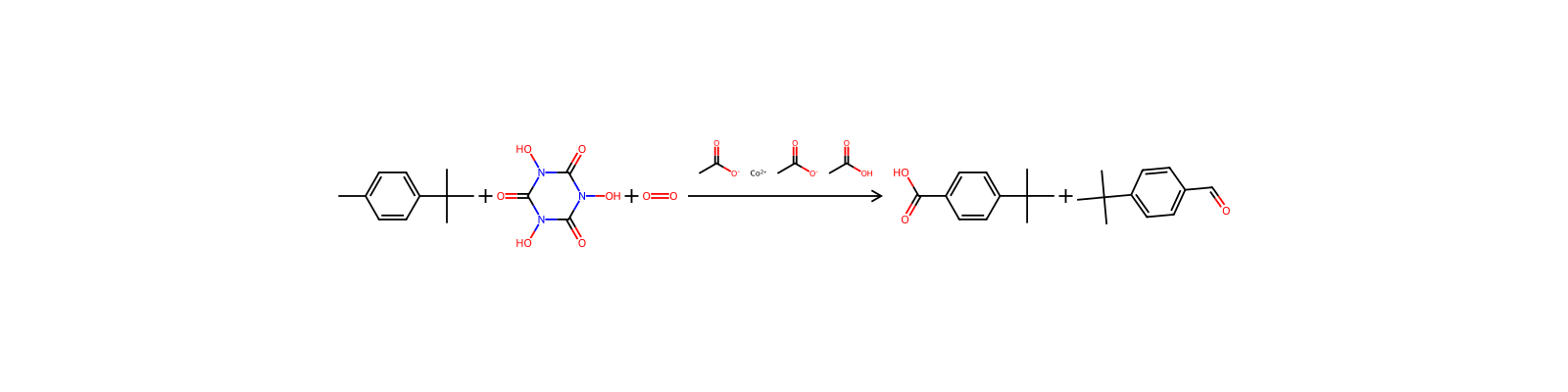
Little information had been available on the metabolism of TBT until 1983, when an extensive study was conducted ... TBT /was administered/ to rats and guinea pigs intragastrically at a dose of 100 mg/kg and analyzed metabolites of TBT in glucuronidase-sulfatase-treated urine using gas chromatographic and mass spectrometric methods. In this study, p-tert-butylbenzoic acid and its alcohol derivative, 2-(p-carboxyphenyl)-2-methylpropan-1-ol, were identified as the major (17-22% of dose) urinary metabolites in rats, whereas p-tert-butylbenzoylglycine was found to be the most prominent metabolite (34% of dose) in guinea pigs. Minor metabolites (2-4% of dose) found in rat urine were 2-methyl-2-p-tolyl-propan-1-ol and p-tert-butylbenzoylglycine , while those in the guinea pig were p-tert-butylbenzoic acid, 2-methyl-2-p-tolylpropan-1-ol, and 2-methyl-2-p-tolylpropionic acid which was not detected at all in rats. Trace amounts (<0.5% of dose) of p-tert-butylbenzyl alcohol were found both in rat and guinea pig urine. 2-(p-Carboxyphenyl)-2-methylpropionic acid, a trace amount, was detected only in rat urine. Similar metabolism of TBT was also found when the chemical was given by inhalation. In this case, trace amounts of 2-(p-carboxyphenyl)-2- methylpropan-1-ol, which was not identified after intragastric administration, was detected in the urine of guinea pigs.
Absorption, Distribution and Excretion
TBT IS ABSORBED INTO BLOOD BY INHALATION OF VAPOR & BY ORAL ADMIN OF LIQ. ... PROBABLE THAT OWING TO ITS LOW VAPOR PRESSURE ONLY SMALL AMT IS EXHALED UNCHANGED, MAJOR PART BEING METABOLIZED IN LIVER & EXCRETED AS WATER SOL METABOLITES IN URINE, AS CONJUGATES OF ALCOHOLS OR CARBOXYLIC ACIDS WITH GLUCURONIC ACIDS OR GLYCINE.
In mice exposed to 1000 ppm TBT, a substantial amount of the chemical was detected in the blood (2.1 ug/ml) 15 min after the start of inhalation and reached a plateau level (4.8-5.3 ug/ml) 4 hr after continous exposure. It can also be absorbed into blood following oral administration and skin application.
The excretion rate of radioactivity in the urine of rats given an intragastric dose (100 mg/kg) of (methyl-(14)C) TBT followed a biphasic curve; the half-life of the first phase was about 19 hr and that of the second phase was about 82 hr. This suggests that accumulation of TBT within the animal body could be expected following repeated exposures to the chemical.
용도 및 제조
Uses
Used as solvent for resins and as a chemical intermediate for the chemical and pharmaceutical industries; [HSDB]
Plastic Composites Manufacturing [Category: Industry]
AS A SOLVENT FOR RESINS; AS A PRIMARY INTERMEDIATE IN CHEM INDUSTRY
CHEM INT FOR P-TERT-BUTYLBENZOIC ACID-RESIN RAW MATERIAL, PHARMACEUTICALS; SOLVENT FOR RESIN PREPN
U.S. Production
(1977) PROBABLY GREATER THAN 2.04X10+7 GRAMS
(1978) 3.18X10+9 GRAMS (CONSUMPTION)
Consumption PatternsCHEM INT FOR P-TERT-BUTYL BENZOIC ACID, 90%; OTHER USES, 10% (1978)
Methods of ManufacturingALKYLATION OF TOLUENE WITH ISO-BUTYLENE
Formulations/PreparationsGrade: Technical
Use ClassificationFragrance Ingredients
General Manufacturing InformationBenzene, 1-(1,1-dimethylethyl)-4-methyl-: ACTIVE
응용 분야
용도4-tert-Butyltoluene is used as pharmaceutical intermediate, Solvent for resins, intermediate in organic synthesis. It is an intermediate for the production of the acaricide pyridaben.
일반 설명Clear colorless liquid with an aromatic gasoline-like odor.
제조 방법
Synthesis of 4-tert-butyltoluene: Put toluene in the reaction kettle, add catalyst, then add tert-butane chloride, after the reaction, wash with water and layer, and the organic layer is distilled to obtain the product. Alkylation of isobutylene and toluene in the presence of sulfuric acid can also be used to produce 4-tert-butyltoluene.
아이소-뷰틸렌을 가진 톨루엔의 알킬화로 제조됨
상·하류 제품 정보
상류 원료
하류 제품
관련 반응
33건


화합물 노트
불러오는 중…