
기본 정보
- 표준 SMILES
O=C1CC[C@@H](C(=O)O)N1- InChIKey
ODHCTXKNWHHXJC-VKHMYHEASA-N- 분자식
- C5H7NO3
- 평균 분자량
- 129.11 g/mol
- 단동위원소 질량
- 129.04259309
이름 및 식별자
- 우선 이름
- L-Pyroglutamic Acid
- IUPAC
- (2S)-5-oxopyrrolidine-2-carboxylic acid
- 현지명
- L-피로글루탐 산
- 영어명
- L-Pyroglutamic acid
- 분자식
- C5H7NO3
- 분자량
- 129.11
이름 및 동의어
L-Pyroglutamic acid98-79-3Pyroglutamic acidPidolic acid5-oxo-L-proline(2S)-5-oxopyrrolidine-2-carboxylic acidpyrogluGLUTIMIC ACID(S)-(-)-2-Pyrrolidone-5-carboxylic acid5-L-OxoprolineL-Proline, 5-oxo-L-5-Oxoproline
이름 더 보기
L-피로글루탐산L-피로글루탐산피씨에이L피로글루탐산H-PYR-OH(S)-5-OXOPYRROLIDINE-2-CARBOXYLIC ACID5-oxoprolineoxoproline5-Oxopyrrolidine-2-carboxylic acidPYR-OHPYRROLIDONECARBOXYLIC ACIDl-pyroglutamic
Pidolidone(S)-PYROGLUTAMIC ACIDAJIDEW A-100(-)-2-Pyrrolidone-5-carboxylic acidAcide pidoliqueAcido pidolico5-Carboxy-2-pyrrolidinoneL-pca
데이터베이스 식별자
- CAS
98-79-3- PubChem CID
- 7405
- DTXSID
DTXSID6046260- ChEMBL
CHEMBL397976- ChEBI
CHEBI:18183- UNII
- SZB83O1W42
- EC Number
- 202-700-3
- Nikkaji
- J4.959J
물성
구조 계산 물성
- XLogP
- -0.8
- 극성 표면적
- 66.4 Ų
- 수소 결합 공여자 수
- 2
- 수소 결합 수용자 수
- 3
- 회전 가능 결합 수
- 1
- 무거운 원자 수
- 9
- 형식 전하
- 0
- 복잡도
- 154
실험 및 물리화학적 성질
Solubility
476000
476.0 mg/mL at 13 °C
>19.4 [ug/mL] (The mean of the results at pH 7.4)
Melting Point184.7
Physical Description
Solid; [Merck Index] White crystalline powder; [Alfa Aesar MSDS]
Solid
Collision Cross Section
121 Ų [M+H]+ [CCS Type: TW; Method: calibrated with polyalanine]
130.6 Ų [M+H]+ [CCS Type: DT; Method: single field calibrated with Agilent tune mix (Agilent)]
130.3 Ų [M+H]+ [CCS Type: DT; Method: single field calibrated with ESI Low Concentration Tuning Mix (Agilent)];124.1 Ų [M-H]- [CCS Type: DT; Method: single field calibrated with ESI Low Concentration Tuning Mix (Agilent)];130.1 Ų [M+H]+ [CCS Type: DT; Method: single field calibrated with ESI Low Concentration Tuning Mix (Agilent)]
130.6 Ų [M+H]+;124.6 Ų [M-H]-
물리화학적 성질
- 녹는점
- 160 · 160-163 °C(lit.)
- 끓는 점
- 239.15 °C · 239.15°C (rough estimate)
- 밀도
- 1.3816 · 1.3816 (rough estimate)
- 증기압
- 0.002 Pa · 0.002Pa at 25℃
- 굴절률
- -10 ° · -10 ° (C=5, H2O)
- 저장 조건
- 2 · 2-8°C
- 용해도
- 2 O: · H2O: 1 M at 20 °C, 투명, 무색
- 산도 계수 (pKa)
- 3.32 · 3.32(at 25℃)
- 물리적 상태
- 결정성 분말
- 색상
- 흰색에서 황백색까지
- 수소이온지수(pH)
- 1.7 · 1.7 (50g/l, H2O, 20℃)
- 냄새
- 백색 결정, 무취, 약간 신맛
- 수용성
- 10 · 10-15 g/100 mL (20 ºC)
- Merck
- 14 · 14,8001
- BRN
- 82132 · 82132
- 안정성
- 안정적인. 염기, 산, 강산화제와 호환되지 않습니다.
- 주요 응용
- 펩타이드 합성
- 화장품 원료 기능
- 보습제보습
- InChI
- 1S/C5H7NO3/c7-4-2-1-3(6-4)5(8)9/h3H,1-2H2,(H,6,7)(H,8,9)/t3-/m0/s1
- InChIKey
- ODHCTXKNWHHXJC-VKHMYHEASA-N
- SMILES
- OC(=O)[C@@H]1CCC(=O)N1
- LogP
- -1.233 at · -1.233 at 20℃
- NIST
- Pidolic acid(98-79-3)
- EPA
- 5 · 5-Oxo-L-proline (98-79-3)
화학적 성질
L-pyroglutamic acid has its scientific name being L-2-pyrrolidone-5-carboxylic acid. Precipitation from ethanol and petroleum ether mixture were colorless orthorhombic bipyramid crystals with the melting temperature being 162~163 °C. It is soluble in water, alcohol, acetone and acetic acid, slightly soluble in ethyl acetate, and insoluble in ether. Specific rotation-11.9 ° (c = 2, H2O). It is produced from 42% aqueous solution of glutamic acid which subjects to heating dehydration, concentration, crystallization, washing and drying to obtain L-pyroglutamic acid.
안전 및 규제
GHS 분류
GHS Classification
This chemical does not meet GHS hazard criteria for 1.5% (5 of 343) of reports.
Danger
H315 (21.9%): Causes skin irritation [Warning Skin corrosion/irritation];H318 (78.1%): Causes serious eye damage [Danger Serious eye damage/eye irritation];H319 (20.4%): Causes serious eye irritation [Warning Serious eye damage/eye irritation];H335 (21.6%): May cause respiratory irritation [Warning Specific target organ toxicity, single exposure; Respiratory tract irritation]
P261, P264, P264+P265, P271, P280, P302+P352, P304+P340, P305+P351+P338, P305+P354+P338, P317, P319, P321, P332+P317, P337+P317, P362+P364, P403+P233, P405, and P501 (click each P-code to see the statement)
Aggregated GHS information provided per 343 reports by companies from 16 notifications to the ECHA C&L Inventory. Each notification may be associated with multiple companies.;Reported as not meeting GHS hazard criteria per 5 of 343 reports by companies.;There are 15 notifications provided by 338 of 343 reports by companies with hazard statement code(s).;Information may vary between notifications depending on impurities, additives, and other factors. The percentage value in parenthesis indicates the notified classification ratio from companies that provide hazard codes. Only hazard codes with percentage values above 10% are shown. For more detailed information, please visit ECHA C&L website.
유해성 정보
Regulatory Information
Chemical: L-Proline, 5-oxo-
L-Proline, 5-oxo- is listed on the EPA's Chemical Data Reporting (CDR) system. Manufacturers and importers of L-Proline, 5-oxo- are required to report information about their production and use of this chemical to the EPA under the Toxic Substances Control Act (TSCA). (40 eCFR Part 711)
Status: Active Update: 25-08-2022 https://echa.europa.eu/registration-dossier/-/registered-dossier/24879;Status: Active Update: 17-06-2019 https://echa.europa.eu/registration-dossier/-/registered-dossier/18035
L-Proline, 5-oxo-: Does not have an individual approval but may be used under an appropriate group standard
Other Safety InformationIMAP assessments - L-Proline, 5-oxo-: Environment tier I assessment;Evaluation - Chemicals that are unlikely to require further regulation to manage risks to human health
Hazards SummaryAn irritant that may cause serious eye injury; [Alfa Aesar MSDS]
Hazard Classes and CategoriesSkin Irrit. 2 (21.9%);Eye Dam. 1 (78.1%);Eye Irrit. 2A (20.4%);STOT SE 3 (21.6%)
독성 정보
Treatment
Glutathione Synthetase Deficiency: The clinical management of GS deficient patients is aimed at correction of acidosis, prevention of haemolytic crises and support of endogenous defence against reactive oxygen species (ROS). In the neonatal period, correction of metabolic acidosis, electrolyte imbalances, treatment of anaemia and excessive hyperbilirubinaemia are of crucial importance. Correction of acidosis can be reached through bicarbonate, citrate or tris-hydroxymethyl aminomethane (THAM). Doses of up to 10 mmol/kg/day, or even higher in episodes of acute infections, may be required. Repeated blood transfusions may be necessary in patients with massive haemolysis. Drugs and foods known to precipitate haemolytic crises in patients with glucose- 6-phosphatase dehydrogenase deficiency should be avoided. Successful treatment with erythropoietin has been reported in one patient. Early supplementation with vitamin E and vitamin C are thought to replenish the lack of GSH as a scavenger of free radicals. Recommended doses are 10 mg/kg/day for vitamin E and 100 mg/kg/day for vitamin C. A longterm follow-up study of 28 patients suggested that early supplementation with both vitamins may prevent CNS damage and improve the long-term clinical outcome in GS-deficient patients. The value of N-acetylcysteine, which is known to protect cells from oxidative stress in vitro, in the treatment of GS deficiency is controversial. It was suggested that the low intracellular GSH concentrations and cysteine availabilty might be increased by N-acetylcysteine. However, supplementation with N-acetylcysteine should not be recommended, because it was shown at least in cultured fibroblasts that patients with GS deficiency accumulate cysteine, which is known to be neurotoxic in excessive amounts. A therapeutic trial with orally administered GSH showed no lasting benefit in two patients with GS deficiency. GSH esters, lipid-soluble preparations which are easily transported into cells where they
Health EffectsChronically high levels of pyroglutamic acid are associated with at least 5 inborn errors of metabolism including: 5-Oxoprolinuria, 5-oxoprolinase deficiency, Glutathione Synthetase Deficiency, Hawkinsinuria and Propionic acidemia.
Toxicity Summary
5-Oxoprolinuria develops in moderate to severe cases of glutathione synthetase deficiency. The deficiency in glutathione synthetase leads to the accumulation of γ-glutamylcysteine, which is converted into 5-oxoproline by the action of γ-glutamyl cyclotransferase. The excessive formation of 5-oxoproline exceeds the capacity of 5-oxoprolinase, leading to accumulation of 5-oxoproline in body fluids causing metabolic acidosis and 5-oxoprolinuria. 5-Oxoproline accumulation is thought to be the cause of metabolic acidosis in Hawkinsinuria. 5-Oxoprolinase deficiency also leads to decreased conversion of 5-oxoproline to glutamate, resulting in elevated levels of 5-oxoproline in body fluids. 5-Oxoprolinuria has also been described in patients with urea cycle defects, such as ornithine transcarbamoylase deficiency or homocystinuria. In nephropathic cystinosis 5-oxoprolinuria may occur because of secondary impairment of the γ-glutamyl cycle resulting from decreased availability of free cysteine and can be corrected through cysteamine therapy. Transient 5-oxoprolinuria of unknown cause has been reported in very preterm infants. Limited availability of glycine in malnutrition and pregnancy as well as increased turnover of collagen, fibrinogen and other proteins containing considerable amounts of 5-oxoproline in patients with severe burns or Stevens-Johnson syndrome may lead to 5-oxoprolinuria. In addition, certain drugs, such as paracetamol, vigabatrin or some antibiotics (flucloxacillin, netimicin), are known to induce 5-oxoprolinuria, probably through interaction with the γ-glutamyl cycle. Particular infant formulas and tomato juice may contain modified proteins with increased content of 5-oxoproline. (T527)
Signs and Symptoms
Patients with the moderate variant of glutathione synthetase deficiency usually present during the neonatal period with severe and chronic metabolic acidosis, mild to moderate haemolytic anaemia, jaundice and 5-oxoprolinuria. After the neonatal period, the condition usually stabilises, but patients may become critically ill during infections owing to pronounced acidosis and electrolyte imbalances. Several patients have died during such episodes. In addition to the symptoms mentioned above, patients with severe GS deficiency develop progressive CNS symptoms, e.g. mental retardation, seizures, spasticity, ataxia and intention tremor. In addition, some patients suffer from recurrent severe bacterial infections, which is probably due to defective granulocyte function. Hawkinsinuria is characterised by failure to thrive and metabolic acidosis in infancy. After the 1st year of life the condition appears to be asymptomatic. Early weaning from breastfeeding seems to precipitate the disease; the condition may be asymptomatic in breastfed infants. 5-Oxoprolinase Deficiency: Up to now, eight patients in six different families have been described. The clinical symptoms are inconstant and very heterogeneous, including renal stone formation, enterocolitis, neonatal hypoglycaemia, microcytic anaemia, microcephaly and mental retardation. It remains to be established wheter symptoms in identified patients are merely a coincidence. (T527)
Carcinogen ClassificationNo indication of carcinogenicity to humans (not listed by IARC).
규제 정보
Regulatory Information
Chemical: L-Proline, 5-oxo-
L-Proline, 5-oxo- is listed on the EPA's Chemical Data Reporting (CDR) system. Manufacturers and importers of L-Proline, 5-oxo- are required to report information about their production and use of this chemical to the EPA under the Toxic Substances Control Act (TSCA). (40 eCFR Part 711)
Status: Active Update: 25-08-2022 https://echa.europa.eu/registration-dossier/-/registered-dossier/24879;Status: Active Update: 17-06-2019 https://echa.europa.eu/registration-dossier/-/registered-dossier/18035
L-Proline, 5-oxo-: Does not have an individual approval but may be used under an appropriate group standard
안전 데이터
- wgk
- 3
- tsca
- TSCA listed
- rtecs
- TW3710000
- HS 번호
- 29337900
- risk_code
- 36/37/38
- hazard_code
- Xi
- safety_code
- 26-36-37/39
- 위험 등급
- IRRITANT
- 기존화학 물질
- KE-29979
- F 고인화성물질
- 21
- Hazard Classifications
- Aquatic Chronic 3Eye Dam. 1
- 스토리지 클래스
- 11 - Combustible Solids
화학 및 산업
약리 정보
Protein BindingReadily available data regarding the protein binding of pidolic acid is not available.
Pharmacodynamics
Pidolic acid is a naturally occurring but little-studied amino acid derivative that can be formed enzymatically or non-enzymatically and participates as a biological intermediate in various chemical pathways. Elevations of the acid in blood levels may be associated with problems of glutamine or glutathione metabolism. Pidolic acid, in general, is found in large quantities in brain tissue and other tissues in bound form, like skin. Moreover, pidolic acid in high enough levels can act as an acidogen capable of inducing acidosis and a metabotoxin that can result in adverse health effects. Chronically elevated levels of pidolic acid are associated with at least five inborn errors of metabolism including 5-oxoprolinuria (where 5-oxoproline is otherwise known as pidolic acid), 5-oxoprolinase deficiency, glutathione synthetase deficiency, hawkinsinuria, and propionic acidemia. In particular, abnormally high levels of organic acids like pidolic acid in the blood, urine, brain, and/or other tissues results in general metabolic acidosis. Such acidosis generally occurs when arterial pH falls below 7.35. In infants, the initial symptoms of acidosis consist of poor feeding, vomiting, loss of appetite, weak muscle tone (hypotonia), and lack of energy. Eventually, acidosis and the symptoms of acidosis can lead to heart, liver, and kidney abnormalities, seizures, coma, and possibly even death. Many children who are afflicted with organic acidemias experience intellectual disability or delayed development. In adults, acidosis or acidemia is characterized by headaches, confusion, feeling tired, tremors, sleepiness, and seizures. High levels of pidolic acid in the blood have also been demonstrated following acetaminophen overdose, causing an increased level of acidity called a high anion gap metabolic acidosis.
Mechanism of Action
Pidolic acid is an endogenous amino acid derivative where the free amino group of glutamic acid or glutamine cyclizes to generate a lactam. Subsequently it is also a metabolite in the glutathione cycle that is converted to glutamate by the enzyme 5-oxoprolinase. Moreover, N-terminal glutamic acid and glutamine residues can either spontaneously cyclize to become pidolic acid, or be enzymatically transformed by glutaminyl cyclases. In particular, this is ultimately a form of N-termini that is a challenge for N-terminal sequencing using Edman chemistry, which necessitates a free primary amino group that is not present in pidolic acid. Pyroglutamate aminopeptidase can restore a free N-terminus by cleaving off the pyroglutamate residue, however. Additionally, pidolic acid and certain pidolic acid salts like calcium, magnesium, and potassium pidolic acid are sometimes used as skin or hair conditioning agents because of their humectant effects. In such humectant formulations, hydrophilic amine, hydroxyl, or even carboxyl groups possess high affinities for forming hydrogen bonds with molecules of water, allowing the hygroscopic formulations to attract and retain moisture in the air nearby through absorption, therefore drawing the water vapor into the formulation.
Biological Half-LifeSome studies have determined that the specific half-life of the N-terminal glutamic acid is about 9 months in a pH 4.1 buffer at 45 degrees Celsius.
Metabolism/Metabolites
In living cells, various metabolic pathways involving pidolic acid exist: (a) glutamyl/glutaminyl (amino acid) n is converted to pyroglutamyl- (amino acid) n by glutaminyl cyclase, pyroglutamyl- (amino acid) n is then metabolised to pyroglutamic acid (pidolic acid) by pyroglutamyl peptidase; (b) via the gamma-Glutamyl cycle, gamma-Glutamyl transpeptidase generates gamma-Glutamyl amino acid which is metabolised to pyroglutamic acid via gamma-Glutamyl cyclotransferase; (c) glutamate via gamma-Glutamylcysteine synthetase or Glutamine synthetase or Glutamate 5-kinase metabolism generates gamma-Glutamyl phosphate which itself can be converted to pyroglutamic acid; and (d) glutamate or glutamine can be non-enzymatically converted to pyroglutamic acid. Finally, pyroglutamic acid (or pidolic acid) itself is metabolized to glutamate via the 5-Oxoprolinase enzyme.
5-Oxoproline is part of the glutathione metabolism pathway. Degradation of glutathione is initiated by γ-glutamyl transpeptidase, which catalyses the transfer of its γ-glutamyl-group to acceptors. The γ-glutamyl residues are substrates of the γ-glutamyl-cyclotransferase, which converts them to 5-oxoproline and the corresponding amino acids. Conversion of 5-oxoproline to glutamate is catalysed by 5-oxoprolinase. (T527)
Absorption, Distribution and Excretion
In skin conditioning agents, it has been observed that the percutaneous absorption of 5, 10, and 20% sodium pidolic acid through human skin was 5.97, 6.78, and 5.89%, respectively.
In the dog animal model, it was determined that 30% of an absorbed oral administration of pidolic acid was excreted unchanged in the urine and the remainder converted to urea.
Readily available data regarding the volume of distribution of pidolic acid is not available.
Readily available data regarding the clearance of pidolic acid is not available.
Tissue LocationsBrain;Epidermis;Placenta;Prostate
Cellular LocationsCytoplasm
Metabolite Pathways5-oxoprolinase deficiency;5-Oxoprolinuria;Gamma-glutamyl-transpeptidase deficiency;Gamma-Glutamyltransferase Deficiency;Glutathione metabolism;Glutathione Synthetase Deficiency
용도 및 제조
Uses
A cyclized internal amide of L-glutamic acid; Occurs naturally in vegetables, fruits, grasses, and molasses; [Merck Index]
This is an endogenously produced metabolite found in the human body. It is used in metabolic reactions, catabolic reactions or waste generation.
U.S. Production2021: 55,115 lb;2020: 52,910 lb
Consumer UsesAntioxidant
Industry UsesAntioxidant
Use ClassificationCosmetics -> Humectant; Moisturising
General Manufacturing Information
Agriculture, Forestry, Fishing and Hunting
L-Proline, 5-oxo-: ACTIVE
응용 분야
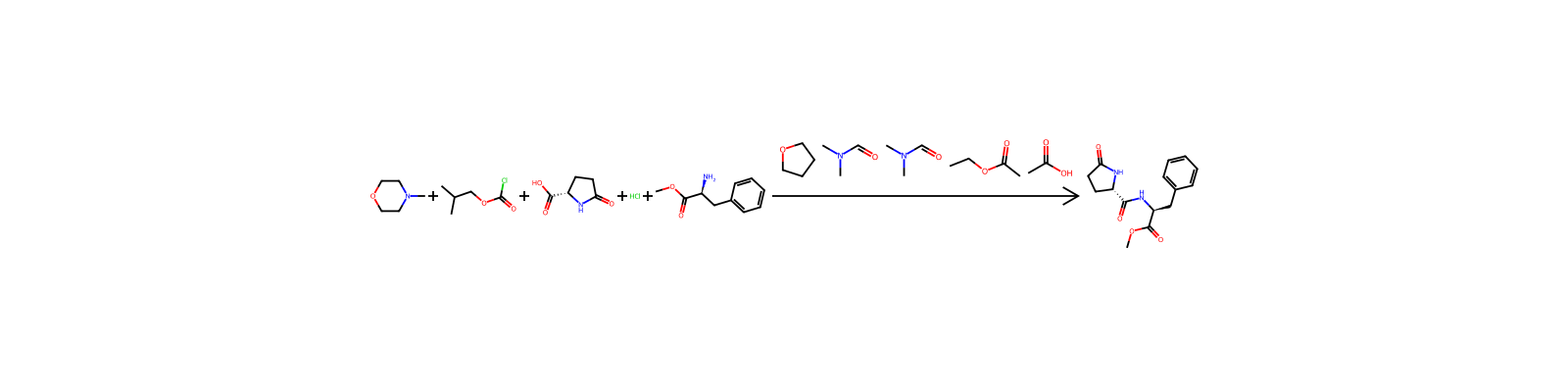
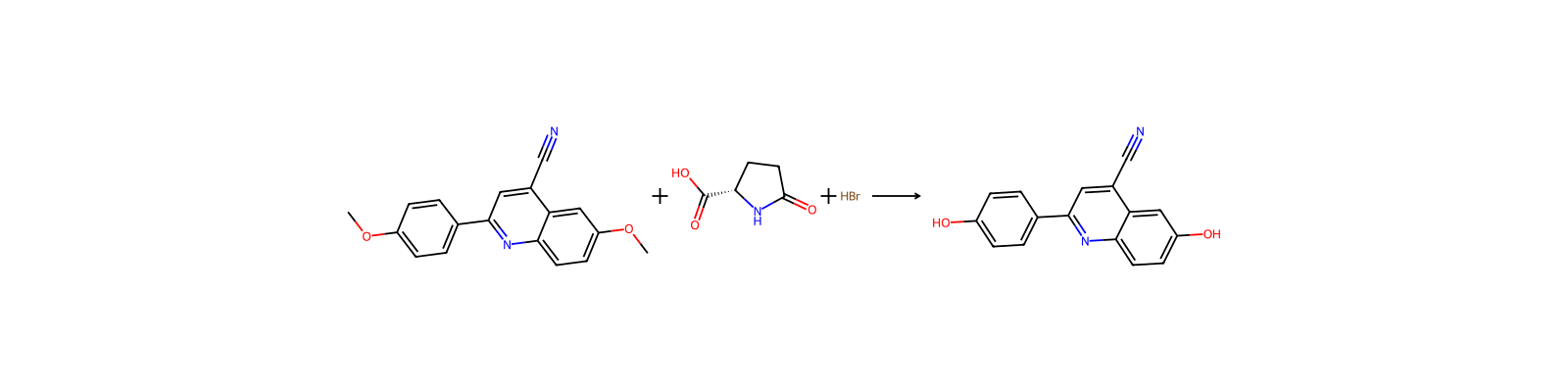
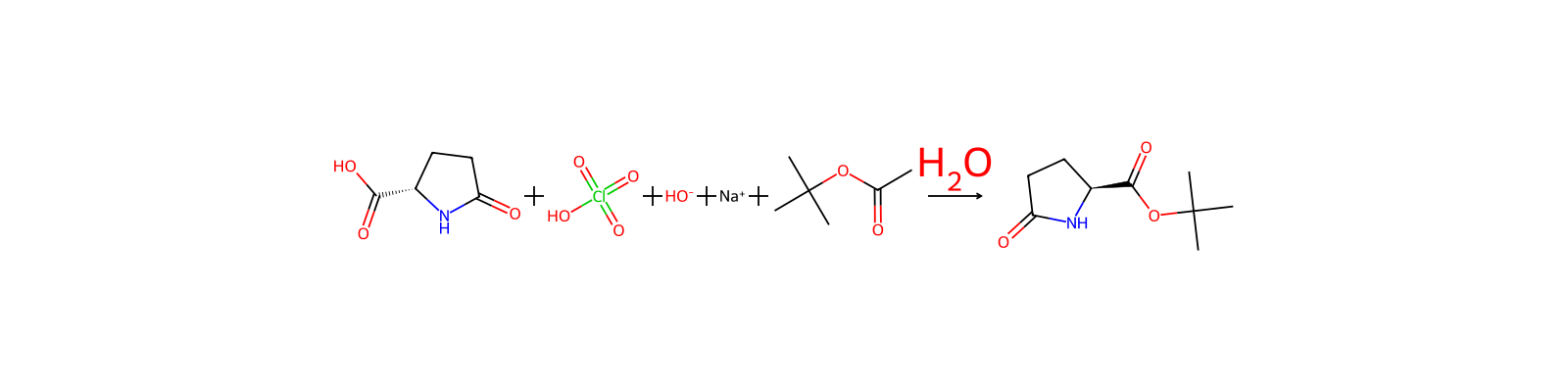
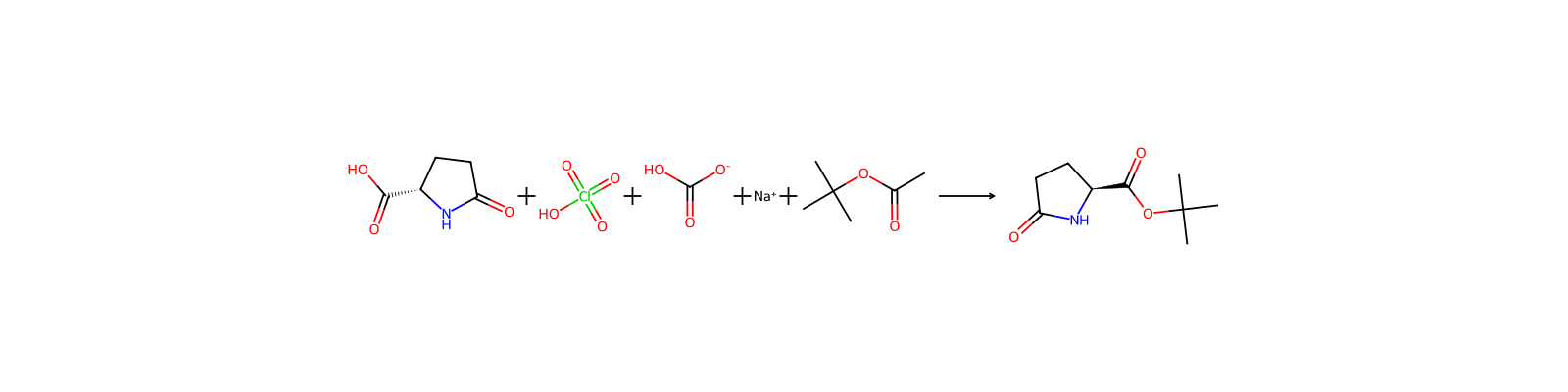
용도L-Pyroglutamic acid is an amino acid that is used in the synthesis of peptides. It has also been observed to convert when placed at the N-terminus in vivo to create IgG2 antibodies.
상·하류 제품 정보
상류 원료
하류 제품
공급사50 곳
国药集团化学试剂有限公司86-21-63210123 · [email protected]
北京华美互利生物化工010-56205725 · [email protected]
梯希爱(上海)化成工业发展有限公司021-67121386 · [email protected]
上海阿拉丁生化科技股份有限公司400-6206333 13167063860 · [email protected]
INTATRADE GmbH+49 3493/605464 · [email protected]
T&W GROUP021-61551611 13296011611 · [email protected]
爱斯特(成都)生物制药股份有限公司+86-28-85122536 85324413 · [email protected]
上海如吉生物科技发展有限公司+86-21-65211385-8001 36031160 · [email protected]
北京安司莫森技术有限公司010-82954736 13391601435 · [email protected]
韶远科技(上海)有限公司021-50795510 4000665055 · [email protected]
科瑞迪化学400-821-5857 021-64326257 · [email protected]
上海将来实业股份有限公司400-0066400 13621662912 · [email protected]
Syntechem Co.,Ltd[email protected]
上海迈瑞尔生化科技有限公司4006356688 18621169109 · [email protected]
大连美仑生物技术有限公司0411-62910999 13889544652 · [email protected]
阿法埃莎(中国)化学有限公司400-6106006 · [email protected]
安耐吉化学&3A(安徽泽升科技股份有限公司)400-0056266 · [email protected]
石家庄斯迪亚诺精细化工有限公司0311-89250318 13582355795 · [email protected]
重庆张邦医药科技有限责任公司028-84252981 18583719936 · [email protected]
上海瀚鸿科技股份有限公司021-54306202 13764082696 · [email protected]
上海柯维化学技术有限公司021-64609169 18901607656 · [email protected]
上海景颜化工科技有限公司13817811078 · [email protected]
嘉兴市艾森化工有限公司0573-85285100 18627885956 · [email protected]
Pure Chemistry Scientific Inc.001-857-928-2050 or 1-888-588-9418 · [email protected]
上海泰坦科技股份有限公司400-6009262 15618770481 · [email protected]
张家港市思普生化有限公司512-0512-58992291,58992287 18606280718 · [email protected]
ChemPep, Inc.+1 (888) 615-9178 / (561) 791-8787 · [email protected]
山东西亚化学有限公司13355009207 13355009207 · [email protected]
玛雅试剂+86 (573) 82222445 (0)18006601000 452520369 · [email protected]
四川库利南科技有限公司400-1166-196 18981987031 · [email protected]
天津希恩思生化科技有限公司400 638 7771 · [email protected]
湖南汇百侍生物科技有限公司0731-85526065 13308475853 · [email protected]
河南多贝化工有限公司0370-2785118 17550508557 · [email protected]
斯百全化学(上海)有限公司021-021-021-67601398-809-809-809 15221380277 · [email protected]
上海源叶生物科技有限公司13636370518 · [email protected]
艾科试剂4008-755-333 18080918076 · [email protected]
上海思域化工科技有限公司86-21-34053660 · [email protected]
赛默飞世尔科技(中国)有限公司800-810-5118 · [email protected]
北京伊诺凯科技有限公司400-810-7969 010-59572699 · [email protected]
TCI AMERICA800-4238616 · [email protected]
TOKYO CHEMICAL INDUSTRY CO., LTD.03-36680489 · [email protected]
TCI Europe320-37350700 · [email protected]
上海贤鼎生物科技有限公司4009209199 · [email protected]
深圳振强药物研发有限公司0755-66853366 13670046396 · [email protected]
洪雅县雅星生物科技有限公司+86-28-37496355 13734918752 · [email protected]
深圳康特腾科技有限公司86-0755-86635001 · [email protected]
越林试剂021-62960152 · [email protected]
苏州安尼康药物研发有限公司0512-69369885 · [email protected]
南京杜莱生物技术有限公司025-84699383-8003;025-846993838003-8003 18013301590 · [email protected]
Clearsynth Labs Limited+91-22-26355700 · [email protected]
추가 설명
정의ChEBI: An optically active form of 5-oxoproline having L-configuration.
관련 반응
145건



연결된 노트
불러오는 중…