

기본 정보
- 표준 SMILES
CN(C)C1CCCCC1- InChIKey
SVYKKECYCPFKGB-UHFFFAOYSA-N- 분자식
- C8H17N
- 평균 분자량
- 127.23 g/mol
- 단동위원소 질량
- 127.13609954
개요
Dimethylcyclohexylamine is a colorless liquid with a musky ammonia odor. Less dense than water. (USCG, 1999)
이름 및 식별자
- 우선 이름
- N,N-Dimethylcyclohexylamine
- IUPAC
- N,N-dimethylcyclohexanamine
- 현지명
- 디메틸시클로헥실아민
- 영어명
- N,N-Dimethylcyclohexylamine
- 분자식
- C8H17N
- 분자량
- 127.23
이름 및 동의어
N,N-DIMETHYLCYCLOHEXYLAMINE98-94-2N,N-DimethylcyclohexanamineCyclohexyldimethylamineDimethylcyclohexylamineN-CyclohexyldimethylamineCyclohexanamine, N,N-dimethyl-(Dimethylamino)cyclohexaneCyclohexylamine, N,N-dimethyl-N,N-DimethylaminocyclohexaneN,N-Dimethyl-N-cyclohexylamineDTXSID9026633
이름 더 보기
N,N다이메틸사이클로헥실아민N,N-다이메틸아민사이클로헥세인디메틸시클로헥실아민N,N-디메틸시클로헥실아민DMCHAPC8Polycat 8N,N-dimethyl-CyclohexanamineCyclohexanamine,N,N-dimethyl-
N1H19E7HTANSC-163904DTXCID906633CHEBI:59022RefChem:161290202-715-5DimethylaminocyclohexaneNSC 163904
데이터베이스 식별자
- CAS
98-94-2- PubChem CID
- 7415
- DTXSID
DTXSID9026633- ChEMBL
CHEMBL3186662- ChEBI
CHEBI:59022- UNII
- N1H19E7HTA
- EC Number
- 202-715-5
- Nikkaji
- J4.960C
물성
구조 계산 물성
- XLogP
- 1.9
- 극성 표면적
- 3.2 Ų
- 수소 결합 공여자 수
- 0
- 수소 결합 수용자 수
- 1
- 회전 가능 결합 수
- 1
- 무거운 원자 수
- 9
- 형식 전하
- 0
- 복잡도
- 72.6
실험 및 물리화학적 성질
Chemical Classes
Nitrogen Compounds -> Amines, Aliphatic
Corrosives
SpringerMaterials Properties15N nuclear magnetic resonance spectrum
LogP2.01
Density
0.849 at 68 °F (USCG, 1999) - Less dense than water; will float
0.8490 @ 20 °C/20 °C
Relative density (water = 1): 0.85
0.8490 @ 20°C
Color/FormWATER-WHITE LIQ
Solubility
PARTLY SOL IN WATER; MISCIBLE WITH ALC, BENZENE, ACETONE
Solubility in water, g/100ml: 20
Flash Point
108 °F (USCG, 1999)
110 °F OC
42.2 °C c.c.
Boiling Point
323.6 °F at 760 mmHg (USCG, 1999)
162-165 °C
Melting Point
FP: BELOW -77 °C
-60 °C
-77 °C
Vapor DensityRelative vapor density (air = 1): 4.4
Vapor Pressure
3.0 [mmHg]
Vapor pressure, kPa at 25 °C: 0.4
3.6 [mm Hg] @20 °C
Food Contact SubstancesFCS -> FDA Inventory of Food Contact Substances Listed in 21 CFR
물리화학적 성질
- 녹는점
- -60 °C · -60 °C
- 끓는 점
- 158 · 158-159 °C (lit.)
- 밀도
- 0.849 g/mL · 0.849 g/mL at 25 °C (lit.)
- 증기압
- 3.6 mm · 3.6 mm Hg ( 20 °C)
- 굴절률
- 20 · n20/D 1.454(lit.)
- 인화점
- 108 °F · 108 °F
- 저장 조건
- 30 °C · Store below +30°C.
- 용해도
- 10 g/L · 10g/L(20°C)
- 물리적 상태
- 액체
- 산도 계수 (pKa)
- 1 · pK1:10.72(+1) (25°C)
- 색상
- 투명한
- 수소이온지수(pH)
- 12 · 12 (5g/l, H2O, 20℃)
- 폭발한계
- 3.6 · 3.6-19%(V)
- 수용성
- 10 g/L · 10g/L(20℃)
- BRN
- 1919922 · 1919922
- Henry's Law Constant
- 4.2 · 4.2×10-1 mol/(m3Pa) at 25℃, Altschuh et al. (1999)
- Dielectric constant
- 2.86 · 2.8599999999999999
- InChI
- 1S/C8H17N/c1-9(2)8-6-4-3-5-7-8/h8H,3-7H2,1-2H3
- InChIKey
- SVYKKECYCPFKGB-UHFFFAOYSA-N
- SMILES
- CN(C)C1CCCCC1
- LogP
- 2.31 at · 2.31 at 25℃
- NIST
- Cyclohexanamine, N,N-dimethyl-(98-94-2)
- EPA
- N,N-Dimethylcyclohexylamine (98-94-2)
화학적 성질
CLEAR LIQUID
안전 및 규제
GHS 분류
GHS Classification
This chemical does not meet GHS hazard criteria for 14.6% (68 of 466) of reports.
Danger
H226 (85.2%): Flammable liquid and vapor [Warning Flammable liquids]
P210, P233, P240, P241, P242, P243, P260, P261, P262, P264, P264+P265, P270, P271, P273, P280, P284, P301+P316, P301+P317, P301+P330+P331, P302+P352, P302+P361+P354, P303+P361+P353, P304+P340, P305+P354+P338, P316, P317, P320, P321, P330, P361+P364, P363, P370+P378, P391, P403+P233, P403+P235, P405, and P501 (click each P-code to see the statement)
Aggregated GHS information provided per 466 reports by companies from 27 notifications to the ECHA C&L Inventory. Each notification may be associated with multiple companies.
Danger
유해성 정보
Regulatory Information
Chemical: Cyclohexanamine, N,N-dimethyl-
Cyclohexanamine, N,N-dimethyl- is listed on the EPA's Chemical Data Reporting (CDR) system. Manufacturers and importers of Cyclohexanamine, N,N-dimethyl- are required to report information about their production and use of this chemical to the EPA under the Toxic Substances Control Act (TSCA). (40 eCFR Part 711)
Status: Active Update: 28-02-2023 https://echa.europa.eu/registration-dossier/-/registered-dossier/13521
Cyclohexyldimethylamine: Does not have an individual approval but may be used under an appropriate group standard
The New Jersey Worker and Community Right to Know Act requires public and private employers to provide information about hazardous substances at their workplaces. (N.J.S.A. 34:5A-1 et. seq.)
DOT LabelCorrosive Flammable Liquid
Fire Hazards
Behavior in Fire: Dangerous when exposed to heat or flame. Can react vigorously with oxidizing materials. (USCG, 1999)
· Flammable/combustible material.
· Flammable/combustible material.
Flammable. Gives off irritating or toxic fumes (or gases) in a fire. Above 42.2 °C explosive vapour/air mixtures may be formed.
Health Hazards
Inhalation of high concentration of vapor will will produce irritation of the respiratory tract and lungs. Inhalation of large quantities of vapor may be fatal. (USCG, 1999)
· May cause toxic effects if inhaled or ingested.
· May cause toxic effects if inhaled or ingested.
Hazards Summary
A corrosive substance that can cause injury to the skin, eyes, and respiratory tract; Inhalation may cause pulmonary edema; Can be absorbed through skin; [ICSC] Irritating or corrosive to animal skin; Irritating to rabbit eyes; Not sensitizing to guinea pig skin using skin painting test; [IUCLID] Causes muscle contraction or spasticity in lethal-dose studies of mice (inhalation and oral routes); [RTECS] Causes burns; Toxic if inhaled; [Alfa Aesar MSDS]
DOT ID and Guide
2264 132
2264 132
Reactive GroupAmines, Phosphines, and Pyridines
UN ClassificationUN Hazard Class: 8; UN Subsidiary Risks: 3; UN Pack Group: II
Reactivity AlertsHighly Flammable
Reactivity Profile
DIMETHYLCYCLOHEXYLAMINE neutralizes acids in exothermic reactions to form salts plus water. May be incompatible with isocyanates, halogenated organics, peroxides, phenols (acidic), epoxides, anhydrides, and acid halides. Flammable gaseous hydrogen may be generated in combination with strong reducing agents, such as hydrides.
Chemical DangersDecomposes on burning. This produces toxic fumes including nitrogen oxides. The substance is a medium strong base.
Packaging and LabellingDo not transport with food and feedstuffs.
안전 및 보호
Fire Fighting
Fire Extinguishing Agents: Carbon dioxide, dry chemical powder, polymer or alcohol foam. (USCG, 1999)
Use water spray, powder, alcohol-resistant foam, carbon dioxide. In case of fire: keep drums, etc., cool by spraying with water.
First Aid Measures
Fresh air, rest. Half-upright position. Artificial respiration may be needed. Refer for medical attention.
First rinse with plenty of water for at least 15 minutes, then remove contaminated clothes and rinse again. Refer for medical attention .
First rinse with plenty of water for several minutes (remove contact lenses if easily possible), then refer for medical attention.
Rinse mouth. Give one or two glasses of water to drink. Do NOT induce vomiting. Refer for medical attention .
Accidental Release Measures
· CALL 911. Then call emergency response telephone number on shipping paper. If shipping paper not available or no answer, refer to appropriate telephone number listed on the inside back cover.
· ELIMINATE all ignition sources (no smoking, flares, sparks or flames) from immediate area.
· CALL 911. Then call emergency response telephone number on shipping paper. If shipping paper not available or no answer, refer to appropriate telephone number listed on the inside back cover.
· ELIMINATE all ignition sources (no smoking, flares, sparks or flames) from immediate area.
First Aid
Get medical attention.
General First Aid:
General First Aid:
Safe StorageFireproof. Separated from strong acids and food and feedstuffs.
Exposure Control and Personal Protection
· Wear positive pressure self-contained breathing apparatus (SCBA).
· Wear positive pressure self-contained breathing apparatus (SCBA).
Nonfire Spill ResponseExcerpt from ERG Guide 132 [Flammable Liquids - Corrosive]:
Spillage Disposal
Personal protection: filter respirator for organic gases and vapours adapted to the airborne concentration of the substance. Collect leaking and spilled liquid in sealable containers as far as possible. Carefully collect remainder. Then store and dispose of according to local regulations. Do NOT let this chemical enter the environment.
Isolation and Evacuation
Excerpt from ERG Guide 132 [Flammable Liquids - Corrosive]:
Immediate precautionary measure
Immediate precautionary measure
Eye PreventionWear face shield or eye protection in combination with breathing protection.
Fire PreventionNO open flames, NO sparks and NO smoking. Above 42.2 °C use a closed system, ventilation and explosion-proof electrical equipment.
Inhalation RiskNo indication can be given about the rate at which a harmful concentration of this substance in the air is reached on evaporation at 20 °C.
독성 정보
Adverse EffectsDermatotoxin - Skin burns.
Exposure RoutesThe substance can be absorbed into the body by inhalation, through the skin and by ingestion.
Signs and Symptoms
Sore throat. Burning sensation. Cough. Laboured breathing. Shortness of breath. Symptoms may be delayed.
Redness. Pain. Skin burns.
Redness. Pain. Severe deep burns.
Burning sensation. Abdominal pain. Shock or collapse.
ICSC Environmental DataThe substance is harmful to aquatic organisms.
Toxicity DataLC50 (rat) = 1,889 mg/m3/2h
EPA Provisional Peer-Reviewed Toxicity Values
n,n-Dimethylcyclohexylamine
PDF Document
2011
안전 데이터
- wgk
- 1
- tsca
- TSCA listed
- rtecs
- GX1198000
- ridadr
- UN 2264
- 독성
- LD50 orally in Rabbit: 272 mg/kg LD50 dermal Rat > 400 mg/kg
- HS 번호
- 29213010
- risk_code
- 10-20/21/22-34-50/53-23/24-22
- hazard_code
- C,N,T
- safety_code
- 26-28-36/37/39-45-61-28A-16
- 포장분류
- II
- 위험 등급
- 8
- 기존화학 물질
- KE-11282
- 자연 발화 온도
- 419 °F
- Hazard Classifications
- Acute Tox. 2 InhalationAcute Tox. 3 DermalAcute Tox. 4 OralAquatic Acute 1Flam. Liq. 3Skin Corr. 1B
- 스토리지 클래스
- 3 - Flammable liquids
- 유해 물질 데이터
- 98-94-2(Hazardous Substances Data)
화학 및 산업
용도 및 제조
Uses
Used as a catalyst for polyurethane foams and an intermediate for rubber accelerators and dyes; Also used in the treatment of textiles; [HSDB]
Textiles (Fiber & Fabric Manufacturing) [Category: Industry]
CATALYST FOR POLYURETHANE FOAMS; INTERMEDIATE FOR RUBBER ACCELERATORS; TREATMENT OF TEXTILES
CHEMICAL INTERMEDIATE, EG, FOR RUBBER ACCELERATORS & DYES
CATALYST FOR POLYURETHANE FOAMS (POSSIBLE USE)
COMPONENT OF TEXTILE TREATMENTS (POSSIBLE USE)
U.S. Exports
(1979) No Data
(1981) No Data
U.S. Imports
(1979) 2.33X10+7 GRAMS (PRINCPL CUSTMS DISTS)
(1981) 2.49X10+8 GRAMS (PRINCPL CUSTMS DISTS)
U.S. Production
2023: 2,500,000 - <4,000,000 lb
(1979) PROBABLY GREATER THAN 2.27X10+6 GRAMS
(1981) PROBABLY GREATER THAN 2.27X10+6 GRAMS
Consumer UsesCatalyst
Industry UsesChemical reaction regulator
Methods of ManufacturingREACTION OF CYCLOHEXYLAMINE WITH FORMALDEHYDE & HYDROGEN; REACTION OF CYCLOHEXYLAMINE WITH METHYL CHLORIDE
General Manufacturing Information
Plastics Product Manufacturing
Cyclohexanamine, N,N-dimethyl-: ACTIVE
N,N-DIMETHYLCYCLOHEXYLAMINE WAS BUBBLED WITH 0.2-0.3 L/MIN N CONTAINING 2020 PPM HYDROGEN SULFIDE FOR 15 MIN; THE HYDROGEN SULFIDE REMOVAL WAS 100%.
응용 분야
용도Dimethylcyclohexylamine is used in polyurethane plastics and textiles and as a chemical intermediate.
일반 설명Colorless liquid with a musky ammonia odor. Less dense than water.
제조 방법
생산 방법N,N-Dimethylcyclohexylamine is manufactured either by the reaction of methyl chloride or formaldehyde and hydrogen with cyclohexylamine (HSDB 1989).
상·하류 제품 정보
상류 원료
하류 제품
공급사50 곳
国药集团化学试剂有限公司86-21-63210123 · [email protected]
梯希爱(上海)化成工业发展有限公司021-67121386 · [email protected]
上海阿拉丁生化科技股份有限公司400-6206333 13167063860 · [email protected]
Shandong chuangyingchemical Co., Ltd.18853181302 · [email protected]
河北创海生物科技有限公司+86-86-13131129325 · [email protected]
爱斯特(成都)生物制药股份有限公司+86-28-85122536 85324413 · [email protected]
Baoji Guokang Healthchem co.,ltd+8615604608665 15604608665 · [email protected]
上海赫文斯化工有限公司15721252604 17321035817 · [email protected]
Dayang Chem (Hangzhou) Co.,Ltd.+86-0571-88938639 17705817739 · [email protected]
常州凯瑞化学科技有限公司+86 (519) 8689-6136 · [email protected]
科瑞迪化学400-821-5857 021-64326257 · [email protected]
Syntechem Co.,Ltd[email protected]
上海迈瑞尔生化科技有限公司4006356688 18621169109 · [email protected]
武汉易泰科技有限公司上海分公司18930552037 · [email protected]
上海晶抗生物工程有限公司021-54721350 13524668266 · [email protected]
天津中信凯泰化工有限公司022-66880623 · [email protected]
阿法埃莎(中国)化学有限公司400-6106006 · [email protected]
武汉卡诺斯科技有限公司027-83238443 15327105076 · [email protected]
上海瀚鸿科技股份有限公司021-54306202 13764082696 · [email protected]
上海景颜化工科技有限公司13817811078 · [email protected]
合肥天健化工有限公司551-65418679 15856988503;15837135945 · [email protected]
济南世纪通达化工有限公司15153132128 15153132128 · [email protected]
山东西亚化学有限公司13355009207 13355009207 · [email protected]
玛雅试剂+86 (573) 82222445 (0)18006601000 452520369 · [email protected]
四川库利南科技有限公司400-1166-196 18981987031 · [email protected]
天津希恩思生化科技有限公司400 638 7771 · [email protected]
Xiamen AmoyChem Co., Ltd+86-86-5926051114 · [email protected]
艾科试剂4008-755-333 18080918076 · [email protected]
上海思域化工科技有限公司86-21-34053660 · [email protected]
赛默飞世尔科技(中国)有限公司800-810-5118 · [email protected]
TCI AMERICA800-4238616 · [email protected]
TOKYO CHEMICAL INDUSTRY CO., LTD.03-36680489 · [email protected]
TCI Europe320-37350700 · [email protected]
上海贤鼎生物科技有限公司4009209199 · [email protected]
深圳康特腾科技有限公司86-0755-86635001 · [email protected]
越林试剂021-62960152 · [email protected]
上海将来实业股份有限公司021-61552785 · [email protected]
安徽科迪达化工有限公司0554-2106669 · [email protected]
HBCChem, Inc.+1-510-219-6317 · [email protected]
日照力德士化工有限公司010-51268198 · [email protected]
美岚实业(上海)有限公司021-58958189 · [email protected]
上海石洋化工有限公司021-56795766 · [email protected]
上海爱蝶实业有限公司021-58957966 18930537195 · [email protected]
成都零六生物科技有限公司400-1166-196 13458535857 · [email protected]
广拓化学(上海)有限公司021-60899189-8001 18918189673 · [email protected]
雷丁试剂0510-85629785 18013409632 · [email protected]
上海麦克林生化科技股份有限公司15221275939 15221275939 · [email protected]
上海嵩爰化工科技有限公司010-1234567 18521000990 · [email protected]
上海有朋化工有限公司021-69005955 13701776567 · [email protected]
天津霖谊化工科技有限公司022-58788819 13602056505
추가 설명
정의ChEBI: A tertiary amine consisting of cyclohexane having a dimethylamino substituent.
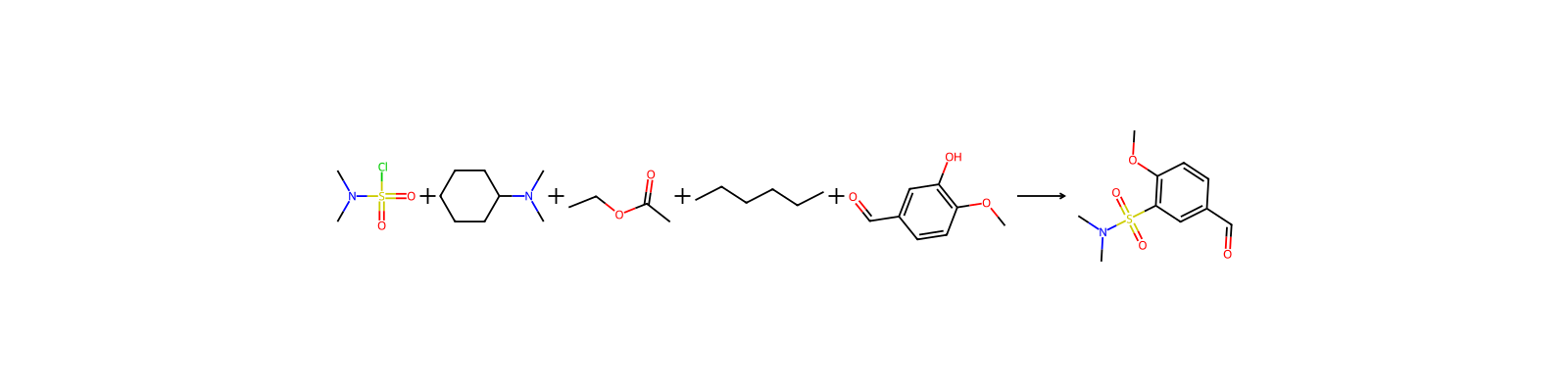
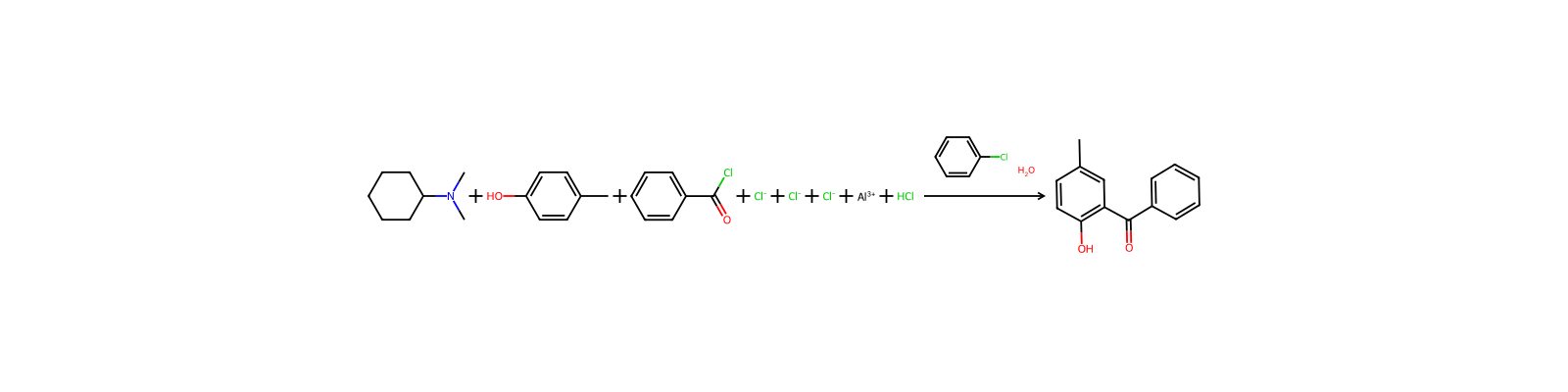
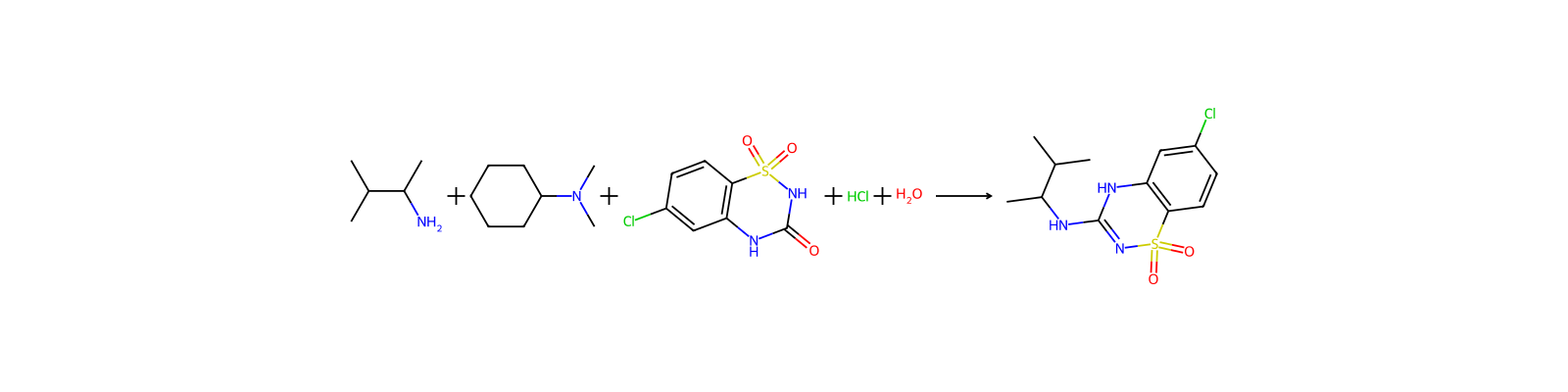
관련 반응
47건



연결된 노트
불러오는 중…