홈MCP워크벤치Skills
홈워크벤치알림마이페이지
llms.txt · MCP 가이드개인정보처리방침 · 이용약관 · 지원v1.8.0
  1. 홈
  2. /화합물

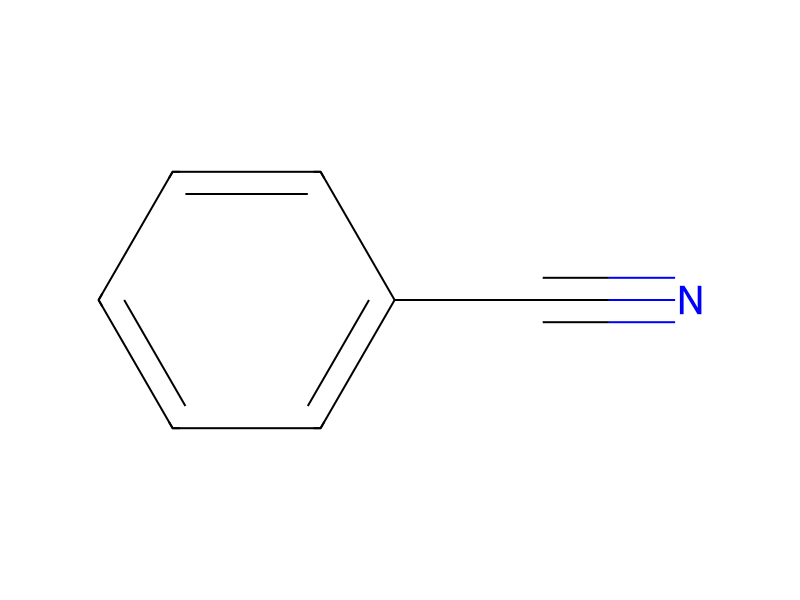
벤조니트릴

Benzonitrile

HCID 7505
새 노트새 반응견적 요청하기
인쇄 미리보기

데이터를 보충하는 중입니다. 잠시 후 페이지를 새로 고치면 최신 내용을 볼 수 있습니다
기본 정보개요이름 및 식별자물성안전 및 규제화학 및 산업관련 반응화합물 노트
부분 구조 검색유사 구조 찾기

기본 정보

CAS
100-47-0
표준 SMILES
N#Cc1ccccc1
InChIKey
JFDZBHWFFUWGJE-UHFFFAOYSA-N
분자식
C7H5N
평균 분자량
103.12 g/mol
단동위원소 질량
103.04219916

개요

Benzonitrile appears as a clear colorless liquid with an almond-like odor. Flash point 161 °F. Denser (at 8.4 lb / gal) than water and slightly soluble in water. Used as a specialty solvent and to make other chemicals.

이름 및 식별자

우선 이름
Benzonitrile
IUPAC
benzonitrile
현지명
벤조니트릴
영어명
Benzonitrile
분자식
C7H5N
분자량
103.12

이름 및 동의어

BENZONITRILE100-47-0Phenyl cyanideCyanobenzeneBenzenenitrileBenzoic acid nitrileBenzene, cyano-BenzenecarbonitrilePhenylcyanideFenylkyanidDTXSID70214919V9APP5H5S
이름 더 보기
벤조나이트라일벤조나이트릴벤조니트릴벤조산니트릴시아노벤젠페닐시아나이드벤젠, 사이아노-벤젠나이트릴벤젠카보나이트릴벤조 산 나이트릴벤조산 나이트릴사이아노벤젠페닐 사이아나이드페닐 시아나이드BNFBBenzonitrilBRNBenzontrile3BNBRR2BNCGRP-10
C6H5-CNNSC-8039DTXCID001491CHEBI:27991RefChem:5590benzonitrile;phenyl cyanide202-855-7Fenylkyanid [Czech]

데이터베이스 식별자

CAS
100-47-0
PubChem CID
7505
DTXSID
DTXSID7021491
ChEMBL
CHEMBL15819
ChEBI
CHEBI:27991
UNII
9V9APP5H5S
EC Number
202-855-7
Nikkaji
J3.590D

물성

구조 계산 물성보충 중

XLogP
1.6
극성 표면적
23.8 Ų
수소 결합 공여자 수
0
수소 결합 수용자 수
1
회전 가능 결합 수
0
무거운 원자 수
8
형식 전하
0
복잡도
103

실험 및 물리화학적 성질

Chemical Classes · 2건

Nitrogen Compounds -> Nitriles

Flammable agents - 2nd degree

SpringerMaterials Properties13C nuclear magnetic resonance spectrum
FragrancesFragrance Ingredient (Benzonitrile) -> IFRA transparency List
LogP · 2건

log Kow = 1.56

1.56

OdorOdor of volatile oil of almond
TasteSharp taste
Density · 4건

1.01 at 77 °F (USCG, 1999) - Denser than water; will sink

1.0093 g/cu cm at 15 °C

Relative density (water = 1): 1.0

1.01 @ 15°C

Viscosity1.054 centistokes at 100 °F
Color/Form · 2건

Liquid

Colorless oil

Solubility · 5건

1 to 5 mg/mL at 73 °F (NTP, 1992)

In water, 2000 mg/L at 25 °C

Miscible with common organic solvents

안전 및 규제

안전 정보는 참고용이며, 공급업체의 물질안전보건자료(SDS), 관련 법규 및 전문가 평가를 대체하지 않습니다.

GHS 분류

GHS Classification · 6건

Warning

H302: Harmful if swallowed [Warning Acute toxicity, oral]

P264, P270, P280, P301+P317, P302+P352, P317, P321, P330, P362+P364, and P501 (click each P-code to see the statement)

This chemical does not meet GHS hazard criteria for 1.9% (11 of 575) of reports.

Warning

H302 (98.1%): Harmful if swallowed [Warning Acute toxicity, oral]

유해성 정보

Regulatory Information · 4건

Chemical: Benzonitrile

Status: Active Update: 18-05-2022 https://echa.europa.eu/registration-dossier/-/registered-dossier/14352

Benzonitrile: Does not have an individual approval but may be used under an appropriate group standard

The New Jersey Worker and Community Right to Know Act requires public and private employers to provide information about hazardous substances at their workplaces. (N.J.S.A. 34:5A-1 et. seq.)

Other Safety InformationIMAP assessments - Benzonitrile: Human health tier II assessment
DOT LabelPoison
Fire Hazards · 3건

Special Hazards of Combustion Products: Toxic hydrogen cyanide and oxides of nitrogen may form in fire. (USCG, 1999)

· Combustible material: may burn but does not ignite readily.

Combustible. Gives off irritating or toxic fumes (or gases) in a fire. Above 75 °C explosive vapour/air mixtures may be formed.

Fire Potential... Combustible but burns with difficulty.
Health Hazards · 2건

Benzonitrile may enter the human body by ingestion, absorption through the skin, or inhalation. The earliest symptoms of cyano compound intoxication may be weakness, headaches, confusion, and occasionally nausea and vomiting. The respiratory rate and depth will usually be increased at the beginning and at later stages become slow and gasping. Blood pressure is usually normal, especially in the mild or moderately severe cases, although the pulse rate is usually more rapid than normal. (USCG, 1999)

화학 및 산업

약리 정보

Metabolism/Metabolites · 4건

Aromatic cyanides or nitriles can be metabolized by hydrolysis of the cyanide group to give the corresponding carboxylic acid. This reaction is only a minor pathway, the major metabolic transformation being aromatic hydroxylation. Benzonitrile /by hydrolation yields/ benzamide /which by hydrolysis yields/ benzoic acid and ammonia.

Benzonitrile yields o-hydroxybenzonitrile, m-hydroxybenzonitrile, and p-hydroxybenzonitrile in rabbits.

Benzonitrile is mainly hydroxylated in vivo to cyanophenols, a small amount being hydrolyzed to benzoic acid. ... In rabbit, 50% of a dose of 150 mg/kg was converted to conjugated cyanophenols and 10% of the benzonitrile fed was excreted as benzoic acid. Hydrogen cyanide is not a metabolite of benzonitrile ... and cyanide was not found to be formed by benzonitrile either in vivo or in vitro. ... The in vivo microsomal hydroxylation of specifically deuterated benzonitrile in the rat yielded mainly 4-hydroxybenzonitrile with 41% retention of deuterium.

Organic nitriles are converted into cyanide ions through the action of cytochrome P450 enzymes in the liver. Cyanide is rapidly absorbed and distributed throughout the body. Cyanide is mainly metabolized into thiocyanate by either rhodanese or 3-mercaptopyruvate sulfur transferase. Cyanide metabolites are excreted in the urine. (L96)

용도 및 제조

Uses · 6건

Used as a solvent and intermediate in industries making drugs, perfumes, dyes, rubber, textiles, resins, and specialty lacquers; [HSDB]

Textiles (Fiber & Fabric Manufacturing) [Category: Industry]

Synthesis of benzoquanamine; additive in nickel-plating baths; for separating naphthalene and alkylphthalenes from non-aromatics by azetropic distillation; as jet-fuel additive; in cotton bleaching baths; as a drying additive for acrylic fibers; in the removal of titanium tetrachloride and vanadium oxytrichloride from silicon tetrachloride.

Intermediate for rubber chemicals; solvent for nitrile rubber, specialty lacquers, and many resins and polymers, and for many anhydrous metallic salts.

In perfumes at a maximum level of 0.2% in the final product

Solvent

U.S. Exports(1984) 9.72X10+9 g /Nitriles & their derivatives, NSPF/

관련 반응

508건

반응 기록 만들기
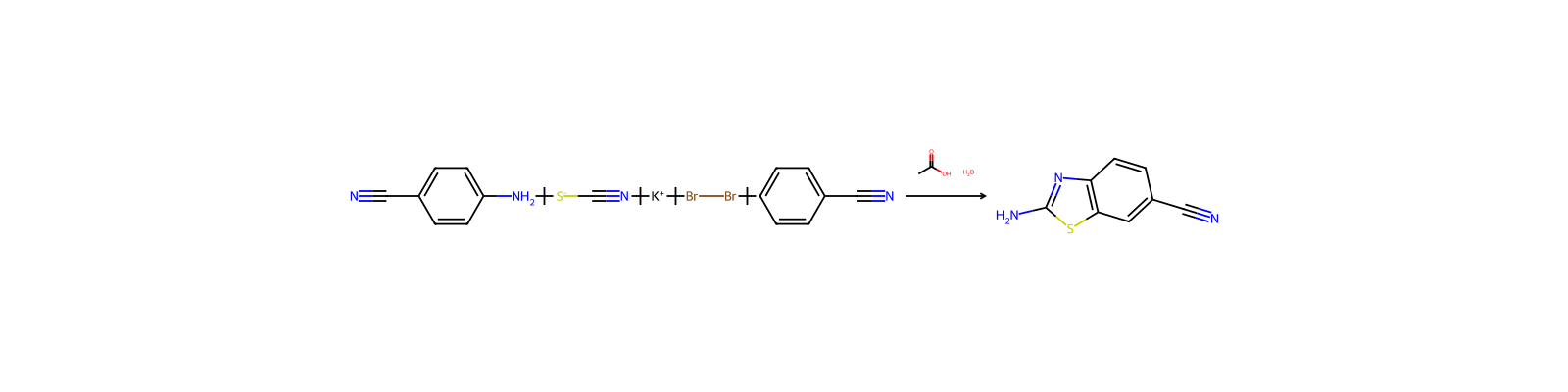
HRID 1901 반응식
HRID 1901반응물로uspto-grants-1998_03
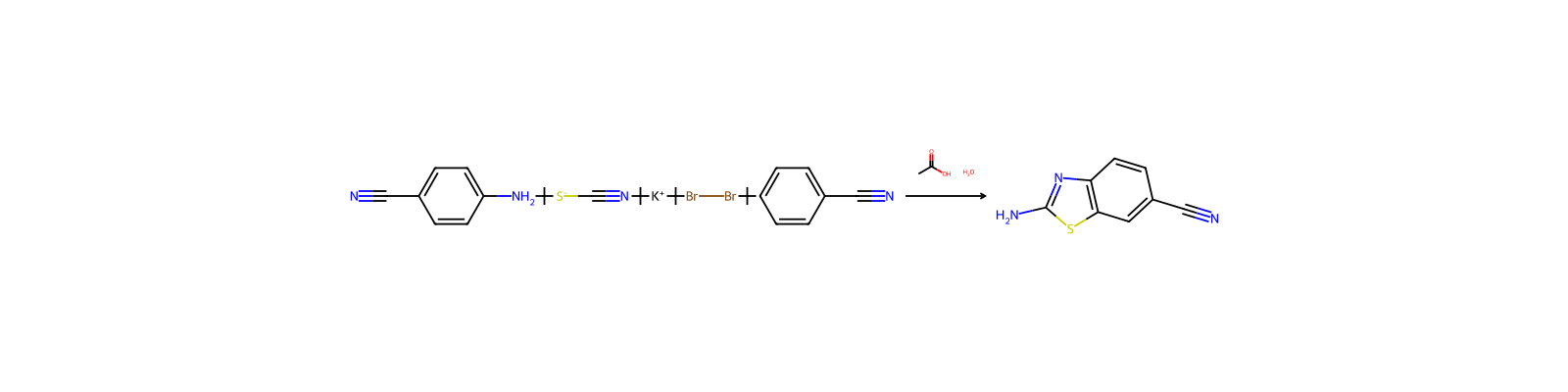
HRID 2685 반응식
HRID 2685용매로uspto-grants-1998_03
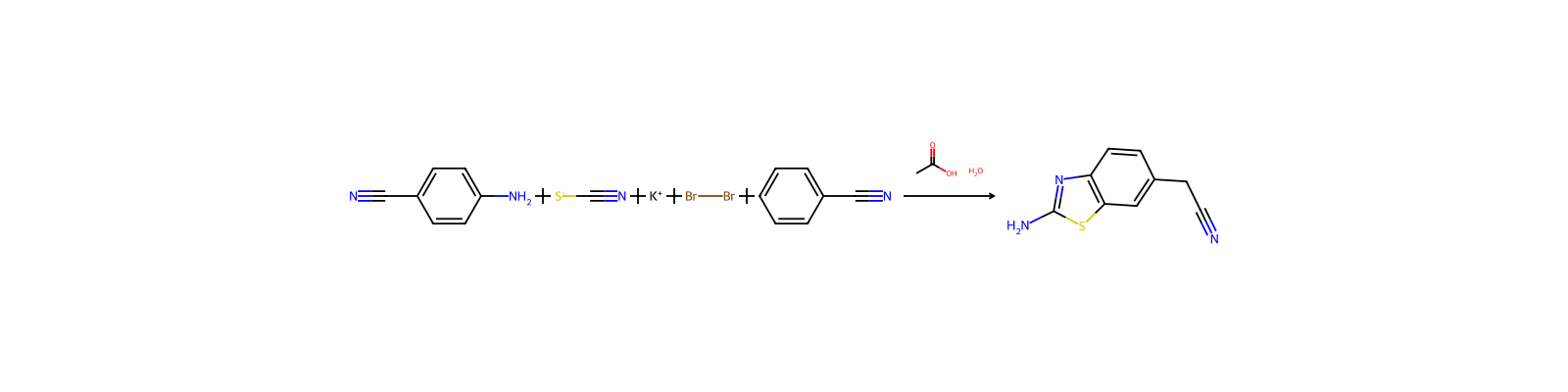
HRID 8310 반응식
HRID 8310반응물로uspto-grants-2006_08
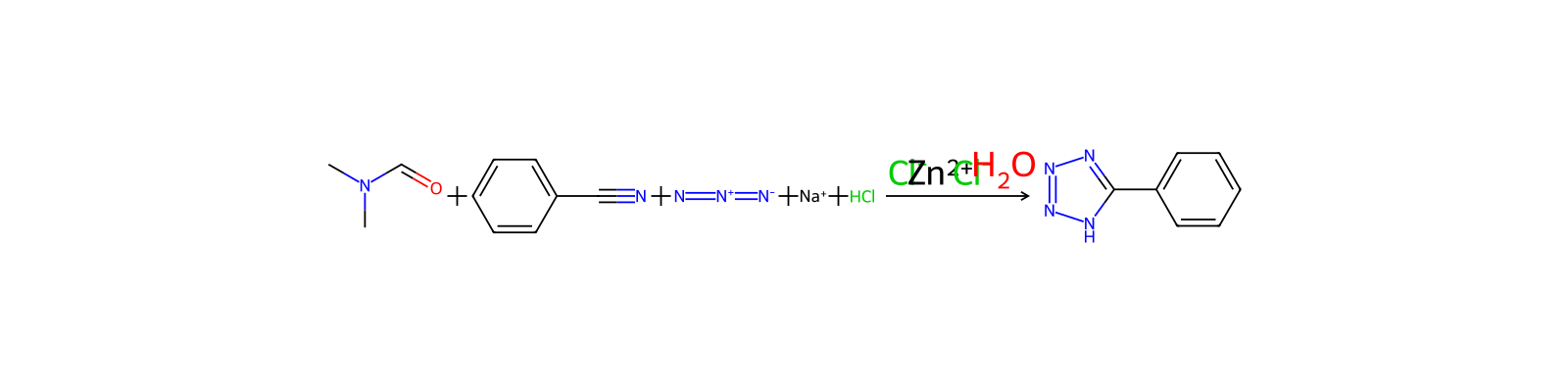
HRID 9100 반응식
HRID 9100반응물로uspto-grants-2006_08
HRID 9102 반응식
HRID 9102반응물로uspto-grants-2006_08
HRID 9167 반응식
HRID 9167반응물로uspto-grants-2006_08
HRID 9336 반응식
HRID 9336용매로uspto-grants-2006_08
HRID 19994 반응식
HRID 19994반응물로uspto-grants-2010_06
1 / 64 페이지

화합물 노트

불러오는 중…

이 페이지에서기본 정보개요이름 및 식별자물성안전 및 규제화학 및 산업관련 반응화합물 노트
더보기
새 노트새 반응견적 요청하기

Miscible with ethanol; very soluble in acetone, benzene; soluble in carbon tetrachloride

Solubility in water, g/100ml at 22 °C: 0.1-0.5 (poor)

CorrosivityWill attack some plastics
Flash Point · 4건

161 °F (NTP, 1992)

167 °F

70 °C (158 def F) (Closed cup)

75 °C c.c.

물리화학적 성질

녹는점
13 °C · −13 °C (9 °F; 260 K)
끓는 점
188 to · 188 to 191 °C (370 to 376 °F; 461 to 464 K)
밀도
1 g/ml · 1.0 g/ml
증기 밀도
3.6 · 3.6 (vs air)
증기압
1 hPa · 1 hPa at 20 °C
굴절률
1.528 · 1.5280
인화점
75 °C · 75 °C (167 °F; 348 K)
저장 조건
30 °C · Store below +30°C.
용해도
10 g/L · 10g/L
물리적 상태
clear liquid
색상
Colorless to Almost colorless
냄새
아몬드 같은.
폭발한계
1.4 · 1.4-7.2%(V)
수용성
10 g/L · 10g/L(100℃)
비열
1.6 J/ · Cp(liquid): 1.6 J/(g·K), at 25℃
Merck
14 · 14,1097
BRN
506893 · 506893
Henry's Law Constant
3.5 · 3.5×10-1 mol/(m3Pa) at 25℃, Brockbank (2013)
Dielectric constant
26 · 26.0(20℃)
안정성
안정적인. 강염기, 강산, 강산화제, 강환원제와 호환되지 않습니다. 공기에 민감합니다. 타기 쉬운.
주요 응용
음식 및 음료
화장품 원료 기능
향수
InChI
1S/C7H5N/c8-6-7-4-2-1-3-5-7/h1-5H
InChIKey
JFDZBHWFFUWGJE-UHFFFAOYSA-N
SMILES
N#Cc1ccccc1
LogP
1.5 at · 1.5 at 20℃
표면장력
38.33 mN/m · 38.33mN/m at 298.15K
NIST
Benzonitrile(100-47-0)
EPA
Benzonitrile (100-47-0)
화학적 성질 · 1건

Bezonitrile is a colorless, oily liquid. It has a almond odor and a bitter taste. Slightly soluble in cold water, the solubility in water at 100°C is 1%; miscible with common organic solvents. When heated to decomposition, benzonitrile emits toxic hydrogen cyanide and oxides of nitrogen (HSDB 1988).

· Highly toxic, may be fatal if inhaled, ingested or absorbed through skin.

Hazards Summary · 1건

Highly toxic; [Quick CPC] When burned, benzonitrile releases hydrogen cyanide and nitrogen oxides. Unlike the other nitriles, benzonitrile, an aromatic compound, does not release cyanide in the body after ingestion, inhalation, or skin absorption. Its acts as a uncoupler similar to the toxicity of pentachlorophenol. [HSDB; Goldfrank, p. 179] A skin, eye, and respiratory tract irritant; [ICSC] Causes contact urticaria; [Kanerva, p. 219] See Pentachlorophenol.

DOT ID and Guide2224 152
Reactive GroupNitriles
EC ClassificationSymbol: Xn; R: 21/22; S: (2)-23
UN ClassificationUN Hazard Class: 6.1; UN Pack Group: II
Special ReportsOPDYKE DL J; FOOD COSMET TOXICOL 17(SUPPL): 723-5 (1979). REVIEW WITH 28 REF ON PHENYLCYANIDE INCLUDING TOXICITY, INHALATION, IRRITATION, SENSITIZATION, METAB, PHARMACOLOGY, & EFFECT ON ISOLATED TISSUE & PROTEINS.

안전 및 보호

Fire Fighting · 2건

Excerpt from ERG Guide 152 [Substances - Toxic (Combustible)]:

Use powder, AFFF, foam, carbon dioxide. In case of fire: keep drums, etc., cool by spraying with water.

First Aid Measures · 4건

Fresh air, rest. Artificial respiration may be needed. Refer for medical attention.

Remove contaminated clothes. Rinse skin with plenty of water or shower. Refer for medical attention .

First rinse with plenty of water for several minutes (remove contact lenses if easily possible), then refer for medical attention.

Rinse mouth. Rest. Refer for medical attention .

Accidental Release Measures · 2건

· CALL 911. Then call emergency response telephone number on shipping paper. If shipping paper not available or no answer, refer to appropriate telephone number listed on the inside back cover.

· ELIMINATE all ignition sources (no smoking, flares, sparks or flames) from immediate area.

First Aid · 2건

EYES: First check the victim for contact lenses and remove if present. Flush victim's eyes with water or normal saline solution for 20 to 30 minutes while simultaneously calling a hospital or poison control center. Do not put any ointments, oils, or medication in the victim's eyes without specific instructions from a physician. IMMEDIATELY transport the victim after flushing eyes to a hospital even if no symptoms (such as redness or irritation) develop.

General First Aid:

Safe StorageSeparated from food and feedstuffs. Well closed. Keep in a well-ventilated room.
Firefighting HazardsSpecial hazards arising from the substance or mixture: Carbon oxides, nitrogen oxides (NOx)
Exposure Control and Personal Protection· Wear positive pressure self-contained breathing apparatus (SCBA).
Fire Fighting Procedures · 5건

Foam, dry chemical, carbon dioxide. Water may be ineffective. Cool exposed containers with water. Wear goggles & self-contained breathing apparatus.

If material on fire or involved in fire: Do not extinguish fire unless flow can be stopped. Use water in flooding quantities as fog. Solid streams of water may be ineffective. Cool all affected containers with flooding quantities of water. Apply water from as far a distance as possible. Use "alcohol" foam, dry chemical or carbon dioxide.

Evacuation: If fire becomes uncontrollable or container is exposed to direct flame, evacuate for a radius of 1500 feet. If material leaking (not on fire), downwind evacuation must be considered.

Suitable extinguishing media: Use water spray, alcohol-resistant foam, dry chemical or carbon dioxide.

For more Fire Fighting Procedures (Complete) data for BENZONITRILE (6 total), please visit the HSDB record page.

Storage Conditions · 1건

Conditions for safe storage, including any incompatibilities: Keep container tightly closed in a dry and well-ventilated place. Containers which are opened must be carefully resealed and kept upright to prevent leakage. Hygroscopic: Handle and store under inert gas.

Cleanup Methods · 2건

Remove all ignition sources. Ventilate area of spill or leak. Absorb liquids in vermiculite, dry sand, earth, or a similar material adn deposit in sealed containers. it maybe nessary to contain and dispose of this chemical as a hazardous waste.

Accidental Release Measures. Personal precautions, protective equipment and emergency procedures: Use personal protective equipment. Avoid breathing vapours, mist or gas. Ensure adequate ventilation. Remove all sources of ignition. Beware of vapours accumulating to form explosive concentrations. Vapours can accumulate in low areas. Environmental precautions: Prevent further leakage or spillage if safe to do so. Do not let product enter drains. Discharge into the environment must be avoided. Methods and materials for containment and cleaning up: Contain spillage, and then collect with an electrically protected vacuum cleaner or by wet-brushing and place in container for disposal according to local regulations. Keep in suitable, closed containers for disposal.

Nonfire Spill ResponseExcerpt from ERG Guide 152 [Substances - Toxic (Combustible)]:
Disposal Methods · 5건

SRP: The most favorable course of action is to use an alternative chemical product with less inherent propensity for occupational harm/injury/toxicity or environmental contamination. Recycle any unused portion of the material for its approved use or return it to the manufacturer or supplier. Ultimate disposal of the chemical must consider: the material's impact on air quality; potential migration in soil or water; effects on animal and plant life; and conformance with environmental and public health regulations.

Mix with calcium hypochlorite and flush to sewer with water or incinerate.

The following wastewater treatment technology has been investigated for benzonitrile: Concentration process: Biological treatment.

Waste treatment methods. Product: This combustible material may be burned in a chemical incinerator equipped with an afterburner and scrubber. Offer surplus and non-recyclable solutions to a licensed disposal company. Contact a licensed professional waste disposal service to dispose of this material. Contaminated packaging: Dispose of as unused product.

SRP: Wastewater from contaminant suppression, cleaning of protective clothing/equipment, or contaminated sites should be contained and evaluated for subject chemical or decomposition product concentrations. Concentrations shall be lower than applicable environmental discharge or disposal criteria. Alternatively, pretreatment and/or discharge to a permitted wastewater treatment facility is acceptable only after review by the governing authority and assurance that "pass through" violations will not occur. Due consideration shall be given to remediation worker exposure (inhalation, dermal and ingestion) as well as fate during treatment, transfer and disposal. If it is not practicable to manage the chemical in this fashion, it must be evaluated in accordance with EPA 40 CFR Part 261, specifically Subpart B, in order to determine the appropriate local, state and federal requirements for disposal.

독성 정보

Body Burden · 1건

Benzonitrile was qualitatively detected in 3 of 12 samples of human milk collected from volunteers in Bayonne, NJ, Jersey City, NJ, Bridgeville, PA, and Baton Rouge, LA(1). Benzonitrile was detected in 24.6% of 387 of expired air samples collected from healthy, urban human adults; the mean concentration in expired air was 0.105 ng/L(2).

Treatment · 1건

Antidotes to cyanide poisoning include hydroxocobalamin and sodium nitrite, which release the cyanide from the cytochrome system, and rhodanase, which is an enzyme occurring naturally in mammals that combines serum cyanide with thiosulfate, producing comparatively harmless thiocyanate. Oxygen therapy can also be administered. (L97)

Interactions · 4건

Benzonitrile was tested for anticonvulsant effect in mice and gave protection against pentylenetetrazole-induced convulsions.

The extent of cyanide liberation and the effect of carbon tetrachloride pretreatment on the mortality of /mice/ differed among nitriles. Benzonitrile toxicity was clearly enhanced.

When sodium thiosulfate was given in multiple injections, it protected mice against death by propionitrile.

The toxic mechanism of nitriles and the effect of metabolic modifiers in mice were studied in relation to their physicochemical properties. All the test nitriles liberated cyanide both in vivo and in vitro, with the exception of benzonitrile, although the extent of liberation and the effect of carbon tetrachloride pretreatment on the mortality of animals differed among nitriles. From these results, test compounds were tentatively divided into 3 groups. In group 1, acute toxicity was greatly reduced by carbon tetrachloride pretreatment, in group 2, toxicity was not significantly changed or was somewhat enhanced, and in group 3, benzonitrile only, toxicity was clearly enhanced. The amount of cyanide was higher at death in the brains of mice given group 1 compounds, the level being comparable to that found in mice killed by dosing with potassium cyanide. The relation between log (1/LD50) and log p for the compounds in group 1 fitted a parabolic plot, while that for compounds in group 2 was linear. For most nitriles, the in vitro metabolism was inhibited when the incubation mixture contained either SKF-525A, carbon monoxide, or microsomes from mice treated with carbon tetrachloride. When mice were dosed with ethyl alcohol, metabolic enhancement of nitriles was seen compared with the control. However, ethyl alcohol, when added to the incubation mixture, inhibited the in vitro metabolism of nitriles. /Nitriles/

Health Effects · 1건

Exposure to high levels of cyanide for a short time harms the brain and heart and can even cause coma, seizures, apnea, cardiac arrest and death. Chronic inhalation of cyanide causes breathing difficulties, chest pain, vomiting, blood changes, headaches, and enlargement of the thyroid gland. Skin contact with cyanide salts can irritate and produce sores. (L96, L97)

Ecotoxicity Values · 3건

EC50; Species: Daphnia magna (Water Flea) age < or =24 hr; Conditions: freshwater, static, 20-22 °C, pH 7.6-7.7; Concentration: 200000 ug/L for 24 hr; Effect: intoxication, immobilization /formulation/

LC50; Species: Oryzias latipes (Japanese Medaka) length 2 cm, weight 0.2 g; Conditions: freshwater, static, 25 °C; Concentration: 27000 ug/L for 24 hr

LC50; Species: Oryzias latipes (Japanese Medaka) length 2 cm, weight 0.2 g; Conditions: freshwater, static, 25 °C; Concentration: 15000 ug/L for 48 hr

Environmental Fate · 3건

TERRESTRIAL FATE: Based on a classification scheme(1), an estimated Koc value of 150(SRC), determined from a log Kow of 1.56(2) and a regression-derived equation(3), indicates that benzonitrile is expected to have moderate mobility in soil(SRC). Volatilization of benzonitrile from moist soil surfaces is expected to be an important fate process(SRC) given an estimated Henry's Law constant of 5.21X10⁻⁵ atm-cu m/mole (SRC), derived from its vapor pressure, 0.768 mm Hg(4), and water solubility of 2000 mg/L(5). Benzonitrile is not expected to volatilize from dry soil surfaces(SRC) based upon its vapor pressure(4). Benzonitrile achieved 88% degradation after 8, 10, and 12.5 hours in char-amended soil, soil and washed-char-amended soil slurries, respectively(6), indicating that biodegradation may be an important environmental fate process in soil(SRC).

AQUATIC FATE: Based on a classification scheme(1), an estimated Koc value of 150(SRC), determined from a log Kow of 1.56(2) and a regression-derived equation(3), indicates that benzonitrile is not expected to adsorb to suspended solids and sediment(SRC). Volatilization from water surfaces is expected(4) based upon an estimated Henry's Law constant of 5.21X10⁻⁵ atm-cu m/mole(SRC), derived from its vapor pressure, 0.768 mm Hg(5), and water solubility of 2000 mg/L(6). Using this Henry's Law constant and an estimation method(4), volatilization half-lives for a model river and model lake are 20 and 9 days, respectively(SRC). According to a classification scheme(7), an estimated BCF of 5(SRC), from its log Kow(2) and a regression-derived equation(3), suggests the potential for bioconcentration in aquatic organisms is low(SRC). Utilizing the Japanese MITI test, 63% of the Theoretical BOD was reached in 2 weeks(8) indicating that biodegradation is an important environmental fate process in water(SRC).

ATMOSPHERIC FATE: According to a model of gas/particle partitioning of semivolatile organic compounds in the atmosphere(1), benzonitrile, which has a measured vapor pressure of 0.768 mm Hg at 25 °C(2), is expected to exist solely as a vapor in the ambient atmosphere(SRC). Vapor-phase benzonitrile is degraded in the atmosphere by reaction with photochemically-produced hydroxyl radicals(SRC); the half-life for this reaction in air is estimated to be 31 days(SRC), calculated from its rate constant of 3.30X10⁻¹³ cu cm/molecule-sec at 25 °C(3). Benzonitrile absorbs light at wavelengths >290 nm(4) and, therefore, may be susceptible to direct photolysis by sunlight(SRC).

Food Survey Values · 2건

Benzonitrile was qualitatively detected in the volatile components of baked potatoes(1), roasted filbert nuts(2), chickpeas(3), and meat(4).

Benzonitrile is found in milk products, roasted filberts and peanuts, and cooked trassi.

Adverse EffectsNephrotoxin - The chemical is potentially toxic to the kidneys in the occupational setting.
Exposure Routes · 2건

The substance can be absorbed into the body by inhalation, through the skin and by ingestion.

Oral (L96) ; inhalation (L96) ; dermal (L96)

Milk Concentrations · 2건

Benzonitrile was qualitatively detected in 3 of 12 samples of human milk collected from volunteers in Bayonne, NJ, Jersey City, NJ, Bridgeville, PA, and Baton Rouge, LA(1).

Benzonitrile is found in milk products.

Toxicity Summary · 2건

IDENTIFICATION AND USE: Benzonitrile is a colorless liquid. It is used as intermediate for rubber chemicals; solvent for nitrile rubber, specialty lacquers, and many resins and polymers, and for many anhydrous metallic salts. HUMAN EXPOSURE AND TOXICITY: Benzonitrile was tested at a concentration of 2% in petrolatum on 27 volunteers in a mixed panel, and was found to produce no sensitization reactions after 48 hr close patch test. Extensive reddening and blister formation resulted from accidental exposure of human skin to benzonitrile. Following an occupational accident in which a worker's head and clothing were drenched with benzonitrile, the worker suffered severe respiratory distress and tonic convulsions between periods of unconsciousness which lasted for 75 min. Thereafter he gradually recovered, but several years later he experienced episodes of unconsciousness which might have been related to the benzonitrile exposure. ANIMAL STUDIES: CNS depression signs and changes in blood cholinesterase activity were observed in rats and mice in an inhalation study with benzonitrile. Indication of cumulative effects of benzonitrile were reported. Toxic signs included sluggishness, unsteady gait, a comatose state, convulsions of limb muscles, and death. Benzonitrile produced mild eye irritation and no skin irriation in albino rabbits. Benzonitrile applied full strength to intact or abraded rabbit skin for 24 hr under occlusion was moderately irritating. When benzonitrile was administered orally to rats in a single lethal dose (2 g/kg), cytochrome oxidase activity of the liver, kidneys, and heart was increased by 2-4 times. The nitrile initially increased the hippuric acid and NH3 and decreased the glucuronides of the urine. Rhodanides in the blood remained unchanged. Certain responses of rats following exposure to benzonitrile vapor exhibited age-rated differences. Erythrocyte and leukocyte counts and hemoglobin , albumin and gamma-globulin levels decreased while alpha1-, alpha2- and beta-globulin levels increased earlier and were compensated far more rapidly in adult rats than in juvenile or older animals. Both, nitrobenzene and benzonitrile applied to V79 cells, induced mostly kinetochor (CREST)-positive micronuclei, thus characterising the chromosomal effects as aneugenic. Benzonitrile was tested for anticonvulsant effect in mice and gave protection against pentylenetetrazole-induced convulsions.

Organic nitriles decompose into cyanide ions both in vivo and in vitro. Consequently the primary mechanism of toxicity for organic nitriles is their production of toxic cyanide ions or hydrogen cyanide. Cyanide is an inhibitor of cytochrome c oxidase in the fourth complex of the electron transport chain (found in the membrane of the mitochondria of eukaryotic cells). It complexes with the ferric iron atom in this enzyme. The binding of cyanide to this cytochrome prevents transport of electrons from cytochrome c oxidase to oxygen. As a result, the electron transport chain is disrupted and the cell can no longer aerobically produce ATP for energy. Tissues that mainly depend on aerobic respiration, such as the central nervous system and the heart, are particularly affected. Cyanide is also known produce some of its toxic effects by binding to catalase, glutathione peroxidase, methemoglobin, hydroxocobalamin, phosphatase, tyrosinase, ascorbic acid oxidase, xanthine oxidase, succinic dehydrogenase, and Cu/Zn superoxide dismutase. Cyanide binds to the ferric ion of methemoglobin to form inactive cyanmethemoglobin. (L97)

Signs and Symptoms · 5건

Confusion. Headache. Laboured breathing. Nausea. Unconsciousness. Vomiting. Weakness.

Redness.

Redness. Pain.

Further see Inhalation.

Cyanide poisoning is identified by rapid, deep breathing and shortness of breath, general weakness, giddiness, headaches, vertigo, confusion, convulsions/seizures and eventually loss of consciousness. (L96, L97)

규제 정보

Atmospheric Standards · 1건

This action promulgates standards of performance for equipment leaks of Volatile Organic Compounds (VOC) in the Synthetic Organic Chemical Manufacturing Industry (SOCMI). The intended effect of these standards is to require all newly constructed, modified, and reconstructed SOCMI process units to use the best demonstrated system of continuous emission reduction for equipment leaks of VOC, considering costs, non air quality health and environmental impact and energy requirements. Benzonitrile is produced, as an intermediate or a final product, by process units covered under this subpart.

CERCLA Reportable Quantities · 1건

Persons in charge of vessels or facilities are required to notify the National Response Center (NRC) immediately, when there is a release of this designated hazardous substance, in an amount equal to or greater than its reportable quantity of 5000 lb or 2270 kg. The toll free number of the NRC is (800) 424-8802. The rule for determining when notification is required is stated in 40 CFR 302.4 (section IV. D.3.b).

Clean Water Act Requirements · 1건

Benzonitrile is designated as a hazardous substance under section 311(b)(2)(A) of the Federal Water Pollution Control Act and further regulated by the Clean Water Act Amendments of 1977 and 1978. These regulations apply to discharges of this substance. This designation includes any isomers and hydrates, as well as any solutions and mixtures containing this substance.

안전 데이터

wgk
2
IDLA
14 ppm (66 mg/m3)
tsca
TSCA listed
rtecs
DI2450000
ridadr
UN 2224
독성
LDLo orl-rat: 720 mg/kg AMRL** TR-74-78,74
HS 번호
29269090
risk_code
21/22-38
hazard_code
Xn
safety_code
23
포장분류
II
위험 등급
6.1
기존화학 물질
KE-02715
자연 발화 온도
550 °C
Hazard Classifications
Acute Tox. 4 DermalAcute Tox. 4 Oral
스토리지 클래스
6.1A - Combustible acute toxic Cat. 1 and 2very toxic hazardous materials
유해 물질 데이터
100-47-0(Hazardous Substances Data)
U.S. Imports(1984) 6.76X10+7 g
U.S. Production · 3건

(1972) PROBABLY GREATER THAN 4.54X10+5 G

(1975) PROBABLY GREATER THAN 4.5X10+5 G

Non-confidential 2012 Chemical Data Reporting (CDR) information on the production and use of chemicals manufactured or imported into the United States. Chemical: Benzonitrile. National Production Volume: Withheld.

Methods of Manufacturing · 5건

Prepared by heating Na benzenesulfonate with NaCN or by adding benzenediazonium chloride solution to a hot aqueous NaCN solution containing CuSO4 and distilling.

From benzoic acid by heating with lead thiocyanate.

... The reaction of benzoic acid (or substituted benzoic acid) with urea at 220-240 °C in the presence of a metallic catalyst.

Benzonitrile can be produced in high yield by the vapor-phase catalytic ammoxidation of toluene.

For more Methods of Manufacturing (Complete) data for BENZONITRILE (6 total), please visit the HSDB record page.

Formulations/Preparations · 2건

99.5% min wt/water content of 0.40% max

Grades of purity: Pure, 99+%

Use ClassificationFragrance Ingredients
General Manufacturing InformationBenzonitrile: ACTIVE
응용 분야 · 4건

개요벤젠의 수소 한 개를 시아노기로 치환한 무색, 방향성 액체. 분자량 103.1, 녹는점 -13.2℃, 끓는점 191.1℃, 비중 1.0051(20℃)이다. 에틸알코올 · 벤젠 · 에테르에 녹고 물에는 약간 녹는다.

용도용제로 쓰이며 플라스틱 원료로도 이용된다.

출처Benzonitrile is reported to be found in natural cocoa aroma), in milk products, roasted filberts and peanuts and cooked trassi . Benzonitrile also has been detected in the thermal decomposition products of flexible polyurethane foam.

용도The most important commercial use for benzonitrile is the synthesis of benzoguanamine, which is a derivative of melamine and is used in protective coatings and molding resins. It is used intermediate for rubber chemicals; solvent for nitrile rubber, specialty lacquers, and many resins and polymers, and for many anhydrous metallic salts.

제조 방법 · 2건

Benzonitrile can be prepared by following methods:1) on a small scale by the dehydration in an inert solvent with phosphorus oxychloride or benzenesulfonyl chloride and an organic amine.2) from benzoic acid by heating with lead thiocyanate.3) by heating sodium benzenesulfonate with sodium cyanide.4) by adding benzenediazonium chloride solution to a hot aq sodium cyanide solution containing cupric sulfate and distilling by ammoxidation of toluene.Benzonitrile can also be produced in high yield by the vapor-phase catalytic ammoxidation of toluene.

나트륨 벤젠술폰산염을 나트륨 시안화물과 가열하거나 벤젠다이아모늄 염화물 용액을 구리 황산염과 뜨거운 수분을 함유한 나트륨 시안화물 용액에 넣고 증류함으로써 제조됨 벤조산을 납 티오시안산염과 가열함으로써 만들어짐 (1)증기상태의 톨루엔의 촉매 암옥시화; (2)금속 촉매제가 있을 때 벤조산(또는 벤조산 대체물)과 요소의 반응 @ 220-240 ℃; 또는 (3)뷰타다이엔과 아크릴로나이트릴의 Diels-Alder 내전의 탈수소반응에 의해 제조됨

상·하류 제품 정보

상류 원료

시안화 제I구리유황암모니아수황화나트륨톨루엔페놀페닐아세토나이트릴아질산 나트륨벤즈아마이드O-톨루이딘염화 티오닐사이안화 칼륨산화알루미늄암모니아(가스)

하류 제품

Ethyl N-(diphenylmethylene)glycinate벤조쿠아나민Cycloprothrin알클로메타손-17,21-디프로피오네이트3-Nitrobenzonitrile3-벤조일프로피오페논4-Chloro-2,5-diphenylthieno[2,3-d]pyrimidine1,4-Bis(4-cyanostyryl)benzene3,5-다이브로모-4-하이드록시벤조나이트릴 및 그 염류라놀린3,4,5-트리메톡시벤즈알데히드클로로타로닐4-tert-부틸벤질아민디클로로 비스 (벤조 니트릴) 팔라듐 (II)디미듐 브로마이드Azosemide2,6-디메톡시벤조니트릴Sulphur Blue 71,3,5-Triazine, 2-phenyl- (9CI)메틸(5-메르캅토-1H-벤즈이미다졸-2-일)카바메이트Prazosin벤자마이드 옥심Bunazosin hydrochloride아미트라즈5-페닐-1H-테트라졸디페닐메타니민

추가 설명

정의ChEBI: Benzonitrile is a nitrile that is hydrogen cyanide in which the hydrogen has been replaced by a phenyl group. It is a member of benzenes and a nitrile.