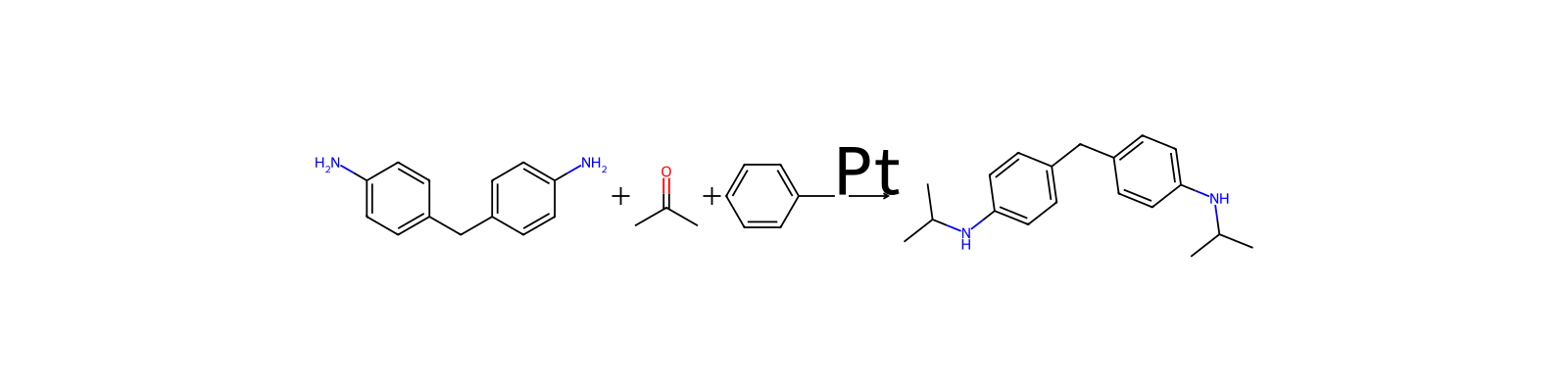
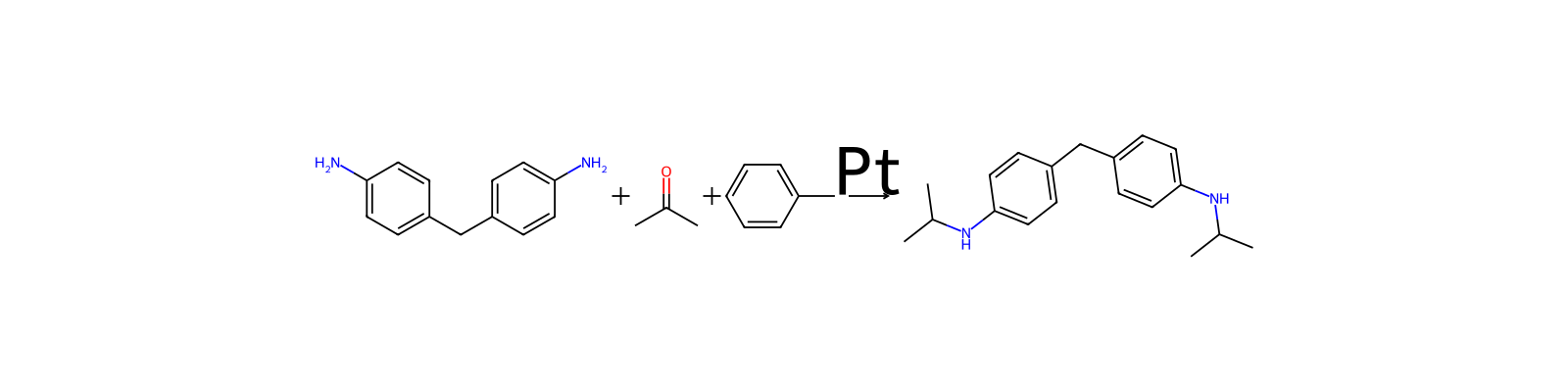
4,4-Diaminodiphenylmethane
101-77-9Nc1ccc(Cc2ccc(N)cc2)cc1YBRVSVVVWCFQMG-UHFFFAOYSA-N4,4'-Methylenedianiline is an industrial chemical that is not known to occur naturally. It is also commonly known as diaminodiphenylmethane or MDA. It occurs as a colorless to pale yellow solid and has a faint odor. 4,4'-Methylenedianiline is used mainly for making polyurethane foams, which have a variety of uses, such as insulating materials in mailing containers. It is also used for making coating materials, glues, Spandex® fiber, dyes, and rubber.
Hazardous Air Pollutants (HAPs)
Carcinogens
log Kow = 1.59
1.59
1.6
1.62
1.15 at 77 °F (NTP, 1992) - Denser than water; will sink
1.070 g/mL at 103 °C
0.5 g/cm³
1.15
1.070 @ 103°C
1.06 (Liquid at 212 °F)
Crystals from water or benzene
Tan flakes, lumps, or pearly leaflets from benzene
Plates or needles (water); plates (benzene)
Light-brown crystals
Light tan to white crystalline solid
안전 정보는 참고용이며, 공급업체의 물질안전보건자료(SDS), 관련 법규 및 전문가 평가를 대체하지 않습니다.
Danger
H317: May cause an allergic skin reaction [Warning Sensitization, Skin]
P203, P260, P261, P264, P270, P272, P273, P280, P302+P352, P308+P316, P318, P319, P321, P333+P317, P362+P364, P391, P405, and P501 (click each P-code to see the statement)
Danger
H301 (14.5%): Toxic if swallowed [Danger Acute toxicity, oral]
P203, P260, P261, P264, P270, P272, P273, P280, P301+P316, P302+P352, P308+P316, P318, P319, P321, P330, P333+P317, P362+P364, P391, P405, and P501 (click each P-code to see the statement)
Chemical: Benzenamine, 4,4'-methylenebis-
Hazard Traits - Carcinogenicity; Hepatotoxicity and Digestive System Toxicity; Ocular Toxicity
Benzenamine, 4,4'-methylenebis- is listed on the EPA's Chemical Data Reporting (CDR) system. Manufacturers and importers of Benzenamine, 4,4'-methylenebis- are required to report information about their production and use of this chemical to the EPA under the Toxic Substances Control Act (TSCA). (40 eCFR Part 711)
REACH registered substance: 4,4'-methylenedianiline (EC: 202-974-4)
Substance: 4,4'- Diaminodiphenylmethane (MDA)
4,4'-Methylene dianiline: HSNO Approval: HSR003024 Approved with controls
Excerpt from ERG Guide 153 [Substances - Toxic and/or Corrosive (Combustible)]:
· Combustible material: may burn but does not ignite readily.
Combustible.
Plasma: 13 hours; urine: 7 hours; [TDR, p. 872]
About 13% of 33 mg MDA (0.5% in petrolatum) applied for 48 hours onto the back skin during patch testing were recovered in the urine within 57 hours. With the work-up procedure of the urine samples MDA and acetylated MDA could be detected. The biological half-time of excretion of these metabolites in urine can be estimated from levels in end-of-shift and next morning pre-shift urine samples to be between 9 and 14 hours.
A sensitive and specific gas chromatographic/mass spectrometric assay is described for the determination of N-acetyl 4,4'-methylene dianiline and N-acetyl 4,4'-methylene-bis(2-chloroaniline) in urine. The method is based on the solvent extraction of the compounds together with deuterium-labeled internal standards, the compounds being separated and detected by capillary gas chromatography/mass spectrometry as their pentafluoropropyl derivatives. The method has been applied to the detection of 4,4'-methylene-bis(2-chloroaniline) and N-acetyl 4,4'-methylene dianiline in the the urine of workers occupationally exposed to 4,4'-methylene-bis(2-chloroaniline) and 4,4'-methylenedianiline. The results show that while N-acetyl 4,4'-methylene-bis(2-chloroaniline) is a relatively minor urinary metabolite a significant proportion of 4,4'-methylenedianiline is excreted as the N-acetylated compound.
Monoacetyl-4,4'- methylenebis-(2-chloraniline) and monoacetyl-4,4'-methylenedianiline were found in urine of workers exposed to 4,4'-methylenebis-(2-chloraniline) and 4,4'-methylenedianiline. Urine samples collected at the end of a shift showed that the concentration of monoacetyl-4,4'-methylenebis-(2-chloroaniline) was less than 5 percent that of 4,4'-methylenebis-(2-chloroaniline); however, urinary concentration of monoacetyl-4,4'-methylenedianiline was between 20 and 160 percent that of 4,4'-methylenedianiline. It was concluded that acetylation reduces the mutagenicity of 4,4'-methylenebis-(2-chloroaniline) and 4,4'-methylenedianiline.
Upon a single i.p. administration of MDA to Sprague-Dawley rats (30 mg/kg bw) at least 17 urinary metabolites were found. Mainly, the following acetylated metabolites have been identified: N-acetyl-MDA, N,N-diacetyl-MDA, N,N-diacetyl-3-hydroxy-MDA, N-acetyl-4,4'-diaminobenzophenone, and N,N-diacetyl-4,4'-diamino-benzhydrol.
/Researchers/ investigated the formation of stable urinary metabolites in post-shift urine from 63 workers exposed to MIDA. MDA, N-acetyl-MDA (MAMIDA) and N,N'-diacetyl-MDA (DAMDA) were determined in non-hydrolyzed urine samples, and that of total MDA on urine samples after alkaline hydrolysis. Their relative concentrations (arithmetic means) were found to be in the following order: total MDA /greater than/ MAMDA /greater than/ MDA /greater than/ DAMDA. While MAMDA represented more than 50% of total MDA, MDA and DAMDA were lower than 15% and 3% respectively. Acetylation of MDA, described as a possible way of detoxification, is confirmed to be an important metabolism route in humans, essentially through the monoacetylated metabolite. However, the individual ratio MAMDA/total MDA was found to vary widely (roughly from 0% to 100%). The half-life was found to be between 9 and 14 hours.
불러오는 중…
101-77-9、1219795-26-2DTXSID6022422CHEMBL85728CHEBI:32506less than 1 mg/mL at 66 °F (NTP, 1992)
Slightly sol in cold water. Very sol in alcohol, benzene, ether
Solubility (g/100mL solvent at 25 °C): 273.0 in acetone; 9.0 in benzene; 0.7 in carbon tetrachloride; 9.5 in ethyl ether; 143.0 in methanol; 0.1 in water
In water, 1.00X10+3 mg/L at 25 °C
1 mg/mL at 25 °C
Solubility in water: poor
430 °F (NTP, 1992)
220 °C
428 °F (220 °C) (closed cup)
220 °C c.c.
430 °F
374 °F
4,4-Diaminodiphenylmethane is a pale yellow crystalline solid (turns light brown on contact with air) with a faint amine-like odor that is unstable in the presence of light or air and emits toxic fumes of aniline and nitrogen oxides when heated to decomposition. 4,4'-Methylenedianiline is primarily used in industry as a chemical intermediate in the production of 4,4-methylenedianiline diisocyanates and polyisocyanates, but is also used as a cross-linking agent for the determination of tungsten and sulfates, and as a corrosion inhibitor. Exposure to this substance irritates the skin and eyes and causes liver damage. 4,4'-Methylenedianiline is reasonably anticipated to be a human carcinogen. (NCI05)
Excerpt from ERG Guide 153 [Substances - Toxic and/or Corrosive (Combustible)]:
· TOXIC and/or CORROSIVE; inhalation, ingestion or skin contact with material may cause severe injury or death.
4,4'-Methylenedianiline is an industrial chemical that is not known to occur naturally. It is also commonly known as diaminodiphenylmethane or MDA. It occurs as a colorless to pale yellow solid and has a faint odor. 4,4'-Methylenedianiline is used mainly for making polyurethane foams, which have a variety of uses, such as insulating materials in mailing containers. It is also used for making coating materials, glues, Spandex® fiber, dyes, and rubber.
4,4'-Methylenedianiline (MDA) is primarily used to produce 4,4'-methylenedianline diisocyanate and other polymeric isocyanates. Acute (short-term) oral and dermal exposure to MDA causes liver damage in humans and animals. MDA can irritate the skin and eyes in humans. No information is available on the chronic (long-term), reproductive, developmental, or carcinogenic effects of MDA in humans. In rats and mice exposed to the dihydrochloride salt of MDA in their drinking water, statistically significant increases in the incidence of several types of tumors, including liver and thyroid tumors, were reported. EPA has not classified MDA for carcinogenicity. The International Agency for Research on Cancer (IARC) has classified MDA as a Group 2B, possible human carcinogen.
Has caused liver injury after occupational exposure; Some of the most commonly used curing agents in the advanced composite industry are the aromatic amines. Two of the most common are 4,4'-methylene-dianiline (MDA) and 4,4'-sulfonyldianiline (DDS). Like the epoxies, these compounds have a very low vapor pressure and usually do not present an airborne hazard unless in a mixture that is sprayed or cured at high temperatures. However, potential for dermal exposure is frequently high. The aromatic amines may permeate many of the commonly used protective gloves and thus may be particularly difficult to protect against. [OSHA Technical Manual: Advanced Composites] A rare cause of occupational allergic contact dermatitis; [Marks, p. 268-70] Merck Index #2980; A potential skin sensitizer and liver toxicant; [ICSC]
National Toxicology Program. Eleventh Report on Carcinogens (2005). The Report on Carcinogens is an informational scientific and public health document that identifies and discusses substances (including agents, mixtures, or exposure circumstances) that may pose a carcinogenic hazard to human health. 4,4'-Methylenedianiline (101-77-9) is listed as reasonably anticipated to be a human carcinogen.[Available from, as of July 31, 2009: http://ntp.niehs.nih.gov/ntp/roc/eleventh/profiles/s108meth.pdf]
DHHS/ATSDR; Toxicology Profile for Methylenedianiline (1998); U.S. Department of Health and Human Services, Public Health Service, Agency for Toxic Substances and Disease Registry[Available from, as of February 23, 2009: http://www.atsdr.cdc.gov/toxprofiles/tp122.pdf]
European Chemicals Bureau; European Union Risk Assessment Report, 4,4-METHYLENEDIANILINE (101-77-9) (2001).[Available from, as of February 19, 2009: http://esis.jrc.ec.europa.eu/]
European Commission, ESIS; IUCLID Dataset, 4,4-Diaminodiphenylmethane (101-77-9) (2000 CD-ROM edition).[Available from, as of March, 5 2009: http://esis.jrc.ec.europa.eu/]
Organization for Economic Cooperation and Development; Screening Information Data Set for 4,4'-Methylenedianiline, CAS# 101-77-9.[Available from, as of February 27, 2009: http://www.chem.unep.ch/irptc/sids/OECDSIDS/sidspub.html]
Excerpt from ERG Guide 153 [Substances - Toxic and/or Corrosive (Combustible)]:
Use water spray, powder, foam, carbon dioxide.
Fresh air, rest. Refer for medical attention.
Remove contaminated clothes. Rinse and then wash skin with water and soap. Refer for medical attention .
First rinse with plenty of water for several minutes (remove contact lenses if easily possible), then refer for medical attention.
Rinse mouth. Refer for medical attention .
· CALL 911. Then call emergency response telephone number on shipping paper. If shipping paper not available or no answer, refer to appropriate telephone number listed on the inside back cover.
· ELIMINATE all ignition sources (no smoking, flares, sparks or flames) from immediate area.
EYES: First check the victim for contact lenses and remove if present. Flush victim's eyes with water or normal saline solution for 20 to 30 minutes while simultaneously calling a hospital or poison control center. Do not put any ointments, oils, or medication in the victim's eyes without specific instructions from a physician. IMMEDIATELY transport the victim after flushing eyes to a hospital even if no symptoms (such as redness or irritation) develop.
General First Aid:
(General first aid procedures)
MATERIALS WHICH ARE TOXIC AS STORED OR WHICH CAN DECOMPOSE INTO TOXIC COMPONENTS...SHOULD BE STORED IN A COOL WELL VENTILATED PLACE, OUT OF THE DIRECT RAYS OF THE SUN, AWAY FROM AREAS OF HIGH FIRE HAZARD, & SHOULD BE PERIODICALLY INSPECTED. INCOMPATIBLE MATERIALS SHOULD BE ISOLATED...
PRECAUTIONS FOR "CARCINOGENS": Storage site should be as close as practical to lab in which carcinogens are to be used, so that only small quantities required for ... expt need to be carried. Carcinogens should be kept in only one section of cupboard, an explosion-proof refrigerator or freezer (depending on chemicophysical properties ...) that bears appropriate label. An inventory ... should be kept, showing quantity of carcinogen & date it was acquired ... Facilities for dispensing ... should be contiguous to storage area. /Chemical Carcinogens/
FACILITY AND PROCESS ARE DISCUSSED FOR REMOVAL OF METHYLENEDIANILINE.
PRECAUTIONS FOR "CARCINOGENS": A high-efficiency particulate arrestor (HEPA) or charcoal filters can be used to minimize amt of carcinogen in exhausted air ventilated safety cabinets, lab hoods, glove boxes or animal rooms ... Filter housing that is designed so that used filters can be transferred into plastic bag without contaminating maintenance staff is avail commercially. Filters should be placed in plastic bags immediately after removal ... The plastic bag should be sealed immediately ... The sealed bag should be labelled properly ... Waste liquids ... should be placed or collected in proper containers for disposal. The lid should be secured & the bottles properly labelled. Once filled, bottles should be placed in plastic bag, so that outer surface ... is not contaminated ... The plastic bag should also be sealed & labelled. ... Broken glassware ... should be decontaminated by solvent extraction, by chemical destruction, or in specially designed incinerators. /Chemical Carcinogens/
SRP: The most favorable course of action is to use an alternative chemical product with less inherent propensity for occupational exposure or environmental contamination. Recycle any unused portion of the material for its approved use or return it to the manufacturer or supplier. Ultimate disposal of the chemical must consider: the material's impact on air quality; potential migration in soil or water; effects on animal, aquatic, and plant life; and conformance with environmental and public health regulations.
PRECAUTIONS FOR "CARCINOGENS": There is no universal method of disposal that has been proved satisfactory for all carcinogenic compounds & specific methods of chem destruction ... published have not been tested on all kinds of carcinogen-containing waste. ... summary of avail methods & recommendations ... /given/ must be treated as guide only. /Chemical Carcinogens/
PRECAUTIONS FOR "CARCINOGENS": ... Incineration may be only feasible method for disposal of contaminated laboratory waste from biological expt. However, not all incinerators are suitable for this purpose. The most efficient type ... is probably the gas-fired type, in which a first-stage combustion with a less than stoichiometric air:fuel ratio is followed by a second stage with excess air. Some ... are designed to accept ... aqueous & organic-solvent solutions, otherwise it is necessary ... to absorb soln onto suitable combustible material, such as sawdust. Alternatively, chem destruction may be used, esp when small quantities ... are to be destroyed in laboratory. /Chemical Carcinogens/
PRECAUTIONS FOR "CARCINOGENS": HEPA (high-efficiency particulate arrestor) filters ... can be disposed of by incineration. For spent charcoal filters, the adsorbed material can be stripped off at high temp & carcinogenic wastes generated by this treatment conducted to & burned in an incinerator. ... LIQUID WASTE: ... Disposal should be carried out by incineration at temp that ... ensure complete combustion. SOLID WASTE: Carcasses of lab animals, cage litter & misc solid wastes ... should be disposed of by incineration at temp high enough to ensure destruction of chem carcinogens or their metabolites. /Chemical Carcinogens/
For more Disposal Methods (Complete) data for 4,4'-DIAMINODIPHENYLMETHANE (6 total), please visit the HSDB record page.
Personal protection: complete protective clothing including self-contained breathing apparatus. Do NOT let this chemical enter the environment. Sweep spilled substance into sealable containers. If appropriate, moisten first to prevent dusting. Carefully collect remainder. Then store and dispose of according to local regulations.
PRECAUTIONS FOR "CARCINOGENS": Smoking, drinking, eating, storage of food or of food & beverage containers or utensils, & the application of cosmetics should be prohibited in any laboratory. All personnel should remove gloves, if worn, after completion of procedures in which carcinogens have been used. They should ... wash ... hands, preferably using dispensers of liq detergent, & rinse ... thoroughly. Consideration should be given to appropriate methods for cleaning the skin, depending on nature of the contaminant. No standard procedure can be recommended, but the use of organic solvents should be avoided. Safety pipettes should be used for all pipetting. /Chemical Carcinogens/
PRECAUTIONS FOR "CARCINOGENS": In animal laboratory, personnel should remove their outdoor clothes & wear protective suits (preferably disposable, one-piece & close-fitting at ankles & wrists), gloves, hair covering & overshoes. ... clothing should be changed daily but ... discarded immediately if obvious contamination occurs ... /also,/ workers should shower immediately. In chemical laboratory, gloves & gowns should always be worn ... however, gloves should not be assumed to provide full protection. Carefully fitted masks or respirators may be necessary when working with particulates or gases, & disposable plastic aprons might provide addnl protection. If gowns are of distinctive color, this is a reminder that they should not be worn outside of lab. /Chemical Carcinogens/
PRECAUTIONS FOR "CARCINOGENS": ... Operations connected with synth & purification ... should be carried out under well-ventilated hood. Analytical procedures ... should be carried out with care & vapors evolved during ... procedures should be removed. ... Expert advice should be obtained before existing fume cupboards are used ... & when new fume cupboards are installed. It is desirable that there be means for decreasing the rate of air extraction, so that carcinogenic powders can be handled without ... powder being blown around the hood. Glove boxes should be kept under negative air pressure. Air changes should be adequate, so that concn of vapors of volatile carcinogens will not occur. /Chemical Carcinogens/
PRECAUTIONS FOR "CARCINOGENS": Vertical laminar-flow biological safety cabinets may be used for containment of in vitro procedures ... provided that the exhaust air flow is sufficient to provide an inward air flow at the face opening of the cabinet, & contaminated air plenums that are under positive pressure are leak-tight. Horizontal laminar-flow hoods or safety cabinets, where filtered air is blown across the working area towards the operator, should never be used ... Each cabinet or fume cupboard to be used ... should be tested before work is begun (eg, with fume bomb) & label fixed to it, giving date of test & avg air-flow measured. This test should be repeated periodically & after any structural changes. /Chemical Carcinogens/
For more Preventive Measures (Complete) data for 4,4'-DIAMINODIPHENYLMETHANE (16 total), please visit the HSDB record page.
Analysis of urine samples from 27 workers involved in the production of MDA found that 14.9% of all collected samples had levels above 200 ppb in 1970, while only 0.09% of collected samples had levels above 20 ppb in 1980(1). The urine samples of seven male workers (ages 24-44 years old) at a work site where 4,4'-diaminodiphenylmethane is used as a curing agent showed an elimitation rate of 0 to 90 umol/hr(2). The cumulated excretion amount ranged from 0.04 to 1.2 umol per day on workdays and 0.005 to 0.51 umol daily of weekends(2). The 4,4'-diaminodiphenylmethane concentration in the workers' blood ranged from 10 to 60 nmol/L(2). Urine samples collected at the end of a workshift from workers exposed to 4,4'-diaminodiphenylmethane contained average concentrations of 236 ug/g creatinine (collected from 91 workers in August 1988), 98 ug/g creatinine (collected from 87 workers in October 1988), 50 ug/g creatinine (collected from 20 workers in June 1989), 202 ug/g creatinine (collected from 107 workers in May 1990), and 43 ug/g creatinine (collected from 43 workers in June 1990)(3).
Four antioxidant species, butylated hydroxyanisole, butylated hydroxytoluene, ethoxyquin and alpha-tocopherol, and three other compounds, 4,4'-diaminodiphenylmethane, acetaminophen and glutathione, were tested for inhibitory effects on hepatocarcinogenesis in male F344 rats. Rats were initially given a single ip injection of diethylnitrosamine (200 mg/kg body weight) and fed a basal diet containing 0.02% 2-acetylaminofluorene from week 2 to week 8. Animals were subjected to partial hepatectomy at the end of week 3. From week 12 to week 36, they were given a basal diet containing 2% butylated hydroxyanisole, 1% butylated hydroxytoluene, 0.8% ethoxyquin, 1% alpha-tocopherol, 0.1% 4,4'-diaminodiphenylmethane, 1% acetaminophen, or 1% glutathione, then killed at week 40, 4 weeks after cessation of treatment with the test chemicals. The incidence of hepatocellular carcinoma was significantly decreased in the groups given ethoxyquin or 4,4'-diaminodiphenylmethane. Quantitative analysis of the number and area of hepatocellular carcinoma per unit liver area revealed a significant decrease in the area of hepatocellular carcinoma in the groups given ethoxyquin, 4,4'-diaminodiphenylmethane or acetaminophen. The results suggest that ethoxyquin, 4,4'-diaminodiphenylmethane and acetaminophen exerted an inhibitory effect on the development of hepatocellular carcinoma, while butylated hydroxyanisole, butylated hydroxytoluene, alpha-tocopherol and glutathione had no significant effect.
The modifying effects of 4,4'-diaminodiphenylmethane (0.1% in diet) administration on liver carcinogenesis induced by 2-acetylaminofluorene (0.02% in diet), 3'-methyl- 4-dimethylaminoazobenzene (0.06% in diet), diethylnitrosamine (0.001% in drinking water) and N-ethyl-N-hydroxyethylnitrosamine (0.1% in drinking water), N-ethyl-N-hydroxyethylnitrosamine induced esophagus and kidney carcinogenesis, and forestomach carcinogenesis induced by butylated hydroxyanisole (1.0% in diet) were examined in F344 male rats. Mean survival time tended to be longer in 4,4'-diaminodiphenylmethane supplemented groups, the difference being significant in diethylnitrosamine + 4,4'-diaminodiphenylmethane and N-ethyl-N-hydroxyethylnitrosamine + 4,4'-diaminodiphenylmethane groups. Intake of carcinogens was slightly but not significantly reduced by 4,4'-diaminodiphenylmethane. The incidences of hyperplastic nodules and hepatocellular carcinomas were significantly decreased in 2-acetylaminofluorene or 3'-methyl-4-dimethylaminoazobenzene + 4,4'-diaminodiphenylmethane groups. Pulmonary metastases were also less common in 3'-methyl-4-dimethylaminoazo benzene or N-ethyl-N-hydroxyethylnitrosamine + 4,4'-diaminodiphenylmethane groups. Development of papillomas in the esophagus but not in tumors in the forestomach was also inhibited by 4,4'-diaminodiphenylmethane. Inhibition in the different organs was not significantly related to decrease in body weight or carcinogen intake, indicating a mechanism independent of non-specific toxic effects or reduction in food consumption. Some other factors possibly related to its ability to cause bile duct proliferation and/or altered activity of enzymes relevant to drug metabolism may be involved.
Limited data in animals showed that pretreatment of rats with the monooxygenase function inhibitor aminobenzotriazol, ameliorated the hepatic effects of 4,4'- methylenedianiline. However, pretreatment with the inhibitor SKF-525A had no effect. Based on these results, the investigators proposed that 4,4'-methylenedianiline requires metabolic activation for its toxicity and that activation is carried out by an isozyme of cytochrome P-450 that is inhibited by aminobenzotriazol, but not SKF-525A.
Dermal (Skin), Hepatic (Liver)
Eyes, liver, cardiovascular system, spleen
LC50; Species: Agelaius phoeniceus (Red-winged blackbird); Concentration: 148 mg/kg bw /Conditions of bioassay not specified in source examined/
LC50; Species: Eisenia fetida (Earthworm); Concentration: 444.0 mg/kg dry weight soil for 14 days /Conditions of bioassay not specified in source examined/
EC50; Species: Moina macrocopa (Daphnid); Conditions: static, nominal concentration); Concentration: 2.3 mg/L for 24 hr; Effect: immobilization /extra pure/
EC50; Species: Scenedesmus subspicatus (Green algae); Concentration: 21 mg/L for 72 hr; Effect: growth inhibition /95.5-98% purity/ /Conditions of bioassay not specified in source examined/
For more Ecotoxicity Values (Complete) data for 4,4'-DIAMINODIPHENYLMETHANE (11 total), please visit the HSDB record page.
TERRESTRIAL FATE: Based on a classification scheme(1), Koc values ranging from 3825 to 5681(2), indicate that 4,4'-diaminodiphenylmethane is expected to have slight to no mobility in soil(SRC). Volatilization of 4,4'-diaminodiphenylmethane from moist soil surfaces is not expected to be an important fate process(SRC) given an estimated Henry's Law constant of 5.30X10⁻¹¹ atm-cu m/mole(SRC), based upon its vapor pressure, 2.03X10⁻⁷ mm Hg(3), and water solubility, 1.00E+3(4). 4,4'-Diaminodiphenylmethane is not expected to volatilize from dry soil surfaces(SRC) based upon its vapor pressure(3). A 0% of theoretical BOD using activated sludge in the Japanese MITI test(5) suggests that biodegradation will not be an important environmental fate process in soil(SRC).
AQUATIC FATE: Based on a classification scheme(1), measured Koc values ranging from 3825 to 5681(2), indicate that 4,4'-diaminodiphenylmethane is expected to adsorb to suspended solids and sediment(SRC). Volatilization from water surfaces is not expected(3) based upon an estimated Henry's Law constant of 5.30X10⁻¹¹ atm-cu m/mole(SRC), derived from its vapor pressure, 2.03X10⁻⁷ mm Hg(4), and water solubility, 1.00E+3(5). According to a classification scheme(6), BCF values of 3.0 to 14(7) suggest the bioconcentration in aquatic organisms is low(SRC). 4,4'-Diaminodiphenylmethane, present at 100 mg/L, reached 0% of its theoretical BOD in 4 weeks using an activated sludge inoculum at 30 mg/L in the Japanese MITI test(7), suggesting that biodegradation will not be an important fate process in the aquatic environment(SRC).
ATMOSPHERIC FATE: According to a model of gas/particle partitioning of semivolatile organic compounds in the atmosphere(1), 4,4'-diaminodiphenylmethane, which has a vapor pressure of 2.03X10⁻⁷ mm Hg at 25 °C(2), will exist in both the vapor and particulate phases in the ambient atmosphere. Vapor-phase 4,4'-diaminodiphenylmethane is degraded in the atmosphere by reaction with photochemically-produced hydroxyl radicals(SRC); the half-life for this reaction in air is estimated to be 12.8 hours(SRC), calculated from its rate constant of 3.00X10⁻¹¹ cu cm/molecule-sec at 25 °C(3). Particulate-phase 4,4'-diaminodiphenylmethane may be removed from the air by wet or dry deposition(SRC). 4,4'-Diaminodiphenylmethane contains chromophores that absorb at wavelengths >290 nm(4) and therefore may be susceptible to direct photolysis by sunlight(SRC).
The substance can be absorbed into the body by inhalation of its aerosol, through the skin and by ingestion.
inhalation, skin absorption, ingestion, skin and/or eye contact
Inhalation, oral, dermal
After 4,4'-Methylenedianiline enters to our body, it is transported in the blood or stored in tissues. The N-N-acetylation of the compound leads to the formation of some toxic derivatives. The liver and thyroid are the targets of 4,4'-methylenedianiline in animals.
Nausea. Vomiting. Abdominal pain. Fever.
MAY BE ABSORBED! Further see Inhalation.
Jaundice. Further see Inhalation.
irritation eyes; jaundice, hepatitis; myocardial damage; In Animals: heart, liver, spleen damage; [potential occupational carcinogen]
Pursuant to section 8(d) of TSCA, EPA promulgated a model Health and Safety Data Reporting Rule. The section 8(d) model rule requires manufacturers, importers, and processors of listed chemical substances and mixtures to submit to EPA copies and lists of unpublished health and safety studies. Benzenamine, 4,4'-methylenebis is included on this list.
This action promulgates standards of performance for equipment leaks of Volatile Organic Compounds (VOC) in the Synthetic Organic Chemical Manufacturing Industry (SOCMI). The intended effect of these standards is to require all newly constructed, modified, and reconstructed SOCMI process units to use the best demonstrated system of continuous emission reduction for equipment leaks of VOC, considering costs, non air quality health and environmental impact and energy requirements. Methylene dianiline is produced, as an intermediate or a final product, by process units covered under this subpart.
Listed as a hazardous air pollutant (HAP) generally known or suspected to cause serious health problems. The Clean Air Act, as amended in 1990, directs EPA to set standards requiring major sources to sharply reduce routine emissions of toxic pollutants. EPA is required to establish and phase in specific performance based standards for all air emission sources that emit one or more of the listed pollutants. 4,4'-Diaminodiphenylmethane is included on this list.
Persons in charge of vessels or facilities are required to notify the National Response Center (NRC) immediately, when there is a release of this designated hazardous substance, in an amount equal to or greater than its reportable quantity of 10 lb or 4.54 kg. The toll free number of the NRC is (800) 424-8802. The rule for determining when notification is required is stated in 40 CFR 302.4 (section IV. D.3.b).
For more Metabolism/Metabolites (Complete) data for 4,4'-DIAMINODIPHENYLMETHANE (10 total), please visit the HSDB record page.
... Male rats, guinea pigs and monkeys /were/ treated topically with a low (2 mg/kg bw) or high (20 mg/kg bw) dose of 14C-MDA. In rats, 43% and 10% of the low dose was recovered in urine and feces during a 96 hours period; 2% remained in tissues and skin washing removed 25% of dose. The remainder (26%) was recovered by skin extraction and solubilisation. The percentage of dose absorbed decreased by increasing the dose, but the total amount absorbed (approx. 0.225 mg/rat) was similar after both doses. In guinea pigs, 10% and 18% of the low dose was excreted in urine and feces; 1% was recovered in tissue, 41% in the skin wash and 29% from the application area. The percent of dose absorbed decreased following the high dose, but the amounts absorbed (in mg/animal) doubled.
... The percutaneous absorption of MDA /was invesitgated using/ ... full-thickness rat and human skin in vitro. In this study MDA was topically applied (17.7 - 40.6 ug/sq cm in ethanol) to unoccluded skin, using a flow-through diffusion cell. After 72 hours the absorption into the receptor fluid reached 6.1 +/- 2.0% for rat skin and 13.0 +/- 4.3% for human skin related to applied dose. When the skin was occluded, the absorption of MDA was significantly enhanced reaching approx. 13.3% and 33% for rat and human skin, respectively. At the end of each experiment, considerable residual material remained with the skin (about 23-58%).
MDA is absorbed via skin as well as from the gastrointestinal tract.
The disposition of MDA was also examined following iv administration. In rats, 67% and 31% of the low dose (2 mg/kg bw) was recovered in urine and feces by 96 hr after dosing. In monkeys, the radioactivity occurred primarily in the urine (85%) by 168 hr after dosing (2 mg/kg bw). In guinea pigs, however, 35% and 57% of the dose were eliminated in urine and feces, respectively, during 96 hours.
For more Absorption, Distribution and Excretion (Complete) data for 4,4'-DIAMINODIPHENYLMETHANE (14 total), please visit the HSDB record page.
MDA is primarily used to produce 4,4-'methylenedianiline diisocyanate and other polymeric isocyanates which are used to manufacture polyurethane foams. MDA is also used as a curing agent for epoxy resins and urethane elastomers, as a corrosion preventative for iron, as an antioxidant for lubricating oils, as a rubber processing chemical, as an intermediate in the manufacture of elastomeric fibers (e.g., Spandex), and in the preparation of azo dyes.
Used as a chemical intermediate, lab analytic agent, and monomer for polyamide and polymide resins; [HSDB] Used primarily in the manufacture of rubber and plastics; used as an epoxy resin hardener in the following applications: glues, paints, inks, polyvinylchloride products, dental bonding agents, and microelectronic encapsulations; [Marks, p. 269]
Carcinogen--See 29 CFR 1910.1050
Plastic Composites Manufacturing [Category: Industry]
As chemical intermediate in prodn of isocyanates and polyisocyanates for prepn of polyurethane foams, Spandex fibers; as curing agent for epoxy resins and urethane elastomers; in production of polyamides; in the determination of tungsten and sulfates; in prepn of azo dyes; as corrosion inhibitor.
Determination of tungsten and sulfates, polymer and dye intermediate, corrosion inhibitor, epoxy-resin hardening agent, isocyanate resins, polyamides.
(1972) 1.6X10+6 G
(1974) 1.00X10+6 G
2023: 1,000,000 - <5,000,000 lb
(1972 SALES) 8.57X10+8 G
(1975) 4.10X10+8 G (SALES)
Benzenamine, 4,4'-methylenebis- is listed as a High Production Volume (HPV) chemical (65FR81686). Chemicals listed as HPV were produced in or imported into the U.S. in >1 million pounds in 1990 and/or 1994. The HPV list is based on the 1990 Inventory Update Rule. (IUR) (40 CFR part 710 subpart B; 51FR21438).
Production volumes for non-confidential chemicals reported under the Inventory Update Rule. [Table#4022]
... From aniline and formaldehyde; ... By hydrogenolysis of p,p'-diaminobenzophenone with LiAlH4.
Acid-catalyzed reaction of formaldehyde with aniline; distillation from polymeric 4,4'-diaminodiphenylmethane.
With a diamine assay of 98-99%
Sold in flaked or granular form
Adhesive Manufacturing
Benzenamine, 4,4'-methylenebis-: ACTIVE
개요4,4'-Methylenedianiline is an industrial chemical that is not known to occur naturally. It is also commonly known as diaminodiphenylmethane or MDA. It occurs as a colorless to pale yellow solid and has a faint odor. 4,4'-Methylenedianiline is used mainly for making polyurethane foams, which have a variety of uses, such as insulating materials in mailing containers. It is also used for making coating materials, glues, Spandex fiber, dyes, and rubber. 4,4'-Methylenedianiline is also a by-product of azo dyes. It is also possibly formed by hydrolysis of diphenylmethane-4A'-diisocyanate.
용도4,4'-methylenedianiline be used as organic intermediates. Mainly used for the synthesis of polyimide and as curing agent of epoxy resin.
일반 설명A tan flake or lump solid with a faint fishlike odor. May be toxic by inhalation or ingestion, and may be irritating to skin. Insoluble in water.
정의ChEBI: 4,4'-Methylenedianiline is an aromatic amine that is diphenylmethane substituted at the 4-position of each benzene ring by an amino group. It is primarily used in industry as a chemical intermediate in the production of 4,4-methylenedianiline diisocyanates and polyisocyanates.