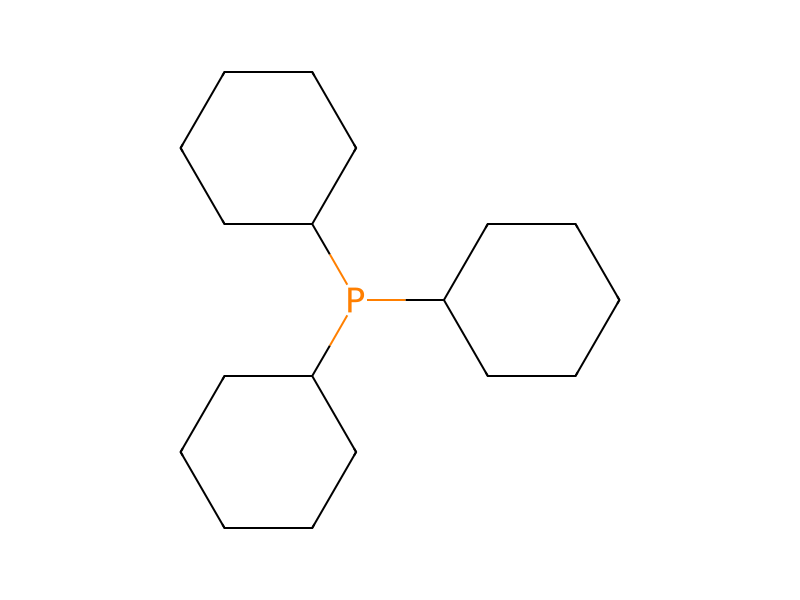
트리사이클로헥실포스핀
Tricyclohexylphosphine
기본 정보
- CAS
2622-14-2- 표준 SMILES
C1CCC(P(C2CCCCC2)C2CCCCC2)CC1- InChIKey
WLPUWLXVBWGYMZ-UHFFFAOYSA-N- 분자식
- C18H33P
- 평균 분자량
- 280.4 g/mol
- 단동위원소 질량
- 280.23198769
이름 및 식별자
- 우선 이름
- Tricyclohexylphosphine
- IUPAC
- tricyclohexylphosphane
- 현지명
- 트리사이클로헥실포스핀
- 영어명
- Tricyclohexyl phosphine
- 분자식
- C18H33P
- 분자량
- 280.43
이름 및 동의어
TricyclohexylphosphinePhosphine, tricyclohexyl-EINECS 220-069-2NSC 158657DTXSID9062562Phosphine, tricyclohexylRefChem:191427DTXCID8037469220-069-2WLPUWLXVBWGYMZ-UHFFFAOYSA-N2622-14-2TRICYCLOHEXYL PHOSPHINE
이름 더 보기
트리사이클로헥실포스핀TCHPP(4-MeOC6H4)3TricycLProtein TCHPtricyclohexylphospine
TricyclohexylphosphanePCy3Tricyclohexyl-phosphaneMFCD00003853tris(cyclohexyl)phosphineP(Cy)3Cy3PP(cHex)3
데이터베이스 식별자
- CAS
2622-14-2- PubChem CID
- 75806
- DTXSID
DTXSID9062562- UNII
- 34HJS55VCG
- EC Number
- 220-069-2
- Nikkaji
- J87.295D
물성
구조 계산 물성
- XLogP
- 5.4
- 극성 표면적
- 0 Ų
- 수소 결합 공여자 수
- 0
- 수소 결합 수용자 수
- 0
- 회전 가능 결합 수
- 3
- 무거운 원자 수
- 19
- 형식 전하
- 0
- 복잡도
- 202
실험 및 물리화학적 성질
Chemical ClassesOther Classes -> Phosphorus Compounds
Physical DescriptionCrystalline powder or chunks; [Sigma-Aldrich MSDS]
물리화학적 성질
- 녹는점
- 81 · 81-83 °C (lit.)
- 끓는 점
- 383.4 · 383.4±9.0 °C | Condition: Press: 760 Torr
- 밀도
- 0.909 g/mL · 0.909 g/mL at 25 °C
- 인화점
- 48 °F · 48 °F
- 저장 조건
- 2 · Inert atmosphere,2-8°C
- 용해도
- Chloroform (Slightly), DMSO (Slightly, Heated, Sonicaetd), Ethyl Acetate (Slightly)
- 물리적 상태
- 액체
- Specific Gravity
- 0.9 · 0.9
- 색상
- 흰색에서 황백색까지
- 수용성
- 대부분의 유기용매에 용해됩니다. 물에 불용성.
- BRN
- 957171 · 957171
- 안정성
- 공기 민감성, 수분 민감성
- InChI
- 1S/C18H33P/c1-4-10-16(11-5-1)19(17-12-6-2-7-13-17)18-14-8-3-9-15-18/h16-18H,1-15H2
- InChIKey
- WLPUWLXVBWGYMZ-UHFFFAOYSA-N
안전 및 규제
안전 정보는 참고용이며, 공급업체의 물질안전보건자료(SDS), 관련 법규 및 전문가 평가를 대체하지 않습니다.
GHS 분류
GHS Classification
Danger
H251 (18.7%): Self-heating; may catch fire [Danger Self-heating substances and mixtures]
P235, P261, P264, P264+P265, P270, P271, P273, P280, P301+P316, P301+P317, P302+P352, P304+P340, P305+P351+P338, P319, P321, P330, P332+P317, P337+P317, P362+P364, P391, P403+P233, P405, P407, P410, P413, P420, and P501 (click each P-code to see the statement)
Aggregated GHS information provided per 91 reports by companies from 14 notifications to the ECHA C&L Inventory. Each notification may be associated with multiple companies.
유해성 정보
Hazards SummaryA skin and strong eye irritant; [Sigma-Aldrich MSDS] See Triphenylphosphine.
Hazard Classes and CategoriesSelf-heat. 1 (18.7%)
안전 데이터
- wgk
- 3
- tsca
- TSCA listed
- ridadr
- UN 2056 3/PG 2
- HS 번호
- 29319090
- risk_code
- 36/37/38-22-37/38-36-19-11-67-65-63-48/20-40
- hazard_code
- Xi,Xn,F
- safety_code
- 26-36/37-62-37/39-36-33-29-16
- 포장분류
- III
- 위험 등급
- 3
- Hazard Classifications
- Aquatic Chronic 3Asp. Tox. 1Eye Irrit. 2Flam. Liq. 2Repr. 2Skin Irrit. 2STOT RE 2STOT SE 3
- 스토리지 클래스
- 3 - Flammable liquids
- 함량 및 규제정보
- 물질구분: 유독물질; 혼합물(제품)함량정보: 트리사이클로헥실포스핀 및 이를 25% 이상 함유한 혼합물
- 유해화학물질 필터링
화학 및 산업
용도 및 제조
General Manufacturing InformationPhosphine, tricyclohexyl-: ACTIVE
응용 분야
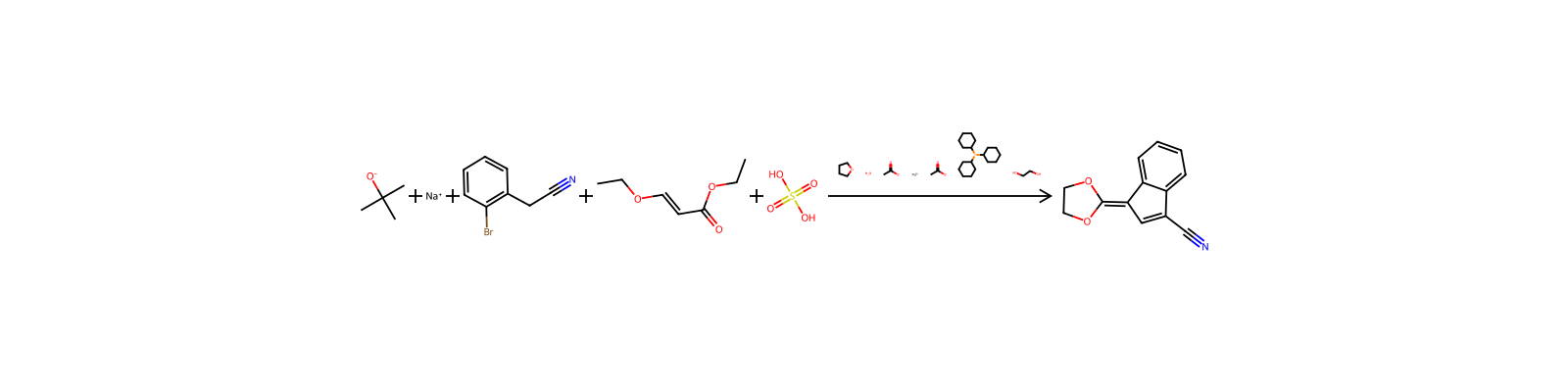
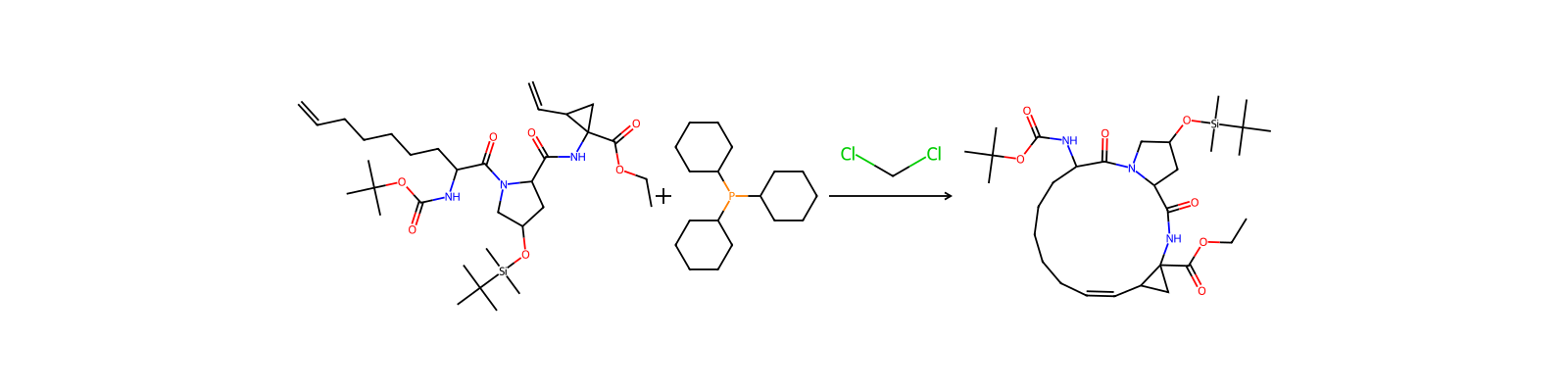
용도Tricyclohexyl Phosphine is a ligand catalyst used primarily in organometallic chemistry. Ligand used in the Pd-catalyzed coupling of malononitrile with aryl halides. suzuki reaction: Bulky phosphine ligand used with a Pd(0)-triolefinic macrocycle catalyst for Suzuki coupling of aryl bromides and chlorides. This ligand is applied with Ni as a key intermediate in the formation of cylcopentane compounds. As a reagent, Tricyclohexylphosphine is used for a range of metal-catalyzed organic transformations. Crabtree's catalyst is an organoiridium compound containing tricyclohexyl phosphine used for hydrogenation of mono-, di-, tri-, and tetra- substituted substrates and hydrogen transfer reactions. Grubbs' catalysts consists of transition metal ruthenium and tricylohexyl phosphine utilized in olefin metathesis in synthetic organic chemistry.
상·하류 제품 정보
상류 원료
관련 반응
2,387건





화합물 노트
불러오는 중…