
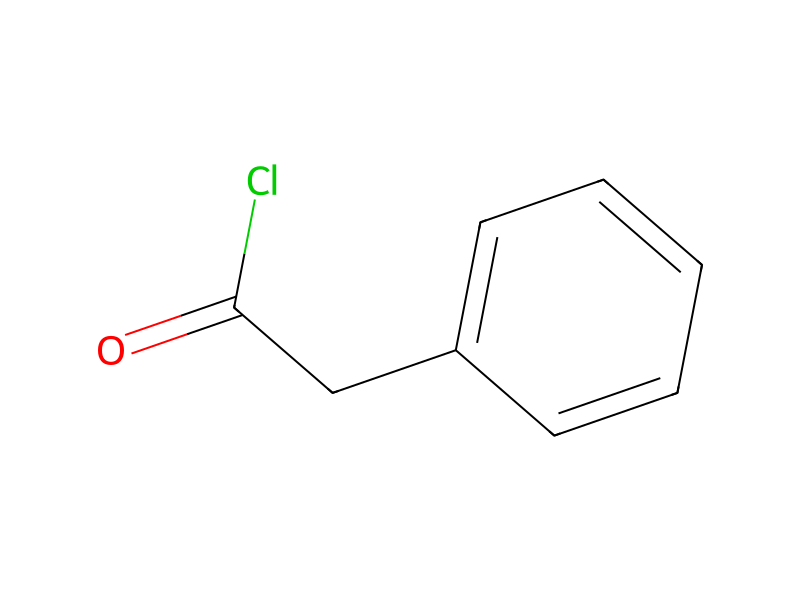
기본 정보
- 표준 SMILES
O=C(Cl)Cc1ccccc1- InChIKey
VMZCDNSFRSVYKQ-UHFFFAOYSA-N- 분자식
- C8H7ClO
- 평균 분자량
- 154.59 g/mol
- 단동위원소 질량
- 154.01854252
개요
Phenylacetyl chloride appears as a colorless volatile liquid with a strong odor. Denser than water. Contact may severely irritate skin, eyes and mucous membranes. May be toxic by ingestion. May also be combustible.
이름 및 식별자
- 우선 이름
- Phenylacetyl chloride
- IUPAC
- 2-phenylacetyl chloride
- 현지명
- 페닐초산클로라이드
- 영어명
- Phenylacetyl chloride
- 분자식
- C8H7ClO
- 분자량
- 154.59
이름 및 동의어
PHENYLACETYL CHLORIDEBenzeneacetyl chloride2-phenylacetyl chloridePhenacetyl chloridePhenylacetic acid chlorideAcetyl chloride, phenyl-UN2577PHENYLACETIC CHLORIDEEINECS 203-146-5UNII-T30899DRND.alpha.-Phenylacetyl chlorideCCRIS 8623
이름 더 보기
페닐아세틸염화물페닐초산클로라이드페닐아세틸염화물phenylacetyl-Toluylchloride-ToluylchlorideA-TOLUYL CHLORIDEAKOS BBS-00003909ylacetyl chloridePhenyl acetyl chlori
T30899DRNDAI3-23871DTXSID6059281UN 2577UN-2577alpha-Phenylacetyl chloride2Phenylacetyl chlorideCloruro de fenilacetilo
데이터베이스 식별자
- CAS
103-80-0- PubChem CID
- 7679
- DTXSID
DTXSID6059281- UNII
- T30899DRND
- EC Number
- 203-146-5
- Nikkaji
- J5.021K
물성
구조 계산 물성
- XLogP
- 2.4
- 극성 표면적
- 17.1 Ų
- 수소 결합 공여자 수
- 0
- 수소 결합 수용자 수
- 1
- 회전 가능 결합 수
- 2
- 무거운 원자 수
- 10
- 형식 전하
- 0
- 복잡도
- 116
실험 및 물리화학적 성질
Chemical Classes
Toxic Gases & Vapors -> Acid Halides
Corrosives
SpringerMaterials PropertiesBoiling point
Physical Description
Phenylacetyl chloride appears as a colorless volatile liquid with a strong odor. Denser than water. Contact may severely irritate skin, eyes and mucous membranes. May be toxic by ingestion. May also be combustible.
Colorless liquid with a strong odor; [CAMEO] Clear light yellow liquid; [Sigma-Aldrich MSDS]
물리화학적 성질
- 녹는점
- 264 · 264-266 °C(Solv: N,N-dimethylformamide (68-12-2))
- 끓는 점
- 94 · 94-95 °C/12 mmHg (lit.)
- 밀도
- 1.169 g/mL · 1.169 g/mL at 25 °C (lit.)
- 굴절률
- 20 · n20/D 1.5325(lit.)
- 인화점
- 217 °F · 217 °F
- 저장 조건
- 2 · 2-8°C
- 용해도
- 알코올 및 에테르와 혼합 가능.
- 물리적 상태
- 투명한 액체
- 색상
- 무색~연황색
- BRN
- 742254 · 742254
- 안정성
- 안정적인. 물과 반응합니다. 아민, 가장 일반적인 금속, 습기, 강한 산화제와 호환되지 않습니다.
- InChI
- 1S/C8H7ClO/c9-8(10)6-7-4-2-1-3-5-7/h1-5H,6H2
- InChIKey
- VMZCDNSFRSVYKQ-UHFFFAOYSA-N
- SMILES
- ClC(=O)Cc1ccccc1
- LogP
- 1.628 · 1.628 (est)
- NIST
- Benzeneacetyl chloride(103-80-0)
- EPA
- Benzeneacetyl chloride (103-80-0)
화학적 성질
colourless liquid
안전 및 규제
GHS 분류
GHS Classification
Danger
H314 (100%): Causes severe skin burns and eye damage [Danger Skin corrosion/irritation]
P260, P261, P264, P271, P280, P301+P330+P331, P302+P361+P354, P304+P340, P305+P354+P338, P316, P319, P321, P363, P403+P233, P405, and P501 (click each P-code to see the statement)
Aggregated GHS information provided per 65 reports by companies from 7 notifications to the ECHA C&L Inventory. Each notification may be associated with multiple companies.
유해성 정보
Regulatory Information
Chemical: Benzeneacetyl chloride
Status: Active Update: 05-02-2021 https://echa.europa.eu/registration-dossier/-/registered-dossier/20430
Phenylacetyl chloride: Does not have an individual approval but may be used under an appropriate group standard
The New Jersey Worker and Community Right to Know Act requires public and private employers to provide information about hazardous substances at their workplaces. (N.J.S.A. 34:5A-1 et. seq.)
Other Safety InformationIMAP assessments - Benzeneacetyl chloride: Human health tier I assessment
DOT LabelCorrosive
Fire Hazards
Excerpt from ERG Guide 156 [Substances - Toxic and/or Corrosive (Combustible / Water-Sensitive)]:
· Combustible material: may burn but does not ignite readily.
Health Hazards
Excerpt from ERG Guide 156 [Substances - Toxic and/or Corrosive (Combustible / Water-Sensitive)]:
· TOXIC and/or CORROSIVE; inhalation, ingestion or contact (skin, eyes) with vapors, dusts or substance may cause severe injury, burns or death.
Hazards Summary
Fumes in air; Decomposed by water evolving hydrogen chloride gas; May cause severe skin, eye, and mucous membrane irritation; [CAMEO] Causes burns; Inhalation may cause corrosive injuries to upper respiratory tract and lungs; [Sigma-Aldrich MSDS] See Acetyl chloride.
DOT ID and Guide2577 156
Reactive GroupAcyl Halides, Sulfonyl Halides, and Chloroformates
Reactivity AlertsWater-Reactive
Reactivity Profile
PHENYLACETYL CHLORIDE is incompatible with strong oxidizing agents, alcohols, bases (including amines). May react vigorously or explosively if mixed with diisopropyl ether or other ethers in the presence of trace amounts of metal salts [J. Haz. Mat., 1981, 4, 291].
DOT Hazard Classification
Phenylacetyl chloride
UN2577
Class 8 Corrosive material (49 eCFR § 173.136)
PG II: the degree of danger presented by the material is medium
Air and Water ReactionsSoluble in water. Fumes in air. Decomposes in water or steam to form very corrosive hydrogen chloride gas.
안전 및 보호
Fire FightingExcerpt from ERG Guide 156 [Substances - Toxic and/or Corrosive (Combustible / Water-Sensitive)]:
Accidental Release Measures
· CALL 911. Then call emergency response telephone number on shipping paper. If shipping paper not available or no answer, refer to appropriate telephone number listed on the inside back cover.
· ELIMINATE all ignition sources (no smoking, flares, sparks or flames) from immediate area.
First Aid
Excerpt from ERG Guide 156 [Substances - Toxic and/or Corrosive (Combustible / Water-Sensitive)]:
General First Aid:
Exposure Control and Personal Protection· Wear positive pressure self-contained breathing apparatus (SCBA).
Nonfire Spill ResponseExcerpt from ERG Guide 156 [Substances - Toxic and/or Corrosive (Combustible / Water-Sensitive)]:
Isolation and Evacuation
Excerpt from ERG Guide 156 [Substances - Toxic and/or Corrosive (Combustible / Water-Sensitive)]:
Immediate precautionary measure
Personal Protective Equipment (PPE)Excerpt from ERG Guide 156 [Substances - Toxic and/or Corrosive (Combustible / Water-Sensitive)]:
Emergency Response Planning Guidelines· Note: Most foams will react with the material and release corrosive/toxic gases.
독성 정보
Adverse EffectsDermatotoxin - Skin burns.
안전 데이터
- wgk
- 3
- tsca
- TSCA listed
- ridadr
- UN 2577
- HS 번호
- 29163900
- risk_code
- 34-37-14
- hazard_code
- C
- safety_code
- 26-36/37/39-45-25-27
- 포장분류
- II
- 위험 등급
- 8
- 기존화학 물질
- KE-28269
- F 고인화성물질
- 21
- Hazard Classifications
- Eye Dam. 1Met. Corr. 1Skin Corr. 1BSTOT SE 3
- 스토리지 클래스
- 8A - Combustible corrosive hazardous materials
화학 및 산업
용도 및 제조
UsesUsed in laboratories and to make esters for flavorings; [REPROTOX]
General Manufacturing InformationBenzeneacetyl chloride: ACTIVE
응용 분야
용도Phenylacetyl chloride is used in the preparation of 1,2-diphenyl-ethanone by reaction with iodobenzene using tetrabutylammonium tetrafluoroborate as a phase transfer catalyst. It is widely used in the chemical industry for manufacturing dyes and pharmaceutical products. It plays an important role in the preparation of penicillin. Further, it is used to prepare esters for flavorings.
일반 설명A colorless volatile liquid with a strong odor. Denser than water. Contact may severely irritate skin, eyes and mucous membranes. May be toxic by ingestion. May also be combustible.
상·하류 제품 정보
상류 원료
하류 제품
공급사50 곳
国药集团化学试剂有限公司86-21-63210123 · [email protected]
湖北蝶化新材料科技有限公司86-18372897-544 18995560451
梯希爱(上海)化成工业发展有限公司021-67121386 · [email protected]
上海阿拉丁生化科技股份有限公司400-6206333 13167063860 · [email protected]
Changzhou Carman Chemical Co., Ltd.15061933924
合肥翰刚医药科技有限公司+8618062405514 · [email protected]
Hong Kong Tiansheng New Material Trading Co., Ltd+8617320695765 · [email protected]
青岛瑞檀化工有限公司010 15670599305 · [email protected]
上海遐瑞医药科技有限公司+86-021-61551413 · [email protected]
河北创海生物科技有限公司+86-86-13131129325 · [email protected]
T&W GROUP021-61551611 13296011611 · [email protected]
Baoji Guokang Healthchem co.,ltd+8615604608665 15604608665 · [email protected]
山东前元高分子材料有限公司18678041314 18765609661 · [email protected]
Dayang Chem (Hangzhou) Co.,Ltd.+86-0571-88938639 17705817739 · [email protected]
河北秒变生物科技有限公司17733850068
上海迈瑞尔生化科技有限公司4006356688 18621169109 · [email protected]
阿法埃莎(中国)化学有限公司400-6106006 · [email protected]
安耐吉化学&3A(安徽泽升科技股份有限公司)400-0056266 · [email protected]
上海景颜化工科技有限公司13817811078 · [email protected]
嘉兴市艾森化工有限公司0573-85285100 18627885956 · [email protected]
山东西亚化学有限公司13355009207 13355009207 · [email protected]
玛雅试剂+86 (573) 82222445 (0)18006601000 452520369 · [email protected]
四川库利南科技有限公司400-1166-196 18981987031 · [email protected]
天津希恩思生化科技有限公司400 638 7771 · [email protected]
Xiamen AmoyChem Co., Ltd+86-86-5926051114 · [email protected]
Syntor Fine Chemicals Ltd.+44 (0) 1928 579865 · [email protected]
Syntor Fine Chemicals Ltd.+44 (0) 1928 579865 · [email protected]
斯百全化学(上海)有限公司021-021-021-67601398-809-809-809 15221380277 · [email protected]
艾科试剂4008-755-333 18080918076 · [email protected]
上海思域化工科技有限公司86-21-34053660 · [email protected]
赛默飞世尔科技(中国)有限公司800-810-5118 · [email protected]
北京伊诺凯科技有限公司400-810-7969 010-59572699 · [email protected]
TCI AMERICA800-4238616 · [email protected]
TOKYO CHEMICAL INDUSTRY CO., LTD.03-36680489 · [email protected]
TCI Europe320-37350700 · [email protected]
上海贤鼎生物科技有限公司4009209199 · [email protected]
北京环宇世纪化学科技有限公司hysj_bj.com
日照力德士化工有限公司010-51268198 · [email protected]
美岚实业(上海)有限公司021-58958189 · [email protected]
上海爱蝶实业有限公司021-58957966 18930537195 · [email protected]
成都零六生物科技有限公司400-1166-196 13458535857 · [email protected]
广拓化学(上海)有限公司021-60899189-8001 18918189673 · [email protected]
雷丁试剂0510-85629785 18013409632 · [email protected]
上海麦克林生化科技股份有限公司15221275939 15221275939 · [email protected]
杭州杰恒化工有限公司0571-87396432 · [email protected]
江苏艾康生物医药研发有限公司025-66028182 17714375163 · [email protected]
济南琳盛化工有限公司18769772272 · [email protected]
成都润泽本土化工有限公司13096311329 028-88469284 616445927 · [email protected]
凯试(上海)科技有限公司021-50135380 · [email protected]
池州凯隆进出口贸易有限公司[email protected]
관련 반응
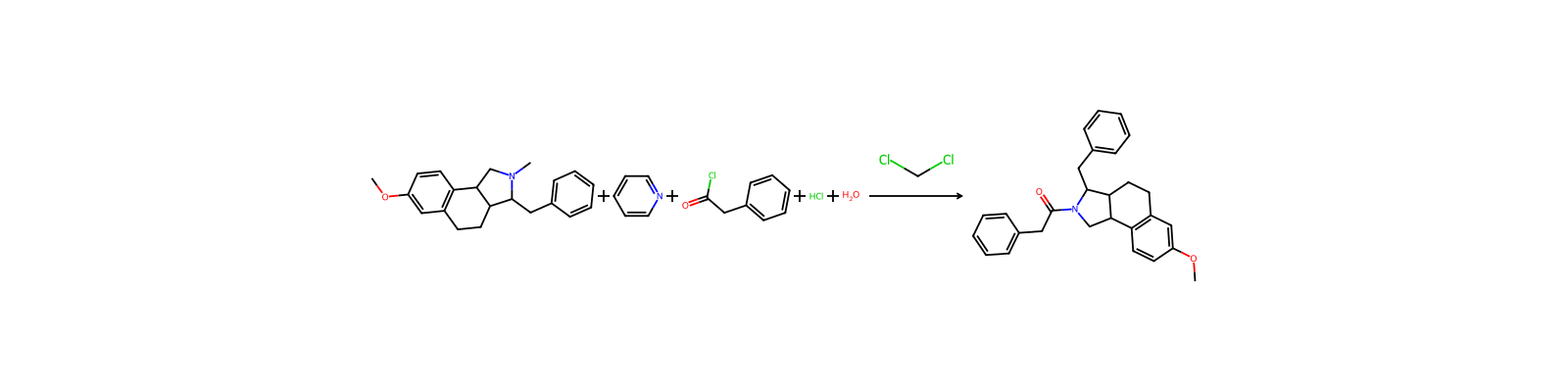
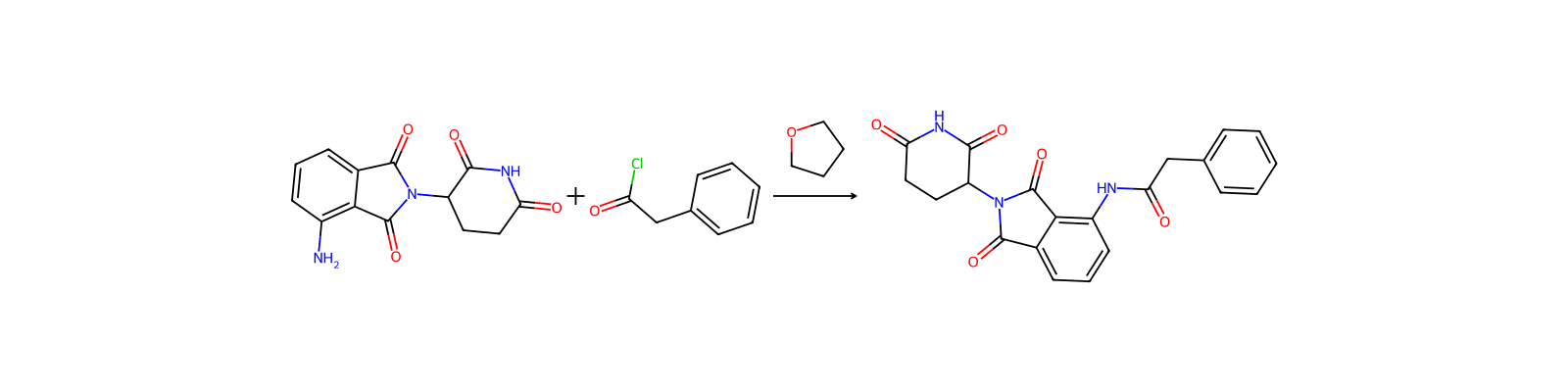
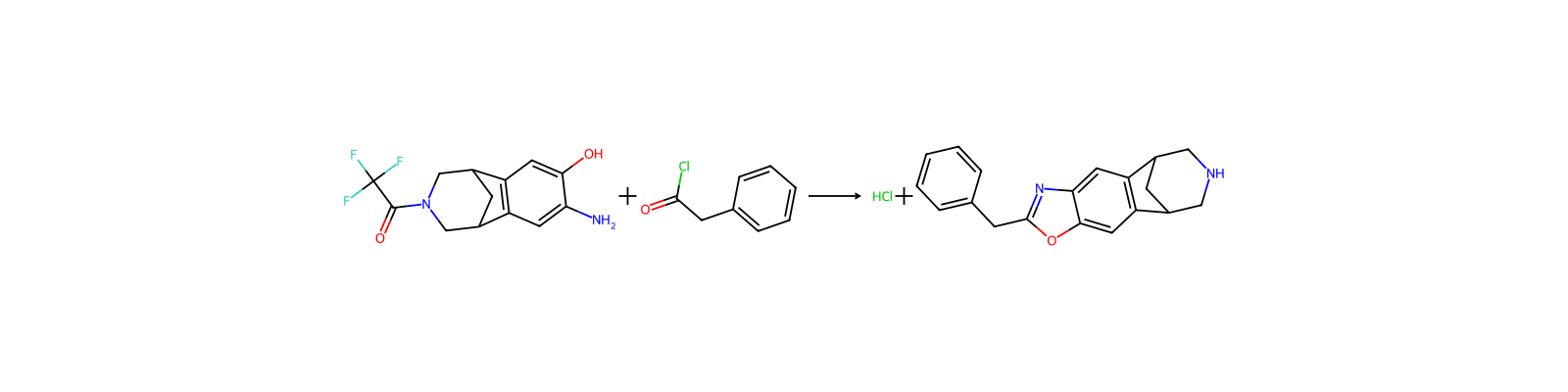
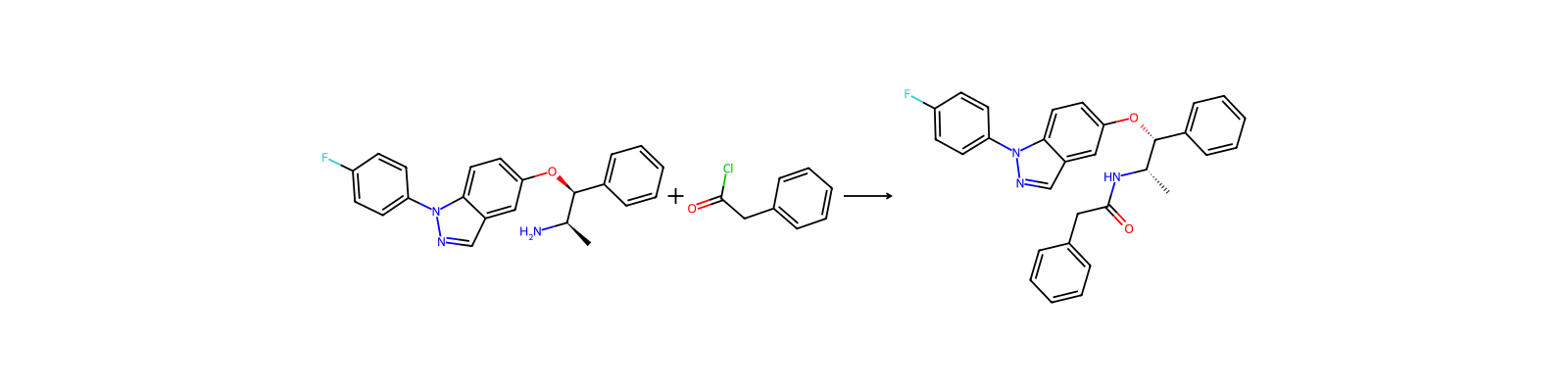
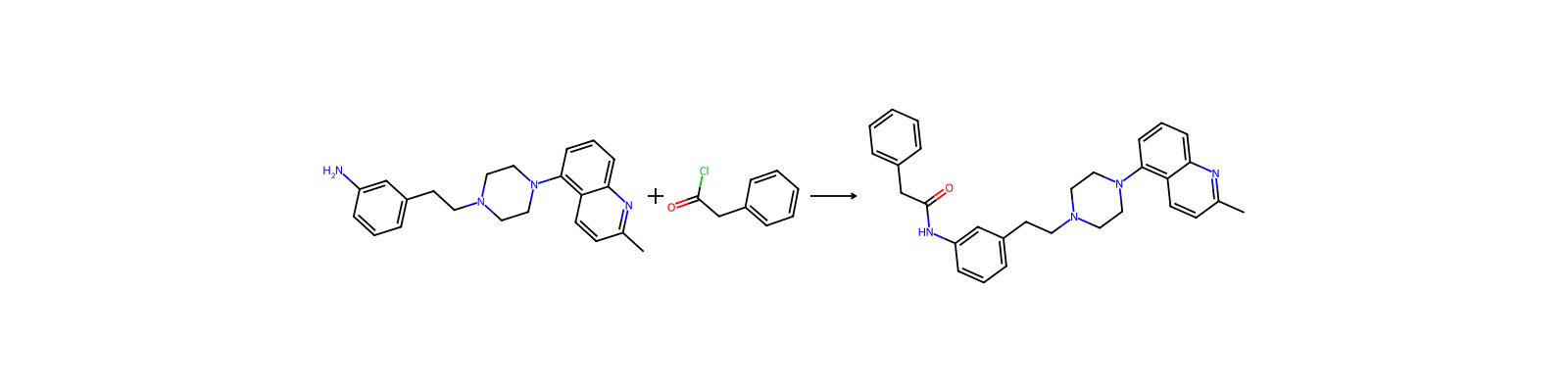
1,139건


연결된 노트
불러오는 중…