
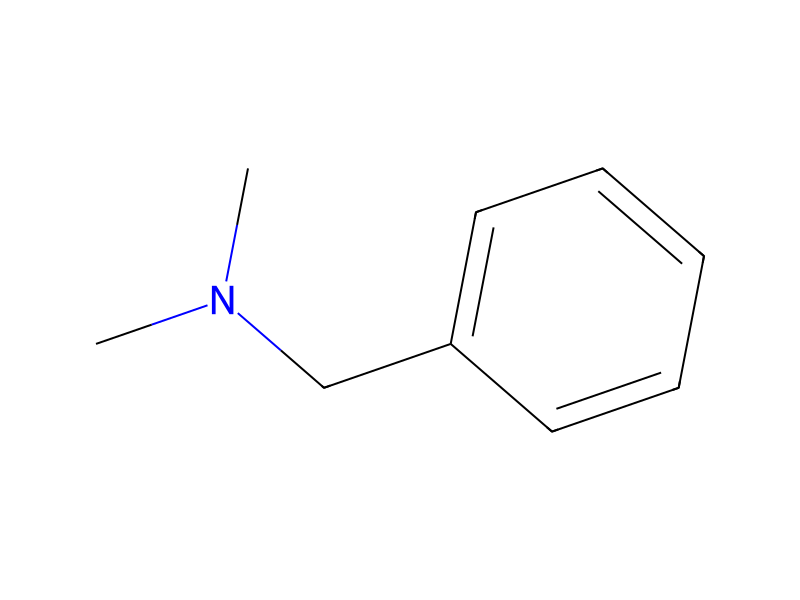
기본 정보
- 표준 SMILES
CN(C)Cc1ccccc1- InChIKey
XXBDWLFCJWSEKW-UHFFFAOYSA-N- 분자식
- C9H13N
- 평균 분자량
- 135.21 g/mol
- 단동위원소 질량
- 135.10479942
이름 및 식별자
- 우선 이름
- N,N-Dimethylbenzylamine
- IUPAC
- N,N-dimethyl-1-phenylmethanamine
- 현지명
- 디메틸벤질아민
- 영어명
- N,N-Dimethylbenzylamine
- 분자식
- C9H13N
- 분자량
- 135.21
이름 및 동의어
N,N-DIMETHYLBENZYLAMINE103-83-3BenzyldimethylamineN-BenzyldimethylamineBDMABenzenemethanamine, N,N-dimethyl-Benzyl-N,N-dimethylamineN,N-DimethylbenzenemethanamineBenzylamine, N,N-dimethyl-N-(Phenylmethyl)dimethylamineAraldite accelerator 062N,N-Dimethyl-N-benzylamine
이름 더 보기
N,N-다이메틸벤질아민디메틸벤질아민벤질다이메틸아민벤질디메틸아민벤질다이메틸아민N,N-디메틸벤질아민N,N-DiMethyl-1-phenylMethanaMineN,N-DIETHYLBENZYLAMINEDabco BDMAN,N-Dimethyl(phenyl)methanamineBENZYLDIETHYLAMINEN-BENZYLDIETHYLAMINEN-Dimethylbenzylamine
Sumine 2015N-Benzyl-N,N-dimethylamineDTXSID8021854TYP7AXQ1YJNSC-5342DTXCID801854RefChem:822589203-149-1
데이터베이스 식별자
- CAS
103-83-3、28262-13-7- PubChem CID
- 7681
- DTXSID
DTXSID8021854- ChEMBL
CHEMBL45591- ChEBI
CHEBI:231275- UNII
- TYP7AXQ1YJ
- EC Number
- 203-149-1
- Nikkaji
- J36.099F
물성
구조 계산 물성
- XLogP
- 2
- 극성 표면적
- 3.2 Ų
- 수소 결합 공여자 수
- 0
- 수소 결합 수용자 수
- 1
- 회전 가능 결합 수
- 2
- 무거운 원자 수
- 10
- 형식 전하
- 0
- 복잡도
- 82
실험 및 물리화학적 성질
LogP1.91
Density
0.915 at 50 °F (USCG, 1999) - Less dense than water; will float
Relative density (water = 1): 0.9
0.915 @ 10°C
SolubilitySolubility in water, g/100ml: 1.2 (moderate)
Flash Point
140 °F
57 °C o.c.
Boiling Point
357.8 °F at 760 mmHg (USCG, 1999)
180 °C
181 °C @760 [mm Hg]
Melting Point
-103 °F (USCG, 1999)
-75 °C
Vapor Pressure0.58 [mmHg]
Physical Description
Benzyldimethylamine appears as a colorless to light yellow liquid with an aromatic odor. Slightly less dense than water and slightly soluble in water. Corrosive to skin, eyes and mucous membranes. Slightly toxic by ingestion, skin absorption and inhalation. Used in the manufacture of adhesives and other chemicals.
Liquid
Clear to yellow liquid with a strong odor; [NJ-HSFS]
COLOURLESS LIQUID WITH CHARACTERISTIC ODOUR.
Kovats Retention Index
1017.9;1025.5
1350
물리화학적 성질
- 녹는점
- -75 °C · -75 °C
- 끓는 점
- 183 · 183-184 °C765 mm Hg(lit.)
- 밀도
- 0.9 g/mL · 0.9 g/mL at 25 °C(lit.)
- 증기압
- 2.4 hPa · 2.4 hPa (20 °C)
- 굴절률
- 20 · n20/D 1.501(lit.)
- 인화점
- 130 °F · 130 °F
- 저장 조건
- 30 °C · Store below +30°C.
- 용해도
- 물에 용해
- 산도 계수 (pKa)
- 1 · pK1:9.02(+1) (25°C)
- 물리적 상태
- 액체
- 색상
- 무색투명~연황색
- 수소이온지수(pH)
- 10 · 10 (10g/l, H2O, 20℃)(saturated solution)
- 냄새
- 강한 생선 냄새
- 폭발한계
- 0.9 · 0.9-6.3%(V)
- 수용성
- 8 g/L · 8g/L(20℃)
- BRN
- 1099620 · 1099620
- 안정성
- 안정적인. 강산, 강산화제와 호환되지 않습니다.
- InChI
- 1S/C9H13N/c1-10(2)8-9-6-4-3-5-7-9/h3-7H,8H2,1-2H3
- InChIKey
- XXBDWLFCJWSEKW-UHFFFAOYSA-N
- SMILES
- CN(C)Cc1ccccc1
- LogP
- 1.98 at · 1.98 at 25℃
- NIST
- Benzenemethanamine, N,N-dimethyl-(103-83-3)
- EPA
- N,N-Dimethylbenzylamine (103-83-3)
화학적 성질
Colorless to light yellow flammable liquid with ammonia odor. Soluble in ethanol, ether, insoluble in water.
안전 및 규제
GHS 분류
GHS Classification
Danger
H226: Flammable liquid and vapor [Warning Flammable liquids];H302: Harmful if swallowed [Warning Acute toxicity, oral];H312: Harmful in contact with skin [Warning Acute toxicity, dermal];H314: Causes severe skin burns and eye damage [Danger Skin corrosion/irritation];H332: Harmful if inhaled [Warning Acute toxicity, inhalation];H412: Harmful to aquatic life with long lasting effects [Hazardous to the aquatic environment, long-term hazard]
P210, P233, P240, P241, P242, P243, P260, P261, P264, P270, P271, P273, P280, P301+P317, P301+P330+P331, P302+P352, P302+P361+P354, P303+P361+P353, P304+P340, P305+P354+P338, P316, P317, P321, P330, P362+P364, P363, P370+P378, P403+P235, P405, and P501 (click each P-code to see the statement)
This chemical does not meet GHS hazard criteria for 0.1% (1 of 850) of reports.
유해성 정보
Regulatory Information
Chemical: Benzenemethanamine, N,N-dimethyl-
Benzenemethanamine, N,N-dimethyl- is listed on the EPA's Chemical Data Reporting (CDR) system. Manufacturers and importers of Benzenemethanamine, N,N-dimethyl- are required to report information about their production and use of this chemical to the EPA under the Toxic Substances Control Act (TSCA). (40 eCFR Part 711)
Status: Active Update: 18-04-2023 https://echa.europa.eu/registration-dossier/-/registered-dossier/13869
Benzyldimethylamine: Does not have an individual approval but may be used under an appropriate group standard
The New Jersey Worker and Community Right to Know Act requires public and private employers to provide information about hazardous substances at their workplaces. (N.J.S.A. 34:5A-1 et. seq.)
Other Safety InformationEvaluation - Chemicals that are unlikely to require further regulation to manage risks to human health
DOT LabelCorrosive Flammable Liquid
Fire Hazards
Special Hazards of Combustion Products: Toxic vapors are generated when heated. (USCG, 1999)
· Flammable/combustible material.;· May be ignited by heat, sparks or flames.;· Vapors may form explosive mixtures with air.;· Vapors may travel to source of ignition and flash back.;· Most vapors are heavier than air. They will spread along the ground and collect in low or confined areas (sewers, basements, tanks, etc.).;· Vapor explosion hazard indoors, outdoors or in sewers.;· Those substances designated with a (P) may polymerize explosively when heated or involved in a fire.;· Runoff to sewer may create fire or explosion hazard.;· Containers may explode when heated.;· Many liquids will float on water.
Flammable. Gives off irritating or toxic fumes (or gases) in a fire. Above 57 °C explosive vapour/air mixtures may be formed.
Health Hazards
Inhalation may be fatal as a result of spasm, inflammation and edema of the larynx and bronchi, chemical pneumonitis, and pulmonary edema. Symptoms of exposure may include burning sensation, coughing, wheezing, laryngitis, shortness of breath, headache, nausea, and vomitting. (USCG, 1999)
· May cause toxic effects if inhaled or ingested.;· Contact with substance may cause severe burns to skin and eyes.;· Fire will produce irritating, corrosive and/or toxic gases.;· Vapors may cause dizziness or asphyxiation, especially when in closed or confined areas.;· Runoff from fire control or dilution water may cause environmental contamination.
Hazards SummaryCorrosive to skin; [Quick CPC] A corrosive substance that can cause pulmonary edema; [ICSC]
DOT ID and Guide2619 132
Reactive GroupAmines, Phosphines, and Pyridines
EC ClassificationSymbol: C; R: 10-20/21/22-34-52/53; S: (1/2)-26-36-45-61
UN ClassificationUN Hazard Class: 8; UN Subsidiary Risks: 3; UN Pack Group: II
Reactivity Profile
BENZYLDIMETHYLAMINE neutralizes acids on exothermic reactions to form salts plus water. May be incompatible with isocyanates, halogenated organics, peroxides, phenols (acidic), epoxides, anhydrides, and acid halides. Flammable gaseous hydrogen is generated by amines in combination with strong reducing agents, such as hydrides. May attack some plastics (USCG, 1999).
Chemical DangersDecomposes on burning. This produces toxic fumes including nitrogen oxides. Reacts with acids. Reacts violently with strong oxidants.
안전 및 보호
Fire Fighting
Excerpt from ERG Guide 132 [Flammable Liquids - Corrosive]:;Some of these materials may react violently with water.;SMALL FIRE: Dry chemical, CO2, water spray or alcohol-resistant foam.;LARGE FIRE: Water spray, fog or alcohol-resistant foam. If it can be done safely, move undamaged containers away from the area around the fire. Dike runoff from fire control for later disposal. Do not get water inside containers.;FIRE INVOLVING TANKS, RAIL TANK CARS OR HIGHWAY TANKS: Fight fire from maximum distance or use unmanned master stream devices or monitor nozzles. Cool containers with flooding quantities of water until well after fire is out. Withdraw immediately in case of rising sound from venting safety devices or discoloration of tank. ALWAYS stay away from tanks in direct contact with flames. For massive fire, use unmanned master stream devices or monitor nozzles; if this is impossible, withdraw from area and let fire burn. (ERG, 2024)
Use water spray, powder, alcohol-resistant foam, carbon dioxide. In case of fire: keep drums, etc., cool by spraying with water.
First Aid Measures
Fresh air, rest. Half-upright position. Artificial respiration may be needed. Refer for medical attention.
Remove contaminated clothes. Rinse skin with plenty of water or shower. Refer for medical attention .
First rinse with plenty of water for several minutes (remove contact lenses if easily possible), then refer for medical attention.
Rinse mouth. Do NOT induce vomiting. Refer for medical attention .
Accidental Release Measures
· CALL 911. Then call emergency response telephone number on shipping paper. If shipping paper not available or no answer, refer to appropriate telephone number listed on the inside back cover.;· Keep unauthorized personnel away.;· Stay upwind, uphill and/or upstream.;· Ventilate closed spaces before entering, but only if properly trained and equipped.
· ELIMINATE all ignition sources (no smoking, flares, sparks or flames) from immediate area.;· All equipment used when handling the product must be grounded.;· Do not touch or walk through spilled material.;· Stop leak if you can do it without risk.;· Prevent entry into waterways, sewers, basements or confined areas.;· A vapor-suppressing foam may be used to reduce vapors.;· Absorb with earth, sand or other non-combustible material.;· For hydrazine, absorb with DRY sand or inert absorbent (vermiculite or absorbent pads).;· Use clean, non-sparking tools to collect absorbed material.;Large Spill;· Dike far ahead of liquid spill for later disposal.;· Water spray may reduce vapor, but may not prevent ignition in closed spaces.
First Aid
INHALATION: Remove victim to fresh air and call a physician at once; administer oxygen until physician arrives.;INGESTION: Get medical attention at once.;EYES or SKIN: Flush with plenty of water for at least 15 min; if cyanosis is present, shower with soap and warm water, with special attention to scalp and finger nails; remove any contaminated clothing. (USCG, 1999)
General First Aid:;· Call 911 or emergency medical service.;· Ensure that medical personnel are aware of the material(s) involved, take precautions to protect themselves and avoid contamination.;· Move victim to fresh air if it can be done safely.;· Administer oxygen if breathing is difficult.;· If victim is not breathing:;-- DO NOT perform mouth-to-mouth resuscitation; the victim may have ingested or inhaled the substance.;-- If equipped and pulse detected, wash face and mouth, then give artificial respiration using a proper respiratory medical device (bag-valve mask, pocket mask equipped with a one-way valve or other device).;-- If no pulse detected or no respiratory medical device available, provide continuous compressions. Conduct a pulse check every two minutes or monitor for any signs of spontaneous respirations.;· Remove and isolate contaminated clothing and shoes.;· For minor skin contact, avoid spreading material on unaffected skin.;· In case of contact with substance, remove immediately by flushing skin or eyes with running water for at least 20 minutes.;· For severe burns, immediate medical attention is required.;· Effects of exposure (inhalation, ingestion, or skin contact) to substance may be delayed.;· Keep victim calm and warm.;· Keep victim under observation.;· For further assistance, contact your local Poison Control Center.;· Note: Basic Life Support (BLS) and Advanced Life Support (ALS) should be done by trained professionals.;Specific First Aid:;· For corrosives, in case of contact, immediately flush skin or eyes with running water for at least 30 minutes. Additional flushing may be required.
Safe StorageFireproof. Separated from strong oxidants, strong acids and food and feedstuffs.
Exposure Control and Personal Protection
· Wear positive pressure self-contained breathing apparatus (SCBA).;· Wear chemical protective clothing that is specifically recommended by the manufacturer when there is NO RISK OF FIRE.;· Structural firefighters' protective clothing provides thermal protection but only limited chemical protection.
Nonfire Spill Response
Excerpt from ERG Guide 132 [Flammable Liquids - Corrosive]:;ELIMINATE all ignition sources (no smoking, flares, sparks or flames) from immediate area. All equipment used when handling the product must be grounded. Do not touch or walk through spilled material. Stop leak if you can do it without risk. Prevent entry into waterways, sewers, basements or confined areas. A vapor-suppressing foam may be used to reduce vapors. Absorb with earth, sand or other non-combustible material. For hydrazine, absorb with DRY sand or inert absorbent (vermiculite or absorbent pads). Use clean, non-sparking tools to collect absorbed material.;LARGE SPILL: Dike far ahead of liquid spill for later disposal. Water spray may reduce vapor, but may not prevent ignition in closed spaces. (ERG, 2024)
Spillage Disposal
Personal protection: complete protective clothing including self-contained breathing apparatus. Do NOT let this chemical enter the environment. Collect leaking and spilled liquid in sealable containers as far as possible. Cautiously neutralize remainder. Then wash away with plenty of water.
Isolation and Evacuation
Excerpt from ERG Guide 132 [Flammable Liquids - Corrosive]:;IMMEDIATE PRECAUTIONARY MEASURE: Isolate spill or leak area for at least 50 meters (150 feet) in all directions.;SPILL: Increase the immediate precautionary measure distance, in the downwind direction, as necessary.;FIRE: If tank, rail tank car or highway tank is involved in a fire, ISOLATE for 800 meters (1/2 mile) in all directions; also, consider initial evacuation for 800 meters (1/2 mile) in all directions. (ERG, 2024)
Immediate precautionary measure;· Isolate spill or leak area for at least 50 meters (150 feet) in all directions.;Spill;· For highlighted materials: see Table 1 - Initial Isolation and Protective Action Distances.;· For non-highlighted materials: increase the immediate precautionary measure distance, in the downwind direction, as necessary.;Fire;· If tank, rail tank car or highway tank is involved in a fire, ISOLATE for 800 meters (1/2 mile) in all directions; also, consider initial evacuation for 800 meters (1/2 mile) in all directions.
Eye PreventionWear face shield.
Fire PreventionNO open flames, NO sparks and NO smoking. Above 57 °C use a closed system, ventilation and explosion-proof electrical equipment.
Inhalation RiskNo indication can be given about the rate at which a harmful concentration of this substance in the air is reached on evaporation at 20 °C.
독성 정보
Adverse EffectsDermatotoxin - Skin burns.;Toxic Pneumonitis - Inflammation of the lungs induced by inhalation of metal fumes or toxic gases and vapors.
Exposure RoutesThe substance can be absorbed into the body by inhalation of its vapour, through the skin and by ingestion.
Signs and Symptoms
Sore throat. Cough. Burning sensation. Shortness of breath. Laboured breathing. Symptoms may be delayed.
Pain. Redness. Blisters. Skin burns.
Pain. Redness. Severe deep burns.
Burning sensation. Abdominal pain. Shock or collapse.
ICSC Environmental DataThe substance is harmful to aquatic organisms.
Toxicity DataLCLo (rat) = 1,200 mg/m3/2H
규제 정보
Regulatory Information
Chemical: Benzenemethanamine, N,N-dimethyl-
Benzenemethanamine, N,N-dimethyl- is listed on the EPA's Chemical Data Reporting (CDR) system. Manufacturers and importers of Benzenemethanamine, N,N-dimethyl- are required to report information about their production and use of this chemical to the EPA under the Toxic Substances Control Act (TSCA). (40 eCFR Part 711)
Status: Active Update: 18-04-2023 https://echa.europa.eu/registration-dossier/-/registered-dossier/13869
Benzyldimethylamine: Does not have an individual approval but may be used under an appropriate group standard
The New Jersey Worker and Community Right to Know Act requires public and private employers to provide information about hazardous substances at their workplaces. (N.J.S.A. 34:5A-1 et. seq.)
안전 데이터
- wgk
- 2
- tsca
- TSCA listed
- rtecs
- DP4500000
- ridadr
- UN 2619
- 독성
- LD50 orally in Rabbit: 290 mg/kg LD50 dermal Rat 695 mg/kg
- HS 번호
- 29214980
- risk_code
- 10-20/21/22-34-52/53
- hazard_code
- C
- safety_code
- 26-36-45-61
- 포장분류
- II
- 위험 등급
- 8
- 기존화학 물질
- KE-11221
- F 고인화성물질
- 10-13-23
- 자연 발화 온도
- 410 °C
- Hazard Classifications
- Acute Tox. 3 InhalationAcute Tox. 3 OralAcute Tox. 4 DermalAquatic Chronic 2Eye Dam. 1Flam. Liq. 3Skin Corr. 1B
- 스토리지 클래스
- 3 - Flammable liquids
화학 및 산업
용도 및 제조
Uses
Used as a curing agent for epoxy resins; [Kanerva, p. 566] Used to manufacture adhesives and other chemicals; [CAMEO]
Plastic Composites Manufacturing [Category: Industry]
U.S. Production2023: 700,000 - <850,000 lb;2022: 850,000 - <1,000,000 lb;2021: 850,000 - <1,000,000 lb;2020: 850,000 - <1,000,000 lb
Consumer UsesCatalyst
Industry UsesCatalyst;Surface modifier
Household ProductsInformation on 1 consumer products that contain Benzyldimethylamine in the following categories is provided:;• Auto Products
General Manufacturing Information
Miscellaneous Manufacturing;Plastics Material and Resin Manufacturing
Benzenemethanamine, N,N-dimethyl-: ACTIVE
응용 분야
용도N,N-Dimethylbenzylamine was used in the synthesis of bis[(N,N-dimethylamino)benzyl] selenide. It has been used as catalyst during curing reaction of formulations of diglycidyl ether of bisphenol A and tetrahydrophthalic anhydride. It undergoes directed ortho metalation with butyl lithium. It reacts with methyl iodide to get ammonium salt, which is used as phase transfer catalysts. Further, it is used as a catalyst for the formation of polyurethane foams and epoxy resins.
일반 설명Benzyldimethylamine appears as a colorless to light yellow liquid with an aromatic odor. Slightly less dense than water and slightly soluble in water. Corrosive to skin, eyes and mucous membranes. Slightly toxic by ingestion, skin absorption and inhalation. Used in the manufacture of adhesives; dehydrohalogenating catalyst; corrosion inhibitor; acid neutralizer; potting compounds; cellulose modifier and quaternary ammonium compounds.
제조 방법
25% Aqueous Dimethylamine, 1088 grams Benzyl Chloride, 126.6 grams In the apparatus of Example 1, the benzyl chloride was added dropwise over a two-hour period to the amine (molar ratio 1 to 6) at a rate sufficient to maintain the temperature below 40°C. Stirring was continued at room temperature for an additional hour to insure completion of the reaction denoted by the equation below. Thereafter the reaction mixture was cooled in a separatory funnel while standing in a refrigerator maintained at 5° C. and separated into two layers. The upper oily layer, weighing 111.5g, was removed and steam distilled until no further oleaginous component was observed in the distillate as it came over. The crude distillate was found to contain 103.5g of N,N-dimethylbenzylamine (76.1% of theory), 3.3g of dimethylamine and no quaternary salts. The dimethylamine was distilled off below 29°C under atmospheric pressure from the N,N-dimethylbenzylamine (bp 82°C/18mmHg).
상·하류 제품 정보
상류 원료
하류 제품
공급사50 곳
国药集团化学试剂有限公司86-21-63210123 · [email protected]
梯希爱(上海)化成工业发展有限公司021-67121386 · [email protected]
上海阿拉丁生化科技股份有限公司400-6206333 13167063860 · [email protected]
河北创海生物科技有限公司+86-86-13131129325 · [email protected]
爱斯特(成都)生物制药股份有限公司+86-28-85122536 85324413 · [email protected]
上海赫文斯化工有限公司15721252604 17321035817 · [email protected]
科瑞迪化学400-821-5857 021-64326257 · [email protected]
Syntechem Co.,Ltd[email protected]
上海迈瑞尔生化科技有限公司4006356688 18621169109 · [email protected]
天津中信凯泰化工有限公司022-66880623 · [email protected]
阿法埃莎(中国)化学有限公司400-6106006 · [email protected]
安耐吉化学&3A(安徽泽升科技股份有限公司)400-0056266 · [email protected]
上海瀚鸿科技股份有限公司021-54306202 13764082696 · [email protected]
上海柯维化学技术有限公司021-64609169 18901607656 · [email protected]
山东洛克化工有限公司17653113209 13065062079 · [email protected]
上海景颜化工科技有限公司13817811078 · [email protected]
池州捷峰生物科技有限公司0566-8928158 · [email protected]
合肥天健化工有限公司551-65418679 15856988503;15837135945 · [email protected]
山东西亚化学有限公司13355009207 13355009207 · [email protected]
玛雅试剂+86 (573) 82222445 (0)18006601000 452520369 · [email protected]
四川库利南科技有限公司400-1166-196 18981987031 · [email protected]
天津希恩思生化科技有限公司400 638 7771 · [email protected]
斯芬克司药物研发(天津)股份有限公司022-66211289-843 13672102692 · [email protected]
艾科试剂4008-755-333 18080918076 · [email protected]
上海思域化工科技有限公司86-21-34053660 · [email protected]
赛默飞世尔科技(中国)有限公司800-810-5118 · [email protected]
北京伊诺凯科技有限公司400-810-7969 010-59572699 · [email protected]
TCI AMERICA800-4238616 · [email protected]
TOKYO CHEMICAL INDUSTRY CO., LTD.03-36680489 · [email protected]
TCI Europe320-37350700 · [email protected]
越林试剂021-62960152 · [email protected]
北京环宇世纪化学科技有限公司hysj_bj.com
上海将来实业股份有限公司021-61552785 · [email protected]
安徽科迪达化工有限公司0554-2106669 · [email protected]
HBCChem, Inc.+1-510-219-6317 · [email protected]
日照力德士化工有限公司010-51268198 · [email protected]
美岚实业(上海)有限公司021-58958189 · [email protected]
上海爱蝶实业有限公司021-58957966 18930537195 · [email protected]
广拓化学(上海)有限公司021-60899189-8001 18918189673 · [email protected]
上海麦克林生化科技股份有限公司15221275939 15221275939 · [email protected]
康迪斯化工(湖北)有限公司13125172151 · [email protected]
上海有朋化工有限公司021-69005955 13701776567 · [email protected]
天津霖谊化工科技有限公司022-58788819 13602056505
上海凯赛化工有限公司021-33516722 13701817765 · [email protected]
上海彤源化工有限公司021-021-69182866 13701855675 · [email protected]
成都润泽本土化工有限公司13096311329 028-88469284 616445927 · [email protected]
上海蓝润化学有限公司021-69515658 ; 69515628 13701998368 · [email protected]
上海容立化学科技有限公司021-69992220 13701886816 · [email protected]
上海康拓化工有限公司021-69185552 13701777608 · [email protected]
池州凯隆进出口贸易有限公司[email protected]
관련 반응
88건
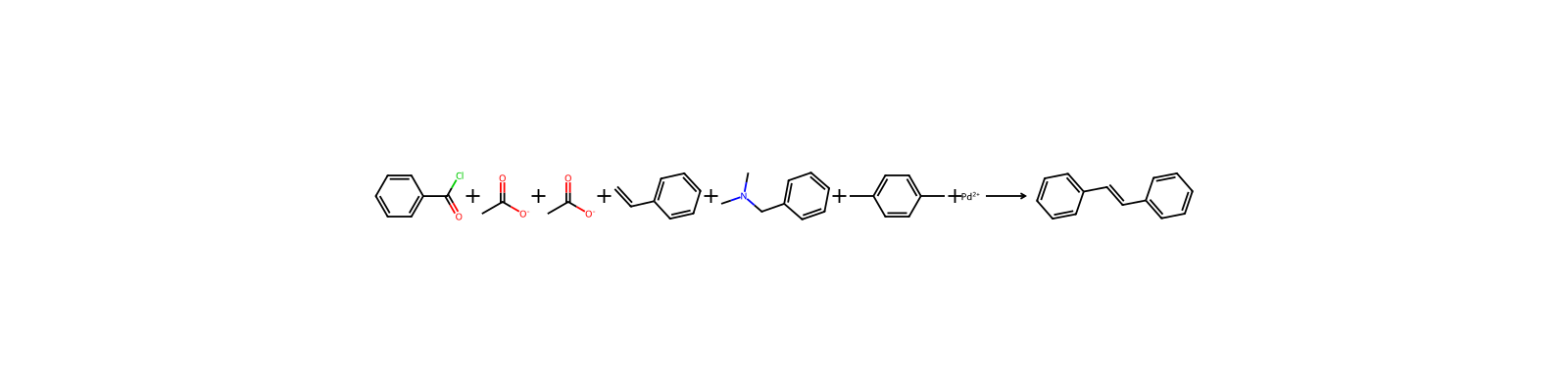
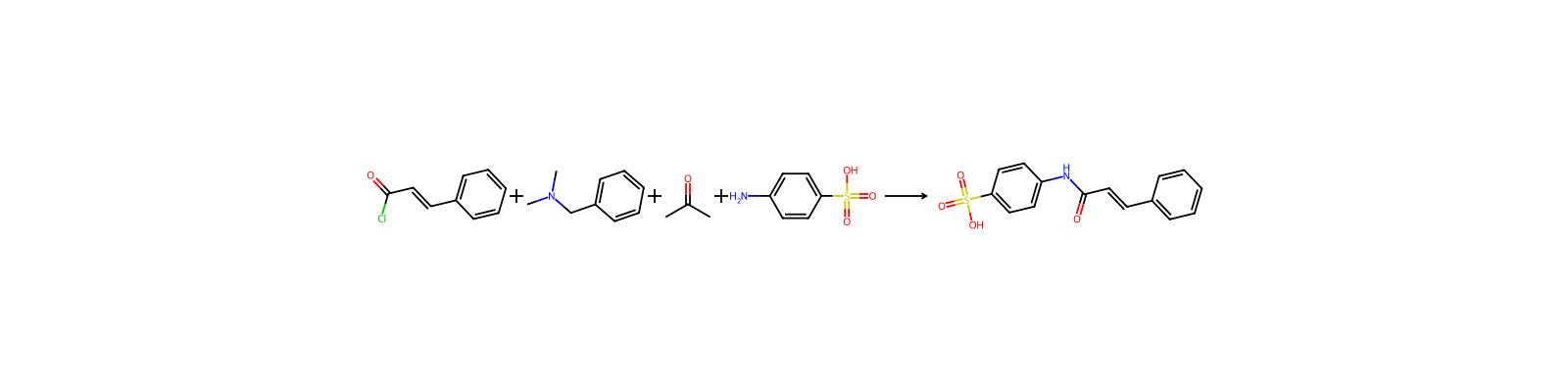


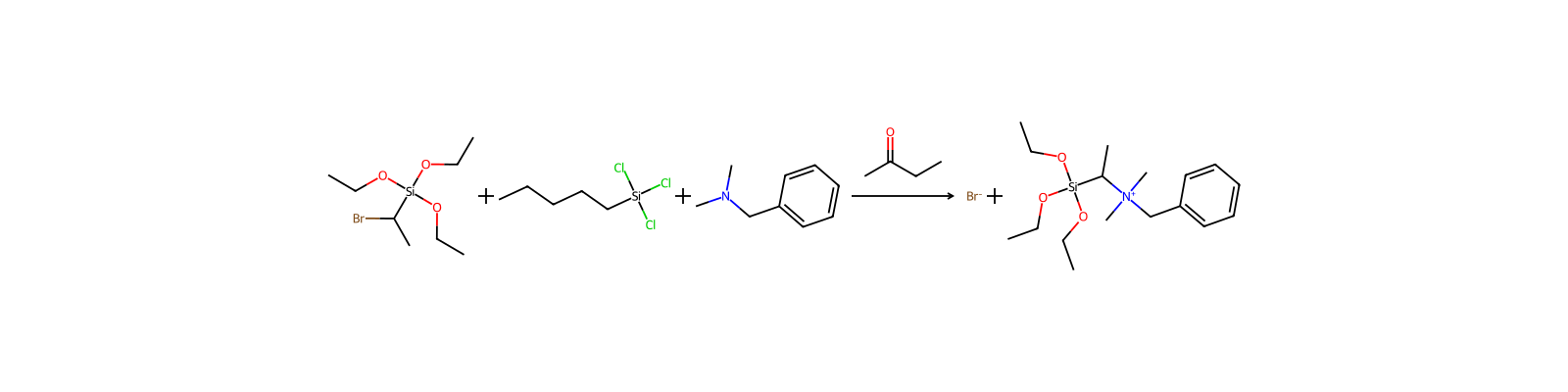
연결된 노트
불러오는 중…