4-메톡시페닐초산
4-Methoxyphenylacetic Acid
데이터를 보충하는 중입니다. 잠시 후 페이지를 새로 고치면 최신 내용을 볼 수 있습니다

기본 정보
- CAS
104-01-8- 표준 SMILES
COc1ccc(CC(=O)O)cc1- InChIKey
NRPFNQUDKRYCNX-UHFFFAOYSA-N- 분자식
- C9H10O3
- 평균 분자량
- 166.17 g/mol
- 단동위원소 질량
- 166.06299418
개요
4-methoxyphenylacetic acid appears as pale yellow or off white colored flakes. Severely irritates skin and eyes. May be toxic by ingestion.
이름 및 식별자
- 우선 이름
- 4-Methoxyphenylacetic Acid
- IUPAC
- 2-(4-methoxyphenyl)acetic acid
- 현지명
- 4-메톡시페닐초산
- 영어명
- 4-Methoxyphenylacetic acid
- 분자식
- C9H10O3
- 분자량
- 166.17
이름 및 동의어
4-Methoxyphenylacetic acid104-01-82-(4-methoxyphenyl)acetic acidHomoanisic acidBenzeneacetic acid, 4-methoxy-p-Methoxyphenylacetic acid(4-Methoxyphenyl)acetic acid4-Methoxybenzeneacetic acid2-(p-Anisyl)acetic acid(p-Methoxyphenyl)acetic acidp-Anisylacetic acidHomoanisate
이름 더 보기
4-메톡시페닐아세트산4-메톡시페닐초산4-메톡시페닐아세트산4MPAAASISCHEM D13364RARECHEM AL BO 01334-Methoxyphenylacetip-Methioxy-toluicacid4-Methoxyphenylacetic
NSC 27799EINECS 203-166-4Acetic acid, (p-methoxyphenyl)-4-methoxyphenylacetatep-Methoxy-alpha-toluic acidAJP2V8U5K6Homo-p-anisic acidAcetic acid, p-methoxyphenyl-
데이터베이스 식별자
- CAS
104-01-8- PubChem CID
- 7690
- DTXSID
DTXSID1059288- ChEMBL
CHEMBL1760597- ChEBI
CHEBI:55501- UNII
- AJP2V8U5K6
- EC Number
- 203-166-4
- Nikkaji
- J10.116H
물성
구조 계산 물성보충 중
- XLogP
- 1.4
- 극성 표면적
- 46.5 Ų
- 수소 결합 공여자 수
- 1
- 수소 결합 수용자 수
- 3
- 회전 가능 결합 수
- 3
- 무거운 원자 수
- 12
- 형식 전하
- 0
- 복잡도
- 148
실험 및 물리화학적 성질
SpringerMaterials PropertiesChemical shift
LogP
1.42
1.48
Solubility18 mg/mL
Boiling Point138.00 to 140.00 °C. @ 3.00 mm Hg
Melting Point87 °C
Physical Description
4-methoxyphenylacetic acid appears as pale yellow or off white colored flakes. Severely irritates skin and eyes. May be toxic by ingestion.
Solid
Collision Cross Section
122.84 Ų [M+H-H2O]+ [CCS Type: TW; Method: calibrated with polyalanine and drug standards]
137.4 Ų [M+H]+ [CCS Type: DT; Method: single field calibrated with Agilent tune mix (Agilent)]
물리화학적 성질
- 녹는점
- 84 · 84-86 °C(lit.)
- 끓는 점
- 140 °C3 · 140 °C3 mm Hg(lit.)
- 밀도
- 1.1708 · 1.1708 (rough estimate)
안전 및 규제
안전 정보는 참고용이며, 공급업체의 물질안전보건자료(SDS), 관련 법규 및 전문가 평가를 대체하지 않습니다.
GHS 분류
GHS Classification
Warning
H302 (> 99.9%): Harmful if swallowed [Warning Acute toxicity, oral]
P264, P270, P301+P317, P330, and P501 (click each P-code to see the statement)
Aggregated GHS information provided per 1334 reports by companies from 8 notifications to the ECHA C&L Inventory.
유해성 정보
Regulatory Information
Chemical: Benzeneacetic acid, 4-methoxy-
Status: Cease Manufacture Update: 30-06-2018 https://echa.europa.eu/registration-dossier/-/registered-dossier/18981
4-Methoxphenylacetic Acid: Does not have an individual approval but may be used under an appropriate group standard
Other Safety InformationIMAP assessments - Benzeneacetic acid, 4-methoxy-: Human health tier I assessment
DOT LabelCorrosive
Fire HazardsExcerpt from ERG Guide 154 [Substances - Toxic and/or Corrosive (Non-Combustible)]:
Health HazardsExcerpt from ERG Guide 154 [Substances - Toxic and/or Corrosive (Non-Combustible)]:
Reactive GroupAcids, Carboxylic
Reactivity Profile
Carboxylic acids donate hydrogen ions if a base is present to accept them. They react in this way with all bases, both organic (for example, the amines) and inorganic. Their reactions with bases, called "neutralizations", are accompanied by the evolution of substantial amounts of heat. Neutralization between an acid and a base produces water plus a salt. Carboxylic acids with six or fewer carbon atoms are freely or moderately soluble in water; those with more than six carbons are slightly soluble in water. Soluble carboxylic acid dissociate to an extent in water to yield hydrogen ions. The pH of solutions of carboxylic acids is therefore less than 7.0. Many insoluble carboxylic acids react rapidly with aqueous solutions containing a chemical base and dissolve as the neutralization generates a soluble salt. Carboxylic acids in aqueous solution and liquid or molten carboxylic acids can react with active metals to form gaseous hydrogen and a metal salt. Such reactions occur in principle for solid carboxylic acids as well, but are slow if the solid acid remains dry. Even "insoluble" carboxylic acids may absorb enough water from the air and dissolve sufficiently in it to corrode or dissolve iron, steel, and aluminum parts and containers. Carboxylic acids, like other acids, react with cyanide salts to generate gaseous hydrogen cyanide. The reaction is slower for dry, solid carboxylic acids. Insoluble carboxylic acids react with solutions of cyanides to cause the release of gaseous hydrogen cyanide. Flammable and/or toxic gases and heat are generated by the reaction of carboxylic acids with diazo compounds, dithiocarbamates, isocyanates, mercaptans, nitrides, and sulfides. Carboxylic acids, especially in aqueous solution, also react with sulfites, nitrites, thiosulfates (to give H2S and SO3), dithionites (SO2), to generate flammable and/or toxic gases and heat. Their reaction with carbonates and bicarbonates generates a harmless gas (carbon dioxide) but still heat. Like other organic compounds, carboxylic acids can be oxidized by strong oxidizing agents and reduced by strong reducing agents. These reactions generate heat. A wide variety of products is possible. Like other acids, carboxylic acids may initiate polymerization reactions; like other acids, they often catalyze (increase the rate of) chemical reactions.
화학 및 산업
용도 및 제조
General Manufacturing InformationBenzeneacetic acid, 4-methoxy-: ACTIVE
응용 분야
용도4-Methoxyphenylacetic Acid is a compound that was found from microbial phenolic metabolites in human feces after the consumption of gin, red wine and dealcholized red wine.
일반 설명Pale yellow or off white colored flakes. Severely irritates skin and eyes. May be toxic by ingestion.
상·하류 제품 정보
상류 원료
하류 제품
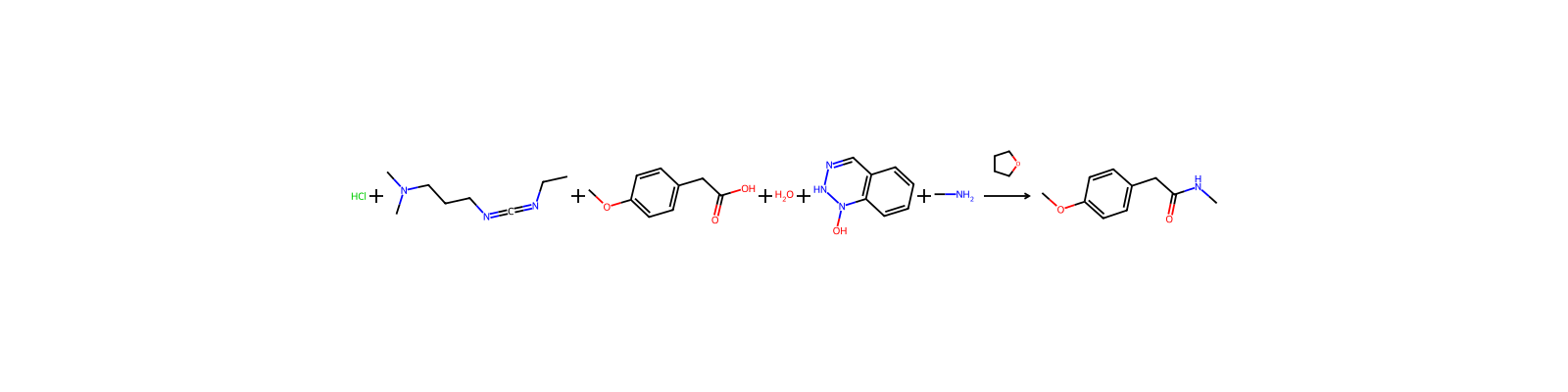
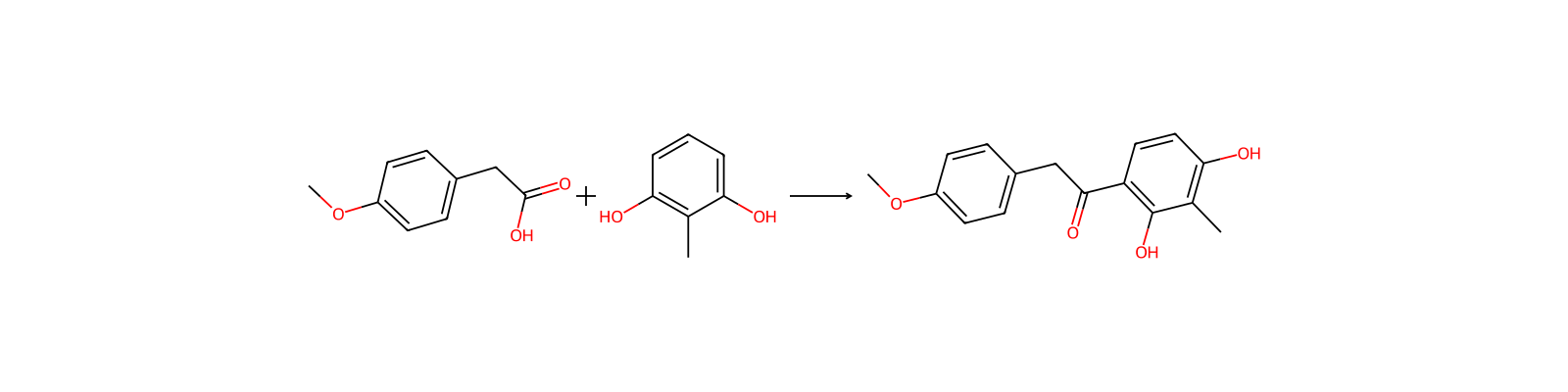
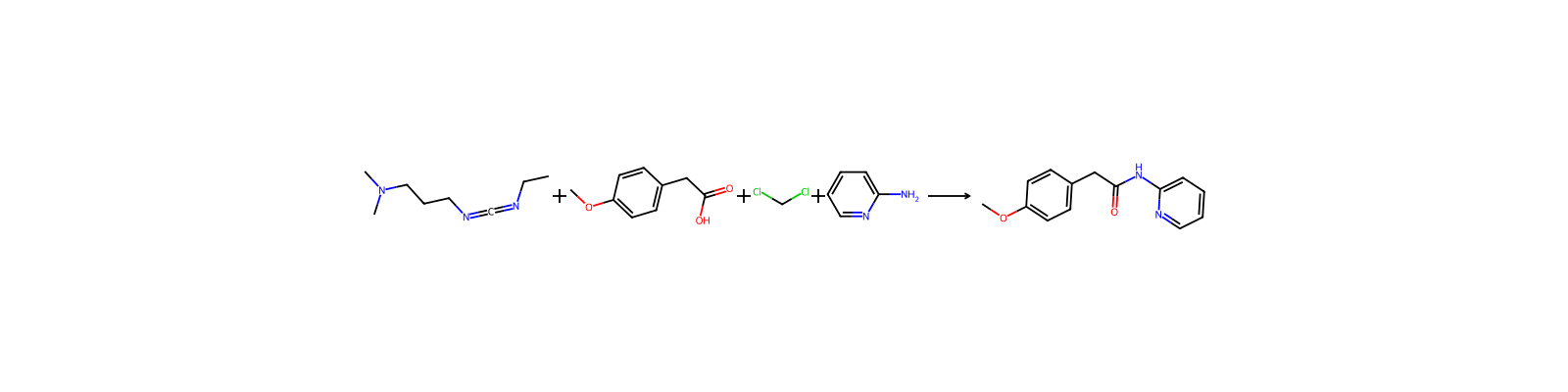
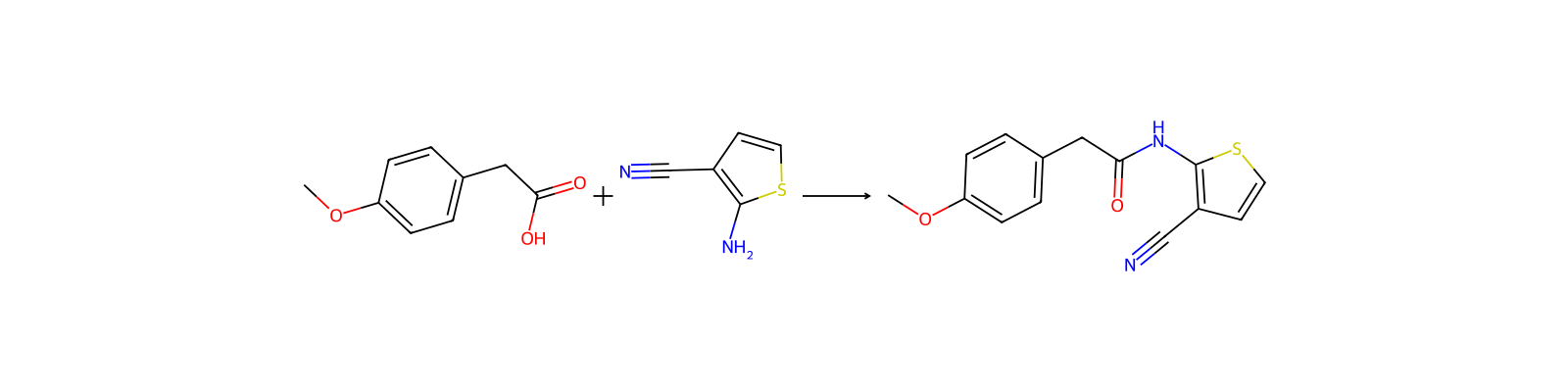
관련 반응
1,382건




화합물 노트
불러오는 중…