
에틸 아세틸렌
1-Butyne
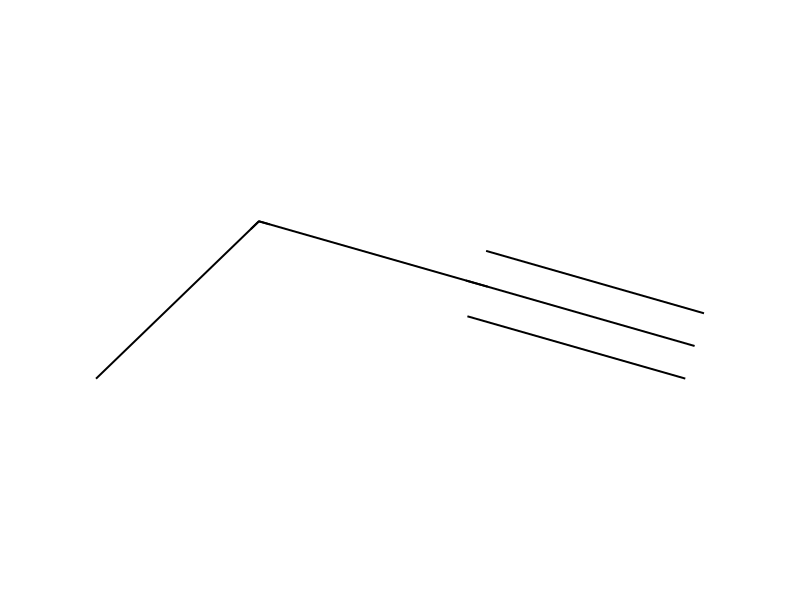
기본 정보
- CAS
107-00-6- 표준 SMILES
C#CCC- InChIKey
KDKYADYSIPSCCQ-UHFFFAOYSA-N- 분자식
- C4H6
- 평균 분자량
- 54.09 g/mol
- 단동위원소 질량
- 54.04695019
개요
Ethyl acetylene, stabilized appears as a colorless gas. Denser than air. Prolonged exposure to intense heat may cause the containers to rupture violently and rocket.
이름 및 식별자
- 우선 이름
- 1-Butyne
- IUPAC
- but-1-yne
- 현지명
- 에틸 아세틸렌
- 영어명
- 1-Butyne
- 분자식
- C4H6
- 분자량
- 54.09
이름 및 동의어
1-BUTYNEbut-1-yneEthyl acetyleneButyne-1UN2452Ethylacetylene, inhibitedUNII-A6B47CPN6WEINECS 203-451-3A6B47CPN6WEtilacetileno, inhibidoEthylacetylene, stabiliseEthyl acetylene, inhibited
이름 더 보기
에틸아세틸렌에틸아세틸렌1-부틴Ethylethyne1-BUTYNE 98%C2H5CequivCHETHYLACETYLENE1-BUTYNE, 98+%1-Butyne (8CI, 9CI)ethylacetylene,inhibited
UN 2452C2H5C.$.CHDTXSID4029141CHEBI:48087ETHYL ACETYLENE, (STABILIZED)Etilacetileno, inhibido (Spanish DOT)Ethylacetylene, stabilise (French DOT)ETHYL ACETYLENE, [STABILIZED]
데이터베이스 식별자
- CAS
107-00-6- PubChem CID
- 7846
- DTXSID
DTXSID4029141- ChEBI
CHEBI:48087- UNII
- A6B47CPN6W
- EC Number
- 203-451-3
- Nikkaji
- J4.044D
물성
구조 계산 물성
- XLogP
- 1.3
- 극성 표면적
- 0 Ų
- 수소 결합 공여자 수
- 0
- 수소 결합 수용자 수
- 0
- 회전 가능 결합 수
- 0
- 무거운 원자 수
- 4
- 형식 전하
- 0
- 복잡도
- 35.2
실험 및 물리화학적 성질
Chemical Classes
Other Classes -> Aliphatics, Unsaturated
Flammable agents - 4th degree
SpringerMaterials PropertiesCoriolis coupling
LogP1.46
Physical Description
Ethyl acetylene, stabilized appears as a colorless gas. Denser than air. Prolonged exposure to intense heat may cause the containers to rupture violently and rocket.
Liquid; Gas Vapor
Colorless gas; [CAMEO] Odor of garlic; [Matheson Tri-Gas MSDS]
물리화학적 성질
- 녹는점
- -126 °C · -126°C
- 끓는 점
- 8 °C · 8°C
- 밀도
- 0.678 · 0.678
- 굴절률
- 1.3962 · 1.3962
- 인화점
- -0.15 °C · -0.15°C
- 저장 조건
- 2 · 2-8°C
- 수용성
- 2.87 g/L · 2.87g/L(25℃)
- Henry's Law Constant
- 5.6 · 5.6×10-4 mol/(m3Pa) at 25℃, Brockbank (2013)
- InChI
- InChI=1S/C4H6/c1-3-4-2/h1H,4H2,2H3
- InChIKey
- KDKYADYSIPSCCQ-UHFFFAOYSA-N
- SMILES
- C#CCC
- EPA
- 1 · 1-Butyne (107-00-6)
화학적 성질
1-Butyne is a clear, colorless gas with a characteristic acetylenic odor. It is an extremely flammable and reactive alkyune and may cause frostbite. It is insoluble in water. It is a specialty gas mixture used in organic synthesis of compounds and instrument calibration; it has no specifi c or signifi cant industrial application. On combustion, 1-butyne releases carbon monoxide.
안전 및 규제
안전 정보는 참고용이며, 공급업체의 물질안전보건자료(SDS), 관련 법규 및 전문가 평가를 대체하지 않습니다.
GHS 분류
GHS Classification
This chemical does not meet GHS hazard criteria for 3% (5 of 164) of reports.
Danger
H220 (97%): Extremely flammable gas [Danger Flammable gases]
P203, P210, P222, P280, P377, P381, P403, and P410+P403 (click each P-code to see the statement)
Aggregated GHS information provided per 164 reports by companies from 4 notifications to the ECHA C&L Inventory. Each notification may be associated with multiple companies.
유해성 정보
Regulatory Information
Chemical: 1-Butyne
1-Butyne is listed on the EPA's Chemical Data Reporting (CDR) system. Manufacturers and importers of 1-Butyne are required to report information about their production and use of this chemical to the EPA under the Toxic Substances Control Act (TSCA). (40 eCFR Part 711)
1-Butyne: Does not have an individual approval but may be used under an appropriate group standard
The New Jersey Worker and Community Right to Know Act requires public and private employers to provide information about hazardous substances at their workplaces. (N.J.S.A. 34:5A-1 et. seq.)
Other Safety InformationIMAP assessments - 1-Butyne: Human health tier I assessment
DOT LabelFlammable Gas
Fire Hazards
Excerpt from ERG Guide 116 [Gases - Flammable (Unstable); polymerization hazard]:
· EXTREMELY FLAMMABLE.
Health Hazards
Excerpt from ERG Guide 116 [Gases - Flammable (Unstable); polymerization hazard]:
· Vapors may cause dizziness or asphyxiation without warning, especially when in closed or confined areas.
Hazards Summary
Highly flammable and forms explosive mixtures with air; Heat may cause explosive polymerization; [CAMEO] Extremely flammable and forms explosive mixtures with air; May polymerize; Inhalation may cause difficulty breathing, suffocation, convulsions, and coma; [Matheson Tri-Gas MSDS] Rapidly expanding gases can cause frostbite; A simple asphyxiant; [Airgas MSDS] Ethylacetylene, stabilized (UN2452) has warning of explosive polymerization; [ERG 2016] See Acetylene.
DOT ID and Guide2452 116P
Reactive GroupHydrocarbons, Aliphatic Unsaturated
Reactivity AlertsHighly Flammable
Reactivity Profile
ETHYL ACETYLENE may react vigorously with strong oxidizing agents. May react exothermically with reducing agents to release hydrogen gas. In the presence of various catalysts (such as acids) or initiators, may undergo exothermic polymerization.
DOT Hazard Classification
Ethylacetylene, stabilized
UN2452
Div 2.1 Flammable gas (49 eCFR § 173.115)
Air and Water ReactionsHighly flammable.
안전 및 보호
Fire FightingExcerpt from ERG Guide 116 [Gases - Flammable (Unstable); polymerization hazard]:
Accidental Release Measures
· CALL 911. Then call emergency response telephone number on shipping paper. If shipping paper not available or no answer, refer to appropriate telephone number listed on the inside back cover.
· ELIMINATE all ignition sources (no smoking, flares, sparks or flames) from immediate area.
First Aid
Excerpt from ERG Guide 116 [Gases - Flammable (Unstable); polymerization hazard]:
General First Aid:
Exposure Control and Personal Protection· Wear positive pressure self-contained breathing apparatus (SCBA).
Nonfire Spill ResponseExcerpt from ERG Guide 116 [Gases - Flammable (Unstable); polymerization hazard]:
Isolation and Evacuation
Excerpt from ERG Guide 116 [Gases - Flammable (Unstable); polymerization hazard]:
Immediate precautionary measure
Personal Protective Equipment (PPE)Excerpt from ERG Guide 116 [Gases - Flammable (Unstable); polymerization hazard]:
Emergency Response Planning Guidelines· DO NOT EXTINGUISH A LEAKING GAS FIRE UNLESS LEAK CAN BE STOPPED.
독성 정보
Adverse EffectsNeurotoxin - Acute solvent syndrome
규제 정보
DHS Chemicals of Interest (COI)
Ethyl acetylene
1
10000
Flammable chemical that can be released at a facility.
안전 데이터
- wgk
- 3
- tsca
- TSCA listed
- rtecs
- 203-451-3
- ridadr
- UN 2452 (ETHYLACETYLENE, STABILIZED)
- HS 번호
- 2901230000
- risk_code
- 11-12
- hazard_code
- F,F+
- safety_code
- 9-16-23-33
- 위험 등급
- 2.1
- 기존화학 물질
- KE-04380
- Hazard Classifications
- Flam. Gas 1Press. Gas Liquefied gas
- 스토리지 클래스
- 2A - Gases
화학 및 산업
용도 및 제조
UsesUsed as an intermediate and special fuel; [Hawley]
U.S. Production2023: 1,000,000 - <8,500,000 lb
Consumer UsesIntermediate
Industry UsesIntermediate
General Manufacturing Information
Petroleum Refineries
1-Butyne: ACTIVE
응용 분야
용도Specialty fuel, chemical intermediate.
일반 설명A colorless gas. Denser than air. Prolonged exposure to intense heat may cause the containers to rupture violently and rocket.
상·하류 제품 정보
상류 원료
하류 제품
추가 설명
정의ChEBI: A terminal acetylenic compound that is butane carrying a triple bond at position 1.
관련 반응
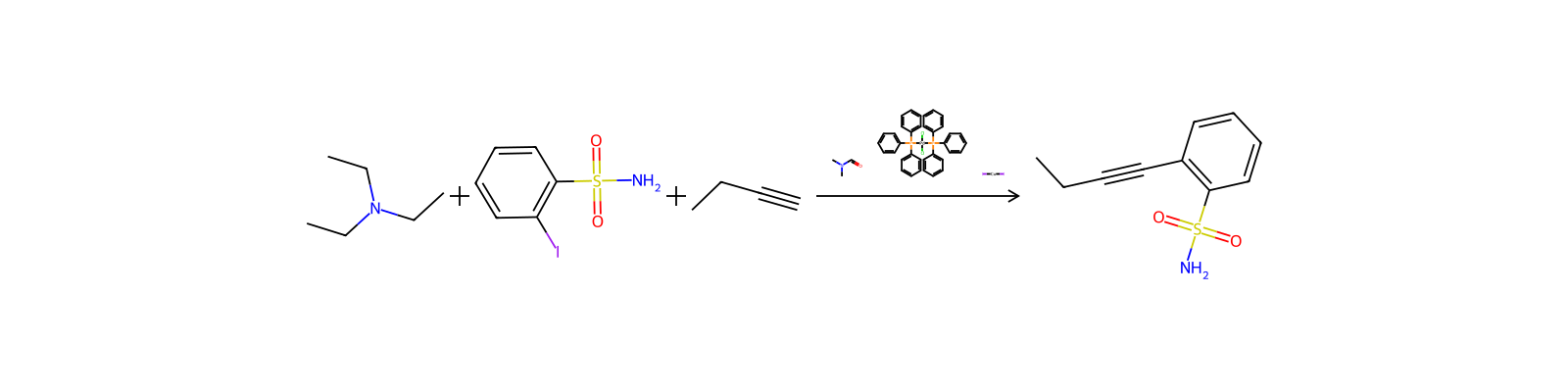
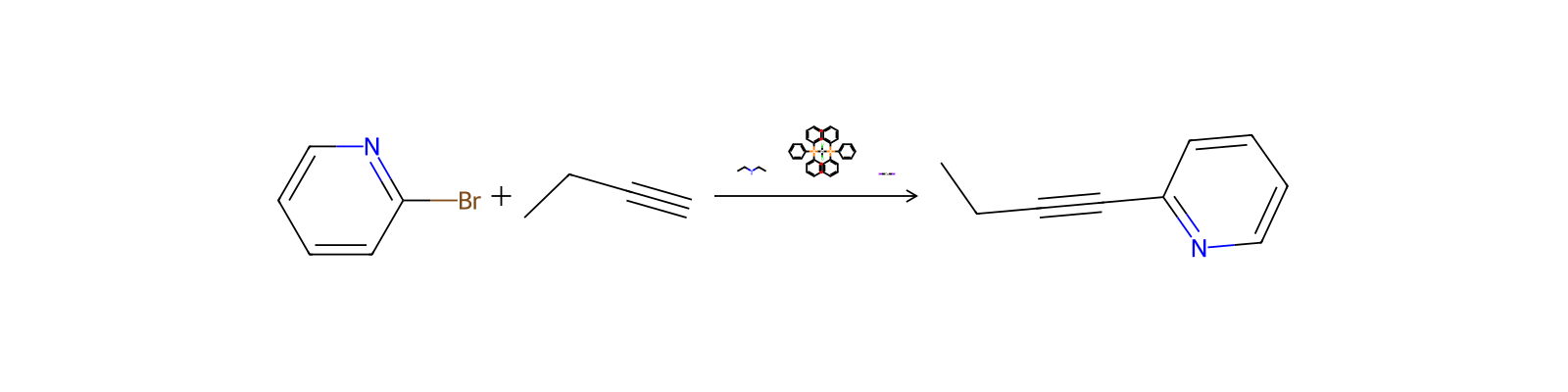
46건





화합물 노트
불러오는 중…