HRID 348234촉매로
Ethyltriphenylphosphonium iodide

4736-60-1CC[P+](c1ccccc1)(c1ccccc1)c1ccccc1.[I-]SLAFUPJSGFVWPP-UHFFFAOYSA-M4736-60-1DTXSID1052117안전 정보는 참고용이며, 공급업체의 물질안전보건자료(SDS), 관련 법규 및 전문가 평가를 대체하지 않습니다.
This chemical does not meet GHS hazard criteria for 1.3% (5 of 381) of reports.
Danger
H300 (26.8%): Fatal if swallowed [Danger Acute toxicity, oral]
P261, P264, P264+P265, P270, P271, P273, P280, P301+P316, P302+P352, P304+P340, P305+P351+P338, P305+P354+P338, P317, P319, P321, P330, P332+P317, P337+P317, P362+P364, P391, P403+P233, P405, and P501 (click each P-code to see the statement)
Aggregated GHS information provided per 381 reports by companies from 16 notifications to the ECHA C&L Inventory. Each notification may be associated with multiple companies.
Chemical: Phosphonium, ethyltriphenyl-, iodide
Phosphonium, ethyltriphenyl-, iodide (1:1) is listed on the EPA's Chemical Data Reporting (CDR) system. Manufacturers and importers of Phosphonium, ethyltriphenyl-, iodide (1:1) are required to report information about their production and use of this chemical to the EPA under the Toxic Substances Control Act (TSCA). (40 eCFR Part 711)
REACH registered substance: Ethyltriphenylphosphonium iodide (EC: 225-245-2)
Ethyltriphenylphosphonium iodide: Does not have an individual approval but may be used under an appropriate group standard
Paint and Coating Manufacturing
Phosphonium, ethyltriphenyl-, iodide (1:1): ACTIVE
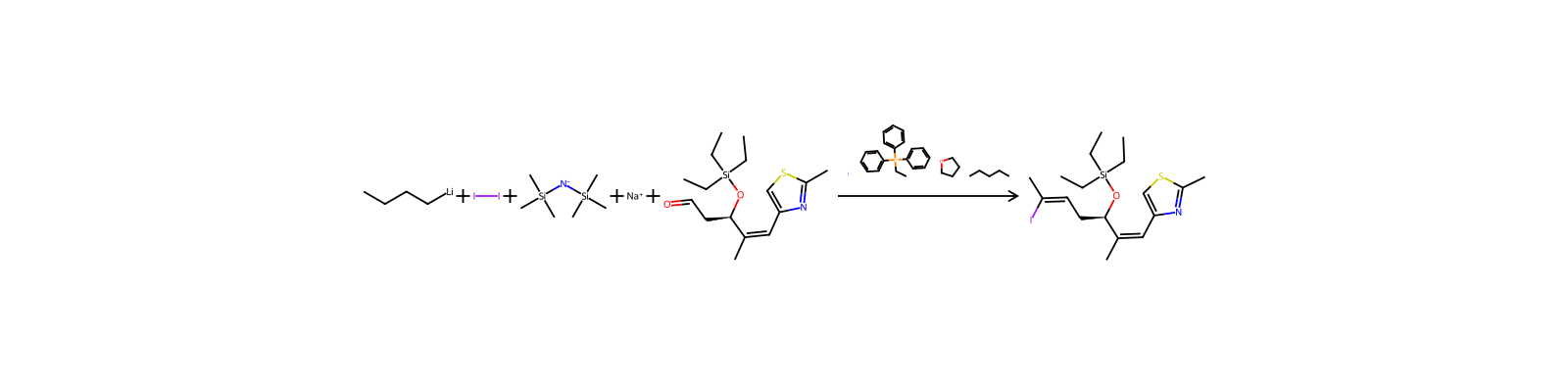
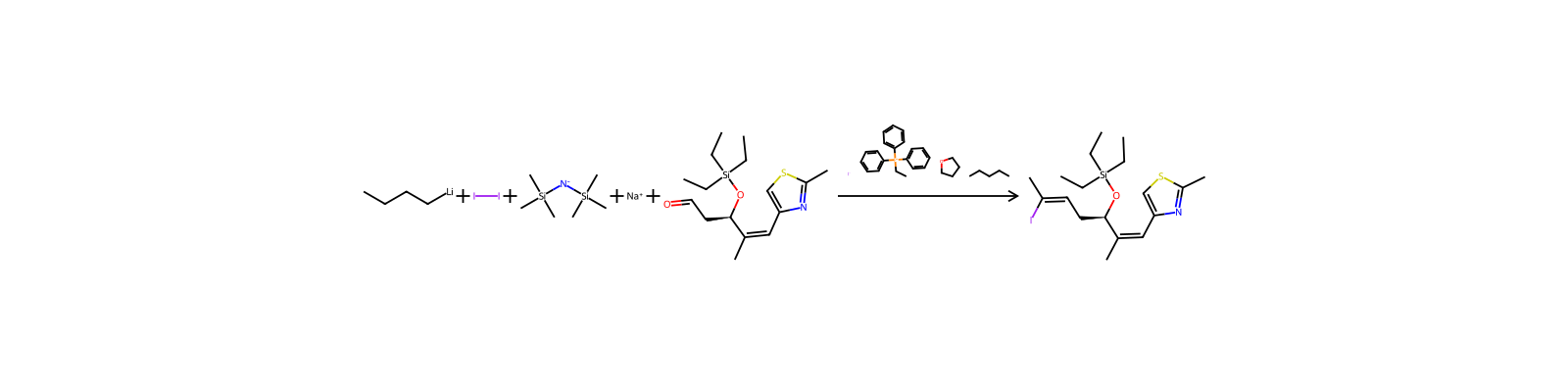
용도Ethyltriphenylphosphonium iodide is used as a Wittig reagent and phase transfer catalyst in organic synthesis. It can also be used in asymmetric hydrogenation and to make Bismuth(III) polynuclear complexes.


Ethyltriphenylphosphonium iodide is white to slightly yellowish crystalline powder