홈MCP워크벤치Skills
홈워크벤치알림마이페이지
llms.txt · MCP 가이드개인정보처리방침 · 이용약관 · 지원v1.8.0
  1. 홈
  2. /화합물

글리옥살

Glyoxal

HCID 7860
새 노트새 반응견적 요청하기
인쇄 미리보기

데이터를 보충하는 중입니다. 잠시 후 페이지를 새로 고치면 최신 내용을 볼 수 있습니다
기본 정보이름 및 식별자물성안전 및 규제화학 및 산업관련 반응화합물 노트
부분 구조 검색유사 구조 찾기

기본 정보

CAS
107-22-2
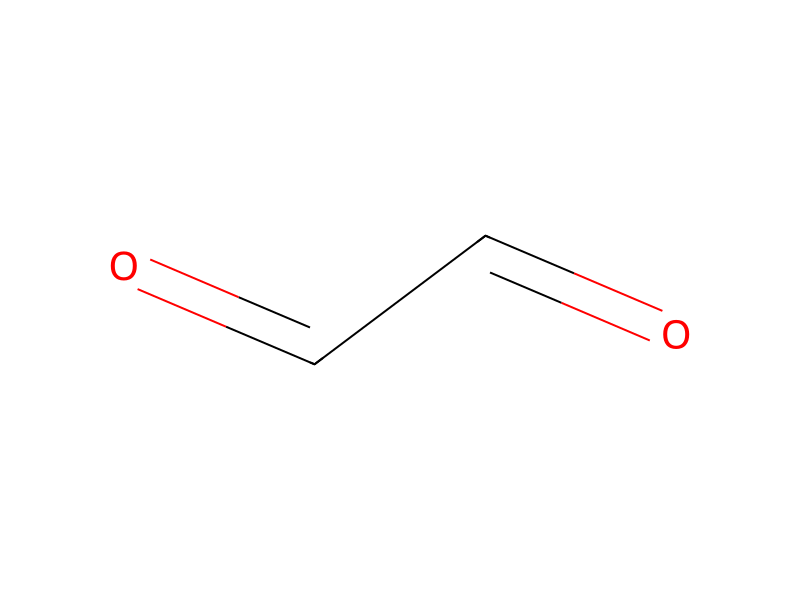
표준 SMILES
O=CC=O
InChIKey
LEQAOMBKQFMDFZ-UHFFFAOYSA-N
분자식
C2H2O2
평균 분자량
58.04 g/mol
단동위원소 질량
58.0054793

이름 및 식별자

우선 이름
Glyoxal
IUPAC
oxaldehyde
현지명
글리옥살
영어명
Glyoxal
분자식
C2H2O2
분자량
58.04

이름 및 동의어

GLYOXAL107-22-2EthanedialoxaldehydeOxalaldehyde1,2-EthanedioneBiformylDiformylBiformalOxalGlyoxylaldehydeDiformal
이름 더 보기
글리옥살디포밀,질산디알데히드글리옥살알데히드옥살알데히드1,2-에탄디온에탄디온비포르말디포르밀글라이옥살GLYOXAGLYOXAL SOLUTION(CHO)2
EthanedioneAerotex glyoxal 40Glyoxal aldehydeDTXSID5025364Glyoxal, 40%EthandialGlyoxal, 29.2%50NP6JJ975

데이터베이스 식별자

CAS
107-22-2、40094-65-3、63986-13-0
PubChem CID
7860
DTXSID
DTXSID5025364
ChEMBL
CHEMBL1606435
ChEBI
CHEBI:34779
UNII
50NP6JJ975
EC Number
203-474-9、636-347-5
Nikkaji
J5.155A

물성

구조 계산 물성보충 중

XLogP
-0.4
극성 표면적
34.1 Ų
수소 결합 공여자 수
0
수소 결합 수용자 수
2
회전 가능 결합 수
1
무거운 원자 수
4
형식 전하
0
복잡도
25

실험 및 물리화학적 성질

pHpH of 40% aqueous solution = 2.1 to 2.7
LogP-0.85
OdorMild odor
Density · 5건

1.29 at 68 °F (liquid,40% solution) (USCG, 1999) - Denser than water; will sink

1.14 g/cu cm at 20 °C

Relative density (water = 1): 1.27

1.29

1.29 @ 20°C

Color/Form · 2건

Yellow prisms or irregular pieces turning white on cooling; opaque at 10 °C; vapors are green

Yellow crystals or light yellow liquid

Solubility · 3건

greater than or equal to 100 mg/mL at 72 °F (NTP, 1992)

Sol in anhydrous solvents

In water, miscible at 20 °C

Flash Point · 4건

428 °F (NTP, 1992)

428 °F

>100 °C

428 °F

Boiling Point · 4건

124 °F at 776 mmHg (NTP, 1992)

51 °C at 776 mm Hg

104 °C

124 °F

DecompositionWhen heated to decomposition it emits acrid smoke and irritating fumes.

안전 및 규제

안전 정보는 참고용이며, 공급업체의 물질안전보건자료(SDS), 관련 법규 및 전문가 평가를 대체하지 않습니다.

GHS 분류

GHS Classification · 6건

Warning

H315: Causes skin irritation [Warning Skin corrosion/irritation];H317: May cause an allergic skin reaction [Warning Sensitization, Skin];H319: Causes serious eye irritation [Warning Serious eye damage/eye irritation];H332: Harmful if inhaled [Warning Acute toxicity, inhalation];H341: Suspected of causing genetic defects [Warning Germ cell mutagenicity]

P203, P261, P264, P264+P265, P271, P272, P280, P302+P352, P304+P340, P305+P351+P338, P317, P318, P321, P332+P317, P333+P317, P337+P317, P362+P364, P405, and P501 (click each P-code to see the statement)

This chemical does not meet GHS hazard criteria for < 0.1% (1 of 1432) of reports.

유해성 정보

Regulatory Information · 5건

Chemical: Ethanedial

Ethanedial is listed on the EPA's Chemical Data Reporting (CDR) system. Manufacturers and importers of Ethanedial are required to report information about their production and use of this chemical to the EPA under the Toxic Substances Control Act (TSCA). (40 eCFR Part 711)

2007/442

Status: Active Update: 10-01-2023 https://echa.europa.eu/registration-dossier/-/registered-dossier/16112;Status: Active Update: 30-04-2018 https://echa.europa.eu/registration-dossier/-/registered-dossier/24439

Glyoxal: Does not have an individual approval but may be used under an appropriate group standard

Other Safety InformationIMAP assessments - Ethanedial: Human health tier II assessment
DOT LabelPoison
Fire Hazards · 2건

Behavior in Fire: Heat may cause polymerization to a combustible, viscous material. (USCG, 1999)

Combustible.

Health HazardsInhalation causes some irritation of nose and,40% solution throat. Contact with liquid,40% solution irritates eyes and causes mild irritation of skin; stains skin yellow. (No information available on symptoms of ingestion.) (USCG, 1999)

화학 및 산업

약리 정보

Mechanism of Action · 4건

Glyoxal attacks the amino groups of proteins, nucleotides, and lipids with its highly reactive carbonyl groups. A sequence of non-enzymatic reactions, called glycation, yields stable advanced glycation end-products (AGEs) with a background extent of 0.1-1% of lysine and arginine residues in proteins and 1 in 1.0 X 10⁻⁷ nucleotides in DNA. ... Glyoxal forms stable adducts with guanosine by reaction with the N-1 as well as with the exocyclic nitrogen of guanine. The rate of glyoxal-guanine adduct formation is rapid under physiological conditions. A stable tricyclic glyoxal-DNA adduct is formed by covalent binding to two nitrogens of guanine under physiological conditions in vitro. Besides 8-hydroxy-deoxyguanosine, the glyoxal-deoxyguanosine (dG) adduct is one of the major deoxyguanosine oxidation products, being formed by oxygen radicals, lipid peroxidation systems, various types of oxidative stress, and UV irradiation and after in vivo exposure to beta-hydroxy-substituted N-nitrosamines.

Glyoxal ... is considered an important intermediate in the formation of advanced glycation end-products (AGEs). AGE modification alters protein function and inactivates enzymes, resulting in disturbance of cellular metabolism, impaired proteolysis, and inhibition of cell proliferation and protein synthesis. The extent of AGE modification increases with the increasing life span of proteins. Consequently, AGEs are especially associated with long-lived proteins, such as collagens, lens crystallins, and neurofilaments, but also have been identified in shorter-lived proteins, including hemoglobin, plasma proteins, lipoproteins, and intracellular proteins.

Inhibition studies in bacterial mutagenicity tests demonstrated the production of the reactive oxygen species superoxide, hydrogen peroxide, and singlet oxygen from glyoxal. The mutagenic activity of glyoxal is related to singlet oxygen, as well as to the intracellular GSH level. The hydroxyl radical plays a prominent role in glyoxal-induced DNA cleavage.

... Isolated rat hepatocytes were incubated with different concentrations of glyoxal. Glyoxal by itself was cytotoxic at 5mM, depleted GSH, formed reactive oxygen species (ROS) and collapsed the mitochondrial membrane potential. Glyoxal also induced lipid peroxidation and formaldehyde formation. Glycolytic substrates, eg fructose, sorbitol and xylitol inhibited glyoxal-induced cytotoxicity and prevented the decrease in mitochondrial membrane potential suggesting that mitochondrial toxicity contributed to the cytotoxic mechanism. Glyoxal cytotoxicity was prevented by the glyoxal traps d-penicillamine or aminoguanidine or ROS scavengers were also cytoprotective even when added some time after glyoxal suggesting that oxidative stress contributed to the glyoxal cytotoxic mechanism.

관련 반응

326건
반응 기록 만들기
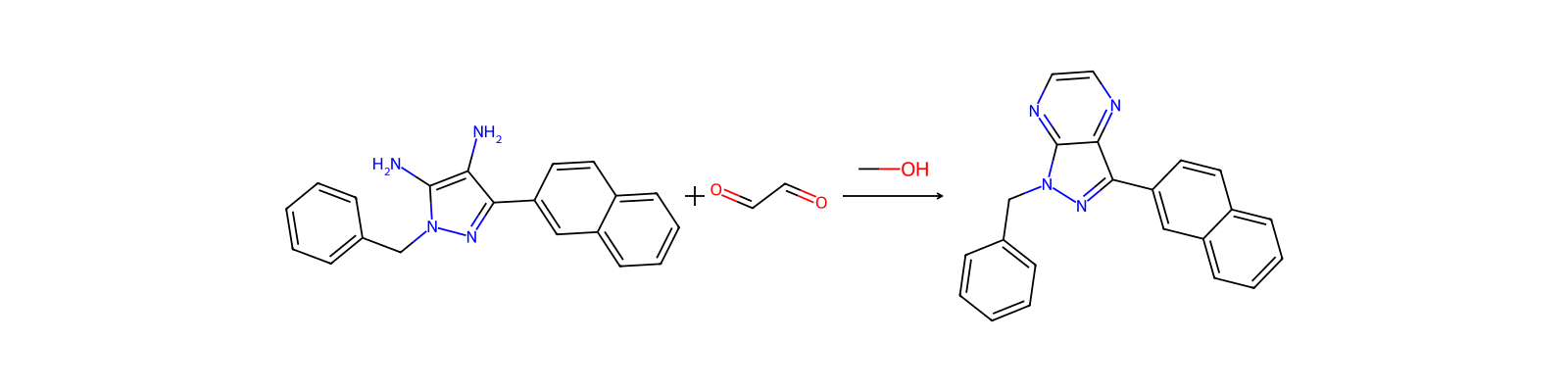
HRID 17930 반응식
HRID 17930반응물로uspto-grants-2010_06
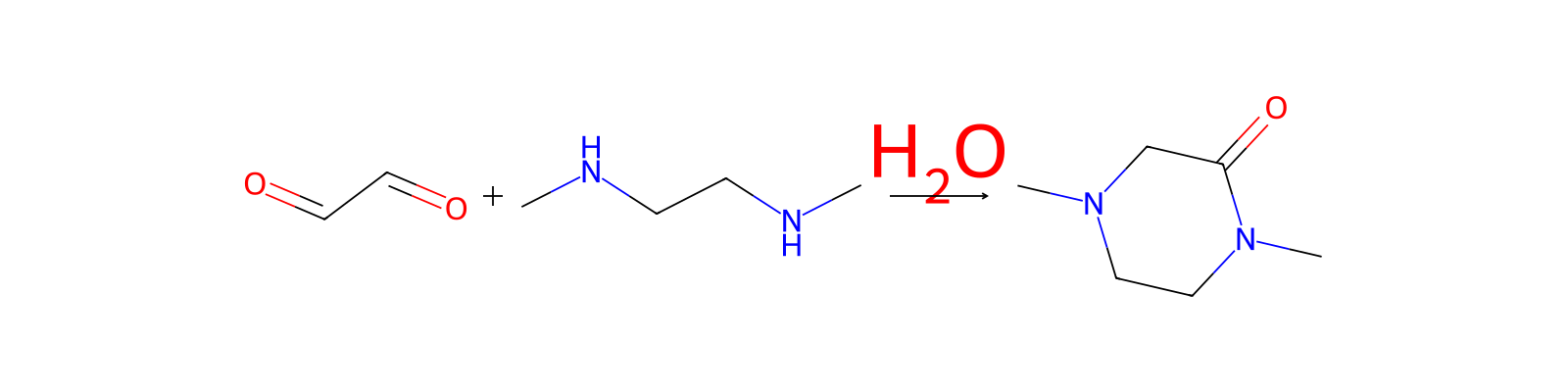
HRID 28083 반응식
HRID 28083반응물로uspto-grants-1980_09
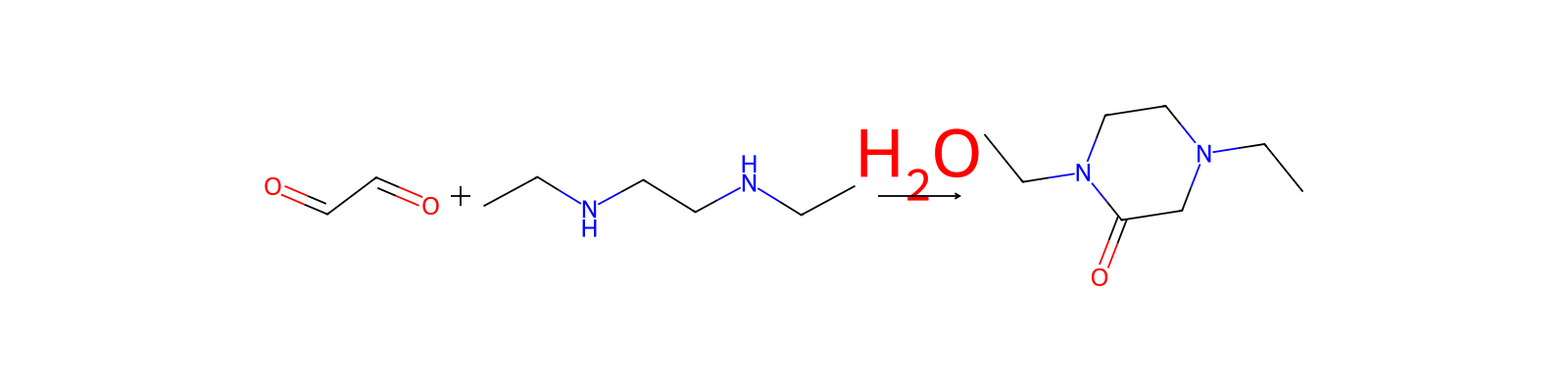
HRID 34068 반응식
HRID 34068반응물로uspto-grants-2008_09
HRID 35730 반응식
HRID 35730반응물로uspto-grants-1988_08
HRID 35731 반응식
HRID 35731반응물로uspto-grants-1988_08
HRID 35732 반응식
HRID 35732반응물로uspto-grants-1988_08
HRID 36616 반응식
HRID 36616반응물로uspto-grants-1995_05
HRID 40237 반응식
HRID 40237반응물로uspto-grants-2013_09
1 / 41 페이지

화합물 노트

불러오는 중…

이 페이지에서기본 정보이름 및 식별자물성안전 및 규제화학 및 산업관련 반응화합물 노트
더보기
새 노트새 반응견적 요청하기
Melting Point · 6건

59 °F (NTP, 1992)

15 °C for pure glyoxal and approximately -10 °C for the 40% solution

15 °C

-14 °C

59 °F

15 °C

Vapor Density · 4건

greater than 1.0 (NTP, 1992) (Relative to Air)

2.0 (Air = 1)

Relative vapor density (air = 1): 1.27

>1

PolymerizationPolymerizes...on contact with water (violent reaction), or when dissolved in solvents containing water.

물리화학적 성질

녹는점
15 °C · 15 °C (59 °F; 288 K)
끓는 점
51 °C · 51 °C (124 °F; 324 K)
밀도
1.27 · 1.27
증기 밀도
1 · >1 (vs air)
증기압
18 mm · 18 mm Hg ( 20 °C)
굴절률
20 · n 20/D 1.4087
인화점
4 °C · −4 °C (25 °F; 269 K)
저장 조건
2 · 2-8°C
용해도
물: 용해될 수 있음(lit.)
물리적 상태
clear liquid
색상
Colorless to Light yellow
냄새
노란색 결정, 약간의 냄새
수소이온지수(pH)
2 · 2-3 (20°C in H2O)
수용성
혼용 가능
비열
1.04 J/ · Cp(gas): 1.04 J/(g·K), at 25℃
Merck
14 · 14,4509
BRN
1732463 · 1732463
Henry's Law Constant
4.1 · 4.1×103 mol/(m3Pa) at 25℃, Burkholder et al. (2019)
안정성
Stability Combustible. Incompatible with strong oxidizing agents. Strong reducing agent. May polyermize exothermically. Incompatible with air, water, oxygen, peroxides, amides, amines, hydroxy-containing materials, nitric acid, aldehydes. Corrodes many metals.
화장품 원료 기능
항균향수
InChI
1S/C2H2O2/c3-1-2-4/h1-2H
InChIKey
LEQAOMBKQFMDFZ-UHFFFAOYSA-N
SMILES
[H]C(=O)C([H])=O
LogP
-1.15 at · -1.15 at 20℃
NIST
Ethanedial(107-22-2)
EPA
Glyoxal (107-22-2)

화학적 성질

colourless or light yellow liquid

Hazards Summary · 1건

A skin and mucous membrane irritant, but less irritating than formaldehyde; Emergency treatment: Oxalic acid; [HSDB] Glyoxal, a disinfectant, may cause allergic contact dermatitis among healthcare workers. [Marks, p. 339] If left on clothing, can cause reddening of skin; [CHRIS] Dust mixtures with air may be explosive; Rapidly polymerized on standing, contact with water (violently), and mixing in solvents containing water; A moderate skin and mucous membrane irritant; [Merck Index] 40% solution: A skin and eye irritant; May cause skin sensitization; [ICSC] The anhydrous form in unstable and only produced in laboratories; A strong skin sensitizer in a study of 24 humans; [Reference #1] Produced as a human metabolite; Also found in many fermented foods and beverages; Animal studies have shown the pancreas and kidney as the target organs; [Reference #2] A mild skin and severe eye irritant; Causes other liver changes and acute tubular necrosis in dermal lethal-dose studies of rabbits; [RTECS]

FDA RequirementsGlyoxal is an indirect food additive for use only as a component of adhesives.
Reactive GroupAldehydes;Polymerizable Compounds
EC ClassificationSymbol: Xn; R: 20-36/38-43-68; S: (2)-36/37; Note: B
TSCA Requirements · 2건

Section 8(a) of TSCA requires manufacturers of this chemical substance to report preliminary assessment information concerned with production, exposure, and use to EPA as cited in the preamble in 51 FR 41329.

Pursuant to section 8(d) of TSCA, EPA promulgated a model Health and Safety Data Reporting Rule. The section 8(d) model rule requires manufacturers, importers, and processors of listed chemical substances and mixtures to submit to EPA copies and lists of unpublished health and safety studies. Ethanedial is included on this list.

Reactivity AlertsPolymerizable;Water-Reactive
Reactivity Profile · 1건

GLYOXAL reacts vigorously with strong oxidizing agents such as nitric acid. Polymerizes rapidly even at low temperature if anhydrous [Noller]. Aqueous solutions are more stable but also polymerize on standing. Reacts with itself in the presence of base to give glyconates. Undergoes addition and condensation reactions that may be exothermic with amines, amides, aldehydes, and hydroxide-containing materials. Mixing in equal molar portions with any of the following substances in a closed container caused the temperature and pressure to increase: chlorosulfonic acid, oleum, ethyleneimine, nitric acid, sodium hydroxide [NFPA 1991].

안전 및 보호

Fire Fighting · 2건

Fires involving this material can be controlled with a dry chemical, carbon dioxide or Halon extinguisher. (NTP, 1992)

Use carbon dioxide, foam, powder.

First Aid Measures · 4건

Fresh air, rest.

Remove contaminated clothes. Rinse skin with plenty of water or shower.

First rinse with plenty of water for several minutes (remove contact lenses if easily possible), then refer for medical attention.

Rinse mouth. Refer for medical attention .

First Aid · 1건

EYES: First check the victim for contact lenses and remove if present. Flush victim's eyes with water or normal saline solution for 20 to 30 minutes while simultaneously calling a hospital or poison control center. Do not put any ointments, oils, or medication in the victim's eyes without specific instructions from a physician. IMMEDIATELY transport the victim after flushing eyes to a hospital even if no symptoms (such as redness or irritation) develop.;SKIN: IMMEDIATELY flood affected skin with water while removing and isolating all contaminated clothing. Gently wash all affected skin areas thoroughly with soap and water. If symptoms such as redness or irritation develop, IMMEDIATELY call a physician and be prepared to transport the victim to a hospital for treatment.;INHALATION: IMMEDIATELY leave the contaminated area; take deep breaths of fresh air. If symptoms (such as wheezing, coughing, shortness of breath, or burning in the mouth, throat, or chest) develop, call a physician and be prepared to transport the victim to a hospital. Provide proper respiratory protection to rescuers entering an unknown atmosphere. Whenever possible, Self-Contained Breathing Apparatus (SCBA) should be used; if not available, use a level of protection greater than or equal to that advised under Protective Clothing.;INGESTION: DO NOT INDUCE VOMITING. Volatile chemicals have a high risk of being aspirated into the victim's lungs during vomiting which increases the medical problems. If the victim is conscious and not convulsing, give 1 or 2 glasses of water to dilute the chemical and IMMEDIATELY call a hospital or poison control center. IMMEDIATELY transport the victim to a hospital. If the victim is convulsing or unconscious, do not give anything by mouth, ensure that the victim's airway is open and lay the victim on his/her side with the head lower than the body. DO NOT INDUCE VOMITING. IMMEDIATELY transport the victim to a hospital. (NTP, 1992)

Safe StorageWell closed.
Storage Conditions · 2건

Well closed.

During storage it may spontaneously polymerize and ignite.

Cleanup Methods · 2건

Collect leaking and spilled liquid in sealable containers as far as possible. Use face shield. (Extra personal protection: filter respirator for organic gases and vapours.)

Waste glyoxal resins from textile treatment are biodegraded by pseudomonas using the aqueous resin solution as a substrate.

Nonfire Spill Response · 1건

SMALL SPILLS AND LEAKAGE: If you should spill this chemical, use absorbent paper to pick up all liquid spill material. Seal the absorbent paper, as well as any of your clothing which may be contaminated, in a vapor-tight plastic bag for eventual disposal. Wash any surfaces you may have contaminated with a soap and water solution. Do not reenter the contaminated area until the Safety Officer (or other responsible person) has verified that the area has been properly cleaned.;STORAGE PRECAUTIONS: You should keep this material in a tightly closed container under an inert atmosphere, and store it at ambient temperatures. (NTP, 1992)

Disposal Methods · 1건

SRP: The most favorable course of action is to use an alternative chemical product with less inherent propensity for occupational exposure or environmental contamination. Recycle any unused portion of the material for its approved use or return it to the manufacturer or supplier. Ultimate disposal of the chemical must consider: the material's impact on air quality; potential migration in soil or water; effects on animal, aquatic, and plant life; and conformance with environmental and public health regulations.

Spillage DisposalPersonal protection: face shield and filter respirator for organic gases and vapours adapted to the airborne concentration of the substance. Collect leaking and spilled liquid in sealable containers as far as possible.
Preventive Measures · 3건

While extent of precautions needed under various types of industrial use is not known with certainty, it would appear reasonable to handle these dialdehydes with certain precautions as used for formaldehyde and other lower molecular weight monoaldehydes. /Dialdehydes/

/If ingested/: /Get/ fresh air, rest. /If contacted with eyes/: Remove contaminated clothes, rinse skin with plenty of water or shower. /If contacted with skin/: Remove contaminated clothes, rinse skin with plenty of water or shower. /If contacted with eyes/: First rinse with plenty of water for several minutes (remove contact lenses if easily possible), then take to a doctor. /If ingested/: Rinse mouth, refer for medical attention.

SRP: The scientific literature for the use of contact lenses in industry is conflicting. The benefit or detrimental effects of wearing contact lenses depend not only upon the substance, but also on factors including the form of the substance, characteristics and duration of the exposure, the uses of other eye protection equipment, and the hygiene of the lenses. However, there may be individual substances whose irritating or corrosive properties are such that the wearing of contact lenses would be harmful to the eye. In those specific cases, contact lenses should not be worn. In any event, the usual eye protection equipment should be worn even when contact lenses are in place.

Isolation and Evacuation · 1건

Excerpt from ERG Guide 153 [Substances - Toxic and/or Corrosive (Combustible)]:;IMMEDIATE PRECAUTIONARY MEASURE: Isolate spill or leak area in all directions for at least 50 meters (150 feet) for liquids and at least 25 meters (75 feet) for solids.;SPILL: Increase the immediate precautionary measure distance, in the downwind direction, as necessary.;FIRE: If tank, rail tank car or highway tank is involved in a fire, ISOLATE for 800 meters (1/2 mile) in all directions; also, consider initial evacuation for 800 meters (1/2 mile) in all directions. (ERG, 2024)

Eye PreventionWear safety goggles or eye protection in combination with breathing protection.

독성 정보

Body BurdenGlyoxal has been detected in human blood(1).
Ecotoxicity Values · 5건

LC50 Leuciscus idus melanotus (Orfe) 460 mg/L/96 hr /Conditions of bioassay not specified in source examined/

LC50 Leuciscus idus melanotus (Orfe) >680 mg/L/48 hr /Conditions of bioassay not specified in source examined/

LC50 Brachydanio rerio (Zebra danio) 760 mg/L/48 hr /Conditions of bioassay not specified in source examined/

LC50 Brachydanio rerio (Zebra danio) 1200 mg/L/24 hr /Conditions of bioassay not specified in source examined/

For more Ecotoxicity Values (Complete) data for GLYOXAL (11 total), please visit the HSDB record page.

Environmental Fate · 3건

TERRESTRIAL FATE: Based on a classification scheme(1), an estimated Koc value of 1(SRC), determined from a structure estimation method(2), indicates that glyoxal is expected to have very high mobility in soil(SRC). Volatilization from moist soil surfaces is not expected to be an important environmental fate process given a Henry's law constant of 3.33X10⁻⁹ atm-cu m/mol(3). The potential for volatilization of glyoxal from dry soil surfaces may exist(SRC) based upon an extrapolated vapor pressure of 255 mm Hg at 25 °C(4). Screening studies using sewage seed have indicated that glyoxal is readily biodegradable(5,6).

AQUATIC FATE: Based on a classification scheme(1), an estimated Koc value of 1(SRC), determined from a structure estimation method(2), indicates that glyoxal is not expected to adsorb to suspended solids and sediment(SRC). Volatilization from water surfaces is not expected to be an important environmental fate process(3), based on a Henry's law constant of 3.33X10⁻⁹ atm cu m/mol(4). According to a classification scheme(5), an estimated BCF of 3(SRC), from an estimated log Kow of -1.66(6) and a regression-derived equation(7), suggests the potential for bioconcentration in aquatic organisms is low(SRC). Glyoxal undergoes direct photolysis with an estimated atmospheric lifetime of 5 hours(8), suggesting that photolysis in sunlit surface waters may be an important environmental fate process(SRC). Glyoxal is not expected to undergo hydrolysis in the environment due to the lack of hydrolyzable functional groups. Screening studies using sewage seed have indicated that glyoxal is readily biodegradable(9,10).

ATMOSPHERIC FATE: According to a model of gas/particle partitioning of semivolatile organic compounds in the atmosphere(1), glyoxal, which has an extrapolated vapor pressure of 255 mm Hg at 25 °C(2), is expected to exist solely in the vapor phase in the ambient atmosphere. Vapor-phase glyoxal is degraded in the atmosphere by reaction with photochemically-produced hydroxyl radicals(SRC); the half-life for this reaction in air is estimated to be 34 hours(SRC), calculated from its rate constant of 1.14X10⁻¹¹ cu cm/molecule-sec at 25 °C(3). Glyoxal also undergoes direct photolysis in the environment, with an estimated atmospheric lifetime of 5 hours(4). Glyoxal also reacts with ozone(4); however, the rate is significantly slower than the rate of direct photolysis and reaction with hydroxyl radicals and not considered an important atmospheric degradation mechanism(4).

Food Survey Values · 1건

Glyoxal was detected in auto-oxidized edible oils (sesame, safflower and sardine oils) at levels of <1 to 5 ug/g(1). Glyoxal was identified, not quantified, as a volatile component of roasted coffee beans(2). Glyoxal is frequently detected in fermented foods and beverages(3).

Adverse Effects · 1건

Occupational hepatotoxin - Secondary hepatotoxins: the potential for toxic effect in the occupational setting is based on cases of poisoning by human ingestion or animal experimentation.;Skin Sensitizer - An agent that can induce an allergic reaction in the skin.;ACGIH Carcinogen - Not Classifiable.

Exposure RoutesThe substance can be absorbed into the body by inhalation of its aerosol or vapour and by ingestion.
Toxicity Summary · 3건

Based on the available data, the CIR Panel concludes that Glyoxal is safe for use in products intended to be applied to the nail at concentrations &#8804; 1.25%. The available data are insufficient to support the safety for other uses.

Safe for use in cosmetics, with qualifications

IDENTIFICATION: Glyoxal is generally available as an aqueous solution, typically containing 30-50% glyoxal in which hydrated oligomers are present. This chemical is used as a chemical intermediate in the production of pharmaceuticals and dyestuffs, as a cross-linking agent in the production of polymers, as a biocide, and as a disinfecting agent. Due to microbial activity as well as non-enzymatic autoxidation of oil or browning reactions of saccharides, glyoxal is frequently detected in fermented food and beverages. It is found in beer, wine and tea. HUMAN EXPOSURE: The main routes of occupational exposure to glyoxal during use as a disinfectant are via inhalation and dermal absorption. The general population is exposed mainly through ingestion of glyoxal containing food, but could be exposed through polluted air in urban areas and traces of glyoxal found in drinking water. Glyoxal is endogenously produced during normal cellular metabolism by a multitude of enzyme independent pathways. Glyoxal is found in human blood and individuals with diabetes or renal failure have higher concentrations. Glyoxal is irritating to mucous membranes and acts as a skin sensitizing agent. ANIMAL/PLANT STUDIES: The acute toxicity of glyoxal in experimental animals is low to moderate, depending upon the concentration of the chemical. After inhalation exposure, local irritations of the eyes and respiratory tract as well as hyperemia and foamy secretion in the lungs predominate. After oral exposure to glyoxal, macroscopic observations include irritations to the gastrointestinal tract and congestion in the gastrointestinal tract, lung, kidney and adrenal glands. In the prominent target organs, pancreas and kidney, the toxic action of glyoxal leads to severe degenerative changes resembling those induced during diabetes. A 28 day study at high dosages of glyoxal administered to rats effects included reduced water and food intake and retardation of body weight gain. A 90 day feeding study in do

Ecotoxicity Excerpts · 1건

/OTHER TERRESTRIAL SPECIES/ ... Glyoxal induced meiotic abnormalities on microsporocytes of corn (Zea mats). For topinambur (Helianthus tuberosus), approx. 100 mg glyoxal/L /caused/ toxic concerning the proliferation of the rhizome fragments in an in vitro tissue culture. The NOEC (no-observedeffect concentration) was 68 mg glyoxal/L, and the EC30 value (30 % inhibition of proliferation) was 136 mg glyoxal/L.

Signs and Symptoms · 3건

Redness.

Redness. Pain.

Abdominal pain. Nausea. Vomiting.

Ongoing Test Status · 1건

The following link will take the user to the National Toxicology Program (NTP) Test Agent Search Results page, which tabulates all of the "Standard Toxicology & Carcinogenesis Studies", "Developmental Studies", and "Genetic Toxicity Studies" performed with this chemical. Clicking on the "Testing Status" link will take the user to the status (i.e., in review, in progress, in preparation, on test, completed, etc.) and results of all the studies that the NTP has done on this chemical. [http://ntp-apps.niehs.nih.gov/ntp_tox/index.cfm?fuseaction=ntpsearch.searchresults&searchterm=107-22-2]

Effluent Concentrations · 1건

Glyoxal was detected in the Tuscarora Mountain Tunnel, PA at average levels of 0.3 ug/cu m (tunnel inlet) and 93 ug/cu m (tunnel outlet)(1). The average emission factor of glyoxal in the tunnel from vehicles was estimated as 0.184 mg/km(1). Glyoxal was emitted from the tailpipe of diesel operated trucks at a rate of 2,100 ug/km(2). Glyoxal was detected in the emissions of combusted wood at levels of 670, 439 and 616 mg/kg for pine, oak and eucalyptus, respectively(3). Glyoxal was emitted from the tailpipe of light duty gasoline powered vehicles at rates of 170 ug/km (vehicles equipped with catalytic converters) and 28,000 ug/km (vehicles not equipped with catalytic converters)(4).

Soil Adsorption/Mobility · 1건

Using a structure estimation method based on molecular connectivity indices(1), the Koc for glyoxal can be estimated to be 1(SRC). According to a classification scheme(2), this estimated Koc value suggests that glyoxal is expected to have very high mobility in soil(SRC).

규제 정보

Regulatory Information · 5건

Chemical: Ethanedial

Ethanedial is listed on the EPA's Chemical Data Reporting (CDR) system. Manufacturers and importers of Ethanedial are required to report information about their production and use of this chemical to the EPA under the Toxic Substances Control Act (TSCA). (40 eCFR Part 711)

2007/442

Status: Active Update: 10-01-2023 https://echa.europa.eu/registration-dossier/-/registered-dossier/16112;Status: Active Update: 30-04-2018 https://echa.europa.eu/registration-dossier/-/registered-dossier/24439

Glyoxal: Does not have an individual approval but may be used under an appropriate group standard

FDA RequirementsGlyoxal is an indirect food additive for use only as a component of adhesives.
TSCA Requirements · 2건

Section 8(a) of TSCA requires manufacturers of this chemical substance to report preliminary assessment information concerned with production, exposure, and use to EPA as cited in the preamble in 51 FR 41329.

Pursuant to section 8(d) of TSCA, EPA promulgated a model Health and Safety Data Reporting Rule. The section 8(d) model rule requires manufacturers, importers, and processors of listed chemical substances and mixtures to submit to EPA copies and lists of unpublished health and safety studies. Ethanedial is included on this list.

Atmospheric Standards · 1건

This action promulgates standards of performance for equipment leaks of Volatile Organic Compounds (VOC) in the Synthetic Organic Chemical Manufacturing Industry (SOCMI). The intended effect of these standards is to require all newly constructed, modified, and reconstructed SOCMI process units to use the best demonstrated system of continuous emission reduction for equipment leaks of VOC, considering costs, non air quality health and environmental impact and energy requirements. Glyoxal is produced, as an intermediate or a final product, by process units covered under this subpart.

안전 데이터

wgk
1
tsca
TSCA listed
rtecs
MD2700000
ridadr
UN 1760
독성
LD50 in rats, guinea pigs (mg/kg): 2020, 760 orally (Smyth)
HS 번호
2912190001
risk_code
20-36/38-43-68
hazard_code
Xn
safety_code
36/37
기존화학 물질
KE-27447
자연 발화 온도
545 °F
Hazard Classifications
Eye Dam. 1Muta. 2Skin Corr. 1Skin Sens. 1STOT SE 3
스토리지 클래스
8A - Combustible corrosive hazardous materials
유해 물질 데이터
107-22-2(Hazardous Substances Data)
Metabolism/Metabolites · 3건

/In lab animals/...urine contained oxalic acid the day following oral administration but disappeared during the two next weeks.

The cytosolic GSH-dependent glyoxalase system is the major pathway for the detoxification of glyoxal ... Glyoxal reacts non-enzymatically with GSH with formation of a hemithioacetal, which is subsequently converted to S-glycolylglutathione by glyoxalase I. Glyoxalase II catalyses the hydrolysis of S-glycolylglutathione to glycolate, re-forming the GSH from the first reaction. The activity of glyoxalase I in situ is approximately proportional to the cytosolic concentration of GSH. When GSH is severely depleted (eg, under conditions of oxidative stress), however, 2-oxoaldehyde dehydrogenase and aldose reductase may also metabolize glyoxal. Imbalances in intracellular redox systems may impair these detoxification mechanisms, resulting in higher levels of glyoxal. A further GSH-independent route of detoxification via glyoxalase III exists.

Glyoxal is metabolized in vitro by the rat liver to oxalic acid via glycolic acid and glyoxylic acid.

Absorption, Distribution and Excretion · 3건

In biological materials, less than 10% of the glyoxal present is in unbound forms in aqueous solution (free glyoxal and hydrates), as most of the reactive carbonyl groups are reversibly bound to cysteinyl, lysyl, and arginyl residues of proteins.

The endogenous concentrations of glyoxal in human tissues and body fluids, as with other alpha-oxoaldehydes, are limited by the high catalytic efficiency of the glyoxalase system as well as by the rapid reaction of glyoxal with proteins.

After acute and chronic oral administration, there is evidence of systemic absorption, with distribution to erythrocytes, liver, lung, kidney, pancreas, and adrenal glands. There is some qualitative evidence that glyoxal is absorbed after dermal exposure. Granular and vacuole degeneration in liver, kidney, and pancreas have been observed along with a distinct increase in blood glucose levels following dermal application.

용도 및 제조

Uses · 6건

CIR ingredient: Glyoxal

Used in paper and textile production, leather tanning, textile dyeing, embalming, curing and cross-linking polymers; Also used as biocide and disinfectant and to make proteins and other materials insoluble; [HSDB] Used in organic synthesis and glues; [Merck Index] Used predominantly as a chemical intermediate; Also used as reducing agent in the photographic industry and to make silvered mirrors; [Reference #1]

Pulp and Paper Processing [Category: Industry];Textiles (Fiber & Fabric Manufacturing) [Category: Industry];Working with Glues and Adhesives [Category: Other];Using Disinfectants or Biocides [Category: Clean];Plastic Composites Manufacturing [Category: Industry];Leather Tanning and Processing [Category: Industry];Photographic Processing [Category: Other];Textiles (Printing, Dyeing, or Finishing) [Category: Industry]

Permanent-press fabrics; dimensional stabilization of rayon and other fibers; insolubilizing agent for compounds containing polyhydroxyl groups (polyvinyl alcohol, starch and cellulosic materials); insolubilizing of proteins (casein, gelatin and animal glue); embalming fluids; leather tanning; paper coatings with hydroxyethylcellulose; reducing agent in dyeing textiles.

In paper industry for sizing, washable wall paper, treating glue surface of envelopes; in textile industry for preventing shrinking and creasing; as substitute for formaldehyde in embalming fluids.

Glyoxal is used as a chemical intermediate in the production of pharmaceuticals and dyestuffs. It is also used in the industrial production of alpha-hydroxyalkylureas (the addition of glyoxal to urea) and is industrially employed as a cross-linking agent in the production of a range of different polymers, such as textiles (e.g., permanent press fabrics), paper, and proteins. It is used as a biocide and as a disinfecting agent and is present in many products, such as cleansers used for the disinfection of surfaces.

U.S. Exports · 3건

(1972) No Data

(1975) No Data

(1987) No Data

U.S. Imports · 3건

(1972) 7.20X10+9 GRAMS

(1975) 1.07X10+9 GRAMS

(1985) 7.16X10+9 g

U.S. Production · 6건

2023: 10,000,000 - <25,000,000 lb;2022: 25,000,000 - <40,000,000 lb;2021: 10,000,000 - <25,000,000 lb;2020: 10,000,000 - <25,000,000 lb

This chemical is listed as a High Production Volume (HPV) (65FR81686). Chemicals listed as HPV were produced in or imported into the U.S. in >1 million pounds in 1990 and/or 1994. The HPV list is based on the 1990 Inventory Update Rule. (IUR) (40 CFR part 710 subpart B; 51FR21438).

(1972) PROBABLY GREATER THAN 4.54X10+5 GRAMS

(1976) 1.6-1.8X10+10 G ACETALDEHYDE USED

(1987) No Data

For more U.S. Production (Complete) data for GLYOXAL (9 total), please visit the HSDB record page.

Consumption Patterns · 1건

80% as a chemical intermediate for dihydroxydimethylol ethylene urea for post-curing of permanent-press fabrics, 12% as a cross-linking agent in the paper industry, 8% in the manufacture of homogenized tobacco to wrap cigars, & in numerous miscellaneous applications (1972)

Consumer UsesSurface modifier;Not Known or Reasonably Ascertainable;Processing aids not otherwise specified;Other
Industry UsesOther;Monomers;Viscosity modifiers;Not Known or Reasonably Ascertainable;Softener and conditioner;Surface modifier;Intermediate
Methods of Manufacturing · 5건

Oxidation of acetaldehyde with nitric acid

By oxidation of acetaldehyde by nitric or selenious acid. Lubawin, Ber. 8, 768 (1875); Wyss Ber. 10, 1366 (1877); Kolln, Ann. 416, 230 (1918); Riley et al. J Am Chem Soc 1932; Ronzio, Waugh, Org Syn, Collection Volume 3 438 (1955); by hydrolysis of dichlorodioxane: Butler, Cretcher, J Am Chem Soc, 54, 2988 (1932).

Solution of monomer are obtained on heating polymer with anethole, phenetole, safrole, methyl nonyl ketone, or benzaldehyde.

By the vapor-phase oxidation of ethylene glycol

For more Methods of Manufacturing (Complete) data for GLYOXAL (6 total), please visit the HSDB record page.

Formulations/Preparations · 5건

Commercially available in anhydrous form as crystalline dihydrate, or as a 40% aqueous solution which may contain polymerization inhibitors. /Dihydrate/

GRADES: 40% solution; pure, solid; VP.

Glyoxal is a dialdehyde supplied commercially as 30% aqueous solution, consisting of mixture of monomeric & polymeric hydrates along with small amounts of impurities which render the solution acid.

Glyoxal can undertake rotational isomerization between the planar cis and trans conformations, with trans-glyoxal being the more stable isomer.

...It is generally employed as an aqueous solution... in which hydrated oligomers are present due to nucleophilic addition. ...Some of the most important hydrated derivatives of glyoxal formed by nucleophilic addition in aqueous solution... include the monomer ethane-1,1,2,2-tetraol (I), the dimer 2-dihydroxymethyl-(1,3)dioxolane-4,5-transdiol (II), and the trimer bis(dioxolane) (i.e., 2,2'-bi-1,3-dioxolanyl-4,4',5,5'-tetraol) (III) - both cis and trans configurations. However, the proportion of the different structures varies with concentration and pH.

Household ProductsInformation on 6 consumer products that contain Glyoxal in the following categories is provided:;• Inside the Home
Use ClassificationCosmetics -> Antimicrobial
General Manufacturing Information · 2건

Wholesale and Retail Trade;Petroleum Refineries;Synthetic Dye and Pigment Manufacturing;Paint and Coating Manufacturing;Not Known or Reasonably Ascertainable;Construction;All Other Chemical Product and Preparation Manufacturing;Paper Manufacturing;All Other Basic Organic Chemical Manufacturing;Other (requires additional information)

Ethanedial: ACTIVE

응용 분야 · 5건

용도glyoxylate, M2D 수지, imidazole 및 기타 원료, 제품 및 젤라틴, 젤라틴, 치즈, 알코올 및 불용성 전분 접착제, 인공 실크 저항 감소 제로 주로 사용되는 글리 옥살. 최근에, 약학, 직물 및 매일 건축 재료에있는 신청의 빠른 발달로, glyoxal의 신청은 더 넓고 더 넓을 수 있습니다. 의학에서는 메트로니다졸 (metronidazole), 디 메 트리 다졸 (dimetridazole), 이미 다졸 (imidazole) 등과 같은 특수 고리 이미 다졸 약을 주로 사용합니다. 중간 영역에서 주로 glyoxylate, D-hydroxyphenylglycine, 알란토인, 벤젠 Enzyme pharynx, 베르베린; 직물에서 의류 마무리 용으로 사용되는 주요 약품, 2D 수지, M2D 수지; 제지 산업에서 주로 습윤 강도는 종이의 내성을 증가 시켰고 고분자 화학에서는 가교 결합제에 대한 매우 효과적인 가교 결합 인자였습니다. 건설 업계에서는 응고 강도를 개선하기 위해 사용되는 시멘트 경화제가 방제 된 방목장으로 붕괴를 방지하기 위해 진흙이 손실되는 것을 방지 할 수 있습니다.

용도Glyoxal 는 무색 또는 담황색의 각주 모양의 결정체 또는 액체이며 의약 중간체, 직물 마감 제, 염료 및 염료 중간체로 사용됩니다.

용도글리 옥살은 주로 섬유 산업에 사용됩니다. 상기 섬유 처리제는면, 나일론 및 다른 섬유의 방적 및 주름 방지 성을 증가시킬 수 있고, 내구성의 프레싱 마무리 제이다. 일본에서는 글리 옥살 총량의 80 %를 차지합니다. 글리 옥살은 젤라틴, 동물 접착제, 치즈, 폴리 비닐 알콜 및 전분과 같은 불용성 결합제입니다. Glyoxal은 또한 가죽 산업 및 방수 성냥을 만드는데 사용됩니다. 글리 옥살은 유기 합성의 원료입니다. 직물 마무리 제로 사용되는 2D 수지를 얻기 위해 탄산나트륨의 존재하에 아세트 알데히드 및 요소, 포름 알데히드의 가열 및 응축; 글리 옥살과 포름 알데히드, 황산 암모늄의 반응, 이미 다졸의 고리 합성,이어서 이미 다졸 항진균제 클로 트리 마졸, 미코 나졸 등의 합성; 글리 옥살 및 o- 페닐 렌 디아민은 고리 화되어 벤조 피라진을 생성하며, 항결핵제 인 피라진 아미드의 중간체이다. 글리 옥살로부터 생산 된 히드 록시 페닐 아세트산은 일본에서 공업 적으로 생산되어 항생제 및 비타민 A 시리즈의 중간체로 사용됩니다. Glyoxal은 또한 berberine hydrochloride와 sulfa drug sulfamethoxazole의 합성에 사용됩니다. 또한 살충제, 탈취제, 사체 보존제, 모래 경화제에 사용됩니다.

용도Glyoxal is used in the production of textilesand glues and in organic synthesis.

일반 설명Yellow crystals melting at15°C. Hence often encountered as a light yellow liquid with a weak sour odor. Vapor has a green color and burns with a violet flame.

제조 방법 · 1건

질산과 반응한 아세트알데하이드 아셀렌산 및 질산에 의한 아세트알데하이드의 산화에 의해 단량체용액은 아네톨, 페네톨, 사프롤, 메틸노닐케톤, 벤즈알데하이드 중합체를 가열하여 얻어짐 에틸렌글리콜의 증기상 산화에 의해 아세트알데하이드로부터: 질산의 산화는 1875년 이전에 Ljubowin에 의해서 측정되었고, 1942년 등록됨. 반응은 약 40 ℃에서 일어나며 지속적으로 산업측면에서 사용되었음. 최대수치는 약 70 %; 선택성은 시약의 상대적농도의 기준이되는 기능을 함. 초과된 아세트알데하이드의 제거 후, 아세트산, 폼산, 글라이옥실산과 혼합된 글리옥살이 형성되고, 이는 수용액의 이온-교환수지 통과를 통해 정화됨. 수용액은 글리옥살 콘텐트(content)의 약 40 %에 집중되어 있음 에틸렌글리콜로부터: 탈수소화 촉매(금속 구리 또는 은)가 있을때 대기중의 산소에 의한 에틸렌글라이콜의 기체상 산화는 라포테(Laporte)과정의 기초가 되고, 이는 수많은 산업적 생산과정에서 이용되어옴. 반응은 400 - 600 ℃ 내에서 일어남; 반응으로 인한 산출량은 70-80 %에 달하며 주요 불순물은 폼알데하이드(Cas #:50-00-0)이며 분리해내기 까다로움. 이 반응은 방사선조건 하에서나 액상에서도 일어남

상·하류 제품 정보

상류 원료

strongly acidic type cation exchange resinNS-398Quartz tubing, fused, 12.7mm (0.5in) OD for compression type fittingsWEAKLY BASIC ANION EXCHANGE RESIN아질산 나트륨산화 제II구리Silver catalyst모노에틸렌글리콜메틸알콜아세트알데히드산화알루미늄

하류 제품

퀴녹살린Fluorescent Brightener 18530% sulfaclozine4'-(이미다졸-1-일)아세토페논Berberine디메트리다졸2-아미노-4-하이드록시-1H-프테리딘이소부틸-3-메독시피라진2,3-피라진디카르복실릭 안하이드라이드finishing agent for cotton fabric알란토인2,6-Dichloropyrazine2,5-비스(5-사차-뷰틸벤족사졸-2-일)싸이오펜6,7-디니트로퀴녹살린Glyoxalbis(2-hydroxyanil)2-(4-히드록시페닐)에탄올메트론이드아졸히드로염화 아밀로리드CYAZOFAMID에틸피라진(2-)디메틸올디히드록시에틸렌우레아2-메틸이미다졸2-Hydroxypyrazine4-히드록시페닐아세트산하이드록시에틸 셀룰로스이미다졸4-히드록시페닐아세트아미드클로로피라진2-Methoxy-3-sec-butyl pyrazine6-ChloroquinoxalineD-4-히드록시페닐글리신2-Isopropyl-3-methoxypyrazine글리옥실산퀴녹살린-6-카르복실산

추가 설명

정의ChEBI: Glyoxal is the dialdehyde that is the smallest possible and which consists of ethane having oxo groups on both carbons. It has a role as a pesticide, an agrochemical, an allergen and a plant growth regulator.