홈MCP워크벤치Skills
홈워크벤치알림마이페이지
llms.txt · MCP 가이드개인정보처리방침 · 이용약관 · 지원v1.8.0
  1. 홈
  2. /화합물

2-메틸펜탄

2-Methylpentane

HCID 7892
새 노트새 반응견적 요청하기
인쇄 미리보기

데이터를 보충하는 중입니다. 잠시 후 페이지를 새로 고치면 최신 내용을 볼 수 있습니다

기본 정보개요이름 및 식별자물성안전 및 규제화학 및 산업관련 반응화합물 노트
부분 구조 검색유사 구조 찾기

기본 정보

CAS
107-83-5
표준 SMILES
CCCC(C)C
InChIKey
AFABGHUZZDYHJO-UHFFFAOYSA-N
분자식
C6H14
평균 분자량
86.18 g/mol
단동위원소 질량
86.10955045

개요

Watery liquid with a gasoline-like odor, Floats on water. Produces an irritating vapor. (USCG, 1999)

이름 및 식별자

우선 이름
2-Methylpentane
IUPAC
2-methylpentane
현지명
2-메틸펜탄
영어명
2-methylpentane
분자식
C6H14
분자량
86.18

이름 및 동의어

2-METHYLPENTANE107-83-5Pentane, 2-methyl-2-Methyl pentane1,1-DimethylbutaneDimethylpropylmethane2-Methyl-pentaneDTXSID402914349IB0U6MLDNSC-66496KYOWASOL C 600MKYOWAZOL C 600
이름 더 보기
2-메틸펜탄이소핵산이소헥산2-메틸펜테인METHYLPENTANEpentane,2-methyl-NSC 66496(CH3)2CH(CH2)2CH3Methylpentane,99%2-Methylpentane>
DTXCID509143RefChem:88359203-523-4Isohexane73513-42-5SOLVENT DEGREASERMethyl pentane43133-95-5

데이터베이스 식별자

CAS
107-83-5、43133-95-5、73513-42-5
PubChem CID
7892
DTXSID
DTXSID4029143
ChEMBL
CHEMBL30909
ChEBI
CHEBI:88374
UNII
49IB0U6MLD
EC Number
203-523-4、639-864-4
Nikkaji
J43.511B

물성

구조 계산 물성보충 중

XLogP
3.2
극성 표면적
0 Ų
수소 결합 공여자 수
0
수소 결합 수용자 수
0
회전 가능 결합 수
2
무거운 원자 수
6
형식 전하
0
복잡도
21.2

실험 및 물리화학적 성질

Chemical ClassesFlammable agents - 3rd degree
SolventsSolvents -> Aliphatics, Saturated (<C12)
SpringerMaterials PropertiesBoiling point
LogP3.2 (estimated)
Density · 5건

0.653 at 68 °F (USCG, 1999) - Less dense than water; will float

0.6550 g/cu cm at 25 °C

Relative density (water = 1): 0.65

0.65-0.66

0.669 @25 °C

Color/Form · 2건

Colorless liquid

Liquid or oil

Solubility · 3건

In water, 14 mg/L

Soluble in ethanol, diethyl ether; miscible in acetone, benzene, chloroform

Solubility in water: none

Flash Point · 5건

-20 °F (USCG, 1999)

-23 °C

<20 °F (<-7 °C) (Closed cup)

-32 °C c.c.

-54 to 19 °F

Boiling Point · 5건

140.5 °F at 760 mmHg (USCG, 1999)

60.21 °C

안전 및 규제

안전 정보는 참고용이며, 공급업체의 물질안전보건자료(SDS), 관련 법규 및 전문가 평가를 대체하지 않습니다.

GHS 분류

GHS Classification · 6건

Danger

H225: Highly Flammable liquid and vapor [Danger Flammable liquids]

P210, P233, P240, P241, P242, P243, P261, P264, P271, P273, P280, P301+P316, P302+P352, P303+P361+P353, P304+P340, P319, P321, P331, P332+P317, P362+P364, P370+P378, P391, P403+P233, P403+P235, P405, and P501 (click each P-code to see the statement)

Danger

H225 (99.3%): Highly Flammable liquid and vapor [Danger Flammable liquids]

P210, P233, P240, P241, P242, P243, P261, P264, P271, P273, P280, P301+P316, P302+P352, P303+P361+P353, P304+P340, P319, P321, P331, P332+P317, P362+P364, P370+P378, P391, P403+P233, P403+P235, P405, and P501 (click each P-code to see the statement)

유해성 정보

Regulatory Information · 6건

Chemical: Pentane, 2-methyl-

Pentane, 2-methyl- is listed on the EPA's Chemical Data Reporting (CDR) system. Manufacturers and importers of Pentane, 2-methyl- are required to report information about their production and use of this chemical to the EPA under the Toxic Substances Control Act (TSCA). (40 eCFR Part 711)

Status: Active Update: 23-01-2020 https://echa.europa.eu/registration-dossier/-/registered-dossier/12540

Status: Active Update: 09-04-2021 https://echa.europa.eu/registration-dossier/-/registered-dossier/24597

2-Methylpentane: Does not have an individual approval but may be used under an appropriate group standard

Isohexane: Does not have an individual approval but may be used as a component in a product covered by a group standard. It is not approved for use as a chemical in its own right.

DOT Label · 2건

Flammable Liquid

Flammable Liquid

Fire Hazards · 3건

Excerpt from ERG Guide 128 [Flammable Liquids (Water-Immiscible)]:

Excerpt from ERG Guide 128 [Flammable Liquids (Water-Immiscible)]:

Highly flammable. Vapour/air mixtures are explosive.

화학 및 산업

약리 정보

Metabolism/Metabolites · 2건

Methyl-2-pentanol was one of the metabolites found in connection with 2-methylpentane exposure.

Hexane is mainly absorbed via inhalation, as it is readily absorbed by the lungs. It is distributed throughout the body in the blood, and metabolized by mixed function oxidases in the liver to a number of metabolites. The initial reaction is oxidation by cytochrome P-450 isozymes to hexanols, predominantly 2-hexanol. Further reactions convert 2-hexanol to 2-hexanone, 2,5-hexanediol, 5-hydroxy-2-hexanone, 4,5-dihydroxy-2-hexanone and the neurotoxicant 2,5-hexanedione. Hexane metabolites are excreted in the urine, while unchanged hexane is excreted in expired air. (L175)

용도 및 제조

Uses · 5건

Used as a solvent and to make other organic chemicals; [Hawley] Used as solvent (vegetable oils, glues, coatings, and paints); Found in gasoline, rubber solvent, and petroleum ether; [ACGIH]

Painting (Solvents) [Category: Paint]

Constituent of commercial hexanes

Organic synthesis, solvent

Pure hexane is used in laboratories. Most of the hexane used in industry is mixed with similar chemicals called solvents. The major use for solvents containing hexane is to extract vegetable oils from crops such as soybeans. These solvents are also used as cleaning agents in the printing, textile, furniture, and shoemaking industries. Certain kinds of special glues used in the roofing and shoe and leather industries also contain hexane. Several consumer products contain hexane, such as gasoline, quick-drying glues used in various hobbies, and rubber cement. (L175)

U.S. Production · 6건

2023: 100,000,000 - <500,000,000 lb

(1972) GREATER THAN 4.54X10+5 GRAMS

(1975) GREATER THAN 4.54X10+5 GRAMS

Pentane, 2-methyl- is listed as a High Production Volume (HPV) chemical (65FR81686). Chemicals listed as HPV were produced in or imported into the U.S. in >1 million pounds in 1990 and/or 1994. The HPV list is based on the 1990 Inventory Update Rule. (IUR) (40 CFR part 710 subpart B; 51FR21438).

Production volumes for non-confidential chemicals reported under the Inventory Update Rule.[Table#2861]

관련 반응

332건
반응 기록 만들기
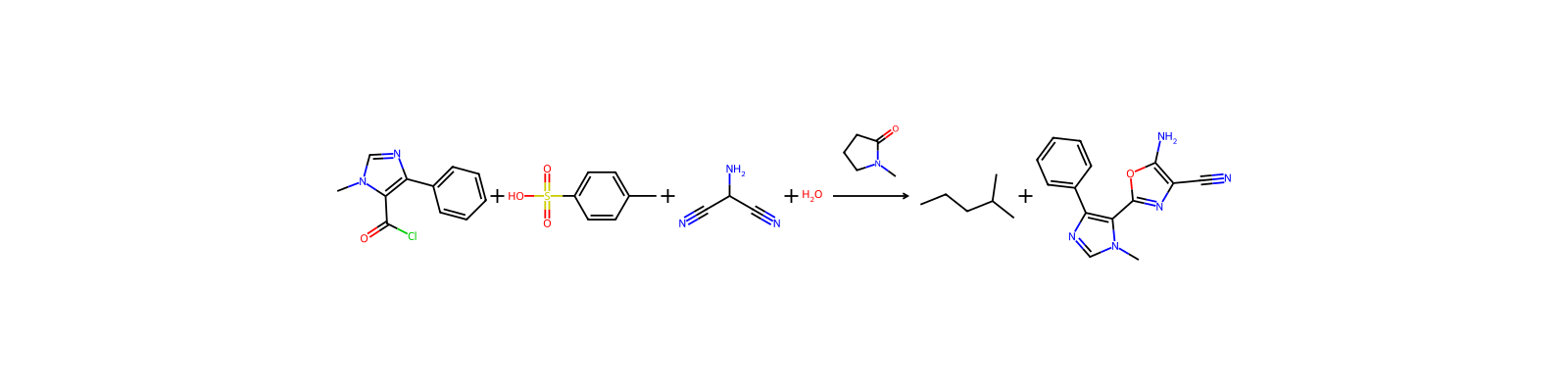
HRID 32511 반응식
HRID 32511생성물로uspto-grants-2008_09
HRID 63357 반응식
HRID 63357용매로uspto-grants-2016_09
HRID 81496 반응식
HRID 81496반응물로uspto-grants-2014_09
HRID 89689 반응식
HRID 89689반응물로Training data from https://doi.org/10.1039/C8SC04228D (2/10)
HRID 99193 반응식
HRID 99193반응물로Training data from https://doi.org/10.1039/C8SC04228D (2/10)
HRID 101555 반응식
HRID 101555반응물로Training data from https://doi.org/10.1039/C8SC04228D (2/10)
HRID 117077 반응식
HRID 117077반응물로Training data from https://doi.org/10.1039/C8SC04228D (2/10)
HRID 117659 반응식
HRID 117659반응물로Training data from https://doi.org/10.1039/C8SC04228D (2/10)
1 / 42 페이지

화합물 노트

불러오는 중…

이 페이지에서기본 정보개요이름 및 식별자물성안전 및 규제화학 및 산업관련 반응화합물 노트
더보기
새 노트새 반응견적 요청하기

60 °C

122-145 °F

60.3 °C @760 [mm Hg]

Melting Point · 5건

-244.6 °F (USCG, 1999)

-153.6 °C

-153 °C

-245 to -148 °F

-154 °C

Vapor Density · 2건

3.00 (Air = 1)

Relative vapor density (air = 1): 3.0

Odor Threshold · 2건

[Hawley] Odor threshold low = 0.2886 mg/m3

Odor low: 0.2886 mg/cu m; Odor high: 0.2886 mg/cu m

물리화학적 성질

녹는점
-154 °C · -154 °C (lit.)
끓는 점
62 °C · 62 °C (lit.)
밀도
0.653 g/mL · 0.653 g/mL at 25 °C (lit.)
증기 밀도
3 · 3 (vs air)
증기압
6.77 psi · 6.77 psi ( 37.7 °C)
굴절률
20 · n20/D 1.371(lit.)
인화점
10 °F · −10 °F
저장 조건
30 °C · Store below +30°C.
용해도
0.14 g/L · 0.14g/L
물리적 상태
액체
색상
무색의
Odor Threshold
7 ppm · 7ppm
폭발한계
1.2 · 1.2-7.4%(V)
수용성
알코올, 에테르, 아세톤, 클로로포름과 섞입니다. 물과 섞이지 않습니다.
비열
2.25 J/ · Cp(liquid): 2.25 J/(g·K), at 25℃
BRN
1730735 · 1730735
Henry's Law Constant
0.697 · 0.697, 0.694, 0.633, 0.825, and 0.848 (atmm3/mol)at 10, 15, 20, 25, and 30 °C, respectively (EPICS, Ashworth et al., 1988)
Dielectric constant
1.89 · 1.8899999999999999
안정성
안정적인. 가연성이 높습니다. 가스/증기 혼합물은 일부 농도에서 폭발할 수 있습니다.
InChI
1S/C6H14/c1-4-5-6(2)3/h6H,4-5H2,1-3H3
InChIKey
AFABGHUZZDYHJO-UHFFFAOYSA-N
SMILES
C(CCC)(C)C
LogP
3.214 at · 3.214 at 25℃ and pH7
EPA
2 · 2-Methylpentane (107-83-5)
화학적 성질 · 1건

2-Methylpentane (isohexane), C6H14, is a flammable liquid with a specific gravity of 0.653. It occurs naturally in petroleum and gas and as a plant volatile. It is found in sources associated with petroleum products such as petroleum manufacture, natural gas, turbines, and automobiles.

Health Hazards · 2건

Inhalation causes irritation of respiratory tract, cough, mild depression, cardiac arrhythmias. Aspiration causes severe lung irritation, coughing, pulmonary edema; excitement followed by depression. Ingestion causes nausea, vomiting, swelling of abdomen, headache, depression. (USCG, 1999)

Excerpt from ERG Guide 128 [Flammable Liquids (Water-Immiscible)]:

Hazards Summary · 1건

Causes narcosis in mice at 30,000 ppm in 30-60 minutes; [ACGIH] No listed effects of short-term or long-term exposure; [ICSC] An eye irritant; [HSDB] Inhalation of high concentrations can cause CNS depression; [CHEMINFO] An irritant; Inhalation of high concentrations may cause CNS effects; [MSDSonline]

Reactive Group · 2건

Hydrocarbons, Aliphatic Saturated

Hydrocarbons, Aliphatic Saturated

UN ClassificationUN Hazard Class: 3; UN Pack Group: II
Special ReportsSpencer PS et al; The enlarging view of hexacarbon neurotoxicity. Crit Rev Toxicol 7 (4): 279 (1980). A review of hexa carbon neurotoxicity.
Reactivity Alerts · 2건

Highly Flammable

Highly Flammable

Reactivity Profile · 2건

Saturated aliphatic hydrocarbons, such as ISOHEXANE, may be incompatible with strong oxidizing agents like nitric acid. Charring of the hydrocarbon may occur followed by ignition of unreacted hydrocarbon and other nearby combustibles. In other settings, aliphatic saturated hydrocarbons are mostly unreactive. They are not affected by aqueous solutions of acids, alkalis, most oxidizing agents, and most reducing agents.

METHYL PENTANE may be incompatible with strong oxidizing agents like nitric acid. Charring may occur followed by ignition of unreacted material and nearby combustibles. In other settings, mostly unreactive. Not affected by aqueous solutions of acids, alkalis, most oxidizing agents, and most reducing agents. When heated sufficiently or when ignited in the presence of air, oxygen or strong oxidizing agents, burns exothermically.

Chemical DangersReacts violently with oxidants. This generates fire and explosion hazard. Attacks plastics.
Flammable LimitsLower flammable limit: 1.2% by volume; Upper flammable limit: 7.0% by volume.

안전 및 보호

Fire Fighting · 3건

Fire Extinguishing Agents Not to Be Used: Water may be ineffective

Excerpt from ERG Guide 128 [Flammable Liquids (Water-Immiscible)]:

Use alcohol-resistant foam, powder, carbon dioxide, water. In case of fire: keep drums, etc., cool by spraying with water.

First Aid Measures · 4건

Fresh air, rest. Refer for medical attention.

Remove contaminated clothes. Rinse and then wash skin with water and soap.

First rinse with plenty of water for several minutes (remove contact lenses if easily possible), then refer for medical attention.

Rinse mouth. Give nothing to drink. Do NOT induce vomiting. Refer immediately for medical attention.

First Aid · 2건

INHALATION: maintain respiration, give oxygen if needed.

Excerpt from ERG Guide 128 [Flammable Liquids (Water-Immiscible)]:

Safe StorageFireproof. Cooled. Separated from strong oxidants. Store in an area without drain or sewer access. Do NOT store or transport in containers made from plastic.
Exposure Control and Personal Protection500.0 [ppm]
Fire Fighting Procedures · 3건

Wear self contained breathing apparatus for fire fighting if necessary.

Use water spray to cool unopened containers.

Use water spray, alcohol-resistant foam, dry chemical or carbon dioxide.

Storage ConditionsKeep container tightly closed in a dry and well-ventilated place. Containers which are opened must be carefully resealed and kept upright to prevent leakage.
Cleanup MethodsVentilation. Collect leaking and spilled liquid in sealable containers as far as possible. Absorb remaining liquid in sand or inert absorbent. Then store and dispose of according to local regulations. Do NOT wash away into sewer.
Nonfire Spill Response · 2건

Excerpt from ERG Guide 128 [Flammable Liquids (Water-Immiscible)]:

Excerpt from ERG Guide 128 [Flammable Liquids (Water-Immiscible)]:

Disposal Methods · 1건

Burn in a chemical incinerator equipped with an afterburner and scrubber but exert extra care in igniting as this material is highly flammable. Offer surplus and non-recyclable solutions to a licensed disposal company. Contact a licensed professional waste disposal service to dispose of this material.

Spillage Disposal · 1건

Evacuate danger area! Consult an expert! Personal protection: filter respirator for organic gases and vapours of low boiling point adapted to the airborne concentration of the substance. Remove all ignition sources. Ventilation. Do NOT wash away into sewer. Do NOT let this chemical enter the environment. Collect leaking and spilled liquid in sealable non-plastic containers as far as possible. Absorb remaining liquid in sand or inert absorbent. Wash away remainder with plenty of water. Then store and dispose of according to local regulations.

Preventive Measures · 4건

SRP: Local exhaust ventilation should be applied wherever there is an incidence of point source emissions or dispersion of regulated contaminants in the work area. Ventilation control of the contaminant as close to its point of generation is both the most economical and safest method to minimize personnel exposure to airborne contaminants.

SRP: The scientific literature for the use of contact lenses in industry is conflicting. The benefit or detrimental effects of wearing contact lenses depend not only upon the substance, but also on factors including the form of the substance, characteristics and duration of the exposure, the uses of other eye protection equipment, and the hygiene of the lenses. However, there may be individual substances whose irritating or corrosive properties are such that the wearing of contact lenses would be harmful to the eye. In those specific cases, contact lenses should not be worn. In any event, the usual eye protection equipment should be worn even when contact lenses are in place.

The worker should immediately wash the skin when it becomes contaminated. /Hexane isomers (excluding n-Hexane)/

Work clothing that becomes wet should be immediately removed due to its flammability hazard (i.e., for liquids with a flash point <100 °F). /Hexane isomers (excluding n-Hexane)/

독성 정보

Body Burden · 1건

2-Methylpentane was detected in 3 of 12 breath samples collected in New Jersey during a pilot broad spectrum analysis of exposure to chemicals conducted by the EPA's Total Exposure Assessment Methodology (TEAM) Study(1). 2-Methylpentane was detected in the urine of 22 exposed workers(2). During a German Environmental Survey, 2-methylpentane was detected above 1 ug/cu m in 113 personal exposure samples collected from individuals in the Western part of Germany(3). The 95th percentile and geometric mean concentrations in these samples were 150 and 16.3 ug/cu m, respectively(3). From alveolar breath data after 1 individual was exposed to 2000 ug/cm m 2-methylpentane(site: home garage with fuel handling and wood staining; duration: 2.2hours), half-lives were calculated using a one compartment model to be 0.86 hours and two compartment model to be 0.21 hours and 3.18 hours(3). In the same study, whole breath data was also used to calculate half-lives for 2-methylpentane using the one compartment model 1.02 hours and two compartment model 0.26 hours and 2.25 hours(3).

Health Effects · 1건

Hexane mainly affects the nervous system. It causes degeneration of the peripheral nervous system (and eventually the central nervous system), starting with damage to the nerve axons. Exposure to hexane may also damage the lungs and reproductive system. (L977, L978)

Environmental Fate · 3건

TERRESTRIAL FATE: Based on a classification scheme(1), an estimated Koc value of 610(SRC), determined from a structure estimation method(2), indicates that 2-methylpentane is expected to have low mobility in soil(SRC). Volatilization of 2-methylpentane from moist soil surfaces is expected to be an important fate process(SRC) given an estimated Henry's Law constant of 1.7 atm-cu m/mole(SRC), based upon its vapor pressure, 211 mm Hg(3), and water solubility, 14.2 mg/L(4). 2-Methylpentane is expected to volatilize from dry soil surfaces(SRC) based upon its vapor pressure(3). A 93% of theoretical BOD using activated sludge in the Japanese MITI screening test(5) suggests that biodegradation is an important environmental fate process in soil(SRC).

AQUATIC FATE: Based on a classification scheme(1), an estimated Koc value of 110(SRC), determined from a structure estimation method(2), indicates that 2-methylpentane is not expected to adsorb to suspended solids and sediment(SRC). Volatilization from water surfaces is expected(3) based upon an estimated Henry's Law constant of 1.71 atm-cu m/mole(SRC), derived from its vapor pressure, 211 mm Hg(4), and water solubility, 14.2 mg/L(5). Using this Henry's Law constant and an estimation method(3), volatilization half-lives for a model river and model lake are 3 hours and 4 days, respectively(SRC). According to a classification scheme(6), an estimated BCF of 61(SRC), from an estimated log Kow of 3.21(2) and a regression-derived equation(2), suggests the potential for bioconcentration in aquatic organisms is moderate(SRC). A 93% of theoretical BOD using activated sludge in the Japanese MITI screening test(7) suggests that biodegradation is an important environmental fate process in water(SRC).

ATMOSPHERIC FATE: According to a model of gas/particle partitioning of semivolatile organic compounds in the atmosphere(1), 2-methylpentane, which has a vapor pressure of 211 mm Hg at 25 °C(2), is expected to exist solely as a vapor in the ambient atmosphere. Vapor-phase 2-methylpentane is degraded in the atmosphere by reaction with photochemically-produced hydroxyl radicals(SRC); the half-life for this reaction in air is estimated to be 2.9 days(SRC), calculated from its rate constant of 5.57x10⁻¹² cu cm/molecule-sec at 25 °C(3). Degradation is much faster under photochemical smog conditions with a 26.4% loss in 5 hr being reported in one study(4). 2-Methylpentane does not contain chromophores that absorb at wavelengths >290 nm(5) and, therefore, is not expected to be susceptible to direct photolysis by sunlight(SRC).

Food Survey Values · 1건

2-Methylpentane has been detected as a volatile in nectarines(1). 2-Methylpentane has been identified as a volatile component of beef (2). 2-Methylpentane comprised of 0.47, 0.08, 0.62 and 0.67% of nonmethane organic carbon emissions monitored in restaurants, tortillerias, rotisseries and near food frying operations in Mexico City, respectively(3). 2-Methylpentane was detected in emissions during hamburger meat charbroiling at concentrations of 22,000 ug/kg(4).

Adverse EffectsNeurotoxin - Acute solvent syndrome
Exposure Routes · 2건

The substance can be absorbed into the body by inhalation of its vapour and through the skin.

Oral (L175) ;inhalation (L175) ;dermal (L175)

Toxicity Summary · 1건

Hexane's toxicity is caused by it neurotoxic metabolite, 2,5-hexanedione. It damages the central and peripheral nervous system by causing axonal swelling and degeneration. 2,5-Hexanedione also reacts with lysine side-chain amino groups in axonal cytoskeletal proteins to form pyrroles. This results in neurofilament cross-linking and loss of function. (L175)

Signs and Symptoms · 5건

Cough. Headache. Dizziness. Unconsciousness.

Redness.

Redness. Pain.

Aspiration hazard! Abdominal pain. Nausea. Vomiting. Diarrhoea. Further see Inhalation.

Breathing large amounts of hexane causes numbness in the feet and hands, followed by muscle weakness in the feet and lower legs. Continued exposure may lead to paralysis of the arms and legs. However, if removed from the exposure, recovery occurs in 6 months to a year. Inhalation of high concentrations produces first a state of mild euphoria, followed by somnolence with headaches and nausea. (L175, A121)

Effluent Concentrations · 5건

The average concentration of 2-methylpentane in the exhaust of 6 cars in the UK, 1988, was 6452 ppb(1). 2-Methylpentane was found in waste gases from semiconductor manufacturing processes at factories in Hsin-Chu, Taiwan from October 2000 to September 2001(2). Hot soak (2-methylpentane=4.62 weight%) and cold-start (2-methylpentane = 4.40 weight%) emission profiles of an integrated sample of vehicles were measured inside a parking garage in Chicago during March 1990; hot-soak emissions were monitored after the morning rush hour while cold-start emissions were measured when the vehicles left for the evening rush hour(3). In Southern California, the profile for various emissions of vehicle exhaust included 2-methylpentane at 1.91, 3.17, 3.47, 3.69, 6.40, and 4.94 wt% for: an EPA 46 car study, mean composite of 13 samples from the Caldecott Tunnel, cold start, stabilized, hot start, and from an older fleet, respectively(4). 2-Methylpentane was identified in the exhaust of small engines at 1.4% and 1.56% of the total emissions using baseline gasoline with a composition profile which includes 2-methylpentane at 3.44 wt% and reformulated gasoline with a composition profile which includes 2-methylpentane at 3.62 wt%, respectively(5). Gasoline engine exhaust (noncatalyst and catalyst equipped), unburned gasoline (whole and headspace vapors) and commercial jet aircraft exhaust profiles include 2,-methylpentane at concentrations of 1.3, 2.1, 3.3, 2.8 and 0.4 wt%, respectively(6). 2-Methylpentane was detected in the effluent of a waste incinerator in Germany at a concentration of 3.20 ug/cu m(7). Source composition profiles for exhaust from an FTP test of 46 in-use passenger vehicles for 1975-1982 model years, Vancouver gasoline, Vancouver gasoline vapor, Whatcom County gasoline and Whatcom County gasoline vapor included 2-methylpentane at 1.910, 3.816, 3.829, 2.483, and 2.910%, NMHC (non-methane hydrocarbons), respectively(8). Emission rates of 2-methylpentane from light-duty and heavy-duty vehicles in the Fort McHenry tunnel(Baltimore, MD; collected June 1992) were measured as 16.6 and 11.9 mg/vehicle-mile, respectively; air concentrations at the east portal ranged from 6.3 to 112.4 ppbC(9). Emission rates of 2-methylpentane from light-duty and heavy-duty vehicles in the Tuscarora tunnel (Pennsylvania; collected September 1992) were measured as 7.6 and 9.9 mg/vehicle-mile, respectively; air concentrations ranged from 2.5 to 17.7 ppbC (9). A mean concentration of 6452 ppbV was determined for 2-methylpentane from exhaust samples taken from 6 different UK cars(10). 2-Methylpentane was emitted from the tailpipe of automobiles at a rate of 6,310 ug 2-methylpentane per kilometer (vehicles equipped with catalytic converters) and 827,000 ug 2-methylpentane per kilometer (vehicles without catalytic converters)(11).

The average (standard deviation) composition of 2-methylpentane in the exhaust of 67 motor vehicles in Sidney Australia was 2.3% (0.4%) by weight(1). The percent 2-methylpentane of vehicle exhaust, gasoline vapor, petroleum refinery air, and petrochemical plant air in the Tokyo region was 3.8, 6.3, 3.7, and 1.5%(2). A study in the Chicago area yielded 2-methylpentane emission profiles (wt%) as (source, content): regular gas, 3.20; mid-grade gas, 2.34; premium gas 0.77(3). 2-Methylpentane was one of the most abundant compounds in gasoline with reported concentrations of 6.5% and 4.0% wt in summer and winter headspace vapor, respectively , and 3.9% and 3.3% wt in summer and winter liquid gasoline, respectively, as reported in a diurnal and seasonal variability analysis of gasoline-related volatile organic compound emissions in Riverside, California(4).

ICSC Environmental DataThe substance is toxic to aquatic organisms. It is strongly advised not to let the chemical enter into the environment.
Medical SurveillanceDetermination of these cmpd showed that alveolar & blood monitoring can replace environmental monitoring of solvents.
Soil Adsorption/Mobility · 1건

Using a structure estimation method based on molecular connectivity indices(1), the Koc of 2-methylpentane can be estimated to be 610(SRC). According to a classification scheme(2), this estimated Koc value suggests that 2-methylpentane is expected to have low mobility in soil. A sorption experiment using lignite samples resulted in a log Kd of 2.92 for 2-methylpentane(3).

안전 데이터

OEB
A
OEL
TWA: 100.0 ppm; 350.0 mg/m3, STEL: 510.0 ppm; 1800.0 mg/m3
wgk
2
tsca
TSCA listed
rtecs
SA2985000
ridadr
UN 1208 3/PG 2
HS 번호
29012990
risk_code
11-38-51/53-65-67
hazard_code
F,Xn,N
safety_code
9-16-29-33-61-62
포장분류
II
위험 등급
3
기존화학 물질
KE-24699
자연 발화 온도
583 °F
Hazard Classifications
Aquatic Chronic 2Asp. Tox. 1Flam. Liq. 2Repr. 2Skin Irrit. 2STOT RE 1 InhalationSTOT SE 3
스토리지 클래스
3 - Flammable liquids
유해 물질 데이터
107-83-5(Hazardous Substances Data)

For more U.S. Production (Complete) data for 2-METHYLPENTANE (6 total), please visit the HSDB record page.

Consumer UsesNot Known or Reasonably Ascertainable
Industry UsesFuel
Methods of ManufacturingFractional distillation of gasoline derived from crude oil or liquid product derived from natural gas
Formulations/Preparations · 2건

Grades: 95%, 99%, research.

SBP 62/82 CONSISTS OF 2- & 3-METHYLPENTANE, COMPRISING 50% OF THE COMPOUND.

Household ProductsInformation on 45 consumer products that contain 2-Methylpentane in the following categories is provided:
General Manufacturing Information · 2건

Petrochemical Manufacturing

Pentane, 2-methyl-: ACTIVE

응용 분야 · 2건

용도2-Methylpentane is employed as a raw material, rubber solvent and vegetable oil extraction solvent. It is also used as a solvent in adhesives. Further, it is used as an intermediate in organic synthesis and finds application in food, preservatives, cosmetics, pharmaceuticals, beverages and flavor enhancer.

일반 설명Watery liquid with a gasoline-like odor, Floats on water. Produces an irritating vapor.

제조 방법

생산 방법Isohexane is manufactured by fractional distillation of gasoline derived from crude oil or liquid product derived from natural gas.

상·하류 제품 정보

하류 제품

트로글리타존7-Bromo-3-trifluoromethyl-imidazo[1,2-b][1,2,4]triazine6-bromoquinolin-4(3H)-one2,4-Dimethoxypyrimidine-6-carboxylic acid6-Bromo-4-chloroquinoline1-(2-시아노페닐)피페라진3-Pentanone, 2-methyl-, oxime아미노-1-부탄올알-(-)-23,3-다이메틸펜탄1,1,1,2,2,3,3,4,5,5,5-언데카플루오르-4-(트리플루오르메틸)펜탄메틸(2-)-2-펜탄올2,3,4-트리메틸펜탄8-Hydroxy-2H-benzo[b][1,4]oxazin-3(4H)-oneN-TERT-BUTOXYCARBONYL-4-(4-TOLUENESULFONYLOXYMETHYL)피페리딘퍼플루오로헥산2,4-디메틸펜탄

Methylpentane (isomer unspecified) was identified in air at four to five locations in 4 New Jersey hazardous waste sites on the National Priorities list and one landfill; concentrations were not reported(1). Methylpentane was identified in 12 of 63 industrial waste water effluents, all at concentration levels <10 ug/L(2).

2-Methylpentane was identified in effluents from household cookstoves used in urban and rural China. Molar emission ratios in CO2 (X10-7) were (stove type): 1.27 (honeycomb briquette-metal without a flue); not detected (honeycomb briquette-improved metal without a flue); 0.615 (coal briquette-metal); 36.9 (washed coal powder-metal with a flue); 10.3 (unprocessed coal powder-metal with a flue); 0.347 (unprocessed coal-brick with a flue); not detected (wood-brick with a flue); not detected (wood-improved brick with a flue); 0.222 (wheat-brick with a flue); not detected (maize-brick with a flue); not detected (maize-improved brick with a flue); not detected (kerosene-wick without a flue); not detected (Liquefied Petroleum Gas-traditional without a flue); 0.125 (coal-gas traditional without a flue); 0.514 (natural gas-traditional without a flue)(1).

2-Methylpentane was a volatile component of a stainless steel polish cleaner and carpet glue(1). Emissions will occur from the evaporation of petroleum during transfer, transport and storage of petroleum products and evaporation of gasoline from carburetors, gas tanks, and during refueling of motor vehicles(2). The fact that 2-methylpentane in cities is associated with traffic is clearly demonstrated by the similarity of auto exhaust profiles compared with ambient air profiles in areas of high traffic in Bangkok City(3). 2-Methylpentane is found in sources associated with petroleum products such as petroleum manufacture, natural gas, turbines, and automobiles(4). 2-Methylpentane has been identified as a component in JP-4 Standard jet fuel(5). 2-Methylpentane has been detected in 87 octane and 89 octane gasoline, having concentrations of 3.40 and 2.58 ppb, respectively(6). 2-Methylpentane is a component of unleaded gasoline, 3.93% by weight(7). 2-Methylpentane has been detected in headspace air samples of household products such as wax paste for furniture, floors and linoleum(8).