2-시아노아세트아미드
Cyanoacetamide
데이터를 보충하는 중입니다. 잠시 후 페이지를 새로 고치면 최신 내용을 볼 수 있습니다

기본 정보
- CAS
107-91-5- 표준 SMILES
N#CCC(N)=O- InChIKey
DGJMPUGMZIKDRO-UHFFFAOYSA-N- 분자식
- C3H4N2O
- 평균 분자량
- 84.08 g/mol
- 단동위원소 질량
- 84.03236275
개요
cyanoacetamide has been reported in Apis with data available.
이름 및 식별자
- 우선 이름
- Cyanoacetamide
- IUPAC
- 2-cyanoacetamide
- 현지명
- 2-시아노아세트아미드
- 영어명
- 2-Cyanoacetamide
- 분자식
- C3H4N2O
- 분자량
- 84.08
이름 및 동의어
2-Cyanoacetamide107-91-5CYANOACETAMIDEAcetamide, 2-cyano-CyanacetamideMalonamide nitrileMalonamonitrileNitrilomalonamide3-Nitrilo-propionamideCyanoiminoacetic acidKyanacetamidUSAF KF-14
이름 더 보기
사이아노아세트아마이드2-시아노아세트아마이드2-시아노아세트아미드시아노아세트아미드CYACCyanacetamidCYANOACETIC AMIDE2-CAAusafkf-14
Propionamide nitrileAmid kyseliny kyanoctoveYBK38G2YXHMalonic acid, monoamide mononitrileNSC-6285DTXSID2051552RefChem:129041DTXCID6030104
데이터베이스 식별자
- CAS
107-91-5- PubChem CID
- 7898
- DTXSID
DTXSID2051552- ChEMBL
CHEMBL2333142- UNII
- YBK38G2YXH
- EC Number
- 203-531-8
- Nikkaji
- J4.067C
물성
구조 계산 물성보충 중
- XLogP
- -1
- 극성 표면적
- 66.9 Ų
- 수소 결합 공여자 수
- 1
- 수소 결합 수용자 수
- 2
- 회전 가능 결합 수
- 1
- 무거운 원자 수
- 6
- 형식 전하
- 0
- 복잡도
- 98.6
실험 및 물리화학적 성질
Chemical ClassesNitrogen Compounds -> Nitriles
SpringerMaterials PropertiesBoiling point
Color/Form
NEEDLES FROM ALCOHOL
PLATES (WATER)
WHITE POWDER
Solubility1 G DISSOLVES IN 6.5 ML COLD WATER; 1.3 G @ 0 °C IN 100 ML OF 95% ALCOHOL; 3.1 G @ 26 °C IN 100 ML OF 95% ALCOHOL; 7.0 G @ 44 °C IN 100 ML OF 95% ALCOHOL; 14.0 G @ 62 °C IN 100 ML OF 95% ALCOHOL; 21.5 G @ 71 °C IN 100 ML OF 95% ALCOHOL
Boiling PointBP: DECOMPOSES
Melting Point
119.5 °C
121.5 °C
Physical DescriptionWhite solid; [Hawley] White powder; [MSDSonline]
물리화학적 성질
- 녹는점
- 119 · 119-121 °C(lit.)
- 끓는 점
- 154.34 °C · 154.34°C (rough estimate)
- 밀도
- 1 · 1,4 g/cm3
안전 및 규제
안전 정보는 참고용이며, 공급업체의 물질안전보건자료(SDS), 관련 법규 및 전문가 평가를 대체하지 않습니다.
GHS 분류
GHS Classification
Warning
H302 (77.4%): Harmful if swallowed [Warning Acute toxicity, oral]
P261, P264, P264+P265, P270, P271, P280, P301+P317, P302+P352, P304+P340, P305+P351+P338, P319, P321, P330, P332+P317, P337+P317, P362+P364, P403+P233, P405, and P501 (click each P-code to see the statement)
Aggregated GHS information provided per 62 reports by companies from 10 notifications to the ECHA C&L Inventory. Each notification may be associated with multiple companies.
유해성 정보
Regulatory Information
Chemical: Acetamide, 2-cyano-
Status: Active Update: 26-05-2015 https://echa.europa.eu/registration-dossier/-/registered-dossier/11828
Acetamide, 2-cyano-: Does not have an individual approval but may be used under an appropriate group standard
Fire PotentialSEE CYANIDES. MODERATE, BY CHEMICAL REACTION WITH HEAT, MOISTURE, ACID. /CYANIDES/
Hazards SummaryEmergency treatment: Cyanide; [HSDB] Subcutaneous LD50 (guinea pig) = 1155 mg/kg; Causes tremor and muscle contractions; [RTECS] An irritant; Harmful by ingestion, inhalation, or skin absorption; [Aldrich MSDS] See NITRILES.
Toxic Combustion ProductsSEE CYANIDES. EMIT HYDROCYANIC ACID. /CYANIDES/
Hazard Classes and CategoriesAcute Tox. 4 (77.4%)
Hazardous Reactivities and IncompatibilitiesSEE CYANIDES. ON CONTACT WITH ACID, ACID FUMES, WATER OR STEAM, THEY WILL PRODUCE TOXIC & FLAMMABLE VAPORS. /CYANIDES/
안전 및 보호
화학 및 산업
약리 정보
Metabolism/Metabolites
Organic nitriles are converted into cyanide ions through the action of cytochrome P450 enzymes in the liver. Cyanide is rapidly absorbed and distributed throughout the body. Cyanide is mainly metabolized into thiocyanate by either rhodanese or 3-mercaptopyruvate sulfur transferase. Cyanide metabolites are excreted in the urine. (L96)
용도 및 제조
Uses
Used in the synthesis of pharmaceuticals and plastics; [Hawley]
IN ORGANIC SYNTHESES (EG STARTING MATERIAL FOR VITAMIN B6 SYNTHESIS)
Methods of ManufacturingPREPARED BY ACTION OF AQ OR ALCOHOLIC AMMONIA ON CYANOACETIC ESTER: HESSE, AM CHEM J 18, 724 (1896); THOLE, THORPE, J CHEM SOC 99, 429 (1911); OTT, LOPMANN, BER 55, 1258 (1922); CORSON ET AL, ORG SYN COLL VOL I (2ND ED, 1941) P 179.
General Manufacturing InformationAcetamide, 2-cyano-: ACTIVE
응용 분야
일반 설명Cyanoacetamide is the starting reagent for vitamin B6 synthesis. It reacts with reducing carbohydrates in borate buffer to give intense fluorescence andis useful for the automated analysis of carbohydrates as borate complexes.
제조 방법
Cyanoacetamide can be prepared from ethyl cyanoacetate and ammonia. Cool the ethyl cyanoacetate to below 200°C, add concentrated ammonia water to react, and the mixture turns from turbid to clear. After cooling in cold water for 20 minutes, a precipitate is precipitated. After filtration and drying, the crude product is obtained, and then the crude product of cyanoacetamide is added. In the boiling ethanol, after dissolving it, add a small amount of activated carbon for decolorization and purification, filter, cool the filtrate to separate out the precipitate, and dry it at 80-100 ℃ to obtain the fine cyanoacetamide.
관련 반응
476건



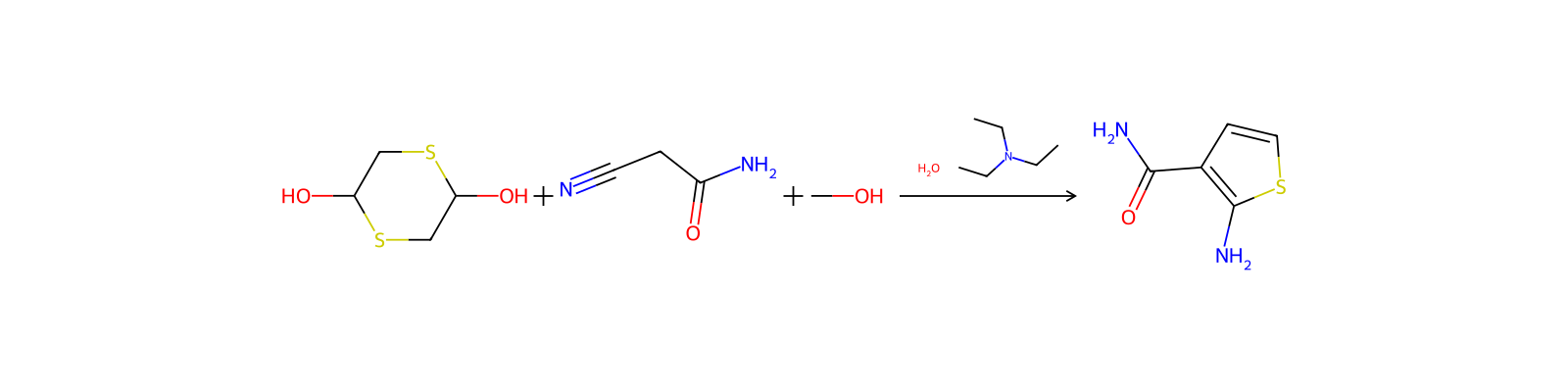
화합물 노트
불러오는 중…