

기본 정보
- 표준 SMILES
O=C(O)CCCl- InChIKey
QEYMMOKECZBKAC-UHFFFAOYSA-N- 분자식
- C3H5ClO2
- 평균 분자량
- 108.52 g/mol
- 단동위원소 질량
- 107.9978071
이름 및 식별자
- 우선 이름
- 3-Chloropropionic acid
- IUPAC
- 3-chloropropanoic acid
- 현지명
- 베타-클로로프로피온산
- 영어명
- 3-Chloropropionic acid
- 분자식
- C3H5ClO2
- 분자량
- 108.52
이름 및 동의어
3-CHLOROPROPIONIC ACID3-Chloropropanoic acid107-94-8Propanoic acid, 3-chloro-Propionic acid, 3-chloro-beta-Chloropropionic acid3-Chloropropanic acidbeta-Monochloropropionic acidDTXSID5021546R5J180FN9ZNSC-174DTXCID701546
이름 더 보기
3-클로로프로파노익액시드베타-클로로프로피온산3-chloropropionicβ-Chloropropioni cacidb-Chloropropionic acid3-Chloropropionic acid,98%AKOS BBS-00003850oropropionic acid3-ChlorpropionsureRARECHEM AL BO 01613-Chloropropionic ac
RefChem:500519203-534-43-chloro-propionic acid.beta.-Chloropropionic acid.beta.-Monochloropropionic acidMFCD00002764WLN: QV2GHSDB 2053
데이터베이스 식별자
- CAS
107-94-8- PubChem CID
- 7899
- DTXSID
DTXSID5021546- ChEMBL
CHEMBL1990700- UNII
- R5J180FN9Z
- EC Number
- 203-534-4
- Nikkaji
- J4.069J
물성
구조 계산 물성
- XLogP
- 0.4
- 극성 표면적
- 37.3 Ų
- 수소 결합 공여자 수
- 1
- 수소 결합 수용자 수
- 2
- 회전 가능 결합 수
- 2
- 무거운 원자 수
- 6
- 형식 전하
- 0
- 복잡도
- 52
실험 및 물리화학적 성질
Density
1.26 (USCG, 1999) - Denser than water; will sink
DENSITY= 1.198 @ 0 °C/4 °C; BP= 155-157 °C /METHYL ESTER/
Color/Form
LEAFLETS FROM PETROLEUM ETHER
CRYSTALS
Solubility
FREELY SOL IN WATER, ALC, CHLOROFORM
MISCIBLE WITH ETHER
Flash Point
greater than 230 °F (USCG, 1999)
Flash point > 110 °C
Boiling Point
392 °F at 760 mmHg (USCG, 1999)
200 °C
Melting Point
106 °F (USCG, 1999)
41 °C
Vapor Pressure0.33 [mmHg]
Physical Description
3-chloropropionic acid appears as a white crystalline solid with a sharp odor. Denser than water. (USCG, 1999)
Solid; Somewhat hygroscopic; [Merck Index] White solid; [CAMEO]
Dissociation ConstantsK: @ 25 °C= 1.01X10⁻⁴
Kovats Retention Index
970
960.4
Other Experimental PropertiesSOMEWHAT HYGROSCOPIC
물리화학적 성질
- 녹는점
- 37 °C · 37 °C
- 끓는 점
- 203 · 203-205 °C(lit.)
- 밀도
- 1 · 1,27 g/cm3
- 굴절률
- 1.438 · 1.4380 (estimate)
- 인화점
- 230 °F · >230 °F
- 저장 조건
- 30 °C · Store below +30°C.
- 용해도
- 2 O: · H2O: 가용성50mg/mL, 투명, 무색
- 산도 계수 (pKa)
- 3.98 · 3.98(at 25℃)
- 물리적 상태
- 결정질 저융점 질량
- 색상
- 흰색에서 베이지색
- 수소이온지수(pH)
- 1 · <1 (200g/l, H2O, 20℃)
- 수용성
- 자유롭게 용해되는
- Merck
- 14 · 14,2159
- BRN
- 1098495 · 1098495
- InChIKey
- QEYMMOKECZBKAC-UHFFFAOYSA-N
- LogP
- 0.41 · 0.41
- NIST
- 3 · Propanoic acid, 3-chloro-(107-94-8)
- EPA
- 3 · 3-Chloropropionic acid (107-94-8)
화학적 성질
white to beige crystalline low melting mass
안전 및 규제
GHS 분류
GHS Classification
Danger
H302 (24.1%): Harmful if swallowed [Warning Acute toxicity, oral];H314 (100%): Causes severe skin burns and eye damage [Danger Skin corrosion/irritation];H341 (12.1%): Suspected of causing genetic defects [Warning Germ cell mutagenicity]
P203, P260, P264, P270, P280, P301+P317, P301+P330+P331, P302+P361+P354, P304+P340, P305+P354+P338, P316, P318, P321, P330, P363, P405, and P501 (click each P-code to see the statement)
Aggregated GHS information provided per 58 reports by companies from 7 notifications to the ECHA C&L Inventory. Each notification may be associated with multiple companies.;Information may vary between notifications depending on impurities, additives, and other factors. The percentage value in parenthesis indicates the notified classification ratio from companies that provide hazard codes. Only hazard codes with percentage values above 10% are shown. For more detailed information, please visit ECHA C&L website.
유해성 정보
Regulatory Information
Chemical: Propanoic acid, 3-chloro-
Status: Active Update: 04-01-2021 https://echa.europa.eu/registration-dossier/-/registered-dossier/12262
3-Chloropropionic acid: Does not have an individual approval but may be used under an appropriate group standard
DOT LabelCorrosive
Fire HazardsSpecial Hazards of Combustion Products: Contain toxic chloride fumes.;Behavior in Fire: May produce toxic and irritating fumes. (USCG, 1999)
Health HazardsContact may cause skin and eye burns. Harmful if swallowed. (USCG, 1999)
Hazards SummaryEmergency treatment: irritants; [HSDB] May cause burns to skin and eyes; [CAMEO] A corrosive substance that can cause injury to the skin, eyes, and respiratory tract; Inhalation may cause chemical pneumonitis; [MSDSonline]
Reactive GroupAcids, Carboxylic;Halogenated Organic Compounds
Reactivity Profile
3-CHLOROPROPIONIC ACID reacts exothermically with bases. Reacts with aqueous solutions containing a base and dissolves if neutralization generates a soluble salt. May react with active metals to form gaseous hydrogen and a metal salt. May corrode or dissolve iron, steel, and aluminum parts and containers. Reacts with cyanide salts to generate gaseous hydrogen cyanide. Reacts with diazo compounds, dithiocarbamates, isocyanates, mercaptans, nitrides, and sulfides to generate flammable and/or toxic gases and heat. Reacts with sulfites, nitrites, thiosulfates (to give H2S and SO3), dithionites (SO2), to generate flammable and/or toxic gases and heat. Reacts with carbonates and bicarbonates to generate a harmless gas (carbon dioxide) but some heat. Can be oxidized by strong oxidizing agents and reduced by strong reducing agents. These reactions generate heat. A wide variety of products is possible. May initiate polymerization reactions or catalyze other chemical reactions. Fires produces highly toxic chloride fumes (USCG, 1999).
Air and Water ReactionsWater soluble.
Hazard Classes and Categories
Acute Tox. 4 (24.1%);Skin Corr. 1B (100%);Muta. 2 (12.1%)
Skin corrosion/irritation - Category 1;Serious eye damage/eye irritation - Category 1
Skin corrosion/irritation - Category 1;Serious eye damage/eye irritation - Category 1;Carcinogenicity - Category 2;Specific target organ toxicity - Single exposure - Category 1 (respiratory organs);Hazardous to the aquatic environment (Acute) - Category 3;Hazardous to the aquatic environment (Long-term) - Category 3
Shipment Methods and Regulations
No person may /transport,/ offer or accept a hazardous material for transportation in commerce unless that person is registered in conformance ... and the hazardous material is properly classed, described, packaged, marked, labeled, and in condition for shipment as required or authorized by ... /the hazardous materials regulations (49 CFR 171-177)./
The International Maritime Dangerous Goods Code lays down basic principles for transporting hazardous chemicals. Detailed recommendations for individual substances and a number of recommendations for good practice are included in the classes dealing with such substances. A general index of technical names has also been compiled. This index should always be consulted when attempting to locate the appropriate procedures to be used when shipping any substance or article.
안전 및 보호
Fire FightingFire Extinguishing Agents: Small fires: dry chemical, CO2, water spray or foam; large fires: water spray, fog or foam. (USCG, 1999)
First Aid
EYES OR SKIN: Immediately flush with running water for at least 15 min.; hold eyelids open if necessary. Remove and isolate contaminated clothing and shoes at the site.;INGESTION: If victim is unconscious or having convulsions, do nothing except keep victim warm. (USCG, 1999)
Nonfire Spill Response
Excerpt from ERG Guide 154 [Substances - Toxic and/or Corrosive (Non-Combustible)]:;ELIMINATE all ignition sources (no smoking, flares, sparks or flames) from immediate area. Do not touch damaged containers or spilled material unless wearing appropriate protective clothing. Stop leak if you can do it without risk. Prevent entry into waterways, sewers, basements or confined areas. Absorb or cover with dry earth, sand or other non-combustible material and transfer to containers. DO NOT GET WATER INSIDE CONTAINERS. (ERG, 2024)
Isolation and Evacuation
Excerpt from ERG Guide 154 [Substances - Toxic and/or Corrosive (Non-Combustible)]:;IMMEDIATE PRECAUTIONARY MEASURE: Isolate spill or leak area in all directions for at least 50 meters (150 feet) for liquids and at least 25 meters (75 feet) for solids.;SPILL: Increase the immediate precautionary measure distance, in the downwind direction, as necessary.;FIRE: If tank, rail tank car or highway tank is involved in a fire, ISOLATE for 800 meters (1/2 mile) in all directions; also, consider initial evacuation for 800 meters (1/2 mile) in all directions. (ERG, 2024)
Personal Protective Equipment (PPE)Wear self-contained positive pressure breathing apparatus and full protective clothing. (USCG, 1999)
독성 정보
Adverse EffectsDermatotoxin - Skin burns.;Toxic Pneumonitis - Inflammation of the lungs induced by inhalation of metal fumes or toxic gases and vapors.
Human Toxicity ExcerptsTHE ALPHA-POSITION /OF THE HALOGEN RELATIVE TO BETA-POSITION/ IS ASSOC WITH A MUCH GREATER TOXICITY.
Non-Human Toxicity ExcerptsFOUR ORGANOHALIDES (INCLUDING 3-CHLOROPROPIONIC ACID) PRODUCED ELEVATED LUNG TUMOR RESPONSE WHICH WAS SIGNIFICANT BY STUDENT'S T TEST & THE CHI-2 TEST.
규제 정보
Regulatory Information
Chemical: Propanoic acid, 3-chloro-
Status: Active Update: 04-01-2021 https://echa.europa.eu/registration-dossier/-/registered-dossier/12262
3-Chloropropionic acid: Does not have an individual approval but may be used under an appropriate group standard
안전 데이터
- wgk
- 1
- tsca
- TSCA listed
- rtecs
- UE8750000
- ridadr
- UN 3261 8/PG 2
- HS 번호
- 29159080
- risk_code
- 35-34-21/22
- hazard_code
- C
- safety_code
- 26-36/37/39-45
- 포장분류
- III
- 위험 등급
- 8
- F 고인화성물질
- 3-10
- 유해 물질 데이터
- 107-94-8(Hazardous Substances Data)
화학 및 산업
용도 및 제조
Uses
Used as an intermediate; [Hawley]
CHEMICAL INTERMEDIATE
U.S. Exports
(1972) No Data
(1975) No Data
U.S. Imports
(1972) No Data
(1975) No Data
U.S. Production
(1972) No Data
(1975) PROBABLY GREATER THAN 4.54X10+5 GRAMS
Methods of Manufacturing
OXIDATION OF 3-CHLOROPROPIONALDEHYDE WITH NITRIC ACID
PREPARED BY THE HYDROLYSIS OF ETHYLENE CYANOHYDRIN WITH HYDROCHLORIC ACID; BY THE OXIDATION OF BETA-CHLOROPROPIONALDEHYDE OR OF TRIMETHYLENE CHLOROHYDRIN BY NITRIC ACID. MOUREU, CHAUX, ORG SYN 8, 54 (1928); POWELL, ORG SYN 8, 58 (1928); PAAL, LOBECK, BER 64, 2142 (1931).
General Manufacturing InformationPropanoic acid, 3-chloro-: ACTIVE
응용 분야
용도3-Chloropropionic acid was used to study the degradation of 3-chloropropionic acid by Pseudomonas sp. strain isolated from rice paddy fields. It was also used in determination of 3-bromopropionic acid, biomarker for the exposure to 1-bromopropane in human urine by gas chromatography
일반 설명A white crystalline solid with a sharp odor. Denser than water.
상·하류 제품 정보
상류 원료
하류 제품
공급사50 곳
国药集团化学试剂有限公司86-21-63210123 · [email protected]
梯希爱(上海)化成工业发展有限公司021-67121386 · [email protected]
上海阿拉丁生化科技股份有限公司400-6206333 13167063860 · [email protected]
Shandong chuangyingchemical Co., Ltd.18853181302 · [email protected]
武汉欣扬瑞和化学科技有限公司13720274133 · [email protected]
武汉欣扬瑞和化学科技有限公司153-07155313 15307155313 · [email protected]
温州共赢化学有限公司+86-0086-577-64498589 +86-15355981851 · [email protected]
山东前元高分子材料有限公司18678041314 18765609661 · [email protected]
Dayang Chem (Hangzhou) Co.,Ltd.+86-0571-88938639 17705817739 · [email protected]
广州隽唐科技有限公司020-36607679 13502246435 · [email protected]
科瑞迪化学400-821-5857 021-64326257 · [email protected]
衢州明锋化工有限公司0570-3062502 13819002126;13819008176 · [email protected]
Syntechem Co.,Ltd[email protected]
上海迈瑞尔生化科技有限公司4006356688 18621169109 · [email protected]
上海晶抗生物工程有限公司021-54721350 13524668266 · [email protected]
阿法埃莎(中国)化学有限公司400-6106006 · [email protected]
安耐吉化学&3A(安徽泽升科技股份有限公司)400-0056266 · [email protected]
上海瀚鸿科技股份有限公司021-54306202 13764082696 · [email protected]
南京欣丰康生物科技有限公司025-84683399 13952017251 · [email protected]
山东西亚化学有限公司13355009207 13355009207 · [email protected]
玛雅试剂+86 (573) 82222445 (0)18006601000 452520369 · [email protected]
四川库利南科技有限公司400-1166-196 18981987031 · [email protected]
天津希恩思生化科技有限公司400 638 7771 · [email protected]
艾科试剂4008-755-333 18080918076 · [email protected]
上海思域化工科技有限公司86-21-34053660 · [email protected]
赛默飞世尔科技(中国)有限公司800-810-5118 · [email protected]
北京伊诺凯科技有限公司400-810-7969 010-59572699 · [email protected]
TCI AMERICA800-4238616 · [email protected]
TOKYO CHEMICAL INDUSTRY CO., LTD.03-36680489 · [email protected]
TCI Europe320-37350700 · [email protected]
上海贤鼎生物科技有限公司4009209199 · [email protected]
深圳康特腾科技有限公司86-0755-86635001 · [email protected]
上海倍卓生物科技有限公司021-61119791,13386096464 · [email protected]
成都迈斯克医药科技有限公司028-84552636 18084815636 · [email protected]
日照力德士化工有限公司010-51268198 · [email protected]
美岚实业(上海)有限公司021-58958189 · [email protected]
上海爱蝶实业有限公司021-58957966 18930537195 · [email protected]
成都零六生物科技有限公司400-1166-196 13458535857 · [email protected]
广拓化学(上海)有限公司021-60899189-8001 18918189673 · [email protected]
上海麦克林生化科技股份有限公司15221275939 15221275939 · [email protected]
上海嵩爰化工科技有限公司010-1234567 18521000990 · [email protected]
上海有朋化工有限公司021-69005955 13701776567 · [email protected]
上海凯赛化工有限公司021-33516722 13701817765 · [email protected]
上海彤源化工有限公司021-021-69182866 13701855675 · [email protected]
成都润泽本土化工有限公司13096311329 028-88469284 616445927 · [email protected]
上海蓝润化学有限公司021-69515658 ; 69515628 13701998368 · [email protected]
上海容立化学科技有限公司021-69992220 13701886816 · [email protected]
上海康拓化工有限公司021-69185552 13701777608 · [email protected]
池州凯隆进出口贸易有限公司[email protected]
Sigma-Aldrich西格玛奥德里奇(上海)贸易有限公司021-61415566 800-8193336 · [email protected]
관련 반응
80건
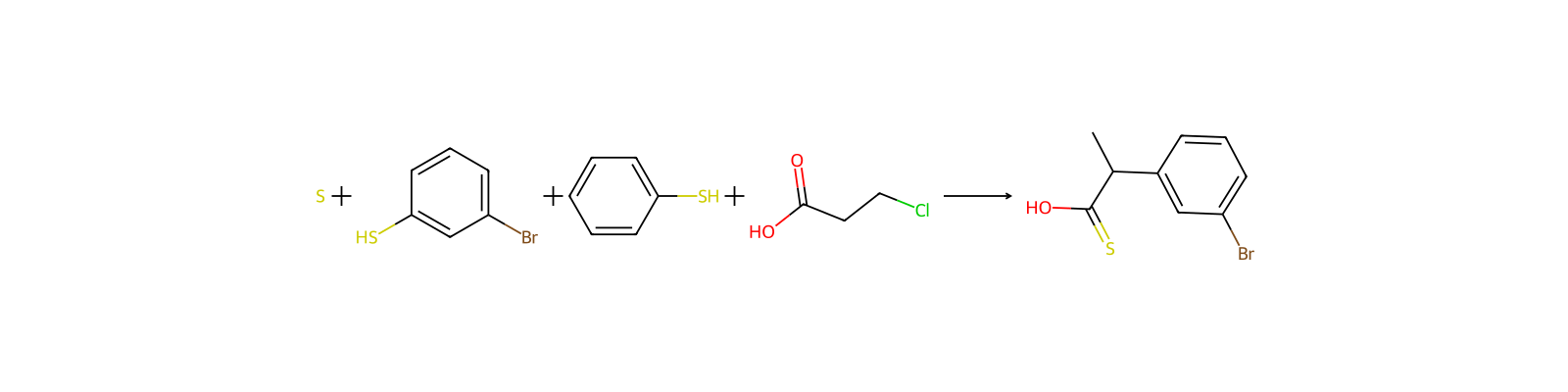
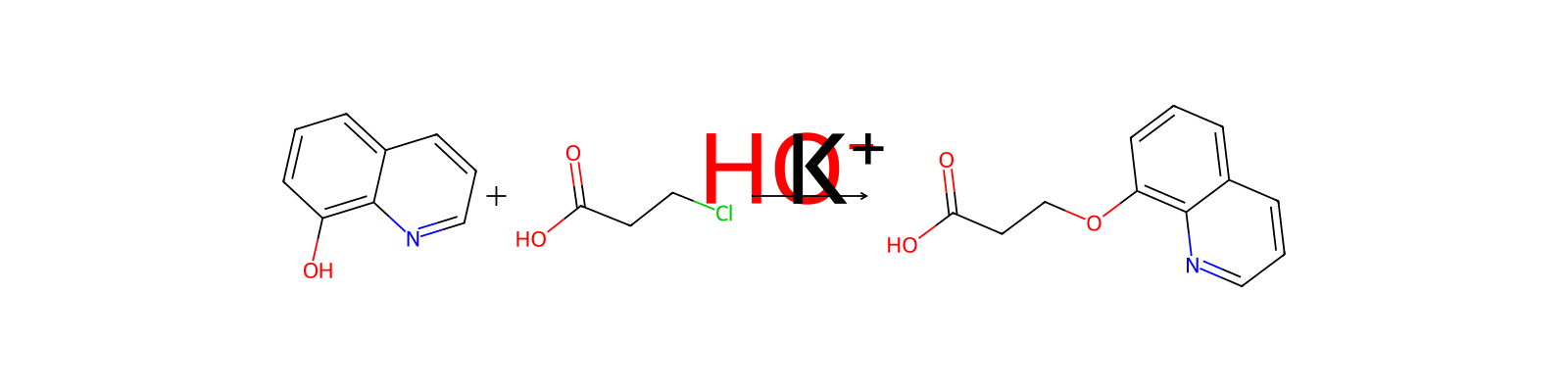


연결된 노트
불러오는 중…