

기본 정보
- 표준 SMILES
COCC(C)O- InChIKey
ARXJGSRGQADJSQ-UHFFFAOYSA-N- 분자식
- C4H10O2
- 평균 분자량
- 90.12 g/mol
- 단동위원소 질량
- 90.06807956
개요
1-methoxy-2-propanol appears as a colorless liquid. Flash point near 89 °F. Less dense than water. Contact irritates skin, eyes and mucous membranes. Prolonged exposure to vapors may cause coughing, shortness of breath, dizziness and intoxication. Vapors heavier than air. Used as a solvent and as an antifreeze agent.
이름 및 식별자
- 우선 이름
- 1-Methoxy-2-propanol
- IUPAC
- 1-methoxypropan-2-ol
- 현지명
- 프로필렌글리콜 모노메틸에테르
- 영어명
- 1-Methoxy-2-propanol
- 분자식
- C4H10O2
- 분자량
- 90.12
이름 및 동의어
1-Methoxy-2-propanol107-98-21-Methoxypropan-2-olMethoxyisopropanolClosol1-Methoxy-2-hydroxypropanePGME2-Propanol, 1-methoxy-Dowtherm 209Propylene glycol monomethyl etherPropasol solvent MDowanol 33B
이름 더 보기
프로필렌글리콜모노메틸에테르프로필렌글리콜모노메틸에테르프로필렌글리콜메틸에테르메톡시아이소프로판올프로필렌글리콜모노메틸에테르1-메톡시-2-하이드록시프로페인1-메톡시-2-프로판올글리콜 에테르메톡시프로판-1,2-디올알파-프로필렌 글리콜 모노메틸 에테르프로필렌 글리콜 메틸 에테르프로필렌 글리콜 모노메틸 에테르프로필렌 글리콜, 1 메틸 에테르프로필렌 글리콜의 메톡시에테르PMMethoxypropanolPROPYLENE GLYCOL METHYL ETHER203-539-1Dowanol pmProprylene glycol MonoMethyl ether
Methyl proxitol2-Methoxy-1-methylethanolDowanol-33BPropylene glycol 1-methyl etherUcar Solvent LM (Obs.)DTXSID8024284Glycol ether pmNSC-2409
데이터베이스 식별자
- CAS
107-98-2- PubChem CID
- 7900
- DTXSID
DTXSID8024284- ChEMBL
CHEMBL3186306- UNII
- 74Z7JO8V3U
- EC Number
- 203-539-1
- Nikkaji
- J22.127I
물성
구조 계산 물성
- XLogP
- -0.2
- 극성 표면적
- 29.5 Ų
- 수소 결합 공여자 수
- 1
- 수소 결합 수용자 수
- 2
- 회전 가능 결합 수
- 2
- 무거운 원자 수
- 6
- 형식 전하
- 0
- 복잡도
- 28.7
실험 및 물리화학적 성질
Chemical ClassesFlammable agents - 3rd degree
SolventsSolvents -> Glycol Ethers (P Series)
Cosmetics
Cosmetics ingredient -> Moisturizing/Humectant
Cosmetic ingredients (Methoxyisopropanol) -> CIR (Cosmetic Ingredient Review)
Solvent
SpringerMaterials PropertiesBoiling point
FragrancesFragrance Ingredient (1-Methoxypropan-2-ol) -> IFRA transparency List
PesticidesPesticide -> EPA IRIS
Odor
Weak pleasant odor
Mild, ethereal odor
TasteBITTER TASTE
Density
0.924 at 68 °F (USCG, 1999) - Less dense than water; will float
0.9620 at 20 °C
Relative density (water = 1): 0.92
0.96
0.9620 @ 20°C
0.96
Viscosity1.81 mPa-s at 20 °C
Color/Form
Colorless liquid
Clear, colorless liquid
Solubility
greater than or equal to 100 mg/mL at 66 °F (NTP, 1992)
In water, 100 mg/mL at 19 °C
Miscible with water
Miscible in all proportions with organic solvents
Solubility in water: very good
Miscible
물리화학적 성질
- 녹는점
- -97 °C · -97 °C
- 끓는 점
- 118 · 118-119 °C(lit.)
- 밀도
- 0.922 g/mL · 0.922 g/mL at 25 °C(lit.)
- 증기 밀도
- 3.12 · 3.12 (vs air)
- 증기압
- 10.9 mm · 10.9 mm Hg ( 25 °C)
- 굴절률
- 20 · n20/D 1.403(lit.)
- 인화점
- 93 °F · 93 °F
- 저장 조건
- 2 °C · Store at +2°C to +25°C.
- 용해도
- 물: 섞일 수 있음
- 물리적 상태
- 액체
- 산도 계수 (pKa)
- 14.49 · 14.49±0.20(Predicted)
- 색상
- 무색의
- 수소이온지수(pH)
- 4 · 4-7 (200g/l, H2O, 20℃)
- 냄새
- 달콤한 에테르 같은 냄새
- 폭발한계
- 1.7 · 1.7-11.5%(V)
- 수용성
- 녹는
- BRN
- 1731270 · 1731270
- Henry's Law Constant
- 4.8 · 4.8×100 mol/(m3Pa) at 25℃, Johanson and Dynésius (1988)
- 안정성
- 안정적인. 가연성이 높습니다. 강한 산화제, 산 염화물, 산 무수물, 물과 호환되지 않습니다. 습기에 민감합니다.
- 주요 응용
- 미생물학
- 화장품 원료 기능
- 용제향수
- InChI
- 1S/C4H10O2/c1-4(5)3-6-2/h4-5H,3H2,1-2H3
- InChIKey
- ARXJGSRGQADJSQ-UHFFFAOYSA-N
- SMILES
- CC(O)COC
- LogP
- 0.37 at · 0.37 at 20℃
- NIST
- -2 · Propan-2-ol, 1-methoxy-(107-98-2)
- EPA
- 1 · Propylene glycol 1-methyl ether (107-98-2)
안전 및 규제
GHS 분류
GHS Classification
Warning
H226: Flammable liquid and vapor [Warning Flammable liquids]
P210, P233, P240, P241, P242, P243, P261, P271, P280, P303+P361+P353, P304+P340, P319, P370+P378, P403+P233, P403+P235, P405, and P501 (click each P-code to see the statement)
This chemical does not meet GHS hazard criteria for < 0.1% (2 of 9011) of reports.
Warning
H226 (> 99.9%): Flammable liquid and vapor [Warning Flammable liquids]
유해성 정보
Regulatory Information
Chemical: 2-Propanol, 1-methoxy-
Hazard Traits - Hepatotoxicity and Digestive System Toxicity; Neurotoxicity
2-Propanol, 1-methoxy- is listed on the EPA's Chemical Data Reporting (CDR) system. Manufacturers and importers of 2-Propanol, 1-methoxy- are required to report information about their production and use of this chemical to the EPA under the Toxic Substances Control Act (TSCA). (40 eCFR Part 711)
Status: Active Update: 28-03-2023 https://echa.europa.eu/registration-dossier/-/registered-dossier/14673
2-Propanol, 1-methoxy-: HSNO Approval: HSR001187 Approved with controls
The New Jersey Worker and Community Right to Know Act requires public and private employers to provide information about hazardous substances at their workplaces. (N.J.S.A. 34:5A-1 et. seq.)
Other Safety InformationIMAP assessments - 2-Propanol, 1-methoxy-: Human health tier I assessment
DOT LabelFlammable Liquid
Fire Hazards
FLAMMABLE. Flashback along vapor trail may occur. Vapor may explode if ignited in an enclosed area. (USCG, 1999)
· HIGHLY FLAMMABLE: Will be easily ignited by heat, sparks or flames.
Flammable. Above 38 °C explosive vapour/air mixtures may be formed.
Fire PotentialModerate, when exposed to heat or flame
Health Hazards
VAPOR: Irritating to eyes, nose, and throat. LIQUID: Irritating to skin and eyes. (USCG, 1999)
· May cause toxic effects if inhaled or absorbed through skin.
Hazards Summary
Rats inhaling 3000 ppm, 6 hours/day for 9 days, show signs of sedation, but tissue examination shows no evidence of gross or microscopic disease. Similarly exposed rats had increased liver weights after 6 months; Human volunteers exposed to 2500 ppm had severe lacrimation and painful breathing; In another human experiment, subjects complained of slight eye effects at 150 ppm, but not at 100 ppm; TLV Basis is eye and upper respiratory tract irritation; [ACGIH] A lachrymator; [CHEMINFO] A skin, eye, and respiratory tract irritant; Inhalation of high concentrations can cause CNS depression; [ICSC] See Glycol ethers.
DOT ID and Guide3092 129
Reactive GroupAlcohols and Polyols
EC ClassificationR: 10; S: (2)-24
UN ClassificationUN Hazard Class: 3; UN Pack Group: III
TSCA Requirements
Pursuant to section 8(d) of TSCA, EPA promulgated a model Health and Safety Data Reporting Rule. The section 8(d) model rule requires manufacturers, importers, and processors of listed chemical substances and mixtures to submit to EPA copies and lists of unpublished health and safety studies. 1-Methoxy-2-propanol is included on this list. Effective date: 4/13/89; Sunset date: 6/30/98.
안전 및 보호
Fire Fighting
Excerpt from ERG Guide 129 [Flammable Liquids (Water-Miscible / Noxious)]:
Use water spray, powder, alcohol-resistant foam, carbon dioxide. In case of fire: keep drums, etc., cool by spraying with water.
First Aid Measures
Fresh air, rest. Refer for medical attention.
Remove contaminated clothes. Rinse skin with plenty of water or shower.
First rinse with plenty of water for several minutes (remove contact lenses if easily possible), then refer for medical attention.
Rinse mouth. Do NOT induce vomiting. Rest. Refer for medical attention .
Accidental Release Measures
· CALL 911. Then call emergency response telephone number on shipping paper. If shipping paper not available or no answer, refer to appropriate telephone number listed on the inside back cover.
· ELIMINATE all ignition sources (no smoking, flares, sparks or flames) from immediate area.
First Aid
EYES: First check the victim for contact lenses and remove if present. Flush victim's eyes with water or normal saline solution for 20 to 30 minutes while simultaneously calling a hospital or poison control center. Do not put any ointments, oils, or medication in the victim's eyes without specific instructions from a physician. IMMEDIATELY transport the victim after flushing eyes to a hospital even if no symptoms (such as redness or irritation) develop.
General First Aid:
(General first aid procedures)
Safe StorageFireproof. Cool. Keep in the dark.
Exposure Control and Personal Protection
· Wear positive pressure self-contained breathing apparatus (SCBA).
100.0 [ppm]
Fire Fighting Procedures
Use water spray, alcohol-resistant foam, dry chemical or carbon dioxide.
Use water spray to cool unopened containers.
Wear self-contained breathing apparatus for firefighting if necessary.
Storage Conditions
Keep container tightly closed in a dry and well-ventilated place. Containers which are opened must be carefully resealed and kept upright to prevent leakage. Air sensitive. Forms explosive peroxides on prolonged storage. may form peroxided on contact with air.
Cleanup Methods
Use personal protective eqipment. Avoid breathing vapors, mist or gas. Ensure adequate ventilation. Remove all sources of ignitino. Beware of vapors accumulating to form explosive concentrations.
Prevent further leakage or spillage if safe to do so. Do not let product enter drains.
Contain spillage, and then collect with an electrically protected vacuum cleaner or by wet-brushing and place in container for disposal according to local regulations.
Nonfire Spill ResponseExcerpt from ERG Guide 129 [Flammable Liquids (Water-Miscible / Noxious)]:
Disposal Methods
SRP: Recycle any unused portion of the material for its approved use or return it to the manufacturer or supplier. Ultimate disposal of the chemical must consider: the material's impact on air quality; potential migration in air, soil or water; effects on animal, aquatic and plant life; and conformance with environmental and public health regulations. If it is possible or reasonable use an alternative chemical product with less inherent propensity for occupational harm/injury/toxicity or environmental contamination.
SRP: Wastewater from contaminant suppression, cleaning of protective clothing/equipment, or contaminated sites should be contained and evaluated for subject chemical or decomposition product concentrations. Concentrations shall be lower than applicable environmental discharge or disposal criteria. Alternatively, pretreatment and/or discharge to a permitted wastewater treatment facility is acceptable only after review by the governing authority and assurance that "pass through" violations will not occur. Due consideration shall be given to remediation worker exposure (inhalation, dermal and ingestion) as well as fate during treatment, transfer and disposal. If it is not practicable to manage the chemical in this fashion, it must be evaluated in accordance with EPA 40 CFR Part 261, specifically Subpart B, in order to determine the appropriate local, state and federal requirements for disposal.
Spillage DisposalCollect leaking and spilled liquid in sealable containers as far as possible. Wash away remainder with plenty of water.
독성 정보
Body Burden
Six volunteers exposed for 8 hours to 100 ppm of 1-methoxy-2-hydroxypropane had maximum urine, blood and exhaled air concentrations of 110 mumol/L, 103 mumol/L and 252 nmol/L of 1-methoxy-2-hydroxypropane, respectively(1). The urine excretion half-life for 1-methoxy-2-hydroxypropane was <2.6 hours(1).
1-Methoxy-2-hydroxypropane was measured in 6 volunteers exposed at 3 different concentrations over a 6 hour time period with and without respirators(1). The concentration of 1-methoxy-2-hydroxypropane in dermal exposed experiments was <0.1 ppm, < 1 mg/L and <1 mg/L in exhaled air, blood and urine, respectively. The excretion half-life in urine was 3.5 hours and 10 minutes in exhaled air. The concentrations of 1-methoxy-2-hydroxypropane in volunteers not using respirators were(1):[Table#2686]
Interactions1-Methoxy-2-propanol showed ... synergism to allethrin for knockdown ... against adult housefly.
Target Organs
Nervous
Eyes, skin, respiratory system, central nervous system
Ecotoxicity Values
LC50; Species: Pimephales promelas (Fathead minnow); Concentration: >20.8 g/L for 96 hr /Conditions of bioassay not specified in source examined/
LC50; Species: Leuciscus idus (Golden orfe); Concentration: >4500 mg/L for 96 hr /Conditions of bioassay not specified in source examined/
EC50; Species: Selenastrum capricornutum (Algae); Concentration: >1,000 mg/L for 7 days; Effect: growth inhibition /Conditions of bioassay not specified in source examined/
LC50; Species: Daphnia magna /(Water flea)/; Conditions: static; Concentration: 23.3 g/L for 48 hr
Environmental Fate
TERRESTRIAL FATE: Based on a classification scheme(1), an estimated Koc value of 1(SRC), determined from a structure estimation method(2), indicates that 1-methoxy-2-hydroxypropane is expected to have very high mobility in soil(SRC). Volatilization of 1-methoxy-2-hydroxypropane from moist soil surfaces is not expected to be an important fate process(SRC) given a Henry's Law constant of 9.2X10⁻⁷ atm-cu m/mole(3). 1-Methoxy-2-hydroxypropane is expected to volatilize from dry soil surfaces(SRC) based upon a vapor pressure of 12.5 mm Hg at 25 °C(4). Aerobic degradation using a sandy loam soil resulted in half-lives of <1 and <7 days at 0.2 and 100 ppm, respectively(5), indicating that biodegradation may be an important environmental fate process in soil(SRC).
AQUATIC FATE: Based on a classification scheme(1), an estimated Koc value of 1(SRC), determined from a structure estimation method(2), indicates that 1-methoxy-2-hydroxypropane is not expected to adsorb to suspended solids and sediment(SRC). Volatilization from water surfaces is not expected(3) based upon a Henry's Law constant of 9.2X10⁻⁷ atm-cu m/mole(4). 1-Methoxy-2-hydroxypropane is not expected to undergo hydrolysis in the environment due to the lack of functional groups that hydrolyze under environmental conditions(3). According to a classification scheme(5), an estimated BCF of 3(SRC), from an estimated log Kow of -0.49(2) and a regression-derived equation(2), suggests the potential for bioconcentration in aquatic organisms is low(SRC). A 90% of theoretical BOD using activated sludge in the Japanese MITI test(6) suggests that biodegradation is an important environmental fate process in water(SRC).
ATMOSPHERIC FATE: According to a model of gas/particle partitioning of semivolatile organic compounds in the atmosphere(1), 1-methoxy-2-hydroxypropane, which has a vapor pressure of 12.5 mm Hg at 25 °C(2), is expected to exist solely as a vapor in the ambient atmosphere. Vapor-phase 1-methoxy-2-hydroxypropane is degraded in the atmosphere by reaction with photochemically-produced hydroxyl radicals(SRC); the half-life for this reaction in air is estimated to be 21 hours(SRC), calculated from its rate constant of 1.86X10⁻¹¹ cu cm/molecule-sec at 25 °C(3). 1-Methoxy-2-hydroxypropane does not contain chromophores that absorb at wavelengths >290 nm(4) and, therefore, is not expected to be susceptible to direct photolysis by sunlight(SRC).
Adverse EffectsNeurotoxin - Acute solvent syndrome
Exposure Routes
The substance can be absorbed into the body by inhalation of its aerosol or vapour, through the skin and by ingestion.
inhalation, ingestion, skin and/or eye contact
Toxicity Summary
Safe in the present practices of use and concentration. Ingredient, concentration, and use information are available in documents discoverable at https://cir-reports.cir-safety.org
IDENTIFICATION AND USE: In the literature 1-methoxy-2-propanol is often referred to as propylene glycol monomethyl ether (PGME). Commercial PGME (CAS 130-67-8) typically contains at least 98.5% 1-methoxy-2-propanol (alpha isomer) and only 1.5% of 2-methoxy-1-propanol (beta isomer). PGME is a colorless liquid, miscible with water and many organic solvents. This makes it useful for a wide variety of solvent applications in the manufacture of lacquers, paints, dyes, inks, cleaning agents and liquid soaps. HUMAN EXPOSURE AND TOXICITY: PGME alpha (1-methoxy-2-propanol) has low toxicity. In male volunteers, following exposure to 100 ppm of PGME the subjects felt that the odor was too strong to be tolerated, but odor tolerance developed within 25 min. During a 3.5-hr exposure at 100 ppm, mild eye irritation was noted in 3 of the 6 individuals. At 250 ppm, the majority of the 23 subjects exposed for 1-7 hr complained of eye, nose or throat irritation; several subjects developed headaches, and one was nauseated. None of the exposures resulted in changes in visual, coordination, neurological or brake-reaction tests. Clinical studies (e.g., blood cell count, SGOT, SGPT, BUN and complete urinalysis) completed before and after exposure showed no effects. In vitro testing in primary cell cultures of nasal respiratory epithelia of healthy individuals showed that 1-methoxy-2-propanol induces the transcription of genes encoding proinflammatory cytokines and mediators but largely not translation of those; suggesting the existing exposure limits seem to be safe with respect to inflammatory responses of the upper respiratory tract. ANIMAL STUDIES: 1-Methoxy-2-propanol was not a skin sensitizer in guinea-pigs following 24 or 48 hour exposure and did not cause skin irritation when tested in rabbits. It was classifed as mildly irritating to rabbit eyes. The effects from iv injection in dogs were those of pain at the site of injection, shallow breathing, decreased blood pressure, auricular arrhythmia, and death due to convulsions. A decreased growth rate was seen in rats exposed to 10,000 ppm for 4 hr/day, 5 days/wk for 2 weeks. Large dermal doses in rabbits produced CNS depression and death. A slight increase in kidney weights was also noted in rabbits exposed to 10 mL/kg beneath bandages clipped to abdomens for a 90 day period (65 doses). In rats exposed to 0, 300, 1000, or 3000 ppm (0, 1.09, 3.62, or 10.9 mg/L) of PGME for 6 hr/day, 5 days/wk, for 13 weeks had hepatocellular hypertrophy but were without evidence of degenerative changes. There was an increase in the urinary pH of male rats exposed to 3000 ppm PGME for 4 weeks. Studies in laboratory animals indicate that PGME is not carcinogenic; there were no increases in tumors in any tissue in a 2-year study of male and female mice exposed to PGME via inhalation. PGME has resulted in developmental and reproductive toxicity. In a rat 2-generation reproduction study exposed to 3000 ppm of PGME vapors via inhalation for 6 hours/day, 5 days/week prior to mating, and 6 hours/day, 7 days/week during mating, gestation, and lactation, for 2 generations had toxicity in the P1 and P2 adults, as evidenced by sedation during and after exposure, and mean body weights which were as much as 21% lower than controls. This was accompanied by lengthened estrous cycles, decreased fertility, decreased ovary weights, and histologic ovarian atrophy in maternal rats. In the offspring from these dams, decreased body weights, reduced survival and litter size, slight delays in puberty onset, and histologic changes in liver and thymus in the F1 and F2 offspring were observed. No reproductive/neonatal effects were observed at 1000 ppm. In multiple studies, PGME fed to mice, rats, and rabbits during gestation resulted in delayed ossification of the skull only in the rat fetus; a delayed ossification of the skull, at the highest dose. PGME was negative in the Ames Salmonella/mammalian-microsome bacterial mutagenicity assay (Ames test) using tester strains TA98, TA100, TA1535, TA 1537 and TA1538 and PGME was non-clastogenic to CHO cells in culture.
Signs and Symptoms
Cough. Drowsiness. Headache. Sore throat.
Dry skin. Redness.
Watering of the eyes. Redness. Pain.
Drowsiness. Headache. Nausea.
irritation eyes, skin, nose, throat; headache, nausea, dizziness, drowsiness, incoordination; vomiting, diarrhea
Ongoing Test Status
EPA has released the first beta version (version 0.5) of the Interactive Chemical Safety for Sustainability (iCSS) Dashboard. The beta version of the iCSS Dashboard provides an interactive tool to explore rapid, automated (or in vitro high-throughput) chemical screening data generated by the Toxicity Forecaster (ToxCast) project and the federal Toxicity Testing in the 21st century (Tox21) collaboration. /The title compound was tested by ToxCast and/or Tox21 assays; Click on the "Chemical Explorer" button on the tool bar to see the data./[USEPA; ICSS Dashboard Application; Available from, as of April 22, 2015: http://actor.epa.gov/dashboard/]
Effluent Concentrations
1-Methoxy-2-hydroxypropane was detected in effluents of advanced wastewater treatment plants in Lake Tahoe and Pomona, CA, Dallas, TX, and Washington, DC(1). 1-Methoxy-2-hydroxypropane was found in the waste gases from semiconductor fabricators(2). 1-Methoxy-2-hydroxypropane was detected in emissions from 5 of 44 furniture coatings tested(3). 1-Methoxy-2-hydroxypropane had an emission rate of 5.0X10+4 ug/hour from a spray carpet cleaner(4).
EPA IRIS Information
Propylene glycol monomethyl ether (PGME)
Nervous
2 mg/m^3
규제 정보
TSCA Requirements
Pursuant to section 8(d) of TSCA, EPA promulgated a model Health and Safety Data Reporting Rule. The section 8(d) model rule requires manufacturers, importers, and processors of listed chemical substances and mixtures to submit to EPA copies and lists of unpublished health and safety studies. 1-Methoxy-2-propanol is included on this list. Effective date: 4/13/89; Sunset date: 6/30/98.
안전 데이터
- OEB
- A
- OEL
- TWA: 100 ppm (360 mg/m3), STEL: 150 ppm (540 mg/m3)
- wgk
- 1
- tsca
- TSCA listed
- rtecs
- UB7700000
- ridadr
- UN 3092
- 독성
- dog,LD50,intravenous,2gm/kg (2000mg/kg),LUNGS, THORAX, OR RESPIRATION: DYSPNEABEHAVIORAL: ATAXIABEHAVIORAL: CONVULSIONS OR EFFECT ON SEIZURE THRESHOLD,Arzneimittel-Forschung. Drug Research. Vol. 22, Pg. 569, 1972.
- HS 번호
- 29094919
- risk_code
- 10-67-61
- hazard_code
- T
- safety_code
- 24-26-24/25-45-53
- 포장분류
- III
- 위험 등급
- 3
- 기존화학 물질
- KE-23379
- 자연 발화 온도
- 532 °F
- Hazard Classifications
- Flam. Liq. 3STOT SE 3
- 스토리지 클래스
- 3 - Flammable liquids
- 유해 물질 데이터
- 107-98-2(Hazardous Substances Data)
화학 및 산업
약리 정보
Biological Half-Life
PGME was injected intravenously to rats at dose of 10 and 100 mg/kg . Blood samples were collected up to 12 hours post exposure to determine kinetic parameters... Half lives of blood PGME were 10.36 and 38.62 min for the low and high dose respectively.
In a human volunteer study, 6 volunteers were exposed to 100 ppm propylene glycol monomethyl ether (PGME) for 8 hr. Postexposure levels of PGME were urine, 110 umol/L; blood (maximum level), 103 umol/L; and exhaled air, up to 252 nmol/L. PGME was excreted into urine with a half-life of <2.6 hr.
Dermal absorption of propylene glycol monomethyl ether (PGME) vapors was investigated using male and female volunteers. Exposures were with and without a mask to determine the contribution of PGME uptake by the dermal route alone. ... The elimination half-life following total body exposure averaged 1.5 hr versus 2.7 hr for dermal only exposure. ...
Twenty-two persons (20 men and 2 women) were examined for their external and internal exposure to the glycol ether 1-methoxypropan-2-ol (PGME) during the production, leak testing and mounting of brakehoses. ...Average concentrations of PGME of 82.2 mg/cu m (22.3 ppm), 68.6 mg/cu m (18.6 ppm) and 11.3 mg/cu m (3.1 ppm) were found in the air of the brakehose production, leak test and mounting areas, respectively. ... Mean excretion half-lives of PGME of approximately 4.4 hr were found.
Metabolism/Metabolites
A single oral dose /of propylene glycol monomethyl ether was administered/, radiolabeled in the glycol carbons, to rats. The radioactivity appearing in the urine and expired air over the following 48 hours was quantitiated and identified. Most of the administered propylene glycol monomethyl ether is metabolized to propylene glycol, presumably by cytochrome P-450 dependent O-demethylation. Propylene glycol is further metabolized to (14)carbon dioxide.
In contrast to the alpha-isomer, beta-propylene glycol monomethyl ether (PGME) is oxidized in rats to 2-methoxypropionic acid, and it elimination reflects pharmacokinetic saturation at single oral doses in rats greater than 90 mg/kg. Some 70 to 80% of the administered beta-isomer appeared in urine, primarily as 2-methoxypropionic acid (up to 93%) with only 3 to 4% present as beta-PGME glucuronide. In contrast to alpha-PGME, where 50 to 60 % of the dose was oxidized completely, only 10 % of the radio-label associated with beta-PGME was eliminated as 14C-CO2. Thus, alpha-PGME undergoes hepatic O-demethylation as the principal pathway, whereas the beta-PGME isomer is handled by alcohol/aldehyde dehydrogenase.
Workers exposed to 20-40 ppm PGME for 5 hours had concentrations of 2-8 mg/L PGME appear in their urine, of which 40-60% was in conjugated form (sulfate and glucuronide).
Propylene glycol monomethyl ether (PM), along with its acetate, is the most widely used of the propylene glycol ether family of solvents. The most common toxic effects of PM observed in animal studies include sedation, very slight alpha(2u)-globulin mediated nephropathy (male rats only) and hepatomegally at high exposures (typically > 1000 ppm). Sedation in animal studies usually resolves within a few exposures to 3000 ppm (the highest concentration used in subchronic and chronic inhalation studies) due to the induction of metabolizing enzymes. Data from a variety of pharmacokinetic and mechanistic studies have been incorporated into a PBPK model for PM and its acetate in rats and mice. Published controlled exposure and workplace biomonitoring studies have also been included for comparisons of the internal dosimetry of PM and its acetate between laboratory animals and humans. PM acetate is rapidly hydrolyzed to PM, which is further metabolized to either glucuronide or sulfate conjugates (minor pathways) or propylene glycol (major pathway). In vitro half-lives for PM acetate range from 14 to 36 min depending upon the tissue and species. In vivo half-lives are considerably faster, reflecting the total contributions of esterases in the blood and tissues of the body, and are on the order of just a few minutes. Thus, very little PM acetate is found in vivo and, other than potential portal of entry irritation, the toxicity of PM acetate is related to PM. Regardless of the source for PM (either PM or its acetate), rats were predicted to have a higher Cmax and AUC for PM in blood than humans, especially at concentrations greater than the current ACGIH TLV of 100 ppm. This would indicate that the major systemic effects of PM would be expected to be less severe in humans than rats at comparable inhalation exposures. /propylene glycol monomethyl ether/
For more Metabolism/Metabolites (Complete) data for 1-METHOXY-2-HYDROXYPROPANE (7 total), please visit the HSDB record page.
Absorption, Distribution and Excretion
...Can be absorbed through skin in toxic amount after repeated, high dose exposures.
Total retention by F344 rats of inhaled propylene glycol methyl ether was 94% with more than 96% of that value being absorbed by the upper respiratory tract. At 1000 ppm, pulmonary elimination remained constant even as circulating propylene glycol methyl ether conc increased. Although increased ventilation had no effect on propylene glycol methyl ether retention, the rate of absorption doubled when the ventilation rate doubled.
Propylene glycol methyl ether was absorbed through human abdominal epidermis in vitro at 1.17 mg/sq cm/hr, ... .
Orally administered propylene glycol methyl ether exhibits rapid absorption and dose dependent metabolism and elimination in rats. Oral intubation of 90 or 780 mg (14)C propylene glycol methyl ether/kg in tap water to male F344 rats found that 9% of the administered dose was retained by the body at 48 hours after exposure, 10% to 20% appeared in urine, and expired carbon dioxide accounted for 63% of the dose. At the higher dose, expired carbon dioxide accounted for a smaller percentage of administered 14(C), and urinary elimination failed to show a proportionate increase with dose.
For more Absorption, Distribution and Excretion (Complete) data for 1-METHOXY-2-HYDROXYPROPANE (12 total), please visit the HSDB record page.
용도 및 제조
Uses
CIR ingredient: Methoxyisopropanol
Used as a solvent in paints, inks, nail polish removers, and cleaning agents; Also used in finishing leather and in electronics and agriculture; [ACGIH] Used to make lacquers and paints, as a solvent for resins, celluloses, acrylics, dyes, and inks (gravure, flexographic and silk screening), as antifreeze, and in household cleaners and spot removers; [HSDB]
Painting (Solvents) [Category: Paint]
Chiefly used in manufacture of lacquers and paints.
Solvent for celluloses, acrylics, dyes, inks, stains; solvent-sealing of cellophane.
1-Methoxy-2-propanol ... has been used as an antifreeze material, principally in ebullient cooling systems and in some heavy-duty diesel engines.
Impurities2- Methoxy-1-propanol (3% max), water (0.1% max), acidity as acetic acid (0.01% max)
U.S. Production
2023: 100,000,000 - <250,000,000 lb
2-Propanol, 1-methoxy- is listed as a High Production Volume (HPV) chemical (65FR81686). Chemicals listed as HPV were produced in or imported into the U.S. in >1 million pounds in 1990 and/or 1994. The HPV list is based on the 1990 Inventory Update Rule. (IUR) (40 CFR part 710 subpart B; 51FR21438).
Non-confidential 2012 Chemical Data Reporting (CDR) information on the production and use of chemicals manufactured or imported into the United States. Chemical: 2-Propanol, 1-methoxy-. National Production Volume: 110,165,627 lb/yr.
Consumer UsesCleaning agent
Industry UsesUV stabilizer
Methods of Manufacturing
Ethers ... are prepared commercially by reacting propylene oxide with alcohol of choice in presence of catalyst. They also may be prepared by direct alkylation of selected glycol with appropriate alkylating agent such as dialkyl sulfate in presence of alkali. /Ethers of propylene glycol/
... Produced by reacting propylene oxide with methanol.
Formulations/Preparations
DOWANOL PM typically contains 97% (min) 1-methoxy-2-propanol and 3% (max) 2-methoxy-1-propanol
Representative floor cleaner (wt %): DOWANOL PM glycol ether 14, water 58, oleic acid 16, triethanolamine 12
Representative glass cleaner (wt %): DOWANOL PM glycol ether 8, water 90.4, ammonium hydroxide (28%) 1.5, surfactant 0.1; DOWANOL PM glycol ether 5, water 55, isopropanol 35, propylene glycol 5
Representative aerosol window (foam-type) cleaner (wt %): DOWANOL PM glycol ether 5, water 85.85, colloidal silica 4, surfactants 0.15
For more Formulations/Preparations (Complete) data for 1-METHOXY-2-HYDROXYPROPANE (9 total), please visit the HSDB record page.
Household Products
Cosmetics product ingredient: Propyleneglycol monomethyl ether (Methoxyisopropanol)
Information on 87 consumer products that contain Methoxyisopropanol in the following categories is provided:
Use Classification
EPA Safer Chemical Functional Use Classes -> Solvents
Safer Chemical Classes -> Green half-circle - The chemical is expected to be of low concern
Fragrance Ingredients
Cosmetics -> Solvent
General Manufacturing Information
Wood Product Manufacturing
2-Propanol, 1-methoxy-: ACTIVE
Commercial PGME typically contains at least 98.5% 1-methoxy-2-propanol (a isomer) and only a small amount of 2-methoxy-1-propanol (b isomer).
Commercial product is probably mixt of two isomers, alpha & beta.
Commercial products consists of at least 95% 1-methoxy-2-propanol and not more than 5% 2-methoxy-1-propanol.
In order to identify users of PGME and potential exposures, a chemical registration database maintained in Switzerland was analysed. ... The database contains information on the composition of products (qualitative and quantitative), the field of use, the year of registration and the domain of commercial applications (public or professional). ... Identification of potential exposures in Switzerland was carried out. Out of a total of 150,000 products, 2334 were found to contain PGME and most contained between 1% and 10% PGME. There was a great increase in the number of products declared between 1983 and 1991. The principal fields of use were in inks, varnishes and paints.
응용 분야
용도1. 용제, 분산제 또는 희석제 : 페인트, 잉크, 인쇄 및 염색, 농약, 셀룰로오스 및 아크릴 에스테르 등의 산업에 사용됩니다. 또한 연료 부동액 제, 세정제, 추출 제 및 비철금속 광석 드레싱 제로 사용될 수 있습니다. 그것은 또한 유기 합성 원료로 사용될 수 있습니다. 2. 주로 니트로 셀룰로오스, 알키드 수지 및 MAH (말레 산 무수물) 변성 페놀 포름 알데히드 수지에 좋은 용매로 사용됩니다. 제트 희석제로 사용되며 정지 제용 첨가제; 잉크, 텍스타일 염료 및 텍스타일 피니시 오일 용제로 사용될 수 있습니다. 그것으로 준비된 수성 도료는 자동차 산업에서 널리 사용됩니다. 3. 그것은 널리 페인트와 청소 요원에 사용됩니다. 특히 수계 도료 용 활성제로 사용되고있다. 솔벤트 기반 인쇄 잉크 용 활성 솔벤트 및 커플 링제; 볼펜 및 만년필 잉크 용제; 가정용 및 공업용 세정제, 탈 녹 방지제 및 경질 표면 세정제 용 커플 링제 및 용제; 살충제 농약 용제; 프로필렌 글리콜 n- 부틸 에테르와 혼합하여 유리 세정제로서 사용할 수있다. 4. 도료, 잉크, 인쇄 및 염색, 농약, 셀룰로오스 및 아크릴 에스테르와 같은 산업에서 용매, 분산제 또는 희석제로 사용할 수 있습니다. 또한 연료 부동액, 세정제, 추출제, 비철금속 광석 제를 사용하는 등 유기 합성 원료로 사용할 수 있습니다.
상·하류 제품 정보
상류 원료
하류 제품
공급사50 곳
国药集团化学试剂有限公司86-21-63210123 · [email protected]
梯希爱(上海)化成工业发展有限公司021-67121386 · [email protected]
上海阿拉丁生化科技股份有限公司400-6206333 13167063860 · [email protected]
山东艾斯曼新材料有限公司13698626386 13698626386
韶远科技(上海)有限公司021-50795510 4000665055 · [email protected]
Syntechem Co.,Ltd[email protected]
上海迈瑞尔生化科技有限公司4006356688 18621169109 · [email protected]
武汉易泰科技有限公司上海分公司18930552037 · [email protected]
阿法埃莎(中国)化学有限公司400-6106006 · [email protected]
安耐吉化学&3A(安徽泽升科技股份有限公司)400-0056266 · [email protected]
上海瀚鸿科技股份有限公司021-54306202 13764082696 · [email protected]
上海景颜化工科技有限公司13817811078 · [email protected]
济南圣丰工贸有限公司186-15597515 17615809616
合肥天健化工有限公司551-65418679 15856988503;15837135945 · [email protected]
武汉丰泰威远科技有限公司027-87465837 19945049750 · [email protected]
孝感深远化工有限公司15527621225; 15527621225 · [email protected]
山东西亚化学有限公司13355009207 13355009207 · [email protected]
玛雅试剂+86 (573) 82222445 (0)18006601000 452520369 · [email protected]
四川库利南科技有限公司400-1166-196 18981987031 · [email protected]
天津希恩思生化科技有限公司400 638 7771 · [email protected]
斯百全化学(上海)有限公司021-021-021-67601398-809-809-809 15221380277 · [email protected]
艾科试剂4008-755-333 18080918076 · [email protected]
上海思域化工科技有限公司86-21-34053660 · [email protected]
赛默飞世尔科技(中国)有限公司800-810-5118 · [email protected]
北京伊诺凯科技有限公司400-810-7969 010-59572699 · [email protected]
上海遐瑞医药科技有限公司+86 21 61551611
江苏艾康生物医药研发有限公司025-66113011 13913916777 · [email protected]
上海健超生物科技有限公司150-2103-5486 18017383231 · [email protected]
TCI AMERICA800-4238616 · [email protected]
TOKYO CHEMICAL INDUSTRY CO., LTD.03-36680489 · [email protected]
TCI Europe320-37350700 · [email protected]
深圳振强药物研发有限公司0755-66853366 13670046396 · [email protected]
上海乐晨国际贸易有限公司021-67256163 · [email protected]
北京环宇世纪化学科技有限公司hysj_bj.com
上海将来实业股份有限公司400-0066400 13621662912 · [email protected]
上海将来实业股份有限公司021-61552785 · [email protected]
HBCChem, Inc.+1-510-219-6317 · [email protected]
日照力德士化工有限公司010-51268198 · [email protected]
大连瑞闻科技有限公司86-0411-62789512 · [email protected]
上海爱蝶实业有限公司021-58957966 18930537195 · [email protected]
成都零六生物科技有限公司400-1166-196 13458535857 · [email protected]
广拓化学(上海)有限公司021-60899189-8001 18918189673 · [email protected]
天津安浩生物科技有限公司[email protected]
上海麦克林生化科技股份有限公司15221275939 15221275939 · [email protected]
杭州杰恒化工有限公司0571-87396432 · [email protected]
上海青航化工有限公司021-50840321, 18601625411 · [email protected]
北京欣赛维化学科技有限公司010-56218822 13717722232 · [email protected]
上海凯赛化工有限公司021-33516722 13701817765 · [email protected]
Shenzhen Vtolo Chemicals Co., Ltd.13534282526 · [email protected]
成都润泽本土化工有限公司13096311329 028-88469284 616445927 · [email protected]
관련 반응
239건
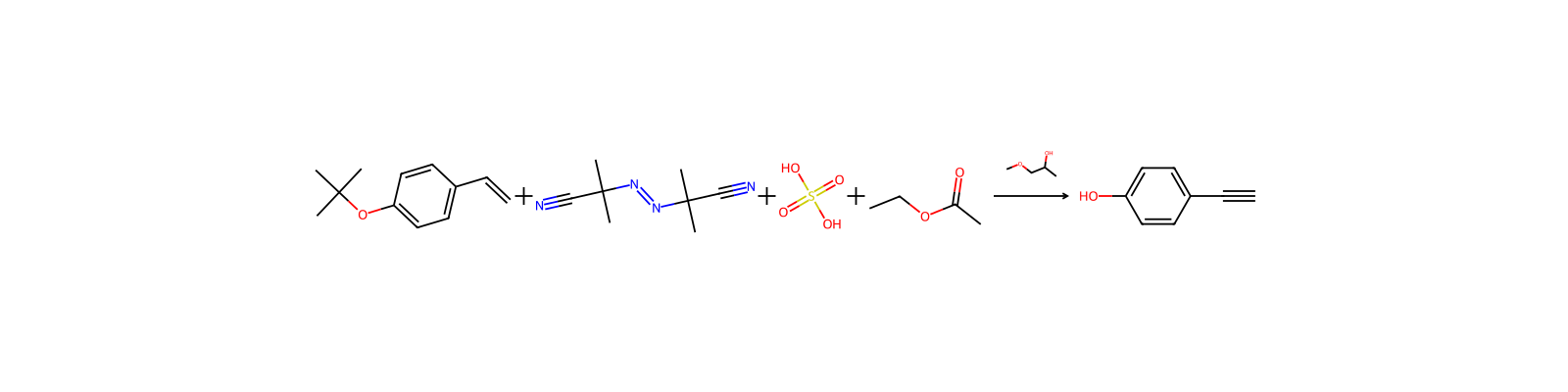


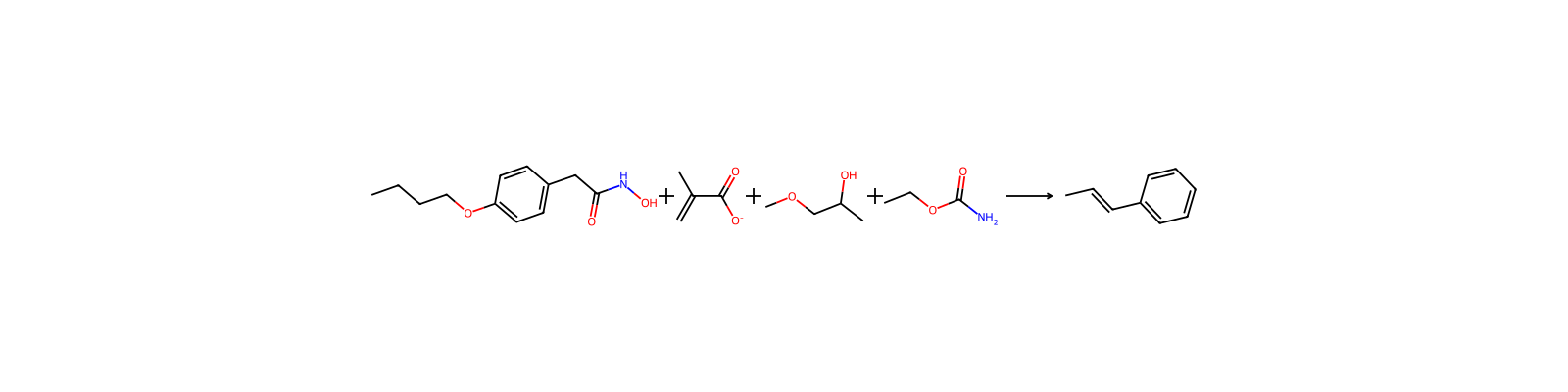
연결된 노트
불러오는 중…