

기본 정보
- 표준 SMILES
CN(C)CCO- InChIKey
UEEJHVSXFDXPFK-UHFFFAOYSA-N- 분자식
- C4H11NO
- 평균 분자량
- 89.14 g/mol
- 단동위원소 질량
- 89.08406397
이름 및 식별자
- 우선 이름
- 2-(Dimethylamino)ethanol
- IUPAC
- 2-(dimethylamino)ethanol
- 영어명
- 2-Dimethylaminoethanol
- 분자식
- C4H11NO
- 분자량
- 89.13624
이름 및 동의어
2-(Dimethylamino)ethanolDeanol108-01-0N,N-DimethylethanolamineDimethylaminoethanol2-DIMETHYLAMINOETHANOLNorcholineBimanolLiparonVaresalN,N-DimethylaminoethanolPropamine A
이름 더 보기
(2-Hydroxyethyl)dimethylamineKalpur PDimethylmonoethanolamineEthanol, 2-(dimethylamino)-DimethylaminoaethanolN,N-Dimethyl-2-hydroxyethylamine2-(N,N-Dimethylamino)ethanolAmietol M 21
데이터베이스 식별자
- CAS
108-01-0- PubChem CID
- 7902
- DTXSID
DTXSID2020505- ChEMBL
CHEMBL1135、CHEMBL122588- ChEBI
CHEBI:271436- UNII
- 2N6K9DRA24
- EC Number
- 203-542-8
- Nikkaji
- J5.068G
물성
구조 계산 물성
- XLogP
- -0.4
- 극성 표면적
- 23.5 Ų
- 수소 결합 공여자 수
- 1
- 수소 결합 수용자 수
- 2
- 회전 가능 결합 수
- 2
- 무거운 원자 수
- 6
- 형식 전하
- 0
- 복잡도
- 28
실험 및 물리화학적 성질
LogP
log Kow = -0.55 at 23 °C
-0.55
Odor
Amine odor
Fishy odor
Density
0.887 at 68 °F (USCG, 1999) - Less dense than water; will float
0.8866 g/cu cm at 20 °C
Bulk density wt/gal at 20 °C: 7.4 lb/gal
Relative density (water = 1): 0.89
0.8866 @ 20°C
Viscosity3.5839 mPa.s at 21.6 °C
Color/Form
Colorless liquid
Very faint yellow liquid
Solubility
greater than or equal to 100 mg/mL at 73 °F (NTP, 1992)
Miscible with water
Miscible with alcohol, ether
Miscible with acetone, benzene
1000 mg/mL
Solubility in water: miscible
Flash Point
105 °F (NTP, 1992)
105 °F
105 °F open cup
38 °C c.c.
Boiling Point
275 °F at 758 mmHg (NTP, 1992)
134.1 °C
134.00 °C. @ 760.00 mm Hg
135 °C
135 °C @760 [mm Hg]
DecompositionWhen heated to decomposition it emits toxic fumes of NOx.
Melting Point
-74 °F (NTP, 1992)
-65 °C
-59 °C
-59 °C
Vapor Density
3.03 (NTP, 1992) - Heavier than air; will sink (Relative to Air)
3.03 (Air = 1)
Relative vapor density (air = 1): 3.03
Odor ThresholdOdor Threshold Low: 0.01 [ppm];Odor Threshold High: 0.06 [ppm];Odor threshold from CHEMINFO
물리화학적 성질
- 녹는점
- -59 °C · -59 °C
- 끓는 점
- 135 °C · 135 °C(Press: 758 Torr)
- 밀도
- 0.8866 g/cm3 · 0.8866 g/cm3
- 산도 계수 (pKa)
- 14.88 · 14.88±0.10(Predicted)
안전 및 규제
GHS 분류
GHS Classification
Danger
H226: Flammable liquid and vapor [Warning Flammable liquids];H302: Harmful if swallowed [Warning Acute toxicity, oral];H312: Harmful in contact with skin [Warning Acute toxicity, dermal];H314: Causes severe skin burns and eye damage [Danger Skin corrosion/irritation];H332: Harmful if inhaled [Warning Acute toxicity, inhalation]
P210, P233, P240, P241, P242, P243, P260, P261, P264, P270, P271, P280, P301+P317, P301+P330+P331, P302+P352, P302+P361+P354, P303+P361+P353, P304+P340, P305+P354+P338, P316, P317, P321, P330, P362+P364, P363, P370+P378, P403+P235, P405, and P501 (click each P-code to see the statement)
This chemical does not meet GHS hazard criteria for 0.2% (2 of 1289) of reports.
유해성 정보
Regulatory Information
Chemical: Ethanol, 2-(dimethylamino)-
Regulation (EC) No 1831/2003 (amended)
Ethanol, 2-(dimethylamino)- is listed on the EPA's Chemical Data Reporting (CDR) system. Manufacturers and importers of Ethanol, 2-(dimethylamino)- are required to report information about their production and use of this chemical to the EPA under the Toxic Substances Control Act (TSCA). (40 eCFR Part 711)
Status: Active Update: 10-10-2022 https://echa.europa.eu/registration-dossier/-/registered-dossier/14464
Dimethylaminoethanol: Does not have an individual approval but may be used under an appropriate group standard
The New Jersey Worker and Community Right to Know Act requires public and private employers to provide information about hazardous substances at their workplaces. (N.J.S.A. 34:5A-1 et. seq.)
Other Safety InformationIMAP assessments - Ethanol, 2-(dimethylamino)-: Environment tier I assessment;IMAP assessments - Ethanol, 2-(dimethylamino)-: Human health tier II assessment
DOT LabelCorrosive Flammable Liquid
Fire Hazards
Special Hazards of Combustion Products: May contain toxic gases including ammonia (incomplete combustion) and NOx.;Behavior in Fire: Produces gaseous nitrogen compounds that are highly toxic and irritating. (USCG, 1999)
· Flammable/combustible material.;· May be ignited by heat, sparks or flames.;· Vapors may form explosive mixtures with air.;· Vapors may travel to source of ignition and flash back.;· Most vapors are heavier than air. They will spread along the ground and collect in low or confined areas (sewers, basements, tanks, etc.).;· Vapor explosion hazard indoors, outdoors or in sewers.;· Those substances designated with a (P) may polymerize explosively when heated or involved in a fire.;· Runoff to sewer may create fire or explosion hazard.;· Containers may explode when heated.;· Many liquids will float on water.
Flammable. Gives off irritating or toxic fumes (or gases) in a fire. Above 38 °C explosive vapour/air mixtures may be formed.
Fire PotentialFlammable liquid when exposed to heat or flame; can react vigorously with oxidizing materials. Ignites spontaneously in contact with cellulose nitrate of high surface area.
Health Hazards
Inhalation of the vapor or mist can cause irritation to the upper respiratory tract. Asthmatic symptoms have been reported. Extremely irritating; may cause permanent eye injury. Corrosive; will cause severe skin damage with burns and blistering. Ingestion may cause damage to the mucous membranes and gastrointestinal tract. (USCG, 1999)
· May cause toxic effects if inhaled or ingested.;· Contact with substance may cause severe burns to skin and eyes.;· Fire will produce irritating, corrosive and/or toxic gases.;· Vapors may cause dizziness or asphyxiation, especially when in closed or confined areas.;· Runoff from fire control or dilution water may cause environmental contamination.
Hazards SummaryCorrosive to skin; [Quick CPC] Asthma reported in spray painter; [Malo] Heavy inhalation exposure may cause pulmonary edema; [ICSC] Corrosive substance that may cause asthma and permanent eye injury; [CAMEO]
DOT ID and Guide2051 132
Reactive GroupAlcohols and Polyols;Amines, Phosphines, and Pyridines
EC ClassificationSymbol: C; R: 10-20/21/22-34; S: (1/2)-25-26-36/37/39-45
UN ClassificationUN Hazard Class: 8; UN Subsidiary Risks: 3; UN Pack Group: II
Reactivity Profile
2-DIMETHYLAMINOETHANOL is an organic compound with both amine and alcohol substituents. Amines are chemical bases. They neutralize acids to form salts plus water. These acid-base reactions are exothermic. The amount of heat that is evolved per mole of amine in a neutralization is largely independent of the strength of the amine as a base. Amines may be incompatible with isocyanates, halogenated organics, peroxides, phenols (acidic), epoxides, anhydrides, and acid halides. Flammable gaseous hydrogen is generated by amines in combination with strong reducing agents, such as hydrides. This compound may react vigorously with oxidizing materials. (NTP, 1992)
안전 및 보호
Fire Fighting
Excerpt from ERG Guide 132 [Flammable Liquids - Corrosive]:;Some of these materials may react violently with water.;SMALL FIRE: Dry chemical, CO2, water spray or alcohol-resistant foam.;LARGE FIRE: Water spray, fog or alcohol-resistant foam. If it can be done safely, move undamaged containers away from the area around the fire. Dike runoff from fire control for later disposal. Do not get water inside containers.;FIRE INVOLVING TANKS, RAIL TANK CARS OR HIGHWAY TANKS: Fight fire from maximum distance or use unmanned master stream devices or monitor nozzles. Cool containers with flooding quantities of water until well after fire is out. Withdraw immediately in case of rising sound from venting safety devices or discoloration of tank. ALWAYS stay away from tanks in direct contact with flames. For massive fire, use unmanned master stream devices or monitor nozzles; if this is impossible, withdraw from area and let fire burn. (ERG, 2024)
Use water spray, alcohol-resistant foam, powder, carbon dioxide. In case of fire: keep drums, etc., cool by spraying with water.
First Aid Measures
Fresh air, rest. Half-upright position. Refer for medical attention.
First rinse with plenty of water for at least 15 minutes, then remove contaminated clothes and rinse again. Refer for medical attention .
First rinse with plenty of water for several minutes (remove contact lenses if easily possible), then refer for medical attention.
Rinse mouth. Do NOT induce vomiting. Give one or two glasses of water to drink. Rest. Refer for medical attention .
Accidental Release Measures
· CALL 911. Then call emergency response telephone number on shipping paper. If shipping paper not available or no answer, refer to appropriate telephone number listed on the inside back cover.;· Keep unauthorized personnel away.;· Stay upwind, uphill and/or upstream.;· Ventilate closed spaces before entering, but only if properly trained and equipped.
· ELIMINATE all ignition sources (no smoking, flares, sparks or flames) from immediate area.;· All equipment used when handling the product must be grounded.;· Do not touch or walk through spilled material.;· Stop leak if you can do it without risk.;· Prevent entry into waterways, sewers, basements or confined areas.;· A vapor-suppressing foam may be used to reduce vapors.;· Absorb with earth, sand or other non-combustible material.;· For hydrazine, absorb with DRY sand or inert absorbent (vermiculite or absorbent pads).;· Use clean, non-sparking tools to collect absorbed material.;Large Spill;· Dike far ahead of liquid spill for later disposal.;· Water spray may reduce vapor, but may not prevent ignition in closed spaces.
First Aid
EYES: First check the victim for contact lenses and remove if present. Flush victim's eyes with water or normal saline solution for 20 to 30 minutes while simultaneously calling a hospital or poison control center. Do not put any ointments, oils, or medication in the victim's eyes without specific instructions from a physician. IMMEDIATELY transport the victim after flushing eyes to a hospital even if no symptoms (such as redness or irritation) develop.;SKIN: IMMEDIATELY flood affected skin with water while removing and isolating all contaminated clothing. Gently wash all affected skin areas thoroughly with soap and water. IMMEDIATELY call a hospital or poison control center even if no symptoms (such as redness or irritation) develop. IMMEDIATELY transport the victim to a hospital for treatment after washing the affected areas.;INHALATION: IMMEDIATELY leave the contaminated area; take deep breaths of fresh air. If symptoms (such as wheezing, coughing, shortness of breath, or burning in the mouth, throat, or chest) develop, call a physician and be prepared to transport the victim to a hospital. Provide proper respiratory protection to rescuers entering an unknown atmosphere. Whenever possible, Self-Contained Breathing Apparatus (SCBA) should be used; if not available, use a level of protection greater than or equal to that advised under Protective Clothing.;INGESTION: DO NOT INDUCE VOMITING. Corrosive chemicals will destroy the membranes of the mouth, throat, and esophagus and, in addition, have a high risk of being aspirated into the victim's lungs during vomiting which increases the medical problems. If the victim is conscious and not convulsing, give 1 or 2 glasses of water to dilute the chemical and IMMEDIATELY call a hospital or poison control center. IMMEDIATELY transport the victim to a hospital. If the victim is convulsing or unconscious, do not give anything by mouth, ensure that the victim's airway is open and lay the victim on his/her side with the head lower than the body. DO NOT INDUCE VOMITING. Transport the victim IMMEDIATELY to a hospital. (NTP, 1992)
General First Aid:;· Call 911 or emergency medical service.;· Ensure that medical personnel are aware of the material(s) involved, take precautions to protect themselves and avoid contamination.;· Move victim to fresh air if it can be done safely.;· Administer oxygen if breathing is difficult.;· If victim is not breathing:;-- DO NOT perform mouth-to-mouth resuscitation; the victim may have ingested or inhaled the substance.;-- If equipped and pulse detected, wash face and mouth, then give artificial respiration using a proper respiratory medical device (bag-valve mask, pocket mask equipped with a one-way valve or other device).;-- If no pulse detected or no respiratory medical device available, provide continuous compressions. Conduct a pulse check every two minutes or monitor for any signs of spontaneous respirations.;· Remove and isolate contaminated clothing and shoes.;· For minor skin contact, avoid spreading material on unaffected skin.;· In case of contact with substance, remove immediately by flushing skin or eyes with running water for at least 20 minutes.;· For severe burns, immediate medical attention is required.;· Effects of exposure (inhalation, ingestion, or skin contact) to substance may be delayed.;· Keep victim calm and warm.;· Keep victim under observation.;· For further assistance, contact your local Poison Control Center.;· Note: Basic Life Support (BLS) and Advanced Life Support (ALS) should be done by trained professionals.;Specific First Aid:;· For corrosives, in case of contact, immediately flush skin or eyes with running water for at least 30 minutes. Additional flushing may be required.
Safe StorageFireproof. Separated from strong oxidants, acids, acid chlorides, copper and food and feedstuffs.
Exposure Control and Personal Protection
· Wear positive pressure self-contained breathing apparatus (SCBA).;· Wear chemical protective clothing that is specifically recommended by the manufacturer when there is NO RISK OF FIRE.;· Structural firefighters' protective clothing provides thermal protection but only limited chemical protection.
Fire Fighting Procedures
Water may be ineffective. Alcohol foam.
To fight fire, use alcohol foam, foam, CO2, dry chemical.
Wear self-contained breathing apparatus for firefighting if necessary.
Use water spray, alcohol-resistant foam, dry chemical or carbon dioxide.
Use water spray to cool unopened containers.
Storage Conditions
Do not store near acids.
Keep container tightly closed in a dry and well-ventilated place. Containers which are opened must be carefully resealed and kept upright to prevent leakage. Handle and store under inert gas. Storage class (TRGS 510): Flammable liquids
Cleanup Methods
Contain spillage, and then collect with an electrically protected vacuum cleaner or by wet-brushing and place in container for disposal according to local regulations.
Prevent further leakage or spillage if safe to do so. Do not let product enter drains. Discharge into the environment must be avoided.
ACCIDENTAL RELEASE MEASURES /Personal precautions, protective equipment and emergency procedures/ Wear respiratory protection. Avoid breathing vapors, mist or gas. Ensure adequate ventilation. Remove all sources of ignition. Evacuate personnel to safe areas. Beware of vapors accumulating to form explosive concentrations. Vapors can accumulate in low areas.
Nonfire Spill Response
Excerpt from ERG Guide 132 [Flammable Liquids - Corrosive]:;ELIMINATE all ignition sources (no smoking, flares, sparks or flames) from immediate area. All equipment used when handling the product must be grounded. Do not touch or walk through spilled material. Stop leak if you can do it without risk. Prevent entry into waterways, sewers, basements or confined areas. A vapor-suppressing foam may be used to reduce vapors. Absorb with earth, sand or other non-combustible material. For hydrazine, absorb with DRY sand or inert absorbent (vermiculite or absorbent pads). Use clean, non-sparking tools to collect absorbed material.;LARGE SPILL: Dike far ahead of liquid spill for later disposal. Water spray may reduce vapor, but may not prevent ignition in closed spaces. (ERG, 2024)
Disposal Methods
SRP: Recycle any unused portion of the material for its approved use or return it to the manufacturer or supplier. Ultimate disposal of the chemical must consider: the material's impact on air quality; potential migration in air, soil or water; effects on animal, aquatic and plant life; and conformance with environmental and public health regulations. If it is possible or reasonable use an alternative chemical product with less inherent propensity for occupational harm/injury/toxicity or environmental contamination.
/Product/ Burn in a chemical incinerator equipped with an afterburner and scrubber but exert extra care in igniting as this material is highly flammable. Offer surplus and non-recyclable solutions to a licensed disposal company. Contact a licensed professional waste disposal service to dispose of this material. /Contaminated packaging/ Dispose of as unused product.
Spillage Disposal
Personal protection: gas-tight chemical protection suit including self-contained breathing apparatus. Collect leaking and spilled liquid in sealable non-metallic containers as far as possible. Absorb remaining liquid in sand or inert absorbent. Then store and dispose of according to local regulations.
독성 정보
Interactions
Monomethylethanolamine (1 mM) and dimethylethanolamine (1 mM) stimulated DNA synthesis 10- and 15-fold, respectively, in NIH 3T3 fibroblasts. In addition, simultaneous treatments with insulin (500 nM) and methylated ethanolamine analogues (1 mM or less) resulted in synergistic activation of DNA synthesis. The order of mitogenic potency of ethanolamine analogues was dimethylethanolamine > monomethylethanolamine > ethanolamine. Choline (1-5 mM) alone had no effect on DNA synthesis, but it increased the combined effects of lower concentrations of ethanolamine analogues and insulin. The synergistic effects of ethanolamine analogues, choline and insulin were considerably (1.7- to 1.9-fold) enhanced by GF 109203X (3 uM), a specific inhibitor of protein kinase C. The results suggest that ethanolamine analogues enhance insulin-induced DNA synthesis by a mechanism which is inhibited by the protein kinase C system.
Dimethylaminoethanol (DMAE) was administered acutely to rats subsequently injected with spomorphine. A dose of 80 mg of DMAE had no effect on the severity of apomorphine-induced stereotypy. However, 160 mg of DMAE significantly diminished the severity of apomorphine-induced stereotypy. This dose of DMAE did not significantly alter spontaneous locomotor activity. DMAE did not reduced apomorphine-induced stereotypy in animals previously exposed to haloperidol and presumed to have postsynaptic dopamine receptor supersensitivity. These results with DMAE are contrasted with the effects of choline chloride, and suggest that choline chloride may be more effective than DMAE at augmenting striatal cholinergic activity.
Dithiocarb and (+)-cyanidanol-3-prevented paracetamol-induced liver injury in rats in vivo. Both, as well as two other antihepatotoxic agents, deanol and DMSO, inhibited covalent binding of [(3)H]-paracetamol to rat liver microsomal proteins in vitro. Dithiocarb and (+)-cyanidanol-3 were the most effective inhibitors. The concentrations of the antidotes yielding 50% inhibition (I50) valued 1.8 x 10(-5) M for dithiocarb and 2.1 x 10(-5) M for (+)-cyanidanol-3.
2-Dimethylaminoethanol (DMAE; 0.1-0.5 g/kg) significantly reduced the paracetamol-induced increments of serum-enzyme activities (GOT, GPT, SDH) in rats and mice. This hepatoprotective effect of DMAE depended on the applied dose in rats, but there was no complete protection following the highest dose. Paracetamol-induced depletion of hepatic glutathione (GSH) was not influenced by the simultaneous administration of DMAE in rats and mice. Metabolic disposition of paracetamol in the urine of rats showed an enhanced elimination of free paracetamol and the glucuronide in the DMAE-treated group, whereas the mercapturate excretion remained unchanged. Diminished p-hydroxylation of aniline in a 9000Xg supernatant of rat and mouse liver homogenates in the presence of DMAE indicated an inhibition of microsomal mixed-function oxidase activity, which is also involved in the metabolic activation of paracetamol.
For more Interactions (Complete) data for 2-DIMETHYLAMINOETHANOL (12 total), please visit the HSDB record page.
Environmental Fate
TERRESTRIAL FATE: Based on a classification scheme(1), an estimated Koc value of 1(SRC), determined from a structure estimation method(2), indicates that 2-dimethylaminoethanol is expected to have very high mobility in soil(SRC). The pKa of 2-dimethylaminoethanol is 9.3(3). At pH 8.2, 20% will be the free amine. Thus, this compound will exist almost entirely in the cation form in the environment and cations generally adsorb to organic carbon and clay more strongly than their neutral counterparts(4). As a result, 2-dimethylaminoethanol may have greater adsorption and less mobility than its estimated Koc value indicates. Volatilization of 2-dimethylaminoethanol from moist soil surfaces is not expected to be an important fate process(SRC) given an estimated Henry's Law constant of 1.8X10⁻⁹ atm-cu m/mole(SRC), using a fragment constant estimation method(2). 2-Dimethylaminoethanol may volatilize from dry soil surfaces(SRC) based upon a vapor pressure of 3.18 mm Hg at 25 °C(5). A 60.5% of theoretical BOD in two weeks using activated sludge in the Japanese MITI test indicates that 2-dimethylaminoethanol is readily biodegradable(6) and suggests that biodegradation is an important environmental fate process in soil(SRC). Results of another screening test found that 2-dimethylaminoethanol biodegrades readily(7).
AQUATIC FATE: Based on a classification scheme(1), an estimated Koc value of 1(SRC), determined from a structure estimation method(2), indicates that 2-dimethylaminoethanol is not expected to adsorb to suspended solids and sediment(SRC). Volatilization from water surfaces is not expected(3) based upon an estimated Henry's Law constant of 1.8X10⁻⁹ atm-cu m/mole(SRC), developed using a fragment constant estimation method(2). According to a classification scheme(4), an estimated BCF of 3(SRC), from its log Kow of -0.55(5) and a regression-derived equation(2), suggests the potential for bioconcentration in aquatic organisms is low(SRC). A 60.5% of theoretical BOD in two weeks using activated sludge in the Japanese MITI test indicates that 2-dimethylaminoethanol is readily biodegradable(6) and suggests that biodegradation is an important environmental fate process in soil(SRC). Results of another screening test found that 2-dimethylaminoethanol biodegrades readily(7). 2-Dimethylaminoethanol is not expected to undergo hydrolysis in the environment due to the lack of functional groups that hydrolyze under environmental conditions(3).
ATMOSPHERIC FATE: According to a model of gas/particle partitioning of semivolatile organic compounds in the atmosphere(1), 2-dimethylaminoethanol, which has a vapor pressure of 3.18 mm Hg at 25 °C(2), is expected to exist solely as a vapor in the ambient atmosphere. Vapor-phase 2-dimethylaminoethanol is degraded in the atmosphere by reaction with photochemically-produced hydroxyl radicals(SRC); the half-life for this reaction in air is estimated to be 4.3 hours(SRC), calculated from its rate constant of 9.0X10⁻¹¹ cu cm/molecule-sec at 25 °C(3). Vapor-phase 2-dimethylaminoethanol is also degraded in the atmosphere by reaction with ozone(SRC); the half-life for this reaction in air is estimated to be 1.7 days(SRC), calculated from its rate constant of 6.71X10⁻¹⁸ cu cm/molecule-sec at 25 °C(3).
Food Survey ValuesA large number of dietary supplements contain 2-dimethylaminoethanol. The predominant form, when specified, is 2-dimethylaminoethanol bitartrate(1). /2-Dimethylaminoethanol bitartrate/
Adverse Effects
Dermatotoxin - Skin burns.;Asthma - Reversible bronchoconstriction (narrowing of bronchioles) initiated by the inhalation of irritating or allergenic agents.;Toxic Pneumonitis - Inflammation of the lungs induced by inhalation of metal fumes or toxic gases and vapors.
Exposure RoutesThe substance can be absorbed into the body by inhalation of its vapour, through the skin and by ingestion.
Toxicity Summary
IDENTIFICATION AND USE: 2-Dimethylaminoethanol (DMAE) is a colorless liquid. DMAE has been used as an ingredient in skin care, and in cognitive function- and mood-enhancing products. Deaner(DMAE p-acetamidobenzoate) was a U.S. prescription drug for more than 20 years until 1983 when it was withdrawn from the market. It was used to treat children with learning and behavior problems. A large number of dietary supplements contain DMAE. The predominant form, when specified, is DMAE bitartrate. DMAE has applications in the chemical and pharmaceutical industries. HUMAN EXPOSURE AND TOXICITY: Severe respiratory symptoms were observed in a single painter exposed to spray paint containing DMAE. Wheal and flare responses occurred after exposure of human volunteers to DMAE but it was interpreted as an irritant. DMAE tartrate administered orally to humans produced mild mental stimulation. At 20 mg/day, there was a gradual increase in muscle tone and perhaps an increased frequency of convulsions in susceptible individuals. Larger doses produced insomnia, muscle tenseness, and spontaneous muscle twitches. Serious cholinergic side effects were reported in a 37-yr-old woman with tardive dyskinesia who had been taking deanol. However, a single 2500 mg dose taken in a suicide attempt had no adverse effects. ANIMAL STUDIES: Acute clinical signs of rat exposure to DMAE vapor included nasal and ocular irritation, respiratory distress, and body weight loss. In the 13-week study, rats were exposed to 0, 8, 24, or 76 ppm DMAE for 6 hr/day, 5 days/week for 13 weeks. The principal exposure-related changes were transient corneal opacity in the 24 and 76 ppm groups; decreased body weight gain for the 76 ppm group; and histopathological lesions of the respiratory and olfactory epithelium of the anterior nasal cavity of the 76 ppm group and of the eye of several 76 ppm group females. DMAE did not induce any neoplasms in mice. In a developmental study in rats there were no effects of DMAE treatme
Signs and Symptoms
Cough. Sore throat. Burning sensation. Laboured breathing. Symptoms may be delayed.
Redness. Pain. Skin burns.
Redness. Blurred vision. Pain. Severe burns.
Abdominal pain. Nausea. Vomiting. Shock or collapse. Burning sensation.
Ongoing Test Status
EPA has released the first beta version (version 0.5) of the Interactive Chemical Safety for Sustainability (iCSS) Dashboard. The beta version of the iCSS Dashboard provides an interactive tool to explore rapid, automated (or in vitro high-throughput) chemical screening data generated by the Toxicity Forecaster (ToxCast) project and the federal Toxicity Testing in the 21st century (Tox21) collaboration. /The title compound was tested by ToxCast and/or Tox21 assays; Click on the "Chemical Explorer" button on the tool bar to see the data./[USEPA; ICSS Dashboard Application; Available from, as of December 8, 2014: http://actor.epa.gov/dashboard/]
Soil Adsorption/Mobility
Using a structure estimation method based on molecular connectivity indices(1), the Koc of 2-dimethylaminoethanol can be estimated to be 1(SRC). According to a classification scheme(2), this estimated Koc value suggests that 2-dimethylaminoethanol is expected to have very high mobility in soil. The pKa of 2-dimethylaminoethanol is 9.3(3). At pH 8.2, 20% will be the free amine. Thus, this compound will exist almost entirely in the cation form in the environment and cations generally adsorb to organic carbon and clay more strongly than their neutral counterparts(4). As a result, 2-dimethylaminoethanol may have greater adsorption and less mobility than its estimated Koc value indicates.
Natural Pollution Sources2-Dimethylaminoethanol is a naturally occurring precursor of choline; it is found in high concentrations in salmon, sardines, and anchovies(1).
Human Toxicity Excerpts
/HUMAN EXPOSURE STUDIES/ Adverse effects were observed in one occupational study (manufacture of polyurethane foam insulation for refrigerators) and included disorders of the upper respiratory tract and nervous system, along with significant changes in the immune status. Workers were exposed to a mixture of DMAE, ethylenediamine, propylene oxide, and 4,4-methylenediphenyl diisocyanate. Severe respiratory symptoms were observed in a single painter exposed to spray paint containing DMAE. Wheal and flare responses occurred after exposure of human volunteers to DMAE (undiluted, and 1:10 and 1:100 dilutions in saline) but were interpreted as an irritant response. DMAE failed to meet the current criteria for classification as a respiratory sensitizer.[NTP; Dimethylethanolamine (DMAE)
/HUMAN EXPOSURE STUDIES/ Beyond subjective assessments, the effect of skin tensors is difficult to assess. The present 2-phase randomized double-blind split face study was designed to compare the effect of a gel containing 3% 2-dimethylaminoethanol (deanol, DMAE) with the same formulation without DMAE. In a first pilot study, sensorial assessments and measures of the skin distension under suction were performed in eight volunteers. In a second study conducted in 30 volunteers, shear wave propagation was measured. Large interindividual variations precluded any significant finding in the first study. The DMAE formulation showed, however, a significant effect characterized by increased shear wave velocity in the direction where the mechanical anisotropy of skin showed looseness.The DMAE formulation under investigation increased skin firmness.
/HUMAN EXPOSURE STUDIES/ Skincare formulations for the improvement of aging skin are increasingly important consumer products. Here, we review available data on one such agent - 2-dimethylaminoethanol (DMAE) or deanol - that has recently been evaluated in a placebo-controlled trial. DMAE is an analog of the B vitamin choline and is a precursor of acetylcholine. Although the role of acetylcholine as a neurotransmitter is well known, growing evidence points to acetylcholine as a ubiquitous cytokine-like molecule that regulates basic cellular processes such as proliferation, differentiation, locomotion, and secretion in a paracrine and autocrine fashion. Indeed, this modulatory role may contribute to the cutaneous activity of DMAE. In a randomized clinical study, 3% DMAE facial gel applied daily for 16 weeks has been shown to be safe and efficacious (p < 0.05) in the mitigation of forehead lines and periorbital fine wrinkles, and in improving lip shape and fullness and the overall appearance of aging skin. These effects did not regress during a 2-week cessation of application. Beneficial trends (p > 0.05 but </= 0.1) were noted in the appearance of coarse wrinkles, under-eye dark circles, nasolabial folds, sagging neck skin, and neck firmness. Application was found to be well tolerated, with no differences in the incidence of erythema, peeling, dryness, itching, burning, or stinging between the DMAE and placebo groups. An open-label extension of the trial showed that the long-term application of DMAE gel for up to 1 year was associated with a good safety profile. The acute skin-firming effects of DMAE have been confirmed by quantitative measures of cutaneous tensile strength.
/HUMAN EXPOSURE STUDIES/ Seventy-four children referred for problems with learning, including many with hyperactivity, were screened for neurological or psychiatric illness, then given deanol, methylphenidate, or placebo in a double-blind fashion for 3 months. Maintenance dose for methylphenidate was 40 mg daily; for deanol, 500 mg. Behavior rating forms, reaction time, and a series of standard psychometric tests were given before and after treatment. Both drugs showed significant improvement on a number of tests; the pattern and degree of change differed slightly for the 2. In this paradigm, deanol thus appeared to improve performance in children with learning and behavior disorders. The mechanism of action remains speculative; proof that deanol increases acetylcholine is scanty, and there is a theoretical basis for actually assuming an anticholinergic effect.
For more Human Toxicity Excerpts (Complete) data for 2-DIMETHYLAMINOETHANOL (9 total), please visit the HSDB record page.
Fish/Seafood Concentrations
2-Dimethylaminoethanol is a naturally occurring precursor of choline; it is found in high concentrations in salmon, sardines, and anchovies(1). Individuals may ingest small quantities of 2-dimethylaminoethanol through the consumption of salmon roe, mollusks (squid), and fish(2).
규제 정보
Regulatory Information
Chemical: Ethanol, 2-(dimethylamino)-
Regulation (EC) No 1831/2003 (amended)
Ethanol, 2-(dimethylamino)- is listed on the EPA's Chemical Data Reporting (CDR) system. Manufacturers and importers of Ethanol, 2-(dimethylamino)- are required to report information about their production and use of this chemical to the EPA under the Toxic Substances Control Act (TSCA). (40 eCFR Part 711)
Status: Active Update: 10-10-2022 https://echa.europa.eu/registration-dossier/-/registered-dossier/14464
Dimethylaminoethanol: Does not have an individual approval but may be used under an appropriate group standard
The New Jersey Worker and Community Right to Know Act requires public and private employers to provide information about hazardous substances at their workplaces. (N.J.S.A. 34:5A-1 et. seq.)
안전 데이터
- ridadr
- UN 2051
- 포장분류
- II
- 위험 등급
- 8
화학 및 산업
약리 정보
ATC Code
N - Nervous system;N06 - Psychoanaleptics;N06B - Psychostimulants, agents used for adhd and nootropics;N06BX - Other psychostimulants and nootropics;N06BX04 - Deanol
QN - Nervous system;QN06 - Psychoanaleptics;QN06B - Psychostimulants, agents used for adhd and nootropics;QN06BX - Other psychostimulants and nootropics;QN06BX04 - Deanol
BionecessityA unique type of nervous system stimulant. A normal constituent of brain and perhaps a precursor of brain acetylcholine.
Metabolism/Metabolites
In male Wistar rats, DMAE was oxidized rapidly to the N-oxide of DMAE, representing the primary urinary metabolite. However, only 13.5 % of the administered dose was eliminated by the 24 hour time point, suggesting that most of the DMAE was routed toward phospholipid biosynthetic pathways. In humans, 33% of an injected 1 g (10 mmol) dose of DMAE was excreted unchanged. It was suggested that the remaining dose might have been demethylated to ethanolamine directed toward normal metabolic pathways.[NTP; Dimethylethanolamine (DMAE)
Dimethylaminoethanol /prc: postulated to/ undergo endogenous methylation. /From table/
Specific methods utilizing combined gas chromatography mass spectrometry were used to measure the metabolism of [(2)H6]deanol and its effects on acetylcholine concentration in vitro and in vivo. In vitro [(2)H6]deanol was rapidly taken up by rat brain synaptosomes, but was neither methylated nor acetylated. [(2)H6]Deanol was a weak competitive inhibitor of the high affinity transport of [(2)H4]choline, thus reducing the synthesis of [(2)H4]acetylcholine. In vivo [(2)H6]deanol was present in the brain after i.p. or p.o. administration, but was not methylated or acetylated. Treatment of rats with [(2)H6]deanol significantly increased the concentration of choline in the plasma and brain but did not alter the concentration of acetylcholine in the brain. Treatment of rats with atropine (to stimulate acetylcholine turnover) or with hemicholinium-3 (to inhibit the high affinity transport of choline) did not reveal any effect of [(2)H6]deanol on acetylcholine synthesis in vivo. However, since [(2)H6]deanol did increase brain choline, it may prove therapeutically useful when the production of choline is reduced or when the utilization of choline for the synthesis of acetylcholine is impaired.
Choline (N,N,N-trimethylethanolamine), which is widely distributed in membrane lipids and is a component of sediment biota, has been shown to be utilized anaerobically by mixed prokaryote cultures to produce methane but not by pure cultures of methanogens. Here, we show that five recently isolated Methanococcoides strains from a range of sediments (Aarhus Bay, Denmark; Severn Estuary mudflats at Portishead, United Kingdom; Darwin Mud Volcano, Gulf of Cadiz; Napoli mud volcano, eastern Mediterranean) can directly utilize choline for methanogenesis producing ethanolamine, which is not further metabolized. Di- and monomethylethanolamine are metabolic intermediates that temporarily accumulate. Consistent with this, dimethylethanolamine was shown to be another new growth substrate, but monomethylethanolamine was not. The specific methanogen inhibitor 2-bromoethanesulfonate (BES) inhibited methane production from choline. When choline and trimethylamine are provided together, diauxic growth occurs, with trimethylamine being utilized first, and then after a lag (about 7 days) choline is metabolized. Three type strains of Methanococcoides (M. methylutens, M. burtonii, and M. alaskense), in contrast, did not utilize choline. However, two of them (M. methylutens and M. burtonii) did metabolize dimethylethanolamine. These results extend the known substrates that can be directly utilized by some methanogens, giving them the advantage that they would not be reliant on bacterial syntrophs for their substrate supply.
For more Metabolism/Metabolites (Complete) data for 2-DIMETHYLAMINOETHANOL (8 total), please visit the HSDB record page.
FDA Pharmacological Classification
DMAE
Ammonium Ion Binding Activity [MoA]; Increased IgG Production [PE]; Nitrogen Binding Agent [EPC]; Allergens [CS]; Cell-mediated Immunity [PE]; Glycerol [CS]; Increased Histamine Release [PE]; Non-Standardized Chemical Allergen [EPC]; Standardized Chemical Allergen [EPC]
MeSH Pharmacological Classification
Mood-stimulating drugs used primarily in the treatment of affective disorders and related conditions. Several MONOAMINE OXIDASE INHIBITORS are useful as antidepressants apparently as a long-term consequence of their modulation of catecholamine levels. The tricyclic compounds useful as antidepressive agents (ANTIDEPRESSIVE AGENTS, TRICYCLIC) also appear to act through brain catecholamine systems. A third group (ANTIDEPRESSIVE AGENTS, SECOND-GENERATION) is a diverse group of drugs including some that act specifically on serotonergic systems.
Drugs used in the treatment of movement disorders. Most of these act centrally on dopaminergic or cholinergic systems. Among the most important clinically are those used for the treatment of Parkinson disease (ANTIPARKINSON AGENTS) and those for the tardive dyskinesias.
Absorption, Distribution and Excretion
Daily oral exposures (deanol acetamidobenzoate, DMAE, or Deaner) of chinchilla rabbits or humans produced measurable plasma and cerebrospinal concentrations of the parent compound. The drugs were cleared from the plasma by 36 hours post-treatment.[NTP; Dimethylethanolamine (DMAE)
Specific methods utilizing combined gas chromatography mass spectrometry were used to measure the metabolism of [(2)H6]deanol and its effects on acetylcholine concentration in vitro and in vivo. In vitro [(2)H6]deanol was rapidly taken up by rat brain synaptosomes, but was neither methylated nor acetylated. [(2)H6]Deanol was a weak competitive inhibitor of the high affinity transport of [(2)H4]choline, thus reducing the synthesis of [(2)H4]acetylcholine. In vivo [(2)H6]deanol was present in the brain after i.p. or p.o. administration, but was not methylated or acetylated. Treatment of rats with [(2)H6]deanol significantly increased the concentration of choline in the plasma and brain but did not alter the concentration of acetylcholine in the brain. Treatment of rats with atropine (to stimulate acetylcholine turnover) or with hemicholinium-3 (to inhibit the high affinity transport of choline) did not reveal any effect of [(2)H6]deanol on acetylcholine synthesis in vivo. However, since [(2)H6]deanol did increase brain choline, it may prove therapeutically useful when the production of choline is reduced or when the utilization of choline for the synthesis of acetylcholine is impaired.
DMAE is absorbed and rapidly transported to the liver where much of it is metabolized. Approximately 280 nmol (25.2 ug) DMAE/gram plasma was observed in male mice about ten minutes after receiving 300 mg (3.30 mmol) DMAE/kg, intraperitoneally. Approximately 2.41, 1.30, and 0.20% of an administered dose of 30 mg/kg (0.13 mmol/kg) (with 100 u Ci) of (14)Cyprodenate was found in the liver, brain, and plasma, respectively, five minutes after intravenous dosing in male rats.[NTP; Dimethylethanolamine (DMAE)
Cellular LocationsCytoplasm;Extracellular
용도 및 제조
Uses
Used as a curing agent for polyurethanes and epoxy resins; used as a chemical intermediate for pharmaceuticals, dyes, corrosion inhibitors, and emulsifiers; also used as an additive to boiler water, paint removers, and amino resins; [HSDB] Has been used therapeutically as a CNS stimulant; [Merck Index # 2843]
Painting (Pigments, Binders, and Biocides) [Category: Paint];Plastic Composites Manufacturing [Category: Industry]
CHEM INT FOR ANTIHISTAMINES AND LOCAL ANESTHETICS; CATALYST FOR CURING EPOXY RESINS AND POLYURETHANES; PH CONTROL AGENT FOR BOILER WATER TREATMENT
Solvent and ligand in organic synthesis; accelerator in epoxy resin formulations. As corrosion inhibitor in steel-reinforced concrete. Salts as dietary supplement, tonic. In cosmetics as antiwrinkle and skin firming agent.
Intermediate in the synthesis of dyestuffs, textile auxiliaries, pharmaceuticals, and corrosion inhibitors; curing epoxy, amine, and polyamide resins; emulsifier in paints and coatings.
Used to scavenge hydrochloric acid which is released when methylene chloride decomposes after use as a paint or varnish remover
U.S. Production
2023: 100,000,000 - <250,000,000 lb;2022: 100,000,000 - <500,000,000 lb;2021: 100,000,000 - <250,000,000 lb;2020: 100,000,000 - <250,000,000 lb
(1972) 1.6X10+9 GRAMS
(1977) 3.2X10+9 GRAMS
(1985) less than 2.27X10+6 g
Ethanol, 2-(dimethylamino)- is listed as a High Production Volume (HPV) chemical (65FR81686). Chemicals listed as HPV were produced in or imported into the U.S. in >1 million pounds in 1990 and/or 1994. The HPV list is based on the 1990 Inventory Update Rule. (IUR) (40 CFR part 710 subpart B; 51FR21438).
For more U.S. Production (Complete) data for 2-DIMETHYLAMINOETHANOL (6 total), please visit the HSDB record page.
Consumer UsesProcessing aids, specific to petroleum production;Emulsifier;Catalyst;Corrosion inhibitor;Not Known or Reasonably Ascertainable;Monomers;pH regulating agent;Solvent
Industry UsesProcessing aids, specific to petroleum production;Intermediate;Not Known or Reasonably Ascertainable;Corrosion inhibitor;Catalyst;Emulsifier;pH regulating agent;Monomers;Polymerization promoter
Methods of Manufacturing
Industrially, N-alkylated ethanolamines are produced almost exclusively by batchwise or continuous reaction of primary, secondary, or tertiary amines with ethylene oxide. For safety reasons, ethylene oxide must be added to the amine, never vice versa. Depending on the product involved, reaction temperature varies from 50 to 170 °C and pressure from 0.2 to 4 MPa. Water accelerates the reaction. /N-alkylated ethanolamines/
Preparation from equimolar amounts of ethylene oxide and dimethylamine.
Formulations/Preparations
/TABLET FORM CONSISTS OF/ DEANOL ACETAMIDOBENZOATE /WHICH/ IS THE P-ACETAMIDOBENZOIC ACID SALT OF 2-(DIMETHYLAMINO)ETHANOL (DEANOL). /DEANOL ACETAMIDOBENZOATE/
Grades: Anhydrous and 70% aqueous soln.
Riker Laboratories' prescription drug Deaner (deanol p-acetamidobenzoate) was a U.S. prescription drug for more than 20 years until 1983 when it was withdrawn from the market.[NTP; Dimethylethanolamine (DMAE)
Household ProductsInformation on 23 consumer products that contain Dimethylethanol amine in the following categories is provided:;• Home Maintenance;• Inside the Home
Use ClassificationCosmetics -> Buffering
General Manufacturing Information
Wood Product Manufacturing;All Other Basic Organic Chemical Manufacturing;Fabricated Metal Product Manufacturing;Petroleum Refineries;Paint and Coating Manufacturing;Not Known or Reasonably Ascertainable;Furniture and Related Product Manufacturing;Construction;Transportation Equipment Manufacturing;Plastics Product Manufacturing;Computer and Electronic Product Manufacturing;Printing and Related Support Activities
Ethanol, 2-(dimethylamino)-: ACTIVE
공급사50 곳
江西益众化工有限公司15307925109 15350027073 · [email protected]
济南新晨化工有限公司15318808971 15318808971
济南宏嘉化工有限公司15253128188; 15253128188
山东艾斯曼新材料有限公司13698626386 13698626386
武汉欣扬瑞和化学科技有限公司153-07155313 15307155313 · [email protected]
武汉欣扬瑞和化学科技有限公司18171205315; 18171205315 · [email protected]
山东宇硕化工有限公司18866159232 18866159232 · [email protected]
武汉市恒久化工有限公司17317534732 17671758929 · [email protected]
山东鑫恒诚化工有限公司18660169893 · [email protected]
山东洛克化工有限公司17653113209 13065062079 · [email protected]
南通合润生物科技有限公司18362409333 · [email protected]
江苏喜勒能源有限公司15653388333 15653388333 · [email protected]
济南世纪通达化工有限公司15153132128 15153132128 · [email protected]
广东大小化工有限公司1866-171603 18666171603 · [email protected]
上海克森伯格化工科技有限公司13681668984 微信同号 13681668984 · [email protected]
山东强森化工有限公司18805331268 · [email protected]
天津普西唐生物医药科技有限公司010-60605840 · [email protected]
广州市康洋化工有限公司19520963397 · [email protected]
上海彤源化工有限公司021-021-69182866 13701855675 · [email protected]
济南琳盛化工有限公司18769772272 · [email protected]
上海容立化学科技有限公司021-69992220 13701886816 · [email protected]
天津荣燊化工有限公司18317763565; 18317763565 · [email protected]
成都佶安特生物医药科技有限公司请加QQ询价,电话不报价 · [email protected]
XIAMEN EQUATION CHEMICAL CO.,LTD+86-5926515854 +86-18060954864 · [email protected]
湖北世腾化工科技有限公司18971850150 19086915685 · [email protected]
山东智尚新材料有限公司+8617653113209 · [email protected]
艾吉析科技(上海)有限公司17721401538;17717235263 17721401538 · [email protected]
上海阿拉丁生化科技股份有限公司6206333 13167063860 · [email protected]
济南创世化工有限公司15154153272 15154153272
四川普西奥标物科技有限公司13540909846 13882008651 · [email protected]
陕西缔都医药化工有限公司+86-29-81139210 +86-17392587031 · [email protected]
上海源叶生物科技有限公司13636370518 · [email protected]
舟山广兴化学有限公司15698059122 15698059122 · [email protected]
湖北鑫杰成化工科技有限公司18008658050 18008658050 · [email protected]
山东满堂红新材料有限公司3923611010 13065055261 · [email protected]
武汉弘德悦欣医药科技有限公司027-83850116 18164090116 · [email protected]
成都康巴斯生物科技有限公司18582381569 · [email protected]
南通博纳化工科技有限公司15706295026 15706295026 · [email protected]
河南中梵实业发展有限公司+86-18906033525 · [email protected]
毕升化学(上海)有限公司19852830193 19852830193 · [email protected]
上海易恩化学技术有限公司400-400-1332688 18019345275 · [email protected]
Zjartspharm Co., Ltd15068876005 · [email protected]
上海吉至生化科技有限公司021-4009004166/18616739031 18616739031 · [email protected]
北京迈瑞达科技有限公司010-82387566 · [email protected]
SHANDONG ZHI SHANG CHEMICAL CO.LTD0531-68652808 18953170293 · [email protected]
武汉弘德悦欣医药科技有限公司027-83855393 15827063722
济南汇丰达化工有限公司13156148719 15554103218;13156148719;15550483828 · [email protected]
上海诺莱巨化工有限公司13012824065 · [email protected]
济南创世化工有限公司0531-18854143038 18854143038 · [email protected]
南通化淳特生物科技有限公司0513-86920019 13382489788 · [email protected]
관련 반응
763건


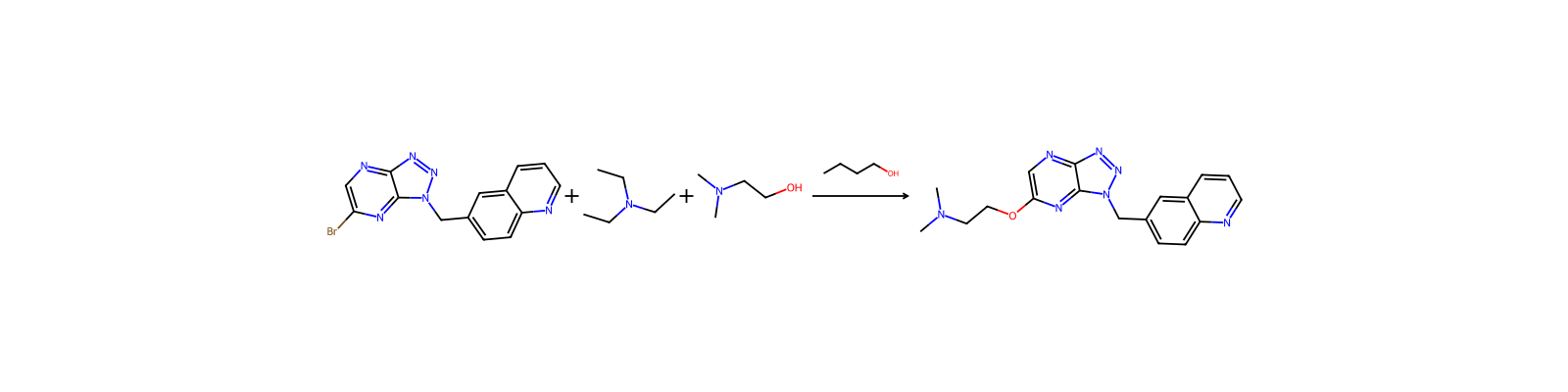


연결된 노트
불러오는 중…