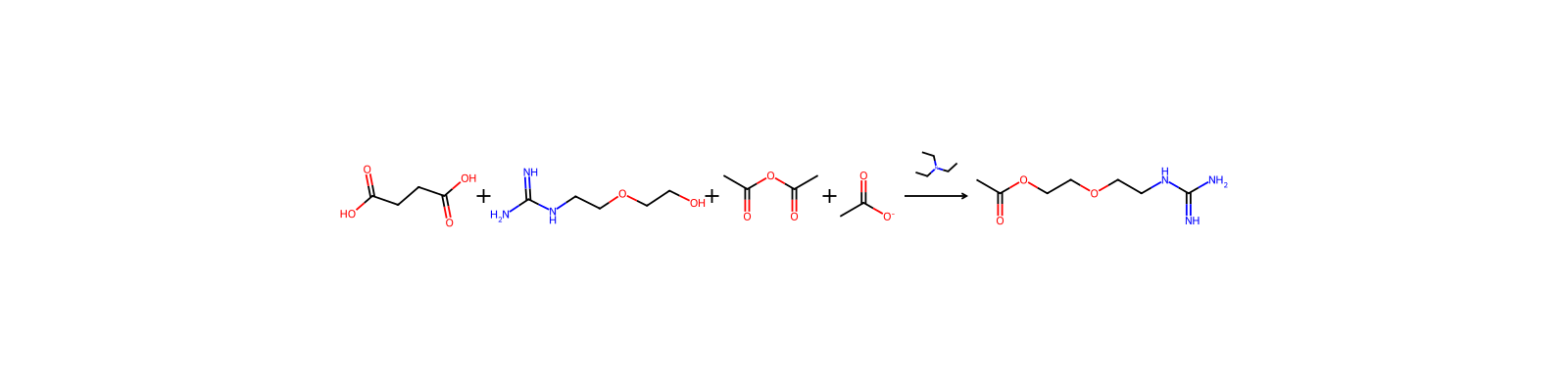

기본 정보
- 표준 SMILES
CC(=O)OC(C)=O- InChIKey
WFDIJRYMOXRFFG-UHFFFAOYSA-N- 분자식
- C4H6O3
- 평균 분자량
- 102.09 g/mol
- 단동위원소 질량
- 102.03169405
개요
Acetic anhydride appears as a clear colorless liquid with a strong odor of vinegar. Flash point 129 °F. Corrosive to metals and tissue. Density 9.0 lb /gal. Used to make fibers, plastics, pharmaceuticals, dyes, and explosives.
이름 및 식별자
- 우선 이름
- Acetic Anhydride
- IUPAC
- acetyl acetate
- 현지명
- 무수초산
- 영어명
- Acetic anhydride
- 분자식
- C4
- 분자량
- 102.09
이름 및 동의어
ACETIC ANHYDRIDEAcetyl acetate108-24-7AcetanhydrideEthanoic anhydrideAcetyl oxideAcetyl anhydrideAcetic oxideAcetic acid, anhydrideacetic acid anhydrideAcetyl etherAnhydride acetique
이름 더 보기
아세트산무수물아세트산화물무수아세트산무수초산빙초산ACETICACIDANHYDRIDE아세틸아세트산아세틸에테르에탄오익무수물에탄오익산무수물아세트 산, 무수물아세트 산화물아세틸 무수물아세틸 아세트산아세틸 에테르에탄오익 무수물에탄오익 산 무수물아세틸무수물AC2Oacetic(CH3CO)2OAcetic Anhydride (Controlled Chemical)acetic anhydrid
Anidride aceticaOctowy bezwodnikAzijnzuuranhydrideEssigsaeureanhydridEthanoic anhydrateAnhydrid kyseliny octoveAcetic acid, 1,1'-anhydrideDTXSID0024395
데이터베이스 식별자
- CAS
108-24-7、285977-77-7、285977-78-8- PubChem CID
- 7918
- DTXSID
DTXSID0024395- ChEMBL
CHEMBL1305819- ChEBI
CHEBI:36610- UNII
- 2E48G1QI9Q
- EC Number
- 203-564-8、694-162-5、694-163-0
- Nikkaji
- J2.417A
물성
구조 계산 물성
- XLogP
- -0.1
- 극성 표면적
- 43.4 Ų
- 수소 결합 공여자 수
- 0
- 수소 결합 수용자 수
- 3
- 회전 가능 결합 수
- 2
- 무거운 원자 수
- 7
- 형식 전하
- 0
- 복잡도
- 83.1
실험 및 물리화학적 성질
Chemical Classes
Other Classes -> Acid Anhydrides, Other
Corrosives
SpringerMaterials PropertiesSchoenflies notation
LogP
-0.480
-0.27 (calculated)
Odor
Strong acetic odor
Strong, pungent, vinegar-like odor
Food AdditivesFLAVORING AGENT OR ADJUVANT -> FDA Substance added to food
Density
1.08 (USCG, 1999) - Denser than water; will sink
1.082 g/cu cm at 20 °C
Relative density (water = 1): 1.08 (20 °C)
1.08
1.082 @ 20°C
1.08
Viscosity0.843 mPa.s at 25 °C
Color/Form
Colorless liquid
Very refractive liquid
Solubility
Soluble in cold (greater than or equal to 10mg/ml); Decomposes in hot (NTP, 1992)
In water, 120 g/L at 20 °C
Slowly soluble in water, forming acetic acid
With alcohol forms ethyl acetate; soluble in chloroform, ether
Soluble in ethanol, benzene; miscible with ethyl ether; slightly soluble in carbon tetrachloride
Miscible with ethanol, ether, acetic acid, and ethyl acetate
CorrosivityCorrosive
Flash Point
121 °F (NTP, 1992)
120 °F (49 °C) Closed cup
49 °C c.c.
120 °F
120 °F
Boiling Point
283.19 °F at 760 mmHg (NTP, 1992)
139.5 °C
137.00 to 140.00 °C. @ 760.00 mm Hg
139 °C
282 °F
139.8 °C @760 [mm Hg]
물리화학적 성질
- 녹는점
- -73.1 °C · -73.1 °C
- 끓는 점
- 140 °C · 140 °C
- 밀도
- 1.087 · 1.087
- 증기 밀도
- 3.5 · 3.5 (vs air)
- 증기압
- 10 mm · 10 mm Hg ( 36 °C)
- 굴절률
- 20 · n20/D 1.390(lit.)
- 인화점
- 130 °F · 130 °F
- 저장 조건
- Store at RT.
- 용해도
- 에테르, 클로로포름, 벤젠과 혼합 가능.
- 물리적 상태
- 액체
- 색상
- 무색의
- Specific Gravity
- 1.082 · 1.082
- 수소이온지수(pH)
- 3 · 3 (10g/l, H2O, 20°C)
- 냄새
- 매우 강한; 날카로운; 식초 같은 특유의 냄새.
- 폭발한계
- 2 · 2.0-10.2%(V)
- 냄새 유형
- 산성의
- 수용성
- 물과 반응
- Merck
- 14 · 14,56
- BRN
- 385737 · 385737
- Henry's Law Constant
- 1.7 · 1.7×100 mol/(m3Pa) at 25℃, Duchowicz et al. (2020)
- Dielectric constant
- 20 · 20.0
- 안정성
- 안정성 가연성. 강한 산화제, 물, 강염기, 알코올과 호환되지 않습니다.
- InChI
- 1S/C4H6O3/c1-3(5)7-4(2)6/h1-2H3
- InChIKey
- WFDIJRYMOXRFFG-UHFFFAOYSA-N
- SMILES
- CC(=O)OC(C)=O
- LogP
- -0.58 at · -0.58 at 20℃
- 표면장력
- 32.65 mN/m · 32.65mN/m at 293.15K
- NIST
- Acetic acid anhydride(108-24-7)
- EPA
- Acetic anhydride (108-24-7)
화학적 성질
Acetic anhydride, or ethanoic anhydride, is the chemical compound with the formula (CH3CO)2O. Commonly abbreviated Ac2O, it is the simplest isolatable acid anhydride and is a widely used reagent in organic synthesis. It is a combustible, colorless, strongly refractive, liquid that smells strongly of acetic acid, formed by its reaction with the moisture in the air. Acetic anhydride is an esterification agent used in the preparation of modified starch and for acetylation of acetylated monoglycerides.
안전 및 규제
GHS 분류
GHS Classification
Danger
H226: Flammable liquid and vapor [Warning Flammable liquids]
P210, P233, P240, P241, P242, P243, P260, P261, P264, P270, P271, P280, P301+P317, P301+P330+P331, P302+P361+P354, P303+P361+P353, P304+P340, P305+P354+P338, P316, P317, P321, P330, P363, P370+P378, P403+P235, P405, and P501 (click each P-code to see the statement)
Danger
H226 (99.8%): Flammable liquid and vapor [Warning Flammable liquids]
P210, P233, P240, P241, P242, P243, P260, P261, P264, P264+P265, P270, P271, P280, P284, P301+P317, P301+P330+P331, P302+P361+P354, P303+P361+P353, P304+P340, P305+P354+P338, P316, P317, P319, P320, P321, P330, P363, P370+P378, P403+P233, P403+P235, P405, and P501 (click each P-code to see the statement)
유해성 정보
Regulatory Information
Chemical: Acetic acid, anhydride
List II Chemical: A chemical, other than a List I chemical, specified by regulation that, in addition to legitimate uses, is used in manufacturing a controlled substance in violation of the Act. (21 eCFR 1310.02)
Regulation (EC) No 178/2002 (amended)
Acetic acid, 1,1'-anhydride is listed on the EPA's Chemical Data Reporting (CDR) system. Manufacturers and importers of Acetic acid, 1,1'-anhydride are required to report information about their production and use of this chemical to the EPA under the Toxic Substances Control Act (TSCA). (40 eCFR Part 711)
Status: Active Update: 08-11-2022 https://echa.europa.eu/registration-dossier/-/registered-dossier/15314
Acetic anhydride: Does not have an individual approval but may be used under an appropriate group standard
Other Safety InformationIMAP assessments - Acetic acid, anhydride: Environment tier I assessment
DOT LabelCorrosive Flammable Liquid
Fire Hazards
Special Hazards of Combustion Products: Irritating vapors are generated when heated.
· EXCEPT FOR ACETIC ANHYDRIDE (UN1715), THAT IS FLAMMABLE, some of these materials may burn, but none ignite readily.
Flammable. Many reactions may cause fire or explosion. See Chemical dangers Above 49 °C explosive vapour/air mixtures may be formed.
Fire PotentialA fire and exposion hazard when exposed to heat or flame.
Health Hazards
Liquid is volatile and causes little irritation on uncovered skin. However, causes severe burns when clothing is wet with the chemical or if it enters gloves or shoes. Causes skin and eye burns and irritation of respiratory tract. Nausea and vomiting may develop after exposure. (USCG, 1999)
· CORROSIVE and/or TOXIC; inhalation, ingestion or contact (skin, eyes) with vapors, dusts or substance may cause severe injury, burns or death.
Hazards Summary
Evidence of skin sensitization in a guinea pig study, but insufficient data to recommend SEN notation; Workers exposed to >5 ppm have immediate eye and respiratory irritation; [ACGIH] Liquid causes second degree burns after contact for a few minutes. [CHRIS] Corrosive to skin; [Quick CPC] Inhalation of high concentrations can cause bronchospasm and pulmonary edema. [NIOSH Guidelines for Chemical Hazards] A lachrymator; [CHEMINFO]
DOT ID and Guide
1715 137
1715 137
FDA RequirementsFood additives permitted for direct addition to food for human consumption. Food starch may be esterified by treatment with ... acetic anhydride. Limitation: acetyl groups in food starch-modified not to exceed 2.5 percent.
Reactive GroupAnhydrides
UN ClassificationUN Hazard Class: 8; UN Subsidiary Risks: 3; UN Pack Group: II
Special Reports
Environment Canada; Tech Info for Problem Spills: Acetic Anhydride (Draft) (1982)
Miller J, Paddock J; Hazard Mater Spills Conf Proc, Prev, Behav, Control Cleanup Spills Waste Sites 45-9 (1984) Acetic anhydride spill at Thorp, Wisconsin
안전 및 보호
Fire Fighting
Excerpt from ERG Guide 137 [Substances - Water-Reactive - Corrosive]:
Use alcohol-resistant foam, powder, carbon dioxide. In case of fire: keep drums, etc., cool by spraying with water. NO direct contact with water.
First Aid Measures
Fresh air, rest. Half-upright position. Artificial respiration may be needed. Refer immediately for medical attention.
First rinse with plenty of water for at least 15 minutes, then remove contaminated clothes and rinse again. Wear protective gloves when administering first aid. Refer immediately for medical attention.
Rinse with plenty of water for several minutes (remove contact lenses if easily possible). Refer immediately for medical attention.
Rinse mouth. Do NOT induce vomiting. Give nothing to drink. Refer immediately for medical attention.
Accidental Release Measures
· CALL 911. Then call emergency response telephone number on shipping paper. If shipping paper not available or no answer, refer to appropriate telephone number listed on the inside back cover.
· Do not touch damaged containers or spilled material unless wearing appropriate protective clothing.
First Aid
EYES: First check the victim for contact lenses and remove if present. Flush victim's eyes with water or normal saline solution for 20 to 30 minutes while simultaneously calling a hospital or poison control center. Do not put any ointments, oils, or medication in the victim's eyes without specific instructions from a physician. IMMEDIATELY transport the victim after flushing eyes to a hospital even if no symptoms (such as redness or irritation) develop.
General First Aid:
(General first aid procedures)
Safe StorageStore only in original container. Separated from food and feedstuffs and incompatible materials. See Chemical Dangers. Fireproof. Dry.
Firefighting Hazards
Hazardous decomposition products formed under fire conditions. - Carbon oxides
Flash back along vapor trail may occur.
Exposure Control and Personal Protection
· Wear positive pressure self-contained breathing apparatus (SCBA).
0.1 [ppm]
Fire Fighting Procedures
Use water spray, dry chemical, "alcohol resistant" foam, or carbon dioxide. Use water spray to keep fire-exposed containers cool. Use flooding quantities of water.
Carbon dioxide, dry chemical, water mist, alcohol foam.
Use water spray, alcohol-resistant foam, dry chemical or carbon dioxide. Wear self-contained breathing apparatus for firefighting if necessary. Use water spray to cool unopened containers.
Storage Conditions
Store in cool, dry, well-ventilated location. Outside or detached storage is preferred. Store away from heat, oxidizers, and sunlight. Exclude moisture from vapor space in storage tanks.
Store away from ... foods, nitric acid, sodium peroxide.
Keep away from moisture and all alkalies.
Keep container tightly closed in a dry and well-ventilated place. Containers which are opened must be carefully resealed and kept upright to prevent leakage.
Cleanup Methods
Remove all ignition sources; Ventilate area of spill or leak; For small quantities, absorb on paper towels. Evaporate in a safe place. Allow sufficient time for evaporating vapors to completely clear the hood ductwork.
Use water spray to cool and disperse vapors, protect personnel, and dilute spills to form nonflammable mixtures. Control runoff and isolate discharge material for proper disposal. Neutralize spill and washings with soda ash or lime.
ACCIDENTAL RELEASE MEASURES; Personal precautions, protective equipment and emergency procedures: Wear respiratory protection. Avoid breathing vapors, mist or gas. Ensure adequate ventilation. Remove all sources of ignition. Evacuate personnel to safe areas. Beware of vapors accumulating to form explosive concentrations. Vapors can accumulate in low areas. Environmental precautions: Prevent further leakage or spillage if safe to do so. Do not let product enter drains. Methods and materials for containment and cleaning up: Contain spillage, and then collect with an electrically protected vacuum cleaner or by wet-brushing and place in container for disposal according to local regulations.
Nonfire Spill ResponseExcerpt from ERG Guide 137 [Substances - Water-Reactive - Corrosive]:
Disposal Methods
SRP: Recycle any unused portion of the material for its approved use or return it to the manufacturer or supplier. Ultimate disposal of the chemical must consider: the material's impact on air quality; potential migration in air, soil or water; effects on animal, aquatic and plant life; and conformance with environmental and public health regulations. If it is possible or reasonable use an alternative chemical product with less inherent propensity for occupational harm/injury/toxicity or environmental contamination.
SRP: Wastewater from contaminant suppression, cleaning of protective clothing/equipment, or contaminated sites should be contained and evaluated for subject chemical or decomposition product concentrations. Concentrations shall be lower than applicable environmental discharge or disposal criteria. Alternatively, pretreatment and/or discharge to a permitted wastewater treatment facility is acceptable only after review by the governing authority and assurance that "pass through" violations will not occur. Due consideration shall be given to remediation worker exposure (inhalation, dermal and ingestion) as well as fate during treatment, transfer and disposal. If it is not practicable to manage the chemical in this fashion, it must be evaluated in accordance with EPA 40 CFR Part 261, specifically Subpart B, in order to determine the appropriate local, state and federal requirements for disposal.
Absorb /acetic anhydride/ in vermiculite, dry sand, earth or a similar material and /dispose of/ it in a secured sanitary landfill. Atomize in a suitable combustion chamber equipped with an appropriate effluent gas cleaning device.
/Small quantities can be absorbed on paper./ ... Burn the paper in a suitable location away from combustible materials. Large quantities can be collected and atomized in a suitable combustion chamber equipped with an appropriate effluent gas cleaning device. Acetic anhydride should not be allowed to enter a confined space, such as a sewer, because of the possibility of an explosion.
Product: Burn in a chemical incinerator equipped with an afterburner and scrubber but exert extra care in igniting as this material is highly flammable. Offer surplus and non-recyclable solutions to a licensed disposal company. Contact a licensed professional waste disposal service to dispose of this material. Contaminated packaging: Dispose of as unused product.
독성 정보
Interactions
Aerosol of acetic acid and acetic anhydride was released for a reactor in an industrial accident exposing workers. All exposed workers complained of severe conjunctival and naso-pharyngeal irritation, harsh cough, and some dyspnea. Of the 18 workers exposed, 14 were admitted to the hospital showing intense conjunctivities and acute pharyngo-laryngitis. Twelve showed numerous corneal abrasions, 11 presented necrotic areas in the nasal mucosa, and 12 showed spastic bronchitis. Two workers suffered first and second degree burns on the legs. Complete recovery occurred in 5-25 days.
Target OrgansEyes, skin, respiratory system
Ecotoxicity ValuesEC50; Species: Chlorococcales (Green Algae Order); Conditions: freshwater, static; Concentration: 200000 ug/L for 24 hr; Effect: physiology, assimilation efficiency /formulation/
Environmental Fate
TERRESTRIAL FATE: Acetic anhydride is expected to hydrolyze on moist soil to acetic acid(SRC). The half-life for the hydrolysis of acetic anhydride is 4.4 minutes(SRC), based on a rate constant of 0.002625 1/sec at 25 °C(1). The potential for volatilization of acetic anhydride from dry soil surfaces may exist(SRC) based upon a vapor pressure of 5.1 mm Hg(2).
TERRESTRIAL FATE: When spilled onto /dry/ soil, acetic anhydride will readily infiltrate downward ...
AQUATIC FATE: Acetic anhydride is expected to undergo rapid hydrolysis in the environment given a hydrolysis half-life of 4.4 minutes(SRC), based on a rate constant of 0.002625 1/sec at 25 °C(1). Bioconcentration of acetic anhydride in aquatic organisms is unlikely due its rapid hydrolysis(SRC).
ATMOSPHERIC FATE: According to a model of gas/particle partitioning of semivolatile organic compounds in the atmosphere(1), acetic anhydride, which has a vapor pressure of 5.1 mm Hg at 25 °C(2), is expected to exist solely as a vapor in the ambient atmosphere. Vapor-phase acetic anhydride is degraded in the atmosphere by reaction with photochemically-produced hydroxyl radicals(SRC); the half-life for this reaction in air is estimated to be 190 days(SRC), calculated from its rate constant of 8.4X10⁻¹⁴ cu cm/molecule-sec at 25 °C(SRC) that was derived using a structure estimation method(3). Acetic anhydride does not absorb light with wavelengths >290 nm(4) and, therefore, is not expected to be susceptible to direct photolysis by sunlight(SRC).
ATMOSPHERIC FATE: Since acetic anhydride is a relatively non-volatile liquid, direct venting of the vapor to the atmosphere from a hole in a ruptured vessel does not consitiute a significant hazard downwind. Vapor may be released from a liquid pool spilled on a ground or water surface.
Adverse EffectsDermatotoxin - Skin burns.
Exposure Routes
The substance can be absorbed into the body by inhalation of its vapour and by ingestion.
inhalation, ingestion, skin and/or eye contact
Toxicity Summary
IDENTIFICATION AND USE: Acetic anhydride ia a colorless liquid with a strong acetic odor. It is used in manufacture of acetyl compounds, cellulose acetates. The other applications include uses as acetylizer and solvent in examining wool fat, glycerol, fatty and volatile oils, resins; detection of rosin. It is widely used in organic synthesis, as dehydrating agent in nitrations, sulfonations and other reactions where removal of water is necessary. To reduce heroin availability, the United Nations has encouraged nations to control acetic anhydride, an essential ("precursor") chemical typically necessary to the drug's production. HUMAN STUDIES: Known to be a severe eye and skin irritant. Severe burns and vesiculation of human skin have been reported from liquid splashes, and concentrated vapor produces primary irritation. The immediate effect of exposure at vapor concentrations above 5 ppm is acute irritation of the eye. Inhalation can cause nasopharyngeal and upper respiratory tract irritation, with burning sensations, cough and dyspnea. Prolonged exposure may lead to pulmonary edema and death. ANIMAL STUDIES: Inhalation of 2000 ppm by rats for 4 hours caused deaths. It caused severe eye burns in rabbits. Rats were exposed to inhalation of vapors containing 0, 1, 5, or 20 ppm acetic anhydride for 6 hr/day, 5 days per week for 13 weeks. Clinical observations of eye and respiratory tract irritation and reduced body weights were observed primarily at 20 ppm. Inhalation exposure of pregnant female rats to 0, 25, 100, or 400 ppm 6 hr/day during days 6-15 of gestation caused fetotoxicity in a screening study with female rats exposed to the highly irritating, maternally toxic dose of 100 ppm vapor during gestation. In maternal animals at 100 ppm, severe respiratory tract irritation and body weight reduction were observed, and at 25 ppm substantial irritation of the respiratory tract was observed. No developmental effects were seen at 25 ppm even though substantial irritation of the respiratory tract was observed in maternal animals. Acetic anhydride was negative for mutagenicity in five Salmonella typhimurium strains (TA1535, TA1537, TA97, TA98, and TA100) in the presence and absence of metabolic activation. ECOTOXICITY STUDIES: The results of various laboratory tests with aquatic organisms, in which the toxic threshold concentrations for acetic anhydride were found to be about half those for acetic acid, suggest an initial toxic effect, so long as not all of the substance has hydrolyzed to acetic acid (during the first few minutes).
Ecotoxicity Excerpts
/AQUATIC SPECIES/ The results of various laboratory tests with aquatic organisms, in which the toxic threshold concentrations for acetic anhydride were found to be about half those for acetic acid, suggest an initial toxic effect, so long as not all of the substance has hydrolyzed to acetic acid (during the first few minutes).
Signs and Symptoms
Sore throat. Cough. Burning sensation in the throat and chest. Shortness of breath. Chest pain. Laboured breathing. Symptoms may be delayed.
Redness. Pain. Serious skin burns. Blisters.
Redness. Watering of the eyes. Pain. Severe burns. Corneal damage.
Burns in mouth and throat. Abdominal pain. Vomiting. Diarrhoea. Severe thirst. Shock or collapse.
conjunctivitis, lacrimation (discharge of tears), corneal edema, opacity, photophobia (abnormal visual intolerance to light); nasal, pharyngeal irritation; cough, dyspnea (breathing difficulty), bronchitis; skin burns, vesiculation, sensitization dermatitis
Ongoing Test Status
EPA has released the Interactive Chemical Safety for Sustainability (iCSS) Dashboard. The iCSS Dashboard provides an interactive tool to explore rapid, automated (or in vitro high-throughput) chemical screening data generated by the Toxicity Forecaster (ToxCast) project and the federal Toxicity Testing in the 21st century (Tox21) collaboration. /The title compound was tested by ToxCast and/or Tox21 assays/[USEPA; ICSS Dashboard Application; Available from, as of July 27, 2017: http://actor.epa.gov/dashboard/]
The following link will take the user to the National Toxicology Program (NTP) Test Status of Agents Search page, which tabulates the results and current status of tests such as "Short-Term Toxicity Studies", "Long-term Carcinogenicity Studies", "Developmental Studies", "Genetic Toxicology Studies", etc., performed with this chemical. Testing status for acetic anhydride is available.[Available from, as of July 26, 2017: https://ntpsearch.niehs.nih.gov/?e=True&ContentType=Testing+Status]
ICSC Environmental DataEnvironmental effects of the substance have been adequately investigated, but no significant effects have been found.
Medical Surveillance
Initial Medical Screening-Chronic Respiratory Disease: In persons with impaired pulmonary function, especially those with obstructive airway diseases, the breathing of acetic anhydride might cause exacerbation of symptoms due to its irritant properties. Skin disease: Acetic anhydride is a primary skin irritant. Persons with pre-existing skin disorders may be more susceptible to the effects of this agent. Eye disease: Acetic anhydride is a severe eye irritant and may cause tissue damage. Those with pre-existing eye problems may be at increased risk from exposure.
규제 정보
FDA RequirementsFood additives permitted for direct addition to food for human consumption. Food starch may be esterified by treatment with ... acetic anhydride. Limitation: acetyl groups in food starch-modified not to exceed 2.5 percent.
FIFRA Requirements
Residues of acetic anhydride are exempted from the requirement of a tolerance when used in accordance with good agricultural practice as inert (or occasionally active) ingredients in pesticide formulations applied to growing crops or to raw agricultural commodities after harvest. Use: solvent, cosolvent.
Residues of acetic anhydride are exempted from the requirement of a tolerance when used in accordance with good agricultural practice as inert (or occasionally active) ingredients in pesticide formulations applied to animals. Use: solvent, cosolvent, stabilizer.
Atmospheric Standards
This action promulgates standards of performance for equipment leaks of Volatile Organic Compounds (VOC) in the Synthetic Organic Chemical Manufacturing Industry (SOCMI). The intended effect of these standards is to require all newly constructed, modified, and reconstructed SOCMI process units to use the best demonstrated system of continuous emission reduction for equipment leaks of VOC, considering costs, non air quality health and environmental impact and energy requirements. Acetic anhydride is produced, as an intermediate or a final product, by process units covered under this subpart.
CERCLA Reportable Quantities
Persons in charge of vessels or facilities are required to notify the National Response Center (NRC) immediately, when there is a release of this designated hazardous substance, in an amount equal to or greater than its reportable quantity of 5000 lb or 2270 kg. The toll free number of the NRC is (800) 424-8802. The rule for determining when notification is required is stated in 40 CFR 302.4 (section IV.D.3.b).
Clean Water Act Requirements
Acetic anhydride is designated as a hazardous substance under section 311(b)(2)(A) of the Federal Water Pollution Control Act and further regulated by the Clean Water Act Amendments of 1977 and 1978. These regulations apply to discharges of this substance. This designation includes any isomers and hydrates, as well as any solutions and mixtures containing this substance.
안전 데이터
- OEL
- Ceiling: 5 ppm (20 mg/m3)
- wgk
- 3
- IDLA
- 200 ppm
- tsca
- TSCA listed
- rtecs
- AK1925000
- ridadr
- UN 1715
- 독성
- LD50 orally in rats: 1.78 g/kg (Smyth)
- HS 번호
- 29152400
- risk_code
- 11-20/21/22-37/38-41-34-20/21-10-20/22-19-40
- hazard_code
- C,Xn,F,Xi
- safety_code
- 26-39-45-36/37/39-33-16
- 포장분류
- II
- 위험 등급
- 8
- 기존화학 물질
- KE-00017
- F 고인화성물질
- 21
- 자연 발화 온도
- 629 °F
- Hazard Classifications
- Acute Tox. 2 InhalationAcute Tox. 4 OralEye Dam. 1Flam. Liq. 3Skin Corr. 1B
- 스토리지 클래스
- 3 - Flammable liquids
- 유해 물질 데이터
- 108-24-7(Hazardous Substances Data)
화학 및 산업
약리 정보
Cellular LocationsCytoplasm
용도 및 제조
Uses
Used to manufacture cellulose acetate fibers, plastics, pharmaceuticals, dyes, perfumes, explosives, and food starches; [ACGIH]
For acetic anhydride (USEPA/OPP Pesticide Code: 044007) there are 0 labels match. /SRP: Not registered for current use in the U.S., but approved pesticide uses may change periodically and so federal, state and local authorities must be consulted for currently approved uses./
Manufacture of acetyl compounds, cellulose acetates. As acetulizer and solvent in examining wool fat, glycerol, fatty and volatile oils, resins; detection of rosin. Widely used in organic synthesis, e.g., as dehydrating agent in nitrations, sulfonations and other reactions where removal of water is necessary. In preparation of anhydrous acetic acid in nonaqueous titrimetry.
Cellulose acetate fibers and plastics; vinyl acetate; dehydrating and acetylating agent in production of pharmaceuticals, dyes, perfumes, explosives. ... Esterifying agent for food starch (5% max).
Pesticide intermediate.
For more Uses (Complete) data for Acetic anhydride (6 total), please visit the HSDB record page.
Impurities
A technical quality anhydride, assay ~97% maximum, often contains color bodies, heavy metals, phosphorus, and sulfur compounds. Anhydride manufactured by acetic acid pyrolysis sometimes contains ketene polymers, eg, acetylacetone, diketene, dehydroacetic acid, and particulate carbon, or soot, is occasionally encountered. Polymers of allene, or its equilibrium mixture, methylacetylene-allene, are reactive and refractory impurities, which if exposed to air, slowly autoxidize to dangerous peroxidic compounds.
Less than 1 ppm of Al, Cl, PO4, SO4, Fe
U.S. Exports
(1972) NEGLIGIBLE
(1975) No Data
(1984) 1.39X10+10 g
U.S. Imports
(1972) 1.59X10+9 G
(1975) 8.88X10+9 G
U.S. Production
2023: 2,500,000,000 - <4,000,000,000 lb
(1972) 7.14X10+11 G
(1975) 6.62X10+11 G
Non-confidential 2012 Chemical Data Reporting (CDR) information on the production and use of chemicals manufactured or imported into the United States. Chemical: Acetic acid, 1,1'-anhydride. National Production Volume: 1,000,000,000 - 5,000,000,000 lb/yr.
Non-confidential 2016 Chemical Data Reporting (CDR) information on the production and use of chemicals manufactured or imported into the United States. Chemical: Acetic acid, 1,1'-anhydride:
Consumption Patterns
95% FOR CELLULOSE ESTERS (INCLUDING CELLULOSE ACETATE, ACETATE BUTYRATE, AND ACETATE PROPIONATE); 1% FOR SYNTHESIS OF ASPIRIN; 4% FOR MISC APPLICATIONS (1972)
90% Cellulose acetate and triacetate; 2% cellulose acetate propionate and butyrate; 3% aspirin and acetaminophen; 2% triactin, 3% other (1983 est)
CHEMICAL PROFILE: Acetic Anhydride. Cellulose acetate, 80%; miscellaneous, including aspirin and acetaminophen, agricultural chemicals, pharmaceuticals, plastics, starch modifiers, triacetin and other anhydrides, 16%; exports, 4%.
CHEMICAL PROFILE: Acetic anhydride. Demand: 1988: 1,730 million lb; 1989: 1,750 million lb; 1993 /projected/: 1,910 million lb. (1988 figure includes imports of 39.2 million lb, much of which was brought in by Hoechst Celanese in response to the outage at Pampa; imports are historically negligible. Figures include exports.)
Consumer UsesNot Known or Reasonably Ascertainable
Industry UsesIntermediate
Methods of Manufacturing
Acetic anhydride can be obtained directly by liquid-phase oxidation of acetaldehyde. The peracetic acid formed from oxygen and acetaldehyde reacts under suitable conditions with a second molecule of acetaldehyde to form acetic anhydride and water. Rapid removal of the reaction water and the use of suitable catalysts are essential in this process. Mixtures of acetic acid and acetic anhydride are always obtained; their ratio can be varied within wide limits by changing the reaction conditions. Generally, the highest possible anhydride yield is sought.
... Carbonylation of methyl acetate /Halcon process/.
The ketene process for the production of acetic anhydride proceeds in two steps: the thermal cleavage of acetic acid to form ketene and the reaction of ketene with acetic acid.
Formulations/Preparations
Grades: CP, Technnical (75, 85, 90-95%)
Usually assayed at 99% purity; technical grade-97%
Household ProductsInformation on 3 consumer products that contain Acetic anhydride in the following categories is provided:
DEA Listed Chemicals
Acetic anhydride
A chemical, other than a List I chemical, specified by regulation that, in addition to legitimate uses, is used in manufacturing a controlled substance in violation of the Act. (21 eCFR 1310.02)
응용 분야
용도초산셀룰로즈의 제조, 유기약품의 아세틸화제, 염료, 향료, 합성수지의 제조, 아스피린, 기타 약품, 초산에스테르류, 유기합성원료, 사진필름(불연성) 등에 사용.
개요Acetic anhydride (chemical formula: (CH3CO)2O) is the simplest isolable anhydride of a carboxylic acid, is widely used as a reagent in organic synthesis. It has an internal asymmetric structure, leading to its potent electrophilicity. In organic chemistry, it is mainly used in acetylation for the manufacture of commercially significant materials, e.g. it can be used for the conversion of cellulose to cellulose acetate and aspirin. It can also be used as a wood preservative. In starch industry, it is a common acetylation compound for acetylation of monoglyceride. It is also an esterification agent for the production of modified starches. It is produced by carbonylation of methyl acetate or the reaction between ketene and acetic acid.
출처Reported found in watercress (Nasturtium officinale r. br.).
용도Acetic anhydride is an important solvent and acetylation agent. It is used for the manufacture of acetylcellulose, acetylsalicylic acid, acetanilide, nitrofurane, sulfonamides, vitamin B6 etc. As acetulizer and solvent in examining wool fat, glycerol, fatty and volatile oils, resins; detection of rosin. Widely used in organic syntheses, e.g., as dehydrating agent in nitrations, sulfonations and other reactions where removal of water is necessary.
일반 설명A clear colorless liquid with a strong odor of vinegar. Flash point 129°F. Corrosive to metals and tissue. Density 9.0 lb /gal. Manufacture of cellulose esters, plastics, pharmaceuticals, photographic films, cigarette filters, and magnetic tape; inorganic synthesis as an acetylating agent, bleaching agent, and dehydrating agent.
상·하류 제품 정보
상류 원료
하류 제품
공급사4 곳
Aladdin Scientific[email protected]
安耐吉化学&3A(安徽泽升科技有限公司)021-58432009 400-005-6266 · [email protected]
Sigma-Aldrich西格玛奥德里奇(上海)贸易有限公司021-61415566 800-8193336 · [email protected]
上海阿拉丁生化科技股份有限公司6206333 13167063860 · [email protected]
추가 설명
정의ChEBI: Acetic anhydride is an acyclic carboxylic anhydride derived from acetic acid. It has a role as a metabolite and a reagent.
관련 반응
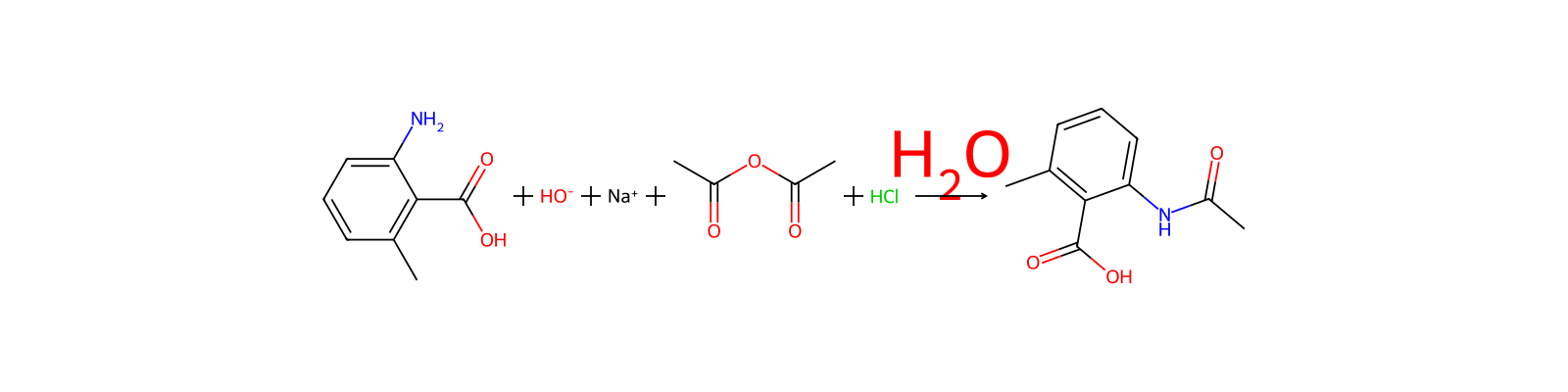
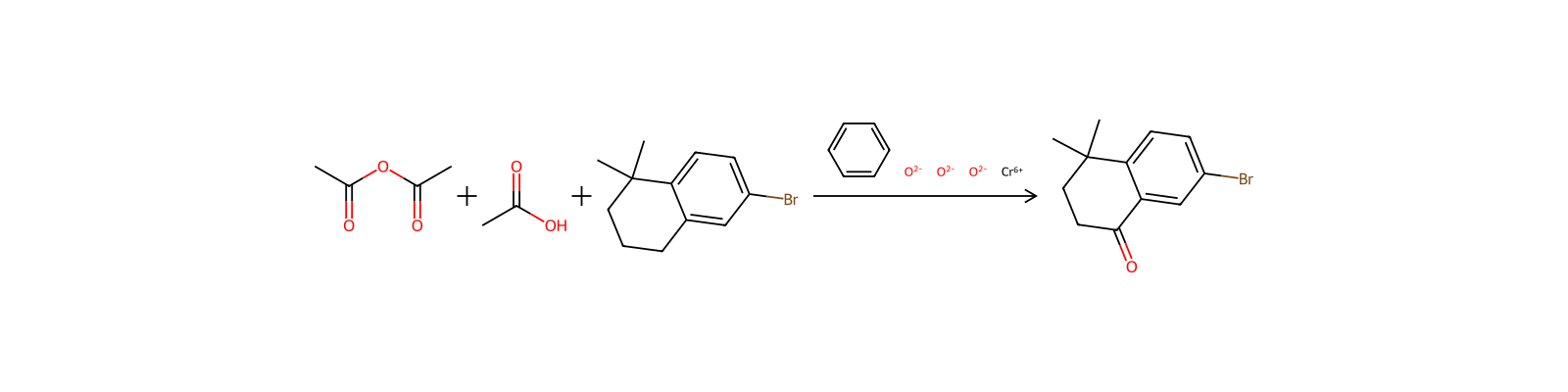
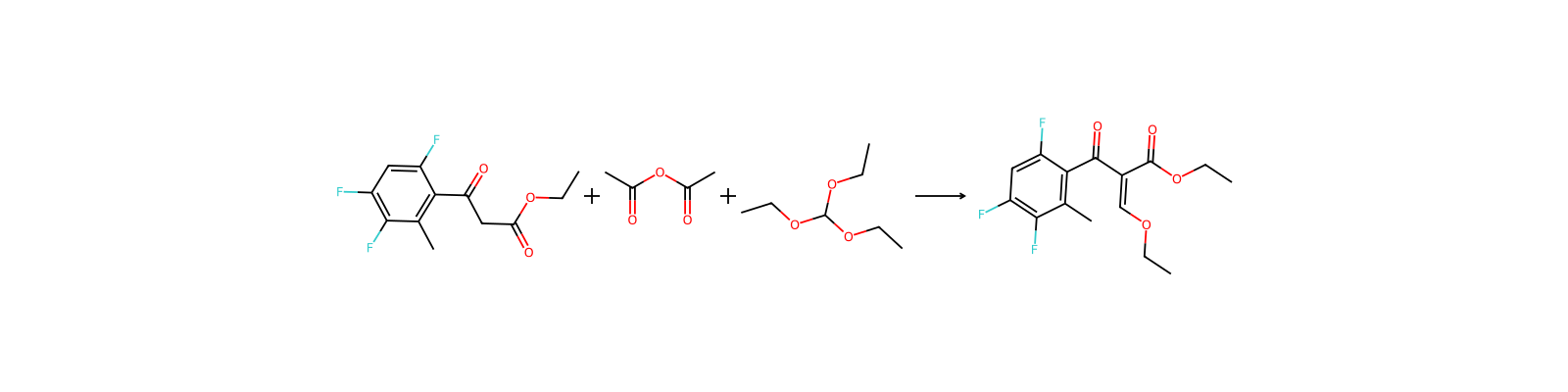
23,256건


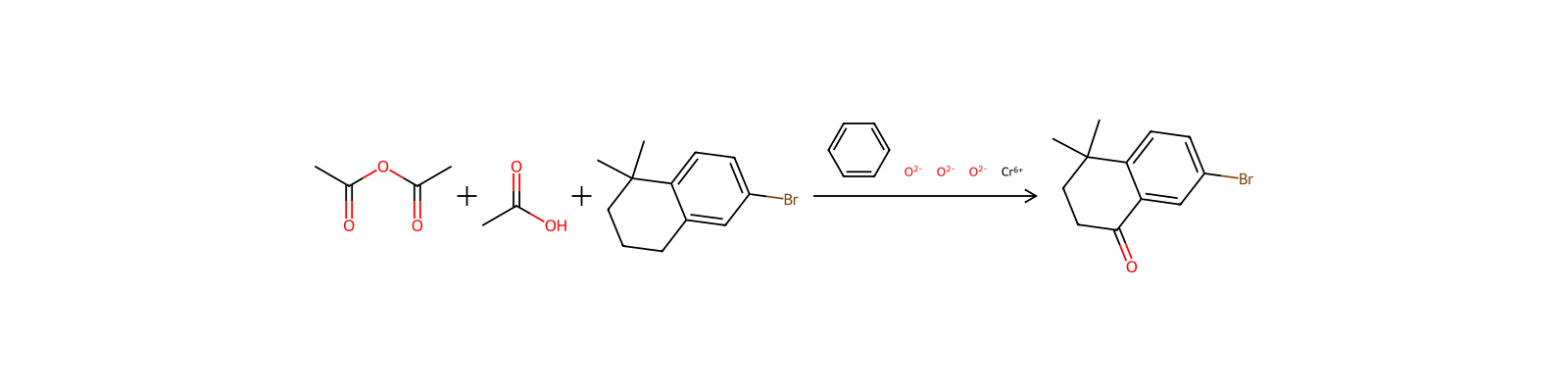
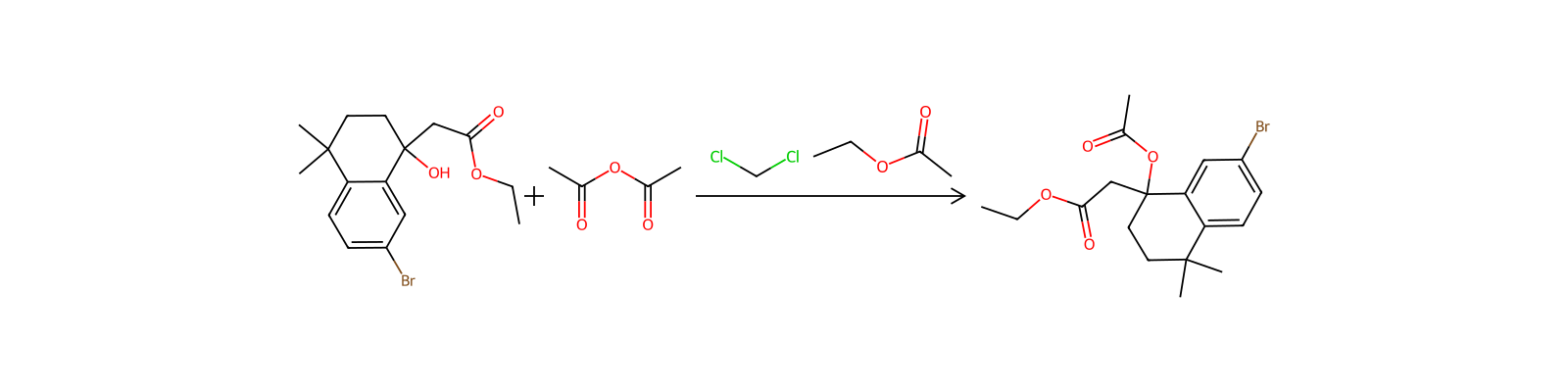
연결된 노트
불러오는 중…