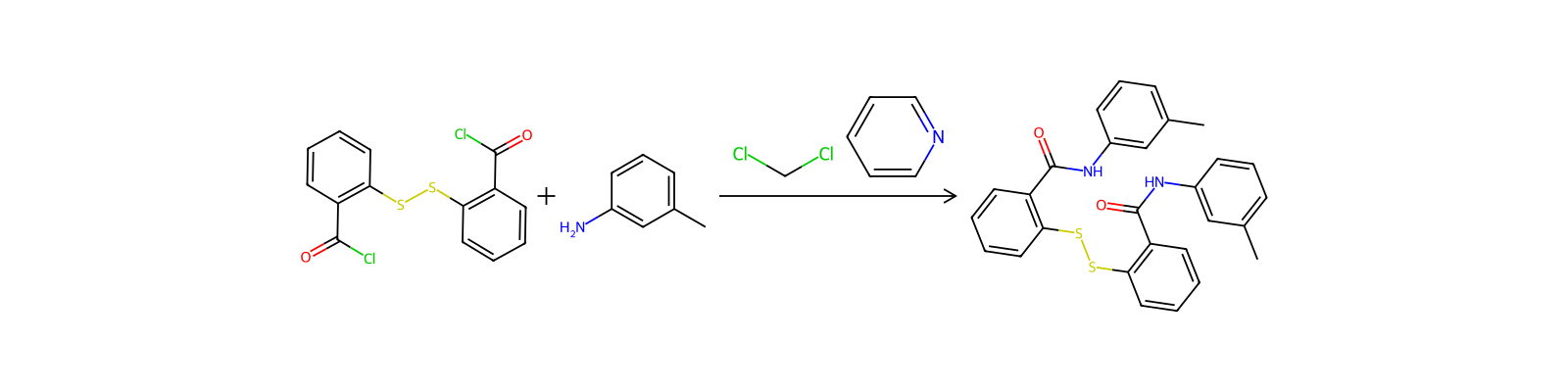

기본 정보
- 표준 SMILES
Cc1cccc(N)c1- InChIKey
JJYPMNFTHPTTDI-UHFFFAOYSA-N- 분자식
- C7H9N
- 평균 분자량
- 107.15 g/mol
- 단동위원소 질량
- 107.07349929
개요
M-toluidine appears as a clear colorless liquid. Flash point below 200 °F. Vapors heavier than air. Toxic by inhalation, ingestion, and skin absorption in high concentrations or under prolonged exposures. Used in the manufacture of organic chemicals. Density about 8 lb / gal.
이름 및 식별자
- 우선 이름
- m-Toluidine
- IUPAC
- 3-methylaniline
- 현지명
- m-톨루이딘
- 영어명
- m-Toluidine
- 분자식
- C7H9N
- 분자량
- 107.15
이름 및 동의어
m-Toluidine3-Methylaniline108-44-13-Toluidine3-AMINOTOLUENEm-MethylanilineBenzenamine, 3-methyl-m-Aminotoluenem-Tolylaminem-Toluidin3-Methylbenzenamine3-Aminophenylmethane
이름 더 보기
3-아미노톨루엔m-톨루이딘메타-톨루이딘(m-메틸페닐)아민1-아미노-3-메틸벤젠3-메틸벤젠아민3-메틸아닐린3-메틸페닐아민3-아미노페닐메테인3-톨루이딘m-메틸아닐린m-아미노톨루엔m-톨릴아민액체 톨루이딘 혼합물META TOLUIDINE3-METHYLALANINEM-Toluidine, 99% 5ML
1-Amino-3-methylbenzeneAniline, 3-methyl-m-Methylbenzenamine3-Aminotoluen3-Amino-1-methylbenzene3-methylphenylaminem-ToluidynaDTXSID1026792
데이터베이스 식별자
- CAS
108-44-1- PubChem CID
- 7934
- DTXSID
DTXSID1026792- ChEMBL
CHEMBL3182179- ChEBI
CHEBI:234575- UNII
- 006FKQ96T3
- EC Number
- 203-583-1
- Nikkaji
- J3.249B
물성
구조 계산 물성
- XLogP
- 1.4
- 극성 표면적
- 26 Ų
- 수소 결합 공여자 수
- 1
- 수소 결합 수용자 수
- 1
- 회전 가능 결합 수
- 0
- 무거운 원자 수
- 8
- 형식 전하
- 0
- 복잡도
- 70.8
실험 및 물리화학적 성질
Chemical Classes
Nitrogen Compounds -> Amines, Aromatic
Flammable agents - 2nd degree
SpringerMaterials Properties13C nuclear magnetic resonance spectrum
PesticidesEnvironmental transformation -> Pesticide transformation products (metabolite, successor)
LogP
log Kow = 1.40
1.40
1.49
OdorAromatic, amine-like odor
Density
0.989 at 68 °F (USCG, 1999) - Less dense than water; will float
0.9889 g/cu cm at 20 °C
Relative density (water = 1): 0.99
0.989
0.989 @25 °C
0.999
Viscosity3.306 mPa-sec at 25 °C
Color/FormColorless to light yellow liquid
Solubility
2 % (NIOSH, 2024)
Very soluble in acetone, benzene, diethyl ether, ethanol
Soluble in alcohol, ether, dilute acids
In water, 1.50X10+4 mg/L at 20 °C
Solubility in water, g/100ml at 25 °C: 0.1 (poor)
2%
Flash Point
186 °F (USCG, 1999)
187 °F
187 °F (86 °C) (Closed cup)
85 °C c.c.
187 °F
187 °F
Boiling Point
398.1 °F at 760 mmHg (USCG, 1999)
203.3 °C
203 °C
398.1 °F
203.3 °C @760 [mm Hg]
397 °F
DecompositionWhen heated to decomposition it emits highly toxic fumes of /nitroxides/.
물리화학적 성질
- 녹는점
- -30 °C · -30 °C
- 끓는 점
- 203 · 203-204 °C(lit.)
- 밀도
- 0.999 g/mL · 0.999 g/mL at 25 °C(lit.)
- 증기압
- 0.3 hPa · 0.3 hPa (20 °C)
- 굴절률
- 20 · n20/D 1.567(lit.)
- 인화점
- 186 °F · 186 °F
- 저장 조건
- 30 °C · Store below +30°C.
- 용해도
- 0.2 g/100mL · 0.2g/100mL(20°C)
- 산도 계수 (pKa)
- 4.73 · 4.73(at 25℃)
- 물리적 상태
- 결정질 고체 또는 액체
- 색상
- 하얀색
- 냄새
- 방향족 아닐린 같은 냄새
- 수소이온지수(pH)
- 7 · 7 (H2O, 20℃)
- 수용성
- 0.2 g/100mL · 0.2g/100mL(20℃)
- 비열
- 1.17 J/ · Cp(gas): 1.17 J/(g·K), at 25℃
- Merck
- 14 · 14,9536
- BRN
- 635944 · 635944
- Henry's Law Constant
- 5.6 · 5.6×100 mol/(m3Pa) at 25℃, Brockbank (2013)
- Dielectric constant
- 5.95 · 5.9500000000000002
- InChI
- 1S/C7H9N/c1-6-3-2-4-7(8)5-6/h2-5H,8H2,1H3
- InChIKey
- JJYPMNFTHPTTDI-UHFFFAOYSA-N
- SMILES
- Cc1cccc(N)c1
- LogP
- 1.4 at · 1.4 at 25℃
- NIST
- 3 · Benzenamine, 3-methyl-(108-44-1)
- EPA
- m-Toluidine (108-44-1)
화학적 성질
Colorless liquid. Slightly soluble in water; soluble in alcohol or ether. Combustible.
안전 및 규제
GHS 분류
GHS Classification
Danger
H301: Toxic if swallowed [Danger Acute toxicity, oral]
P260, P261, P262, P264, P270, P271, P273, P280, P301+P316, P302+P352, P304+P340, P316, P319, P321, P330, P361+P364, P391, P403+P233, P405, and P501 (click each P-code to see the statement)
Danger
H301+H311+H331 (15.7%): Toxic if swallowed, in contact with skin or if inhaled [Danger Acute toxicity, oral; acute toxicity, dermal; acute toxicity, inhalation]
P260, P261, P262, P264, P264+P265, P270, P271, P273, P280, P301+P316, P302+P352, P304+P340, P305+P351+P338, P316, P319, P321, P330, P337+P317, P361+P364, P391, P403+P233, P405, and P501 (click each P-code to see the statement)
유해성 정보
Regulatory Information
Chemical: Benzenamine, 3-methyl-
Commission Regulation No 844/2012
Benzenamine, 3-methyl- is listed on the EPA's Chemical Data Reporting (CDR) system. Manufacturers and importers of Benzenamine, 3-methyl- are required to report information about their production and use of this chemical to the EPA under the Toxic Substances Control Act (TSCA). (40 eCFR Part 711)
Status: Active Update: 28-01-2022 https://echa.europa.eu/registration-dossier/-/registered-dossier/18872
3-Toluidine: Does not have an individual approval but may be used under an appropriate group standard
The New Jersey Worker and Community Right to Know Act requires public and private employers to provide information about hazardous substances at their workplaces. (N.J.S.A. 34:5A-1 et. seq.)
DOT LabelPoison
Fire Hazards
Special Hazards of Combustion Products: Toxic oxides of nitrogen and flammable vapors may form in fire. (USCG, 1999)
Combustible. Gives off irritating or toxic fumes (or gases) in a fire. Above 85 °C explosive vapour/air mixtures may be formed.
Fire PotentialFlammable when exposed to heat or flame.
Health Hazards
Absorption of toxic quantities by any route causes cyanosis (blue discoloroation of lips, nails, skin); nausea, vomiting, and coma may follow. Repeated inhalation of low concentrations may cause pallor, low-grade secondary anemia, fatigability, and loss of appetite. Contact with eyes causes irritation. (USCG, 1999)
Hazards Summary
The toxicity of m-toluidine is similar to that of o-toluidine. Given intravenously to cats, a dose of 27 mg/kg induces 60% methemoglobinemia. Methemoglobinemia and anemia have been reported after occupational exposure. Listed in the table Examples of Industrial Chemicals for Which Methemoglobin Formation is NOT the Principal Cause of Toxicity; [ACGIH] Solid form causes first degree burns on short exposure; [CHRIS] A skin and eye irritant; Can induce methemoglobinemia; [ICSC]
DOT ID and Guide1708 153
Reactive GroupAmines, Aromatic
EC ClassificationSymbol: T, N; R: 23/24/25-33-50; S: (1/2)-28-36/37-45-61
UN ClassificationUN Hazard Class: 6.1; UN Pack Group: II
Special Reports
Organization for Economic Cooperation and Development; Screening Information Data Set for m-Toluidine (108-44-1) (September 2000). This OECD Initial Assessment of HPV Chemicals is part of a series of OECD SIDS documents published by UNEP Chemicals to facilitate the access to information needed for health and environmental risk assessments of chemicals.[Available from, as of April 30, 2010: http://www.chem.unep.ch/irptc/sids/OECDSIDS/sidspub.html]
European Commission, ESIS; IUCLID Dataset, m-Toluidine (108-44-1) (2000 CD-ROM edition) contains information on use, toxicology, and environmental effects of this chemical as supplied to the European Union by industry.[Available from, as of April 30, 2010: http://esis.jrc.ec.europa.eu/]
TSCA Requirements
Section 8(a) of TSCA requires manufacturers of this chemical substance to report preliminary assessment information concerned with production, exposure, and use to EPA as cited in the preamble in 51 FR 41329. Effective date 3/11/94; Reporting date: 5/10/94.
Pursuant to section 8(d) of TSCA, EPA promulgated a model Health and Safety Data Reporting Rule. The section 8(d) model rule requires manufacturers, importers, and processors of listed chemical substances and mixtures to submit to EPA copies and lists of unpublished health and safety studies. m-Toluidine is included on this list. Effective date: 3/11/94; Sunset date: 6/30/98.
안전 및 보호
Fire Fighting
Excerpt from ERG Guide 153 [Substances - Toxic and/or Corrosive (Combustible)]:
Use water spray, foam, powder, carbon dioxide. In case of fire: keep drums, etc., cool by spraying with water.
First Aid Measures
Fresh air, rest. Artificial respiration may be needed. Refer immediately for medical attention.
Remove contaminated clothes. Rinse and then wash skin with water and soap. Refer immediately for medical attention.
Rinse with plenty of water (remove contact lenses if easily possible). Refer immediately for medical attention.
Rinse mouth. Refer immediately for medical attention.
First Aid
Excerpt from NIOSH Pocket Guide for m-Toluidine:
(General first aid procedures)
Safe StorageProvision to contain effluent from fire extinguishing. Separated from strong oxidants, strong acids and food and feedstuffs. Well closed. Ventilation along the floor. Keep in the dark. Store in an area without drain or sewer access.
Exposure Control and Personal ProtectionBiological Exposure Indices (BEI) [ACGIH] - Methemoglobin in blood = 1.5% of hemoglobin during or at end of shift. [ACGIH]
Fire Fighting Procedures
To fight fire, use foam, carbon dioxide, dry chemical.
If material on fire or involved in fire: Use water in flooding quantities as fog. Solid streams of water may spread fire. Cool all affected containers with flooding quantities of water. Apply water from as far a distance as possible. Use foam, dry chemical, or carbon dioxide. /Toluidines, liquid or solid/
Wear positive pressure self-contained breathing apparatus when fighting fires involving this material. /Toluidines, liquid or solid/
Storage Conditions/Store/ separated from strong oxidants, strong acids, food and feedstuffs. Cool. Dry. Well closed. Ventilation along the floor.
Cleanup MethodsCollect leaking and spilled liquid in sealable containers as far as possible. Absorb remaining liquid in sand or inert absorbent and remove to safe place.
Nonfire Spill ResponseExcerpt from ERG Guide 153 [Substances - Toxic and/or Corrosive (Combustible)]:
Disposal Methods
SRP: The most favorable course of action is to use an alternative chemical product with less inherent propensity for occupational harm/injury/toxicity or environmental contamination. Recycle any unused portion of the material for its approved use or return it to the manufacturer or supplier. Ultimate disposal of the chemical must consider: the material's impact on air quality; potential migration in soil or water; effects on animal and plant life; and conformance with environmental and public health regulations.
Toluidine is a waste chemical stream constituent which may be subjected to ultimate disposal by controlled incineration. Controlled incineration (oxides of nitrogen are removed from the effluent gas by scrubbers and/or thermal devices). /Toluidine/
The following wastewater treatment technologies have been investigated for m-aminotoluene: concentration process: biological treatment.
Spillage Disposal
Personal protection: complete protective clothing including self-contained breathing apparatus. Do NOT let this chemical enter the environment. Collect leaking liquid in sealable containers. Absorb remaining liquid in sand or inert absorbent. Then store and dispose of according to local regulations.
Preventive Measures
If material not on fire and not involved in fire: Keep sparks, flames, and other sources of ignition away. Keep material out of water sources and sewers. Build dikes to contain flow as necessary. Attempt to stop leak if without undue personnel hazard. /Toluidines, liquid or solid/
Personnel protection: Avoid breathing vapors. Keep upwind. /Toluidines, liquid or solid/
The worker should immediately wash the skin when it becomes contaminated.
Work clothing that becomes wet or significantly contaminated should be removed and replaced.
For more Preventive Measures (Complete) data for 3-Aminotoluene (8 total), please visit the HSDB record page.
독성 정보
Target OrgansEyes, skin, blood, cardiovascular system
Ecotoxicity Values
LD50 Agelaius phoenicus (Redwing blackbird) oral 242 mg/kg bw
LD50 Sturnus vulgaris (European starling) oral >1,000 mg/kg bw
LD50 Coturnix coturnix (quail) oral 562 mg/kg bw
LC50; Species: Oryzias latipes (Japanese medaka); Conditions: semi-static, open system; Concentration: 190 mg/L for 24 hr
For more Ecotoxicity Values (Complete) data for 3-Aminotoluene (28 total), please visit the HSDB record page.
Environmental Fate
TERRESTRIAL FATE: Based on a classification scheme(1), an average Koc value of 44 measured in four silt loam soils(2), indicates that 3-aminotoluene is expected to have very high mobility in soil(SRC). The pKa of 3-aminotoluene is 4.69(3), indicating that this compound will partially exist in cation form in the environment and cations generally adsorb more strongly to soils containing organic carbon and clay than their neutral counterparts(4). Volatilization of 3-aminotoluene from moist soil surfaces is expected to be an important fate process for the neutral species(SRC) given a Henry's Law constant of 1.66X10⁻⁶ atm-cu m/mole(5). 3-Aminotoluene is not expected to volatilize from dry soil surfaces(SRC) based upon a vapor pressure of 0.303 mm Hg at 25 °C(6). Complete degradation of 3-aminotoluene was obtained within 8 days with a soil inoculum(7), suggesting that 3-aminotoluene will be readily biodegradable in the terrestrial environment. Additionally, aromatic amines undergo soil- and clay-catalyzed free radical oxidations(8,9). They are also readily oxidized by metal ions that may occur in soil(10).
AQUATIC FATE: Based on a classification scheme(1), an average Koc value of 44 measured in four silt loam soils(2), indicates that 3-aminotoluene is not expected to adsorb to suspended solids and sediment(SRC). Volatilization of the neutral species from water surfaces is expected(3) based upon a Henry's Law constant of 1.66X10⁻⁶ atm-cu m/mole(4). Using this Henry's Law constant and an estimation method(3), volatilization half-lives for a model river and model lake are 23 and 170 days, respectively(SRC). According to a classification scheme(5), an estimated BCF of 3.9(SRC), from a log Kow of 1.40(6) and a regression-derived equation(7), suggests the potential for bioconcentration in aquatic organisms is low(SRC). 3-Aminotoluene reached 50% of its theoretical BOD in 5 days using water inoculum(8) and 97.7% degradation occurred in 5 days using activated sludge inoculum(9), suggesting that 3-aminotoluene will be readily biodegradable in the aquatic environment. Additionally, aromatic amines are readily oxidized by metal ions that may occur in natural waters(10).
ATMOSPHERIC FATE: According to a model of gas/particle partitioning of semivolatile organic compounds in the atmosphere(1), 3-aminotoluene, which has a vapor pressure of 0.303 mm Hg at 25 °C(2), is expected to exist solely as a vapor in the ambient atmosphere. Vapor-phase 3-aminotoluene is degraded in the atmosphere by reaction with photochemically-produced hydroxyl radicals(SRC); the half-life for this reaction in air is estimated to be 1.9 hours(SRC), calculated from its rate constant of 2.0X10⁻¹⁰ cu cm/molecule-sec at 25 °C(SRC) that was derived using a structure estimation method(3). 3-Aminotoluene has a UV absorption band at 286 nm(4) and therefore may be susceptible to direct photolysis by sunlight(SRC).
Food Survey Values
In a German survey of primary and secondary amines in the human environment, no 3-aminotoluene was reported in samples of preserved vegetables, maize, salad, rhubarb, and apples, pickles, fish, cheese, bread, coffee, tea, cocoa, wine, malt, hops, barley, or animal feed(1).
Adverse EffectsMethemoglobinemia - The presence of increased methemoglobin in the blood; the compound is classified as secondary toxic effect
Exposure Routes
The substance can be absorbed into the body by inhalation, through the skin and by ingestion.
inhalation, skin absorption, ingestion, skin and/or eye contact
Toxicity Summary
Human Health. Although the metabolites, 2-amino-4-methylphenol and 4-amino-2-methylphenol were identified in the rat urine with a small amount of the parent compound, there is not sufficient information on metabolism and toxicokinetics. Acute toxicity of m-toluidine is low because the oral LD50 values in rat, mouse and rabbit are from 450 to 1,430 mg/kg. This chemical is slightly irritating to skin and moderately irritating to eyes. There is no information available on skin sensitization. In accordance with an OECD combined repeat dose and reproductive/developmental toxicity screening test [TG 422], m-toluidine was given to Crj: CD (SD) male and female rats by gavage at doses of 0, 30, 100, 300 mg/kg/day for at least 41 days. The critical effect at 100 and 300 mg/kg is a hemolytic anemia, revealed by reduction of erythrocyte counts and hemoglobin concentration, and histological changes such as pigment deposit and extramedullary hematopoiesis in liver and spleen. Other toxicity is renal tubular epithelium lesions accompanied with pigment deposit in kidney. As there is suggestive evidence of hemolytic anemia such as marginal pigment deposit and extramedullary hematopoiesis in spleen at the lowest dose of 30 mg/kg, probably caused by methemoglobin formation, LOAEL for repeat dose toxicity was 30 mg/kg/day. In the above screening test [OECD TG 422], m-toluidine was given from 14 days before mating to 14 days after mating in males and from 14 days before mating to day 3 of lactation in females. As implantation losses were found in all animals at 300 mg/kg and two of ten at 100 mg/kg but not at 30 mg/kg, NOAEL for reproductive toxicity is 30 mg/kg/day. The death of all pups or more than half the number of pups observed at 30 and 100 mg/kg/day is considered as the result of maternal toxicity because there is clear evidence of the lack of the nursing activity, probably due to anemia, and all live offsprings of 30 and 100 mg/kg had normally developed up to 4 days. Therefore the NOAEL for developmental toxicity is considered to be 100 mg/kg/day. Bacterial genotoxicity studies show negative results in S. typhimurium and E. coli with and without metabolic activation. In chromosomal aberration test conducted in cultured Chinese hamster lung (CHL/IU) cells by OECD TG 473, clastogenicity was not observed but significant increase of polyploidy (0.9 to 1.25 %) was found at the highest concentration. However, this result was considered not to be positive because it was within historical control and generally accepted criteria of significance (5 %). Two kinds of in vivo studies, sister chromatid exchange and inhibition of DNA-synthesis, also show negative results. Therefore m-toluidine is considered not to be genotoxic. Tumors were not observed in dietary study of male rats at 9,400 ppm and male and female mice at 14,700 and 20,400 ppm, respectively. However, the carcinogenicity in rodents is inconclusive because the experimental conditions were insufficient compared to a current carcinogenicity testing protocol. Environment. This chemical is mainly persistent in water and it will be transported to water compartment when released to other environmental compartments. The chemical is not readily biodegradable, and its bioaccumulation potential is low. This chemical has been tested in a limited number of aquatic species. For algae, 72 hr EC50 (biomass change in Selenastrum capricornutum) is 17.7 mg/L. For Daphnia, the lowest acute toxicity value is 0.73 mg/L (48 hr EC50 for immobilization), and the lowest chronic value is 0.01 mg/L (21d NOEC for reproduction). For fish, only acute data were available, the lowest of which is 34 mg/L (96 hr LC50, Oryzias latipes). PNEC of 0.0001 mg/L for the aquatic organisms was calculated from the lowest chronic value (NOEC for Daphnia; 0.01 mg/L) using an assessment factor of 100. Toxicity of this chemical to aquatic organisms, specially against Daphnia, is high. Exposure. The production volume of m-toluidine in Japan was less than 100 tonnes in 1990 - 1992, and imported volume was 97-285 tonnes/year in 1988-1992, however both the production volume and imported volume in Japan in 1998 was 0 ton. This chemical is used as intermediates for pigments, photography agents and others. This chemical is stable in neutral or alkaline solutions, and is classified as "not readily biodegradable". Direct photodegradation is expected. The half-life is estimated to be about 4 months. A generic fugacity model (Mackey level III) shows this chemical would be distributed mainly to water. In the monitoring study of the general environment in Japan in 1977, m-toluidine was detected from surface water and sediment, but in the monitoring study in 1999, it was not detected in water, sediment or air. According to a Japanese manufacturer, 400 kg/year (estimated) of m-toluidine are released with 1 x 10+7 tonnes/year of effluent into bay. Local predicted environmental concentration (PEClocal) is 4.0 x 10⁻⁵ mg/L, employing the calculation model. The highest exposure to the general population via the environment would be expected through drinking water processed from surface water. The concentration in drinking water is assumed to be less than 4.0 x 10⁻⁵ mg/L. Consumer exposure is negligible because m-toluidine is not contained in consumer products. As m-toluidine is mainly produced in a closed system, occupational exposures at production sites may occur by the inhalation and dermal route. Estimated human exposure for a worker who operates sampling (0.1 hr/day), drum filling (1.5 hr/day), and reaction vessel cleaning (2 day/year) without protective equipment is less than 0.21 mg/kg/day. By wearing chemical cartridge respirator during these operations, and ventilation systems during the filling process, exposure level is lower than the estimation.
Signs and Symptoms
Blue lips, fingernails and skin. Confusion. Dizziness. Headache. Shortness of breath. Weakness. Convulsions. Nausea. Unconsciousness.
Redness. Further see Inhalation.
Redness. Pain.
Blue lips, fingernails and skin. Dizziness. Headache. Laboured breathing. Further see Inhalation.
irritation eyes, skin; dermatitis; hematuria (blood in the urine), methemoglobinemia; cyanosis, nausea, vomiting, low blood pressure, convulsions; anemia, lassitude (weakness, exhaustion)
ICSC Environmental DataThe substance is very toxic to aquatic organisms. It is strongly advised not to let the chemical enter into the environment.
Soil Adsorption/Mobility
The mean Koc of 3-aminotoluene in 4 silt loam soils was 44 over a pH range of 6.1 to 7.5(1). According to a classification scheme(2), this Koc value suggests that 3-aminotoluene is expected to have very high mobility in soil. The pKa of 3-aminotoluene is 4.69(3), indicating that this compound will partially exist in cation form in the environment and cations generally adsorb more strongly to soils containing organic carbon and clay than their neutral counterparts(4). Aromatic amines are expected to bind strongly to humus or organic matter in soils due to the high reactivity of the aromatic amino group(5,6), suggesting that mobility of the neutral species may be much lower in some soils(SRC).
Human Toxicity Excerpts
/HUMAN EXPOSURE STUDIES/ An exposure of 40 ppm (176 mg/cu m) in atmosphere for 60 min produced severe intoxication in persons.
/SIGNS AND SYMPTOMS/ Inhalation: Blue lips or finger nails. Blue skin. Dizziness. Headache. Laboured breathing. Shortness of breath. Weakness. Skin: May be absorbed. Redness. Blue lips or fingernails. Blue skin. Eyes: Redness. Pain. Ingestion: Blue lips or fingernails. Blue skin. Dizziness. Headache. Labored breathing ... The substance may have effects on the blood, resulting in formation of methemoglobin.
/SIGNS AND SYMPTOMS/ Symptomatology: Lips, tongue and mucous membranes navy blue to black; skin slate gray, all without signs of cardiac or pulmonary insufficiency. Severe headache, nausea, sometimes vomiting, dryness of throat. Central nervous symptoms: confusion, ataxia, vertigo, tinnitus, weakness, disorientation, lethargy, drowsiness, and finally coma. Convulsions may occur but appear to be uncommon. Cardiac effects: heart blocks, arrhythmias, and shock. Death, although uncommon, is usually due to cardiovascular collapse and not resp paralysis. Urinary signs and symptoms may incl painful micturition, hematuria, hemoglobinuria, and renal insufficiency (usually mild). A late acute hemolytic episode should be anticipated at 6 to 8 days after ingestion. /Aniline/
/EPIDEMIOLOGY STUDIES/ Epidemiological aspects of aromatic amine cancers are discussed. Industrial exposure to aromatic amines has been linked with occupational bladder cancer since the end of the last century. Aromatic amines of industrial importance such as 1-naphthylamine, 1-naphthylthiourea, benzidine, 4-biphenylamine, 4,4'-methylenedianiline, 3,3'-dichlorobenzidine, diphenylamine, toluidine, o-toluidine, and p-toluidine are discussed. The epidemiology of bladder cancer is reviewed. Data for the United States in 1981 showes age adjusted incidence rates of bladder cancer per 100,000 of the male population ranging from 7.5 in Puerto Rico to 17.1 in Connecticut. It is noted that the incidence of bladder cancer has been increasing. The epidemiology of industrial bladder cancer is discussed. The historical development of bladder cancer epidemiology is summarized. Studies in the United Kingdom have indicated that 2-naphthylamine is the major carcinogenic amine in the British dyestuffs industry. ... Screening as a means of protecting workers at risk is discussed.
For more Human Toxicity Excerpts (Complete) data for 3-Aminotoluene (11 total), please visit the HSDB record page.
Artificial Pollution Sources3-Aminotoluene's production and use in the manufacture of photographic agents(1), various dyes and other organic chemicals(2) may result in its release to the environment through various waste streams(SRC).
규제 정보
TSCA Requirements
Section 8(a) of TSCA requires manufacturers of this chemical substance to report preliminary assessment information concerned with production, exposure, and use to EPA as cited in the preamble in 51 FR 41329. Effective date 3/11/94; Reporting date: 5/10/94.
Pursuant to section 8(d) of TSCA, EPA promulgated a model Health and Safety Data Reporting Rule. The section 8(d) model rule requires manufacturers, importers, and processors of listed chemical substances and mixtures to submit to EPA copies and lists of unpublished health and safety studies. m-Toluidine is included on this list. Effective date: 3/11/94; Sunset date: 6/30/98.
Atmospheric Standards
This action promulgates standards of performance for equipment leaks of Volatile Organic Compounds (VOC) in the Synthetic Organic Chemical Manufacturing Industry (SOCMI). The intended effect of these standards is to require all newly constructed, modified, and reconstructed SOCMI process units to use the best demonstrated system of continuous emission reduction for equipment leaks of VOC, considering costs, non air quality health and environmental impact and energy requirements. Toluidines are produced, as an intermediate or a final product, by process units covered under this subpart. /Toluidines/
안전 데이터
- wgk
- 2
- tsca
- TSCA listed
- rtecs
- XU2800000
- ridadr
- UN 1708 6.1/PG 2
- HS 번호
- 29214300
- risk_code
- 45-23/24/25-33-50
- hazard_code
- T,N
- safety_code
- 53-28-36/37-45-61-28A
- 포장분류
- II
- 위험 등급
- 6.1
- 기존화학 물질
- KE-23447
- F 고인화성물질
- 8-23
- 위험 참고 사항
- Toxic
- 자연 발화 온도
- >500 °C
- Hazard Classifications
- Acute Tox. 3 DermalAcute Tox. 3 InhalationAcute Tox. 3 OralAquatic Acute 1Aquatic Chronic 1STOT RE 2
- 스토리지 클래스
- 6.1A - Combustible acute toxic Cat. 1 and 2very toxic hazardous materials
- 유해 물질 데이터
- 108-44-1(Hazardous Substances Data)
- 함량 및 규제정보
- 물질구분: 유독물질; 혼합물(제품)함량정보: 톨루이딘과 그 염류 및 그 중 하나를 25% 이상 함유한 혼합물. 다만, o-톨루이딘(o-Toluidine)의 경우 이를 0.1% 이상 함유한 혼합물
- 유해화학물질 필터링
- 97-1-300
화학 및 산업
약리 정보
Metabolism/Metabolites
Two metabolites, 2-amino-4-methylphenol and 4-amino-2-methylphenol, were identified after hydrolysis of the urine extract /from rats (strain not given)/..
The binding of monocyclic aromatic amines to hemoglobin was studied in vivo. Female Wistar rats were administered aniline, N-methylaniline, N,N-dimethylaniline, o-toluidine, m-toluidine, p-toluidine, 2,4-dimethylaniline, 2,4,5-trimethylaniline, p-chloroaniline 3,4-dichloroaniline, 4-chloro-o-toluidine, 5-chloro-o-toluidine, or 6-chloro-o-toluidine by gavage. Blood samples were collected 24 hr later and the hemoglobin was isolated. The hemoglobin samples were extracted with hexane, hydrolyzed with sodium hydroxide, and the amount of each amine recovered was determined by gas chromatography. The extent of amine/hemoglobin binding was determined by computing hemoglobin binding indices (HBIs) from the administered doses and the amount of amine recovered. Female B6C3F1 mice were administered aniline, o-toluidine, p-chloroaniline, 4-chloro-o-toluidine, or 5-chloro-o-toluidine. The extent of amine/hemoglobin binding was determined as before. Rats were given 2,4-dimethylaniline, aniline, 5-chloro-o-toluidine, 4-aminobiphenyl, or p-chloroaniline, and the extent of methemoglobin formation was determined. In rats hydrolysis of the hemoglobin yielded only one cleavage product, the parent amine, in each case. An additional signal was seen in the chromatogram in the case of 6-chloro-o-toluidine. The hemoglobin binding indices ranged from 0.7 for 2,4,5-trimethylaniline to 569 for p-chloroaniline. The binding of aniline, o-toluidine, p-chloroaniline, 4-chloro-o-toluidine, and 5-chloro-o-toluidine in mice was significantly lower than in rats. The extent of amine/hemoglobin binding in rats correlated well with the maximum concentrations of methemoglobin. /Results indicate/ that determining hemoglobin adducts may be useful for monitoring occupational exposure to amines.
30 min after a single intravenous administration of 0.77 mmol (= 111.1 mg) m-toluidine-HCl/kg bw to dogs, a maximum concentration of 3.5 ug m-nitrosotoluene/mL blood was reached. 5 hours after the injection the concentration of m-nitrosotoluene was still about 1 ug/mL blood. /m-Toluidine hydrochloride/
In vitro, the p-hydroxylation of m-toluidine by rabbit liver microsomes was measured with a specific activity of 0.43 nmol/min and mg microsomal protein.
For more Metabolism/Metabolites (Complete) data for 3-Aminotoluene (8 total), please visit the HSDB record page.
Absorption, Distribution and Excretion
After a single oral administration of 500 mg m-toluidine to rats (strain not given), only 2.5% of the unchanged compound was recovered from the urine for 24 hrs and two metabolites, 2-amino-4-methylphenol and 4-amino-2-methylphenol were identified after hydrolysis of the urine extract. However, there is no information on the quantitative metabolism and excretion. After dermal application to rats, m-toluidine was dose-dependently detected in the blood. In the case of a single iv injection of 111.1 mg m-toluidine-HCl/kg bw to dogs, the metabolite, m-nitrosotoluene in blood reached to a maximum concentration of 3.5 ug/mL at 30 min and still remained at approx. 1 ug/mL at 5 hrs.
m-Toluidine was detected in the blood plasma of rats after dermal application (tail). The plasma levels correlated with the dose-level.
... Absorbed by skin.
Absorbed via respiratory tract.
Urinary levels in rats of o-, m-, and p-toluidine (20, 100, or 200 mg/kg, intragastric administration) were positively correlated with the toluidine dose; 26, 10, and 10% of the unchanged toluidines, respectively, were excreted after 24 hr. After chronic administration of m-toluidine, excretion rate of the unchanged toluidine increased with duration of the experiment.
용도 및 제조
Uses
Used in the production of dyes and other chemicals; [ACGIH]
Smoking cigarettes [Category: Food & Drugs]
Manufacture of various dyes and other organic chemicals.
Industry use: Intermediate for pigments, photographic agents, and others
U.S. Imports
(1972) 8.93X10+7 GRAMS
(1975) 1.94X10+8 GRAMS (PRINCPL CUSTMS DISTS)
U.S. Production
2023: 550,000 - <1,000,000 lb
(1972) PROBABLY GREATER THAN 4.54X10+5 GRAMS
(1975) PROBABLY GREATER THAN 4.54X10+5 GRAMS
Benzenamine, 3-methyl- is listed as a High Production Volume (HPV) chemical (65FR81686). Chemicals listed as HPV were produced in or imported into the U.S. in >1 million pounds in 1990 and/or 1994. The HPV list is based on the 1990 Inventory Update Rule. (IUR) (40 CFR part 710 subpart B; 51FR21438).
Production volumes for non-confidential chemicals reported under the Inventory Update Rule. [Table#3811]
Production volume for non-confidential chemicals reported under the 2006 Inventory Update Rule. Chemical: Benzenamine, 3-methyl-. Aggregated National Production Volume: 500,000 to < 1 million pounds.
Industry UsesOther
Methods of Manufacturing
The manufacture of toluidines begins with a mixed-acid (nitric/sulfuric acid) mononitration of toluene, which produces all three isomers (ortho, meta, and para), usually in the ratio 15:1: 9, respectively. Since the isomeric toluidines themselves cannot be effectively separated by distillation, distillative separation of the isomers is achieved at the nitrotoluene stage. ... High-volume manufacture of toluidines utilizes the same type of continuous vapor-phase hydrogenation process used for aniline manufacture. The catalyst include various supported metals, Raney nickel, copper, molybdenum, tungsten, vanadium, and noble metals. The catalyst is suspended in a column or bed, and a gaseous mixture of the nitrotoluene and excess hydrogen is passed over it at about 250 °C. The gaseous products are condensed, the aqueous and organic layers are separated, excess hydrogen is recycled, and the final crude product is dried and distilled.
Reduction of m-nitrotoluene
Use ClassificationEnvironmental transformation -> Pesticide transformation products (metabolite, successor)
General Manufacturing Information
Other (requires additional information)
Benzenamine, 3-methyl-: ACTIVE
응용 분야
용도m-Toluidine is an intermediate in the manu facture of dyes and other chemicals.
일반 설명A clear colorless liquid. Flash point below 200°F. Vapors heavier than air. Toxic by inhalation, ingestion, and skin absorption in high concentrations or under prolonged exposures. Used in the manufacture of organic chemicals. Density about 8 lb / gal.
제조 방법
m-Toluidine can be obtained by hydrocracking of 2,3-dimethylaniline in the presence of an alkaline nickel-magnesium catalyst.[1]
상·하류 제품 정보
상류 원료
하류 제품
공급사50 곳
国药集团化学试剂有限公司86-21-63210123 · [email protected]
梯希爱(上海)化成工业发展有限公司021-67121386 · [email protected]
衢州润东化工有限公司0570-8789886 18892685668 · [email protected]
上海阿拉丁生化科技股份有限公司400-6206333 13167063860 · [email protected]
武汉欣扬瑞和化学科技有限公司153-07155313 15307155313 · [email protected]
上海泰矶林实业有限公司02150630626 17717886015 · [email protected]
河北创海生物科技有限公司+86-86-13131129325 · [email protected]
Dayang Chem (Hangzhou) Co.,Ltd.+86-0571-88938639 17705817739 · [email protected]
宜兴市文成化工有限公司13961572207 13961572207 · [email protected]
Syntechem Co.,Ltd[email protected]
上海迈瑞尔生化科技有限公司4006356688 18621169109 · [email protected]
天津中信凯泰化工有限公司022-66880623 · [email protected]
阿法埃莎(中国)化学有限公司400-6106006 · [email protected]
安耐吉化学&3A(安徽泽升科技股份有限公司)400-0056266 · [email protected]
武汉凯威斯科技有限公司86-027-67849912 · [email protected]
上海瀚鸿科技股份有限公司021-54306202 13764082696 · [email protected]
上海沃化化工有限公司021-57681602-802 17302146015 · [email protected]
上海景颜化工科技有限公司13817811078 · [email protected]
山东西亚化学有限公司13355009207 13355009207 · [email protected]
玛雅试剂+86 (573) 82222445 (0)18006601000 452520369 · [email protected]
四川库利南科技有限公司400-1166-196 18981987031 · [email protected]
天津希恩思生化科技有限公司400 638 7771 · [email protected]
Xiamen AmoyChem Co., Ltd+86-86-5926051114 · [email protected]
斯百全化学(上海)有限公司021-021-021-67601398-809-809-809 15221380277 · [email protected]
艾科试剂4008-755-333 18080918076 · [email protected]
上海思域化工科技有限公司86-21-34053660 · [email protected]
赛默飞世尔科技(中国)有限公司800-810-5118 · [email protected]
北京伊诺凯科技有限公司400-810-7969 010-59572699 · [email protected]
上海遐瑞医药科技有限公司+86 21 61551611
江苏艾康生物医药研发有限公司025-66113011 13913916777 · [email protected]
TOKYO CHEMICAL INDUSTRY CO., LTD.03-36680489 · [email protected]
北京环宇世纪化学科技有限公司hysj_bj.com
安徽科迪达化工有限公司0554-2106669 · [email protected]
HBCChem, Inc.+1-510-219-6317 · [email protected]
日照力德士化工有限公司010-51268198 · [email protected]
美岚实业(上海)有限公司021-58958189 · [email protected]
上海石洋化工有限公司021-56795766 · [email protected]
上海爱蝶实业有限公司021-58957966 18930537195 · [email protected]
成都零六生物科技有限公司400-1166-196 13458535857 · [email protected]
广拓化学(上海)有限公司021-60899189-8001 18918189673 · [email protected]
上海麦克林生化科技股份有限公司15221275939 15221275939 · [email protected]
杭州杰恒化工有限公司0571-87396432 · [email protected]
上海嵩爰化工科技有限公司010-1234567 18521000990 · [email protected]
上海有朋化工有限公司021-69005955 13701776567 · [email protected]
上海凯赛化工有限公司021-33516722 13701817765 · [email protected]
上海彤源化工有限公司021-021-69182866 13701855675 · [email protected]
成都润泽本土化工有限公司13096311329 028-88469284 616445927 · [email protected]
上海蓝润化学有限公司021-69515658 ; 69515628 13701998368 · [email protected]
上海容立化学科技有限公司021-69992220 13701886816 · [email protected]
上海康拓化工有限公司021-69185552 13701777608 · [email protected]
관련 반응
344건
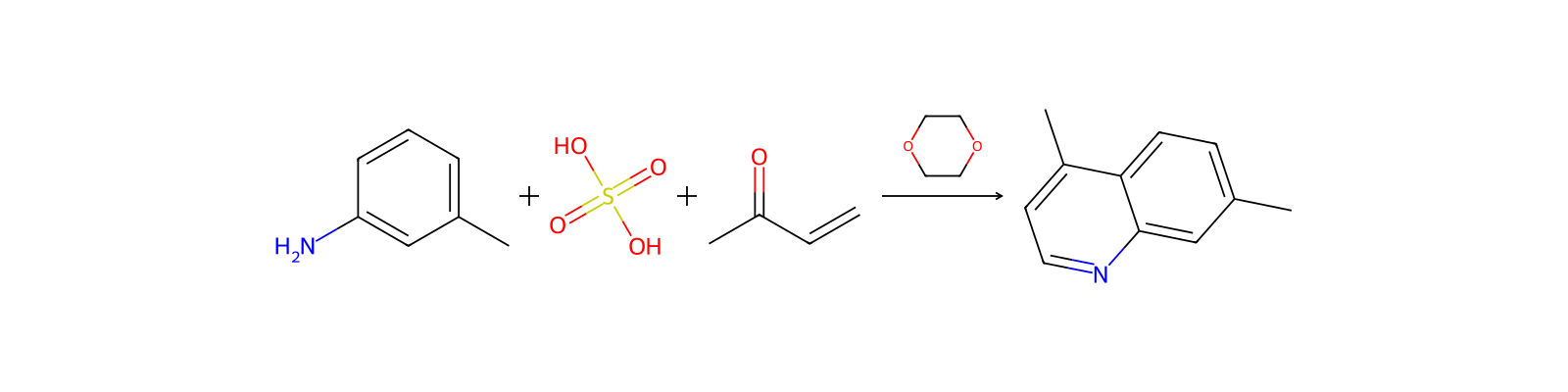


연결된 노트
불러오는 중…