홈MCP워크벤치Skills
홈워크벤치알림마이페이지
llms.txt · MCP 가이드개인정보처리방침 · 이용약관 · 지원v1.8.0
  1. 홈
  2. /화합물

2,6-루티딘

2,6-Lutidine

HCID 7937
새 노트새 반응견적 요청하기
인쇄 미리보기
기본 정보개요이름 및 식별자물성안전 및 규제화학 및 산업관련 반응화합물 노트
부분 구조 검색유사 구조 찾기

기본 정보

CAS
108-48-5
표준 SMILES
Cc1cccc(C)n1
InChIKey
OISVCGZHLKNMSJ-UHFFFAOYSA-N
분자식
C7H9N
평균 분자량
107.15 g/mol
단동위원소 질량
107.07349929

개요

Lutidine appears as a colorless liquid with a peppermint odor. Less dense than water. Vapors heavier than air. Produces toxic oxides of nitrogen during combustion. Used to make other chemicals.

이름 및 식별자

우선 이름
2,6-Lutidine
IUPAC
2,6-dimethylpyridine
현지명
2,6-루티딘
영어명
2,6-Lutidine
분자식
C7H9N
분자량
107.15

이름 및 동의어

2,6-Dimethylpyridine2,6-LUTIDINE108-48-5Pyridine, 2,6-dimethyl-alpha,alpha'-Lutidinealpha,alpha'-DimethylpyridineFEMA No. 3540DTXSID705155715FQ5D0T3PNSC-2155DTXCID1030109CHEBI:32548
이름 더 보기
2,6-루티딘2,6-Lutideneutidine2,6-LutdeineFEMA 35402,6-Lutidine 2,6-Dimethylpyridine26L
RefChem:83340203-587-3Lutidine2,6-Dimethypyridine2,6-dimethyl-pyridineHSDB 79NSC 2155MFCD00006345

데이터베이스 식별자

CAS
108-48-5
PubChem CID
7937
DTXSID
DTXSID7051557
ChEMBL
CHEMBL22976
ChEBI
CHEBI:32548
UNII
15FQ5D0T3P
EC Number
203-587-3
Nikkaji
J5.078D

물성

구조 계산 물성

XLogP
1.7
극성 표면적
12.9 Ų
수소 결합 공여자 수
0
수소 결합 수용자 수
1
회전 가능 결합 수
0
무거운 원자 수
8
형식 전하
0
복잡도
62.8

실험 및 물리화학적 성질

Chemical ClassesNitrogen Compounds -> Pyridines
SpringerMaterials Properties15N nuclear magnetic resonance spectrum
FragrancesFragrance Ingredient (2,6-Dimethylpyridine) -> IFRA transparency List
LogP · 3건

log Kow = 1.68

1.68

1.63

OdorOdor of pyridine plus peppermint
Food AdditivesFLAVORING AGENT OR ADJUVANT -> FDA Substance added to food
Density · 4건

0.9252 @ 20 °C/4 °C

DENSITY: 0.942 @ 0 °C/4 °C

0.917-0.923

0.9252 @ 20°C

Flavoring AgentsEU Flavoring substances
Color/FormOily liq
Solubility · 6건

Slightly soluble in ethanol; soluble in ethyl ether and acetone

Sol in water (% wt/wt): 27.2% @ 45.3 °C; 18.1% @ 48.1 °C; 12.1% @ 57.5 °C; 9.5% @ 74.5 °C; miscible with dimethylformamide and tetrahydrofuran

안전 및 규제

안전 정보는 참고용이며, 공급업체의 물질안전보건자료(SDS), 관련 법규 및 전문가 평가를 대체하지 않습니다.

GHS 분류

GHS Classification · 6건

Warning

H226 (100%): Flammable liquid and vapor [Warning Flammable liquids]

P210, P233, P240, P241, P242, P243, P261, P264, P264+P265, P270, P271, P280, P301+P317, P302+P352, P303+P361+P353, P304+P340, P305+P351+P338, P319, P321, P330, P332+P317, P337+P317, P362+P364, P370+P378, P403+P233, P403+P235, P405, and P501 (click each P-code to see the statement)

Aggregated GHS information provided per 338 reports by companies from 16 notifications to the ECHA C&L Inventory. Each notification may be associated with multiple companies.

Warning

H226: Flammable liquid and vapor [Warning Flammable liquids]

유해성 정보

Regulatory Information · 5건

Chemical: Pyridine, 2,6-dimethyl-

Commission Regulation (EC) No 1565/2000 (Repealed by Com. Implementing Reg. (EU) No 872/2012)

Pyridine, 2,6-dimethyl- is listed on the EPA's Chemical Data Reporting (CDR) system. Manufacturers and importers of Pyridine, 2,6-dimethyl- are required to report information about their production and use of this chemical to the EPA under the Toxic Substances Control Act (TSCA). (40 eCFR Part 711)

Status: Active Update: 28-10-2022 https://echa.europa.eu/registration-dossier/-/registered-dossier/33333

Pyridine, 2,6-dimethyl-: HSNO Approval: HSR001389 Approved with controls

DOT LabelCorrosive Flammable Liquid
Fire HazardsExcerpt from ERG Guide 132 [Flammable Liquids - Corrosive]:
Health HazardsExcerpt from ERG Guide 132 [Flammable Liquids - Corrosive]:
Hazards Summary · 1건

Emergency treatment: Pyridine; Pyridine is an irritant that causes CNS depression after ingestion of 1/2 cup or inhalation of 6-12 ppm; It can cause liver and kidney injury; [HSDB] Safe when used as a flavoring agent in food; [JECFA] An irritant; [MSDSonline] See Pyridine.

화학 및 산업

약리 정보

Cellular LocationsCytoplasm

용도 및 제조

Uses · 2건

Used as a chemical intermediate for pharmaceuticals, resins, dyestuffs, rubber accelerators, and insecticides; [HSDB]

Chemical int for pharmaceuticals, resins, dyestuffs, rubber accelerators, insecticides

U.S. Exports · 3건

(1972) No Data

(1975) No Data

(1986) No Data

U.S. Imports · 3건

(1972) No Data

(1975) 1.30X10+8 GRAMS (ALL LUTIDINES)

(1986) No Data

U.S. Production · 3건

2023: 9,700 lb

(1972) PROBABLY GREATER THAN 4.54X10+5 GRAMS

(1986) No Data

Consumer UsesIntermediate
Industry UsesIntermediate
Methods of Manufacturing · 1건

Isolated from basic fraction of coal tar: Heap et al, J Am Chem Soc 43: 1936 (1921); from bone oil fraction: Ladenburg, Roth, Ber 18: 51 (1885). Synthesis from ethyl acetoacetate, formaldehyde and ammonia: Singer, McElvain, Org Synth Coll Vol 2, 214 (1943).

Formulations/Preparations99% Grade, 98% min. purity grade
Use Classification · 4건

Fragrance Ingredients

Flavouring Agent -> FLAVOURING_AGENT -> JECFA Functional Classes

Flavoring Agents -> JECFA Flavorings Index

Flavouring Agent -> FLAVOURING_AGENT -> JECFA Functional Classes

관련 반응

5,282건

반응 기록 만들기
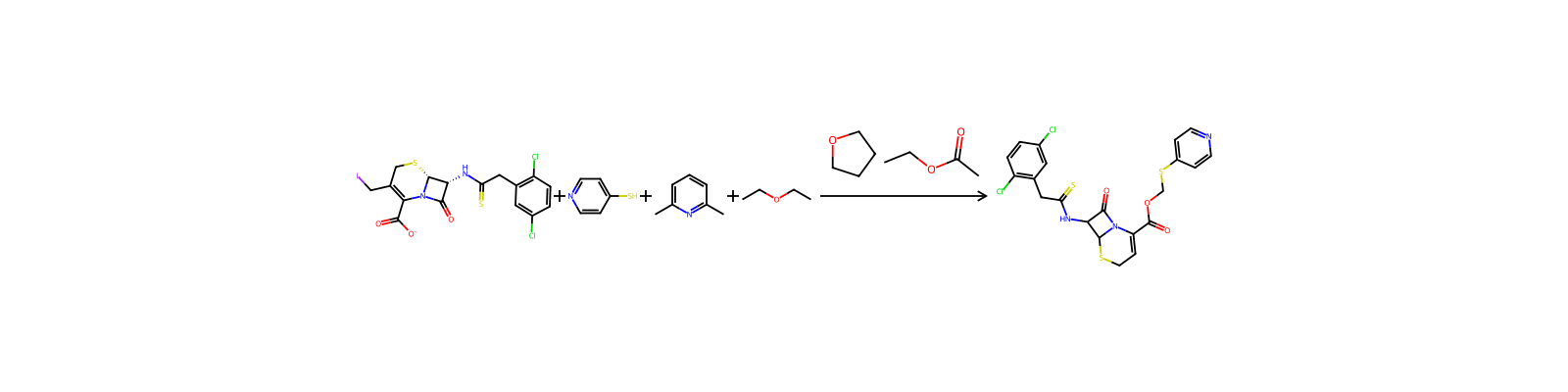
HRID 2059 반응식
HRID 2059반응물로uspto-grants-1998_03
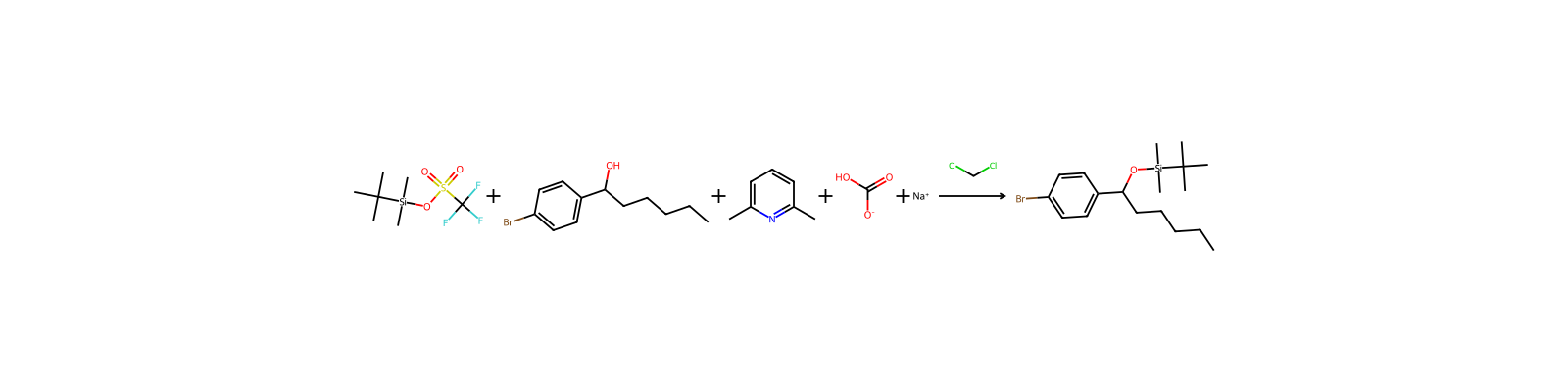
HRID 3484 반응식
HRID 3484반응물로uspto-grants-1998_03
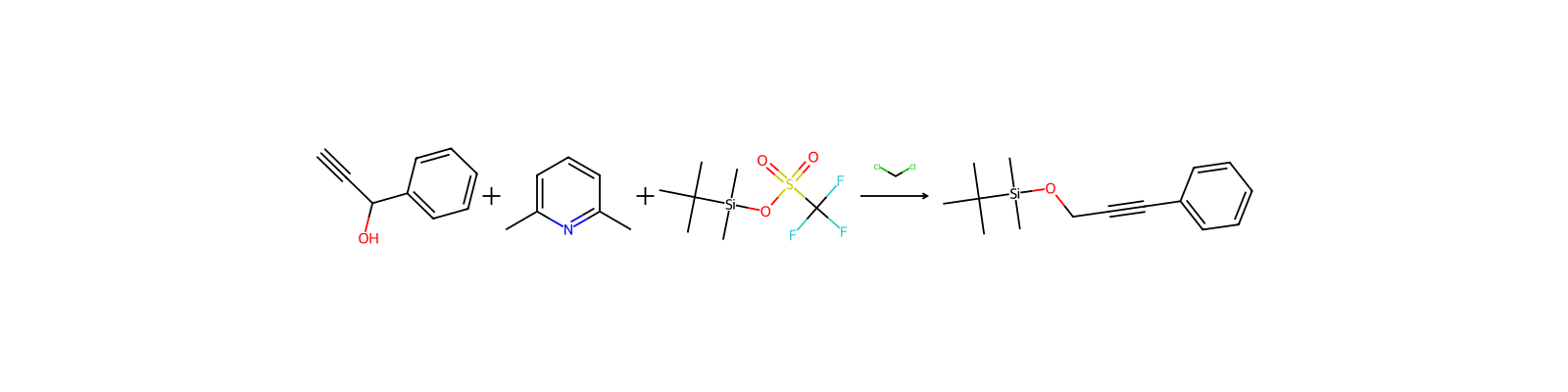
HRID 3664 반응식
HRID 3664반응물로uspto-grants-1998_03
HRID 4437 반응식
HRID 4437반응물로uspto-grants-1988_02
HRID 8428 반응식
HRID 8428반응물로uspto-grants-2006_08
HRID 14382 반응식
HRID 14382반응물로uspto-grants-2010_06
HRID 15003 반응식
HRID 15003반응물로uspto-grants-2010_06
HRID 17461 반응식
HRID 17461반응물로uspto-grants-2010_06
1 / 500 페이지

화합물 노트

불러오는 중…

이 페이지에서기본 정보개요이름 및 식별자물성안전 및 규제화학 및 산업관련 반응화합물 노트
더보기
새 노트새 반응견적 요청하기

In water, 3.00X10+5 mg/l @ 34 °C

300 mg/mL at 34 °C

Soluble in water; Slightly soluble in fat

Soluble (in ethanol)

Flash Point33 °C
Boiling Point · 4건

144 °C @ 760 mm Hg

143.00 to 145.00 °C. @ 760.00 mm Hg

143-145 °C

144 °C @760 [mm Hg]

물리화학적 성질

녹는점
-6 °C · -6 °C (lit.)
끓는 점
143 · 143-145 °C (lit.)
밀도
0.92 g/mL · 0.92 g/mL at 25 °C (lit.)
증기압
5.5 hPa · 5.5 hPa (20 °C)
FEMA
3540 · 3540 | 2,6-DIMETHYLPYRIDINE
굴절률
20 · n20/D 1.497(lit.)
인화점
92 °F · 92 °F
저장 조건
20 °C · −20°C
용해도
클로로포름, 메탄올(약간)에 용해됨
물리적 상태
액체
산도 계수 (pKa)
6.65 · 6.65(at 25℃)
색상
투명한
냄새
1 % · 디프로필렌 글리콜 중 1.00%. 너티 아민 우디 브레디 코코아 오일리
냄새 유형
견과류
생물학적 소스
synthetic
수용성
40 g/100mL · 40g/100mL(20℃)
비열
1.73 J/ · Cp(liquid): 1.73 J/(g·K), at 25℃
JECFA Number
1317 · 1317
Merck
14 · 14,5616
BRN
105690 · 105690
Henry's Law Constant
9.2 · 9.2×10-1 mol/(m3Pa) at 25℃, Brockbank (2013)
Dielectric constant
7.33 · 7.3300000000000001
안정성
안정적인. 가연성. 강한 산화제, 산성 염화물, 산, 클로로포름산염과 호환되지 않습니다. 습기로부터 보호하십시오.
주요 응용
향료 및 향
InChI
1S/C7H9N/c1-6-4-3-5-7(2)8-6/h3-5H,1-2H3
InChIKey
OISVCGZHLKNMSJ-UHFFFAOYSA-N
SMILES
Cc1cccc(C)n1
LogP
0.12 at · 0.12 at 25℃
NIST
2 · Pyridine, 2,6-dimethyl-(108-48-5)
EPA
2 · 2,6-Dimethylpyridine (108-48-5)

화학적 성질

Colorless to yellow liquid

Reactive GroupAmines, Phosphines, and Pyridines
Special ReportsREVIEW OF 2,6-DIMETHYLPYRIDINE; HAZARDS, USES & RECOMMENDATIONS FOR STORAGE & HANDLING & MEDICAL TREATMENT IN CASE OF ACCIDENTS.[MOREL C ET AL; CAH NOTES DOC 99: 319 (1980)]
Reactivity AlertsHighly Flammable
Reactivity Profile · 1건

LUTIDINE neutralizes acids in exothermic reactions to form salts plus water. May be incompatible with isocyanates, halogenated organics, peroxides, phenols (acidic), epoxides, anhydrides, and acid halides. Flammable gaseous hydrogen may be generated in combination with strong reducing agents, such as hydrides.

Air and Water ReactionsHighly flammable. Soluble in water.
Hazard Classes and Categories · 2건

Flam. Liq. 3 (100%)

Flammable liquids - Category 3

CSL Reaction Information · 6건

CSL00111

WATER + Mercury(II) perchlorate hydrate + 2,6 lutidine + TETRAHYDROFURAN

Explosion tetrahydrofuran, water, 2,6 lutidine, and mercury perchlorate hydrate

M (up to 100g)

dithiane hydrolysis

The reaction chemicals were scaled up, but the amount of solvent was not scaled up to an equivalent proportion. The amount of material used in the reaction was approximately 20 times more concentrated than the quantity specified in the literature. Electronic software was used to calculate the quantities of all reactants but not the quantity of solvent. Additionally, the lesser amount of solvent used in this reaction made it difficult for the magnetic stirrer bar to effectively mix

안전 및 보호

Fire FightingExcerpt from ERG Guide 132 [Flammable Liquids - Corrosive]:
First AidExcerpt from ERG Guide 132 [Flammable Liquids - Corrosive]:
Nonfire Spill ResponseExcerpt from ERG Guide 132 [Flammable Liquids - Corrosive]:
Disposal Methods · 1건

SRP: At the time of review, criteria for land treatment or burial (sanitary landfill) disposal practices are subject to significant revision. Prior to implementing land disposal of waste residue (including waste sludge), consult with environmental regulatory agencies for guidance on acceptable disposal practices.

Isolation and EvacuationExcerpt from ERG Guide 132 [Flammable Liquids - Corrosive]:
Protective Action Criteria (PAC) · 3건

3.1 [ppm]

34 [ppm]

200 [ppm]

Personal Protective Equipment (PPE)Excerpt from ERG Guide 132 [Flammable Liquids - Corrosive]:

독성 정보

Environmental Fate · 3건

TERRESTRIAL FATE: Based on a classification scheme(1), an estimated Koc value of 200(SRC), determined from a measured log Kow of 1.68(2) and a regression-derived equation(3), indicates that 2,6-lutidine is expected to have moderate mobility in soil(SRC). The pKa of 2,6-lutidine is 6.6(4), which indicates that 2,6-lutidine will partially exist in the protonated form in moist soils and cations adsorb to soil surfaces more strongly than neutral compounds(SRC). Volatilization of the neutral species of 2,6-lutidine from moist soil surfaces is expected to be an important fate process(SRC) given a Henry's Law constant of 1.04X10⁻⁵ atm-cu m/mole(5), but the protonated form will not volatilize. The potential for volatilization of 2,6-lutidine from dry soil surfaces may exist based upon a vapor pressure of 5.65 mm Hg(6). 2,6-Lutidine biodegrades in soils under aerobic conditions(7). The half-life of 2,6-lutidine was approximately 1 month in an unpolluted surface soil under aerobic conditions with 100% degradation observed after 3 months(7) in a second, 2,6-lutadine was completely degraded in 32 days(8). Little degradation was observed under denitrifying and sulfate-reducing conditions(7).

AQUATIC FATE: Based on a classification scheme(1), an estimated Koc value of 200(SRC), determined from a measured log Kow of 1.68 (2) and a regression-derived equation(3), indicates that 2,6-lutidine is not expected to adsorb to suspended solids and sediment(SRC). Volatilization from water surfaces is expected(3) based upon a Henry's Law constant of 1.04X10⁻⁵ atm-cu m/mole(4). Using this Henry's Law constant and an estimation method(3), volatilization half-lives for a model river and model lake are 2 and 31 days, respectively(SRC). The pKa of 2,6-lutidine is 6.6(5), which indicates that 2,6-lutidine will partially exist in the protonated form in water and cations will not volatilize(SRC). According to a classification scheme(6), an estimated BCF of 4(SRC), from its log Kow(2) and a regression-derived equation(7), suggests the potential for bioconcentration in aquatic organisms is low(SRC). 2,6-Lutidine was shown to biodegrade under aerobic conditions in soil (especially polluted soil), but the rate of degradation was slower under anaerobic conditions(8); similar biodegradation in water is expected. 2,6-Lutidine was degraded approximately 30% over the course of a 35 day incubation period in column experiments using contaminated groundwater from a coal tar producing chemical facility as inoculum(9).

ATMOSPHERIC FATE: According to a model of gas/particle partitioning of semivolatile organic compounds in the atmosphere(1), 2,6-lutidine, which has a vapor pressure of 5.65 mm Hg at 25 °C(2), is expected to exist solely as a vapor in the ambient atmosphere. Vapor-phase 2,6-lutidine is degraded in the atmosphere by reaction with photochemically-produced hydroxyl radicals(SRC); the half-life for this reaction in air is estimated to be 6 days(SRC), calculated from its rate constant of 2.8X10⁻¹² cu cm/molecule-sec at 25 °C (SRC) determined using a structure estimation method(3).

Food Survey Values2,6-Lutidine was identified, not quantified, in boiled beef(1) and roasted filberts(2).
Adverse EffectsNeurotoxin - Other CNS neurotoxin
Effluent Concentrations · 1건

2,6-Lutidine was detected in oil shale retort water in Australia at a concn of 3 mg/l(1). Effluent from a municipal treatment plant in Hamilton, Ontario released 2,6-lutidine at a rate of 0.42 kg/day(2). Unspecified isomers of lutidine were detected in feedwater and permeate water from an abandoned creosote manufacturing plant in Pensacola, FL at concns of 2.48 and 0.032 mg/l, respectively(3).

Soil Adsorption/Mobility · 1건

The Koc of 2,6-lutidine is estimated as 200(SRC), using a measured log Kow of 1.68(1) and a regression-derived equation(2). According to a classification scheme(3), this estimated Koc value suggests that 2,6-lutidine is expected to have moderate mobility in soil. The pKa of 2,6-lutidine is 6.6(4), which indicates that 2,6-lutidine will partially exist in the protonated form in moist soils and cations adsorb to soil surfaces more strongly than neutral compounds(SRC).

Artificial Pollution Sources2,6-Lutidine's production and use as a chemical intermediate in the production of pharmaceuticals, resins, dyestuffs, rubber accelerators and insecticides(1) may result in its release to the environment through various waste streams(SRC).
Environmental Biodegradation · 1건

An initial concn of 214 ppm 2,6-lutidine incubated in a Fincastle silt loam, was degraded 19, 22.2, 29.5, 42.4, 57.9 and 100% after 1, 2, 4, 8, 16 and 32 days, respectively(1). Mixed cultures isolated from a polluted soil were shown to degrade 2,6-lutidine(2). The half-life of 2,6-lutidine was approximately 1 month in an unpolluted surface soil under aerobic conditions with 100% degradation observed after 3 months, while little degradation was observed under denitrifying and sulfate reducing conditions(3). The half-life was about 0.5 months in polluted surface and subsurface soils with 100% degradation observed after 1 month(3). 2,6-Lutidine was degraded approximately 30% during a 35 day incubation period in column experiments using contaminated groundwater from a coal tar producing chemical facility as inoculum(4). The half-life of 2,6-lutidine in polluted subsurface sediments was 6 days(4).

Sediment/Soil Concentrations2,6-Lutidine was identified, not quantified, in soil from Moscow, Russia(1).
Environmental Bioconcentration · 1건

An estimated BCF of 4 was calculated for 2,6-lutidine(SRC), using a log Kow of 1.68(1) and a regression-derived equation(2). According to a classification scheme(3), this BCF suggests the potential for bioconcentration in aquatic organisms is low(SRC).

Volatilization from Water/Soil · 1건

The Henry's Law constant for 2,6-lutidine is 1.04X10⁻⁵ atm-cu m/mole(1). This Henry's Law constant indicates that 2,6-lutidine is expected to volatilize from water surfaces(2). Based on this Henry's Law constant, the volatilization half-life from a model river (1 m deep, flowing 1 m/sec, wind velocity of 3 m/sec)(2) is estimated as 2 days (SRC). The volatilization half-life from a model lake (1 m deep, flowing 0.05 m/sec, wind velocity of 0.5 m/sec)(2) is estimated as 31 days(SRC). 2,6-Lutidine's Henry's Law constant(1) indicates that volatilization from moist soil surfaces may occur(SRC). The pKa of 2,6-lutidine is 6.6(3), which indicates that 2,6-lutidine will partially exist in the protonated form in water and moist soils and cations will not volatilize(SRC). 2,6-Lutidine may volatilize from dry soil surfaces(SRC) based on its vapor pressure of 5.65 mm Hg at 25 °C(4).

Non-Human Toxicity Excerpts · 3건

...LUTIDINES...CAUSE SYMPTOMS RESEMBLING THOSE OBSERVED WITH PYRIDINE. THESE ARE LARGELY NONSPECIFIC & INCLUDE WEAKNESS, ATAXIA, DIARRHEA, & UNCONSCIOUSNESS. ... MAJORITY OF DERIV...ARE PRIMARY IRRITANTS & PENETRATE INTACT GUINEA PIG SKIN READILY. ... CAUSE...INTENSE SKIN & EYE IRRITATION. /PYRIDINE DERIVATIVES/

INHALATION OF 7500 PPM CONCN VAPOR OF 2,6-LUTIDINE BY RATS CAUSED 100% MORTALITY IN 1.2 HR.

IN DOGS WITH A UREA LOAD, IV ADMIN OF 2,6-LUTIDINE MARKEDLY INCR URINE VOL & UREA CLEARANCE.

Environmental Abiotic Degradation · 1건

The rate constant for the vapor-phase reaction of 2,6-lutidine with photochemically-produced hydroxyl radicals has been estimated as 2.8X10⁻¹² cu cm/molecule-sec at 25 °C(SRC) using a structure estimation method(1). This corresponds to an atmospheric half-life of about 6 days at an atmospheric concentration of 5X10+5 hydroxyl radicals per cu cm(1). The pKa of 2,6-lutidine is 6.6(2), which indicates that 2,6-lutidine will partially exist in the protonated form in the environment(SRC). Analogous 3,5-lutidine has a weak absorption band that extends into the environmental UV spectrum(3), which suggests that direct photolysis is not likely to occur for alkylated pyridines(SRC).

안전 데이터

wgk
3
tsca
TSCA listed
rtecs
OK9700000
ridadr
UN 1993 3/PG 3
독성
LD50 orally in Rabbit: 400 mg/kg LD50 dermal Rabbit > 1000 mg/kg
HS 번호
29333999
risk_code
10-22-36/37/38-20/21/22
hazard_code
Xn,F,Xi
safety_code
26-36/37-16-36-36/37/39
포장분류
III
위험 등급
3
기존화학 물질
KE-11843
F 고인화성물질
8
위험 참고 사항
Irritant/Flammable
Hazard Classifications
Acute Tox. 4 OralEye Irrit. 2Flam. Liq. 3Skin Irrit. 2
스토리지 클래스
3 - Flammable liquids
유해 물질 데이터
108-48-5(Hazardous Substances Data)
General Manufacturing Information · 2건

Pesticide, Fertilizer, and Other Agricultural Chemical Manufacturing

Pyridine, 2,6-dimethyl-: ACTIVE

응용 분야 · 3건

출처Reported found in bread, tea, peppermint oil, cheeses, chicken, beef, pork, beer, sherry, whiskies, cocoa, coffee, tea, oatmeal, rice bran, buckwheat and malt.

용도2,6-Lutidine is used as a solvent in organic synthesis and as a sterically hindered mild base. It is also used as a vulcanization accelerator for dyes, resins and rubber. It also acts as a food additive.

일반 설명A colorless liquid with a peppermint odor. Flash point 92°F. Less dense than water. Vapors heavier than air. Produces toxic oxides of nitrogen during combustion. Used to make other chemicals.

상·하류 제품 정보

상류 원료

아세트초산에틸암모니아수에틸알코올산화칼슘(생석회)수산화칼륨염화칼슘포르말린β-피콜린다이에틸아민디에틸에테르질산황산암모니아(가스)

하류 제품

2-(히드록시에틸)-6-메틸피리딘2,6-Bis(chloromethyl)pyridine다이피콜린산3-Bromo-2,6-dimethylpyridine7-Bromo-1,2,3,4-tetrahydro-isoquinoline2,4-루티딘2,6-Dimethyl-3-nitropyridine5-bromo-1,2,3,4-tetrahydroisoquinolineCefpiramide acid2,6-피리딘디메탄올6-Bromomethyl-2-pyridinecarboxylic acid5-메톡시소라렌2-(Bromomethyl)-6-methylpyridine2,6-Dimethyl-pyridin-4-ylamine2,6-Dimethylpyridine N-oxide6-메틸-2-피리딘카르복실산3-Amino-2,6-dimethylpyridine2-메틸-6-비닐피리딘(2S,6S)-2,6-dimethylpiperidine

추가 설명

정의ChEBI: A member of the class of methylpyridines that is pyridine carrying methyl substituents at positions 2 and 6.