홈MCP워크벤치Skills
홈워크벤치알림마이페이지
llms.txt · MCP 가이드개인정보처리방침 · 이용약관 · 지원v1.8.0
  1. 홈
  2. /화합물

1,3,5-트라이메틸벤젠

Mesitylene

HCID 7947
새 노트새 반응견적 요청하기
인쇄 미리보기
기본 정보개요이름 및 식별자물성안전 및 규제화학 및 산업관련 반응화합물 노트
부분 구조 검색유사 구조 찾기

기본 정보

CAS
108-67-8
표준 SMILES
Cc1cc(C)cc(C)c1
InChIKey
AUHZEENZYGFFBQ-UHFFFAOYSA-N
분자식
C9H12
평균 분자량
120.19 g/mol
단동위원소 질량
120.09390038

개요

1,3,5-trimethylbenzene appears as a colorless liquid with a peculiar odor. Insoluble in water and less dense than water. Flash point near 123 °F. May be toxic by ingestion and inhalation. Used to make plastics and dyes.

이름 및 식별자

우선 이름
Mesitylene
IUPAC
1,3,5-trimethylbenzene
현지명
1,3,5-트라이메틸벤젠
영어명
Mesitylene
분자식
C9H12
분자량
120.19

이름 및 동의어

MESITYLENE1,3,5-Trimethylbenzene108-67-8sym-TrimethylbenzeneTrimethylbenzolFleet-X3,5-DimethyltolueneBenzene, 1,3,5-trimethyl-DTXSID6026797Symmetrical trimethylbenzene887L18KQ6XNSC-9273
이름 더 보기
1,3,5-트라이메틸벤젠1,3,5-트리메틸벤젠메시틸렌1,3,5-trimethylbenzene (mesitylene)1.3.5-TriMethy1,3,5-Trimethylbenze1,3,5-trimethyl-benzen1,3,5-Trimethylbenzene StandardNSC 9273
DTXCID506797CHEBI:34833RefChem:6006203-604-4s-Trimethylbenzene2,4,6-trimethylbenzeneTrimethylbenzene, 1,3,5-1,3,5-trimethyl-benzene

데이터베이스 식별자

CAS
108-67-8
PubChem CID
7947
DTXSID
DTXSID6026797
ChEMBL
CHEMBL1797281
ChEBI
CHEBI:34833
UNII
887L18KQ6X
EC Number
203-604-4
Nikkaji
J2.424D

물성

구조 계산 물성

XLogP
3.4
극성 표면적
0 Ų
수소 결합 공여자 수
0
수소 결합 수용자 수
0
회전 가능 결합 수
0
무거운 원자 수
9
형식 전하
0
복잡도
55

실험 및 물리화학적 성질

Chemical ClassesVolatile Organic Compound (VOC)
SolventsSolvents -> Aromatic Solvents
CosmeticsCosmetics ingredient -> Fragrance; Other (Specify)
SpringerMaterials Properties13C nuclear magnetic resonance spectrum
FragrancesFragrance Ingredient (Benzene, 1,3,5-trimethyl-) -> IFRA transparency List
PesticidesPesticide -> EPA IRIS
LogP · 4건

log Kow = 3.42

3.42

3.42

3.84

Odor · 3건

Peculiar odor

Distinctive, aromatic odor

Sweet odor

Density · 5건

0.86 (NIOSH, 2024) - Less dense than water; will float

0.8637 at 20 °C/4 °C

Relative density (water = 1): 0.86

0.8615 @25 °C

0.86

Color/FormClear, colorless liquid
Solubility

안전 및 규제

안전 정보는 참고용이며, 공급업체의 물질안전보건자료(SDS), 관련 법규 및 전문가 평가를 대체하지 않습니다.

GHS 분류

GHS Classification · 6건

Warning

H226: Flammable liquid and vapor [Warning Flammable liquids]

P210, P233, P240, P241, P242, P243, P261, P271, P273, P280, P303+P361+P353, P304+P340, P319, P370+P378, P391, P403+P233, P403+P235, P405, and P501 (click each P-code to see the statement)

This chemical does not meet GHS hazard criteria for < 0.1% (2 of 2655) of reports.

Danger

H226 (> 99.9%): Flammable liquid and vapor [Warning Flammable liquids]

유해성 정보

Regulatory Information · 5건

Chemical: Benzene, 1,3,5-trimethyl-

Hazard Traits - Nephrotoxicity and Other Toxicity to the Urinary System; Neurotoxicity

Benzene, 1,3,5-trimethyl- is listed on the EPA's Chemical Data Reporting (CDR) system. Manufacturers and importers of Benzene, 1,3,5-trimethyl- are required to report information about their production and use of this chemical to the EPA under the Toxic Substances Control Act (TSCA). (40 eCFR Part 711)

REACH registered substance: Mesitylene (EC: 203-604-4)

Benzene, 1,3,5-trimethyl-: HSNO Approval: HSR001229 Approved with controls

DOT LabelFlammable Liquid
Fire Hazards · 3건

Excerpt from ERG Guide 129 [Flammable Liquids (Water-Miscible / Noxious)]:

· HIGHLY FLAMMABLE: Will be easily ignited by heat, sparks or flames.

Flammable. Above 50 °C explosive vapour/air mixtures may be formed.

Fire PotentialMODERATE, VIA HEAT, FLAMES, OXIDIZERS
Health Hazards · 2건

Excerpt from ERG Guide 129 [Flammable Liquids (Water-Miscible / Noxious)]:

· May cause toxic effects if inhaled or absorbed through skin.

Hazards Summary · 1건

화학 및 산업

약리 정보

Biological Half-Life · 1건

... Ten healthy male volunteers were exposed to trimethylbenzene (TMB) vapor in an exposure chamber for 2 hr at a work load of 50 W. The subjects were exposed on four occasions, to 25 ppm of 1,2,4-TMB, 1,2,3-TMB, and 1,3,5-TMB, respectively, and 2 ppm of 1,2,4-TMB. Urine was collected from the onset of exposure until the following morning. All six possible dimethylhippuric acid (DMHA) isomers were analyzed by high-performance liquid chromatography. ... The half-times of the different DMHA isomers ranged from 4 to 16 hr.

Metabolism/Metabolites · 5건

... Only a small portion is excreted unchanged by the lungs, the greater part is oxidized to water-soluble metabolites, which are excreted by the urine, partly free, partly conjugated /as/ glycine and mesitylenic acid.

Mesitylene yields 2,4,6-trimethylphenol in rat. /from table/

Approximately 78% of oral dose of mesitylene was excreted as 3,5-dimethylhippuric acid; additional 7.6 and 8.2% were excreted as glucuronic and sulfuric acid conjugates.

Toxicity of Tri- and Tetramethylbenzenes: Material: 1,3,5-trimethylbenzene; Route of entry: oral (subacute); Species: rat; Dose or concentration: 1.2 g/kg/day; Results or Effects: Metabolites: 3,5-dimethylhippuric acid 78.0%, 3,5-dimethylbenzoic glucuronide 7.6%, and 3,5-dimethylbenzoic sulfate 1.2%. /From table/

The possibility of evaluating occupational exposure to mesitylene /depending/ on the determination of unchanged solvent in capillary blood or 3,5-dimethylbenzoic acid in urine was investigated. The volunteers were exposed to mesitylene in a toxicological chamber (range 10-150 mg/cu m). Concn of the solvent or its metabolite in biological material were determined by gas chromatography. The toxicokinetic data concerning retention in the lung, absorption and elimination of mesitylene and its metabolite in biological fluids were obtained. The highest correlation coefficient value was obtained for the relationship between the absorbed dose of mesitylene and the excretion rate of 3,5-dimethylbenzoic acid in urine (r= 0.95). ...

Absorption, Distribution and Excretion · 4건

The objective of this study was to determine the uptake and disposition of inhaled trimethylbenzenes (TMBs) in man. The toxicokinetics were studied in 10 male, healthy volunteers exposed to TMB vapor in an exposure chamber for 2 hr during a work load of 50 W. The subjects were exposed on four occasions to 25 ppm of 1,2,4-TMB, 1,2,3-TMB, and 1,3,5-TMB, and to 2 ppm of 1,2,4-TMB. The TMB isomers were analyzed in blood, urine, and exhaled air by gas chromatography. The relative respiratory uptake was in the range 56-64%. The elimination of TMBs was moderate compared to other aromatic solvents, with a total blood clearance of 0.6-1.0 L per hr per kg. Large volumes of distribution (30-39 liters/kg) and long terminal half-lives of the TMBs in blood (78-120 hr) imply extensive accumulation in adipose tissue. Exhalation during and postexposure accounted for 20-37% of the absorbed amount, whereas the urinary excretion of unchanged TMBs was low (< or = 0.002%). The kinetics of 1,2,4-TMB seemed linear up to 25 ppm. ...

관련 반응

321건
반응 기록 만들기
HRID 2990 반응식
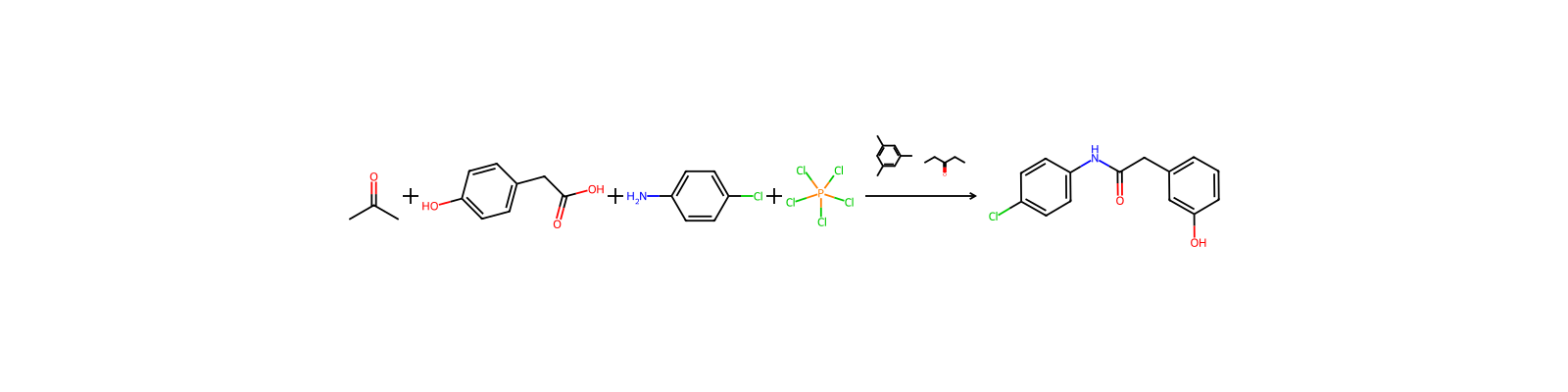
HRID 2990용매로uspto-grants-1998_03
HRID 6241 반응식
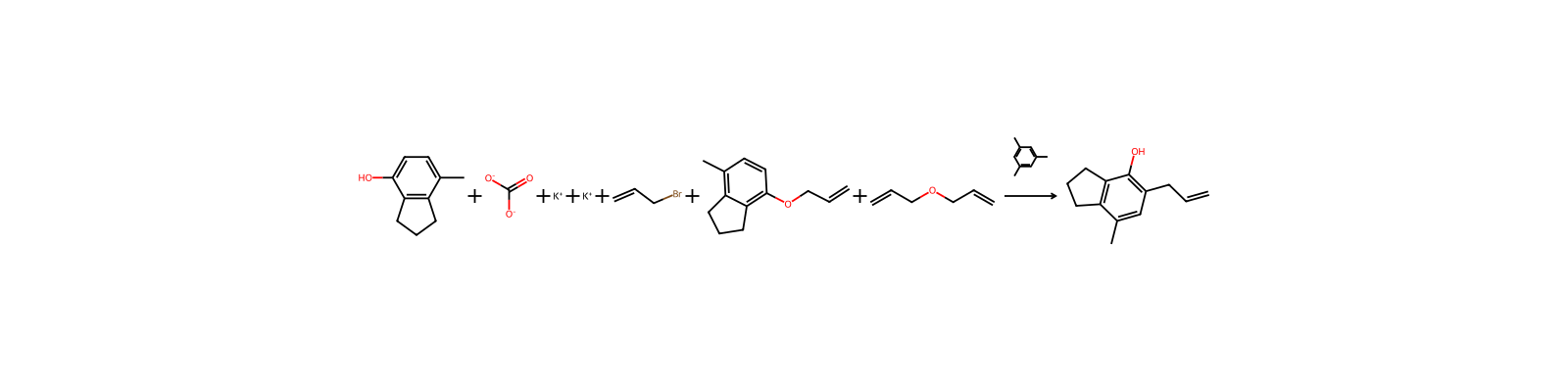
HRID 6241생성물로반응물로uspto-grants-1993_09
HRID 6442 반응식
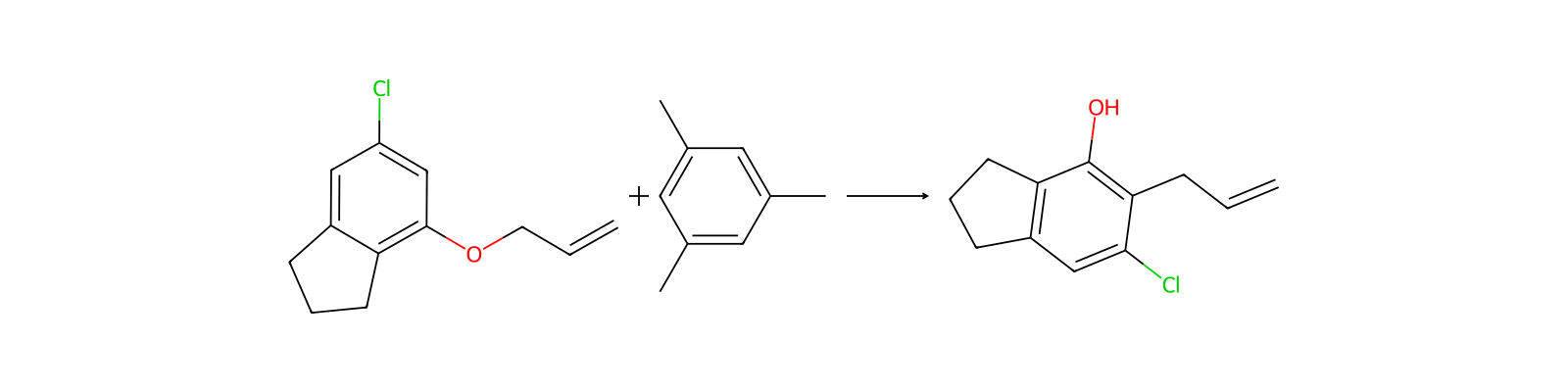
HRID 6442용매로uspto-grants-1993_09
HRID 13924 반응식
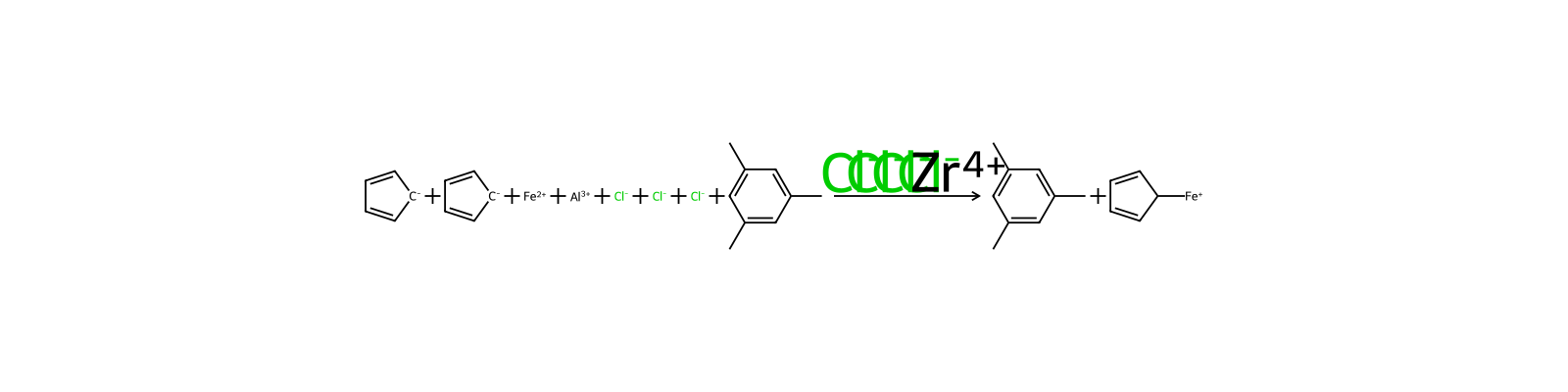
HRID 13924용매로uspto-grants-2010_06
HRID 13932 반응식
HRID 13932반응물로uspto-grants-2010_06
HRID 13935 반응식
HRID 13935반응물로uspto-grants-2010_06
HRID 13945 반응식
HRID 13945반응물로uspto-grants-2010_06
HRID 13954 반응식
HRID 13954용매로uspto-grants-2010_06
1 / 41 페이지

화합물 노트

불러오는 중…

이 페이지에서기본 정보개요이름 및 식별자물성안전 및 규제화학 및 산업관련 반응화합물 노트
더보기
새 노트새 반응견적 요청하기
· 6건

0.002 % (NIOSH, 2024)

Miscible with alcohol, ether, benzene

Miscible in ethanol, ethyl ether, acetone

Miscible with oxygenated and aromatic solvents.

In water, 48.2 mg/L at 25 °C

0.0482 mg/mL at 25 °C

Flash Point · 4건

122 °F (NIOSH, 2024)

122 °F (50 °C) (Closed cup)

50 °C c.c.

122 °F

물리화학적 성질

녹는점
44.8 °C · −44.8 °C (−48.6 °F; 228.3 K)
끓는 점
164.7 °C · 164.7 °C (328.5 °F; 437.8 K)
밀도
0.8637 g/cm3 · 0.8637 g/cm3 at 20 °C
증기 밀도
4.1 · 4.1 (vs air)
증기압
14 mm · 14 mm Hg ( 55 °C)
굴절률
1.5 · 1.50
인화점
50 °C; · 50 °C; 122 °F; 323 K
저장 조건
2 · 2-8°C
용해도
알코올, 벤젠, 에테르(Windholz et al., 1983) 및 트리메틸벤젠 이성질체와 혼합 가능합니다.
산도 계수 (pKa)
14 · >14 (Schwarzenbach et al., 1993)
물리적 상태
liquid
색상
Colorless
냄새
Peculiar odor
Odor Threshold
0.17 ppm · 0.17ppm
폭발한계
0.88 · 0.88-6.1%, 100°F
수용성
2.9 g/L · 2.9g/L(20℃)
비열
1.74 J/ · Cp(liquid): 1.74 J/(g·K), at 25℃
Merck
14 · 14,5907
BRN
906806 · 906806
Henry's Law Constant
4.03 · 4.03, 4.60, 5.71, 6.73, and 9.63 at 10, 15, 20, 25, and 30 °C, respectively (EPICS, Ashworth et al.,1988)
Dielectric constant
3.4 · 3.4(Ambient)
안정성
안정적인. 타기 쉬운. 강한 산화제와 호환되지 않습니다.
주요 응용
환경
화장품 원료 기능
용제
InChI
1S/C9H12/c1-7-4-8(2)6-9(3)5-7/h4-6H,1-3H3
InChIKey
AUHZEENZYGFFBQ-UHFFFAOYSA-N
SMILES
Cc1cc(C)cc(C)c1
LogP
3.42 at · 3.42 at 20℃
표면장력
28.05 mN/m · 28.05mN/m at 298.15K
NIST
1 · Benzene, 1,3,5-trimethyl-(108-67-8)
EPA
1 · 1,3,5-Trimethylbenzene (108-67-8)

화학적 성질

Mesitylene is a clear, colorless liquid. Distinctive, aromatic odor.

A skin, eye, nose, throat and respiratory tract irritant; [Merck Index] A skin, eye, and respiratory tract irritant; Defats the skin; May have effects on the central nervous system and blood; [ICSC] A skin, eye, and respiratory tract irritant; [HSDB] A nose, throat, and lung irritant; Inhalation of high concentrations can cause CNS depression; [CHEMINFO] A respiratory tract irritant; [eChemPortal: ESIS] See Trimethyl benzene isomers.

DOT ID and Guide · 2건

2325 129

2325 129

Reactive GroupHydrocarbons, Aromatic
EC ClassificationSymbol: Xi, N; R: 10-37-51/53; S: (2)-61
UN ClassificationUN Hazard Class: 3; UN Pack Group: III
TSCA Requirements · 2건

Pursuant to section 8(d) of TSCA, EPA promulgated a model Health and Safety Data Reporting Rule. The section 8(d) model rule requires manufacturers, importers, and processors of listed chemical substances and mixtures to submit to EPA copies and lists of unpublished health and safety studies. 1,3,5-Trimethylbenzene is included on this list. Effective date: 2/13/1984; Sunset date: 2/13/1994.

A testing consent order is in effect for 1,3,5-trimethylbenzene for health effects testing. FR citation: FR 59681 11/10/1993.

Reactivity Profile1,3,5-TRIMETHYLBENZENE is incompatible with the following: Oxidizers, nitric acid (NIOSH, 2024).

안전 및 보호

Fire Fighting · 2건

Excerpt from ERG Guide 129 [Flammable Liquids (Water-Miscible / Noxious)]:

Use alcohol-resistant foam, dry powder, carbon dioxide. In case of fire: keep drums, etc., cool by spraying with water.

First Aid Measures · 4건

Fresh air, rest. Refer for medical attention.

Remove contaminated clothes. Rinse skin with plenty of water or shower.

First rinse with plenty of water for several minutes (remove contact lenses if easily possible), then refer for medical attention.

Rinse mouth. Do NOT induce vomiting. Refer for medical attention .

Accidental Release Measures · 2건

· CALL 911. Then call emergency response telephone number on shipping paper. If shipping paper not available or no answer, refer to appropriate telephone number listed on the inside back cover.

· ELIMINATE all ignition sources (no smoking, flares, sparks or flames) from immediate area.

First Aid · 3건

Excerpt from NIOSH Pocket Guide for 1,3,5-Trimethylbenzene:

General First Aid:

(General first aid procedures)

Safe StorageFireproof. Separated from strong oxidants. Well closed. Keep in a well-ventilated room.
Exposure Control and Personal Protection · 2건

· Wear positive pressure self-contained breathing apparatus (SCBA).

20.0 [ppm]

Fire Fighting Procedures · 2건

This chemical is a flammable liquid. Poisonous gases are produced in fire. Small fires: dry chemical, carbon dioxide, water spray, or alcohol foam. Large fires: water spray, fog, or alcohol foam. Move container from fire if you can do so without risk. Spray cooling water on containers that are exposed to flames until well after fire is out. For massive fire in cargo area, use unmanned hose holder or monitoring nozzles; if this is impossible, withdraw from area and let fire burn. Withdraw immediately in case of rising sound from venting safety device or any discoloration of tank due to fire. Isolate for one-half mile in all directions if tank car or truck is involved in fire. Vapors are heavier than air and will collect in low areas. Vapors may travel long distances to ignition sources and flashback. Vapors in confined areas may explode when exposed to fire. Containers may explode in fire. Storage containers and parts of containers may rocket great distances, in many directions. If material or contaminated runoff enters waterways, notify downstream users of potentially contaminated waters. Notify local health and fire officials and pollution control agencies. From a secure, explosion-proof location, use water spray to cool exposed containers. If cooling streams are ineffective (venting sound increases in volume and pitch, tank discolors, or shows any signs of deforming), withdraw immediately to a secure position. If employees are expected to fight fires, they must be trained and equipped in OSHA 1910.156.

If material on fire or involved in fire: Do not extinguish fire unless flow can be stopped or safely confined. Use water in flooding quantities as fog. Solid streams of water may be ineffective. Cool all affected containers with flooding quantities of water. Apply water from as far a distance as possible. Use foam, dry chemical, or carbon dioxide. Keep run-off water out of sewers and water sources.

Storage Conditions · 2건

Prior to working with this chemical you should be trained on its proper handling and storage. This chemical must be stored to avoid contact with oxidizers (such as perchlorates, peroxides, permanganates, chlorates, and nitrates), and strong oxidizers (such as chlorine, bromine, and fluorine) since violent reactions occur. Store in tightly closed containers in a cool, well-ventilated area away from heat. Sources of ignition such as smoking and open flames are prohibited where this chemical is used, handled, or stored in a manner that could create a potential fire or explosion hazard. Metal containers involving the transfer of 5 gallons or more of this chemical should be grounded and bonded. Drums must be equipped with self-closing valves, pressure vacuum bungs, and flame arresters. Use only nonsparking tools and equipment, especially when opening and closing containers of this chemical.

STORAGE TANKS SHOULD BE MOUNDED TO CONFINE ESCAPING LIQUID & ESCAPE FROM PROCESS VESSELS SHOULD BE CONTROLLED IN SIMILAR MANNER BY SILLS @ DOORWAYS, DESIGN OF FLOORS, ETC. /TRIMETHYLBENZENES/

Cleanup Methods · 4건

Evacuate and restrict persons not wearing protective equipment from area of spill or leak until cleanup is complete. Remove all ignition sources. Ventilate area of spill or leak. Absorb liquids in vermiculite, dry sand, earth, peat, carbon, or similar material and deposit in sealed containers. Keep this chemical out of a confined space ... because of the possibility of an explosion ... It may be necessary to contain and dispose of this chemical as a hazardous waste. If material or contaminated runoff enters waterways, notify downstream users of potentially contaminated waters. Contact your Department of Environmental Protection or your regional office of the federal EPA for specific recommendations. If employees are required to clean up spills, they must be properly trained and equipped. OSHA 1910.120(q) may be applicable.

Environmental considerations-land spill: Dig a pit, pond, lagoon, holding area to contain liquid or solid material. /SRP: If time permits, pits, ponds, lagoons, soak holes, or holding areas should be sealed with an impermeable flexible membrane liner./ Dike surface flow using soil, sand bags, foamed polyurethane, or foamed concrete. Absorb bulk liquid with fly ash, cement powder, or commercial sorbents.

Environmental considerations-water spill: Use natural barriers or oil spill control booms to limit spill travel. Remove trapped material with suction hoses.

Environmental considerations-air spill: Apply water spray or mist to knock down vapors.

Nonfire Spill ResponseExcerpt from ERG Guide 129 [Flammable Liquids (Water-Miscible / Noxious)]:
Disposal Methods · 2건

SRP: The most favorable course of action is to use an alternative chemical product with less inherent propensity for occupational exposure or environmental contamination. Recycle any unused portion of the material for its approved use or return it to the manufacturer or supplier. Ultimate disposal of the chemical must consider: the material's impact on air quality; potential migration in soil or water; effects on animal, aquatic, and plant life; and conformance with environmental and public health regulations.

Incineration /SRP: with appropriate emission controls/.

Spillage Disposal · 1건

Personal protection: filter respirator for organic gases and vapours adapted to the airborne concentration of the substance. Do NOT wash away into sewer. Do NOT let this chemical enter the environment. Collect leaking and spilled liquid in sealable containers as far as possible. Absorb remaining liquid in sand or inert absorbent. Then store and dispose of according to local regulations.

독성 정보

Body Burden · 1건

5 of 46 human adipose tissue samples contained unreported concentrations of 1,3,5-trimethylbenzene(1). Expired air from 28 humans contained 1,3,5-trimethylbenzene at an average concn of 4 ng/L(2). Expired air from 54 humans contained 1,3,5-trimethylbenzene at an average concn of 0.842 ng/L(3). Expired air from 3 of 8 male humans contained 1,3,5-trimethylbenzene at 0.034 to 0.81 ug/hr; the source was thought to be of metabolic origin(4).

Interactions · 2건

Increased catalase activity was observed in the liver microsomal fraction of ethanol-treated rats (10% v/v aqueous ethanol solution per os for 5 weeks). In contrast, cytochrome P-450 concentration and specific activity of NADPH-cytochrome c reductase remained at the same level as in the liver of control rats (drinking water). ... Administration of mesitylene (1,3,5-trimethylbenzene) by gastric tube for 3 days (5 mmoles per kg daily) increased cytochrome P-450 concentration, specific activity of NADPH-cytochrome c reductase and ethanol metabolism.

Groups of 5 female SPF Sprague-Dawley rats (200 to 220 g) were exposed via inhalation for 2 hr to 120, 180, 400, or 720 ppm mesitylene, without or in combination with 1000 or 4000 ppm ethyl acetate. Immediately after exposure, blood samples were collected. Co-exposure /of the effect/ with ethyl acetate ... was not statistically significant. For example, at 400 ppm mesitylene, control blood concn was (75.8 +/- 2.1) x 10-6 mol/L vs 68.8 +/ - 7.8) x 10-6 mol/L at 4000 ppm ethyl acetate.

Target Organs · 2건

Developmental

Eyes, skin, respiratory system, central nervous system, blood

Ecotoxicity Values · 5건

EC50 Daphnia magna /(Water flea)/ 50 mg/L 24 hr, toxic effect: increased mortality and reduced reproduction rates

EC50; Species: Scenedesmus subspicatus (Green algae, Log growth phase); Conditions: freshwater, static, 24 °C, pH 8.0-9.3; Concentration: 25000 ug/L for 48 hr; Effect: decreased population biomass

EC50; Species: Scenedesmus subspicatus (Green algae, Log growth phase); Conditions: freshwater, static, 24 °C, pH 8.0-9.3; Concentration: 53000 ug/L for 48 hr; Effect: general population changes

EC50; Species: Daphnia magna (Water flea, age 4-6 days, length 1.5 mm); Conditions: freshwater, static, 23 °C, pH 6-7, dissolved oxygen 5-9 mg/L; Concentration: 50 mmol/cu m for 48 hr (95% confidence interval: 22-110 mmol/cu m); Effect: intoxication, immobilization /> or = 97% purity/

For more Ecotoxicity Values (Complete) data for 1,3,5-TRIMETHYLBENZENE (9 total), please visit the HSDB record page.

Environmental Fate · 3건

TERRESTRIAL FATE: Based on a classification scheme(1), an experimental Koc range of 501-1,445(2-5), indicates that 1,3,5-trimethylbenzene is expected to have low mobility in soil(SRC). Volatilization of 1,3,5-trimethylbenzene from moist soil surfaces is expected to be an important fate process(SRC) given an experimental Henry's Law constant of 8.77X10⁻³ atm-cu m/mole(6). 1,3,5-Trimethylbenzene is expected to volatilize from dry soil surfaces(SRC) based upon a vapor pressure of 2.48 mm Hg(SRC), from experimentally-derived coefficients(7). Complete removal of 1,3,5-trimethylbenzene from sterile sandy loam soil samples contaminated with jet fuel was reported within 5 days, probably due to evaporation(8). Biodegradation is expected to occur in soil, and acclimation may increase the rate of biodegradation(SRC). 1,3,5-Trimethylbenzene, present at a concn of 50 mg/kg, degraded considerably after 6 months in the presence of a sewage inoculum during a bioremediation study(9). It was noted that 1,3,5-trimethylbenzene was more resistant to biodegradation than other compounds present(9). The time required for 0.2-1.0 mg/L of 1,3,5-trimethylbenzene to reach less than 1 ug/L was 110 hours in an adapted groundwater aquifer contaminated with gasoline(10).

AQUATIC FATE: Based on a classification scheme(1), an experimental Koc range of 501-1,445(2-5), indicates that 1,3,5-trimethylbenzene is expected to adsorb to suspended solids and sediment(SRC). Volatilization from water surfaces is expected based upon a Henry's Law constant of 8.77X10⁻³ atm-cu m/mole(6). Using this Henry's Law constant and an estimation method(7), volatilization half-lives for a model river and model lake are 1.2 hours and 4.4 days, respectively(SRC). Residence times (with respect to volatilization) for 1,3,5-trimethylbenzene were calculated as 220 hours for both winter and summer conditions in Narragansett Bay(8). According to a classification scheme(9), BCF values of 23 to 342(10), measured in carp, suggest that bioconcentration in aquatic organisms may be high(SRC). Biodegradation may be an important fate process for this compound in water, and acclimation may increase the rate of biodegradation(SRC). The time required for 0.2-1.0 mg/L of 1,3,5-trimethylbenzene to reach less than 1 ug/L was 110 hours in an adapted groundwater aquifer contaminated with gasoline(11). 1,3,5-Trimethylbenzene was not detected in the effluent of an activated sludge plant that had a recorded influent of 22.7 ug/L(12). In liquid wastewater cultures, after 30 days 1,3,5-trimethylbenzene degraded to 0.39 mg/L in the test sample compared to 7.17 mg/L residual concn in the abiotic control, suggesting biodegradation is an important fate process in water(13).

ATMOSPHERIC FATE: According to a model of gas/particle partitioning of semivolatile organic compounds in the atmosphere(1), 1,3,5-trimethylbenzene, which has a vapor pressure of 2.48 mm Hg at 25 °C(2), is expected to exist solely as a vapor in the ambient atmosphere. Vapor-phase 1,3,5-trimethylbenzene is degraded in the atmosphere by reaction with photochemically-produced hydroxyl radicals(SRC); the half-life for this reaction in air is estimated to be 11 hours(SRC), calculated from its rate constant of 5.75X10⁻¹¹ cu cm/molecule-sec at 25 °C(1). 1,3,5-Trimethylbenzene also reacts with nitrate radicals in the atmosphere(3); the half-life for this reaction in air is estimated as 10-67 days(SRC). The photooxidation of 1,3,5-trimethylbenzene with nitrogen oxide produces formaldehyde and aliphatic aldehydes at 0.15-0.2 and 0.3-0.4 moles/mole 1,3,5-trimethylbenzene, respectively(5). 1,3,5-Trimethylbenzene does not contain chromophores that absorb wavelengths >290 nm(6) and therefore is not expected to be susceptible to direct photolysis by sunlight(SRC).

Food Survey Values · 1건

An aroma concentrate of cured beef contained 1,3,5-trimethylbenzene at 0.11 mg/kg(1). 1,3,5-Trimethylbenzene was reported as a component of fried beef liver (4.34-5.57 ppb)(2), margarine (13.1 ppb)(2), butter (7.81 ppb)(2), cake doughnuts (27.6 ppb)(2), sandwich cookies (7.25 ppb)(2), in scrambled eggs from both fresh and supermarket eggs (trace levels)(3), and chickpea seed(4). 1,3,5-Trimethylbenzene is a volatile component of chicken, beef, and pork flavors(5).

Adverse EffectsNeurotoxin - Acute solvent syndrome
Exposure Routes · 2건

The substance can be absorbed into the body by inhalation.

inhalation, ingestion, skin and/or eye contact

Average Daily IntakeThe average daily dose of 1,3,5-trimethylbenzene from breathing air in The Netherlands was estimated as 20.5 ug/day based on mean ambient air concentrations of 0.10-0.30 ppb(1).
Signs and Symptoms · 5건

Confusion. Cough. Dizziness. Drowsiness. Headache. Sore throat. Vomiting.

Redness. Dry skin.

Redness. Pain.

See Inhalation.

irritation eyes, skin, nose, throat, respiratory system; bronchitis; hypochromic anemia; headache, drowsiness, lassitude (weakness, exhaustion), dizziness, nausea, incoordination; vomiting, confusion; chemical pneumonitis (aspiration liquid)

Effluent Concentrations · 4건

Diluted (30:1 with purified air) automobile exhaust contained 2.3 ppm 1,3,5-trimethylbenzene(1). Automobile exhaust from an English car without a catalytic converter contained 1,3,5-trimethylbenzene at 1242 ppb(2). Highway tunnel exhaust air in Hamburg, Germany (Elbtunnel) contained 1,3,5-trimethylbenzene at concns from 14.2 to 18.2 ug/cu m(3). Gasoline engine exhaust from a light-duty vehicle both with and without a catalytic converter contained 1,3,5-trimethylbenzene at 1.3 and 0.6 wt% of total organic gas emissions, respectively(4). Unburned gasoline in the summertime contained 1.2 wt% 1,3,5-trimethylbenzene(4). 1,3,5-Trimethylbenzene was introduced into water at 10 mg/10 minutes by a four-stroke outboard motor(5). The concn of 1,3,5-trimethylbenzene in the water of a canal to a harbor of Lake Constance, Germany, varied throughout the day with 7, 23, 159, 72, 233, 233, 233, and 267 ng/L reported for times 8:30, 9:37, 10:37, 11:40, 12:42, 15:20, 16:20, and 17:30, respectively(6). Emissions from a municipal waste incineration plant contained 1,3,5-trimethylbenzene at 0.34 ug/cu m(7). 1,3,5-Trimethylbenzene was reported as one of the 99 most frequently detected compounds at Superfund sites(8).

1,3,5-Trimethylbenzene was detected in leachate samples from 6 of 6 hazardous waste landfills at concns from 10 to 1380 ug/L and in 4 of 5 leachate samples from domestic landfills at concns of 2.6 to 4.8 ug/L(1). Influent to the Jones Island publicly-owned treatment plant contained 1,3,5-trimethylbenzene at 7 to 14 ppb; effluent contained less than 1 ppb(2). Effluent samples from an in situ coal gasification experiment in Hanna, WY contained 1,3,5-trimethylbenzene from not detected (detection limit=0.1 ppb) to 139 ppb(3). Dissolved air flotation treatment effluent from a class B petroleum refinery contained 1,3,5-trimethylbenzene at43 ng/g(4). Three of six mixed household waste samples contained 1,3,5-trimethylbenzene at unreported concns(5). 1,3,5-Trimethylbenzene was tentatively identified in leachate from the North Bay, Ontario landfill(6). Emissions from coal-fired power stations in France contained 1,3,5-trimethylbenzene at 0.7 to 7.1 ug/Normalized cu m(7). 1,3,5-Trimethylbenzene was detected in leachate samples from 6 of 6 hazardous waste landfills at concns from 10 to 1380 ug/L and in 5 of 5 leachate samples from domestic landfills at concns of 2.6 to 4.8 ug/L(8).

Off-gas from two Ontario municipal wastewater treatment plants, Skyway in Burlington and Highland Creek in Metropolitan Toronto, Canada contained 1,3,5-trimethylbenzene at maximum concns of 271 and 1090 ug/cu m, respectively; emission rates of 32 and 138 g/d were estimated(1). Effluent samples collected from advanced waste treatment plants in Lake Tahoe, CA (in (1974), Pomona, CA (in 1974/1975) and Blue Plains facility, Washington DC (in 1974) contained 1,3,5-trimethylbenzene at unreported concns(2). Emissions from municipal solid waste composting facilities contained 1,3,5-trimethylbenzene at concns of 320, 130, 46, and 7 ug/cu m for fresh, mid-aged, old, and curing compost, respectively(3). Wastewater from the following industries contained unreported concns of 1,3,5-trimethylbenzene: petroleum refining, paint andink, ore mining, inorganic chemicals, textile mills, auto and other laundries, plastics manufacturing, electronics, and publicly-owned treatment works(4).

ICSC Environmental DataThe substance is harmful to aquatic organisms. Bioaccumulation of this chemical may occur in fish.

규제 정보

TSCA Requirements · 2건

Pursuant to section 8(d) of TSCA, EPA promulgated a model Health and Safety Data Reporting Rule. The section 8(d) model rule requires manufacturers, importers, and processors of listed chemical substances and mixtures to submit to EPA copies and lists of unpublished health and safety studies. 1,3,5-Trimethylbenzene is included on this list. Effective date: 2/13/1984; Sunset date: 2/13/1994.

A testing consent order is in effect for 1,3,5-trimethylbenzene for health effects testing. FR citation: FR 59681 11/10/1993.

State Drinking Water Guidelines · 5건

(CA) CALIFORNIA 330 ug/l

(CT) CONNECTICUT 36 ug/l

(FL) FLORIDA 35 ug/l

(MN) MINNESOTA 100 ug/L

(NH) NEW HAMPSHIRE 330 ug/L

안전 데이터

OEB
A
OEL
TWA: 25 ppm (125 mg/m3)
wgk
2
tsca
TSCA listed
rtecs
OX6825000
ridadr
UN 2325
독성
LD50 (inhalation) for rats 24 g/m3/4-h (quoted, RTECS, 1985).
HS 번호
29029080
risk_code
10-37-51/53-39/23/24/25-23/24/25-11-37/38
hazard_code
Xi,N,F,T
safety_code
61-45-36/37-16-7
포장분류
III
위험 등급
3
기존화학 물질
KE-34411
F 고인화성물질
10
위험 참고 사항
Irritant/Flammable
자연 발화 온도
1022 °F
Hazard Classifications
Aquatic Chronic 2Asp. Tox. 1Eye Irrit. 2Flam. Liq. 3Skin Irrit. 2STOT SE 3
스토리지 클래스
3 - Flammable liquids
유해 물질 데이터
108-67-8(Hazardous Substances Data)

Absorption takes place most readily by inhalation of the vapor, but the liquid can be absorbed from the gastro-intestinal tract, and probably, though slowly, by the intact skin.

... Only a small portion is excreted unchanged by the lungs, the greater part is oxidized to water-soluble metabolites, which are excreted by the urine, partly free, partly conjugated /as/ glycine and mesitylenic acid.

... Ten healthy male volunteers were exposed to trimethylbenzene (TMB) vapor in an exposure chamber for 2 hr at a work load of 50 W. The subjects were exposed on four occasions, to 25 ppm of 1,2,4-TMB, 1,2,3-TMB, and 1,3,5-TMB, respectively, and 2 ppm of 1,2,4-TMB. Urine was collected from the onset of exposure until the following morning. All six possible dimethylhippuric acid (DMHA) isomers were analyzed by high-performance liquid chromatography. About 22% of the inhaled amount of 1,2,4-TMB was excreted as DMHAs within 24 hr, mainly as 3,4-DMHA. The 24-hr recovery of 1,2,3-TMB as DMHAs was 11%. Only 3% of the absorbed amount of 1,3,5-TMB was excreted as 3,5,-DMHA. ... In addition to analysis of DMHAs, the excretion of unconjugated dimethylbenzoic acids in urine was estimated to account for approximately 3% of the dose of all TMBs. In conclusion, the urinary excretion of DMHA isomers may serve as a good indicator of TMB exposure. In this controlled short-term-exposure study the sum of excretion rate of several DMHA isomers reflected exposure more closely than did the excretion rate of any single DMHA.

Cellular LocationsMembrane

용도 및 제조

Uses · 6건

Found in coal tar and petroleum crudes; [Merck Index] Used to make dyes and UV oxidation stabilizers for plastics; Also used as a solvent and paint thinner; [HSDB]

Painting (Solvents) [Category: Paint]

DYESTUFF INTERMEDIATE, SOLVENT, PAINT THINNER

Chem int for anthraquinone vat dyes and for uv oxidation stabilizers for plastics

Used as a chemical intermediate for the synthesis of mesidine; trimesic acid; 2,4,6-tris(3,5-di-t-butyl-4-hydroxybenzyl)mesitylene.

The principal use for mesitylene is its conversion to 1,3,5-trimethyl-2,4,6-tris(3,5-di-tert-butyl-4-hydroxybenzyl)benzene; trade name is Ethanox 330 ... an important non-coloring stabilizer (antioxidant) for plastics, adhesives, rubber, and waxes.

ImpuritiesMesitylene contains 1 wt% pseuodocumeme and 0.5 wt% other aromatic compounds
U.S. Imports · 3건

(1972) No Data

(1975) No Data

(1984) 1.58X10+8 g

U.S. Production · 6건

2023: 850,000 - <1,000,000 lb

(1972) PROBABLY GREATER THAN 4.54X10+5 GRAMS

(1975) PROBABLY GREATER THAN 4.54X10+5 GRAMS

(1986) No Data

1,3,5-Trimethylbenzene is listed as a High Production Volume (HPV) chemical (65FR81686). Chemicals listed as HPV were produced in or imported into the U.S. in >1 million pounds in 1990 and/or 1994. The HPV list is based on the 1990 Inventory Update Rule. (IUR) (40 CFR part 710 subpart B; 51FR21438).

Production volumes for non-confidential chemicals reported under the Inventory Update Rule. [Table#269]

Consumer UsesSolvent
Industry UsesFuel agents
Methods of Manufacturing · 5건

BY DEHYDRATING ACETONE WITH SULFURIC ACID.

Trimethylbenzene fraction (fractionation; coproduced with pseudocumene/durene)

Acetone undergoes aldol addition in the presence of sulfuric acid to give mesityl oxide, which then condenses with a third molecule of acetone to give a mixture of phorone (2,6-dimethyl-2,6-heptadien-4-one) and mesitylene (1,3,5-trimethylbenzene).

During the KOCH process, pure pseudocumene or a recycle mixture of polymethylbenzenes having an average molecular weight of 120 (C9 PMB) is contacted with a strong Friedel-Crafts catalyst, disproportionation occurs. At 127 °C, the reactor effluent contains approximately 3% toluene, 21% xylenes, 44% C9 PMBs, 29% C10 PMBs, and 3% pentamethylbenzene...Based on the values at 127 °C, the distribution is 29.5% mesitylene, 66.0% pseudocumene, and 4.5% hemimellitene. Mesitylene and hemimellitene are separated by fractionation....

For more Methods of Manufacturing (Complete) data for 1,3,5-TRIMETHYLBENZENE (6 total), please visit the HSDB record page.

Formulations/PreparationsCommercial mesitylene is 98.5 wt% pure
Household Products · 2건

Cosmetics product ingredient: 1,3,5-Trimethylbenzene (Mesitylene)

Information on 66 consumer products that contain Mesitylene (1,3,5-Trimethylbenzene) in the following categories is provided:

Use ClassificationFragrance Ingredients
General Manufacturing Information · 3건

Transportation Equipment Manufacturing

Benzene, 1,3,5-trimethyl-: ACTIVE

High purity mesitylene is produced synthetically.

응용 분야 · 2건

용도Mesitylene is used to make plastics and dyes. It acts as a solvent, ligand in organometallic chemistry and precursor to 2,4,6-trimethylaniline. It is also used as a developer for photopatternable silicones due to its solvent properties in the electronics industry. It is used as an internal standard in nuclear magnetic resonance (NMR) samples due to the presence of three equivalent protons in it. It is involved in the production of trimesic acid and antioxygen, epoxy firming agent and polyester resin stabilizers. Further, it is used as an additive and component in aviation gasoline blends.

일반 설명A colorless liquid with a peculiar odor. Insoluble in water and less dense than water. Flash point near 123°F. May be toxic by ingestion and inhalation. Used to make plastics and dyes.

제조 방법

탈수한 아세톤과 황산에 의해서 제조됨 트라이메틸벤젠의 분별(분별법; 1,3,4-트라이메틸벤젠/2,3,5,6-테트라메틸벤젠을 공동 생산함) 메시틸렌은 콜타르 오일에서 발견되었고 술폰산의 특별한 가수분해에 의한 정화와 증류에 의해 분리될수 있음

상·하류 제품 정보

상류 원료

1,2,4-트리메틸벤젠Binder2-Amino-3-chlorobenzoic acidHeavy aromatics프로필렌에틸벤젠나트륨DOYLEDIRHODIUM촉매-RH2(4S-MEOX)41,2,4,5-사메틸 벤젠

하류 제품

트리메틸벤즈알데히드-2,4,62-니트로메스티렌Levodopa메시틸아세틱 산M-히드록시벤조 산Reactive Blue 742,4-Mesitylenedisulfonyl dichloride2,4,6-트리메틸라닐린트리메시산메시틸브로마이드VANILLA EXTRACTO-Mesitylenesulfonylhydroxylamine2-메시틸렌설포닐 염화물아니스알데히드3,5-디메틸벤조산2,4,6-트리메틸벤조산3,3',5,5'-Tetramethylbibenzyl3,5-디메틸벤즈알데히드

추가 설명

정의ChEBI: A trimethylbenzene carrying methyl substituents at positions 1, 3 and 5.

Raw effluent from a plant that primarily finished polyester fabrics contained 1,3,5-trimethylbenzene at unreported concns(1). Two different turbojet engines, operated at simulated supersonic flight conditions, emitted 0.35 to 2.02 ppmC 1,3,5-trimethylbenzene(2). Emissions from 46 in-use passenger cars contained 1,3,5-trimethylbenzene at an average concn of 2.1, 1.5, 2.6, and 1.8 weight percent of total hydrocarbons for the FTP test (19.56 mph average speed), the hot soak test, the NYC test (7.07 mph average speed), and the CUE test (34.79 mph average speed), respectively(3). Waste materials from pharmaceutical production are discharged into the ocean north of Arecibo, Puerto Rico; samples from the waste plume obtained in October 1979 contained 1,3,5-trimethylbenzene at 3 mg/L(4). 1,3,5-Trimethylbenzene was detected in the emissions of a shale oil wastewater(5).