기본 정보
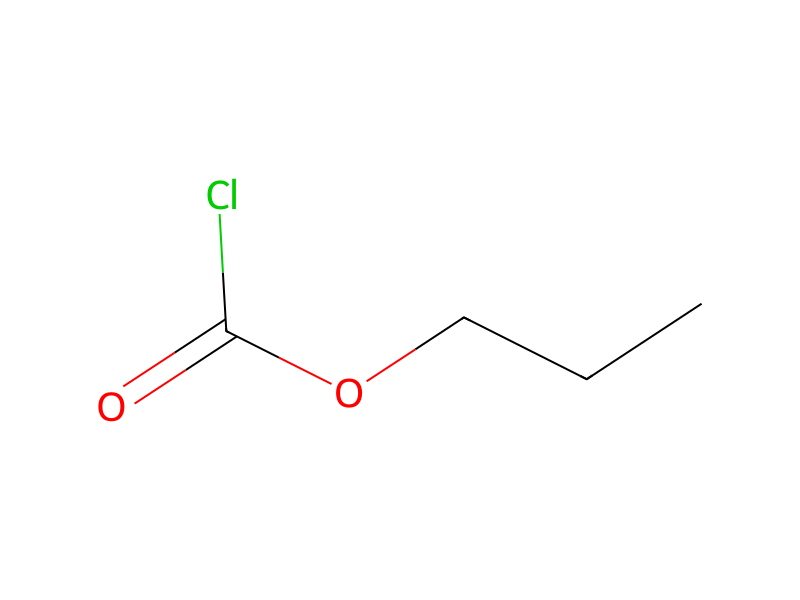
- 표준 SMILES
CCCOC(=O)Cl- InChIKey
QQKDTTWZXHEGAQ-UHFFFAOYSA-N- 분자식
- C4H7ClO2
- 평균 분자량
- 122.55 g/mol
- 단동위원소 질량
- 122.01345714
개요
N-propyl chloroformate appears as a colorless liquid. May be decomposed by water. Severely irritates skin and eyes. Very toxic by ingestion, inhalation or skin absorption. Denser than water and vapors heavier than air. Flash point 50 °F. Used to make other chemicals.
이름 및 식별자
- 우선 이름
- Propyl chloroformate
- IUPAC
- propyl carbonochloridate
- 현지명
- 클로로탄산 n-프로필에스테르
- 영어명
- Propyl chloroformate
- 분자식
- C4H7ClO2
- 분자량
- 122.55
이름 및 동의어
Propyl chloroformate109-61-5Propyl chlorocarbonateN-PROPYL CHLOROFORMATECarbonochloridic acid, propyl esterFormic acid, chloro-, propyl esterUN2740A5Y2T003JUDTXSID3042342UN-2740RefChem:176484DTXCID1022342
이름 더 보기
n-프로필클로로포름산클로로탄산n-프로필에스테르클로로포름산노르말프로필에테르n-프로필클로로포름산N-프로필 클로로폼에이트n-프로필 클로로포름산카보노클로리드산, 프로필 에스터클로로폼산 프로필클로로폼산, 프로필 에스터프로필 클로로카보네이트프로필 클로로폼에이트프로필클로로포르메이트NPCFchloro-formicacipropylesterPropyl chloroforMatProply chloroformateChloride propyl forMatePropyl chloridocarbonate
203-687-7propyl carbonochloridateChloroformic Acid Propyl Esterchloroformic acid n-propyl esterpropylchloroformateChloroformicacidpropylesterHSDB 5392carbonochloridic acid propyl ester
데이터베이스 식별자
- CAS
109-61-5- PubChem CID
- 7998
- DTXSID
DTXSID3042342- UNII
- A5Y2T003JU
- EC Number
- 203-687-7
- Nikkaji
- J34.719A
물성
구조 계산 물성
- XLogP
- 2.3
- 극성 표면적
- 26.3 Ų
- 수소 결합 공여자 수
- 0
- 수소 결합 수용자 수
- 2
- 회전 가능 결합 수
- 3
- 무거운 원자 수
- 7
- 형식 전하
- 0
- 복잡도
- 62.7
실험 및 물리화학적 성질
Chemical Classes
Toxic Gases & Vapors -> Acid Halides
Flammable agents - 3rd degree
SpringerMaterials PropertiesDielectric constant
LogP1.12
Density
1.09 at 68 °F (EPA, 1998) - Denser than water; will sink
1.091 AT 20 °C/4 °C
1.09 g/cm³
Relative density of the vapour/air-mixture at 20 °C (air = 1): 1.06
1.09 @25 °C
Viscosity0.80 cP @ 20 °C
Color/FormCOLORLESS LIQUID
Solubility
MISCIBLE WITH BENZENE, CHLOROFORM, ETHER
Insoluble in water
Solubility in water: reaction
Flash Point
-58 °F (EPA, 1998)
-50 °C (-58 °F)
26 °C c.c.
Boiling Point
237 to 241 °F at 760 mmHg (EPA, 1998)
112.4 °C
115 °C
Vapor Density
4.2 (EPA, 1998) - Heavier than air; will sink (Relative to Air)
4.2 (AIR= 1)
Relative vapor density (air = 1): 4.23
Vapor Pressure
20.0 [mmHg]
20 mm Hg @ 25.3 °C
Vapor pressure, kPa at 20 °C: 2.6
Refractive IndexINDEX OF REFRACTION: 1.4045 @ 20 °C
물리화학적 성질
- 끓는 점
- 105 · 105-106 °C(lit.)
- 밀도
- 1.09 g/mL · 1.09 g/mL at 25 °C(lit.)
- 증기압
- 0.87 psi · 0.87 psi ( 20 °C)
- 굴절률
- 20 · n20/D 1.404(lit.)
- 인화점
- 84 °F · 84 °F
- 저장 조건
- 2 · 2-8°C
- 용해도
- 벤젠: 혼화성(lit.)
- 물리적 상태
- 기름
- 색상
- 무색
- Specific Gravity
- 1.09 · 1.09
- Merck
- 13 · 13,7940
- Dielectric constant
- 11.2 · 11.2(20℃)
- 안정성
- 휘발성 물질
- InChIKey
- QQKDTTWZXHEGAQ-UHFFFAOYSA-N
- LogP
- 1.385 · 1.385 (est)
- NIST
- n-Propylchloroformate(109-61-5)
- EPA
- Propyl chloroformate (109-61-5)
화학적 성질
Propyl Chloroformate (PCF) is a colorless to yellow liquid, with a pungent odor. It reacts with water and spontaneous decomposes. It is miscible with benzene and ether.
안전 및 규제
GHS 분류
GHS Classification
Danger
H225: Highly Flammable liquid and vapor [Danger Flammable liquids]
P210, P233, P240, P241, P242, P243, P260, P261, P264, P271, P280, P301+P330+P331, P302+P361+P354, P303+P361+P353, P304+P340, P305+P354+P338, P316, P321, P363, P370+P378, P403+P233, P403+P235, P405, and P501 (click each P-code to see the statement)
Danger
H225 (100%): Highly Flammable liquid and vapor [Danger Flammable liquids]
P210, P233, P240, P241, P242, P243, P260, P261, P264, P264+P265, P270, P271, P280, P284, P301+P317, P301+P330+P331, P302+P361+P354, P303+P361+P353, P304+P340, P305+P354+P338, P316, P317, P320, P321, P330, P363, P370+P378, P403+P233, P403+P235, P405, and P501 (click each P-code to see the statement)
유해성 정보
Hazards IdentificationToxic/poison by inhalation (TIH/PIH)
Regulatory Information
Status: Active Update: 05-10-2022 https://echa.europa.eu/registration-dossier/-/registered-dossier/1891
Carbonochloridic acid, propyl ester: Does not have an individual approval but may be used as a component in a product covered by a group standard. It is not approved for use as a chemical in its own right.
The New Jersey Worker and Community Right to Know Act requires public and private employers to provide information about hazardous substances at their workplaces. (N.J.S.A. 34:5A-1 et. seq.)
DOT LabelPoison Inhalation Hazard Flammable Liquid Corrosive
Fire Hazards
When heated to decomposition, it emits toxic fumes of chlorine containing compounds. Propyl chloroformate is a flammable/combustible material; it may be ignited by heat, sparks or flames. Vapors may travel to a source of ignition and flash back. Container may explode in heat or fire. Vapor explosion and poison hazard indoors, outdoors or in sewers. Runoff to sewer may create fire or explosion hazard. Runoff from fire control or dilution water may cause pollution. Gradually decomposed by water and alcohol. Unstable, decomposes spontaneously to form hydrochloric acid and other products. Avoid moist air. (EPA, 1998)
· HIGHLY FLAMMABLE: Will be easily ignited by heat, sparks or flames.
Flammable. Gives off irritating or toxic fumes (or gases) in a fire. Above 26 °C explosive vapour/air mixtures may be formed.
Health Hazards
Strongly irritating to eyes and mucous membranes. Poisonous; may be fatal if inhaled, swallowed or absorbed through skin. (EPA, 1998)
· TOXIC and/or CORROSIVE; inhalation, ingestion or contact (skin, eyes) with vapors, dusts or substance may cause severe injury, burns or death.
Hazards SummaryA corrosive substance that can cause injury to the skin, eyes, and respiratory tract; Inhalation can cause pulmonary edema; [ICSC] A strong eye and mucous membrane irritant; [HSDB] See CHLOROFORMATES.
DOT ID and Guide2740 155
Reactive GroupAcyl Halides, Sulfonyl Halides, and Chloroformates
EC ClassificationSymbol: T; R: 10-23-34; S: (1/2)-26-36-45
UN ClassificationUN Hazard Class: 6.1; UN Subsidiary Risks: 3 and 8; UN Pack Group: I
Reactivity AlertsHighly Flammable
Reactivity Profile
Unstable, decomposes spontaneously to form hydrochloric acid and other products. Avoid moist air. [EPA, 1998]. May react vigorously or explosively if mixed with diisopropyl ether or other ethers in the presence of trace amounts of metal salts [J. Haz. Mat., 1981, 4, 291].
안전 및 보호
Fire Fighting
Keep unnecessary people away; isolate hazard area and deny entry. Stay upwind; keep out of low areas. Wear positive pressure breathing apparatus and special protective clothing. Isolate for 1/2 mile in all directions if tank car or truck is involved in fire.
NO water. Use dry powder, carbon dioxide, alcohol-resistant foam. In case of fire: keep drums, etc., cool by spraying with water. NO direct contact with water.
First Aid Measures
Fresh air, rest. Half-upright position. Artificial respiration may be needed. Refer for medical attention.
Remove contaminated clothes. Rinse skin with plenty of water or shower. Refer for medical attention .
First rinse with plenty of water for several minutes (remove contact lenses if easily possible), then refer for medical attention.
Rinse mouth. Do NOT induce vomiting. Give one or two glasses of water to drink. Refer for medical attention .
Accidental Release Measures
· CALL 911. Then call emergency response telephone number on shipping paper. If shipping paper not available or no answer, refer to appropriate telephone number listed on the inside back cover.
· ELIMINATE all ignition sources (no smoking, flares, sparks or flames) from immediate area.
First Aid
Warning: Propyl chloroformate is strongly irritating to eyes and mucous membranes. Caution is advised.
General First Aid:
Safe StorageFireproof. Provision to contain effluent from fire extinguishing. Separated from acids, alcohols, amines, bases, oxidants and food and feedstuffs. Dry. Well closed. Store in an area without drain or sewer access.
Exposure Control and Personal Protection
· Wear positive pressure self-contained breathing apparatus (SCBA).
TIH (Toxic Inhalation Hazard) - Term used to describe gases and volatile liquids that are toxic when inhaled. Some are TIH materials themselves, e.g., chlorine, and some release TIH gases when spilled in water, e.g., chlorosilanes. [ERG 2016].
Fire Fighting Procedures
If material on fire or involved in fire: Do not extinguish fire unless flow can be stopped. Use water in flooding quantities as fog. Solid streams of water may be ineffective. Apply water from as far a distance as possible. Use "alcohol" foam, carbon dioxide or dry chemical. Keep run-off water out of sewers and water sources.
Storage ConditionsOWING TO THE FACT THAT THESE COMPOUNDS DECOMP EASILY, STORAGE CONTAINERS SHOULD BE VENTED. /CHLOROFORMATES/
Nonfire Spill ResponseExcerpt from ERG Guide 155 [Substances - Toxic and/or Corrosive (Flammable / Water-Sensitive)]:
Spillage Disposal
Evacuate danger area! Consult an expert! Personal protection: chemical protection suit including self-contained breathing apparatus. Do NOT let this chemical enter the environment. Collect leaking and spilled liquid in sealable dry plastic containers as far as possible. Absorb remaining liquid in dry sand or inert absorbent. Then store and dispose of according to local regulations.
Preventive Measures
SRP: The scientific literature for the use of contact lenses in industry is conflicting. The benefit or detrimental effects of wearing contact lenses depend not only upon the substance, but also on factors including the form of the substance, characteristics and duration of the exposure, the uses of other eye protection equipment, and the hygiene of the lenses. However, there may be individual substances whose irritating or corrosive properties are such that the wearing of contact lenses would be harmful to the eye. In those specific cases, contact lenses should not be worn. In any event, the usual eye protection equipment should be worn even when contact lenses are in place.
Isolation and Evacuation
Excerpt from ERG Guide 155 [Substances - Toxic and/or Corrosive (Flammable / Water-Sensitive)]:
Immediate precautionary measure
Small spill:
Small spill:
독성 정보
Adverse EffectsDermatotoxin - Skin burns.
Exposure RoutesThe substance can be absorbed into the body by inhalation of its vapour and by ingestion.
Signs and Symptoms
Sore throat. Burning sensation. Cough. Laboured breathing. Shortness of breath. Symptoms may be delayed.
Redness. Pain. Skin burns.
Redness. Pain. Severe deep burns.
Abdominal pain. Burning sensation. Shock or collapse.
ICSC Environmental DataThe substance is toxic to aquatic organisms.
Human Toxicity ExcerptsTHE VAPORS ARE STRONGLY IRRITATING TO THE EYES & MUCOUS MEMBRANES.
Toxicity DataLC50 (mice) = 319 ppm/1h
규제 정보
CERCLA Reportable Quantities
Releases of CERCLA hazardous substances are subject to the release reporting requirement of CERCLA section 103, codified at 40 CFR part 302, in addition to the requirements of 40 CFR part 355. Propyl chloroformate is an extremely hazardous substance (EHS) subject to reporting requirements when stored in amounts in excess of its threshold planning quantity (TPQ) of 500 lbs.
DHS Chemicals of Interest (COI)
Propyl chloroformate
1.00
10,000
Flammable chemical that can be released at a facility.
안전 데이터
- wgk
- 1
- tsca
- TSCA listed
- rtecs
- LQ6830000
- ridadr
- UN 2740
- 독성
- mouse,LC50,inhalation,319ppm/1H (319ppm),"Kirk-Othmer Encyclopedia of Chemical Technology," 3rd ed., Grayson, M., and D. Eckroth, eds. New York, John Wiley & Sons, Inc., 1978Vol. 4, Pg. 758, 1978.
- HS 번호
- 29151300
- risk_code
- 10-23-34-22-11
- hazard_code
- T,F
- safety_code
- 26-36-45-16
- 포장분류
- I
- 위험 등급
- 6.1
- 기존화학 물질
- KE-05-1120
- 유해 물질 데이터
- 109-61-5(Hazardous Substances Data)
- 함량 및 규제정보
- 물질구분: 유독물질; 혼합물(제품)함량정보: n-프로필 클로로포름산 및 이를 25% 이상 함유한 혼합물
- 유해화학물질 필터링
- 2003-1-538
화학 및 산업
용도 및 제조
Uses
Used in organic synthesis; [CAMEO] Used as a military poison gas (lachrymator); [Hawley] Used as a reactive intermediate to polymerization initiators and other chemicals; [HSDB]
Reactive intermediate to polymerization initiators and other chemicals
ImpuritiesCarbon dioxide, hydrogen chloride, phosgene, and alkyl chlorides; main impurities are corresponding carbonates /chloroformic esters/
U.S. ProductionND (1992)
Methods of ManufacturingPrepared by the reaction of liquid anhydrous alcohol /n-propyl alcohol/ with molar excess of dry, chlorine-free phosgene at low temperature /low molecular weight alkyl chlorofomates/
Formulations/Preparations
Typical specifications of commercial chloroformates: purity, 98%; phosgene, <0.1%, iron, <10 ppm; acidity as HCl, <0.1%; alcohol or phenol, <2% /chloroformic esters/
Commercial products have concentrations of 97-99 wt% /chloroformic esters/
General Manufacturing Information
Carbonochloridic acid, propyl ester: ACTIVE
Most chloroformate production is used captively and production figures are not available.
응용 분야
용도Propyl Chloroformate is used as a dramatizing agent for the determination of morphine, codeine and 6-acetyl morphine in urine and blood using direct aqueous derivatization.
일반 설명N-propyl chloroformate appears as a colorless liquid. May be decomposed by water. Severely irritates skin and eyes. Very toxic by ingestion, inhalation or skin absorption. Denser than water and vapors heavier than air. Flash point 50°F. Used to make other chemicals.
제조 방법
Synthesis of Propyl chloroformate: Add n-propanol to the phosgene-passing kettle, start stirring, and then pass phosgene through the phosgene flowmeter. The phosgene-passing temperature is about 30 °C, and continue to pass the phosgene for several hours. When the end point is approached, sample and analyze, and stop when the standard is reached. Pass phosgene, cool, and then pass nitrogen to drive away phosgene and hydrogen chloride, destroy phosgene, and sample and analyze it as a product. Reaction equation: CH3CH2CH2OH+COCl2→ClCOOCH2CH2CH3
생산 방법Prepared by the reaction of liquid anhydrous n-propyl alcohol with molar excess of dry, chlorine-free phosgene at low temperature.
상·하류 제품 정보
상류 원료
공급사50 곳
国药集团化学试剂有限公司86-21-63210123 · [email protected]
梯希爱(上海)化成工业发展有限公司021-67121386 · [email protected]
上海阿拉丁生化科技股份有限公司400-6206333 13167063860 · [email protected]
南通润丰石油化工有限公司66017690 19952660367 · [email protected]
湖北成丰化工有限公司13125175253 · [email protected]
武汉欣扬瑞和化学科技有限公司153-07155313 15307155313 · [email protected]
上海泰矶林实业有限公司02150630626 17717886015 · [email protected]
爱斯特(成都)生物制药股份有限公司+86-28-85122536 85324413 · [email protected]
山东前元高分子材料有限公司18678041314 18765609661 · [email protected]
Dayang Chem (Hangzhou) Co.,Ltd.+86-0571-88938639 17705817739 · [email protected]
Syntechem Co.,Ltd[email protected]
安耐吉化学&3A(安徽泽升科技股份有限公司)400-0056266 · [email protected]
上海瀚鸿科技股份有限公司021-54306202 13764082696 · [email protected]
嘉兴市艾森化工有限公司0573-85285100 18627885956 · [email protected]
山东西亚化学有限公司13355009207 13355009207 · [email protected]
玛雅试剂+86 (573) 82222445 (0)18006601000 452520369 · [email protected]
四川库利南科技有限公司400-1166-196 18981987031 · [email protected]
天津希恩思生化科技有限公司400 638 7771 · [email protected]
Xiamen AmoyChem Co., Ltd+86-86-5926051114 · [email protected]
艾科试剂4008-755-333 18080918076 · [email protected]
上海思域化工科技有限公司86-21-34053660 · [email protected]
赛默飞世尔科技(中国)有限公司800-810-5118 · [email protected]
TOKYO CHEMICAL INDUSTRY CO., LTD.03-36680489 · [email protected]
上海贤鼎生物科技有限公司4009209199 · [email protected]
北京环宇世纪化学科技有限公司hysj_bj.com
上海将来实业股份有限公司400-0066400 13621662912 · [email protected]
上海将来实业股份有限公司021-61552785 · [email protected]
HBCChem, Inc.+1-510-219-6317 · [email protected]
美岚实业(上海)有限公司021-58958189 · [email protected]
上海爱蝶实业有限公司021-58957966 18930537195 · [email protected]
成都零六生物科技有限公司400-1166-196 13458535857 · [email protected]
上海御略医药科技有限公司021-60345187 13671753212 · [email protected]
上海麦克林生化科技股份有限公司15221275939 15221275939 · [email protected]
康迪斯化工(湖北)有限公司13125172151 · [email protected]
上海嵩爰化工科技有限公司010-1234567 18521000990 · [email protected]
上海有朋化工有限公司021-69005955 13701776567 · [email protected]
上海凯赛化工有限公司021-33516722 13701817765 · [email protected]
上海彤源化工有限公司021-021-69182866 13701855675 · [email protected]
陕西缔都医药化工有限公司029-81024372 17792795018 · [email protected]
凯试(上海)科技有限公司021-50135380 · [email protected]
上海蓝润化学有限公司021-69515658 ; 69515628 13701998368 · [email protected]
上海容立化学科技有限公司021-69992220 13701886816 · [email protected]
上海康拓化工有限公司021-69185552 13701777608 · [email protected]
深圳振强药物研发有限公司+86-0755-66853366 +86-13670046396 · [email protected]
成都瑞欧克科技有限公司028-64353063 · [email protected]
厦门志信化学有限公司+86-5922680277 +86-13806087780 · [email protected]
嘉兴市德亿化工有限公司0573-85866609 13325730825 · [email protected]
上海玻尔化学试剂有限公司19102157732 · [email protected]
湖北万业众诚化学试剂有限责任公司18671296875 · [email protected]
康幸生物科技(上海)有限公司021-61556450 15800904410
관련 반응
104건
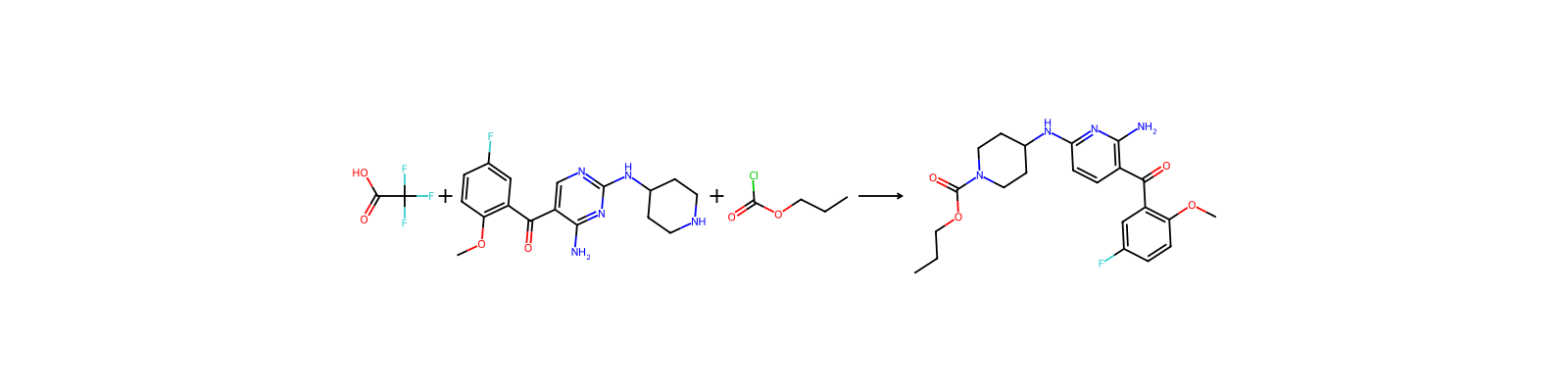
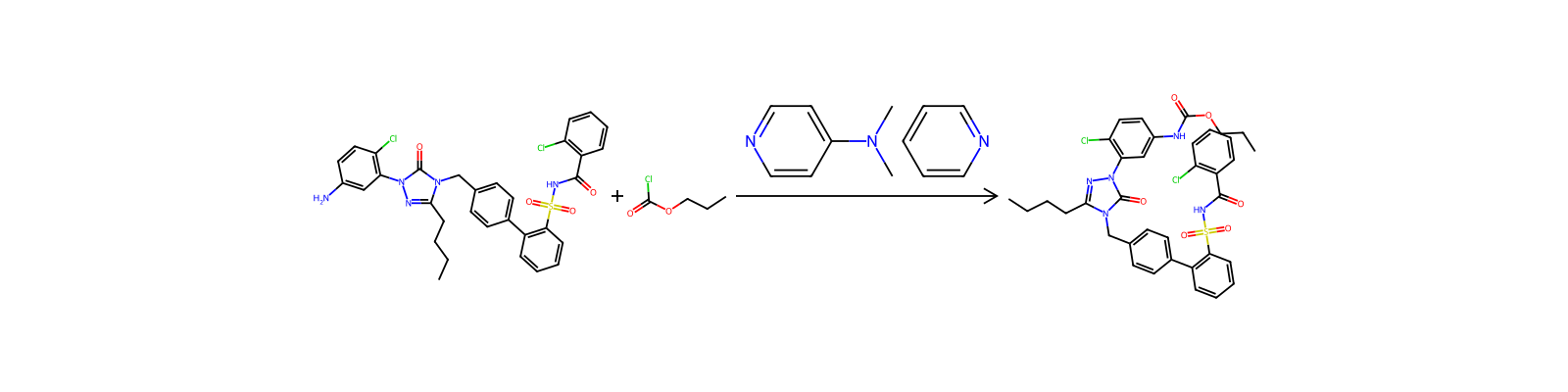
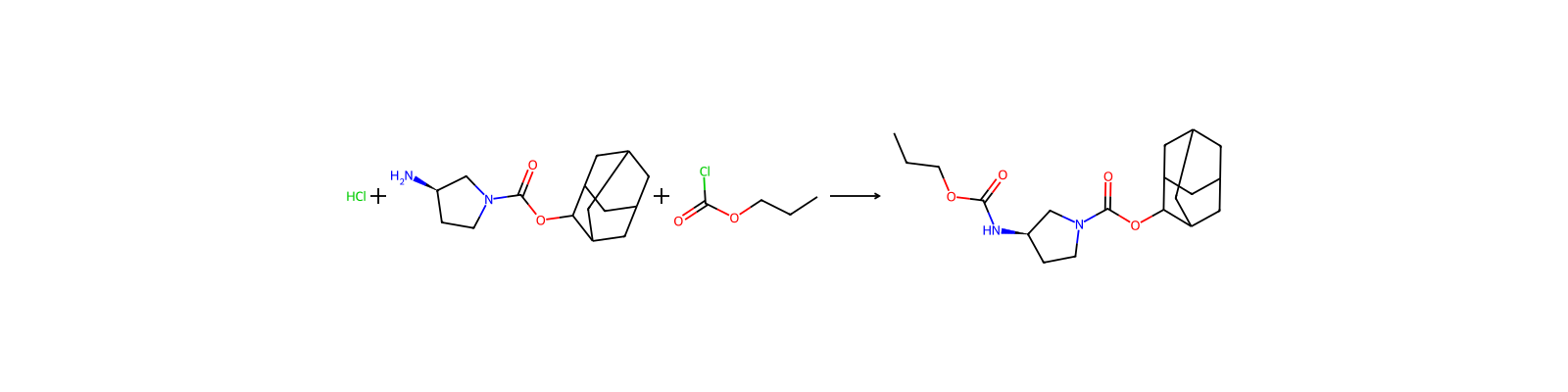
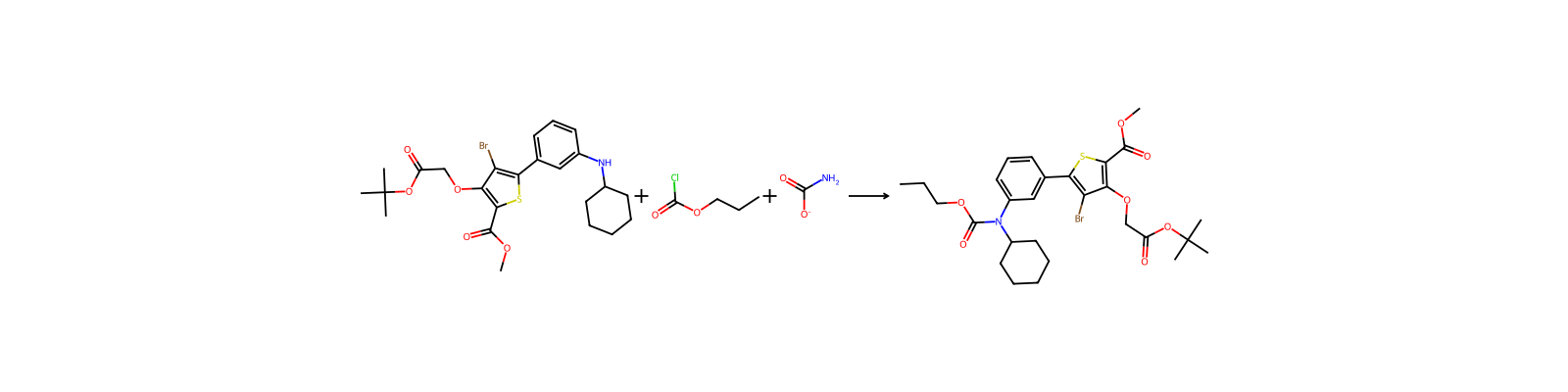

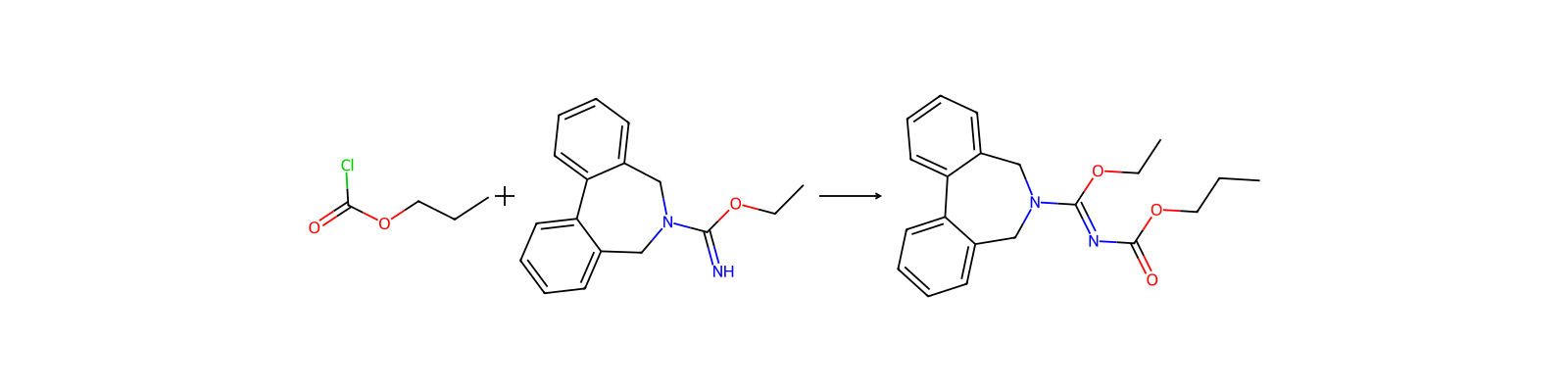

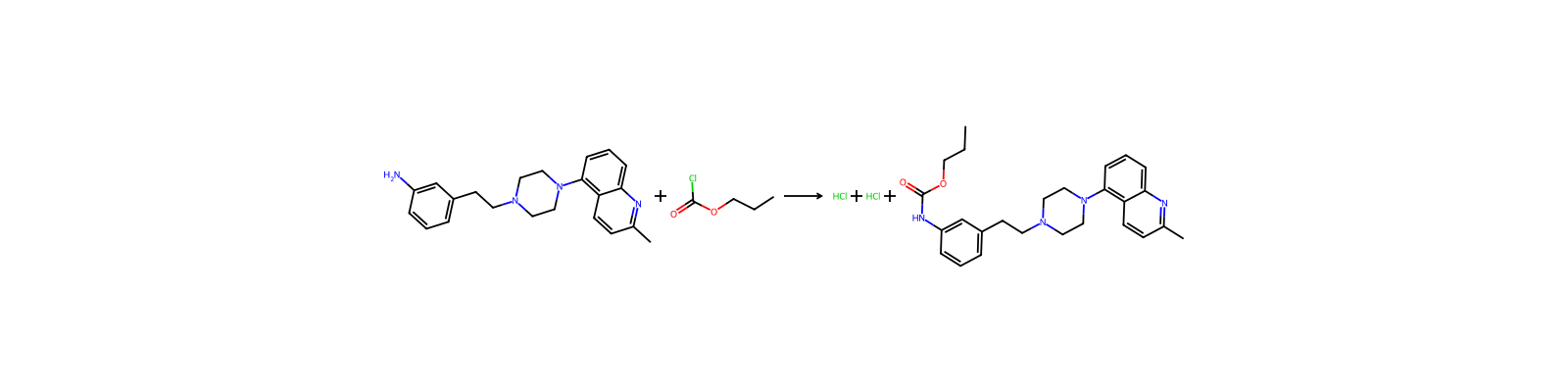
연결된 노트
불러오는 중…