홈MCP워크벤치Skills
홈워크벤치알림마이페이지
llms.txt · MCP 가이드개인정보처리방침 · 이용약관 · 지원v1.8.0
  1. 홈
  2. /화합물

말로노니트릴

Malononitrile

HCID 8010
새 노트새 반응견적 요청하기
인쇄 미리보기

데이터를 보충하는 중입니다. 잠시 후 페이지를 새로 고치면 최신 내용을 볼 수 있습니다

기본 정보이름 및 식별자물성안전 및 규제화학 및 산업관련 반응화합물 노트
부분 구조 검색유사 구조 찾기

기본 정보

CAS
109-77-3
표준 SMILES
N#CCC#N
InChIKey
CUONGYYJJVDODC-UHFFFAOYSA-N
분자식
C3H2N2
평균 분자량
66.06 g/mol
단동위원소 질량
66.02179807

이름 및 식별자

우선 이름
Malononitrile
IUPAC
propanedinitrile
현지명
말로노니트릴
영어명
Malononitrile
분자식
C3H2N2
분자량
66.06

이름 및 동의어

MALONONITRILEPropanedinitrile109-77-3DicyanomethaneMalonic dinitrileMethylene cyanideCyanoacetonitrileMalonodinitrileDicyanmethaneMalonic acid dinitrileMethylenedinitrileMethane, dicyano-
이름 더 보기
말로노나이트릴말론니트릴디시아노메탄말로노니트릴시아노아세토니트릴프로판디니트릴MALONITRILEmalonicCH2(CN)2MDN
MethylenecyanidePropanedinitriteNitril kyseliny malonoveDwumetylosulfotlenkuRCRA waste number U149USAF A-4600USAF KF-19Malonsaeuredinitril

데이터베이스 식별자

CAS
109-77-3
PubChem CID
8010
DTXSID
DTXSID6021907
ChEMBL
CHEMBL3187514
ChEBI
CHEBI:33186
UNII
EBL1KKS93J
EC Number
203-703-2
Nikkaji
J2.439B

물성

구조 계산 물성보충 중

XLogP
-0.5
극성 표면적
47.6 Ų
수소 결합 공여자 수
0
수소 결합 수용자 수
2
회전 가능 결합 수
0
무거운 원자 수
5
형식 전하
0
복잡도
82

실험 및 물리화학적 성질

LogP · 2건

log Kow = -0.60

-0.6

Density · 5건

1.191 at 68 °F (EPA, 1998) - Denser than water; will sink

1.1910 @ 20 °C/4 °C

1.19 g/cm³

1.049 @ 34°C

1.19

Color/Form · 2건

Colorless solid

White powder or colorless crystals

Solubility · 6건

greater than or equal to 100 mg/mL at 72.5 °F (NTP, 1992)

SOL IN ACETIC ACID, CHLOROFORM

Soluble in acetone and benzene

In water, 1.33X10+5 mg/l @ 25 °C

In ethanol, 0.40 g/ml @ 25 °C; in ether, 0.20 g/ml @ 25 °C

Solubility in water, g/100ml at 20 °C: 13.3 (moderate)

Flash Point · 5건

266 °F (EPA, 1998)

266 °F

266 °F (OPEN CUP)

112 °C o.c.

(oc) 266 °F

Boiling Point · 5건

424 to 426 °F at 760 mmHg (EPA, 1998)

218-219 °C @ 760 mm Hg

218-220 °C

220 °C @760 [mm Hg]

426 °F

DecompositionWhen heated to decomposition it emits toxic fumes of NOx and CN- /nitrogen oxides and cyanides/.

안전 및 규제

안전 정보는 참고용이며, 공급업체의 물질안전보건자료(SDS), 관련 법규 및 전문가 평가를 대체하지 않습니다.

GHS 분류

GHS Classification · 6건

Danger

H301: Toxic if swallowed [Danger Acute toxicity, oral];H311: Toxic in contact with skin [Danger Acute toxicity, dermal];H331: Toxic if inhaled [Danger Acute toxicity, inhalation];H400: Very toxic to aquatic life [Warning Hazardous to the aquatic environment, acute hazard];H410: Very toxic to aquatic life with long lasting effects [Warning Hazardous to the aquatic environment, long-term hazard]

P261, P262, P264, P270, P271, P273, P280, P301+P316, P302+P352, P304+P340, P316, P321, P330, P361+P364, P391, P403+P233, P405, and P501 (click each P-code to see the statement)

Danger

유해성 정보

Regulatory Information · 5건

Chemical: Propanedinitrile

Propanedinitrile is listed on the EPA's Chemical Data Reporting (CDR) system. Manufacturers and importers of Propanedinitrile are required to report information about their production and use of this chemical to the EPA under the Toxic Substances Control Act (TSCA). (40 eCFR Part 711)

Status: Active Update: 21-01-2020 https://echa.europa.eu/registration-dossier/-/registered-dossier/1151;Status: Active Update: 18-11-2013 https://echa.europa.eu/registration-dossier/-/registered-dossier/8340

Malononitrile: Does not have an individual approval but may be used under an appropriate group standard

The New Jersey Worker and Community Right to Know Act requires public and private employers to provide information about hazardous substances at their workplaces. (N.J.S.A. 34:5A-1 et. seq.)

DOT LabelPoison
Fire Hazards · 3건

When heated to decomposition, malononitrile emits highly toxic fumes (cyanide). May polymerize violently on prolonged heating. Avoid heat. Hazardous polymerization may occur, at prolonged heating at 266F or contact with strong bases at lower temperatures. (EPA, 1998)

· Combustible material: may burn but does not ignite readily.;· When heated, vapors may form explosive mixtures with air: indoors, outdoors and sewers explosion hazards.;· Those substances designated with a (P) may polymerize explosively when heated or involved in a fire.;· Corrosives in contact with metals may evolve flammable hydrogen gas.;· Containers may explode when heated.;· Runoff may pollute waterways.;· Substance may be transported in a molten form.

화학 및 산업

약리 정보

Mechanism of Action · 1건

CYTOTOXIC ANOXIA IS CONSEQUENCE OF INTERFERENCE WITH CELL METAB IN PRESENCE OF ADEQUATE SUPPLY OF ... BLOOD & OXYGEN. CYTOTOXIC ANOXIA MAY RESULT FROM METABOLIC INHIBITORS SUCH AS ... MALONONITRILE ... IN CONTRAST TO ... SUSCEPTIBILITY OF NEURONS ... TO ISCHEMIC & ANOXIC ANOXIA, IT IS OLIGODENDROGLIA THAT ARE MORE SUSCEPTIBLE TO INJURY FROM REPEATED ... TOXIC DOSES OF METAB INHIBITORS.

Metabolism/Metabolites · 3건

Male ddY mice were pretreated with carbon tetrachloride or olive oil and administered malononitrile orally in concentrations sufficient to determine the median lethal dose (LD50). Brain cyanide concentrations were determined. The distribution coefficient for partitioning malononitrile between water and n-octanol was measured. Mice were pretreated as before and dosed at 3 to 5 times the LD50. Mean survival times were determined. Hepatic microsomes were obtained from mice pretreated with carbon tetrachloride or olive oil and incubated with malononitrile. The rate of release of free cyanide was investigated. The oral LD50 for animals pretreated with olive oil was 1.799 mmol/kg. The LD50 for the carbon tetrachloride treated mice was 1.626 mmol/kg. Brain cyanide concentrations in olive oil pretreated mice ranged from 0.35 to 0.74 ug/g. Carbon tetrachloride pretreatment lengthened survival and reduced brain cyanide concentrations. Dinitriles are metabolized to cyanides in vivo and in vitro.

In the presence of thiosulfate, brain, liver and kidney slices metabolized malononitrile to thiocyanate. The formation of thiocyanate from malononitrile and thiosulfate was greatest in the presence of liver slices, lowest in brain, and intermediate with kidney slices. The liver enzyme system was saturated at a concentration of 3.3 mM malononitrile and a pH optimum of 7.0. This enzyme system was inhibited by cysteine and glutathione and inactivated by boiling. ... Thiosulfate increased cyanide and thiocyanate formed from malononitrile in tissue slices.

Organic nitriles are converted into cyanide ions through the action of cytochrome P450 enzymes in the liver. Cyanide is rapidly absorbed and distributed throughout the body. Cyanide is mainly metabolized into thiocyanate by either rhodanese or 3-mercaptopyruvate sulfur transferase. Cyanide metabolites are excreted in the urine. (L96)

용도 및 제조

관련 반응

846건
반응 기록 만들기
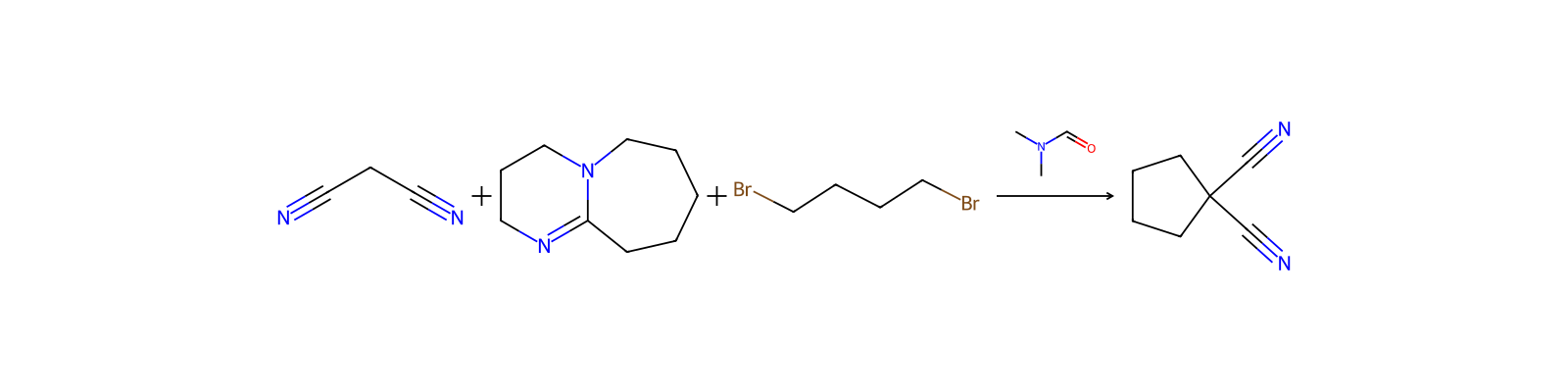
HRID 5487 반응식
HRID 5487반응물로uspto-grants-1993_09
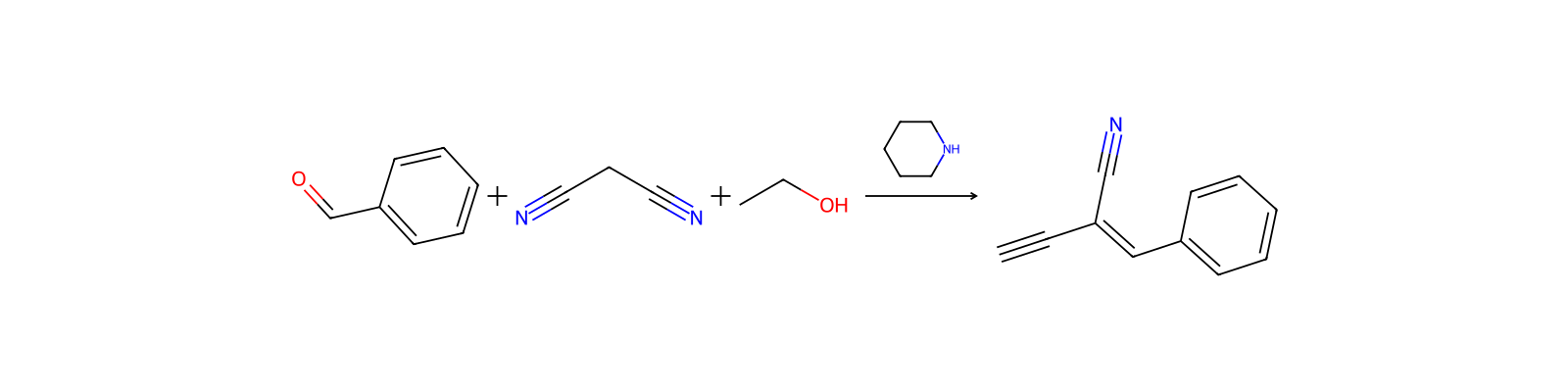
HRID 12475 반응식
HRID 12475반응물로uspto-grants-2010_06
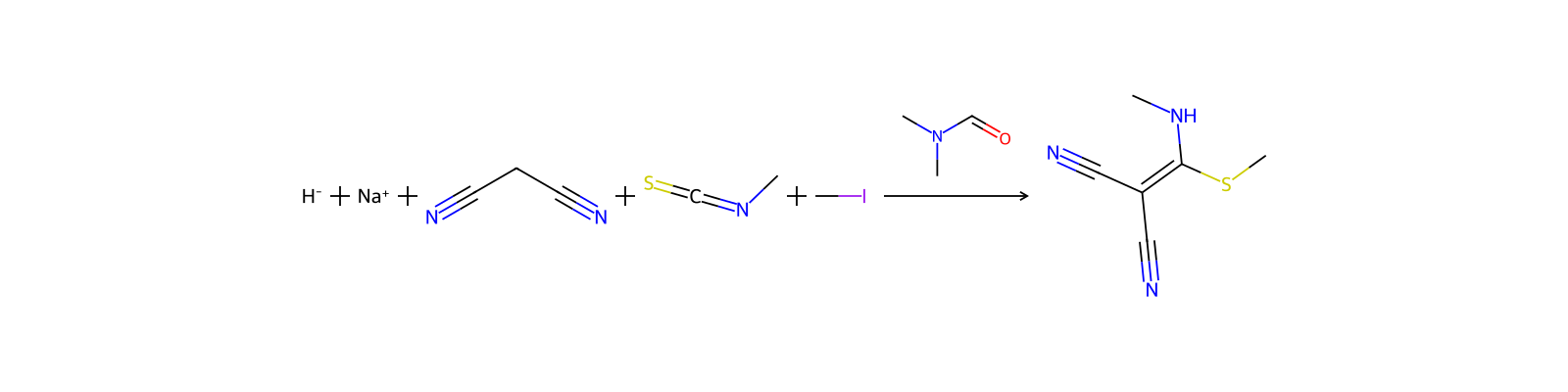
HRID 12478 반응식
HRID 12478반응물로uspto-grants-2010_06
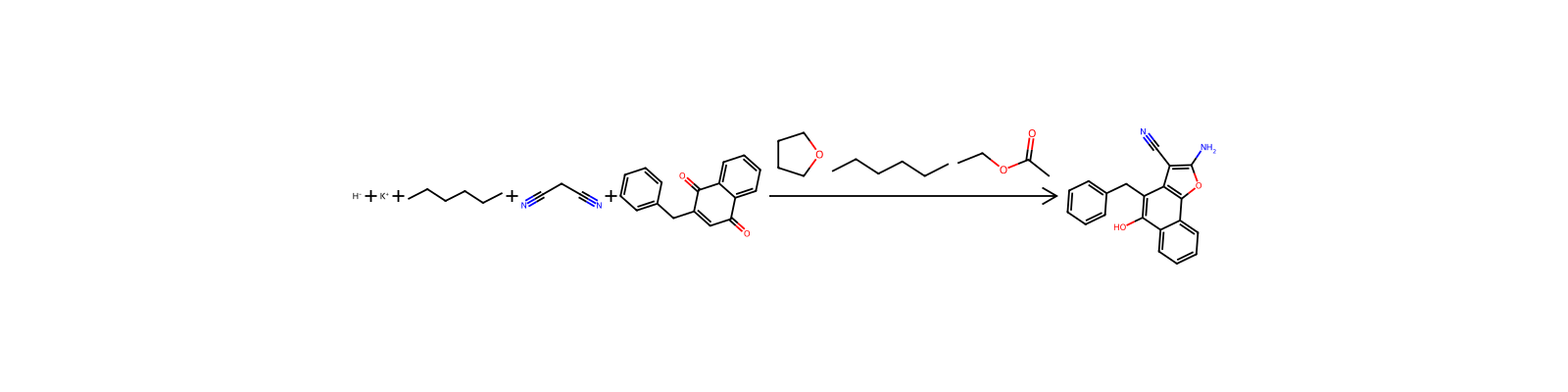
HRID 12481 반응식
HRID 12481반응물로uspto-grants-2010_06
HRID 12506 반응식
HRID 12506반응물로uspto-grants-2010_06
HRID 12509 반응식
HRID 12509반응물로uspto-grants-2010_06
HRID 20316 반응식
HRID 20316반응물로uspto-grants-2010_06
HRID 27090 반응식
HRID 27090반응물로uspto-grants-1980_09
1 / 106 페이지

화합물 노트

불러오는 중…

이 페이지에서기본 정보이름 및 식별자물성안전 및 규제화학 및 산업관련 반응화합물 노트
더보기
새 노트새 반응견적 요청하기
Melting Point · 5건

90 °F (EPA, 1998)

32 °C

30-34 °C

30.5 °C

90 °F

Vapor DensityRelative vapor density (air = 1): 2.3
Polymerization... Malononitrile may polymerise violently on heating at 130 °C, or in contact with strong bases at lower temperatures.
Vapor Pressure · 4건

0.2 [mmHg]

0.200 mm Hg @ 25 °C

Vapor pressure, Pa at 25 °C: 27

11 [mm Hg] @99 °C

Refractive IndexIndex of refraction: 1.4146 @ 34 °C/D

물리화학적 성질

녹는점
30 · 30-32 °C (lit.)
끓는 점
220 °C · 220 °C (lit.)
밀도
1.049 g/mL · 1.049 g/mL at 25 °C (lit.)
증기압
1 hPa · 1 hPa (50 °C)
굴절률
1.415 · 1.4150
인화점
234 °F · 234 °F
저장 조건
2 · 2-8°C
용해도
133 g/l · 133g/l
산도 계수 (pKa)
11 · 11(at 25℃)
물리적 상태
결정질 저융점 질량
색상
흰색에서 황갈색
Specific Gravity
1.049 · 1.049
수소이온지수(pH)
4.5 · pH : 4.5
수용성
13.3 g/100mL · 13.3g/100mL(20℃)
Merck
14 · 14,5711
BRN
773697 · 773697
Henry's Law Constant
7.5 · 7.5×101 mol/(m3Pa) at 25℃, Duchowicz et al. (2020)
Dielectric constant
46 · 46.0
InChI
1S/C3H2N2/c4-2-1-3-5/h1H2
InChIKey
CUONGYYJJVDODC-UHFFFAOYSA-N
SMILES
N#CCC#N
NIST
Malononitrile(109-77-3)
EPA
Malononitrile (109-77-3)
CAS Number Unlabeled
109 · 109-77-3

화학적 성질

Malononitrile is a white powder or colorless, odorless crystalline substance. It may polymerize violently on prolonged heating at 130°C or at lower temperatures on contact with strong bases.

Combustible. Risk of fire and explosion. See Chemical Dangers.

Fire PotentialCombustible when exposed to heat or flame.
Health Hazards · 2건

Metabolized by body to cyanide and thiocyanate; effects of inhalation of toxic fumes will be related to cyanide. Causes brain and heart damage related to lack of cellular oxygen. It is classified as extremely toxic. Probable oral lethal dose for humans is 5-50 mg/kg, or between 7 drops and 1 teaspoonful, for a 70 kg (150 lb.) person. (EPA, 1998)

· TOXIC and/or CORROSIVE; inhalation, ingestion or skin contact with material may cause severe injury or death.;· Methyl bromoacetate (UN2643) is an eye irritant/lachrymator (causes flow of tears).;· Contact with molten substance may cause severe burns to skin and eyes.;· Avoid any skin contact.;· Fire may produce irritating, corrosive and/or toxic gases.;· Runoff from fire control or dilution water may be corrosive and/or toxic and cause environmental contamination.

Hazards Summary · 1건

The toxicity of this compound is due to liver metabolism and the release of cyanide. Animals show liver injury after subcutaneous doses. [HSDB] A severe irritant of the skin and eyes; Violent polymerization may occur if heated above 266 deg F or contacts strong bases at lower temperatures; [CAMEO] See NITRILES.

DOT ID and Guide · 2건

2647 153

2647 153

Reactive GroupNitriles;Polymerizable Compounds
EC ClassificationSymbol: T, N; R: 23/24/25-50/53; S: (1/2)-23-27-45-60-61
UN ClassificationUN Hazard Class: 6.1; UN Pack Group: II
Special ReportsKaplita PV and Smith RP; Toxicol Appl Pharmacol 84 (3): 533-540 (1986). Pathways for the bioactivation of aliphatic nitriles to free cyanide in mice.
RCRA Requirements · 1건

U149; As stipulated in 40 CFR 261.33, when malononitrile, as a commercial chemical product or manufacturing chemical intermediate or an off-specification commercial chemical product or a manufacturing chemical intermediate, becomes a waste, it must be managed according to Federal and/or State hazardous waste regulations. Also defined as a hazardous waste is any residue, contaminated soil, water, or other debris resulting from the cleanup of a spill, into water or on dry land, of this waste. Generators of small quantities of this waste may qualify for partial exclusion from hazardous waste regulations (40 CFR 261.5).

안전 및 보호

Fire Fighting · 2건

Move container from fire area if you can do it without risk. Wear positive pressure breathing apparatus and special protective clothing.;Use dry chemical, carbon dioxide, water spray, fog, or foam. (EPA, 1998)

Use water spray, dry powder, foam, carbon dioxide.

First Aid Measures · 4건

Fresh air, rest. Artificial respiration may be needed. Refer for medical attention. Half-upright position.

Remove contaminated clothes. Rinse and then wash skin with water and soap. Refer for medical attention .

First rinse with plenty of water for several minutes (remove contact lenses if easily possible), then refer for medical attention.

Rinse mouth. Give a slurry of activated charcoal in water to drink. Induce vomiting (ONLY IN CONSCIOUS PERSONS!). Give one or two glasses of water to drink. Refer for medical attention .

Accidental Release Measures · 2건

· CALL 911. Then call emergency response telephone number on shipping paper. If shipping paper not available or no answer, refer to appropriate telephone number listed on the inside back cover.;· Keep unauthorized personnel away.;· Stay upwind, uphill and/or upstream.;· Ventilate closed spaces before entering, but only if properly trained and equipped.

· ELIMINATE all ignition sources (no smoking, flares, sparks or flames) from immediate area.;· Do not touch damaged containers or spilled material unless wearing appropriate protective clothing.;· Stop leak if you can do it without risk.;· Prevent entry into waterways, sewers, basements or confined areas.;· Absorb or cover with dry earth, sand or other non-combustible material and transfer to containers.;· DO NOT GET WATER INSIDE CONTAINERS.

First Aid · 3건

Warning: Malononitrile may be fatal if inhaled, swallowed, or absorbed through skin or mucous membranes. Caution is advised.;Signs and Symptoms of Malononitrile Exposure: Signs and symptoms of acute exposure to malononitrile may include hypertension (high blood pressure) and tachycardia (rapid heart rate), followed by hypotension (low blood pressure) and bradycardia (slow heart rate). Cherry-red or bloody mucous membranes may be noted. Cardiac arrhythmias and other cardiac abnormalities are common. Cyanosis (blue tint to the skin and mucous membranes) may be observed. Other symptoms include anxiety, confusion, tightness in the chest, and involuntary urination and defecation. Headache, vertigo (dizziness), agitation, and giddiness may be followed by combative behavior, convulsions, paralysis, protruding eyeballs, dilated and unreactive pupils, unconsciousness and coma. Tachypnea (rapid, shallow respirations) or hyperpnea (rapid, deep respirations) may be followed by respiratory depression or arrest. Lung hemorrhage and pulmonary edema may also occur. Malononitrile is irritating to the skin, eyes, and mucous membranes. Lacrimation (tearing) and a burning sensation of the mouth and throat are common. Salivation, nausea, and vomiting may also occur.;Emergency Life-Support Procedures: Acute exposure to malononitrile exposure may require decontamination and life support for the victims. Emergency personnel should wear protective clothing appropriate to the type and degree of contamination. Air-purifying or supplied-air respiratory equipment should also be worn, as necessary. Rescue vehicles should carry supplies such as plastic sheeting and disposable plastic bags to assist in preventing spread of contamination.;Inhalation Exposure:;1. Move victims to fresh air. Emergency personnel should avoid self-exposure to malononitrile.;2. Evaluate vital signs including pulse and respiratory rate, and note any trauma. If no pulse is detected, provide CPR. If not breathing, provide artificial respiration. IMMEDIATELY begin administering 100% oxygen to all victims. Monitor victims for respiratory distress.Warning: To prevent self-poisoning, avoid mouth-to-mouth breathing; use a forced-oxygen mask. Direct oral contact with malononitrile-contaminated persons or their gastric contents can result in self-poisoning.;3. RUSH to a health care facility!;4. Obtain authorization and/or further instructions from the local hospital for administration of an antidote or performance of other invasive procedures.;Dermal/Eye Exposure:;1. Remove victims from exposure. Emergency personnel should avoid self-exposure to malononitrile.;2. Evaluate vital signs including pulse and respiratory rate, and note any trauma. If no pulse is detected, provide CPR. If not breathing, provide artificial respiration. IMMEDIATELY begin administering 100% oxygen to all victims. Monitor victims for respiratory distress.Warning: To prevent self-poisoning, avoid mouth-to-mouth breathing; use a forced-oxygen mask. Direct oral contact with malononitrile-contaminated persons or their gastric contents can result in self-poisoning.;3. RUSH to a health care facility!;4. Remove contaminated clothing as soon as possible.;5. If eye exposure has occurred, eyes must be flushed with lukewarm water for at least 15 minutes.;6. Wash exposed skin areas twice with soap and water.;7. Obtain authorization and/or further instructions from the local hospital for administration of an antidote or performance of other invasive procedures.;Ingestion Exposure:;1. Evaluate vital signs including pulse and respiratory rate, and note any trauma. If no pulse is detected, provide CPR. If not breathing, provide artificial respiration. IMMEDIATELY begin administering 100% oxygen to all victims. Monitor victims for respiratory distress.Warning: To prevent self-poisoning, avoid mouth-to-mouth breathing; use a forced-oxygen mask. Direct oral contact with malononitrile-contaminated persons or their gastric contents can result in self-poisoning.;2. RUSH to a health care facility!;3. Obtain authorization and/or further instructions from the local hospital for administration of an antidote or performance of other invasive procedures.

General First Aid:;· Call 911 or emergency medical service.;· Ensure that medical personnel are aware of the material(s) involved, take precautions to protect themselves and avoid contamination.;· Move victim to fresh air if it can be done safely.;· Administer oxygen if breathing is difficult.;· If victim is not breathing:;-- DO NOT perform mouth-to-mouth resuscitation; the victim may have ingested or inhaled the substance.;-- If equipped and pulse detected, wash face and mouth, then give artificial respiration using a proper respiratory medical device (bag-valve mask, pocket mask equipped with a one-way valve or other device).;-- If no pulse detected or no respiratory medical device available, provide continuous compressions. Conduct a pulse check every two minutes or monitor for any signs of spontaneous respirations.;· Remove and isolate contaminated clothing and shoes.;· For minor skin contact, avoid spreading material on unaffected skin.;· In case of contact with substance, remove immediately by flushing skin or eyes with running water for at least 20 minutes.;· For severe burns, immediate medical attention is required.;· Effects of exposure (inhalation, ingestion, or skin contact) to substance may be delayed.;· Keep victim calm and warm.;· Keep victim under observation.;· For further assistance, contact your local Poison Control Center.;· Note: Basic Life Support (BLS) and Advanced Life Support (ALS) should be done by trained professionals.;Specific First Aid:;· For corrosives, in case of contact, immediately flush skin or eyes with running water for at least 30 minutes. Additional flushing may be required.

(General first aid procedures);Eye: Irrigate immediately - If this chemical contacts the eyes, immediately wash (irrigate) the eyes with large amounts of water, occasionally lifting the lower and upper lids. Get medical attention immediately.;Skin: Water wash immediately - If this chemical contacts the skin, immediately wash the contaminated skin with water. If this chemical penetrates the clothing, immediately remove the clothing and wash the skin with water. If symptoms occur after washing, get medical attention immediately.;Breathing: Respiratory support;Swallow: Medical attention immediately - If this chemical has been swallowed, get medical attention immediately.

Safe StorageCool. Separated from strong bases and food and feedstuffs. Well closed. Keep in a well-ventilated room.
Exposure Control and Personal Protection · 1건

· Wear positive pressure self-contained breathing apparatus (SCBA).;· Wear chemical protective clothing that is specifically recommended by the manufacturer when there is NO RISK OF FIRE.;· Structural firefighters' protective clothing provides thermal protection but only limited chemical protection.

Fire Fighting ProceduresTo fight fire, use water, fog, spray, foam.
Nonfire Spill Response · 1건

Excerpt from ERG Guide 153 [Substances - Toxic and/or Corrosive (Combustible)]:;ELIMINATE all ignition sources (no smoking, flares, sparks or flames) from immediate area. Do not touch damaged containers or spilled material unless wearing appropriate protective clothing. Stop leak if you can do it without risk. Prevent entry into waterways, sewers, basements or confined areas. Absorb or cover with dry earth, sand or other non-combustible material and transfer to containers. DO NOT GET WATER INSIDE CONTAINERS. (ERG, 2024)

Disposal Methods · 3건

Generators of waste (equal to or greater than 100 kg/mo) containing this contaminant, EPA hazardous waste number U149 must conform with USEPA regulations in storage, transportation, treatment and disposal of waste.

A potential candidate for rotary kiln incineration at a temperature range of 820 to 1600 °C and residence times of seconds for liquids and gases, and hours for solids. A potential candidate for fluidized bed incineration at a temperature range of 450 to 980 °C and residence times of seconds for liquidsand gases, and longer for solids.

The following wastewater treatment technology has been investigated for propanedinitrile: Concentration process: Biological treatment.

Spillage Disposal · 1건

Remove all ignition sources. Personal protection: chemical protection suit including self-contained breathing apparatus. Do NOT let this chemical enter the environment. Vacuum spilled material with specialist equipment. If appropriate, moisten first to prevent dusting.

Preventive Measures · 5건

The worker should immediately wash the skin when it becomes contaminated.

Work clothing that becomes wet or significantly contaminated should be removed or replaced.

Workers whose clothing may have become contaminated should change into uncontaminated clothing before leaving the work premises.

SKIN CONTACT & INHALATION OF DUST OR VAPOR SHOULD BE PREVENTED.

For more Preventive Measures (Complete) data for MALONONITRILE (6 total), please visit the HSDB record page.

Isolation and Evacuation · 2건

Excerpt from ERG Guide 153 [Substances - Toxic and/or Corrosive (Combustible)]:;IMMEDIATE PRECAUTIONARY MEASURE: Isolate spill or leak area in all directions for at least 50 meters (150 feet) for liquids and at least 25 meters (75 feet) for solids.;SPILL: Increase the immediate precautionary measure distance, in the downwind direction, as necessary.;FIRE: If tank, rail tank car or highway tank is involved in a fire, ISOLATE for 800 meters (1/2 mile) in all directions; also, consider initial evacuation for 800 meters (1/2 mile) in all directions. (ERG, 2024)

Immediate precautionary measure;· Isolate spill or leak area in all directions for at least 50 meters (150 feet) for liquids and at least 25 meters (75 feet) for solids.;Spill;· For highlighted materials: see Table 1 - Initial Isolation and Protective Action Distances.;· For non-highlighted materials: increase the immediate precautionary measure distance, in the downwind direction, as necessary.;Fire;· If tank, rail tank car or highway tank is involved in a fire, ISOLATE for 800 meters (1/2 mile) in all directions; also, consider initial evacuation for 800 meters (1/2 mile) in all directions.

독성 정보

Treatment · 1건

Antidotes to cyanide poisoning include hydroxocobalamin and sodium nitrite, which release the cyanide from the cytochrome system, and rhodanase, which is an enzyme occurring naturally in mammals that combines serum cyanide with thiosulfate, producing comparatively harmless thiocyanate. Oxygen therapy can also be administered. (L97)

Interactions · 2건

SODIUM THIOSULFATE, SODIUM NITRITE, OR CARBON TETRACHLORIDE PROTECTED MICE AGAINST LETHAL EFFECTS OF MALONONITRILE. HIGH TISSUE CYANIDE CONCN FOUND AFTER MALONONITRILE ADMIN WERE REDUCED IN MICE PRETREATED WITH SODIUM THIOSULFATE OR CARBON TETRACHLORIDE.

The toxic mechanism of nitriles and the effect of metabolic modifiers in mice were studied in relation to their physicochemical properties. All the test nitriles liberated cyanide both in vivo and in vitro, with the exception of benzonitrile, although the extent of liberation and the effect of carbon tetrachloride pretreatment on the mortality of animals differed among nitriles. From these results, test compounds were tentatively divided into 3 groups. In group 1, acute toxicity was greatly reduced by carbon tetrachloride pretreatment, in group 2, toxicity was not significantly changed or was somewhat enhanced, and in group 3, benzonitrile only, toxicity was clearly enhanced. The amount of cyanide was higher at death in the brains of mice given group 1 compounds, the level being comparable to that found in mice killed by dosing with potassium cyanide. The relation between log (1/LD50) and log p for the compounds in group 1 fitted a parabolic plot, while that for compounds in group 2 was linear. For most nitriles, the in vitro metabolism was inhibited when the incubation mixture contained either SKF-525A, carbon monoxide, or microsomes from mice treated with carbon tetrachloride. When mice were dosed with ethyl alcohol, metabolic enhancement of nitriles was seen compared with the control. However, ethyl alcohol, when added to the incubation mixture, inhibited the in vitro metabolism of nitriles. /Nitriles/

Target OrgansEyes, skin, respiratory system, central nervous system, cardiovascular system
Health Effects · 1건

Exposure to high levels of cyanide for a short time harms the brain and heart and can even cause coma, seizures, apnea, cardiac arrest and death. Chronic inhalation of cyanide causes breathing difficulties, chest pain, vomiting, blood changes, headaches, and enlargement of the thyroid gland. Skin contact with cyanide salts can irritate and produce sores. (L96, L97)

Ecotoxicity Values · 3건

LC50 Rainbow trout 1.6 mg/l/96 hr /Conditions of bioassay not specified/

LC50 Pimephales promelas (fathead minnow) 0.56 mg/l/96 hr (confidence limit 0.51 - 0.61 mg/l), flow-through bioassay with measured concentrations, 24.1 °C, dissolved oxygen 6.3 mg/l, hardness 45.6 mg/l calcium carbonate, alkalinity 42.5 mg/l calcium carbonate, and pH 7.53.

EC50 Pimephales promelas (fathead minnow) 0.52 mg/l/96 hr (confidence limit 0.47 - 0.57 mg/l), flow-through bioassay with measured concentrations, 24.1 °C, dissolved oxygen 6.3 mg/l, hardness 45.6 mg/l calcium carbonate, alkalinity 42.5 mg/l calcium carbonate, and pH 7.53. Effect: loss of equilibrium.

Environmental Fate · 3건

TERRESTRIAL FATE: Based on a classification scheme(1), an estimated Koc value of 11(SRC), determined from a log Kow of -0.60(2) and a regression-derived equation(3), indicates that malononitrile is expected to have very high mobility in soil(SRC). Volatilization of malononitrile from moist soil surfaces is not expected to be an important fate process(SRC) given an estimated Henry's Law constant of 1.27X10⁻⁸ atm-cu m/mole(SRC), using a fragment constant estimation method(4). Malononitrile is not expected to volatilize from dry soil surfaces(SRC) based upon a vapor pressure of 0.20 mm Hg(5). Nitriles are biodegraded by enzyme-catalyzed hydrolysis to ultimately form carboxylic acids and ammonia(6,7). Thus, malononitrile may biodegrade in soil(SRC).

AQUATIC FATE: Based on a classification scheme(1), an estimated Koc value of 11(SRC), determined from a log Kow of -0.60(2) and a regression-derived equation(3), indicates that malononitrile is not expected to adsorb to suspended solids and sediment(SRC). Volatilization from water surfaces is not expected(3) based upon an estimated Henry's Law constant of 1.27X10⁻⁸ atm-cu m/mole(SRC), developed using a fragment constant estimation method(4). According to a classification scheme(5), an estimated BCF of 3(SRC), from its log Kow(2) and a regression-derived equation(6), suggests the potential for bioconcentration in aquatic organisms is low(SRC). The neutral and base hydrolysis rate constants for malononitrile in water at 25 °C were experimentally determined to be 0.00135/hr and 806/M-hr, respectively, which corresponds to a half-life of 20.2 days at a pH of 7(7); at pHs of 5, 6, 8 and 9, the hydrolysis half-lives would be 21.4, 21.3. 13.4 and 3.1 days, respectively(SRC). Nitriles are biodegraded by enzyme-catalyzed hydrolysis to ultimately form carboxylic acids and ammonia(8,9). Thus, malononitrile may biodegrade in water(SRC).

ATMOSPHERIC FATE: According to a model of gas/particle partitioning of semivolatile organic compounds in the atmosphere(1), malononitrile, which has a vapor pressure of 0.200 mm Hg at 25 °C(2), is expected to exist solely as a vapor in the ambient atmosphere(SRC). Vapor-phase malononitrile is degraded in the atmosphere by reaction with photochemically-produced hydroxyl radicals(SRC); the half-life for this reaction in air is estimated to be 476 days(SRC), calculated from its rate constant of 3.37X10⁻¹⁴ cu cm/molecule-sec at 25 °C(SRC) determined using a structure estimation method(3).

Adverse EffectsOccupational hepatotoxin - Secondary hepatotoxins: the potential for toxic effect in the occupational setting is based on cases of poisoning by human ingestion or animal experimentation.;Other Poison - Chemical Asphyxiant
Exposure Routes · 3건

The substance can be absorbed into the body by inhalation, through the skin and by ingestion.

inhalation, skin absorption, ingestion, skin and/or eye contact

Oral (L96) ; inhalation (L96) ; dermal (L96)

Toxicity Summary · 1건

Organic nitriles decompose into cyanide ions both in vivo and in vitro. Consequently the primary mechanism of toxicity for organic nitriles is their production of toxic cyanide ions or hydrogen cyanide. Cyanide is an inhibitor of cytochrome c oxidase in the fourth complex of the electron transport chain (found in the membrane of the mitochondria of eukaryotic cells). It complexes with the ferric iron atom in this enzyme. The binding of cyanide to this cytochrome prevents transport of electrons from cytochrome c oxidase to oxygen. As a result, the electron transport chain is disrupted and the cell can no longer aerobically produce ATP for energy. Tissues that mainly depend on aerobic respiration, such as the central nervous system and the heart, are particularly affected. Cyanide is also known produce some of its toxic effects by binding to catalase, glutathione peroxidase, methemoglobin, hydroxocobalamin, phosphatase, tyrosinase, ascorbic acid oxidase, xanthine oxidase, succinic dehydrogenase, and Cu/Zn superoxide dismutase. Cyanide binds to the ferric ion of methemoglobin to form inactive cyanmethemoglobin. (L97)

Signs and Symptoms · 6건

Dizziness. Laboured breathing. Nausea. Vomiting. Weakness. Confusion. Convulsions. Unconsciousness.

MAY BE ABSORBED! Redness. Pain.

Redness. Pain.

Abdominal pain. Further see Inhalation.

irritation eyes, skin, nose, throat; headache, dizziness, lassitude (weakness, exhaustion), confusion, convulsions; dyspnea (breathing difficulty); abdominal pain, nausea, vomiting

Cyanide poisoning is identified by rapid, deep breathing and shortness of breath, general weakness, giddiness, headaches, vertigo, confusion, convulsions/seizures and eventually loss of consciousness. (L96, L97)

ICSC Environmental DataThe substance is toxic to aquatic organisms.
Soil Adsorption/Mobility · 1건

The Koc of malononitrile is estimated as 11(SRC), using a measured log Kow of -0.60(1) and a regression-derived equation(2). According to a classification scheme(3), this estimated Koc value suggests that malononitrile is expected to have very high mobility in soil(SRC).

규제 정보

Regulatory Information · 5건

Chemical: Propanedinitrile

Propanedinitrile is listed on the EPA's Chemical Data Reporting (CDR) system. Manufacturers and importers of Propanedinitrile are required to report information about their production and use of this chemical to the EPA under the Toxic Substances Control Act (TSCA). (40 eCFR Part 711)

Status: Active Update: 21-01-2020 https://echa.europa.eu/registration-dossier/-/registered-dossier/1151;Status: Active Update: 18-11-2013 https://echa.europa.eu/registration-dossier/-/registered-dossier/8340

Malononitrile: Does not have an individual approval but may be used under an appropriate group standard

The New Jersey Worker and Community Right to Know Act requires public and private employers to provide information about hazardous substances at their workplaces. (N.J.S.A. 34:5A-1 et. seq.)

RCRA Requirements · 1건

U149; As stipulated in 40 CFR 261.33, when malononitrile, as a commercial chemical product or manufacturing chemical intermediate or an off-specification commercial chemical product or a manufacturing chemical intermediate, becomes a waste, it must be managed according to Federal and/or State hazardous waste regulations. Also defined as a hazardous waste is any residue, contaminated soil, water, or other debris resulting from the cleanup of a spill, into water or on dry land, of this waste. Generators of small quantities of this waste may qualify for partial exclusion from hazardous waste regulations (40 CFR 261.5).

TSCA Requirements · 2건

Pursuant to section 8(d) of TSCA, EPA promulgated a model Health and Safety Data Reporting Rule. The section 8(d) model rule requires manufacturers, importers, and processors of listed chemical substances and mixtures to submit to EPA copies and lists of unpublished health and safety studies. Propanedinitrile is included on this list.

Manufacturers and processors of malononitrile are required to conduct soil adsorption and subchronic toxicity testing under TSCA section 4.

CERCLA Reportable Quantities · 2건

Persons in charge of vessels or facilities are required to notify the National Response Center (NRC) immediately, when there is a release of this designated hazardous substance, in an amount equal to or greater than its reportable quantity of 1000 lb or 454 kg. The toll free number of the NRC is (800) 424-8802; In the Washington D.C. metropolitan area (202) 426-2675. The rule for determining when notification is required is stated in 40 CFR 302.4 (section IV. D.3.b).

Releases of CERCLA hazardous substances are subject to the release reporting requirement of CERCLA section 103, codified at 40 CFR part 302, in addition to the requirements of 40 CFR part 355. Malononitrile is an extremely hazardous substance (EHS) subject to reporting requirements when stored in amounts in excess of its threshold planning quantity (TPQ) of 500 or 10,000 lbs. Extremely hazardous substances that are solids are subject to either of two threshold planning quantities ... The lower quantity applies only if the solid exists in powdered for and has a particle size less than 100 microns; or is handled in solution or in molten form; or meets the criteria for a National Fire Protection Association (NFPA) rating of 2, 3 or 4 for reactivity. If the solid does not meet any of these criteria, it is subject to the upper ... threshold planning quantity ... .

Clean Water Act RequirementsToxic pollutant designated pursuant to section 307(a)(1) of the Federal Water Pollution Control Act and is subject to effluent limitations. /Cyanides/

안전 데이터

OEB
B
OEL
TWA: 3 ppm (8 mg/m3)
wgk
3
tsca
TSCA listed
rtecs
OO3150000
ridadr
UN 2647
독성
LD50 i.p. in mice: 12.9 mg/kg (Jones, Israel)
HS 번호
29269090
risk_code
23/24/25-50/53
hazard_code
T,N
safety_code
23-27-45-60-61
포장분류
II
위험 등급
6.1
기존화학 물질
KE-10262
F 고인화성물질
8
자연 발화 온도
365 °C
Hazard Classifications
Acute Tox. 2 OralAcute Tox. 3 DermalAcute Tox. 3 InhalationAquatic Acute 1Aquatic Chronic 1Eye Irrit. 2Skin Sens. 1
스토리지 클래스
6.1A - Combustible acute toxic Cat. 1 and 2very toxic hazardous materials
유해 물질 데이터
109-77-3(Hazardous Substances Data)
함량 및 규제정보
물질구분: 유독물질; 혼합물(제품)함량정보: 말로노니트릴 및 이를 25% 이상 함유한 혼합물
유해화학물질 필터링
97-1-65
Uses · 4건

Used in organic synthesis of thiamine, an anti-cancer drug, acrylic fibers, and dyes; used as a leaching agent for gold; [HSDB]

Organic synthesis; leaching agent for gold

Used as lubricating oil additive; thiamine synthesis; anti-cancer agent synthesis; acrylic fiber and dyestuff synthesis.

In life science industry, especially for synthesis of N-containing heterocycles; in production of herbicides, the diuretic triamterene, antineoplastic methotrexate, adenine, dyes, 7,7,8,8-tetracyanoquinodimethane, 2-chlorobenzyliden malononitrile (CS-gas) used for self-defense.

U.S. Production2023: 250,000 - <550,000 lb;2022: 550,000 - <1,000,000 lb;2021: 550,000 - <1,000,000 lb;2020: 250,000 - <550,000 lb
Industry UsesIntermediate
Methods of Manufacturing · 3건

Malononitrile can be produced from chloronitrile, methylnitrile and hydrogen cyanide at 700 °C.

Cyanochloride and acetonitrile are fed into a tube reactor above 700 °C

Produced batchwise by elimination of water from cyanoacetamide with phosphorus pentachloride.

Formulations/PreparationsMinimum 99% purity
General Manufacturing Information · 3건

Pesticide, Fertilizer, and Other Agricultural Chemical Manufacturing

Propanedinitrile: ACTIVE

Malononitrile is also the hydrolysis product of 2-chlorobenzylidene malononitrile or CS-tear gas used for self-defense.

응용 분야 · 3건

개요Malonitrile, also known as Malononitrile, is an aliphatic nitrile that can release cyanide through chemical or biological transformation. It was also used decades ago for treating certain forms of mental illness.

용도Malononitrile is an important building block for the syntheses of pharmaceuticals (e.g. triamterene, adenine and methotrexate), thiamin (vitamin B1), pesticides dyestuffs for color photography and synthetic fibers (e.g. vinylidene cyanide). Product Data Sheet

일반 설명A white-colored crystalline solid. Denser than water and soluble in water. Toxic by ingestion and may severely irritate skin and eyes. May polymerize violently if exposed to temperatures above 266°F. Used to make other chemicals.

제조 방법 · 2건

생산 방법Malononitrile can be synthesized by a continuous method where preheated acetonitrile and cyanogen chloride are introduced into a tube reactor until the reaction mixture reaches a temperature of about 780°C. Another way to prepare malononitrile is by reacting phosphorus pentachloride with cyanoacetamide, or by using phosphorus pentoxide to react with malonamide or cyanoacetamide.DOI: 10.15227/orgsyn.010.0066

말로노나이트릴은 700 ℃에서 클로로나이트릴, 메틸나이트릴 및 시안화 수소로부터 생산될 수 있음 사이아노클로라이드와 아세토나이트릴이 700 ℃ 보다 높은 온도의 관 반응기 안에 공급되어 제조됨 인 펜타클로라이드와 사이아노아세트아마이드로부터 물제거에 의해 회분식으로 생산됨

상·하류 제품 정보

상류 원료

염화나트륨포스포러스옥시클로라이드Dehydrolyzing agent2-시아노아세트아미드이염화에탄에틸 사이아노아세테이트알렌

하류 제품

1,4,5,8-나프탈렌테트라카르복실산2-Aminonicotinic acid2-Amino-3-cyanopyridine2-Amino-6-chloro-3,5-dicyanopyridine4-Amino-1,2,5-oxadiazole-3-carbonitrile2-Chloro-4,6-dimethoxypyrimidine5-Amino-4-cyano-3-methyl-thiophene-2-carboxylic acid ethyl ester2-아미노-3-시아노-4-메틸-5-카브메톡시티오펜2,4-Diaminopyrimidine-5-carboxylic acid2-Amino-3,5-dicyanopyridine3-Cyano-7-ethoxycoumarin2-Amino-6-methyl-4,5,6,7-tetrahydro-1-benzothiophene-3-carbonitrile2-아미노-5,6-디하이드로-4H-사이클로펜타[B]티오펜-3-카보니트릴2-아미노-4,5,6,7-테트라히드로-1-벤조티오펜-3-카보니트릴2-Amino-3-cyano-4-chloro-5-formylthiophene2-아미노-4-메틸-퀴놀린-3-탄소니트릴2,4,6-Triamino-5-nitropyrimidine2-Amino-4,5-dimethyl-thiophene-3-carbonitrile2,4-Diaminopyrimidine-5-carbonitrile2,4,6-트리아미노피리미딘3,5-Difluorophenylacetic acid5-(Aminomethyl)pyrimidin-4-amine[2-[4-(dihexylamino)-2-methylbenzylidene]benzo[b]thien-3(2H)-ylidene]malononitrile S,S-dioxide4-Amino-2-(methylthio)pyrimidine-5-carbonitrile2-Oxo-6-phenyl-4-(trifluoromethyl)-1,2-dihydro-3-pyridinecarbonitrileLevosimendan4,6-Diamino-2-mercaptopyrimidine3-시아노-7-메톡시쿠마린5-Amino-4-isoxazolecarbonitrile2-Amino-6-methyl-4,5,6,7-tetrahydrothieno[2,3-c]pyridine-3-carbonitrile4,6-Diamino-2-methylmercaptopyrimidine2-Amino-5,6-dihydro-4H-cyclopenta[b]thiophene-3-carboxamide4-Aminopyrimidine-5-carbonitrile4,6-Dimethyl-2-hydroxypyridine5-Amino-1-(4-chlorophenyl)-1H-pyrazole-4-carbonitrile4-Amino-6-methylpyrimidine-5-carbonitrile ,97%4-Aminopyrimidine-5-carboxamide아짐설푸론5-아미노-1-페닐피라졸-4-카보니트릴Solvent Red 197

추가 설명

정의ChEBI: Malononitrile is a dinitrile that is methane substituted by two cyano groups. It is a dinitrile and an aliphatic nitrile.