홈MCP워크벤치Skills
홈워크벤치알림마이페이지
llms.txt · MCP 가이드개인정보처리방침 · 이용약관 · 지원v1.8.0
  1. 홈
  2. /화합물

푸란

Furan

HCID 8029
새 노트새 반응견적 요청하기
인쇄 미리보기
기본 정보개요이름 및 식별자물성안전 및 규제화학 및 산업관련 반응화합물 노트
부분 구조 검색유사 구조 찾기

기본 정보

CAS
110-00-9
표준 SMILES
c1ccoc1
InChIKey
YLQBMQCUIZJEEH-UHFFFAOYSA-N
분자식
C4H4O
평균 분자량
68.07 g/mol
단동위원소 질량
68.02621475

개요

Furan can cause cancer according to The National Toxicology Program.

이름 및 식별자

우선 이름
Furan
IUPAC
furan
현지명
푸란
영어명
Furan
분자식
C4H4O
분자량
68.07

이름 및 동의어

FURAN110-00-9Divinylene oxideTetroleFurfuranOxacyclopentadieneOxoleFurane1,4-Epoxy-1,3-butadieneAxoleNCI-C56202DTXSID6020646
이름 더 보기
퓨란푸란다이바이닐 옥사이드다이바이닐렌 옥사이드옥사사이클로펜타다이엔ACETYLFURANACF1-(2-FURANYL)ETHANONEPyranetetrolFURYL METHYL KETONEFEMA 3163OXOL
UC0XV6A8N9DTXCID20646CHEBI:35559OxycyclopentadieneRefChem:5845203-727-3RCRA waste number U124Furfurane

데이터베이스 식별자

CAS
110-00-9
PubChem CID
8029
DTXSID
DTXSID6020646
ChEMBL
CHEMBL278980
ChEBI
CHEBI:35559
UNII
UC0XV6A8N9
EC Number
203-727-3
Nikkaji
J2.443K

물성

구조 계산 물성

XLogP
1.3
극성 표면적
13.1 Ų
수소 결합 공여자 수
0
수소 결합 수용자 수
1
회전 가능 결합 수
0
무거운 원자 수
5
형식 전하
0
복잡도
22.8

실험 및 물리화학적 성질

Chemical Classes · 2건

Other Classes -> Ethers, Other

Carcinogens

SpringerMaterials PropertiesCoriolis coupling
PesticidesPesticide -> EPA IRIS
LogP · 4건

log Kow = 1.34

1.34

1.34

1.31

OdorEthereal
Density · 5건

0.9371 at 66.92 °F (EPA, 1998) - Less dense than water; will float

0.9731 at 19.4 °C/4 °C

Density = 0.9514 g/cu cm at 20 °C

Relative density (water = 1): 0.94

0.9514 @ 20°C

Viscosity · 2건

0.38 cP at 20 °C

0.38 mPa*s

Color/FormColorless liquid, turns brown upon standing; color change is retarded if a small amount of water is added
Solubility · 6건

less than 1 mg/mL at 72 °F (NTP, 1992)

Soluble in alcohol and ether

Slightly soluble in chloroform; very soluble in ethanol, ether; soluble in acetone, benzene

In water, 1X10+4 mg/L at 25 °C

안전 및 규제

안전 정보는 참고용이며, 공급업체의 물질안전보건자료(SDS), 관련 법규 및 전문가 평가를 대체하지 않습니다.

GHS 분류

GHS Classification · 6건

Danger

H224: Extremely flammable liquid and vapor [Danger Flammable liquids]

P203, P210, P233, P240, P241, P242, P243, P260, P261, P264, P270, P271, P273, P280, P301+P317, P302+P352, P303+P361+P353, P304+P340, P317, P318, P319, P321, P330, P332+P317, P362+P364, P370+P378, P403+P235, P405, and P501 (click each P-code to see the statement)

Danger

H224 (100%): Extremely flammable liquid and vapor [Danger Flammable liquids]

P203, P210, P233, P240, P241, P242, P243, P260, P261, P264, P270, P271, P273, P280, P301+P317, P302+P352, P303+P361+P353, P304+P340, P317, P318, P319, P321, P330, P332+P317, P362+P364, P370+P378, P403+P235, P405, and P501 (click each P-code to see the statement)

유해성 정보

Regulatory Information · 6건

Chemical: Furan

Regulation (EC) No 1333/2008 (amended)

Furan is listed on the EPA's Chemical Data Reporting (CDR) system. Manufacturers and importers of Furan are required to report information about their production and use of this chemical to the EPA under the Toxic Substances Control Act (TSCA). (40 eCFR Part 711)

REACH registered substance: Furan (EC: 203-727-3)

Substance: Furan

Furan: HSNO Approval: HSR001255 Approved with controls

Other Safety InformationIMAP assessments - Furan: Human health tier II assessment
DOT LabelFlammable Liquid
Fire Hazards · 3건

Very dangerous, upon exposure to heat or flame. It may form unstable peroxides on exposure to air. Contact with acids can initiate a violent, heat producing reaction. Avoid acids, oxidizing agents. Upon standing in air, it may form unstable peroxides. (EPA, 1998)

· HIGHLY FLAMMABLE: Will be easily ignited by heat, sparks or flames.

Extremely flammable. Vapour/air mixtures are explosive.

화학 및 산업

약리 정보

Mechanism of Action · 3건

Furan administered by gavage for 2 yr has been reported to induce hepatocellular carcinomas in male and female B6C3F1 mice and in male but not female F344 rats. Chronic exposure studies ... using bioassay conditions showed extensive hepatocellular toxicity and sustained increases in regenerative cell proliferation after 1, 3, and 6 wk of treatment in male and female rats and male mice. Altered expression of growth-control genes associated with this hyperproliferative state may enhance the susceptibility of these genes to mutation or may provide a selective growth advantage to preneoplastic cells. Quantitative northern blot analysis of mRNA was used to examine the expression of the oncogenes myc, fos, and Ha-ras in the livers of animals treated with furan. In male rats, a single administration of 30 mg/kg furan produced necrosis and a subsequent wave of cell proliferation 48 hr after treatment and induced transient peaks in the expression of myc, fos, and Ha-ras 6-24 hr after treatment. In male rat liver from our cell proliferation studies, only a slight increase in myc expression was seen at the end of week 1 of treatment. However, beginning at week 3 and increasing at week 6, up to a 15-fold increase over control values was observed in the expression of myc in the treated animals. The only other notable increase in expression observed in any animals from the cell proliferation study was a threefold increase in myc at week 6 in treated female rats. The absence of an increase in Ha-ras expression in the male mouse liver suggests that the unique pattern of Ha-ras mutations previously reported in furan-induced mouse liver tumors is not due to increased mutational susceptibility related to overexpression of this gene. The lack of sustained expression of myc, fos, and Ha-ras in rapidly proliferating liver suggests that continuous expression of these genes is not necessary to maintain increased rates of cell replication. The large increase in myc expression in male but not female rats suggests an adaptive change that may be related to the sex-specific incidence of furan-induced hepatocellular carcinomas in rats.

A current hypothesis for the mechanism of furan-induced carcinogenesis is metabolic activation of furan by cytochrome P450 to a reactive and cytotoxic intermediate that stimulates cell replication, increasing the likelihood of tumor induction. The postulated reactive metabolite is cis-2- butene-1,4-dial, which was recently characterized as a furan metabolite. This reactive metabolite probably explains furan's binding reactivity with proteins both in vitro (uninduced and induced F344 male rat liver microsomes) and in vivo (F344 male rat liver protein) in biological systems. Furan metabolites may react with DNA, but no ... radiotracer /was detected/ in DNA from livers of rats treated with 14(C)furan.

관련 반응

297건
반응 기록 만들기
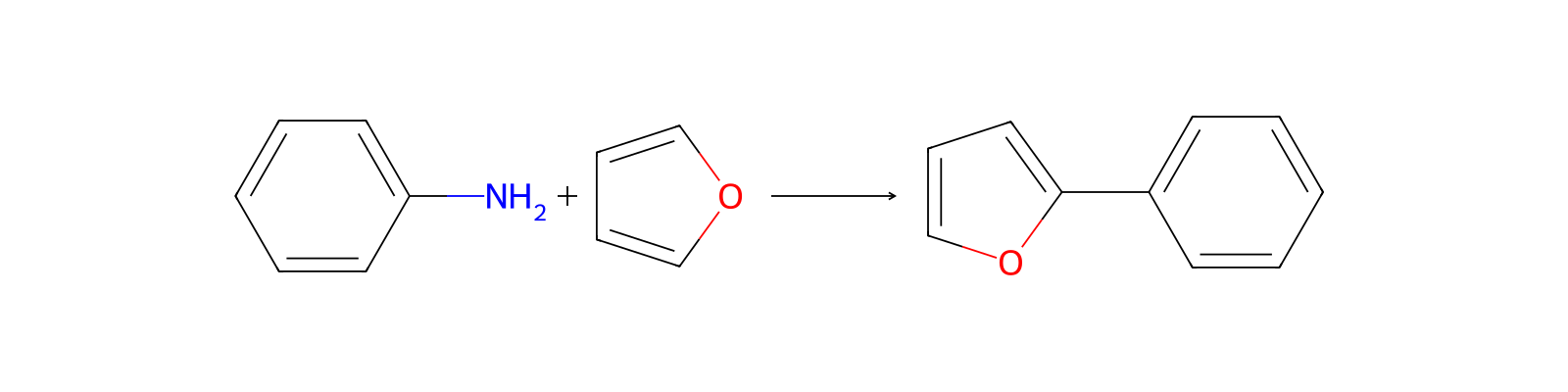
HRID 8577 반응식
HRID 8577반응물로uspto-grants-2006_08
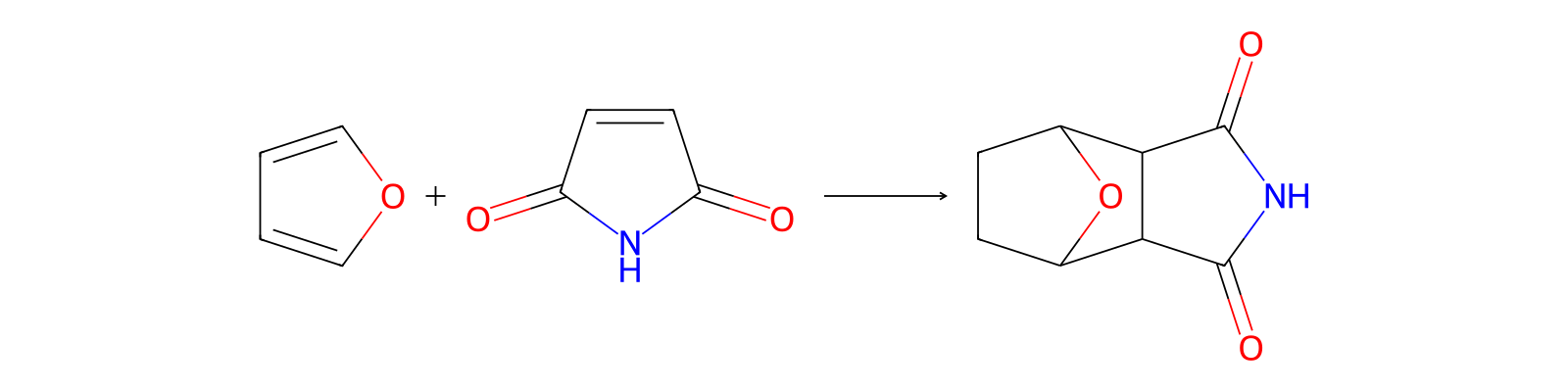
HRID 21377 반응식
HRID 21377반응물로uspto-grants-1995_06
HRID 27350 반응식
HRID 27350반응물로uspto-grants-1980_09
HRID 28787 반응식
HRID 28787반응물로uspto-grants-2008_09
HRID 28788 반응식
HRID 28788반응물로uspto-grants-2008_09
HRID 28789 반응식
HRID 28789반응물로uspto-grants-2008_09
HRID 34284 반응식
HRID 34284반응물로uspto-grants-1988_08
HRID 41677 반응식
HRID 41677반응물로uspto-grants-2013_09
1 / 38 페이지

화합물 노트

불러오는 중…

이 페이지에서기본 정보개요이름 및 식별자물성안전 및 규제화학 및 산업관련 반응화합물 노트
더보기
새 노트새 반응견적 요청하기

10 mg/mL at 25 °C

Solubility in water, g/l at 25 °C: 10

Flash Point · 3건

Less than 32F (EPA, 1998)

-32 °F (-35 °C) (Closed cup)

-35 °C

Boiling Point · 5건

90 °F at 758 mmHg (EPA, 1998)

31.5 °C

32.00 °C. @ 758.00 mm Hg

31.3 °C

31.5 °C @760 [mm Hg]

Decomposition · 2건

When heated to decomposition it emits acrid smoke and irritating fumes.

Furan is a heat-stable compound although, @ 670 °C in the absence of catalyst, or @ 360 °C in the presence of nickel, it decomposes to form a mixture consisting mainly of carbon monoxide, hydrogen, and hydrocarbons.

물리화학적 성질

녹는점
85.6 °C · −85.6 °C (−122.1 °F; 187.6 K)
끓는 점
31.3 °C · 31.3 °C (88.3 °F; 304.4 K)
밀도
0.936 g/mL · 0.936 g/mL
증기 밀도
2.35 · 2.35 (vs air)
증기압
1672 mm · 1672 mm Hg ( 55 °C)
굴절률
1.42 · 1.42
인화점
36 °C · −36 °C (−33 °F; 237 K)
저장 조건
30 °C · Store below +30°C.
용해도
알코올: 자유롭게 용해됨
물리적 상태
volatile liquid
색상
Colorless
Specific Gravity
0.94 · 0.94
냄새
0.1 · 0.10?%?in?프로필렌 글리콜에서. 미묘한
폭발한계
2.3 · 2.3-14.3%(V)
Odor Threshold
9.9 ppm · 9.9ppm
수용성
불용성
비열
1.69 J/ · Cp(liquid): 1.69 J/(g·K); Cp(gas): 0.96 J/(g·K), at 25℃
Merck
14 · 14,4296
BRN
103221 · 103221
Henry's Law Constant
1.8 · 1.8×10-3 mol/(m3Pa) at 25℃, HSDB (2015)
Dielectric constant
3 · 3.0(25℃)
안정성
안정적인. 피해야 할 물질에는 강한 산화제, 산, 과산화물 및 산소가 포함됩니다. 가연성이 높습니다. 공기와 폭발성 혼합물을 형성할 수 있음.
InChI
1S/C4H4O/c1-2-4-5-3-1/h1-4H
InChIKey
YLQBMQCUIZJEEH-UHFFFAOYSA-N
SMILES
[o]1cccc1
LogP
1.34 · 1.34
NIST
Furan(110-00-9)
EPA
Furan (110-00-9)
화학적 성질 · 1건

Furan is a cyclic dienic ether stabilized by benzene-like resonance. Because of its conjugated unsaturation and heterocyclic atom, furan will undergo many types of reactions. It is, therefore, of interest as a chemical intermediate for pharmaceuticals, insecticides and fine chemicals. The heterocyclic oxygen atom in a ring with conjugated unsaturation gives furan a combination of ether, aromatic and olefinic characteristics. This polyfunctionality permits it to undergo a variety of reactions. Compared to benzene, the furan ring has greater reactivity, and is more susceptible to cleavage, thus resembling the vinyl ethers. Like the vinyl ethers, the furan ring is cleaved by aqueous acids. This reaction is accompanied by resinification .

Fire Potential
A very dangerous fire hazard when exposed to heat or flame.
Health Hazards · 2건

The vapors are narcotic. Acute exposure to furan by inhalation may involve both reversible and irreversible changes. Acute exposure by ingestion or skin absorption, as well as chronic exposure, are associated with high toxicity. (EPA, 1998)

CAUTION: Petroleum crude oil (UN1267) may contain TOXIC hydrogen sulphide gas.

Hazards Summary · 1건

Inhalation can cause anesthesia; Absorbed through skin; [Merck Index] May cause liver damage; Corrosive to the mouth and GI tract in toxicology studies; [HSDB] Causes narcosis; Contact can irritate or burn skin and eyes; [CHRIS] Furan is a skin irritant. [Quick CPC] A respiratory tract irritant; Inhalation of vapor can cause pulmonary edema; [ICSC] Doses as low as 2 mg/kg can cause severe injury to the liver and kidneys. Causes liver tumors in high-dose animal studies; No data on human use; Worker exposure by all routes should be minimized to the fullest extent possible. [AIHA]

DOT ID and Guide2389 128
Reactive GroupEthers
EC ClassificationSymbol: F+, T; R: 45-12-19-20/22-38-48/22-68-52/53; S: 53-45-61; Note: E
UN ClassificationUN Hazard Class: 3; UN Pack Group: I
Special Reports · 3건

Boyd MR; Adv Exp Med Biol 136B (Biol React Intermed - 2, Chem Mech Biol Eff, Pt B): 865-79 (1982). A review with 41 ref covering acute tissue lesions caused by furan derivatives, toxification and detoxification pathways, ultimate metabolites, effects of species, age, sex, and inducer treatment on liver and other target organ metabolism and toxicity, and the significance of cell-specific activation in target tissues.

DHHS/NTP; Toxicology & Carcinogenesis Studies of Furan in F344/N Rats and B6C3F1 Mice (Gavage Studies) Technical Report Series No. 402 (1993) NIH Publication No. 93-2857

National Toxicology Program. Eleventh Report on Carcinogens (2005). The Report on Carcinogens is an informational scientific and public health document that identifies and discusses substances (including agents, mixtures, or exposure circumstances) that may pose a carcinogenic hazard to human health. Furan (110-00-9) is listed as reasonably anticipated to be a human carcinogen.[Available from, as of July 31, 2009: http://ntp.niehs.nih.gov/ntp/roc/eleventh/profiles/s090fura.pdf]

안전 및 보호

Fire Fighting · 2건

Move container from fire area if this can be accomplished without risk. Spray cooling water on containers that are exposed to flames until well after fire is out. For massive fires in cargo area, use unmanned hose holder or monitor nozzles; if this is impossible withdraw from area and let fire burn. Withdraw immediately in case of rising sound from venting safety device or any discoloration of tank due to fire. Isolate for 1/2 mile in all directions if a tank car or truck is involved. Water may be ineffective. Small fires: dry chemical, carbon dioxide, water spray, or alcohol foam. Large fires: water spray, fog, or alcohol foam. (EPA, 1998)

Use water spray, powder, alcohol-resistant foam, carbon dioxide. In case of fire: keep drums, etc., cool by spraying with water.

First Aid Measures · 4건

Fresh air, rest. Half-upright position. Administration of oxygen may be needed. Refer immediately for medical attention.

Remove contaminated clothes. Rinse skin with plenty of water or shower. Refer for medical attention .

First rinse with plenty of water for several minutes (remove contact lenses if easily possible), then refer for medical attention.

Rinse mouth. Refer immediately for medical attention.

Accidental Release Measures · 2건

· CALL 911. Then call emergency response telephone number on shipping paper. If shipping paper not available or no answer, refer to appropriate telephone number listed on the inside back cover.

· ELIMINATE all ignition sources (no smoking, flares, sparks or flames) from immediate area.

First Aid · 2건

Signs and Symptoms of Furan Exposure: Acute exposure to furan may produce dizziness, nausea, vomiting, diarrhea, and anorexia. Irritation and burning of the eyes and skin may occur. Furan vapor is a central nervous system depressant.

General First Aid:

Safe StorageFireproof. Well closed. Cool. Keep in the dark. Store only if stabilized. Separated from strong oxidants and acids. Provision to contain effluent from fire extinguishing. Store in an area without drain or sewer access.
Exposure Control and Personal Protection · 2건

· Wear positive pressure self-contained breathing apparatus (SCBA).

0.02 [ppm]

Fire Fighting Procedures · 2건

If material on fire or involved in fire: Do not extinguish fire unless flow can be stopped. Use water in flooding quantities as fog. Solid streams of water may spread fire. Cool all affected containers with flooding quantities of water. Apply water from as far a distance as possible. Use foam, dry chemical, or carbon dioxide.

Water may be ineffective. Small fires: use dry chemical, carbon dioxide, water spray, or alcohol foam. Large fires: water spray, fog, or alcohol foam. Move container from fire area if this can be accomplished without risk. Spray cooling water on containers that are exposed to flames until well after fire is out. For massive fires in cargo area, use unmanned hose holder or monitor nozzles; if this is impossible, withdraw from area and let fire burn. Withdraw immediately in case of rising sound from venting safety device or any discoloration of tank due to fire. Isolate for 1/2 mile in all directions if a tank car or truck is involved. Vapors are heavier than air and will collect in low areas. Vapors may travel long distances to ignition sources and flashback. Vapors in confined areas may explode when exposed to fire. Containers may explode in fire. Storage containers and parts of containers may rocket great distances, in many directions. If material or contaminated runoff enters waterways, notify downstream users of potentially contaminated waters. Notify local health and fire officials and pollution control agencies. From a secure, explosion-proof location, use water spray to cool exposed containers. If cooling streams are ineffective (venting sound increases in volume and pitch, tank discolors, or shows any signs of deforming), withdraw immediately to a secure position ... The only respirators recommended for fire fighting are self-contained breathing apparatuses that have full facepieces and are operated in a pressure-demand or other positive-pressure mode.

Storage Conditions · 4건

Before entering confined space where this chemical may be present, check to make sure that an explosive concentration does not exist. Store in an explosion-proof refrigerator. Keep in a tightly closed container under an inert atmosphere and protect from light for long-term storage. A regulated, marked area should be established where this chemical is handled, used, or stored ...

Fireproof. Separated from strong oxidants, acids. Cool. Well closed. Store only if stabilized ... Closed system, ventilation, explosion-proof electrical equipment and lighting. Do NOT use compressed air for filling, discharging, or handling. Use non-sparking handtools.

PRECAUTIONS FOR "CARCINOGENS": Storage site should be as close as practical to lab in which carcinogens are to be used, so that only small quantities required for ... expt need to be carried. Carcinogens should be kept in only one section of cupboard, an explosion-proof refrigerator or freezer (depending on chemicophysical properties ...) that bears appropriate label. An inventory ... should be kept, showing quantity of carcinogen & date it was acquired ... Facilities for dispensing ... should be contiguous to storage area. /Chemical Carcinogens/

Containers for furan should be able to withstand the vapor pressure exerted during storage under variable climatic conditions. Furan should be stored in a cool place where the drums will not be heated.

Cleanup Methods · 2건

Evacuate and restrict persons not wearing protective equipment from area of spill or leak until cleanup is complete. Avoid breathing vapors. Keep upwind. Do not handle broken packages without protective equipment. Wash away any material which may have contacted the body with copious amounts of water or soap and water. Shut off ignition sources; no flares, smoking, or flames in hazard area. Stop leak if you can do so without risk. Use water spray to reduce vapors. Small spills: absorb with sand or other noncombustible absorbent material and place into containers for later disposal. Large spills: dike far ahead of spill for later disposal. The exposure concentration limit of 10 ppm together with the low boiling point of furan requires that adequate ventilation be provided in areas handling this chemical. Establish forced ventilation to keep levels below explosive limit. Contact with liquid must be avoided since this chemical can be absorbed through the skin. Keep furan out of a confined space, such as a sewer, because of the possibility of an explosion, unless the sewer is designed to prevent the build-up of explosive concentrations. Thorough washing with soap and water followed by prolonged rinsing should be done immediately after accidental contact. It may be necessary to contain and dispose of this chemical as a hazardous waste. If material or contaminated runoff enters waterways, notify downstream users of potentially contaminated waters. Contact your Department of Environmental Protection or your regional office of the federal EPA for specific recommendations.

PRECAUTIONS FOR "CARCINOGENS": A high-efficiency particulate arrestor (HEPA) or charcoal filters can be used to minimize amt of carcinogen in exhausted air ventilated safety cabinets, lab hoods, glove boxes or animal rooms ... Filter housing that is designed so that used filters can be transferred into plastic bag without contaminating maintenance staff is avail commercially. Filters should be placed in plastic bags immediately after removal ... The plastic bag should be sealed immediately ... The sealed bag should be labelled properly ... Waste liquids ... should be placed or collected in proper containers for disposal. The lid should be secured & the bottles properly labelled. Once filled, bottles should be placed in plastic bag, so that outer surface ... is not contaminated ... The plastic bag should also be sealed & labelled. ... Broken glassware ... should be decontaminated by solvent extraction, by chemical destruction, or in specially designed incinerators. /Chemical Carcinogens/

Nonfire Spill ResponseExcerpt from ERG Guide 128 [Flammable Liquids (Water-Immiscible)]:
Disposal Methods · 5건

Generators of waste (equal to or greater than 100 kg/mo) containing this contaminant, EPA hazardous waste number U124, must conform with USEPA regulations in storage, transportation, treatment and disposal of waste.

A good candidate for liquid injection incineration at a temperature range of 650 to 1,600 °C and a residence time of 0.1 to 2 seconds. Also, good candidate for rotary kiln incineration at a temperature range of 820 to 1,600 °C and residence times of seconds for liquids and gases, and hours for solids. Also, a good candidate for fluidized bed incineration at a temperature range of 450 to 980 °C and residence times of seconds for liquids and gases, and longer for solids. /From table/

PRECAUTIONS FOR "CARCINOGENS": There is no universal method of disposal that has been proved satisfactory for all carcinogenic compounds & specific methods of chem destruction ... published have not been tested on all kinds of carcinogen-containing waste. ... summary of avail methods & recommendations ... /given/ must be treated as guide only. /Chemical Carcinogens/

PRECAUTIONS FOR "CARCINOGENS": ... Incineration may be only feasible method for disposal of contaminated laboratory waste from biological expt. However, not all incinerators are suitable for this purpose. The most efficient type ... is probably the gas-fired type, in which a first-stage combustion with a less than stoichiometric air:fuel ratio is followed by a second stage with excess air. Some ... are designed to accept ... aqueous & organic-solvent solutions, otherwise it is necessary ... to absorb soln onto suitable combustible material, such as sawdust. Alternatively, chem destruction may be used, esp when small quantities ... are to be destroyed in laboratory. /Chemical Carcinogens/

For more Disposal Methods (Complete) data for Furan (7 total), please visit the HSDB record page.

Spillage Disposal · 1건

Remove all ignition sources. Evacuate danger area! Consult an expert! Personal protection: self-contained breathing apparatus. Do NOT wash away into sewer. Collect leaking and spilled liquid in sealable containers as far as possible. Absorb remaining liquid in sand or inert absorbent. Then store and dispose of according to local regulations.

독성 정보

Toxicological InformationRanking: 379 (total points: 573.92999999999995)
Body Burden · 1건

Furan was detected in the expired air of 2 of 3 male smokers and 4 of 5 male nonsmokers at the Brooks Air Force Base, TX with the rate of expiration ranging from 0.25-98 ug/hour for smokers and from 0.33-28 ug/hour for nonsmokers(1). This compound was also identified in 15 of 387 samples of expired air taken from 54 male and female nonsmokers from Chicago, IL mean concentration 0.547 ng/L(2). Furan was qualitatively identified in 1 of 12 samples of mother's milk obtained from women in 4 different urban areas(3). Body burden levels of furan in the serum of 96 subjects was measured at 2.7 to 25.6 toxic equivalents; 34 subjects from Lake Michigan had concentration ranges of 2.7 to 19.4, 26 subjects from Lake Heron had concentration ranges of 3.8 to 25.2 toxic equivalents, and 36 had concentration ranges of 3.4 to 25.6 toxic equivalents(4).

Interactions · 2건

Groups of 10 Swiss albino mice (GP strain) given furan (purity not given) at a single dose of 300 mg/kg body weight in 0.9% sodium chloride intraperitoneally had centrilobular hepatic necrosis and coagulative necrosis of the proximal convoluted tubules of the outer renal cortex. Treatment of mice with the cytochrome p450 inhibitor piperonyl butoxide reduced the extent of liver necrosis and totally inhibited the renal necrosis.

Diethyldithiocarbamate and carbon disulfide prevented mice from renal injury induced by furan as evidenced by suppression of elevations in plasma urea nitrogen concn and kidney calcium content and by morphological alterations. In carbon tetrachloride-poisoned mice, furan nephrotoxicity was augmented. The augmented furan nephrotoxicity was also prevented by diethyldithiocarbamate or carbon disulfide. Thus, furan may exert nephrotoxicity through active metabolites formed in the kidney. Diethyldithiocarbamate and carbon disulfide also protected against hepatotoxicity induced by furan. As an extension of these studies, similar experiments were undertaken with furan, bromobenzene and cephaloridine, and other nephrotoxic agents that are also thought to require metabolic activation. Diethyldithiocarbamate or carbon disulfide prevented mice from suffering renal injury induced by furan and bromobenzene, as evidenced by suppression of elevations in plasma urea nitrogen concentration and kidney calcium content and of morphologic alterations. Cephaloridine nephrotoxicity, however, was not prevented. In carbon tetrachloride-poisoned mice, furan nephrotoxicity was augmented, whereas bromobenzene and cephaloridine nephrotoxicity was suppressed. The augumented furan nephrotoxicity was also prevented by diethyldithiocarbamate or carbon disulfide. These observations suggest that furan, like chloroform and 1,1-dichloroethylene, may exert nephrotoxicity through active metabolites formed in the kidney. For bromobenzene and cephaloridine nephrotoxicity, a renal bioactivation mechanism is suspected. Diethyldithiocarbamate and carbon disulfide also protected against hepatotoxicity induced by furan and thiophene.

Target OrgansHepatic
Ecotoxicity Values · 5건

EC50; Species: Pimephales promelas (Fathead minnow, age 29-31 days, length 18 mm, weight 0.100 g); Conditions: freshwater, flow through, 23.2 (22.0-24.6) °C, pH 8.00, hardness 44.5 mg/L CaCO3, alkalinity 41.5 mg/L CaCO3, dissolved oxygen 80.0% (65.5-87.4%); Concentration: 99000 ug/L for 24 hr; Effect: behavior change, equilibrium /> or = 99% pure/

EC50; Species: Pimephales promelas (Fathead minnow, age 29-31 days, length 18 mm, weight 0.100 g); Conditions: freshwater, flow through, 23.2 (22.0-24.6) °C, pH 8.00, hardness 44.5 mg/L CaCO3, alkalinity 41.5 mg/L CaCO3, dissolved oxygen 80.0% (65.5-87.4%); Concentration: 71000 ug/L for 48 hr; Effect: behavior change, equilibrium /> or = 99% pure/

LC50; Species: Pimephales promelas (Fathead minnow, age 29-31 days, length 18 mm, weight 0.100 g); Conditions: freshwater, flow through, 23.2 (22.0-24.6) °C, pH 8.00, hardness 44.5 mg/L CaCO3, alkalinity 41.5 mg/L CaCO3, dissolved oxygen 80.0% (65.5-87.4%); Concentration: 99000 ug/L for 24 hr /> or = 99% pure/

LC50; Species: Pimephales promelas (Fathead minnow, age 29-31 days, length 18 mm, weight 0.100 g); Conditions: freshwater, flow through, 23.2 (22.0-24.6) °C, pH 8.00, hardness 44.5 mg/L CaCO3, alkalinity 41.5 mg/L CaCO3, dissolved oxygen 80.0% (65.5-87.4%); Concentration: 71000 ug/L for 48 hr /> or = 99% pure/

LC50; Species: Pimephales promelas (Fathead minnow, 29-31 days); Conditions: flow-through bioassay, 23.2 °C, pH 8.00, water hardness 44.5 mg/L CaCO3; Concentration: 61 mg/L for 96 hr

Environmental Fate · 3건

TERRESTRIAL FATE: Based on a classification scheme(1), an estimated Koc value of 80(SRC), determined from a structure estimation method(2), indicates that furan is expected to have high mobility in soil(SRC). Volatilization of furan from moist soil surfaces is expected to be an important fate process(SRC) given a Henry's Law constant of 5.4X10⁻³ atm-cu m/mole(SRC), based upon its vapor pressure, 600 mm Hg(3), and water solubility, 10,000 mg/L(4). Furan is expected to volatilize from dry soil surfaces(SRC) based upon its vapor pressure(4). A 4% of theoretical BOD using activated sludge in the Japanese MITI test(5) suggests that biodegradation is not an important environmental fate process in soil(SRC).

AQUATIC FATE: Based on a classification scheme(1), an estimated Koc value of 80(SRC), determined from a structure estimation method(2), indicates that furan is expected to adsorb to suspended solids and sediment(SRC). Volatilization from water surfaces is expected(3) based upon a Henry's Law constant of 5.4X10⁻³ atm-cu m/mole(SRC), derived from its vapor pressure, 600 mm Hg(4), and water solubility, 10,000 mg/L(5). Using this Henry's Law constant and an estimation method(3), volatilization half-lives for a model river and model lake are 2.5 hours and 3.3 days, respectively(SRC). According to a classification scheme(6), BCFs of 0.9-1.5 and <3.2-13 measured in carp (Cyprinus carpio) at furan concentrations of 1 and 0.1 mg/L(7), respectively, suggest that bioconcentration in aquatic organisms is low(SRC). A 4% of theoretical BOD using activated sludge in the Japanese MITI test(7) suggests that biodegradation is not an important environmental fate process in water(SRC).

ATMOSPHERIC FATE: According to a model of gas/particle partitioning of semivolatile organic compounds in the atmosphere(1), furan, which has a vapor pressure of 600 mm Hg at 25 °C(2), is expected to exist solely as a vapor in the ambient atmosphere. Vapor-phase furan is degraded in the atmosphere by reaction with photochemically-produced hydroxyl radicals(SRC); the half-life for this reaction in air is estimated to be 9 to 10 hours, calculated from its rate constants of 3.83X10⁻¹¹ to 4.23X10⁻¹¹ cu cm/molecule-sec(3-5). Furan will also react with nitrate radicals and ozone radicals in the atmosphere with half-lives of 50 minutes and 4.5 to 4.6 days, calculated from rate constants of 1.4X10⁻¹² cu cm/molecule sec(4) and 2.4X10⁻¹⁸(4) to 2.5X10⁻¹⁸(6), respectively.

Food Survey Values · 1건

Furan has been identified as a volatile component of roasted filberts(1). Furan has been identified in the volatile component of mutton, chicken, and beef(2). Furan was detected in infant formula with iron at 8.5-8.6 ng/g (brand 1) and 16.8-18.8 ng/g (brand 2), ready to eat infant formula at not detected to 2.5 ng/g, sweet potato baby food at 91.0-93.1 ng/g (brand 1), 75.7-81.1 ng/g (brand 2), and 73.8-82.9 ng/g (brand 3), spaghetti sauce at 5.9-6.1 ng/g (brand 1), 3.1-3.5 ng/g (brand 2), baked beans at 117-122 ng/g, canned luncheon meat loaf at 1.8-1.9 ng/g, pork and beans at 78.7-85.6 ng/g, chicken broth at 8.2-9.1 ng/g (brand 1) and 15.2-18.2 ng/g (brand 2), peanut butter at 6.1-7.1 ng/g, cut green beans at 5.9-8.2 ng/g, chicken dinner baby food at 29.4-39.7 ng/g, chicken and stars baby food at 15.9-23.6 ng/g, apple juice at 1.2-2.2 ng/g(3).

Adverse EffectsNeurotoxin - Acute solvent syndrome
Exposure RoutesThe substance can be absorbed into the body by inhalation.
Milk ConcentrationsENVIRONMENTAL: Furan has been qualitatively identified in mother's milk from Baton Rouge(1).
Toxicity Summary · 1건

Furan is a potent hepatotoxin and hepatocarcinogen in rodents, causing hepatocellular adenomas and carcinomas in rats and mice, and high incidences of cholangiocarcinomas in rats at doses ≥ 2 mg/kg bw. A genotoxic mode of action cannot be excluded for furan-induced tumor formation. Furan is metabolized by cytochrome P450 (CYP) enzymes, predominantly CYP2E1, to its major metabolite cis-2-butene-1,4-dial (BDA, maleic dialdehyde), a highly reactive electrophile identified as the key mediator of furan toxicity and carcinogenicity. Furan-mediated effects on glutathione (GSH) levels and cell viability can be suppressed by the CYP inhibitor 1-phenylimidazole and increased by pretreatment of rats with acetone (a CYP2E1-inducing agent), indicating that furan cytotoxicity depends on its metabolic activation. BDA has been shown to react with cellular nucleophiles such as GSH and amino acids and to cause cross-links between thiols and amino groups, giving rise to lactam and pyrrole derivatives. Furan reduced the percentage of DNA in the comet tail in turkey liver fetal hepatocytes. Furan was also shown to induce chromosomal aberrations and sister chromatid exchanges (SCEs) in Chinese hamster ovary (CHO) cells. A statistically significant increase of micronucleated cells was recently reported in the spleen of furan-treated mice. A reduction of percentage of DNA in comet tail in liver cells was observed following treatment of turkey fetuses in ovo. Exposure to furan at doses associated with increased tumor incidences initially causes hepatocellular necrosis, accompanied by inflammation and sustained regenerative proliferation of hepatocytes, which may present key events in furan-induced hepatocellular carcinogenicity. Subcapsular and centrilobular necrosis accompanied by markedly increased liver enzymes is the primary response to furan treatment. The involvement of inflammatory processes in furan toxicity is also reflected by increased expression of cytokines and other inflammation-associated genes, such as IFN-γ, IL-1β, IL-6, IL-10, and components of the complement system, which may, however, also derive from lesions involving the biliary tract. Indeed, increased production of reactive oxygen species in response to furan is suggested by immunohistochemical detection of 8-oxo-dG within nuclei of hepatocytes of centrilobular areas following high-dose exposure and changes in the expression of genes responsive to oxidative stress in rats and/or mice. (A15446)

Plant ConcentrationsFuran is identified in volatile emissions from arboreous plants (Genus: Sorbus)(1). It has been detected not quantified in essential oil derived from Pelargonium graveolens, rose geranium(2).

규제 정보

RCRA Requirements · 1건

U124; As stipulated in 40 CFR 261.33, when furan, as a commercial chemical product or manufacturing chemical intermediate or an off-specification commercial chemical product or a manufacturing chemical intermediate, becomes a waste, it must be managed according to Federal and/or State hazardous waste regulations. Also defined as a hazardous waste is any residue, contaminated soil, water, or other debris resulting from the cleanup of a spill, into water or on dry land, of this waste. Generators of small quantities of this waste may qualify for partial exclusion from hazardous waste regulations (40 CFR 261.5).

CERCLA Reportable Quantities · 2건

Persons in charge of vessels or facilities are required to notify the National Response Center (NRC) immediately, when there is a release of this designated hazardous substance, in an amount equal to or greater than its reportable quantity of 100 lb or 45.4 kg. The toll free number of the NRC is (800) 424-8802. The rule for determining when notification is required is stated in 40 CFR 302.4 (section IV. D.3.b).

Releases of CERCLA hazardous substances are subject to the release reporting requirement of CERCLA section 103, codified at 40 CFR part 302, in addition to the requirements of 40 CFR part 355. Furan is an extremely hazardous substance (EHS) subject to reporting requirements when stored in amounts in excess of its threshold planning quantity (TPQ) of 500 lbs.

DHS Chemicals of Interest (COI) · 4건

Furan

1

10000

Flammable chemical that can be released at a facility.

안전 데이터

wgk
3
IDLA
13 ppm (35.1 mg/m3)
tsca
TSCA listed
rtecs
OB3870000
ridadr
UN 2389
독성
LC (in air) in rats: 30400 ppm (Henderson)
HS 번호
2932 19 00
risk_code
45-12-19-20/22-38-48/22-52/53-68
hazard_code
T,F+
safety_code
53-45-61-
포장분류
I
위험 등급
3
기존화학 물질
KE-17309
F 고인화성물질
8-9-23
자연 발화 온도
390 °C
Hazard Classifications
Acute Tox. 4 InhalationAcute Tox. 4 OralAquatic Chronic 3Carc. 1BFlam. Liq. 1Muta. 2Skin Irrit. 2STOT RE 2
스토리지 클래스
3 - Flammable liquids
유해 물질 데이터
110-00-9(Hazardous Substances Data)
중점관리물질 필터링
별표2-33

... Hepatic and renal injury produced by furan is the result of metabolic activation of the compound by cytochrome p450 oxygenases into chemically reactive metabolites.

Metabolism/Metabolites · 2건

... Previous studies indicate that furan is oxidized to a reactive alpha,beta-unsaturated dialdehyde, cis-2-butene-1,4-dial (BDA), in a reaction catalyzed by cytochrome P450. Five previously characterized metabolites are derived from the reaction of BDA with cellular nucleophiles such as glutathione and protein. They include the monoglutathione reaction product, N-[4-carboxy-4-(3-mercapto-1H-pyrrol-1-yl)-1-oxobutyl]-l-cysteinylglycine cyclic sulfide, and its downstream metabolite, S-[1-(1,3-dicarboxypropyl)-1H-pyrrol-3-yl]methylthiol, as well as (R)-2-acetylamino-6-(2,5-dihydro-2-oxo-1H-pyrrol-1-yl)-1-hexanoic acid and N-acetyl-S-[1-(5-acetylamino-5-carboxypentyl)-1H-pyrrol-3-yl]-l-cysteine and its sulfoxide. The last two compounds are downstream metabolites of a BDA-derived cysteine-lysine cross-link, S-[1-(5-amino-5-carboxypentyl)-1H-pyrrol-3-yl]-l-cysteine. In this report, ... the characterization of seven additional urinary furan metabolites, all of which are derived from this cross-link /is described/. The cysteinyl residue is subject to several biotransformation reactions, including N-acetylation and S-oxidation. Alternatively, it can undergo beta-elimination followed by S-methylation to a methylthiol intermediate that is further oxidized to a sulfoxide. The lysine portion of the cross-link either is N-acetylated or undergoes a transamination reaction to generate an alpha-ketoacid metabolite that undergoes oxidative decarboxylation. Some of these metabolites are among the most abundant furan metabolites present in urine as judged by LC-MS/MS analysis, indicating that the oxidation of furan to BDA and BDA's subsequent reaction with cellular cysteine and lysine residues may represent a significant in vivo pathway of furan biotransformation. Because they are derived from cellular BDA reaction products, these metabolites are markers of furan exposure and bioactivation and could be explored as potential biomarkers in human studies.

Furan has known human metabolites that include (E)-2-Butenedial.

Absorption, Distribution and Excretion · 3건

Absorbed ... by way of dermal route.

RESP UPTAKE IN DOGS WAS 90-95%, VARYING INVERSELY WITH VENTILATORY RATE. RETENTION WAS NOT AFFECTED BY TIDAL VOL CHANGES BUT WAS DIRECTLY RELATED TO CONCN INHALED FROM CIGARETTE SMOKE. FURAN IS READILY ABSORBED BY INHALATION ROUTE.

... The kinetics of furan biotransformation of male F344 rats were studied in vivo and in vitro in order to understand target tissue dosimetry. A physiologically based pharmacokinetic (PBPK) model for furan in rats was developed from gas uptake studies using the initial furan concn of 100, 500, 1050, and 3850 ppm. Tissue partition coefficients for furan were determined in vitro using vial equilibration techniques. Furan gas uptake kinetics in vivo were described by a single saturable process with a V(max) of 27.0 umol/hr/250 g rat and a K(m) of 2.0 uM. Furan metabolism in vivo was inhibited by pyrazole. The furan PBPK model adequately simulated blood and liver furan concn following 4 hr inhalation exposures to 52, 107, and 208 ppm furan. The biotransformation of furan was studied in freshly isolated rat hepatocytes exhibited a K(m) of 0.4 uM and a V(max) of 0.018 umol/hr/1x10(6) cells. Inhibition and induction studies indicated that cytochrome p450 was the catalyst of furan oxidation. ... /This data/ suggests that freshly isolated hepatocytes are a valuable in vitro system for predicting chemical pharmacokinetics in vivo.

용도 및 제조

Uses · 5건

Used as a chemical intermediate; [HSDB]

CHEMICAL INTERMEDIATE FOR TETRAHYDROFURAN

Organic synthesis, especially for pyrrole, tetrahydrofuran, thiophene

Used mainly in the preparation of specialty chemicals such as alpha-acetylfuran, 2,5-dimethoxy-2,5-dihydrofuran, 2,2-difurylpropane, 2,2-di(tetrahydrofurfuryl)propane, and pyrrole derivatives

Furan is ... used in the formation of lacquers, as a solvent for resins, and in the production of agricultural chemicals (insecticides), stabilizers, and pharmaceuticals

U.S. Imports(1986) 9.66X10+6 lb /Furan (furfuryl type) resins/
U.S. Production · 4건

2023: 1,000,000 - <5,000,000 lb

Furan is listed as a High Production Volume (HPV) chemical (65FR81686). Chemicals listed as HPV were produced in or imported into the U.S. in >1 million pounds in 1990 and/or 1994. The HPV list is based on the 1990 Inventory Update Rule. (IUR) (40 CFR part 710 subpart B; 51FR21438).

Production volumes for non-confidential chemicals reported under the Inventory Update Rule. [Table#258]

Production volume for non-confidential chemicals reported under the 2006 Inventory Update Rule. Chemical: Furan. Aggregated National Production Volume: 1 to < 10 million lbs.

Consumption Patterns · 2건

PROBABLY 100% CONSUMED CAPTIVELY AS AN INT FOR TETRAHYDROFURAN (FURAN ITSELF IS NOT IMPORTANT COMMERCIALLY) (1975)

(1974) 3.63X10+10 G (EST-CAPTIVELY CONSUMED)

Industry UsesIntermediate
Methods of Manufacturing · 5건

Prepared by decarboxylation of 2-furancarboxylic acid. Has been prepared directly from furfural over hot soda-lime or by dropping furfural on fused mixture of sodium and potassium hydroxides.

Dry distillation of furoic acid from furfural.

By heating furfural in the liquid phase in the presence of a palladium catalyst.

High yields of furan have been obtained when butanediol is oxidized by dichromate in acidic soln, followed by dehydration.

Furan is produced commercially by the decarbonylation of furfural over a noble metal catalyst, preferably palladium on charcoal.

Formulations/PreparationsIndustrial (99%) grade
Household ProductsInformation on 1 consumer products that contain Furan in the following categories is provided:
Use ClassificationFood Contaminant -> CONTAMINANT -> JECFA Functional Classes
General Manufacturing Information · 2건

All Other Basic Organic Chemical Manufacturing

Furan: ACTIVE

응용 분야 · 3건

개요Furan occurs naturally in oils distilled from rosin containing pinewood. In addition, many natural foods contain the furan ring structure and substituted furans may be formed through cooking of simple carbohydrates. Furan is also found in tobacco smoke as well as wood smoke and gas emissions from gasoline and diesel engines. Furan has also been detected in industrial effluents and can be emitted to the air from petroleum refineries and coal-mining and gasification plants.

용도Furan is a five-membered heterocyclic aromatic ring. Furan is used as a building block for the preparation of many heterocyclic compounds.

일반 설명Furan is a stable, colourless chemical liquid. It is highly flammable and forms explosive mixtures with air. It is incompatible with many other chemical substances, for example, strong oxidising agents, acids, peroxides, and oxygen. Furan is produced commercially by decarbonylation of furfural. It is used mainly in the production of tetrahydrofuran, thiophene, and pyrrole. It also occurs naturally in certain woods and during the combustion of coal and is found in engine exhausts, wood smoke, and tobacco smoke.

제조 방법

2-퓨란카복실산의 탈카르복시화 반응에 의해서 제조됨. 뜨거운 소다-라임 위쪽의 퍼퓨랄로부터 직접적으로 제조되거나 나트륨과 칼륨 수산화물의 용해된 혼합물에 퍼퓨랄을 떨어뜨려 제조됨 퍼퓨랄로부터 퓨로산의 건조 증기 팔라듐 촉매 존재시, 액체상에서 퍼퓨랄 가열 뷰테인다이올이 산성 용액에 있는 다이크로메이트에 의해 산화된 후 탈수될 때, 고수율의 퓨란을 얻음

상·하류 제품 정보

상류 원료

푸란-2-카르복실산크롬산 아연아크롬 염화물Metallic oxides푸르푸랄

하류 제품

플루바스타틴나트륨염Cefetamet hydrochlorideCabergoline비스피리박-소듐2-니트로푸란exo-3,6-Epoxy-1,2,3,6-tetrahydrophthalic anhydride2아세틸퓨란Suprofen2-[3-(2-Furyl)phenyl]-4,4,5,5-tetramethyl-1,3,2-dioxaborolane피롤클라드리빈메실산가벡세이트카보퓨란1,4-Epoxy-1,4-dihydronaphthalene페노티오캅2,5-디메톡시테트라히드로푸란3-Chloro-2-methylbiphenyl에파비렌즈Cefuroximepolypyrrole-polyvinyl chloride composite filmDELAVIRDINE2-헥사노일푸란2-브로모푸란2-프로피오닐푸란

추가 설명

정의A heterocyclic liquid organic compound. Its five-membered ring contains four carbon atoms and one oxygen atom. The structure is characteristic of some monosaccharide sugars (furanoses).