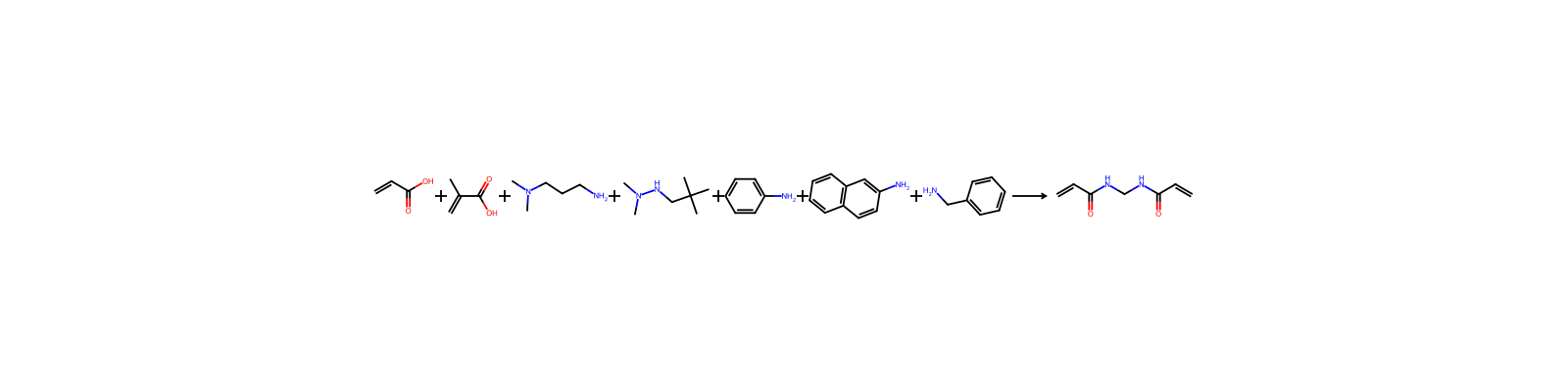
HRID 653232생성물로
Methylenebisacrylamide
데이터를 보충하는 중입니다. 잠시 후 페이지를 새로 고치면 최신 내용을 볼 수 있습니다

110-26-9C=CC(=O)NCNC(=O)C=CZIUHHBKFKCYYJD-UHFFFAOYSA-NN,n'-methylenebisacrylamide is a white crystalline powder with a neutral odor. (NTP, 1992)
110-26-9DTXSID8025595CHEMBL14014801.235 at 86 °F (NTP, 1992) - Denser than water; will sink
1.235 @ 30°C
FCS -> FDA Cumulative Estimated Daily Intake (CEDI)
FCS -> FDA Inventory of Food Contact Substances Listed in 21 CFR
N,n'-methylenebisacrylamide is a white crystalline powder with a neutral odor. (NTP, 1992)
Dry Powder
White solid; [CAMEO]
white crystalline powder
안전 정보는 참고용이며, 공급업체의 물질안전보건자료(SDS), 관련 법규 및 전문가 평가를 대체하지 않습니다.
Danger
H340: May cause genetic defects [Danger Germ cell mutagenicity]
P203, P280, P318, P405, and P501 (click each P-code to see the statement)
Danger
H301 (54.4%): Toxic if swallowed [Danger Acute toxicity, oral]
P203, P260, P261, P264, P264+P265, P270, P271, P272, P280, P301+P316, P301+P317, P302+P352, P304+P340, P305+P354+P338, P317, P318, P319, P321, P330, P333+P317, P362+P364, P405, and P501 (click each P-code to see the statement)
Chemical: 2-Propenamide, N,N'-methylenebis-
Hazard Traits - Genotoxicity
2-Propenamide, N,N'-methylenebis- is listed on the EPA's Chemical Data Reporting (CDR) system. Manufacturers and importers of 2-Propenamide, N,N'-methylenebis- are required to report information about their production and use of this chemical to the EPA under the Toxic Substances Control Act (TSCA). (40 eCFR Part 711)
REACH registered substance: N,N'-methylenediacrylamide (EC: 203-750-9)
2-Propenamide, N,N'-methylenebis: Does not have an individual approval but may be used under an appropriate group standard
SYMPTOMS: Symptoms of exposure to this type of compound may include irritation and redness of the skin, irritation of the eyes, drowsiness, tingling sensation, fatigue, weakness, stumbling, slurred speech and shaking. Chronic exposure to this type of compound may lead to muscular weakness, incoordination, skin rashes, excessive sweating of the hands and feet, cold hands and peeling of the skin.
May cause skin and eye irritation and symptoms indicative of nervous system effects; [NTP] May cause irritation; Harmful by ingestion and inhalation; May cause reproductive disorders, based on animal studies; [Sigma-Aldrich MSDS] See Acrylamide.
Acute Tox. 3 (54.4%)
Acute toxicity (Oral) - Category 3
Muta. 1B
EYES: First check the victim for contact lenses and remove if present. Flush victim's eyes with water or normal saline solution for 20 to 30 minutes while simultaneously calling a hospital or poison control center. Do not put any ointments, oils, or medication in the victim's eyes without specific instructions from a physician. IMMEDIATELY transport the victim after flushing eyes to a hospital even if no symptoms (such as redness or irritation) develop.
SMALL SPILLS AND LEAKAGE: Should a spill occur while you are handling this chemical, FIRST REMOVE ALL SOURCES OF IGNITION, then you should dampen the solid spill material with 60-70% ethanol and transfer the dampened material to a suitable container. Use absorbent paper dampened with 60-70% ethanol to pick up any remaining material. Seal the absorbent paper, and any of your clothes, which may be contaminated, in a vapor-tight plastic bag for eventual disposal. Solvent wash all contaminated surfaces with 60-70% ethanol followed by washing with a soap and water solution. Do not reenter the contaminated area until the Safety Officer (or other responsible person) has verified that the area has been properly cleaned.
1.2 [mg/m3]
13 [mg/m3]
77 [mg/m3]
RECOMMENDED RESPIRATOR: Where the neat test chemical is weighed and diluted, wear a NIOSH-approved half face respirator equipped with an organic vapor/acid gas cartridge (specific for organic vapors, HCl, acid gas and SO2) with a dust/mist filter. (NTP, 1992)
All Other Basic Organic Chemical Manufacturing
2-Propenamide, N,N'-methylenebis-: ACTIVE
용도N,N'-Methylenebisacrylamide is used in the preparation of polyacrylamide gels for electrophoretic separation of nucleic acids and proteins. It has also been used as a test compound for studying the biochemical isolation of insoluble Tau in transgenic mouse models of tauopathy by examining the two main isolation methods sarkosyl and formic acid extraction.
일반 설명White crystalline powder with a neutral odor.


