1,4-디브로모부탄
1,4-Dibromobutane

기본 정보
- CAS
110-52-1- 표준 SMILES
BrCCCCBr- InChIKey
ULTHEAFYOOPTTB-UHFFFAOYSA-N- 분자식
- C4H8Br2
- 평균 분자량
- 215.91 g/mol
- 단동위원소 질량
- 213.89927446
개요
structure given in first source
이름 및 식별자
- 우선 이름
- 1,4-Dibromobutane
- IUPAC
- 1,4-dibromobutane
- 현지명
- 1,4-디브로모부탄
- 영어명
- 1,4-Dibromobutane
- 분자식
- C4H8Br2
- 분자량
- 215.91
이름 및 동의어
1,4-DIBROMOBUTANE110-52-1Tetramethylene dibromideButane, 1,4-dibromo-TetramethylenebromideDTXSID5044364G49PHR6JFUNSC-71435DTXCID3024364RefChem:73211203-775-51,4-Butylene bromide
이름 더 보기
1,4-다이브로모뷰테인1,4-디브로모부탄디브로모부탄(1,4-)DBB4-DibroMobutane1,4-dibromo-butan1,4-DIBROMOBUTANE pureBrCH2CH2CH2CH2Br1,4-dibrombutaneα,ω-DibromobutaneDibromobutane,98%
1,4-Dibrombutan1,4-dibromo butaneTetramethylene Bromidealpha,omega-Dibromobutane1.4-dibromobutane1,4-dibromo-butaneCCRIS 8917UNII-G49PHR6JFU
데이터베이스 식별자
- CAS
110-52-1- PubChem CID
- 8056
- DTXSID
DTXSID5044364- ChEMBL
CHEMBL3185714- UNII
- G49PHR6JFU
- EC Number
- 203-775-5
- Nikkaji
- J372G
물성
구조 계산 물성
- XLogP
- 2.5
- 극성 표면적
- 0 Ų
- 수소 결합 공여자 수
- 0
- 수소 결합 수용자 수
- 0
- 회전 가능 결합 수
- 3
- 무거운 원자 수
- 6
- 형식 전하
- 0
- 복잡도
- 17.5
실험 및 물리화학적 성질
Chemical ClassesOther Classes -> Halogenated Aliphatics, Saturated
SpringerMaterials PropertiesSchoenflies notation
Physical DescriptionColorless or pale yellow liquid; [Alfa Aesar MSDS]
물리화학적 성질
- 녹는점
- -20 °C · -20 °C (lit.)
- 끓는 점
- 63 · 63-65 °C/6 mmHg (lit.)
- 밀도
- 1.808 g/mL · 1.808 g/mL at 25 °C (lit.)
- 증기압
- 1.63 hPa · 1.63 hPa (25 °C)
- 굴절률
- 20 · n20/D 1.519(lit.)
- 인화점
- 230 °F · >230 °F
- 저장 조건
- 30 °C · Store below +30°C.
- 용해도
- 0.35 g/L · 0.35g/L
- 물리적 상태
- 액체
- 색상
- 투명한 무색~연한 황갈색을 띤다.
- 수용성
- 섞일 수 없음
- BRN
- 1071199 · 1071199
- Henry's Law Constant
- 1.7 · 1.7×10-2 mol/(m3Pa) at 25℃, Albanese et al. (1987)
안전 및 규제
안전 정보는 참고용이며, 공급업체의 물질안전보건자료(SDS), 관련 법규 및 전문가 평가를 대체하지 않습니다.
GHS 분류
GHS Classification
Danger
H301 (76.8%): Toxic if swallowed [Danger Acute toxicity, oral]
P261, P264, P264+P265, P270, P271, P273, P280, P301+P316, P302+P352, P304+P340, P305+P351+P338, P305+P354+P338, P317, P319, P321, P330, P332+P317, P337+P317, P362+P364, P403+P233, P405, and P501 (click each P-code to see the statement)
Aggregated GHS information provided per 69 reports by companies from 12 notifications to the ECHA C&L Inventory. Each notification may be associated with multiple companies.
Not Classified
Not Classified
유해성 정보
Regulatory Information
Chemical: Butane, 1,4-dibromo-
Status: Active Update: 27-11-2019 https://echa.europa.eu/registration-dossier/-/registered-dossier/19884
1,4-Dibromobutane: Does not have an individual approval but may be used under an appropriate group standard
Hazards SummaryIntraperitoneal LD50 (mouse) = 300 mg/kg; [RTECS] A skin and strong eye irritant; [Alfa Aesar MSDS] See 2-Bromobutane and 1-Bromobutane.
Hazard Classes and CategoriesAcute Tox. 3 (76.8%)
안전 데이터
- wgk
- 2
- tsca
- TSCA listed
- rtecs
- EJ7565000
- ridadr
- UN 2810 6.1/PG 3
- HS 번호
- 29033036
- risk_code
- 25-37/38-41-36/37/38
- hazard_code
- T,Xi,C
- safety_code
- 26-39-45-37/39
- 포장분류
- III
화학 및 산업
용도 및 제조
General Manufacturing InformationButane, 1,4-dibromo-: ACTIVE
응용 분야
용도1,4-Dibromobutane is used as an intermediate involved in the synthesis of active pharmaceutical ingredient and other organic compounds. It is also used in the investigation of metabolism of two halopropanes such as 1,3-dichloropropane and 2,2-dichloropropane. Further, it acts as a reagent to prepare diazadioxa oxovanadium(IV) macrocyclic complexes.
일반 설명1,4-Dibromobutane reaction with atactic poly(2-vinylpyridine) leads to the formation of long-range 3D molecular ordering in polymer chains.
상·하류 제품 정보
상류 원료
하류 제품
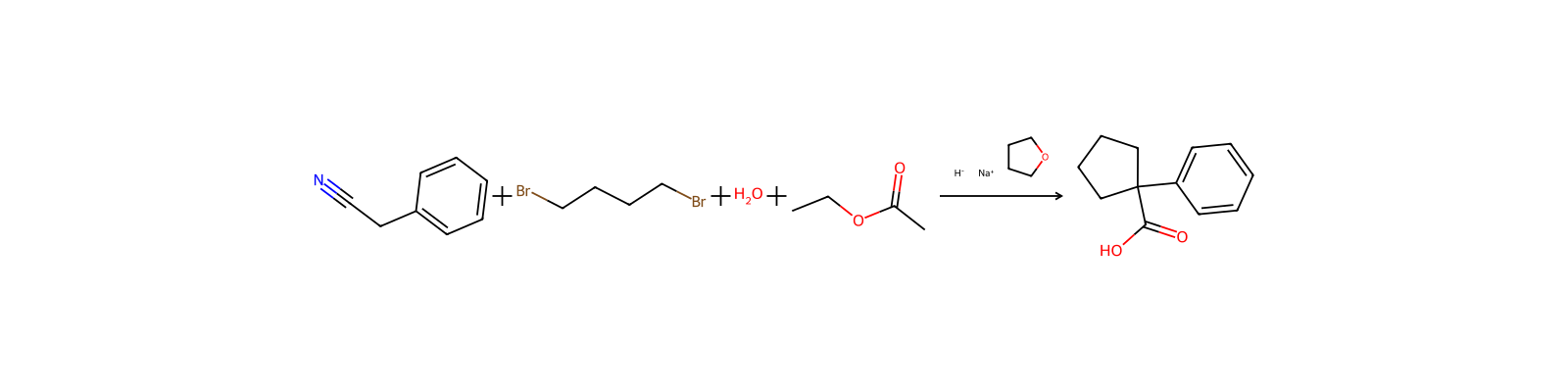
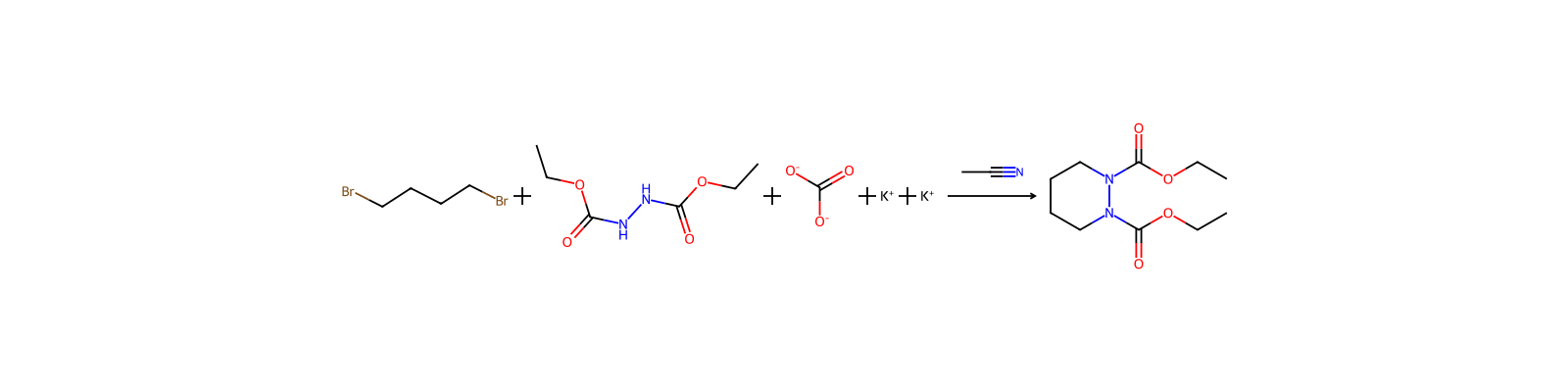
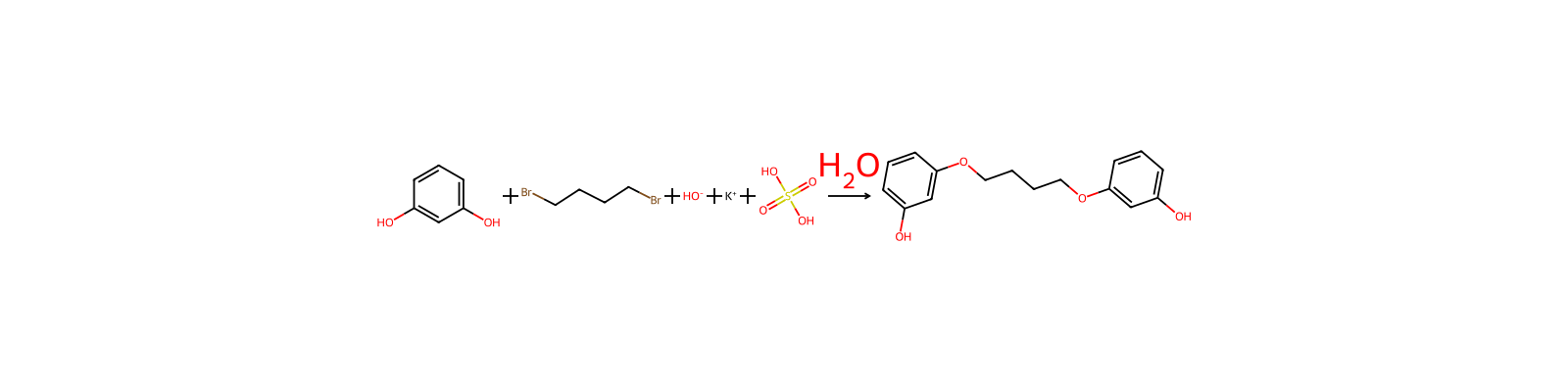
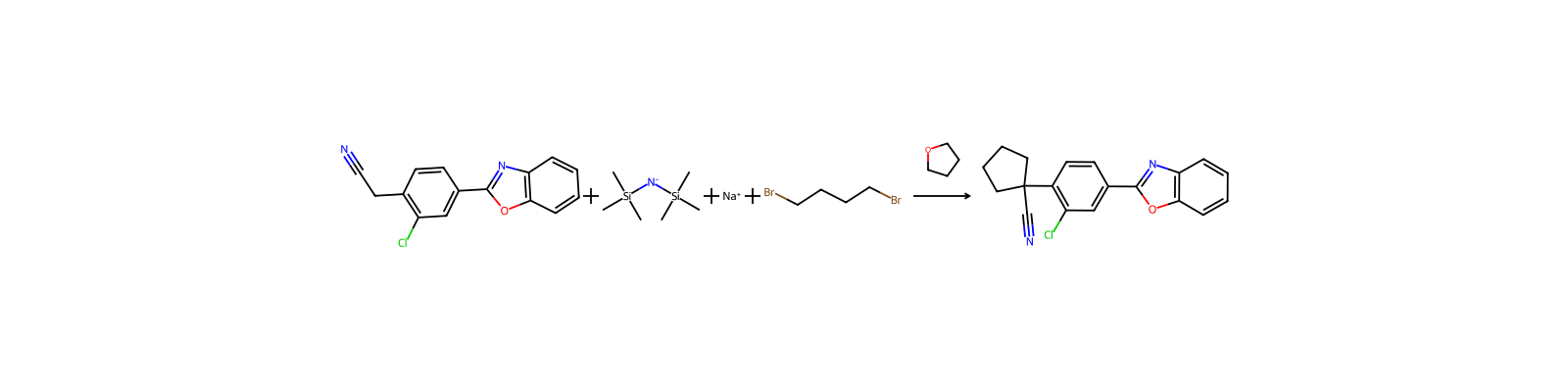
관련 반응
1,132건




화합물 노트
불러오는 중…