
발레로니트릴
Valeronitrile
데이터를 보충하는 중입니다. 잠시 후 페이지를 새로 고치면 최신 내용을 볼 수 있습니다
기본 정보
- CAS
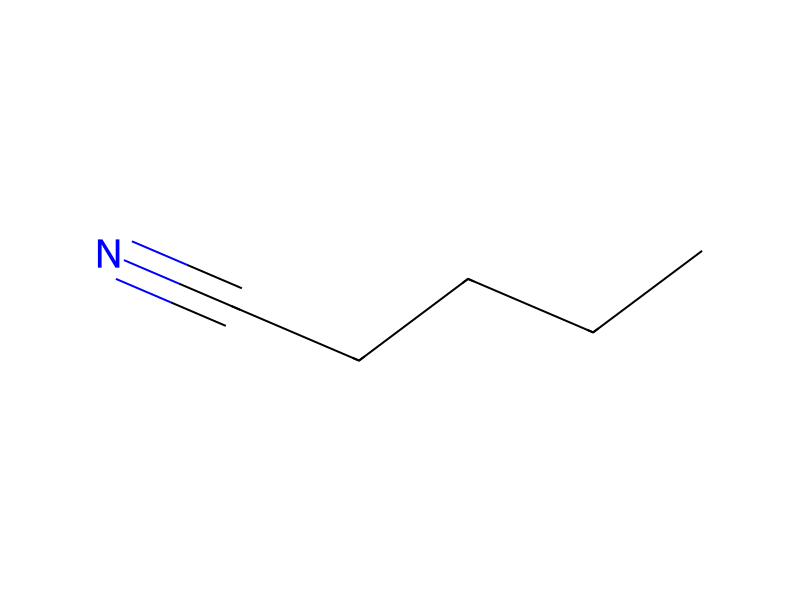
110-59-8- 표준 SMILES
CCCCC#N- InChIKey
RFFFKMOABOFIDF-UHFFFAOYSA-N- 분자식
- C5H9N
- 평균 분자량
- 83.13 g/mol
- 단동위원소 질량
- 83.07349929
개요
Valeronitrile is a clear colorless to yellow liquid. (NTP, 1992)
이름 및 식별자
- 우선 이름
- Valeronitrile
- IUPAC
- pentanenitrile
- 현지명
- 발레로니트릴
- 영어명
- Valeronitrile
- 분자식
- C5H9N
- 분자량
- 83.13
이름 및 동의어
VALERONITRILEPentanenitrile110-59-8Butyl cyanide1-Cyanobutane1-Butyl cyaniden-BUTYL CYANIDEPentanonitrilen-PentanenitrileButane, 1-cyano-EINECS 203-781-8CCRIS 6114
이름 더 보기
발레로니트릴PENTANITRILEValeronitrilN-VALERONITRILEPENTANE NITRILENITRILE C5zhnegwujinButylcyanid1-Cyanbutan
DTXSID3026275BRN 1736706AI3-30052X44H3R47D4VALERONITRILE [MI]4-02-00-00875 (Beilstein Handbook Reference)DTXCID106275EC 203-781-8
데이터베이스 식별자
- CAS
110-59-8- PubChem CID
- 8061
- DTXSID
DTXSID3026275- ChEMBL
CHEMBL1503158- ChEBI
CHEBI:192304- UNII
- X44H3R47D4
- EC Number
- 203-781-8
- Nikkaji
- J5.095D
물성
구조 계산 물성보충 중
- XLogP
- 1.1
- 극성 표면적
- 23.8 Ų
- 수소 결합 공여자 수
- 0
- 수소 결합 수용자 수
- 1
- 회전 가능 결합 수
- 2
- 무거운 원자 수
- 6
- 형식 전하
- 0
- 복잡도
- 57.6
실험 및 물리화학적 성질
Chemical ClassesNitrogen Compounds -> Nitriles
SpringerMaterials PropertiesSchoenflies notation
LogP
1.12
1.12
Density
0.8008 at 68 °F (NTP, 1992) - Less dense than water; will float
0.8008 @ 20°C
Solubility1 to 5 mg/mL at 72.5 °F (NTP, 1992)
Flash Point105 °F (NTP, 1992)
Boiling Point
282 to 286 °F at 760 mmHg (NTP, 1992)
141.00 to 142.00 °C. @ 760.00 mm Hg
141.3 °C @760 [mm Hg]
Melting Point
-141 °F (NTP, 1992)
-96.2 °C
-96.2 °C
Vapor Pressure
5 mmHg at 64.6 °F ; 10 mmHg at 86 °F; 20 mmHg at 109.9 °F (NTP, 1992)
7.3 [mmHg]
Physical Description
안전 및 규제
안전 정보는 참고용이며, 공급업체의 물질안전보건자료(SDS), 관련 법규 및 전문가 평가를 대체하지 않습니다.
GHS 분류
GHS Classification
Danger
H226 (98.4%): Flammable liquid and vapor [Warning Flammable liquids]
P210, P233, P240, P241, P242, P243, P264, P270, P280, P301+P316, P301+P317, P303+P361+P353, P321, P330, P370+P378, P403+P235, P405, and P501 (click each P-code to see the statement)
Aggregated GHS information provided per 64 reports by companies from 5 notifications to the ECHA C&L Inventory. Each notification may be associated with multiple companies.
유해성 정보
Regulatory Information
Chemical: Pentanenitrile
REACH registered substance: Valeronitrile (EC: 203-781-8)
Pentanonitrile: Does not have an individual approval but may be used under an appropriate group standard
DOT LabelFlammable Liquid Poison
Fire HazardsThis chemical is combustible. (NTP, 1992)
Health HazardsSYMPTOMS: Exposure to this compound may cause irritation.
Hazards SummaryAn irritant; [MSDSonline] May be harmful after ingestion, inhalation, or skin absorption; [CAMEO] See NITRILES.
Reactive GroupNitriles
Reactivity AlertsHighly Flammable
Reactivity Profile
Nitriles, such as VALERONITRILE, may polymerize in the presence of metals and some metal compounds. They are incompatible with acids; mixing nitriles with strong oxidizing acids can lead to extremely violent reactions. Nitriles are generally incompatible with other oxidizing agents such as peroxides and epoxides. The combination of bases and nitriles can produce hydrogen cyanide. Nitriles are hydrolyzed in both aqueous acid and base to give carboxylic acids (or salts of carboxylic acids). These reactions generate heat. Peroxides convert nitriles to amides. Nitriles can react vigorously with reducing agents. Acetonitrile and propionitrile are soluble in water, but nitriles higher than propionitrile have low aqueous solubility. They are also insoluble in aqueous acids. This compound is incompatible with strong acids, strong bases, strong oxidizing agents and strong reducing agents. (NTP, 1992).
화학 및 산업
약리 정보
Cellular LocationsCytoplasm
용도 및 제조
UsesUsed as a solvent; [Merck Index]
General Manufacturing InformationPentanenitrile: ACTIVE
응용 분야
용도Valeronitrile is used as building block in organic synthesis. Product Data Sheet
일반 설명Clear colorless to yellow liquid.
제조 방법
생산 방법Valeronitrile can be synthesized by dehydration of valeronamide. The nitrile is also found in nature and is a constituent of coal gasification and oil shale processing waste water, sewage wastewater and tobacco smoke.
상·하류 제품 정보
상류 원료
하류 제품
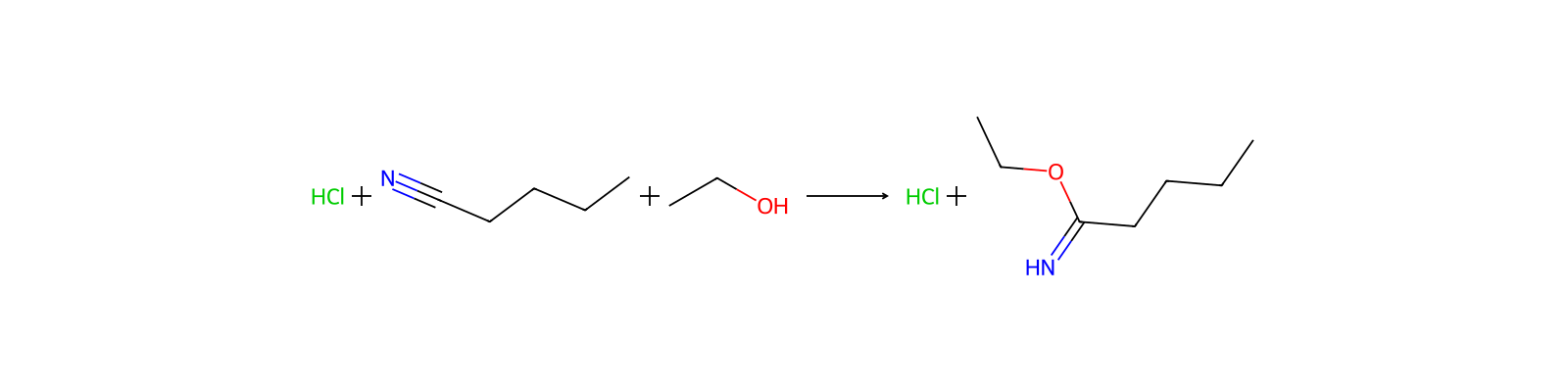
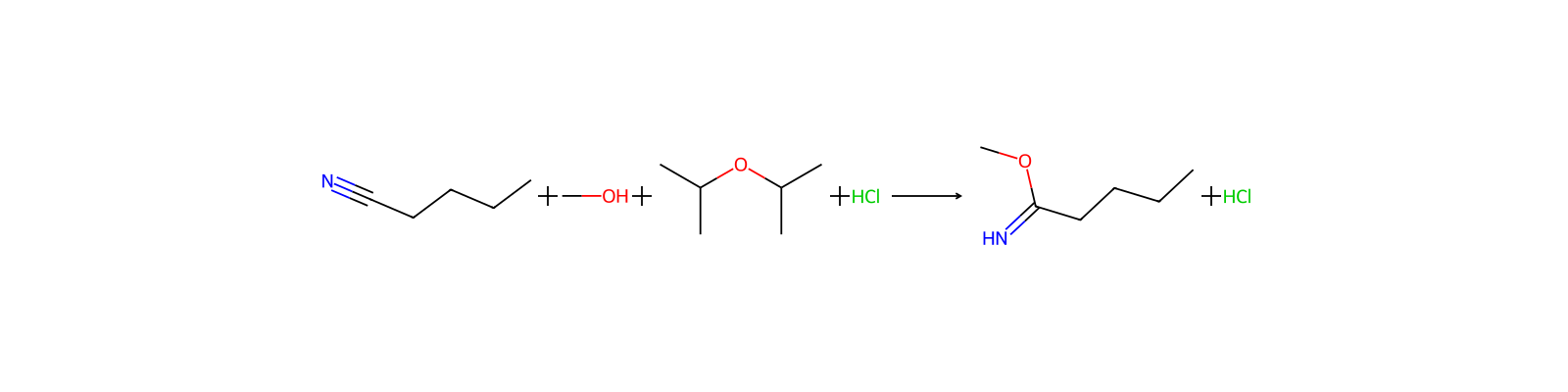
관련 반응
22건



화합물 노트
불러오는 중…