사이클로헥세인
시클로헥산 · 벤젠헥사수화 · 헥사메틸렌(HEXAMETHYLENE)헥산아프텐 · 사이클로헥세인 · 헥사히드로벤젠 · cyclohexan · NAPHTHENE · HEXAMETHYLENE
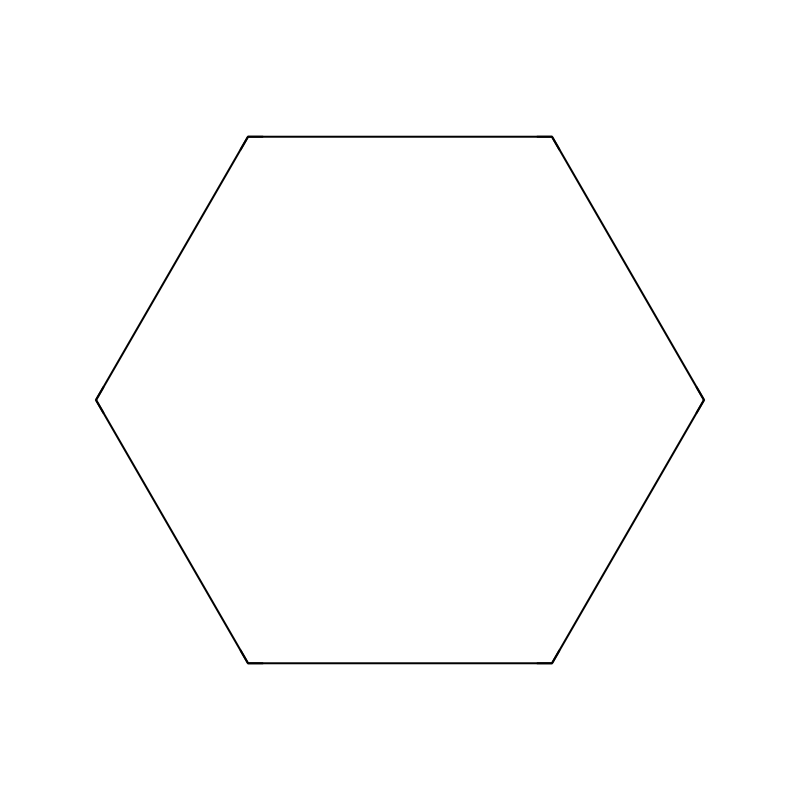
식별자 및 물리적 특성
| CAS No. | 110-82-7 |
|---|---|
| 분자식 | C6H12 |
| 평균 분자량 | 84.16 g/mol |
| 단동위원소 질량 | 84.09390038 g/mol |
| SMILES | C1CCCCC1 |
| InChIKey | XDTMQSROBMDMFD-UHFFFAOYSA-N |
| PubChem CID | 8078 |
| ChEMBL | CHEMBL15980 |
| ChEBI | CHEBI:29005 |
| EC No. | 203-806-2 |
| DTXSID | DTXSID4021923 |
| 현지명 | 사이클로헥세인 |
화학 및 물리적 성질
| XLogP | 3.4 |
|---|---|
| 극성 표면적 | 0 |
| 수소 결합 공여자 수 | 0 |
| 수소 결합 수용자 수 | 0 |
| 회전 가능 결합 수 | 0 |
| 무거운 원자 수 | 6 |
| 형식 전하 | 0 |
| 복잡도 | 15.5 |
| 물질 분류 | Flammable agents - 3rd degree |
| Solvents | Solvents -> Aliphatics, Saturated (<C12) |
| 화장품 | Solvent |
| SpringerMaterials Properties | Coriolis coupling |
| 농약 | Pesticide -> EPA IRIS |
| LogP(분배 계수) | log Kow = 3.44 |
| 냄새 | Solvent odorpungent when impurePungent petroleum-like odorMild sweet odorChloroform-like odor벤젠과 유사순하고 달콤하며 클로로포름과 비슷합니다. |
| 식품 첨가물 | SOLVENT OR VEHICLE -> FDA Substance added to food |
| 밀도 | 0.779 at 68 °F (USCG, 1999) - Less dense than waterwill float0.7781 at 20 °C/4 °C% IN SATURATED AIR (760 MM HG) 13.66 AT 26.3 °CDENSITY OF SATURATED, VAPOR-AIR MIXT AT 760 MM HG (AIR = 1) 1.23 AT 26 °CRelative density (water = 1): 0.80.780.7739 @25 °C0.779 g/mL at 25 °C (lit.) |
| Viscosity | 0.977 mPa.s at 20 °C1.26x10-6 mm²/s at 26 °C |
| Color/Form | Colorless mobile liquidColorless liquid [Note: A solid below 44 degrees F] |
| 용해도 | less than 1 mg/mL at 63 °F (NTP, 1992)In water, 55 mg/L at 25 °CSolubility in water at 23.5 °C (w/w): 0.0052%Miscible in ethanol, ether, acetone, benzene, ligroin, carbon tetrachlorideMiscible with olive oil100 mL of methanol dissolves 57 grams cyclohexane at 20 °C에탄올: 혼화성(lit.) |
| 녹는점 | 4-7 °C (lit.) |
| 끓는 점 | 80.7 °C (lit.) |
| 증기 밀도 | 2.9 (vs air) |
| 증기압 | 168.8 mm Hg ( 37.7 °C) |
| 굴절률 | n20/D 1.426(lit.) |
| 인화점 | -1 °F |
| 저장 조건 | Store at +5°C to +30°C. |
| 물리적 상태 | 액체 |
| 색상 | 무색의 |
| 후각 역치 | 2.5ppm |
| 폭발한계 | 1.2-8.3%(V) |
| 용해도 | 실질적으로 불용성 |
| 비열 | Cp(liquid): 1.84 J/(g·K), at 25℃ |
| Merck | 14,2723 |
| BRN | 1900225 |
| 헨리 상수 | 1.03, 1.26, 1.40, 1.77, and 2.23 at 10, 15, 20, 25, and 30 °C, respectively (EPICS, Ashworth et al., 1988) 0.54, 0.69, 0.82, 1.43, and 1.79 at 2.0, 6.0, 10.0, 18.0, and 25.0 °C, respectively (Dewulf et al.,1999) |
| 유전율 | 2.0(20℃) |
| 안정성 | 휘발성 물질 |
| 화장품 원료 기능 | 용제 |
| InChI | 1S/C6H12/c1-2-4-6-5-3-1/h1-6H2 |
| InChIKey | XDTMQSROBMDMFD-UHFFFAOYSA-N |
| SMILES | C1CCCCC1 |
| LogP(분배 계수) | 3.44 at 20℃ |
| 표면장력 | 25.06mN/m at 293.15K |
| NIST | Cyclohexane(110-82-7) |
| EPA | Cyclohexane (110-82-7) |
화학적 성질
Cyclohexane is a colorless liquid with a mild, sweet odor.
안전 및 규제
| GHS 분류 | DangerH225: Highly Flammable liquid and vapor [Danger Flammable liquids]P210, P233, P240, P241, P242, P243, P261, P264, P271, P273, P280, P301+P316, P302+P352, P303+P361+P353, P304+P340, P319, P321, P331, P332+P317, P362+P364, P370+P378, P391, P403+P233, P403+P235, P405, and P501 (click each P-code to see the statement)This chemical does not meet GHS hazard criteria for < 0.1% (1 of 4880) of reports.H225 (> 99.9%): Highly Flammable liquid and vapor [Danger Flammable liquids] |
|---|---|
| 규제 정보 | Chemical: CyclohexaneRegulation (EC) No 178/2002 (amended)Cyclohexane is listed on the EPA's Chemical Data Reporting (CDR) system. Manufacturers and importers of Cyclohexane are required to report information about their production and use of this chemical to the EPA under the Toxic Substances Control Act (TSCA). (40 eCFR Part 711)Status: Active Update: 24-03-2023 https://echa.europa.eu/registration-dossier/-/registered-dossier/15483Restricted substance: CyclohexaneCyclohexane: HSNO Approval: HSR001111 Approved with controls |
| 기타 안전 정보 | IMAP assessments - Cyclohexane: Human health tier I assessment |
| 운송 라벨(DOT) | Flammable Liquid |
| 화재 위험 | Excerpt from ERG Guide 128 [Flammable Liquids (Water-Immiscible)]:· HIGHLY FLAMMABLE: Will be easily ignited by heat, sparks or flames.Highly flammable. Vapour/air mixtures are explosive. Heating will cause rise in pressure with risk of bursting. |
| 화재 가능성 | Dangerous fire hazard when exposed to heat or flamecan react with oxidizing materials. |
| 건강 유해성 | Dizziness, with nausea and vomiting. Concentrated vapor may cause unconsciousness and collapse. (USCG, 1999)CAUTION: Petroleum crude oil (UN1267) may contain TOXIC hydrogen sulphide gas. |
| 유해성 요약 | Exposed animals develop narcosis and minimal histopathological liver changes. Some authors report an odor threshold of 25 ppm. [ACGIH] A skin, eye, and respiratory tract irritantInhalation of high concentrations may cause CNS effects[ICSC] |
용도
개요
나일론의 원료로 중요하며, 또 생고무·수지·유지 등의 용제로도 사용된다.
용도
공업적으로 생산되는 사이클로헥세인은 사이클로헥사논으로 전환되고 결국 ε-카프로락탐, 아디프산, 헥사메틸렌다이아민, 6-나일론, 6,6-나일론의 원료로 이용된다. 사이클로헥세인의 자체 용도는 주로 유기 용매상태로의 세정액이나 접착제 등이다.또한 방독면의 시험용 기체로 사용되기도 한다.
개요
Cyclohexane is obtained by the distillation of petroleum or by hydrogenation of benzene. It constitutes 0.5–1.0% of petroleum
용도
Solvent for lacquers and resins. Paint and varnish remover. In the extraction of essential oils. In analytical chemistry for mol wt determinations (cryoscopic constant 20.3). In the manufacture of adipic acid, benzene, cyclohexyl chloride, nitrocyclohexane, cyclohexanol and cyclohexanone. In the manufacture of solid fuel for camp stoves. In fungicidal formulations (possesses slight fungicidal action). In the industrial recrystallization of steroids.
일반 설명
A clear colorless liquid with a petroleum-like odor. Used to make nylon, as a solvent, paint remover, and to make other chemicals. Flash point -4°F. Density 6.5 lb / gal (less than water) and insoluble in water. Vapors heavier than air.
제조 및 합성 방법
생산 방법
Cyclohexane is fractionated from crude oil and may be released wherever petroleum products are refined, stored, and used. Another large source of general release is in exhaust gases from motor vehicles. It is prepared synthetically from benzene, by hydrocracking of cyclopentane, or from toluene by simultaneous dealkylation and double bond hydrogenation.