

기본 정보
- 표준 SMILES
OCCOCCO- InChIKey
MTHSVFCYNBDYFN-UHFFFAOYSA-N- 분자식
- C4H10O3
- 평균 분자량
- 106.12 g/mol
- 단동위원소 질량
- 106.06299418
개요
Diethylene glycol appears as a colorless liquid. Denser than water. Contact may slightly irritate skin, eyes and mucous membranes. May be slightly toxic by ingestion. Used to make other chemicals.
이름 및 식별자
- 우선 이름
- Diethylene Glycol
- IUPAC
- 2-(2-hydroxyethoxy)ethanol
- 현지명
- 다이에틸렌 글리콜
- 영어명
- Diethylene glycol
- 분자식
- C4H10O3
- 분자량
- 106.12
이름 및 동의어
DIETHYLENE GLYCOL111-46-62,2'-Oxydiethanol2-(2-Hydroxyethoxy)ethanol2,2'-OxybisethanolDiglycolDiethylenglykolDigolBis(2-hydroxyethyl) ether2-Hydroxyethyl etherGlycol etherEthanol, 2,2'-oxybis-
이름 더 보기
디에틸렌글리콜다이에틸렌글리콜비스(2-하이드록시에틸)에테르다이에틸렌글리콜다이에틸렌글라이콜2,2'-옥시다이에탄올다이에틸렌글라이콜(다만,비의도적잔류물로서0.1%이하인경우는제외)다이에틸렌 글리콜2-(2-하이드록시에톡시)에탄올2,2'-다이하이드록시에틸 에테르3-옥시펜탄-1,5-디올에틸렌 다이글리콜2,2'-옥시비스에탄올DEG2,2'-Oxybis(ethan-1-ol)HerDiethylene glycoDiethylenglycol
Ethylene diglycolDigenosDicolBrecolane ndgDeactivator EDissolvant APV2,2'-Oxyethanol1,5-Dihydroxy-3-oxapentane
데이터베이스 식별자
- CAS
111-46-6、25322-68-3- PubChem CID
- 8117
- DTXSID
DTXSID8020462- ChEMBL
CHEMBL1235226- ChEBI
CHEBI:46807- UNII
- 61BR964293
- EC Number
- 203-872-2
- Nikkaji
- J5.110A
물성
구조 계산 물성
- XLogP
- -1.3
- 극성 표면적
- 49.7 Ų
- 수소 결합 공여자 수
- 2
- 수소 결합 수용자 수
- 3
- 회전 가능 결합 수
- 4
- 무거운 원자 수
- 7
- 형식 전하
- 0
- 복잡도
- 26.1
실험 및 물리화학적 성질
Chemical ClassesOther Classes -> Ethylene Glycols
CosmeticsSolvent
SpringerMaterials PropertiesSchoenflies notation
FragrancesFragrance Ingredient (Diethylene glycol) -> IFRA transparency List
SurfactantsSurfactant
LogP-1.47
OdorPractically odorless
TasteSharply sweetish taste
Food AdditivesSTABILIZER OR THICKENER -> FDA Substance added to food
Density
1.118 at 68 °F (USCG, 1999) - Denser than water; will sink
1.1197 g/cu cm at 15 °C
Relative density (water = 1): 1.12
1.12 @ 15°C
Viscosity0.30 cP at 25 °C
Color/FormColorless syrupy liquid
물리화학적 성질
- 녹는점
- 10 °C · −10 °C(lit.)
- 끓는 점
- 245 °C · 245 °C(lit.)
- 밀도
- 1.118 g/mL · 1.118 g/mL at 25 °C(lit.)
- 증기 밀도
- 2.14 · 2.14 (vs air)
- 증기압
- 0.01 mm · 0.01 mm Hg ( 20 °C)
- 굴절률
- 20 · n20/D 1.447(lit.)
- 인화점
- 143 °C · 143 °C
- 저장 조건
- Keep in dark place,Sealed in dry,Room Temperature
- 용해도
- 2 O: · H2O: 50 mg/mL at 20 °C, 투명, 무색
- 물리적 상태
- 기름진 액체
- 산도 계수 (pKa)
- 14.03 · 14.03±0.10(Predicted)
- 색상
- 무색의
- 수소이온지수(pH)
- 5.5 · 5.5-7.0 (25℃, 50mg/mL in H2O)
- 냄새
- 거의 무취.
- 폭발한계
- 2 · 2-12.3%
- 수용성
- 녹는
- 비열
- 2.31 J/ · Cp(liquid): 2.31 J/(g·K), at 25℃
- Merck
- 14 · 14,3119
- BRN
- 969209 · 969209
- Henry's Law Constant
- 3.3 · 3.3×104 mol/(m3Pa) at 25℃, Yaws (2003)
- Dielectric constant
- 31.7 · 31.7(20℃)
- 안정성
- 흡습성
- 화장품 원료 기능
- 용제향기점도 조절향수
- InChI
- 1S/C4H10O3/c5-1-3-7-4-2-6/h5-6H,1-4H2
- InChIKey
- MTHSVFCYNBDYFN-UHFFFAOYSA-N
- SMILES
- OCCOCCO
- LogP
- -1.98 at · -1.98 at 20℃
- 표면장력
- 45.55 mN/m · 45.55mN/m at 293.15K
- NIST
- 2 · Ethanol, 2,2'-oxybis-(111-46-6)
- EPA
- Diethylene glycol (111-46-6)
화학적 성질
Diethylene glycol is a clear colorless, odorless and stable oily liquid. It is also slightly viscous, noncorrosive and nonvolatile. Because of its ether and alcohol group, diethylene glycol exhibits chemical properties characteristic of both primary alcohols and ethers. Its boiling point is considerably higher than that of ethylene glycol, and its solvent is greater. Diethylene glycol is miscible with water, ethers, lower aliphatic alcohols, aldehydes and ketones and is partially soluble in benzene, carbon tetrachloride, monobenzene, orthodichlorobenzene and toluene. It dissolves many dyes, resins, oils, nitrocellulose and many organic substances. Because of its solvent power, low volatility and hygroscopicity, it is used in textile lubricants, cutting oils, dry cleaning soap, printing inks, steam-set inks, and nongrain wood stains. In the textile industry diethylene glycol is used as a conditioning agent for wool, rayon, and cotton. As a solvent for dyes it makes a valuable assistant in dyeing and printing. The high hygroscopicity of diethylene glycol makes it an efficient softening agent for tobacco, paper, synthetic sponges, glues and casein. Diethylene glycol is especially useful in the dehydration of natural gas. A mixture of diethylene glycol and monoethanolamine will remove moisture, hydrogen sulfide and carbon dioxide from natural gas. diethylene glycol structure
안전 및 규제
GHS 분류
GHS Classification
Warning
H302: Harmful if swallowed [Warning Acute toxicity, oral]
P264, P270, P301+P317, P330, and P501 (click each P-code to see the statement)
Warning
H302 (100%): Harmful if swallowed [Warning Acute toxicity, oral]
P264, P270, P301+P317, P330, and P501 (click each P-code to see the statement)
유해성 정보
Regulatory Information
Chemical: Ethanol, 2,2'-oxybis-
Ethanol, 2,2'-oxybis- is listed on the EPA's Chemical Data Reporting (CDR) system. Manufacturers and importers of Ethanol, 2,2'-oxybis- are required to report information about their production and use of this chemical to the EPA under the Toxic Substances Control Act (TSCA). (40 eCFR Part 711)
Status: Active Update: 17-05-2023 https://echa.europa.eu/registration-dossier/-/registered-dossier/15766
Diethylene glycol: Does not have an individual approval but may be used under an appropriate group standard
Other Safety InformationIMAP assessments - Ethanol, 2,2'-oxybis-: Human health tier II assessment
Fire Hazards
This chemical is combustible. (NTP, 1992)
Combustible.
Fire Potential
Slight, when exposed to heat or flame; can react with oxidizing materials.
Combustable when exposed to heat or flame; can react with oxidizing materials.
Health HazardsIngestion of large amounts may cause degeneration of kidney and liver and cause death. Liquid may cause slight skin irritation. (USCG, 1999)
Hazards Summary
Repeated oral doses in animal experiments causes renal injury; Low toxicity by the dermal route; No evidence of carcinogenicity in animals; [Reference #1] Toxic by ingestion--may cause damage to the liver, kidneys, and CNS; [ICSC] A mild irritant based on animal studies; Targets the liver, kidneys, and CNS; [MSDSonline] In 1937, 96 deaths were attributed to ingestion of elixir of sulphanilamide that contained 72% DEG; Deaths occurred about 9 days after ingestion with vomiting, acute renal failure, convulsions, and coma. Autopsies showed severe kidney and liver damage. [AIHA] See GLYCOL ETHERS.
FDA RequirementsDiethylene glycol is an indirect food additive for use only as a component of adhesives.
Reactive GroupAlcohols and Polyols
EC ClassificationSymbol: Xn; R: 22; S: (2)-46
Special Reports
European Chemicals Bureau; IUCLID Dataset, 2,2'-Oxidiethanol (111-46-6) (2000 CD-ROM edition) contains information on use, toxicology, and environmental effects of this chemical as supplied to the European Union by industry.[Available from the database query page, as of June 16, 2009: http://esis.jrc.ec.europa.eu/]
FIFRA Requirements
Residues of diethylene glycol are exempted from the requirement of a tolerance when used in accordance with good agricultural practice as inert (or occasionally active) ingredients in pesticide formulations applied to growing crops only. Use: deactivator, adjuvant for formulations used before crop emerges from soil.
Residues of diethylene glycol are exempted from the requirement of a tolerance when used in accordance with good agricultural practice as inert (or occasionally active) ingredients in pesticide formulations applied to growing crops only. Use: deactivator for formulations used before crop emerges from soil, stabilizer.
Reactivity Profile
DIETHYLENE GLYCOL is incompatible with strong oxidizing agents. It is also incompatible with strong bases. It can react with sulfuric acid and other dehydrating agents, nitric acid, oxygen, hydrogen peroxide, perchloric acid and strong acids. Mixtures with sodium hydroxide decompose exothermically when heated to 446 °F. (NTP, 1992)
안전 및 보호
Fire FightingUse powder, alcohol-resistant foam, water spray, carbon dioxide.
First Aid Measures
Fresh air, rest.
Rinse skin with plenty of water or shower.
Rinse with plenty of water for several minutes (remove contact lenses if easily possible).
Give one or two glasses of water to drink. Rinse mouth. Refer immediately for medical attention.
First Aid
EYES: First check the victim for contact lenses and remove if present. Flush victim's eyes with water or normal saline solution for 20 to 30 minutes while simultaneously calling a hospital or poison control center. Do not put any ointments, oils, or medication in the victim's eyes without specific instructions from a physician. IMMEDIATELY transport the victim after flushing eyes to a hospital even if no symptoms (such as redness or irritation) develop.
Safe StorageDry. Well closed. Separated from strong oxidants.
Exposure Control and Personal Protection44.0 [mg/m3]
Fire Fighting ProceduresAlcohol foam, water, carbon dioxide, dry chemical
Cleanup Methods
SRP: Wastewater from contaminant suppression, cleaning of protective clothing/equipment, or contaminated sites should be contained and evaluated for subject chemical or decomposition product concentrations. Concentrations shall be lower than applicable environmental discharge or disposal criteria. Alternatively, pretreatment and/or discharge to a POTW is acceptable only after review by the governing authority. Due consideration shall be given to remediation worker exposure (inhalation, dermal and ingestion) as well as fate during treatment, transfer and disposal. If it is not practicable to manage the chemical in this fashion, it must meet Hazardous Material Criteria for disposal.
Disposal Methods
SRP: The most favorable course of action is to use an alternative chemical product with less inherent propensity for occupational exposure or environmental contamination. Recycle any unused portion of the material for its approved use or return it to the manufacturer or supplier. Ultimate disposal of the chemical must consider: the material's impact on air quality; potential migration in soil or water; effects on animal, aquatic, and plant life; and conformance with environmental and public health regulations.
Atomize into an incinerator. Combustion may be improved by mixing with a more flammable solvent. Recommendable methods: Incineration. ...
Spillage Disposal
Personal protection: filter respirator for organic gases and vapours adapted to the airborne concentration of the substance. Collect leaking and spilled liquid in sealable containers as far as possible. Wash away remainder with plenty of water.
Preventive Measures
SRP: The scientific literature for the use of contact lenses in industry is conflicting. The benefit or detrimental effects of wearing contact lenses depend not only upon the substance, but also on factors including the form of the substance, characteristics and duration of the exposure, the uses of other eye protection equipment, and the hygiene of the lenses. However, there may be individual substances whose irritating or corrosive properties are such that the wearing of contact lenses would be harmful to the eye. In those specific cases, contact lenses should not be worn. In any event, the usual eye protection equipment should be worn even when contact lenses are in place.
Eye PreventionWear safety spectacles.
Fire PreventionNO open flames.
독성 정보
Ecotoxicity Values
LC50; Species: Xenopus laevis (African clawed frog, age 3-4 weeks); Conditions: freshwater, static, 20 °C; Concentration: 3065000 ug/L for 48 hr /formulated product/
LC50; Species: Daphnia magna (Water flea, age < or =24 hr); Conditions: freshwater, static, 20-22 °C, pH 7.6-7.7; Concentration: 10000000 ug/L for 24 hr /formulated product/
LC50; Species: Carassius auratus (Goldfish, weight 3.3 g); Conditions: freshwater, static, 20 °C, pH 7.0, dissolved oxygen >4.0 mg/L; Concentration: 5000000 ug/L for 24 hr
LC50; Species: Gambusia affinis (Western mosquitofish, adult female); Conditions: freshwater, static, 23-25 °C, pH 7.9-8.5, alkalinity <100 mg/L CaCO3, turbidity 600-1500 mg/L; Concentration: >32000000 ug/L for 96 hr /formulated product/
For more Ecotoxicity Values (Complete) data for DIETHYLENE GLYCOL (8 total), please visit the HSDB record page.
Environmental Fate
TERRESTRIAL FATE: Based on a classification scheme(1), an estimated Koc value of 1(SRC), determined from a structure estimation method(2), indicates that diethylene glycol is expected to have very high mobility in soil(SRC). Volatilization of diethylene glycol from moist soil surfaces is not expected to be an important fate process(SRC) given an estimated Henry's Law constant of 2.0X10⁻⁹ atm-cu m/mole(SRC), using a fragment constant estimation method(3). Diethylene glycol is not expected to volatilize from dry soil surfaces(SRC) based upon a vapor pressure of 5.7X10⁻³ mm Hg at 25 °C(4). Diethylene glycol was readily biodegraded in a sandy loam(5) suggesting that biodegradation is an important environmental fate process in soil(SRC).
AQUATIC FATE: Based on a classification scheme(1), an estimated Koc value of 1(SRC), determined from a structure estimation method(2), indicates that diethylene glycol is not expected to adsorb to suspended solids and sediment(SRC). Volatilization from water surfaces is not expected(3) based upon an estimated Henry's Law constant of 2.0X10⁻⁹ atm-cu m/mole(SRC), developed using a fragment constant estimation method(4). According to a classification scheme(6), an estimated BCF of 3(SRC), from an estimated log Kow of -1.5(7) and a regression-derived equation(8), suggests the potential for bioconcentration in aquatic organisms is low(SRC). Diethylene glycol was biodegraded partially from river water within 7 days at 20 °C, but under winter conditions of river flow and temperature (less than 8 °C) degradation was minimal(9).
ATMOSPHERIC FATE: According to a model of gas/particle partitioning of semivolatile organic compounds in the atmosphere(1), diethylene glycol, which has a vapor pressure of 5.7X10⁻³ mm Hg at 25 °C(2), is expected to exist solely as a vapor in the ambient atmosphere. Vapor-phase diethylene glycol is degraded in the atmosphere by reaction with photochemically-produced hydroxyl radicals(SRC); the half-life for this reaction in air is estimated to be 17 hrs(SRC), calculated from its rate constant of 3.0X10⁻¹¹ cu cm/molecule-sec at 25 °C(3). Diethylene glycol degraded 5.5% by light at a wavelength greater than 290 nm over a period of 17 hours(4) and therefore may be susceptible to direct photolysis by sunlight(SRC).
Adverse EffectsNeurotoxin - Other CNS neurotoxin
Exposure RoutesThe substance can be absorbed into the body by ingestion.
Ecotoxicity Excerpts
/AQUATIC SPECIES/ In October 1990, the U.S. Environmental Protection Agency promulgated application requirements with deadlines for storm-water dischargers associated with industrial activity and certain municipal systems. Major airports have a number of hydrocarbon-based contaminants that could appear in storm-water runoff. In addition, ethylene, diethylene, and propylene glycol deicing and anti-icing mixtures are used during freezing and near-freezing weather. The objective of this study was to characterize the potential acute impact on aquatic life from industrial storm-water discharges from an international airport. Samples from winter storm events caused acute toxicity to both the fathead minnow (Pimephales promelas) and the daphnid (Daphnia magna), with LC50 values for both species as low as 1.0 to 2.0% effluent. The toxicity of the samples was due to the various glycol-based deicer/anti-icer mixtures used during these events. High oxygen demands and elevated total nitrogen levels are other potential problems during anti-icing/deicing activities. Samples from rain events during the nonwinter months at the airport did not cause acute toxicity unless associated with fuel spills. As a result of this study, a new discharge permit has been issued for this airport, requiring the implementation of plans for the collection and recycling and/or disposal of the deicer /anti-icer mixtures.
Signs and SymptomsAbdominal pain. Nausea. Vomiting. Diarrhoea. Dizziness. Drowsiness. Confusion. Unconsciousness.
Soil Adsorption/Mobility
Using a structure estimation method based on molecular connectivity indices(1), the Koc of diethylene glycol can be estimated to be 1(SRC). According to a classification scheme(2), this estimated Koc value suggests that diethylene glycol is expected to have very high mobility in soil.
TSCA Test Submissions
Teratogenicity was evaluated in pregnant Dutch rabbits (8/group) exposed by inhalation to diethylene glycol at nominal concentrations of 0, 100, 250 or 450 ppm on gestation days (GD) 6-18. All surviving rabbits were sacrificed on GD 21. There were significant differences observed between treated and control animals in the following: decreased body weight and food consumption (high-dose group), increased mean percentage pre-implantation losses and litters with any pre-implantation loss (100 and 450 ppm), mean number of intra-uterine deaths (450 ppm), and decreased mean fetal and gravid uterine weights (all treated groups). There were no significant differences observed between treated and control animals in the following: maternal mortality, hematology values, organ weights, and macroscopic observations, post-implantation loss, and mean number of live fetuses. One high-dose group rabbit was found to have marked ataxia, loss of withdrawal reflex, and slight head tremors; this rabbit was sacrificed and found to have undergone 100% post-implantation losses.
Reproductive toxicity was evaluated in groups of 10 pregnant Charles River CD female mice receiving an oral gavage dose of diethylene glycol at 10 ml/kg body weight on gestation days 7 through 14. Maternal mortality, clinical observations or gross necropsy were not reported. There was a significant reduction (p<0.05) in the number of live pups per litter, reduced survival, and reduced birth weight among the offspring of treated dams.
Human Toxicity Excerpts
/HUMAN EXPOSURE STUDIES/ 112 mg diethylene glycol /was applied/ for 3 days /following the standard Draize protocol/ resulted in a mild reaction to human skin.
/HUMAN EXPOSURE STUDIES/ No irritation of the mouth /was observed/ where 1-2 mL of a 50% aqueous solution /of diethylene glycol was ingested/ once daily for 4 days.
/HUMAN EXPOSURE STUDIES/ Following a patch-test on humans, /it was determined that diethylene glycol is/ not sensitizing.
/SIGNS AND SYMPTOMS/ Ethylene and diethylene glycol poisonings produce central nervous system depression, anion gap metabolic acidosis, osmolar gap and acute tubular necrosis; in severe cases, hypocalcemia, cerebral edema and heart failure may be observed; treatment often associates supportive measures, hemodialysis and administration of competitive inhibitors of alcohol dehydrogenase (ethanol or 4-methylpyrazole)...
For more Human Toxicity Excerpts (Complete) data for DIETHYLENE GLYCOL (34 total), please visit the HSDB record page.
Artificial Pollution Sources
Diethylene glycol's production and use as a chemical intermediate, textile softener, in petroleum solvent extraction; dehydration of natural gas, in plasticizers, and surfactants, solvent for nitrocellulose and many dyes and oils as well as a humectant for tobacco, synthetic sponges, paper products; book-binding adhesives and in cosmetics(1) may result in its release to the environment through various waste streams(SRC). The FDA regards it as hazardous for household use in concentration of 10% or more(1).
Environmental Biodegradation
AEROBIC: Diethylene glycol, present at 30 mg/L, reached 90% of its theoretical BOD in 4 weeks using an activated sludge inoculum at 100 mg/L in the Japanese MITI test(1). The compound, present at 100 mg/L, showed 59% (rate constant of 0.081/day, 5 day lag period) and 89% degradation (0.173/day, 5 day lag period) using the Sapromat and Oxitop systems, respectively, in manometric respirometry tests using activated sludge at 30 mg/L dry matter(2). Biodegradation of 44% and 78% degradation were reported when using seawater as inoculum in a shake flask die-away test (chemical concentration of 5-30 DOC/L) and the closed bottle oxygen consumption test (test chemical concentration of 2-10 mg/L), respectively, both incubated at 15-20 °C for 28 to 60 days; however, high carbon levels may have compromised the test results(3).
AEROBIC: Diethylene glycol was readily biodegraded in a sandy loam at rates of 15.6, 19.9, 22.4, and 50.0 mg/kg/day from initial concentrations of 262.7, 1792.1, 626.0, and 4512.0 ppm, respectively(1). This indicates that high concentrations of diethylene glycol are not inhibitory to soil microorganisms(1).
AEROBIC: Microorganisms from the Kanawana River that had been fed diethylene glycol for a period of 80 days did not show any appreciable acclimation (BOD Theoretical of 22% after 15 days of incubation)(1). Diethylene glycol will be removed partially or completely from river water within 7 days at 20 °C, but for winter conditions of river flow and temperature (less than 8 °C), degradation will be minimal(2). Results of a shake flask test and a closed bottle test (both using natural seawater) conducted by 14 laboratories gave averages of 12 and 8 days to reach 50% degradation after the lag phase, respectively(3). The 20-day BOD values for diethylene glycol (as % biooxidation) were 30% for non-acclimated fresh water, 67% for acclimated fresh water, and 14% for non-acclimated synthetic salt water(4).
AEROBIC: The results for the biodegradation of diethylene glycol with various tests are as follows: greater than 70% DOC removal at 19 days in 98% of the runs with the Zahn-Wellens test and 18% of the runs with the modified OECD test; greater than 60% CO2 removal/TOC at 14 and 26 days in 25% of the runs with the Sturm test; greater than 60% BOD/Theoretical oxygen demand at 30 days for 31% of the runs with the closed bottle test; and greater than 60% BOD/Theoretical oxygen demand at 14 days for 3% of the runs with the MITI test(1). Biodegradation of diethylene glycol in a series of different biodegradation tests is as follows: 53% removal using the coupled units test; 94% DOC removal in the Zahn-Wellens test; 42% DOC removal in the OECD screening test; 80% BODT after 30 days in the closed bottle test; 33% DOC removal in the Sturm test; and 59% DOC removal in the AFNOR test(2). Diethylene glycol was 100% biodegraded using the Zahn-Wellens test which measures inherent biodegradability; employing the Husmann simulation test, biodegradation was 88% and 52% using using domestic sewage and artificial seed as per OECD guidelines, respectively(3).
For more Environmental Biodegradation (Complete) data for DIETHYLENE GLYCOL (8 total), please visit the HSDB record page.
Sediment/Soil ConcentrationsSEDIMENT: Diethylene glycol was tentatively detected in sludge from the River Lee, Great Britain, by liquid-solid extraction at small amounts (<0.1 ug/L)(1).
규제 정보
FDA RequirementsDiethylene glycol is an indirect food additive for use only as a component of adhesives.
FIFRA Requirements
Residues of diethylene glycol are exempted from the requirement of a tolerance when used in accordance with good agricultural practice as inert (or occasionally active) ingredients in pesticide formulations applied to growing crops only. Use: deactivator, adjuvant for formulations used before crop emerges from soil.
Residues of diethylene glycol are exempted from the requirement of a tolerance when used in accordance with good agricultural practice as inert (or occasionally active) ingredients in pesticide formulations applied to growing crops only. Use: deactivator for formulations used before crop emerges from soil, stabilizer.
안전 데이터
- wgk
- 1
- tsca
- TSCA listed
- rtecs
- ID5950000
- 독성
- LD50 in rats, guinea pigs (g/kg): 20.76, 13.21 orally (Smyth)
- HS 번호
- 29094100
- risk_code
- 22
- hazard_code
- Xn,T,Xi
- safety_code
- 46
- 기존화학 물질
- KE-27694
- F 고인화성물질
- 10
- 위험 참고 사항
- Toxic/Irritant
- 자연 발화 온도
- 442 °F
- Hazard Classifications
- Acute Tox. 4 Oral
- 스토리지 클래스
- 10 - Combustible liquids
- 유해 물질 데이터
- 111-46-6(Hazardous Substances Data)
화학 및 산업
약리 정보
Biological Half-Life
14C-Diethylene glycol (DEG), administered orally to rats at 1, 5, and 10 ml/kg, gave elimination half-lives of 6, 6, and 10 hr, respectively, from urinary excretion data.
Oral doses of 1 and 5 mL/kg 14C-diethylene glycol (DEG) /were/ given to rats. ... Half-lives of 6 hr were determined for doses of 1 and 5 mL/kg and 10 hr for the dose of 10 mL/kg.
Metabolism/Metabolites
Diethylene glycol is metabolized in the liver by two consecutive oxidized form of nicotinamide adenine dinucleotide-dependent reactions. First, diethylene glycol is metabolized by ADH to (2-hydroxyethoxy)acetaldehyde, which is then rapidly metabolized by aldehyde dehydrogenase to (2-hydroxyethoxy)acetate.
... /Diethylene glycol (DEG) is/ initially metabolized by /alcohol dehydrogenase/ and subsequently by /aldehyde dehydrogenase/. The ether linkage of DEG is not cleaved and no appreciable amounts of EG or EG metabolites are formed from DEG, although small amounts of /oxalic acid/ have occasionally been reported ...
... Based on studies in rats and dogs, unchanged diethylene glycol recovered in urine constitutes the majority of oral doses, with a single urinary metabolite, (2-hydroxyethoxy) acetic acid, accounting for most of the remainder .
Although the metabolism of diethylene glycol is not known, the presence of calcium oxalate crystals in the kidneys and urine of treated rats suggests that the metabolic pathway follows that of monoethylene glycerol, ie, to glycoaldehyde, which is further metabolized glycolate and then to oxalate, carbon dioxide, glycerine and serine.
Absorption, Distribution and Excretion
Half-logarithmic plots of urinary 14C excretion rates versus time indicated zero-order elimination for the first 9 and 18 hr after oral doses of 5 and 10 mL of 14C-DEG/kg, respectively. 14C-DEG urinary elimination kinetics changed into first-order 6, 9, and 18 hr after oral doses of 1, 5, and 10 mL/kg, with a half-life of 3 hr. 2. ... The urinary concentrations of non-metabolized DEG and its metabolite, 2-hydroxyethoxyacetic acid (2-HEAA), determined by high-resolution nmr spectroscopy in the urine of rats doses with DEG were 61-68% and 16-31% dose, respectively. ... Oxidation of DEG ... in rats was accompanied by a change of urinary pH, reflecting metabolic acidosis.
Oral doses of 1 and 5 mL/kg (14)C-diethylene glycol (DEG) given to rats were rapidly and almost completely absorbed, the invasion constants being 2.95/ hr and 4.24/ hr ... (14)C-DEG was rapidly distributed from the blood into the organs and tissues in the order kidneys > brain > spleen > liver > muscle > fat, i.e. the same order as the blood flow. The relative volume of distribution, app. VD, was determined at 298 mL, indicating distribution over the whole body. After oral doses of 1, 5, and 10 mL (14)C-DEG/kg 64, 87, and 91% of (14)C activity in rat blood disappeared in 12-16 hr with a half-life of 3.4 hr and the remaining 9, 5, and 4% with half-lives of 39 hr, 45 hr, and 49 hr. A total of 73-96% of (14)C activity in blood was excreted with the urine and 0.7-2.2% with the feces. From the cumulative urinary excretion kinetics half-lives of 6 hr were determined for doses of 1 and 5 mL/kg and 10 hr for the dose of 10 mL/kg. After doses of 5 mL/kg and 10 mL/kg (14)C-DEG semi-logarithmic plots of elimination rate versus time were constant for 5 and 9 hr, respectively, indicating that DEG accelerated its renal elimination by inducing osmotic diuresis. Thereafter urinary excretion followed first order kinetics with elimination half-lives of 3.6 hr. After oral doses of 5 ml/kg (14)C-DEG given to rats of 336 g body weight with an app. VD of 297 mL, the total clearance of (14)C activity was determined at 63 mL/hr, and the renal clearance of unmetabolized DEG was 66 mL/hr. The ratio of ClDEG to Cl (inulin) = 0.64 indicated that DEG and its metabolite 2-hydroxyethoxyacetate (2-HEAA) were reabsorbed from the tubuli into the blood capillaries.
In metabolism studies with the dog ... a large portion of the diethylene glycol administered was excreted in the urine unchanged.
... Diethylene glycol may be absorbed through the skin especially upon essentially continuous contact ... .
Like /ethylene glycol/, diethylene glycol is well absorbed in the GI tract, distributed throughout total body water and organs on the basis of blood flow ...
용도 및 제조
Uses
Used as a humectant (tobacco, casein, synthetic sponges, composition corks, glues, gelatin, and paper products), a dehydrating agent (plasticizers, surfactants, and natural gas), a lubricating and finishing agent (wool, worsted, cotton, rayon, and silk), a solvent for vat dyes, an intermediate (triethylene glycol and diethylene glycol dinitrate), a petroleum extraction solvent, and a monomer (unsaturated polyester resins and polyols for polyurethane); Also used in lacquers, cosmetics, antifreeze solutions for sprinkler systems; water seals for gas tanks, brake fluids, lubricants, mold release agents, and inks; [HSDB] Used mainly to produce unsaturated polyester resins, polyols, and polyurethanes; [Reference #1]
Petroleum Production and Refining [Category: Industry]
Production of polyurethane and unsaturated polyester resins, triethylene glycol; textile softener; petroleum solvent extraction; dehydration of natural gas, plasticizers, and surfactants; solvent for nitrocellulose and many dyes and oils; humectant for tobacco, casein, synthetic sponges, paper products; cork compositions, bookbinding adhesives, dyeing assistant, cosmetics, antifreeze solutions.
In antifreeze soln for sprinkler systems; for water seals for gas tank; lubricating and finishing agent for wool, worsted, cotton, rayon and silk; solvent for vat dyes; in composition corks, glues, gelatin, casein, and pastes to prevent drying out.
Diethylene glycol is used in gas conditioning and in the permanent antifreeze formulations; as a constituent of brake fluids, lubricants, mold release agents, and inks; as a softening agent for textiles; as a plasticizer for cork, adhesives, paper, packaging materials, and coatings; as an intermediate in the prodn of explosive diethylene glycol dinitrate; and as an intermediate in the production of certain resins, morpholine, and diethylene glycol esters and ethers.
In lacquer industry and in cosmetics
ImpuritiesAcidity (as acetic acid, max) O.005%, water (max) 0.2%, ash (max) 0.005 g/10 mL
U.S. Exports
CHEMICAL PROFILE: Diethylene glycol: US exports: 1999: 37 million lb; 2000: 63 million lb.
CHEMICAL PROFILE: Diethylene glycol: Exports: 2002: 52 million lb; 2003: 79 million lb
CHEMICAL PROFILE: Diethylene glycol: Exports: 2005: 75 million lb; 2006: 85 million lb.
(1984) 3.89X10+10 g
U.S. Imports
CHEMICAL PROFILE: Diethylene glycol: US Imports: 1999: 270 million lb; 2000: 323 million lb.
CHEMICAL PROFILE: Diethylene glycol: Imports: 2002: 314 million lb; 2003: 302 million lb
CHEMICAL PROFILE: Diethylene glycol: Imports: 2005: 338 million lb; 2006: 353 million lb.
U.S. Production
2023: 1,000,000,000 - <2,500,000,000 lb
(1984) 2.43X10+11 g
Total capacity = 238.8 Gg/yr (1980).
Total capacity = 359,000 t/yr (1993)
Total capacity = 875 million lbs/yr (1996)
For more U.S. Production (Complete) data for DIETHYLENE GLYCOL (10 total), please visit the HSDB record page.
Consumption Patterns
30% for unsaturated polyester resins and polyester polyols; 13% for triethylene glycol; 12% for textile agents; 10% exported; 7% for extraction solvent; 7% for natural gas dehydration; 7% for synthesis of plasticizers and surfactants; 14% for misc applications (1969)
30% for unsaturated polyesters and urethanes, 20% for antifreeze and deicing, 20% for triethylene glycol, 10% for morpholine, 7% for natural gas dehydration, 13% misc (1982 est)
CHEMICAL PROFILE: Diethylene glycol. Unsaturated polyester resins and polyurethanes, 34%; antifreeze blending, 17%; triethylene glycol 13%; exports, 10%; morpholine, 8%; extraction solvents, 5%; natural gas dehydration, 4%; textile conditioning, 3%; miscellaneous, 6%.
CHEMICAL PROFILE: Diethylene glycol. Demand: 1986: 505 million lb; 1987: 520 million lb; 1991 /projected/: 600 million lb. (Includes exports. In addition, 47 million lb were imported in 1986.)
For more Consumption Patterns (Complete) data for DIETHYLENE GLYCOL (10 total), please visit the HSDB record page.
Consumer UsesHydraulic fluids
Industry UsesFuel agents
Methods of Manufacturing
The higher homologues of ethylene glycol are formed as byproducts during the synthesis of ethylene oxide and monoethylene glycol or are prepared directly by reacting monoethylene glycol with ethylene oxide. Di-, tri-, and possibly tetraethylene glycol can be purified by distillation.
... Produced commercially as a by-product of ethylene glycol production. It can be produced by reaction between ethylene glycol and ethylene oxide.
Formulations/Preparations
Grade: Technical
Grades or purity: regular grade; polyester grade
Available as 100% product
Diethylene glycol 20%, ethylene glycol 80%
Diethylene glycol 25%, potassium 2-ethylhexoate 75%
Household Products
Information on 221 consumer products that contain Diethylene glycol in the following categories is provided:
Information on 1 consumer products that contain Poly(oxy-1,2-ethanediyl) in the following categories is provided:
Use Classification
Fragrance Ingredients
Food Additives -> CARRIER_SOLVENT -> JECFA Functional Classes
Cosmetics -> Solvent
응용 분야
용도니트로디글리콜의 원료.
용도에틸렌옥사이드와 물 또는 에틸렌글리콜을 가열하든가, 에틸렌클로로히드린 또는 브로모히드린과 글리콜을 120℃에서 반응시킨다.
일반 설명Diethylene glycol appears as a colorless liquid. Denser than water. Contact may slightly irritate skin, eyes and mucous membranes. May be slightly toxic by ingestion. Used to make other chemicals.
제조 방법
생산 방법Diethylene glycol is produced commercially as a by-product of ethylene glycol production. It can also be produced directly by reaction between ethylene glycol and ethylene oxide .
상·하류 제품 정보
상류 원료
하류 제품
관련 반응
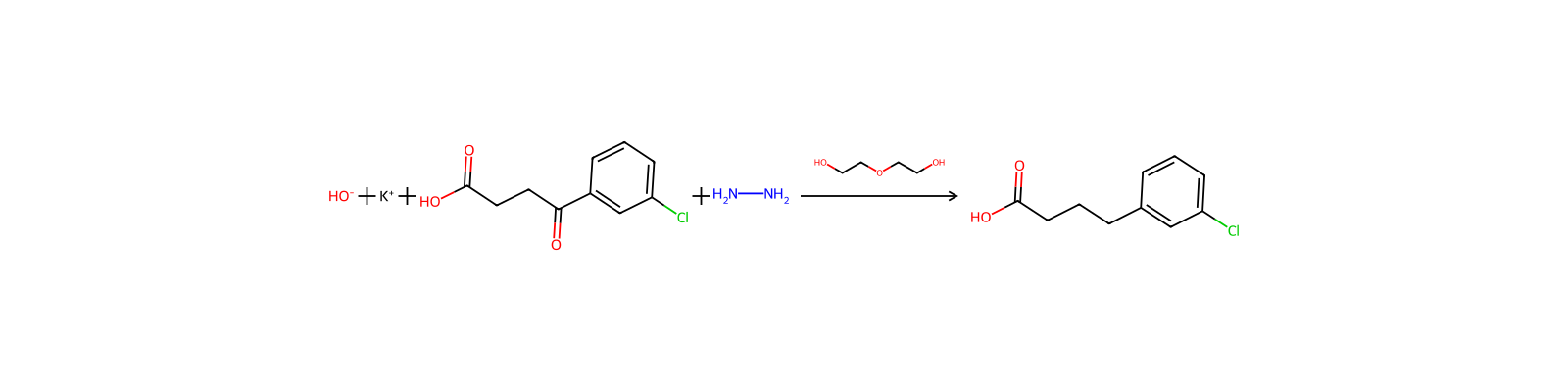
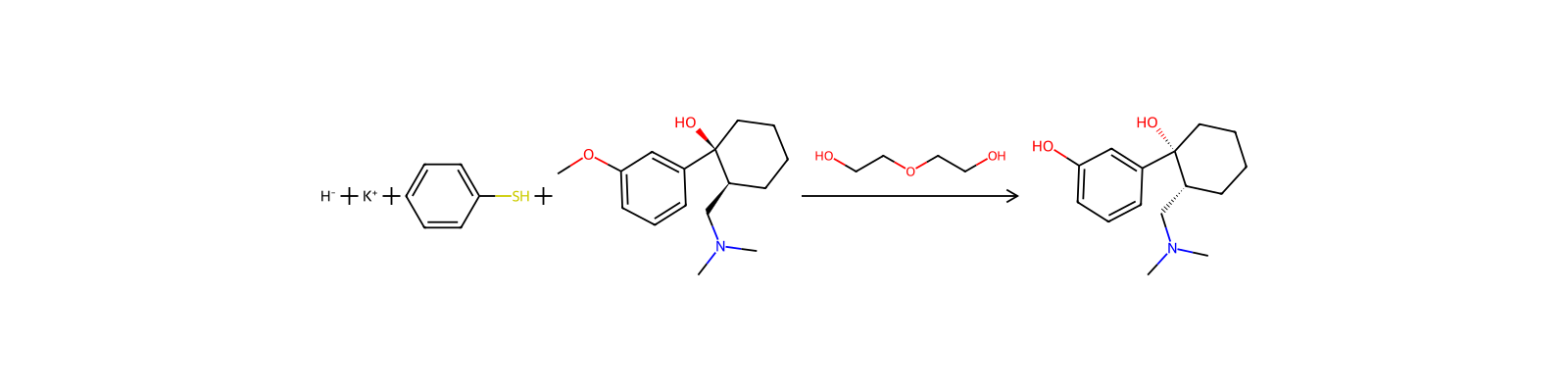
811건




연결된 노트
불러오는 중…